PENELITIPENELITI
International Journal of Education, Information Technology, and OthersInternational Journal of Education, Information Technology, and OthersThis research is motivated by economic growth in Indonesia with the large number of foreign investors entering Indonesia, one of which is Japan. For that, mastering a foreign language will be very important. This study aims to determine the effect of technology and technology trends used in studying Japanese. The method used in this research is descriptive method with observation and interviews. Interviews were conducted on 24 student respondents at the Indonesian Computer University. This research shows that by using technology, namely software for learning Japanese in the form of a digital dictionary, the learning process becomes easier and faster. This can be seen from the 3 characteristics analyzed, namely the use of the digital dictionary, effectiveness, and the type of digital dictionary application used. Therefore, maximizing technology in learning Japanese is an efficient way to develop Japanese language skills. The use of digital dictionaries in learning Japanese can help in finding synonyms, use of proper language and writing procedures. Applications that make it easy to use are applications that provide various language options for users, especially the choice of using English.
The utilization of technology in learning Japanese can increase time efficiency, such as looking for the meaning of a word.Therefore, the use of technology, specifically digital dictionaries, can maximize learning activities.This research highlights the effectiveness of digital dictionaries in supporting Japanese language learning, particularly in terms of speed and ease of access to linguistic information.Ultimately, integrating technology into the Japanese learning process is an efficient strategy for developing language skills.
Penelitian lebih lanjut dapat dilakukan untuk mengeksplorasi efektivitas berbagai jenis aplikasi digital dictionary, termasuk yang berbasis kecerdasan buatan (AI), dalam meningkatkan kemampuan kosakata dan tata bahasa siswa. Selain itu, studi komparatif dapat dilakukan untuk membandingkan efektivitas pembelajaran bahasa Jepang melalui aplikasi digital dictionary dengan metode tradisional, seperti penggunaan buku teks dan kamus cetak. Penelitian selanjutnya juga dapat berfokus pada pengembangan aplikasi digital dictionary yang lebih personal dan adaptif, yang dapat menyesuaikan diri dengan tingkat kemahiran dan gaya belajar individu siswa. Hal ini dapat dicapai dengan memanfaatkan teknologi machine learning untuk menganalisis pola penggunaan siswa dan memberikan rekomendasi yang relevan. Terakhir, penting untuk meneliti dampak penggunaan digital dictionary terhadap motivasi belajar dan kepercayaan diri siswa dalam berkomunikasi dalam bahasa Jepang, serta bagaimana hal ini dapat dioptimalkan untuk menciptakan pengalaman belajar yang lebih positif dan efektif.
| File size | 176.2 KB |
| Pages | 6 |
| DMCA | Report |
Related /

ALFA PUSTAKAALFA PUSTAKA Hasil peneliti menunjukkan bahwa SMA N 1 Batangtoru menerima dan menggunakan model eksperimen daring dengan baik di sekolah. Untuk mengumpulkan data, penelitiHasil peneliti menunjukkan bahwa SMA N 1 Batangtoru menerima dan menggunakan model eksperimen daring dengan baik di sekolah. Untuk mengumpulkan data, peneliti

UIJUIJ Berdasarkan hasil analisis data dan pembahasan hasil penelitian, dapat disimpulkan bahwa penggunaan video animasi memegang peranan penting dalam membangkitkanBerdasarkan hasil analisis data dan pembahasan hasil penelitian, dapat disimpulkan bahwa penggunaan video animasi memegang peranan penting dalam membangkitkan
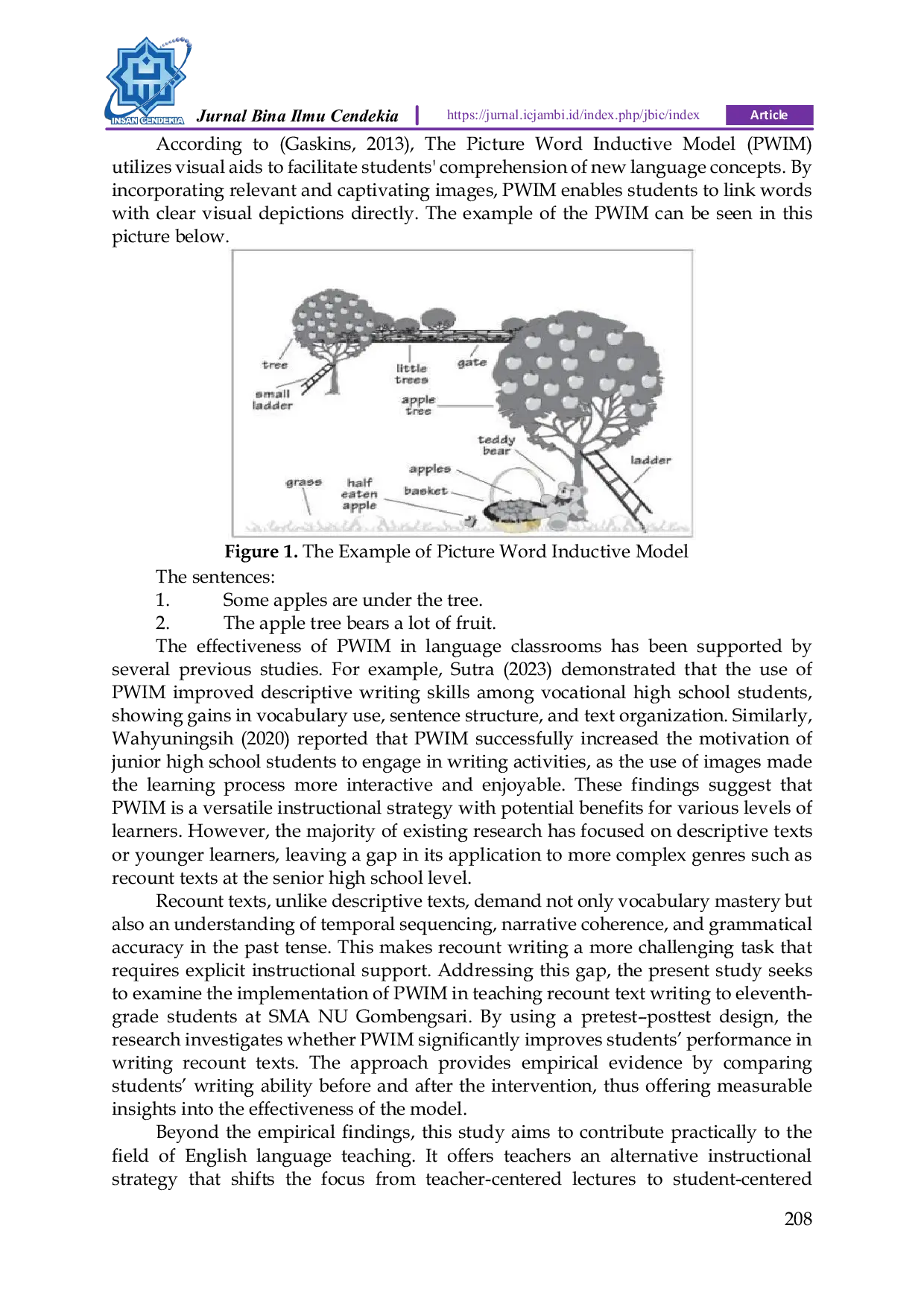
ICJAMBIICJAMBI Analisis data dilakukan dengan uji t berpasangan. Hasil penelitian menunjukkan perbaikan signifikan pada skor menulis siswa setelah intervensi: rata‑rataAnalisis data dilakukan dengan uji t berpasangan. Hasil penelitian menunjukkan perbaikan signifikan pada skor menulis siswa setelah intervensi: rata‑rata

ICJAMBIICJAMBI Temuan ini menunjukkan bahwa penggunaan Virtual Hotel Tours memiliki efek pada kemampuan berbicara siswa, khususnya dalam aspek kelancaran, pengucapan,Temuan ini menunjukkan bahwa penggunaan Virtual Hotel Tours memiliki efek pada kemampuan berbicara siswa, khususnya dalam aspek kelancaran, pengucapan,

UMTUMT Penerapan cerita digital secara iteratif meningkatkan kemampuan berbicara siswa, sehingga sebagian besar siswa melampaui kriteria minimum. Strategi iniPenerapan cerita digital secara iteratif meningkatkan kemampuan berbicara siswa, sehingga sebagian besar siswa melampaui kriteria minimum. Strategi ini

UNISMUHUNISMUH Secara umum, tampaknya susunan struktural otak wanita memberikan wanita keunggulan bawaan dalam mengakuisisi sistem komunikasi dan bahasa dibandingkanSecara umum, tampaknya susunan struktural otak wanita memberikan wanita keunggulan bawaan dalam mengakuisisi sistem komunikasi dan bahasa dibandingkan

USIUSI Metode ini melibatkan siswa dalam situasi bermain peran yang meniru percakapan sehari-hari dalam bahasa Inggris. Temuan penelitian menunjukkan bahwa siswaMetode ini melibatkan siswa dalam situasi bermain peran yang meniru percakapan sehari-hari dalam bahasa Inggris. Temuan penelitian menunjukkan bahwa siswa

OJSOJS Penelitian ini menegaskan bahwa penguasaan lima pola kalimat—Subjek‑Verba, Subjek‑Verba‑Objek, Subjek‑Verba‑Komplement, Subjek‑Verba‑Linking‑Verb‑Komplement,Penelitian ini menegaskan bahwa penguasaan lima pola kalimat—Subjek‑Verba, Subjek‑Verba‑Objek, Subjek‑Verba‑Komplement, Subjek‑Verba‑Linking‑Verb‑Komplement,
Useful /
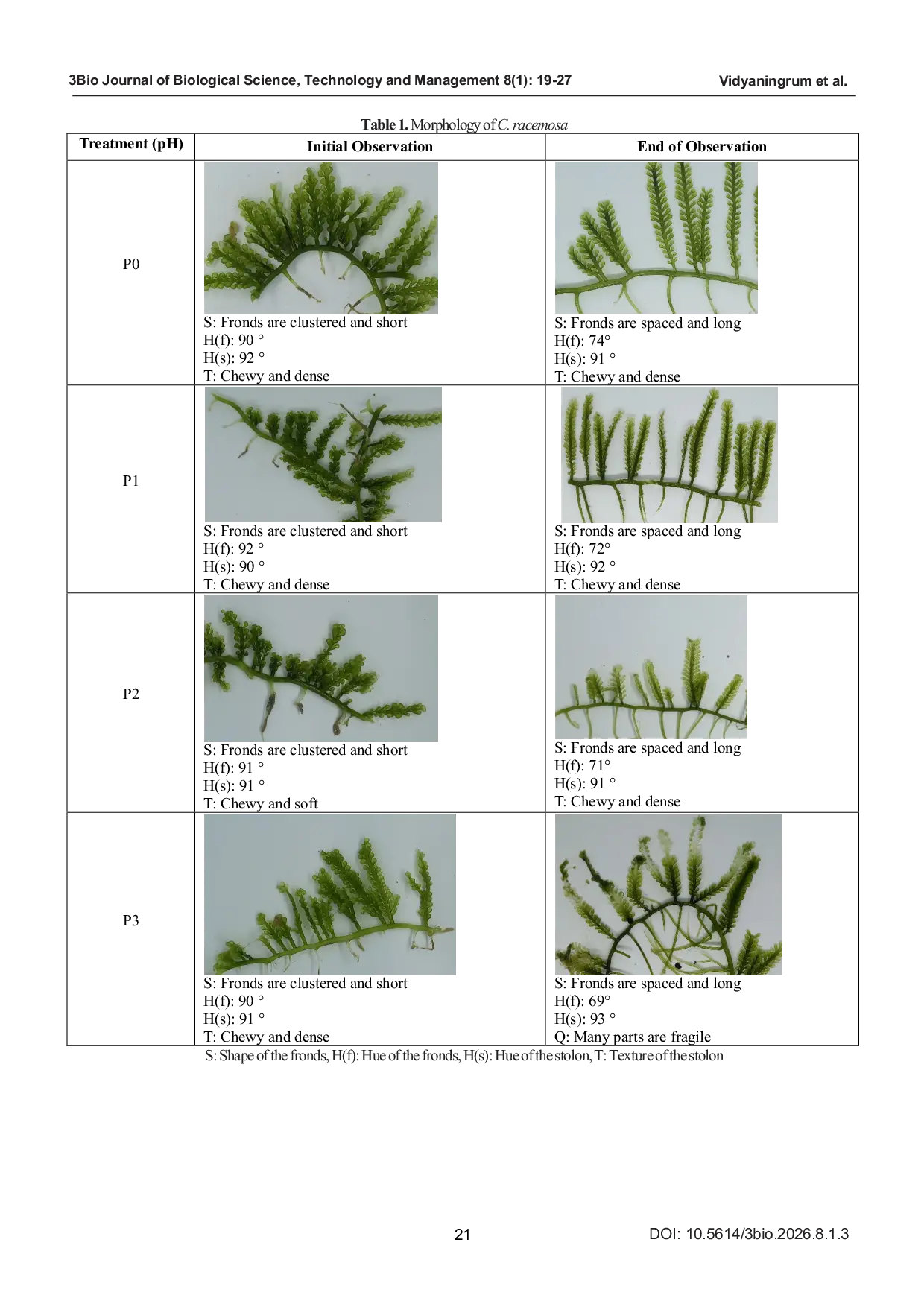
ITBITB Kandungan klorofil a tertinggi diamati pada pH alami (P0: 303,61 ± 5,56 mg L-¹). pH berpengaruh signifikan terhadap pertumbuhan dan klorofil a pada C.Kandungan klorofil a tertinggi diamati pada pH alami (P0: 303,61 ± 5,56 mg L-¹). pH berpengaruh signifikan terhadap pertumbuhan dan klorofil a pada C.

ALFA PUSTAKAALFA PUSTAKA Berdasarkan penelitian ini, terdapat pengaruh signifikan antara metode Project Based Learning terhadap penulisan teks prosedur siswa kelas X SMA NegeriBerdasarkan penelitian ini, terdapat pengaruh signifikan antara metode Project Based Learning terhadap penulisan teks prosedur siswa kelas X SMA Negeri

OJSOJS Dengan memahami peran fungsional ini, pendidik dapat mengembangkan strategi pengajaran yang lebih efektif yang selaras dengan penggunaan bahasa dunia nyata,Dengan memahami peran fungsional ini, pendidik dapat mengembangkan strategi pengajaran yang lebih efektif yang selaras dengan penggunaan bahasa dunia nyata,

OJSOJS Namun, kendala utama berupa kualitas jaringan internet yang tidak stabil serta rendahnya kompetensi digital guru dan siswa menghambat optimalisasi penggunaanNamun, kendala utama berupa kualitas jaringan internet yang tidak stabil serta rendahnya kompetensi digital guru dan siswa menghambat optimalisasi penggunaan