TIGA MUTIARATIGA MUTIARA
Mutiara: Jurnal Ilmiah Multidisiplin IndonesiaMutiara: Jurnal Ilmiah Multidisiplin IndonesiaThe world of education is currently developing, various kinds of innovation and renewal are carried out to improve the quality and quantity of education. Various breakthroughs have also been made both in curriculum development, learning innovation, and the provision of educational facilities and infrastructure needed to improve the quality of education itself. The method used in this study is a quantitative descriptive method with an Ex Post Facto approach. The population of this study is class X students of SMA Negeri 8 Pontianak for the 2023/2024 school year. The data collection techniques in this article are direct communication techniques and also use questionnaires. The validity test of the instrument is used to assess whether the instrument can accurately disclose the data of the variable being studied. The validity of the content and construct was assessed through expert assessment by three validators, consisting of two IT lecturers and one Informatics teacher, to evaluate the suitability of the questionnaire about learning interests and learning disciplines. The data from this research includes information about students of SMA Negeri 8 Pontianak class XA, XB, XC, XD, XE, XF, XG, XH, XI which amounted to 322 students who had previously been observed, this was done to find out the problems at SMA Negeri 8 Pontianak before a study was conducted. The research carried out included one bound variable, namely Learning Outcome (Y), and two independent variables, namely Learning Interest (X1) and Learning Discipline (X2) Variable Data for X1 and X2 was obtained from a questionnaire with a likert scale answer model of 4 (four) alternative answers that were distributed according to the sample needs to 167 students who were the research sample.
The key factors that influence student learning outcomes in informatics subjects are learning interest and learning discipline.Learning discipline has a significant influence on student learning outcomes, while learning interest does not.Further research should focus on understanding the complex interplay between these factors and other variables that contribute to academic success.
Based on the findings of this study, several avenues for future research emerge. First, it would be beneficial to investigate the role of specific teaching strategies in fostering learning discipline among students, particularly in the context of informatics education. This could involve exploring the effectiveness of different classroom management techniques or the integration of technology-based tools to enhance student engagement and self-regulation. Second, future studies could examine the influence of students prior knowledge and attitudes towards technology on their learning interest and outcomes in informatics. Understanding these pre-existing factors could help educators tailor their instruction to better meet the needs of diverse learners. Finally, a longitudinal study tracking students learning interest, discipline, and outcomes over several years could provide valuable insights into the long-term effects of these variables and identify potential interventions to support student success throughout their academic journey. These research directions will contribute to a more comprehensive understanding of the factors that drive student achievement in informatics and inform the development of effective educational practices.
| File size | 674.75 KB |
| Pages | 14 |
| DMCA | Report |
Related /

SERAMBISERAMBI Data dikumpulkan melalui observasi, wawancara mendalam, dan dokumentasi, melibatkan informan kunci yang terdiri dari kepala madrasah, wakil kepala bidangData dikumpulkan melalui observasi, wawancara mendalam, dan dokumentasi, melibatkan informan kunci yang terdiri dari kepala madrasah, wakil kepala bidang

SYEKH NURJATISYEKH NURJATI Penelitian ini menyimpulkan bahwa sistem manajemen layanan pendidikan, termasuk efisiensi, aksesibilitas, kejelasan, dan inovasi teknologi, memiliki dampakPenelitian ini menyimpulkan bahwa sistem manajemen layanan pendidikan, termasuk efisiensi, aksesibilitas, kejelasan, dan inovasi teknologi, memiliki dampak
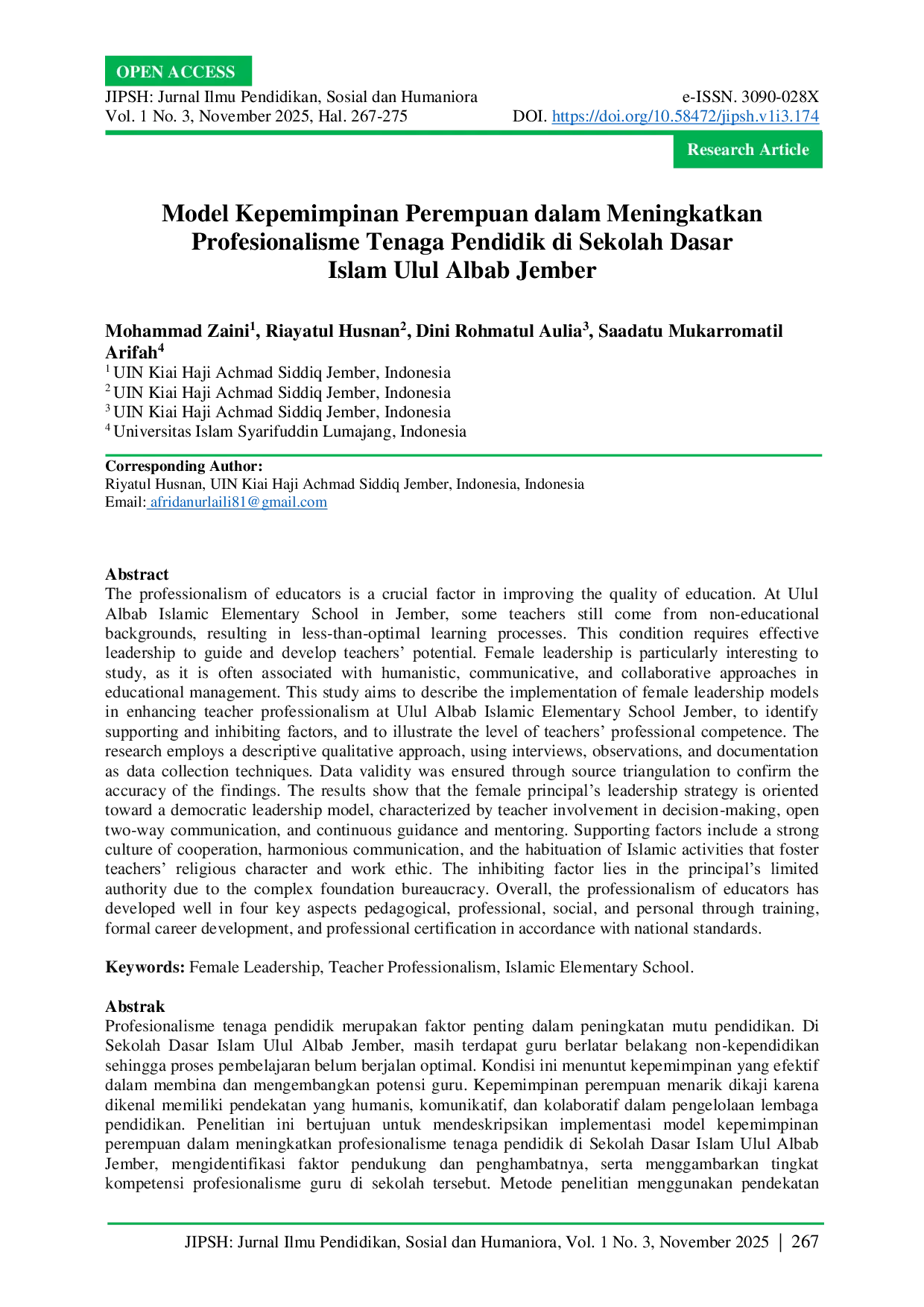
LLILLI Secara umum, kompetensi profesionalisme tenaga pendidik telah berkembang baik pada aspek pedagogik, profesional, sosial, dan kepribadian melalui pelatihan,Secara umum, kompetensi profesionalisme tenaga pendidik telah berkembang baik pada aspek pedagogik, profesional, sosial, dan kepribadian melalui pelatihan,

ASY SYUKRIYYAHASY SYUKRIYYAH Pelaksanaan manajemen kepala madrasah dalam meningkatkan daya saing sekolah di Madrasah Ibtidaiyah Al Hikmah Palembang mulai dari perencanaan, pengorganisasian,Pelaksanaan manajemen kepala madrasah dalam meningkatkan daya saing sekolah di Madrasah Ibtidaiyah Al Hikmah Palembang mulai dari perencanaan, pengorganisasian,

STITUSASTITUSA Manajemen kurikulum muatan lokal Tahfidzul Quran di MI Al‑Fatah meliputi lima tahapan perencanaan (menentukan tujuan, program, isi, strategi, dan evaluasi),Manajemen kurikulum muatan lokal Tahfidzul Quran di MI Al‑Fatah meliputi lima tahapan perencanaan (menentukan tujuan, program, isi, strategi, dan evaluasi),

STKIPAHSINGARAJASTKIPAHSINGARAJA Penelitian ini bertujuan untuk meningkatkan pemahaman membaca siswa tentang teks deskriptif melalui strategi SQ3R untuk siswa kelas VII E SMP N 1 Pekutatan.Penelitian ini bertujuan untuk meningkatkan pemahaman membaca siswa tentang teks deskriptif melalui strategi SQ3R untuk siswa kelas VII E SMP N 1 Pekutatan.

STAI AL-HIDAYAHSTAI AL-HIDAYAH Akhlak terhadap teman dan Akhlak terhadap lingkungan. Dan Metode Evaluasi: Observasi, Praktek dan 360˚ evaluasi. Berdasarkan penelitian yang telah dilakukan,Akhlak terhadap teman dan Akhlak terhadap lingkungan. Dan Metode Evaluasi: Observasi, Praktek dan 360˚ evaluasi. Berdasarkan penelitian yang telah dilakukan,

STAI AL-HIDAYAHSTAI AL-HIDAYAH Konsep wealth management adalah ilmu untuk mengelola aset, dan investasi sebagai jantungnya. Pengelolaan aset kekayaan pada lembaga pendidikan itu sangatKonsep wealth management adalah ilmu untuk mengelola aset, dan investasi sebagai jantungnya. Pengelolaan aset kekayaan pada lembaga pendidikan itu sangat
Useful /

ASY SYUKRIYYAHASY SYUKRIYYAH Keberhasilan implementasi proyek ini didukung oleh kepemimpinan yang kuat, dukungan kebijakan pemerintah, partisipasi masyarakat, budaya integritas, danKeberhasilan implementasi proyek ini didukung oleh kepemimpinan yang kuat, dukungan kebijakan pemerintah, partisipasi masyarakat, budaya integritas, dan
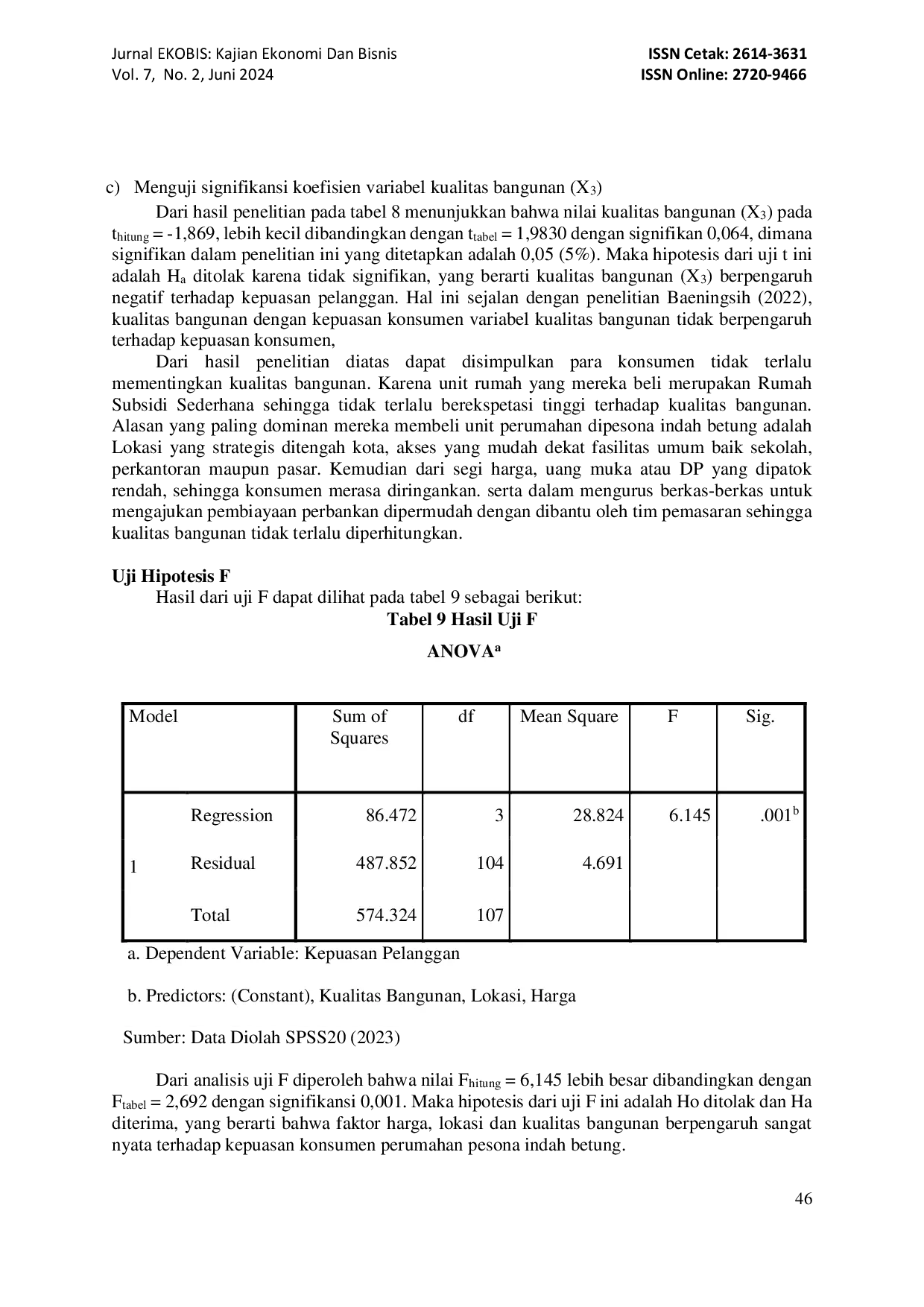
UNISTIUNISTI Jumlah responden adalah 108 orang. Hasil penelitian ini secara hipotetis menunjukkan bahwa harga dan lokasi memiliki pengaruh positif terhadap kepuasanJumlah responden adalah 108 orang. Hasil penelitian ini secara hipotetis menunjukkan bahwa harga dan lokasi memiliki pengaruh positif terhadap kepuasan

STKIPAHSINGARAJASTKIPAHSINGARAJA Penelitian ini bertujuan untuk mengatasi hasil belajar yang tidak memuaskan pada materi pembagian kelas IV SD Nomor 4 Darmasaba. Pengembangan multimediaPenelitian ini bertujuan untuk mengatasi hasil belajar yang tidak memuaskan pada materi pembagian kelas IV SD Nomor 4 Darmasaba. Pengembangan multimedia

THEHIPKNEEJOURNALTHEHIPKNEEJOURNAL Salah satu kemajuan terbaru dalam osteotomi lutut adalah penggunaan cetak 3D untuk membuat panduan pemotongan dan instrumen yang disesuaikan dengan pasien.Salah satu kemajuan terbaru dalam osteotomi lutut adalah penggunaan cetak 3D untuk membuat panduan pemotongan dan instrumen yang disesuaikan dengan pasien.