KIPMIKIPMI
Communications in Science and TechnologyCommunications in Science and TechnologyAccess to clean water remains a global challenge, which is made worse by the contamination of chemical dyes. The recent innovations of wastewater treatment have been introduced, such as combined biochar with TiO2 photocatalyst. This study proposed to degrade mainly organic pollutants from dyed wastewater using adsorption-photocatalytic of biochar-supported photocatalyst TiO2 (BSP). Mangroves were converted into biochar via hydrothermal carbonization process and combined with TiO2 by a sol-gel method. The composite was then characterized by SEM-EDX, FTIR, and XRD. The degradation performance of the BSPs was optimized with the addition of Titanium (IV) Isopropoxide (TTIP) solution in biochar for 15-25 mL, solution photocatalyst dosage 0.5–1 g/L, initial dyed water concentration at 10 ppm, pH 5.2, and UV-irradiation time from 30 to 240 min in a photocatalytic reactor. The phenomenon of organic pollutants removal was observed based upon the mechanism and dominance of the process and the degradation reaction rate of organic pollutants in dyed wastewater. Methylene blue used as a model dye was degraded 100% through the adsorption-photocatalysis process using BSP. The highest effective degradation performance was found in BSP 20 that had a functional group area of 4.39923 m²/g, a catalyst loading of 0.5 g/L, and the highest degradation rate at k = 0.021 min⁻¹. In subsequent development, the synergistic interaction between biochar and TiO2 presents a promising avenue for the development of advanced wastewater treatment systems targeting the removal of organic pollutants, particularly in textile industry.
The BSP composites demonstrated strong potential for the removal of methylene blue (MB), achieving over 99% efficiency due to the synergistic interaction between biochar and TiO2.The incorporation of TiO2 improved the photodecomposition capability of the composite under UV light, despite reducing its surface functional groups.The study highlights the importance of catalyst dosage in optimizing degradation efficiency and suggests that the BSP composite is a promising candidate for treating dye-contaminated wastewater.
Penelitian lebih lanjut perlu dilakukan untuk mengoptimalkan efisiensi degradasi polutan organik dalam air limbah dengan mempertimbangkan berbagai parameter lingkungan seperti pH, intensitas cahaya, dan durasi iradiasi. Pengembangan material BSP dengan variasi sumber biomassa mangrove yang berbeda, seperti daun atau akar, dapat dieksplorasi untuk meningkatkan kinerja adsorpsi dan fotokatalitik. Selain itu, studi mengenai aplikasi BSP dalam skala pilot atau industri, dengan mempertimbangkan faktor ekonomi dan keberlanjutan, perlu dilakukan untuk menguji kelayakan implementasi teknologi ini dalam mengatasi masalah pencemaran air limbah tekstil secara efektif dan efisien. Penelitian ini diharapkan dapat memberikan kontribusi signifikan dalam pengembangan sistem pengolahan air limbah yang lebih ramah lingkungan dan berkelanjutan.
| File size | 1.51 MB |
| Pages | 9 |
| DMCA | Report |
Related /

JURNALFKIPUNTADJURNALFKIPUNTAD Some of the finished products go through the galvanizing process in the metal processing industry. Quality constraints, especially related to the thicknessSome of the finished products go through the galvanizing process in the metal processing industry. Quality constraints, especially related to the thickness
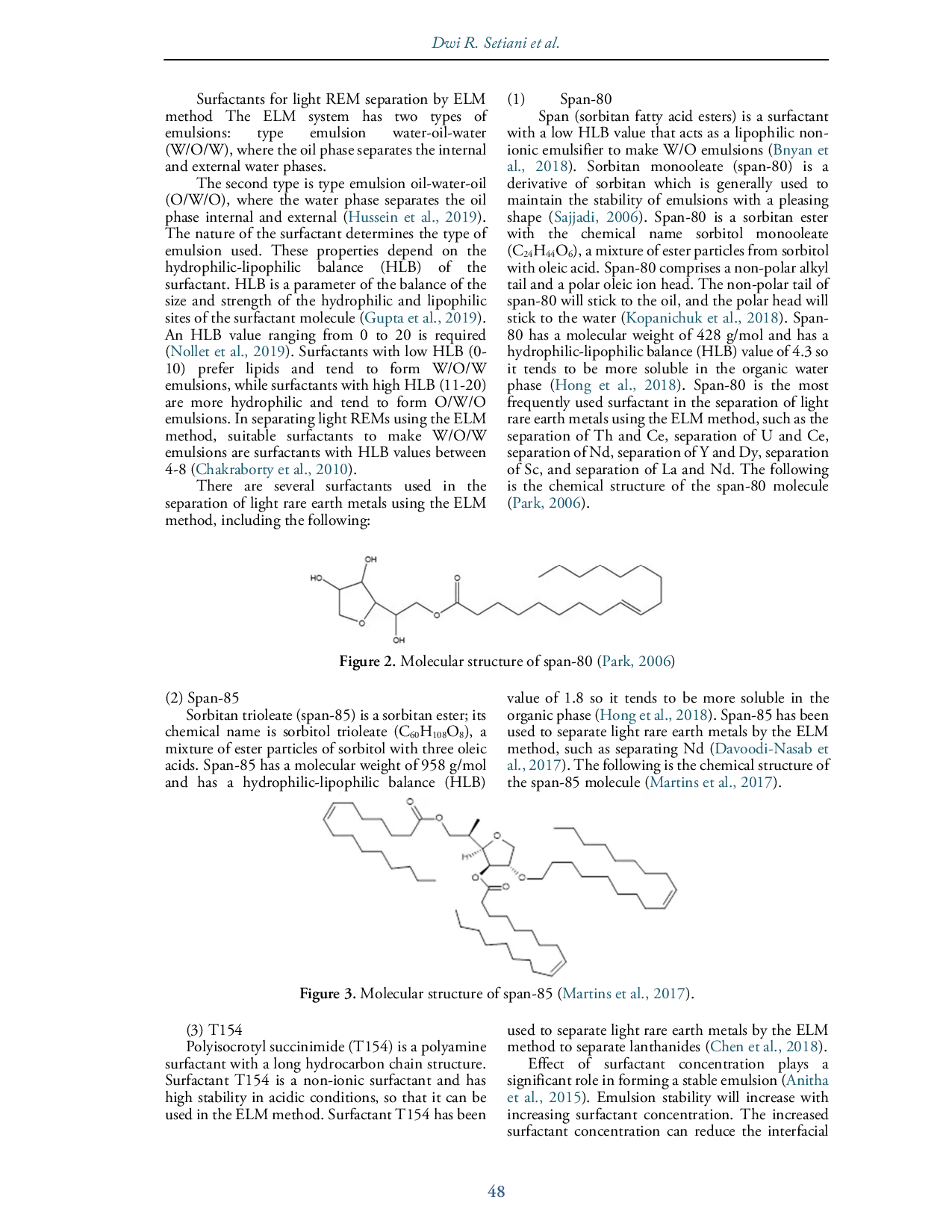
JURNALFKIPUNTADJURNALFKIPUNTAD Oleh karena itu, pemisahan REM menarik untuk dipelajari dengan berbagai metode, salah satunya adalah Emulsion Liquid Membrane (ELM). ELM mengembangkanOleh karena itu, pemisahan REM menarik untuk dipelajari dengan berbagai metode, salah satunya adalah Emulsion Liquid Membrane (ELM). ELM mengembangkan

UNUSAUNUSA Kesimpulannya, penundaan pemeriksaan serum hingga 3 jam dengan berbagai pertimbangan masih dapat diterima. Penelitian ini menemukan tidak ada perbedaanKesimpulannya, penundaan pemeriksaan serum hingga 3 jam dengan berbagai pertimbangan masih dapat diterima. Penelitian ini menemukan tidak ada perbedaan
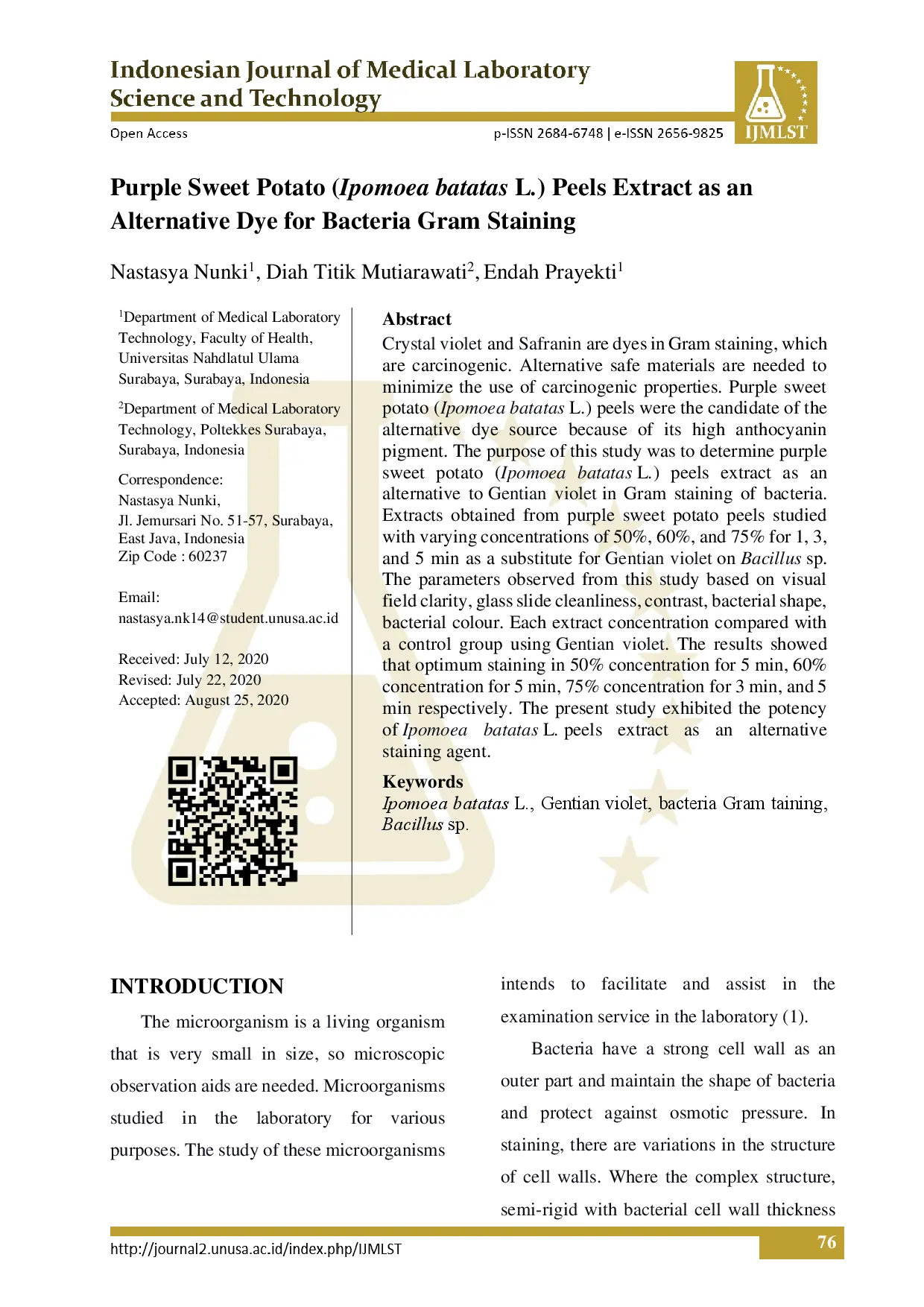
UNUSAUNUSA Konsentrasi dan waktu pewarnaan optimal bervariasi tergantung pada formulasi ekstrak. Penelitian lebih lanjut diperlukan untuk mengoptimalkan efektivitasKonsentrasi dan waktu pewarnaan optimal bervariasi tergantung pada formulasi ekstrak. Penelitian lebih lanjut diperlukan untuk mengoptimalkan efektivitas
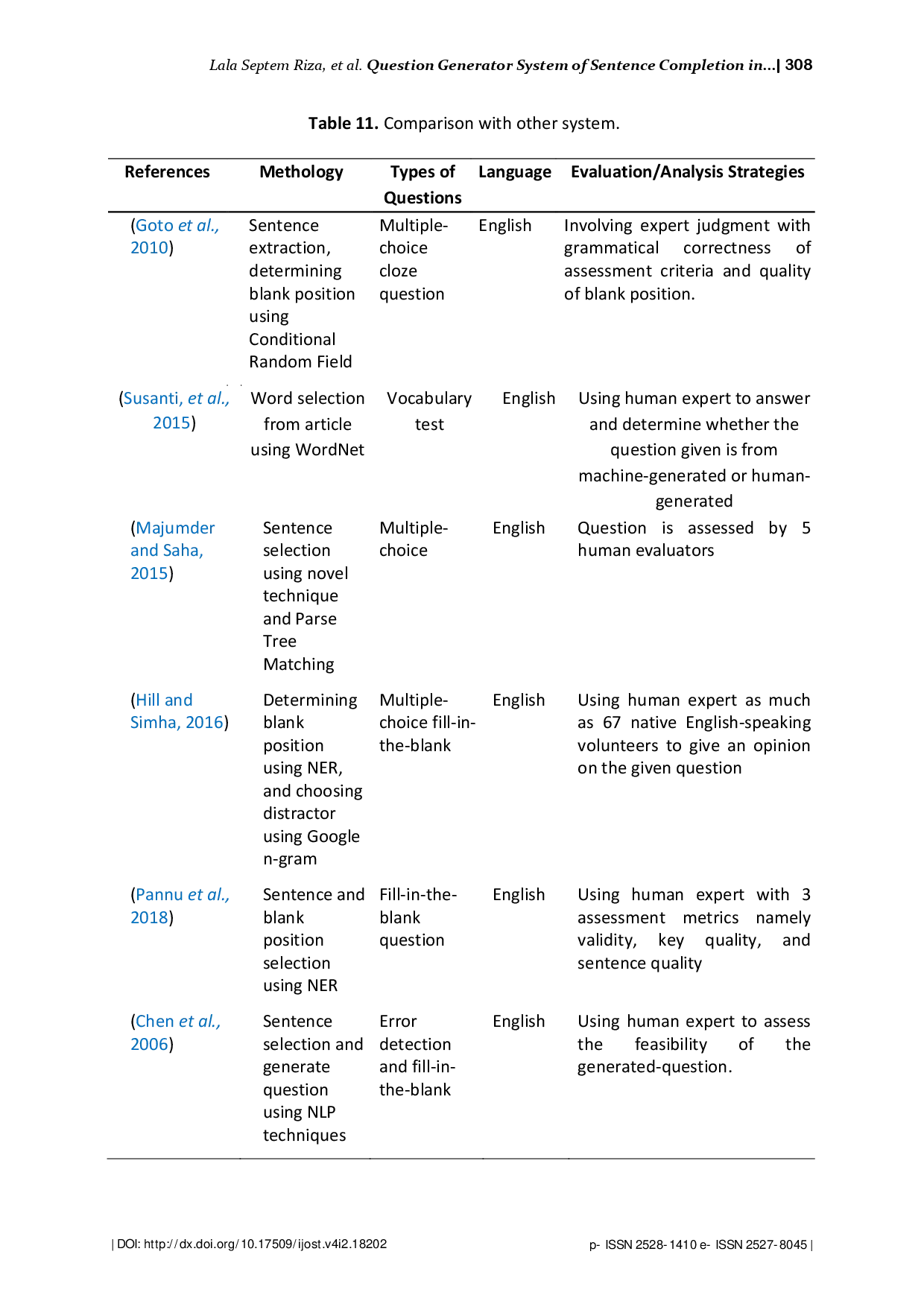
UPIUPI Evaluasi menunjukkan bahwa soal yang dihasilkan memiliki kualitas baik (81,93 % skor penilaian, 81,25 % konsistensi jawaban, dan 70 % keseragamanEvaluasi menunjukkan bahwa soal yang dihasilkan memiliki kualitas baik (81,93 % skor penilaian, 81,25 % konsistensi jawaban, dan 70 % keseragaman
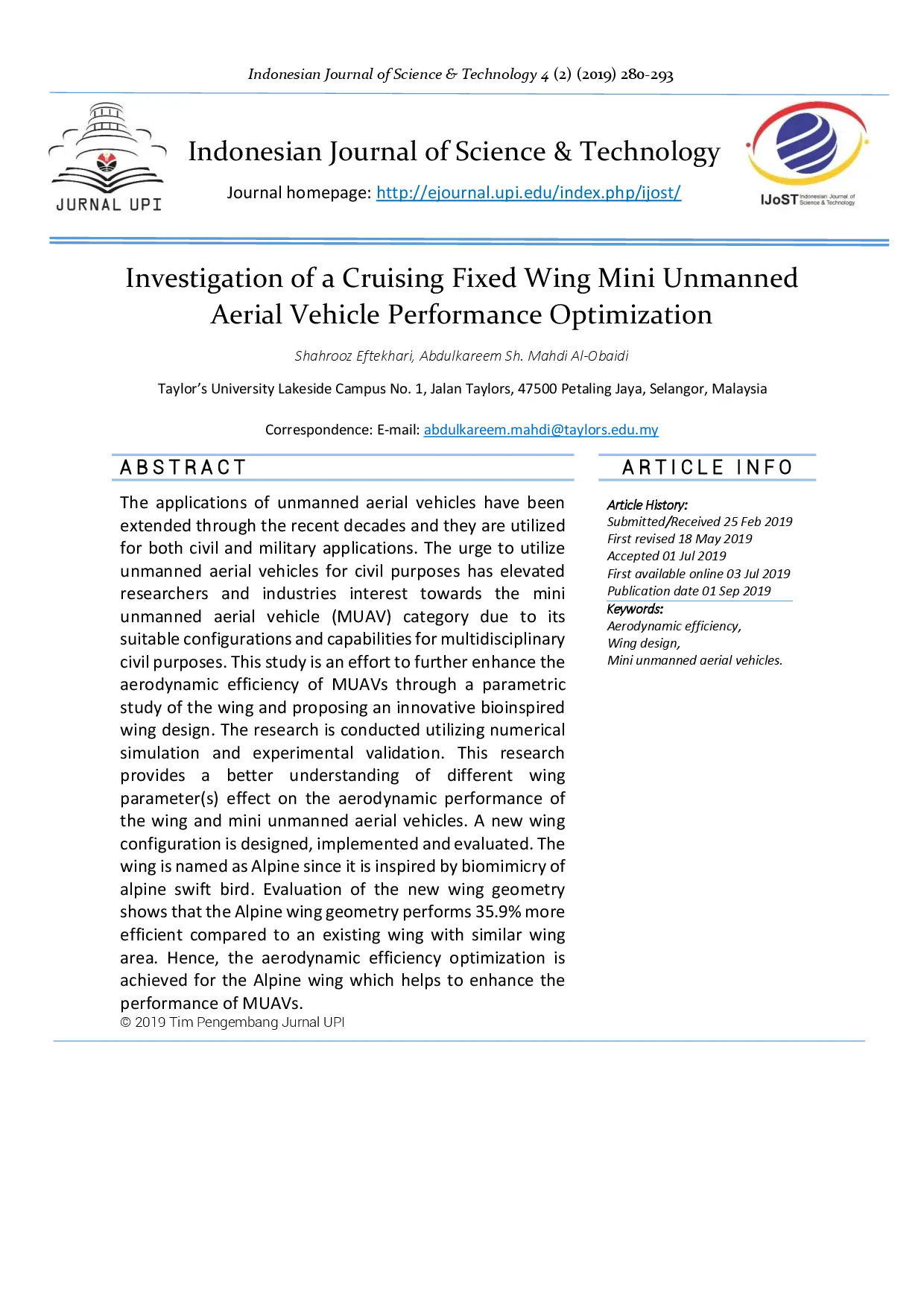
UPIUPI Dorongan untuk memanfaatkan kendaraan udara tak berawak pada keperluan sipil telah meningkatkan minat peneliti dan industri terhadap kategori mini UAVDorongan untuk memanfaatkan kendaraan udara tak berawak pada keperluan sipil telah meningkatkan minat peneliti dan industri terhadap kategori mini UAV
UPIUPI Data kemampuan berpikir kritis dikumpulkan melalui tes esai dan dianalisis dengan uji-t. Hasil menunjukkan bahwa terdapat pengaruh signifikan model pembelajaranData kemampuan berpikir kritis dikumpulkan melalui tes esai dan dianalisis dengan uji-t. Hasil menunjukkan bahwa terdapat pengaruh signifikan model pembelajaran

UPIUPI Proses penyempurnaan adaptif menunjukkan estimasi galat global yang lebih efektif dibandingkan refinemen seragam dari sisi biaya komputasi.metode ini berpotensiProses penyempurnaan adaptif menunjukkan estimasi galat global yang lebih efektif dibandingkan refinemen seragam dari sisi biaya komputasi.metode ini berpotensi
Useful /
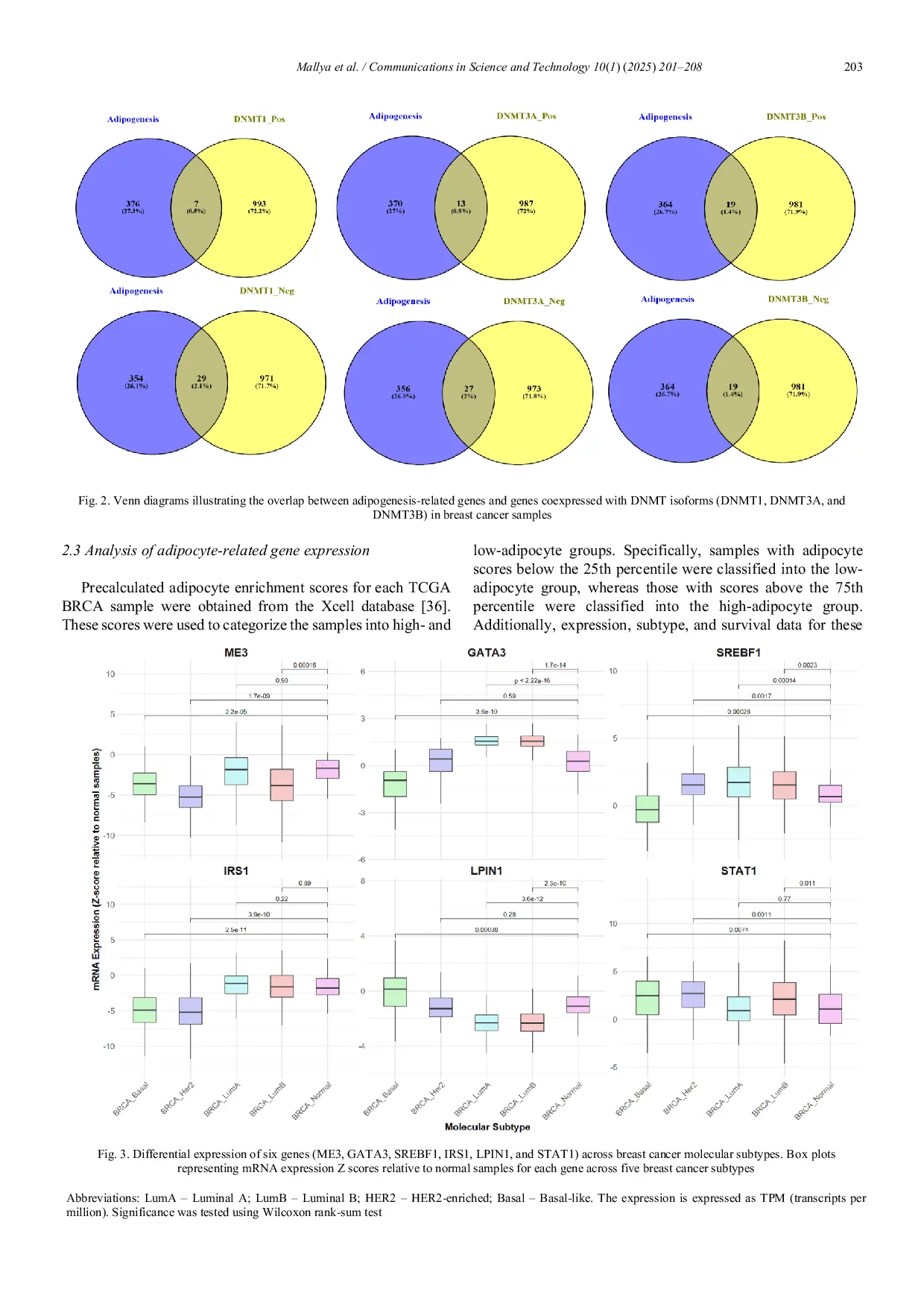
KIPMIKIPMI Dalam penelitian ini, kami mengidentifikasi gen-gen terkait adipogenesis dan menganalisis koekspresinya dengan isoform DNMT pada sampel kanker payudaraDalam penelitian ini, kami mengidentifikasi gen-gen terkait adipogenesis dan menganalisis koekspresinya dengan isoform DNMT pada sampel kanker payudara
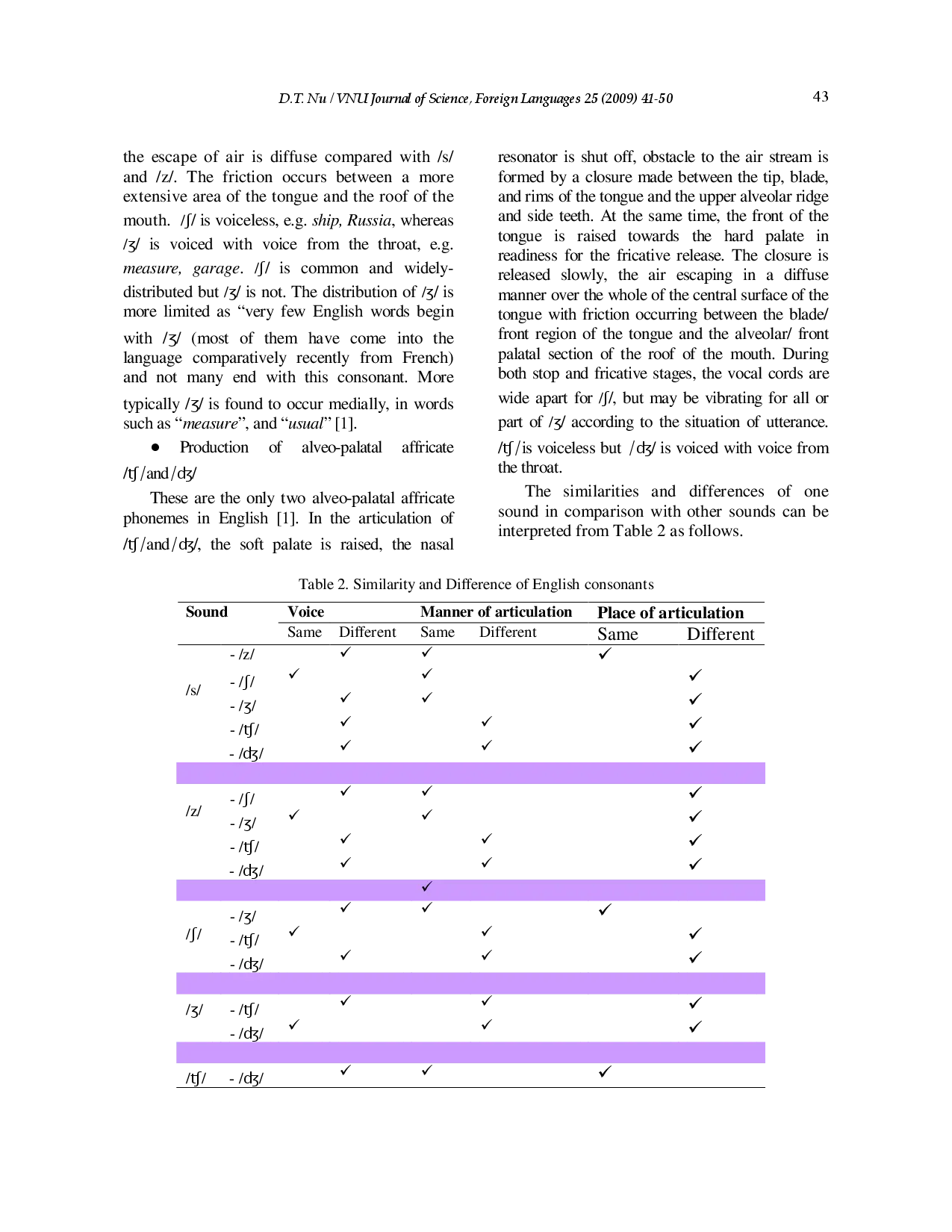
UNYUNY Kesalahan diidentifikasi berdasarkan kesalahan cara dan tempat artikulasi bunyi. Dikemukakan bahwa kesalahan tersebut dapat dijelaskan oleh kurangnya pengetahuanKesalahan diidentifikasi berdasarkan kesalahan cara dan tempat artikulasi bunyi. Dikemukakan bahwa kesalahan tersebut dapat dijelaskan oleh kurangnya pengetahuan

UNUSAUNUSA Eksperimen menunjukkan bahwa pewarnaan dengan metilen biru menghasilkan kualitas “cukup pada 40% preparat dan kualitas “buruk pada 60% preparat. PenelitianEksperimen menunjukkan bahwa pewarnaan dengan metilen biru menghasilkan kualitas “cukup pada 40% preparat dan kualitas “buruk pada 60% preparat. Penelitian
UNUSAUNUSA XYZ di Surabaya. Metode penelitian yang digunakan adalah pendekatan kuantitatif dengan teknik purposive sampling terhadap 85 responden karyawan. Data dikumpulkanXYZ di Surabaya. Metode penelitian yang digunakan adalah pendekatan kuantitatif dengan teknik purposive sampling terhadap 85 responden karyawan. Data dikumpulkan