UNIPASBYUNIPASBY
EMBRIO: Jurnal KebidananEMBRIO: Jurnal KebidananExposure to Escherichia coli during pregnancy may cause serious problems such as anemia, premature birth and an increased risk of inflammation of the lining of the brain in the fetus. Mahkota Dewa (Phaleria macrocarpa) is a medicinal plant that is widely known and used to treat allergies and chronic diseases. One of the compounds contained in Mahkota Dewa is flavonoids. There is a certain mechanism of action of flavonoids in inhibiting bacteria namely by damaging the cytoplasmic cell wall in bacteria. This study aims to analyze the antibacterial properties of various concentrations of Mahkota Dewa fruit (Phaleria macrocarpa) extract against Escherichia coli bacteria through a laboratory experimental study design by testing the antimicrobial potency of the well method, namely 10%, 20%, 40%, 60%, 80% and 100%. Statistical analysis using One-Way Anova Test showed a significant difference between changes in the concentration of flavonoids in Mahkota Dewa fruit extract and the inhibition zones towards the growth of Escherichia coli bacteria (p<0.05). Pearson correlation test showed a very strong relationship with a positive direction (r=0.874) which indicated that the higher the concentration of flavonoids in Mahkota dewa fruit extract, the stronger the antimicrobial effect. Based on the study findings, it can be concluded that the flavonoid extract in Mahkota Dewa fruit extract had an antimicrobial potential against Escherichia Coli in vitro.
Flavonoids content in Mahkota dewa fruit (Phaleria macrocarpa) extract in vitro had antibacterial potential against the growth of Escherichia coli.An increase in the concentration of Flavonoids in Mahkota dewa fruit (Phaleria macrocarpa) extract led to an increase in the diameter of the inhibition zone created in the well holes.The larger the diameter of the inhibition zone formed, the lower the growth of Escherichia coli bacteria.
Penelitian lebih lanjut dapat dilakukan untuk mengidentifikasi senyawa spesifik dalam ekstrak buah Mahkota Dewa yang paling bertanggung jawab atas aktivitas antibakterinya, sehingga dapat dimaksimalkan potensinya sebagai agen antimikroba. Selain itu, studi in vivo perlu dilakukan untuk menguji efektivitas dan keamanan ekstrak Mahkota Dewa dalam mengatasi infeksi Escherichia coli pada model hewan atau bahkan pada manusia, dengan mempertimbangkan dosis dan cara pemberian yang optimal. Terakhir, penelitian dapat difokuskan pada pengembangan formulasi sediaan farmasi berbasis ekstrak Mahkota Dewa, seperti kapsul atau salep, untuk meningkatkan stabilitas, ketersediaan hayati, dan kemudahan penggunaan, sehingga dapat diakses secara luas oleh masyarakat sebagai alternatif pengobatan infeksi bakteri.
- Antibacterial Activity Test of Mahkota Dewa Fruit (Phaleria macrocarpa) Extract against Escherichia Coli... jurnal.unipasby.ac.id/index.php/embrio/article/view/6533Antibacterial Activity Test of Mahkota Dewa Fruit Phaleria macrocarpa Extract against Escherichia Coli jurnal unipasby ac index php embrio article view 6533
- Lessons Learned from Probing for Impacts of Triclosan and Triclocarban on Human Microbiomes | mSphere.... doi.org/10.1128/MSPHERE.00089-16Lessons Learned from Probing for Impacts of Triclosan and Triclocarban on Human Microbiomes mSphere doi 10 1128 MSPHERE 00089 16
| File size | 279.96 KB |
| Pages | 7 |
| DMCA | Report |
Related /
POLITEKNIKJAMBIPOLITEKNIKJAMBI Penelitian ini merancang dan membangun alat pengolahan santan kelapa menjadi Virgin Coconut Oil (VCO) berbasis Internet of Things (IoT) dengan metode pemanasanPenelitian ini merancang dan membangun alat pengolahan santan kelapa menjadi Virgin Coconut Oil (VCO) berbasis Internet of Things (IoT) dengan metode pemanasan
OPENGLOBALSCIOPENGLOBALSCI The use of biopesticides is one environmentally friendly solution. This study aims to determine the effectiveness of biopesticides in controlling majorThe use of biopesticides is one environmentally friendly solution. This study aims to determine the effectiveness of biopesticides in controlling major
STIKMKSSTIKMKS Mengingat risiko kontaminasi logam berat dalam produk kosmetik, analisis keamanan kandungan logam berat dalam sabun kertas menjadi penting. Tujuan: UntukMengingat risiko kontaminasi logam berat dalam produk kosmetik, analisis keamanan kandungan logam berat dalam sabun kertas menjadi penting. Tujuan: Untuk
TYARLYTATYARLYTA Berdasarkan hasil pengamatan dan analisis data, dapat disimpulkan bahwa populasi hama (larva) Conopomorpha cramerella yang menyerang tanaman kakao di DesaBerdasarkan hasil pengamatan dan analisis data, dapat disimpulkan bahwa populasi hama (larva) Conopomorpha cramerella yang menyerang tanaman kakao di Desa
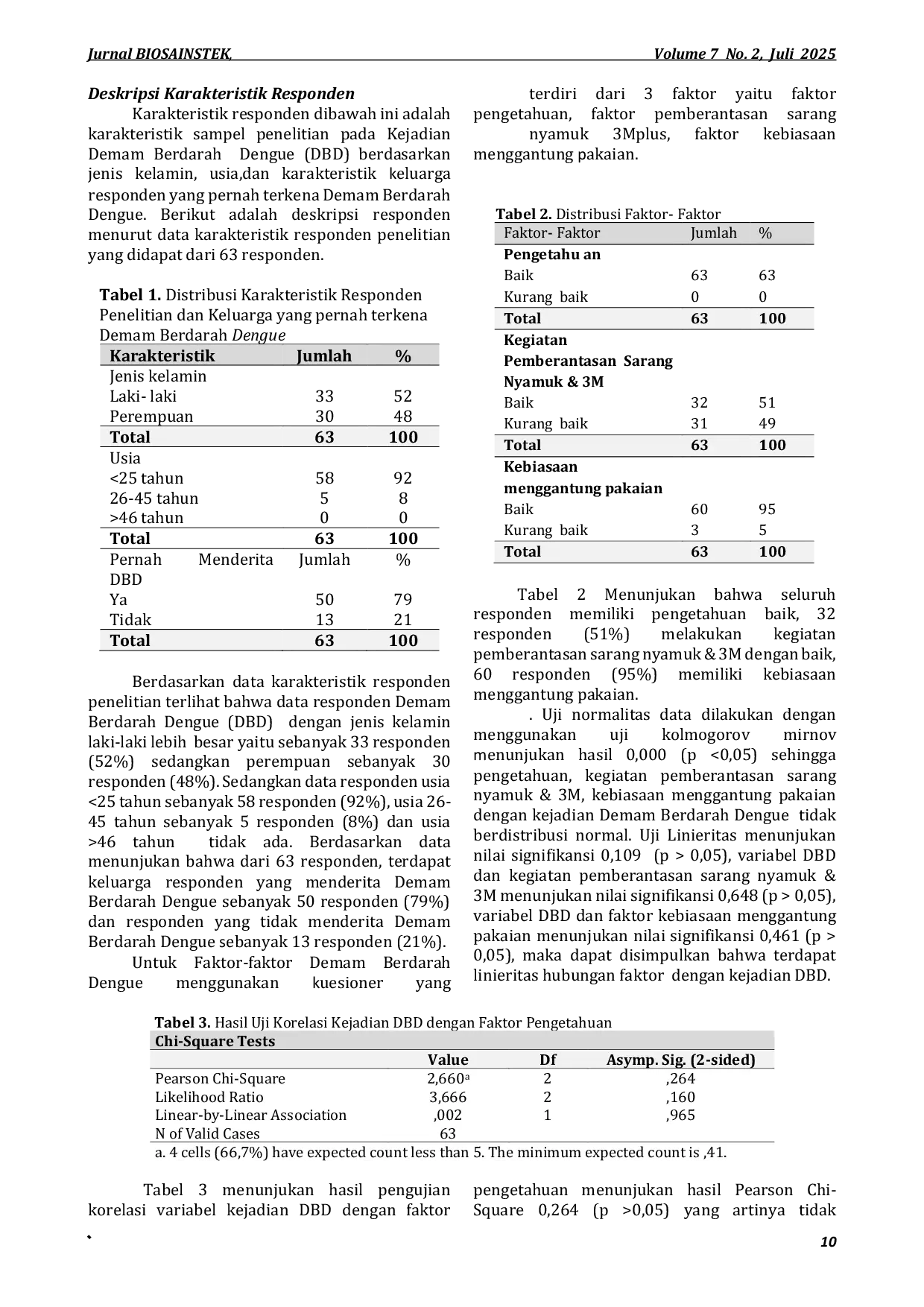
TYARLYTATYARLYTA Gejala DBD meliputi demam selama 2-7 hari dengan suhu 3,90°C, sakit kepala, nyeri punggung, dan nyeri ulu hati. Penelitian ini bertujuan untuk mengidentifikasiGejala DBD meliputi demam selama 2-7 hari dengan suhu 3,90°C, sakit kepala, nyeri punggung, dan nyeri ulu hati. Penelitian ini bertujuan untuk mengidentifikasi
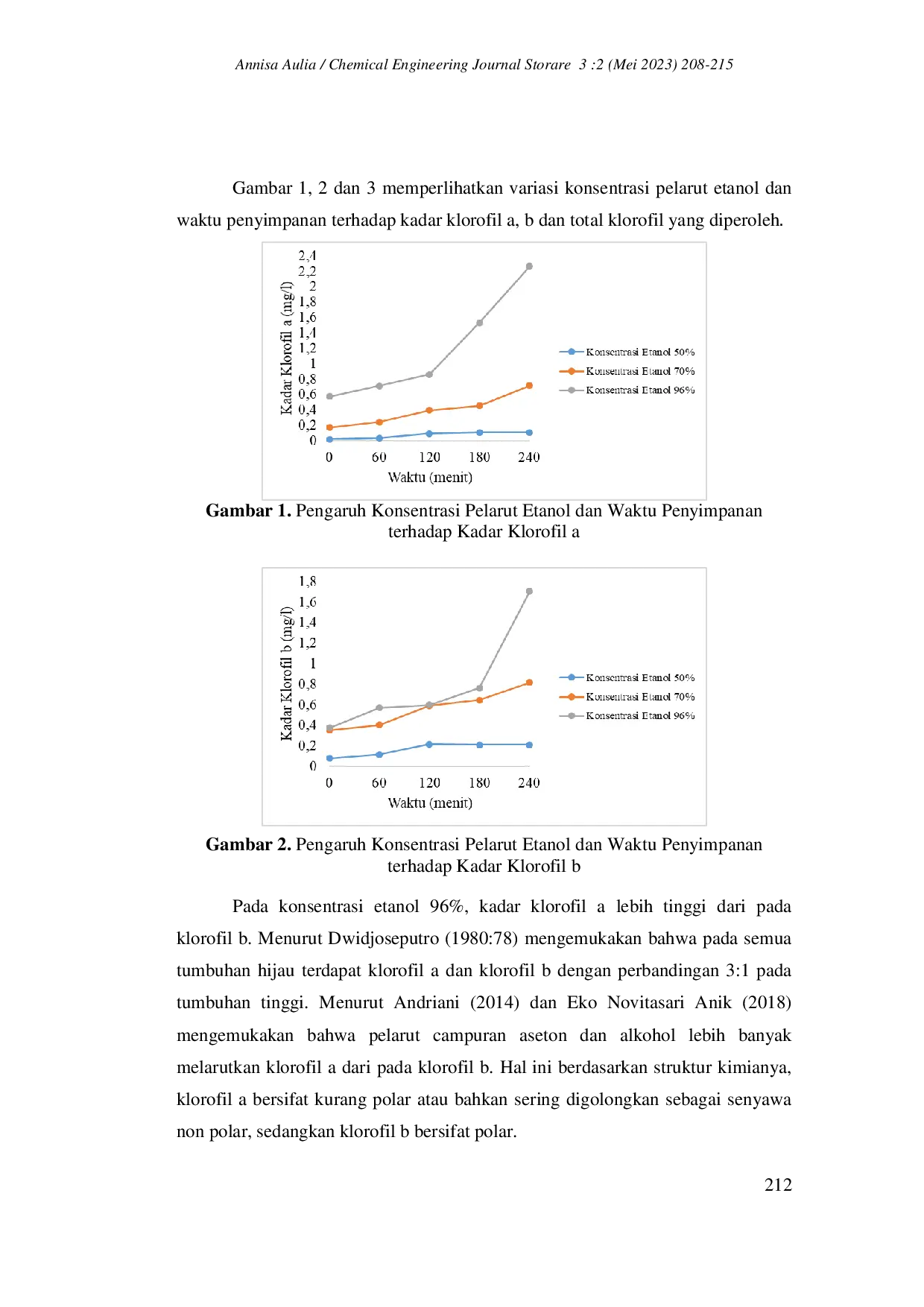
UNIMALUNIMAL Berdasarkan hasil penelitian ini diperoleh kadar klorofil paling tinggi yaitu 3,9881 mg/l dengan densitas 0,9430 gr/ml pada kondisi konsentrasi etanolBerdasarkan hasil penelitian ini diperoleh kadar klorofil paling tinggi yaitu 3,9881 mg/l dengan densitas 0,9430 gr/ml pada kondisi konsentrasi etanol
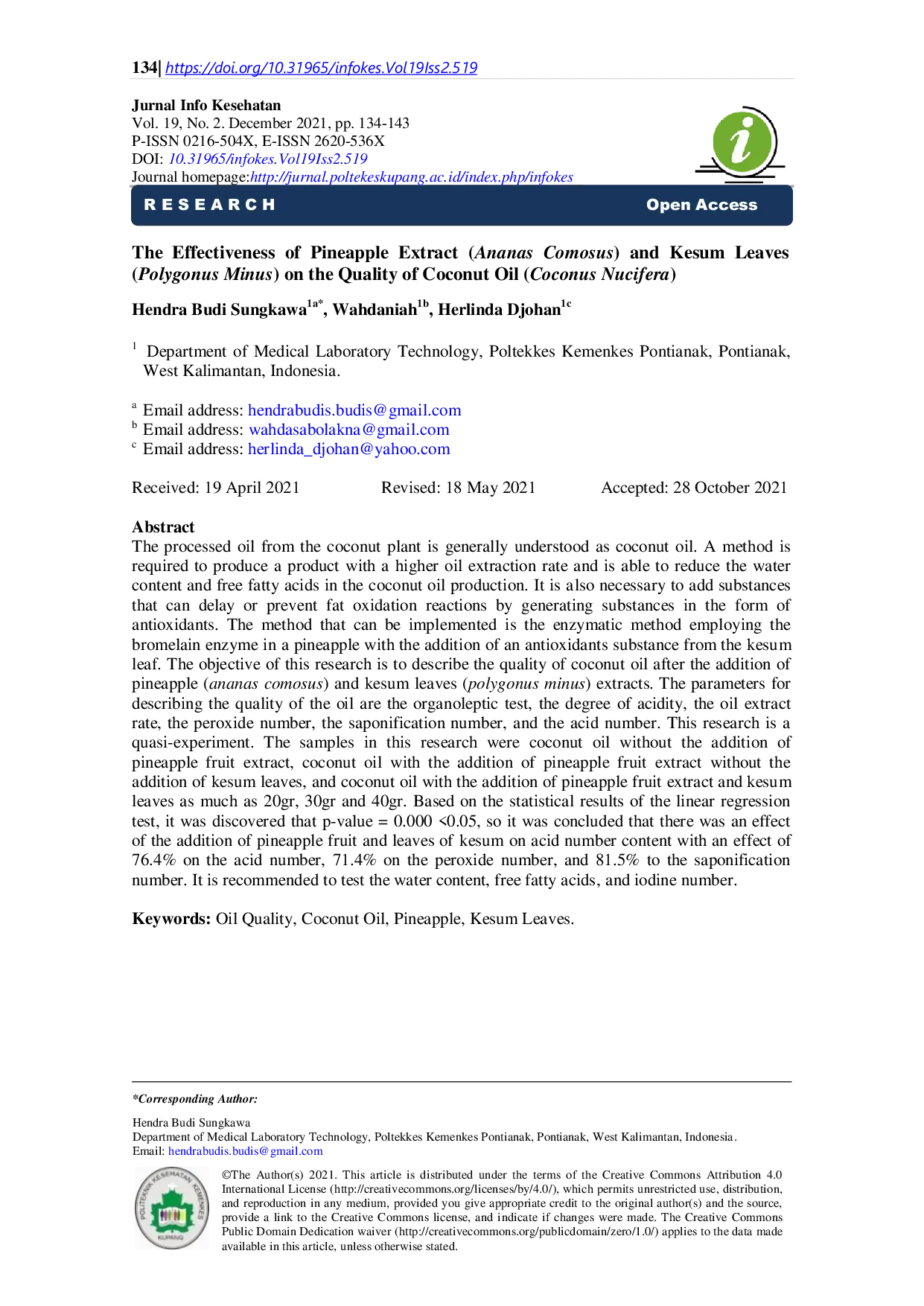
POLTEKKESKUPANGPOLTEKKESKUPANG It is also necessary to add substances that can delay or prevent fat oxidation reactions by generating substances in the form of antioxidants. The methodIt is also necessary to add substances that can delay or prevent fat oxidation reactions by generating substances in the form of antioxidants. The method
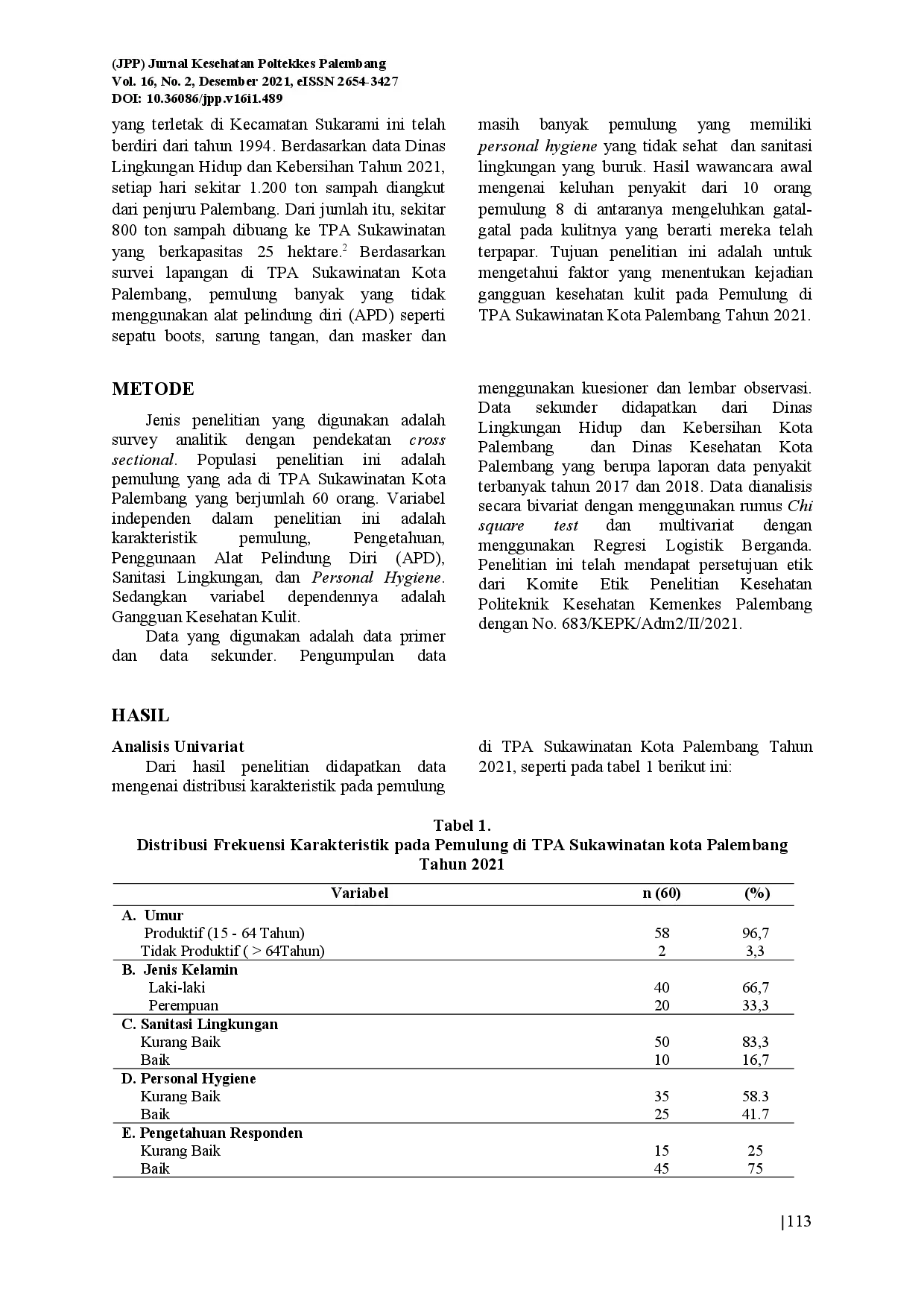
POLTEKKES PALEMBANGPOLTEKKES PALEMBANG Sampel dengan jumlah 60 pemulung. Analisis data menggunakan chi-squared test dan Regresi Logistik Berganda. 60 pemulung pada penelitian, sebanyak 40 (66,7%)Sampel dengan jumlah 60 pemulung. Analisis data menggunakan chi-squared test dan Regresi Logistik Berganda. 60 pemulung pada penelitian, sebanyak 40 (66,7%)
Useful /

STIKES ISFISTIKES ISFI Sampel dipilih menggunakan purposive sampling dengan kriteria inklusi. Data dikumpulkan dari elektronik rekam medis dan laporan keuangan. Biaya medis langsungSampel dipilih menggunakan purposive sampling dengan kriteria inklusi. Data dikumpulkan dari elektronik rekam medis dan laporan keuangan. Biaya medis langsung
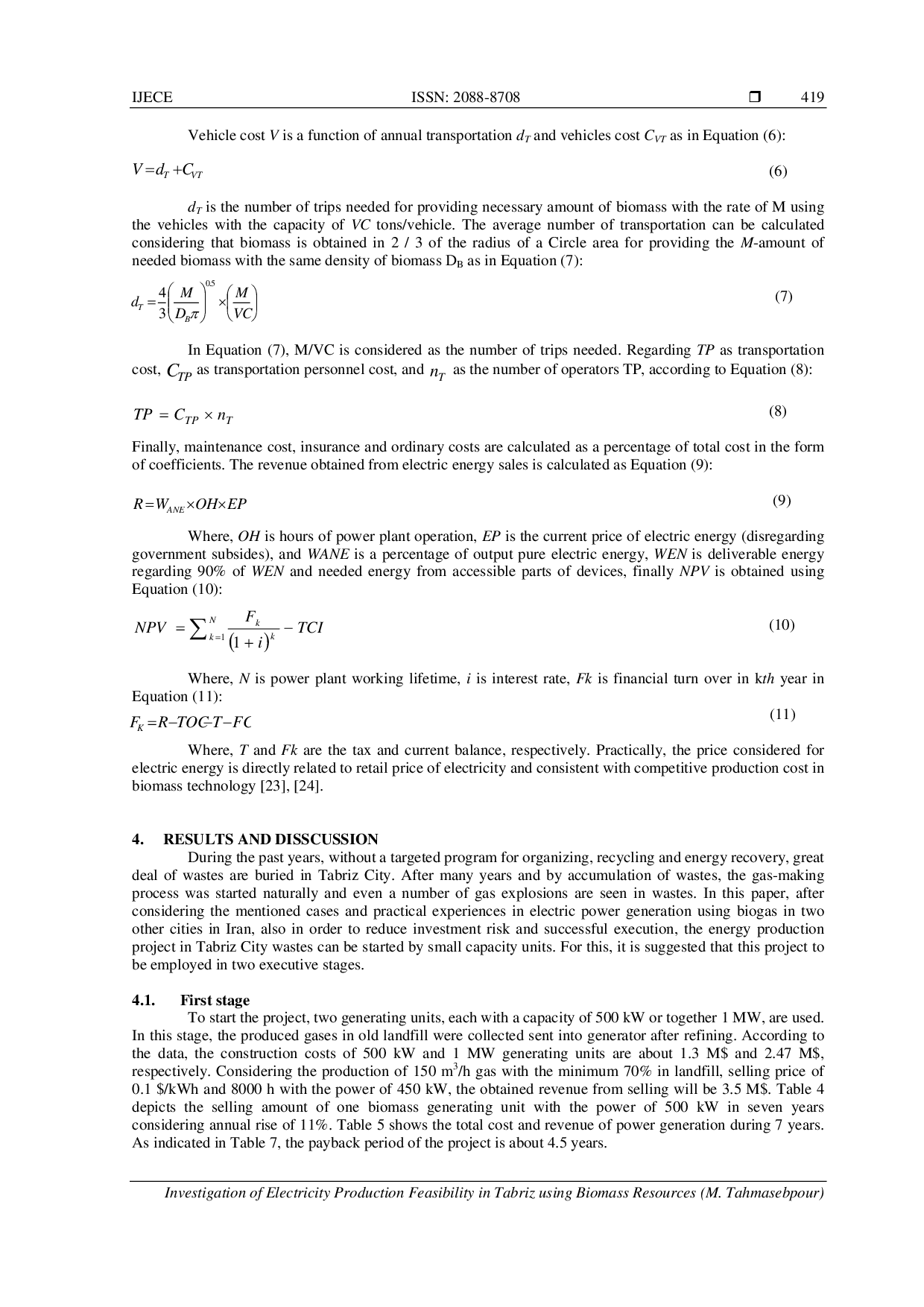
IAESCOREIAESCORE tahap pertama memanfaatkan gas dari bagian lama TPA, sedangkan tahap kedua menerapkan kombinasi digesti aerobik, anaerobik, dan ozonasi untuk limbah barutahap pertama memanfaatkan gas dari bagian lama TPA, sedangkan tahap kedua menerapkan kombinasi digesti aerobik, anaerobik, dan ozonasi untuk limbah baru
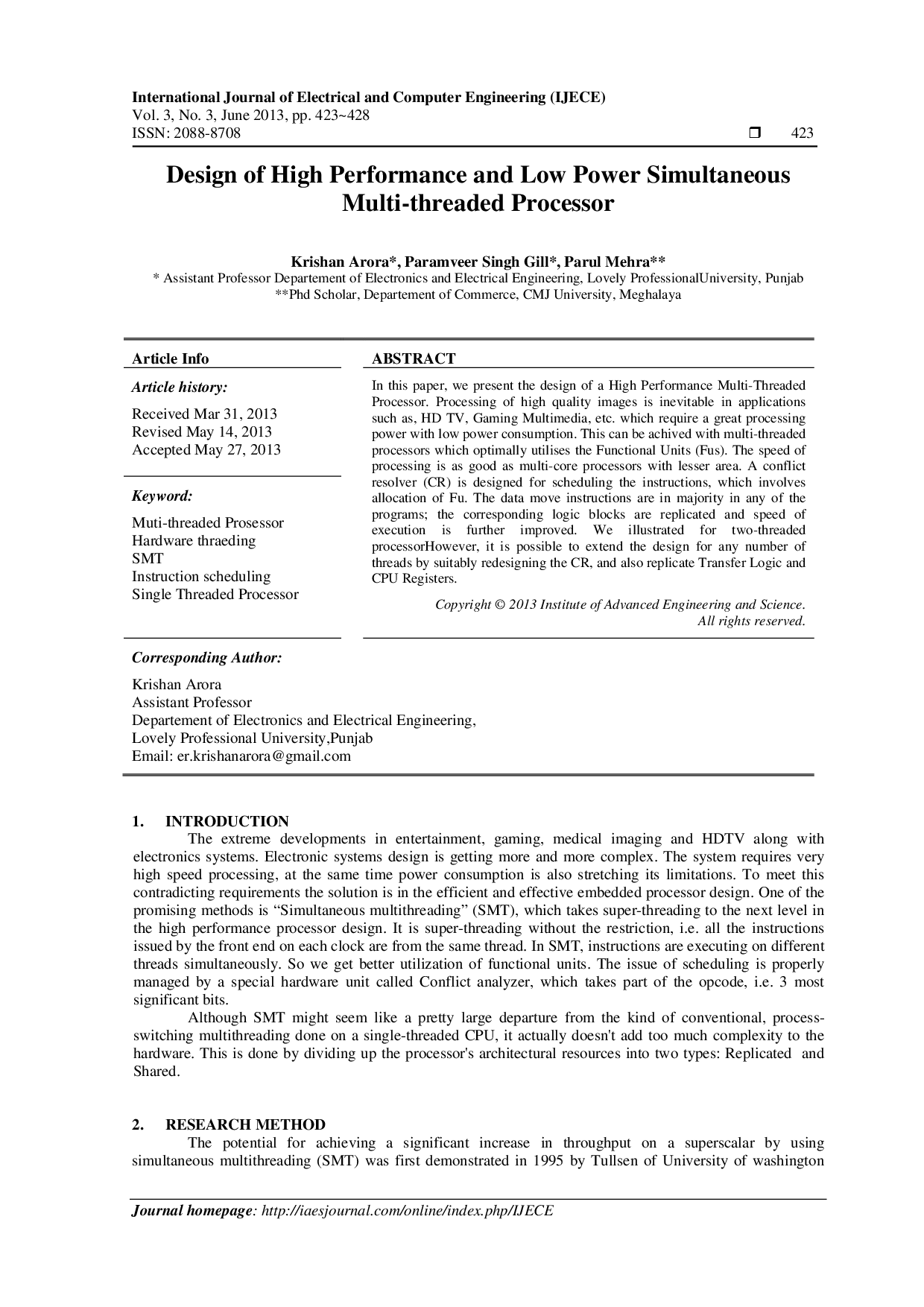
IAESCOREIAESCORE Pengolahan gambar berkualitas tinggi adalah hal yang tak terelakkan dalam aplikasi seperti HD TV, Gaming Multimedia, dan lainnya yang membutuhkan dayaPengolahan gambar berkualitas tinggi adalah hal yang tak terelakkan dalam aplikasi seperti HD TV, Gaming Multimedia, dan lainnya yang membutuhkan daya
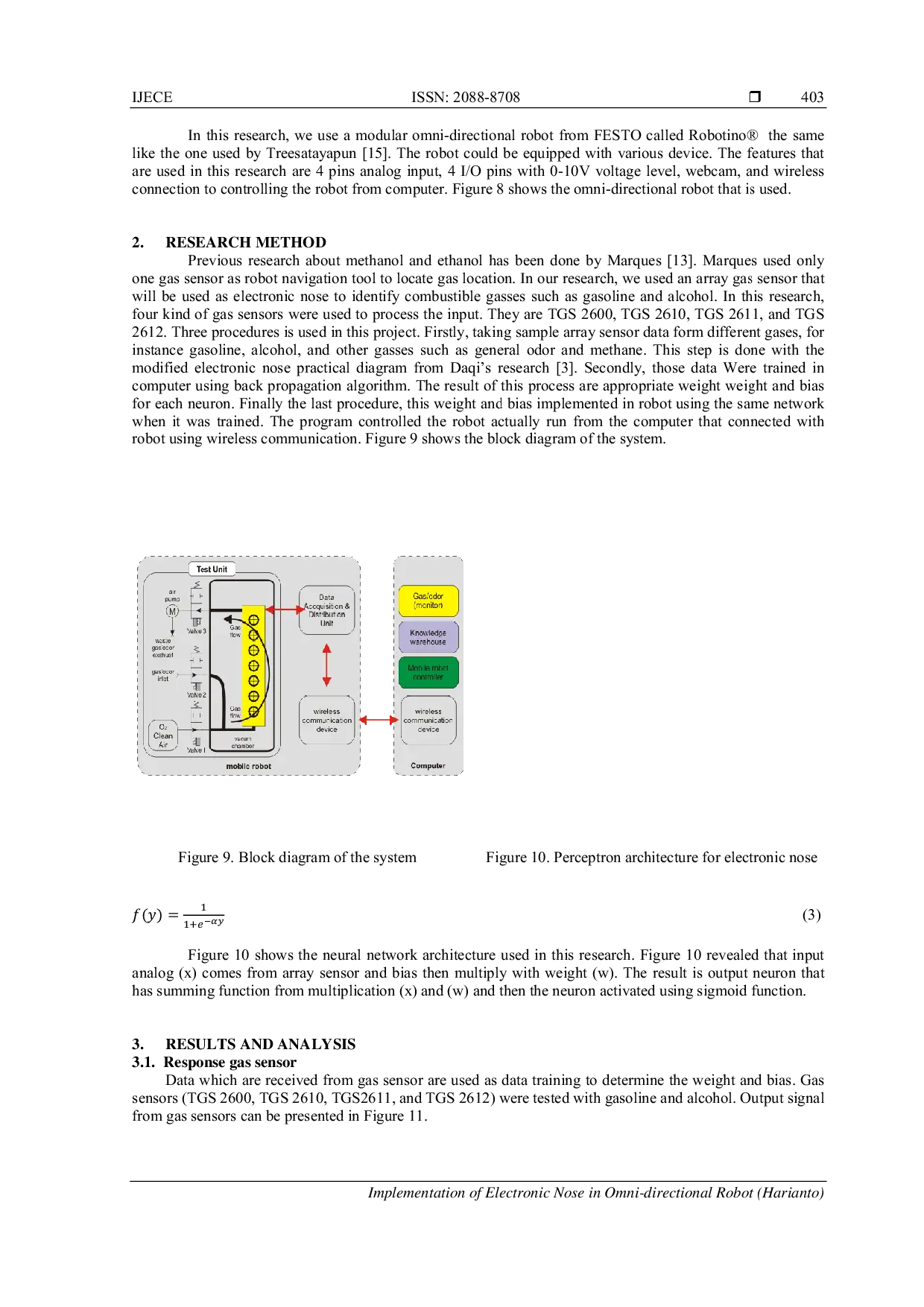
IAESCOREIAESCORE Hasil menunjukkan bahwa robot mampu mengidentifikasi gas yang telah dilatih. Jaringan saraf tiruan yang diimplementasikan pada robot omni-directional berhasilHasil menunjukkan bahwa robot mampu mengidentifikasi gas yang telah dilatih. Jaringan saraf tiruan yang diimplementasikan pada robot omni-directional berhasil