BERKALAHAYATIBERKALAHAYATI
Berkala Penelitian HayatiBerkala Penelitian HayatiNatural wetlands are the natural habitat of waterbirds, but it is very difficult to find an unspoiled wetlands without human intervention currently. East coast of Surabaya is wetlands area in Surabaya that most of the region have changed into fishpond and residential. The aims of this research are to determine the community structure of waterbirds in each type of wetland utilization and to determine if the different type of wetland utilization influence the community structure of waterbirds in East Coast of Surabaya. Data were collected during August 2012 to January 2013 with point count method. Six sampling plots have been selected. Six sampling plots representing four types of use of wetlands, which are bozem, the former fishpond, fishpond with vegetation, and fishponds without vegetation (fishpond 1, fishpond 2 and fishpond 3). In bozem recorded 19 species of waterbirds (1107 individual), dominated by shorebirds, with a diversity index (H) 1.86, and evenness index (J) 0.63. In former fishpond recorded 7 species of water birds (168 individual), dominated by rails and moorhen, with H = 1.12 and J = 0.57. In fishpond with vegetation recorded 12 species of water birds (137 individual), dominated by large wader, with H = 1.85 and J = 0.74. In fishpond 1 recorded 18 species of water birds (299 individual), dominated by terns, with H = 1.96 and J = 0.68. In fishpond 2 recorded 9 species of water birds (70 individual), dominated by terns, with H = 1.73 and J = 0.79. In fishpond 3 recorded 10 species of water birds (83 individual), dominated by terns, with H = 1.84 and J = 0.80. Chi-square test showed that X2 count is greater than X2 table with α < 0.05, which indicates that there is a significant difference of the number of individuals of each species and the number of individual of each water birds group for each type of use of wetlands, so it can be concluded that different types of use of wetlands affect water bird community structure in the East Coast Surabaya.
The research concludes that the community structure of waterbirds varies across different wetland utilization types in the East Coast of Surabaya.Bozem, with minimal human intervention, supports the highest diversity of shorebirds.Different types of wetland use significantly influence the number of individuals of each species and group of waterbirds, indicating habitat-specific preferences.These findings highlight the importance of considering wetland management practices to conserve waterbird communities.
Future research should investigate the long-term effects of wetland conversion on waterbird population dynamics and species composition, potentially utilizing long-term monitoring programs to track changes over time. A comparative study examining the foraging behavior and dietary preferences of waterbirds across different wetland types could reveal crucial links between habitat quality and species-specific resource utilization. Furthermore, research could explore the impact of water quality parameters, such as salinity and nutrient levels, on the distribution and abundance of key waterbird species, considering the potential effects of pollution and climate change on these sensitive ecosystems. These investigations will contribute to more effective conservation strategies for waterbirds and the preservation of vital wetland habitats in the region.
| File size | 352.93 KB |
| Pages | 6 |
| DMCA | Report |
Related /
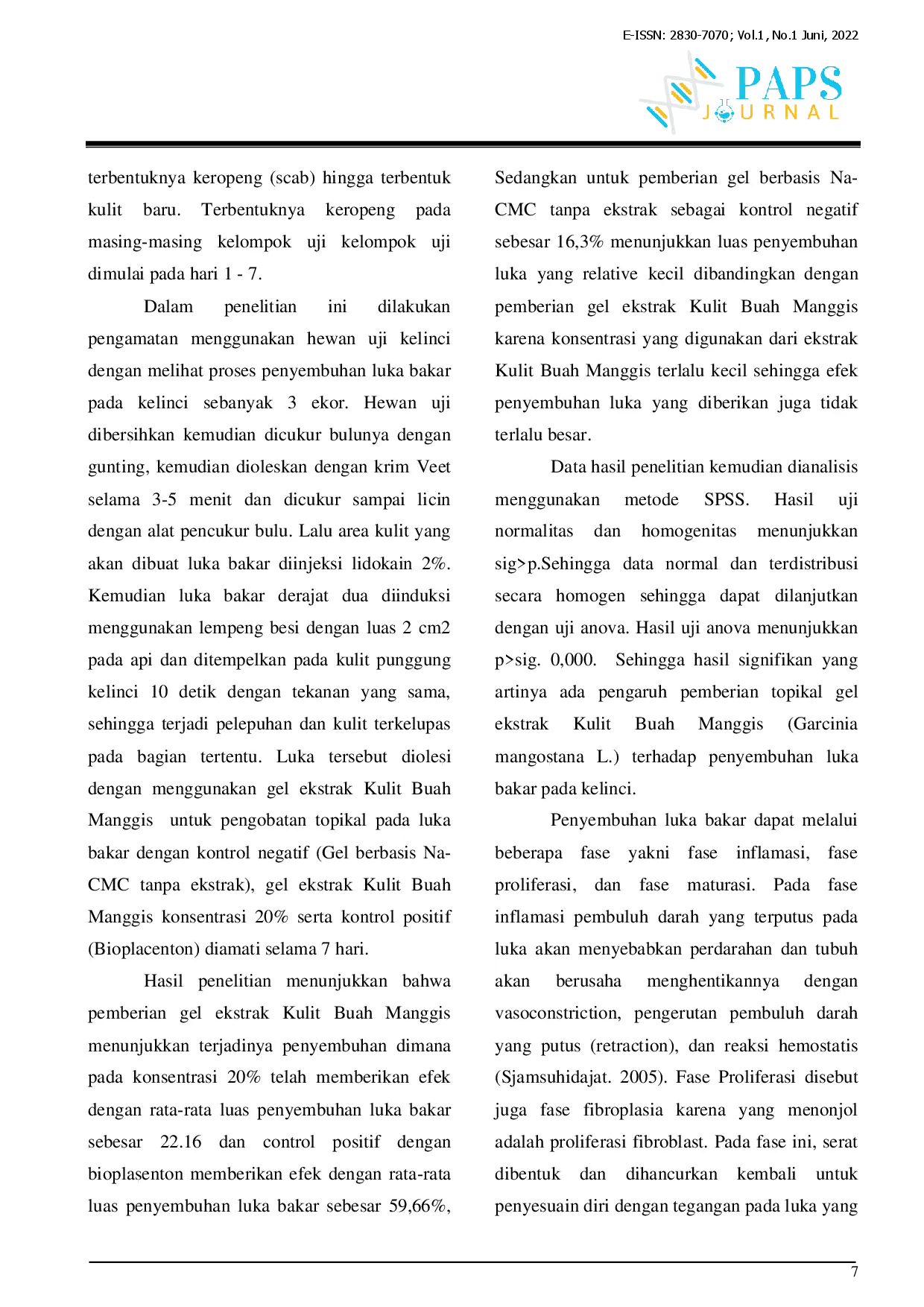
INTELEKMADANIINTELEKMADANI Efek tidak berbeda nyata dengan Bioplasenton sebagai kontrol positif. Berdasarkan uji normalitas diperoleh hasil yang signifikan P>0,05 terdistribusi normal,Efek tidak berbeda nyata dengan Bioplasenton sebagai kontrol positif. Berdasarkan uji normalitas diperoleh hasil yang signifikan P>0,05 terdistribusi normal,

UncenUncen The aims of this study were determined the effects of Ochratoxin A (OTA) on growth of fetus tibia epiphyseal cartilage during organogenesis period. TwentyThe aims of this study were determined the effects of Ochratoxin A (OTA) on growth of fetus tibia epiphyseal cartilage during organogenesis period. Twenty
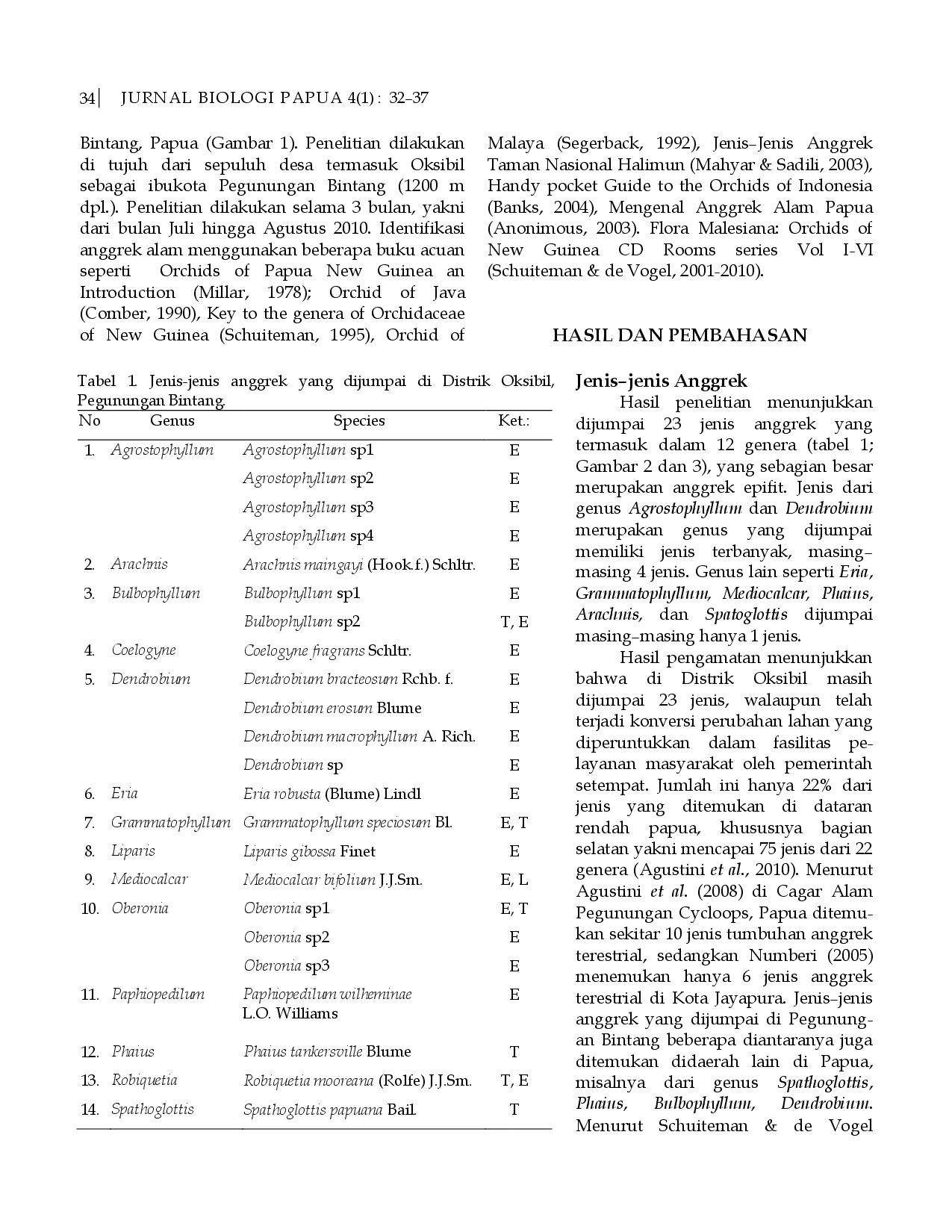
UncenUncen Dendrobium dan Agrostophyllum ditemukan lebih sering dibandingkan dengan genus lainnya. Di antara spesies tersebut, hanya sedikit yang dikoleksi oleh masyarakatDendrobium dan Agrostophyllum ditemukan lebih sering dibandingkan dengan genus lainnya. Di antara spesies tersebut, hanya sedikit yang dikoleksi oleh masyarakat

UncenUncen Ulasan ini memperkenalkan peran herpetofauna untuk pengembangan obat, nilai terapeutik potensial, dan aplikasinya dalam kesehatan dan penyakit manusia.Ulasan ini memperkenalkan peran herpetofauna untuk pengembangan obat, nilai terapeutik potensial, dan aplikasinya dalam kesehatan dan penyakit manusia.

INTELEKMADANIINTELEKMADANI Ekstrak etanol kulit buah naga merah (Hylocereus polyrhizus) tidak dapat mencegah peningkatan kadar SGOT secara signifikan pada tikus yang diinduksi parasetamolEkstrak etanol kulit buah naga merah (Hylocereus polyrhizus) tidak dapat mencegah peningkatan kadar SGOT secara signifikan pada tikus yang diinduksi parasetamol

INTELEKMADANIINTELEKMADANI Daun Sirih Hijau biasa digunakan sebagai obat tradisioanal. Kandungan Daun Sirih Hijau yang dapat menghambat pertumbuhan bakteri yaitu flavonoid memilikiDaun Sirih Hijau biasa digunakan sebagai obat tradisioanal. Kandungan Daun Sirih Hijau yang dapat menghambat pertumbuhan bakteri yaitu flavonoid memiliki

INTELEKMADANIINTELEKMADANI Dalam hal ini, dilakukan pengujian terhadap 15 ekor tikus putih jantan yang dibagi dalam 5 kelompok. Kelompok I diberi Na. CMC 1% sebagai kontrol negatif,Dalam hal ini, dilakukan pengujian terhadap 15 ekor tikus putih jantan yang dibagi dalam 5 kelompok. Kelompok I diberi Na. CMC 1% sebagai kontrol negatif,
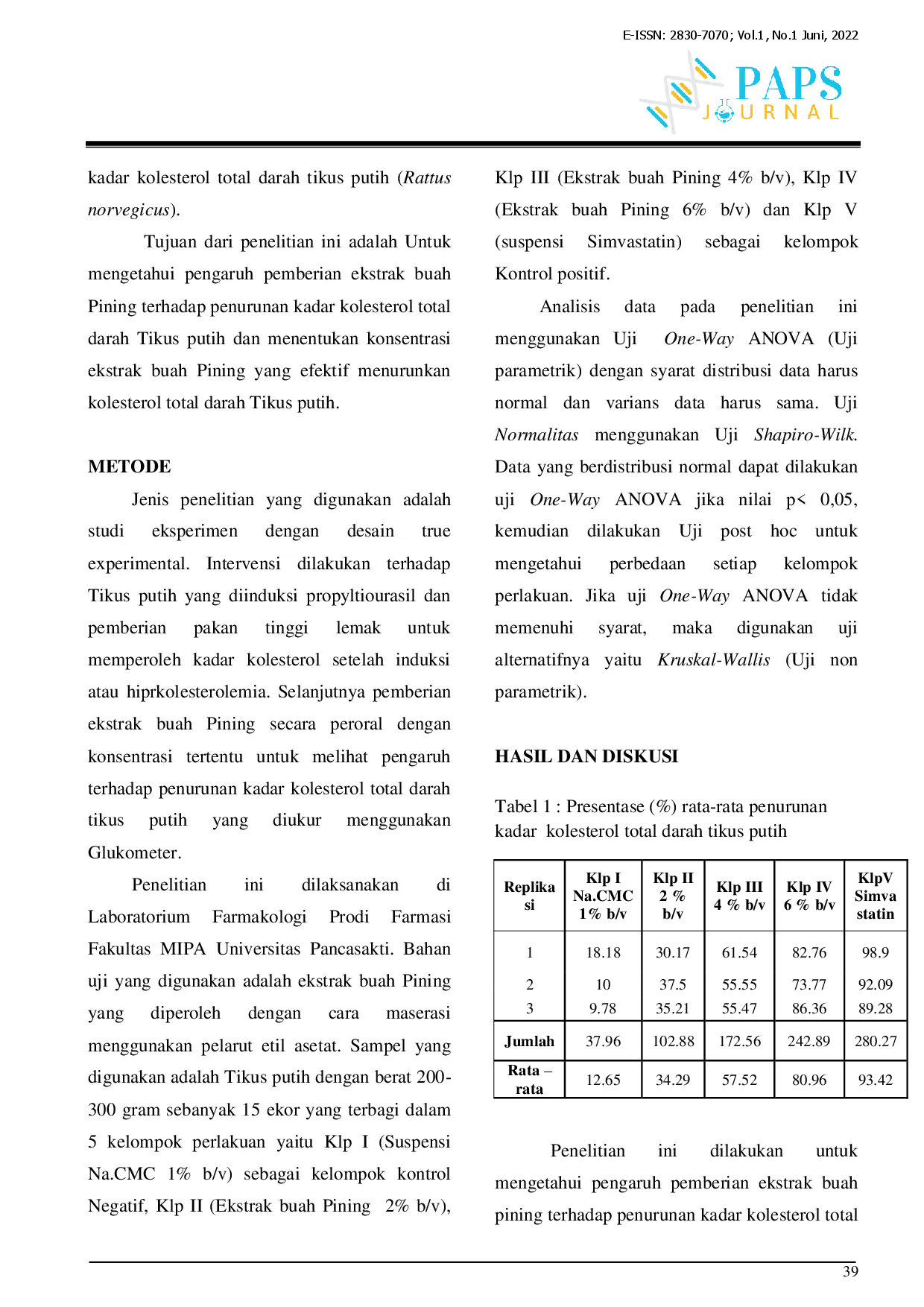
INTELEKMADANIINTELEKMADANI Hasil menunjukkan bahwa ekstrak buah Pining konsentrasi 2%, 4%, dan 6% b/v mampu menurunkan kadar kolesterol total darah, namun efek terbaik dicapai padaHasil menunjukkan bahwa ekstrak buah Pining konsentrasi 2%, 4%, dan 6% b/v mampu menurunkan kadar kolesterol total darah, namun efek terbaik dicapai pada
Useful /

UPI YAIUPI YAI Metode yang digunakan merupakan deskriptif kualitatif dengan kajian naratif pada adegan yang relevan, berfokus pada empat dimensi kepemimpinan transformasionalMetode yang digunakan merupakan deskriptif kualitatif dengan kajian naratif pada adegan yang relevan, berfokus pada empat dimensi kepemimpinan transformasional

UPI YAIUPI YAI Karakteristik ini memungkinkan keluarga untuk menyesuaikan diri dan tetap bersatu dalam situasi sulit. Penelitian ini menyarankan bahwa film-film populerKarakteristik ini memungkinkan keluarga untuk menyesuaikan diri dan tetap bersatu dalam situasi sulit. Penelitian ini menyarankan bahwa film-film populer
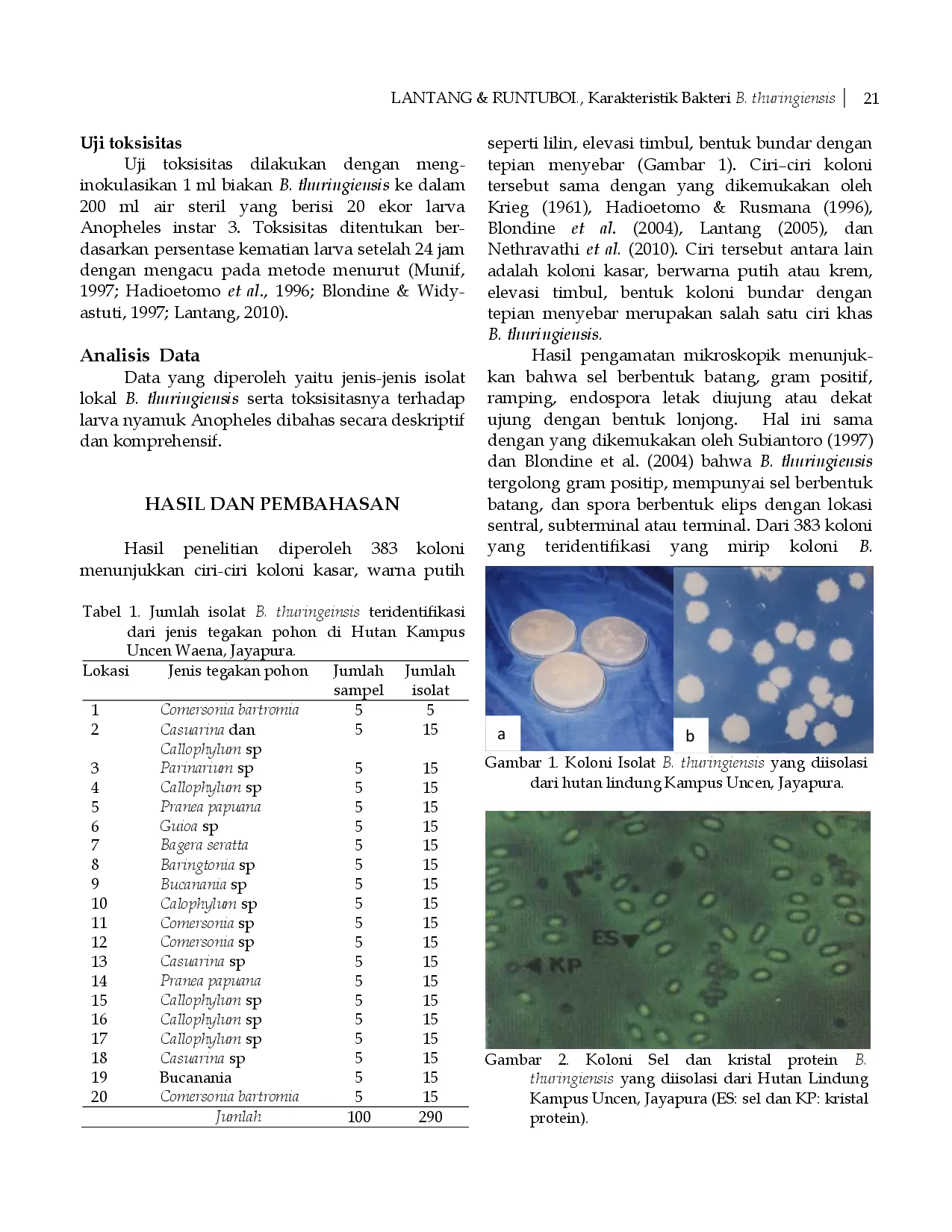
UncenUncen Data dianalisis dengan metode Hadioetomo & Rusmana (1977). Hasil menunjukkan bahwa 383 koloni relatif dekat dengan B. thuringiensis, sedangkan 290 di antaranyaData dianalisis dengan metode Hadioetomo & Rusmana (1977). Hasil menunjukkan bahwa 383 koloni relatif dekat dengan B. thuringiensis, sedangkan 290 di antaranya
UNESAUNESA Penelitian ini bertujuan mengembangkan aplikasi seluler berbasis kearifan lokal Jawa Timur untuk mendukung pendidikan karakter siswa pada era digital.Penelitian ini bertujuan mengembangkan aplikasi seluler berbasis kearifan lokal Jawa Timur untuk mendukung pendidikan karakter siswa pada era digital.