UIGMUIGM
Jurnal Pemerintahan dan PolitikJurnal Pemerintahan dan PolitikThis study aims to analyze how the state constructs communism as an ideological threat in Indonesian politics through criminal law instruments and to assess the extent to which this construction reflects political selectivity in responding to ideologies deemed contrary to Pancasila.
This research concludes that the criminalization of communism in Indonesia is not merely a legal response to an ideological threat, but rather a result of a historically institutionalized political-legal construction shaped by collective memory, state narratives, and power interests.The state consistently frames communism as an existential threat to Pancasila through the use of criminal law, while other ideologies are addressed with more varied and non-penal approaches.This selective enforcement operates not only at the stage of law enforcement but also in the construction of norms and the production of ideological threats, forming a hierarchy of state responses to different ideologies.The research recommends reformulating ideology criminalization policies by setting clearer normative boundaries in Article 188 of the Criminal Code, consistently applying the principle of ultimum remedium through a gradual escalation from non-penal to penal measures, and strengthening the basis of empirical threat and proportionality principles in policy formulation and implementation.
To further explore the dynamics of selective enforcement in ideology criminalization, future research could delve into the empirical analysis of specific cases, court decisions, and comparative measurements of ideology criminalization patterns. This would provide a more precise understanding of the relationship between ideological construction, selective enforcement, and legal practice in a broader context. Additionally, a critical examination of the states ideological narrative and its impact on public literacy is essential to ensure that citizens can critically evaluate ideological threats and avoid accepting state-constructed narratives uncritically. By combining these research directions, scholars can contribute to a more nuanced understanding of the interplay between law, ideology, and power in the Indonesian political system.
- AKTUALISASI NEGARA HUKUM PANCASILA DALAM MEMBERANTAS KOMUNISME DI INDONESIA | Mimbar Keadilan. aktualisasi... jurnal.untag-sby.ac.id/index.php/mimbarkeadilan/article/view/2949AKTUALISASI NEGARA HUKUM PANCASILA DALAM MEMBERANTAS KOMUNISME DI INDONESIA Mimbar Keadilan aktualisasi jurnal untag sby ac index php mimbarkeadilan article view 2949
- http://journal.uad.ac.id/index.php/Novelty. based principle human rights limitation jurnal novelty http... journal.uad.ac.id/index.php/Novelty/article/view/23606journal uad ac index php Novelty based principle human rights limitation jurnal novelty http journal uad ac index php Novelty article view 23606
| File size | 356.95 KB |
| Pages | 22 |
| DMCA | Report |
Related /

UIGMUIGM Proses perancangan menitikberatkan pada strategi simplifikasi visual melalui pendekatan gaya Nusantara Stylized untuk menurunkan beban kognitif audiens.Proses perancangan menitikberatkan pada strategi simplifikasi visual melalui pendekatan gaya Nusantara Stylized untuk menurunkan beban kognitif audiens.
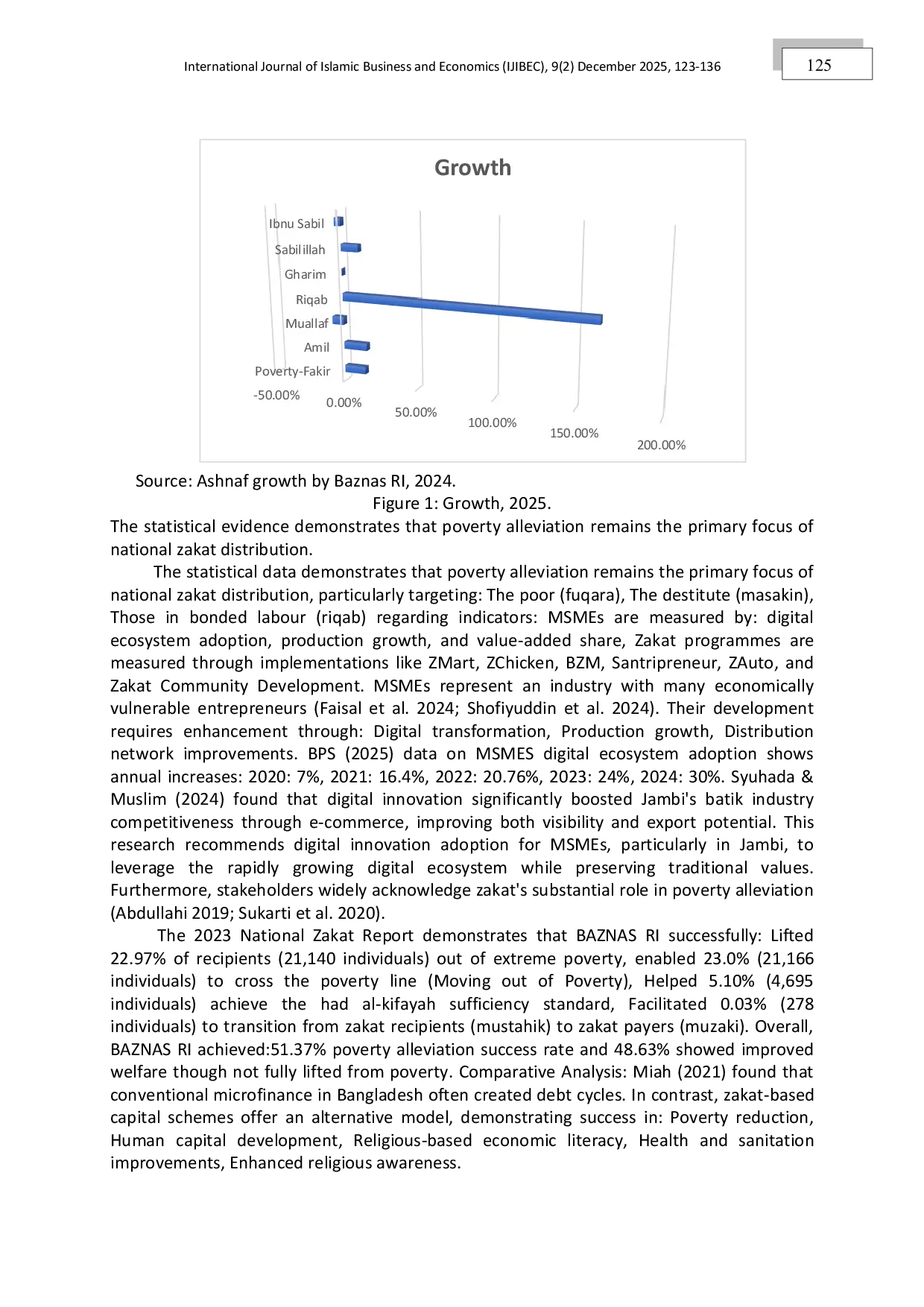
6262 Namun, jurang kemiskinan 2024 menuntut kerangka kerja zakat‑MSMEs yang lebih kolaboratif. Penelitian menyarankan penyesuaian sistem distribusi zakatNamun, jurang kemiskinan 2024 menuntut kerangka kerja zakat‑MSMEs yang lebih kolaboratif. Penelitian menyarankan penyesuaian sistem distribusi zakat

6262 Penelitian ini bertujuan menganalisis proses manajemen strategis dalam pelaksanaan program sertifikasi halal oleh Kementerian Agama Kota Surabaya. FokusnyaPenelitian ini bertujuan menganalisis proses manajemen strategis dalam pelaksanaan program sertifikasi halal oleh Kementerian Agama Kota Surabaya. Fokusnya

UIGMUIGM Pada aspek pengorganisasian, struktur telah terbentuk tetapi masih terdapat tumpang tindih peran dan lemahnya koordinasi. Pada aspek pelaksanaan, kegiatanPada aspek pengorganisasian, struktur telah terbentuk tetapi masih terdapat tumpang tindih peran dan lemahnya koordinasi. Pada aspek pelaksanaan, kegiatan
UIGMUIGM The findings highlight the importance of improving governance through strengthening inclusive community participation, enhancing transparency and accountability,The findings highlight the importance of improving governance through strengthening inclusive community participation, enhancing transparency and accountability,
UIGMUIGM Metodologi – Penelitian ini menggunakan metode kualitatif melalui studi literatur dan pendekatan Critical Discourse Analysis (CDA). Sumber data meliputiMetodologi – Penelitian ini menggunakan metode kualitatif melalui studi literatur dan pendekatan Critical Discourse Analysis (CDA). Sumber data meliputi
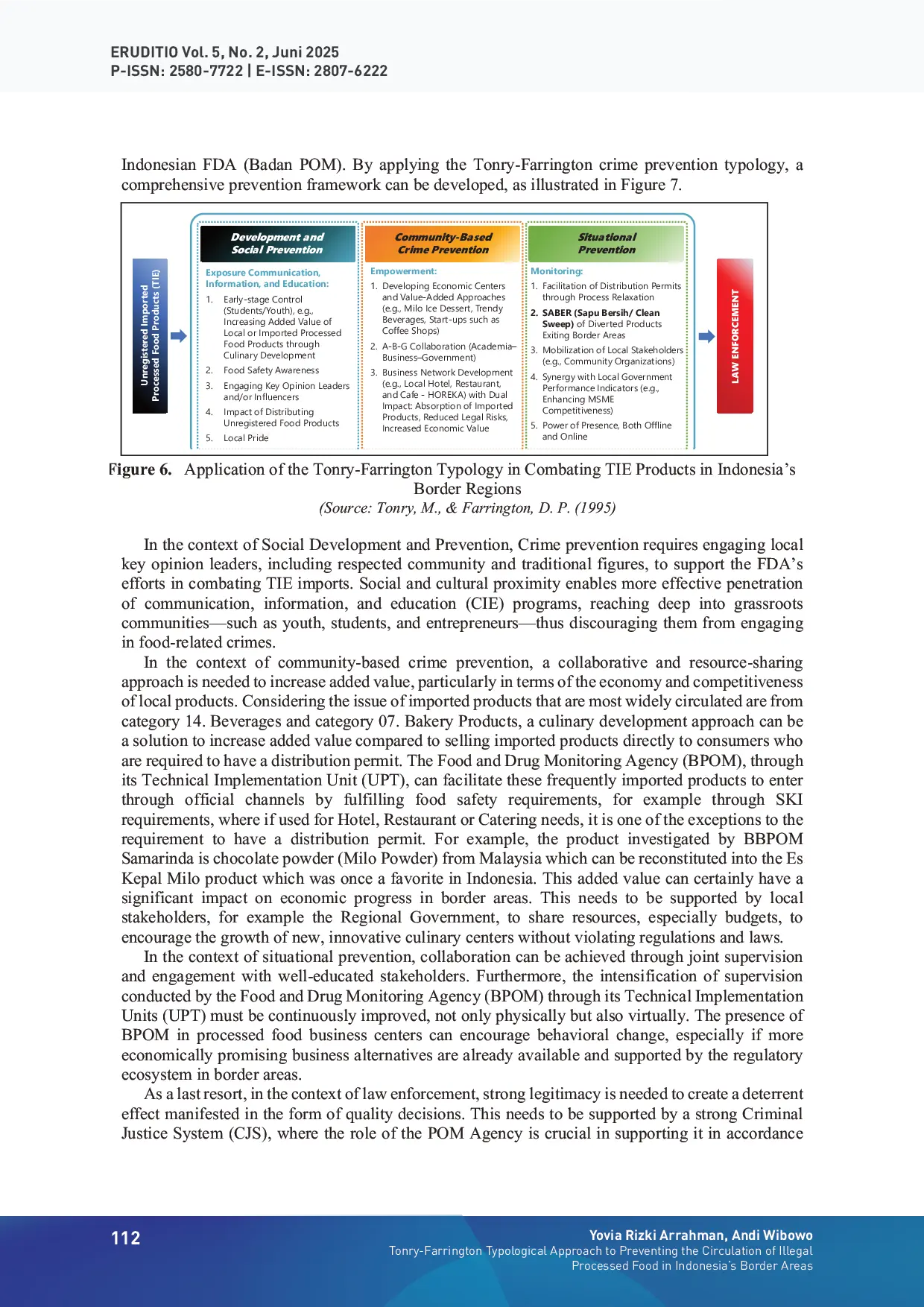
POMPOM Hal tersebut telah menjadi permasalahan kompleks karena kaitan yang erat dengan sosial ekonomi masyarakat setempat. Pendekatan represif saja terbukti tidakHal tersebut telah menjadi permasalahan kompleks karena kaitan yang erat dengan sosial ekonomi masyarakat setempat. Pendekatan represif saja terbukti tidak
UBBUBB Semakin besar nilai sudut kemiringan dan kecepatan air yang digunakan, semakin kecil recovery pencucian bijih timah yang dihasilkan, namun semakin kecilSemakin besar nilai sudut kemiringan dan kecepatan air yang digunakan, semakin kecil recovery pencucian bijih timah yang dihasilkan, namun semakin kecil
Useful /
UIGMUIGM Penelitian ini menunjukkan bahwa penerapan Agile Governance dalam penyelenggaraan SPBE di Pemerintah Kota Banda Aceh telah tercermin melalui penguatanPenelitian ini menunjukkan bahwa penerapan Agile Governance dalam penyelenggaraan SPBE di Pemerintah Kota Banda Aceh telah tercermin melalui penguatan

UIGMUIGM Temuan menunjukkan bahwa Program MBG berkontribusi positif terhadap peningkatan kecukupan gizi harian dan fokus belajar siswa. Namun, efektivitas programTemuan menunjukkan bahwa Program MBG berkontribusi positif terhadap peningkatan kecukupan gizi harian dan fokus belajar siswa. Namun, efektivitas program

UKSWUKSW Hasil penelitian menunjukkan bahwa sebagian besar responden adalah lansia dan mengalami hipertensi. Oleh karena itu, solusi yang direkomendasikan adalahHasil penelitian menunjukkan bahwa sebagian besar responden adalah lansia dan mengalami hipertensi. Oleh karena itu, solusi yang direkomendasikan adalah

UKSWUKSW Kegiatan ini dilaksanakan menggunakan metode survey, sosialisasi dan riset tentang pencegahan serta penangan terhadap hama kutu Sitophilus zea mays l.Kegiatan ini dilaksanakan menggunakan metode survey, sosialisasi dan riset tentang pencegahan serta penangan terhadap hama kutu Sitophilus zea mays l.