UGMUGM
Jurnal Rekayasa ProsesJurnal Rekayasa ProsesCoffee robusta beans were used as raw material to study the effects of temperature and extraction time on caffeine extraction using water as solvent, followed by isolation of caffeine crystals through liquid–liquid extraction with chloroform and dichloromethane. The solid–liquid extraction was performed at temperatures of 70–97 °C and times of 30–90 min, and the aqueous extract was subsequently subjected to liquid–liquid extraction. The caffeine content was determined by UV–Vis spectrophotometry, while the purity of isolated crystals was evaluated using melting point determination and HPLC retention time analysis. Results indicated that the optimal extraction temperature was 97 °C and the optimal time was 60 min, yielding the highest caffeine concentration (2.18 mg g⁻¹) with chloroform and 1.34 mg g⁻¹ with dichloromethane. Although chloroform produced higher caffeine quantities, the crystals isolated with dichloromethane displayed superior purity, with a melting point of 236 °C and an HPLC retention time of 2.06 min, close to the standard value.
Optimal kondisi ekstraksi solid–liquid untuk kafein pada biji kopi robusta hijau adalah suhu 97 °C dan waktu 60 menit, memberikan konsentrasi kafein maksimal 2.Chloroform menghasilkan jumlah kafein yang lebih tinggi dalam ekstraksi cair–cair, namun kefein yang diisolasi dengan dichloromethane memiliki tingkat kemurnian lebih baik, terwujud dari titik leleh 236 °C dan waktu retensi HPLC 2.
Penelitian selanjutnya dapat meneliti pengaruh pH larutan ekstrak air terhadap efisiensi isolasi kafein, menilai dampak penggunaan pelarut alternatif yang lebih ramah lingkungan seperti etanol-dichloromethane dalam fase cair‑cair, serta mengeksplorasi teknik pemisahan modern seperti ekstraksi supercritical CO₂ untuk meningkatkan purifikasi kafein tanpa emulsi.
- 0. pdf obj endobj font extgstate procset text imageb imagec imagei mediabox contents group tabs kc 2d... doi.org/10.20431/2349-0403.06090020 pdf obj endobj font extgstate procset text imageb imagec imagei mediabox contents group tabs kc 2d doi 10 20431 2349 0403 0609002
- Analisis Kafein Dalam Kopi Menggunakan Metode Spektrofotometri Uv-Vis | Journal of Comprehensive Science.... jcs.greenpublisher.id/index.php/jcs/article/view/175Analisis Kafein Dalam Kopi Menggunakan Metode Spektrofotometri Uv Vis Journal of Comprehensive Science jcs greenpublisher index php jcs article view 175
- PEMISAHAN KAFEIN DENGAN METODE MICROWAVE ASSISTED EXTRACTION (MAE) TERHADAP 4 JENIS BIJI KOPI ROBUSTA... journal.unpas.ac.id/index.php/foodtechnology/article/view/4172PEMISAHAN KAFEIN DENGAN METODE MICROWAVE ASSISTED EXTRACTION MAE TERHADAP 4 JENIS BIJI KOPI ROBUSTA journal unpas ac index php foodtechnology article view 4172
- PENGARUH SUHU DAN WAKTU EKSTRAKSI TERHADAP KAFEIN DALAM KOPI | Lantanida Journal. pengaruh suhu ekstraksi... doi.org/10.22373/lj.v6i2.3811PENGARUH SUHU DAN WAKTU EKSTRAKSI TERHADAP KAFEIN DALAM KOPI Lantanida Journal pengaruh suhu ekstraksi doi 10 22373 lj v6i2 3811
- KARAKTERISTIK KOPI BUBUK ARABIKA (Coffea arabica L) TERFERMENTASI Saccharomyces cerevisiae | Sains Natural:... doi.org/10.31938/jsn.v9i1.173KARAKTERISTIK KOPI BUBUK ARABIKA Coffea arabica L TERFERMENTASI Saccharomyces cerevisiae Sains Natural doi 10 31938 jsn v9i1 173
| File size | 4.38 MB |
| Pages | 8 |
| DMCA | Report |
Related /
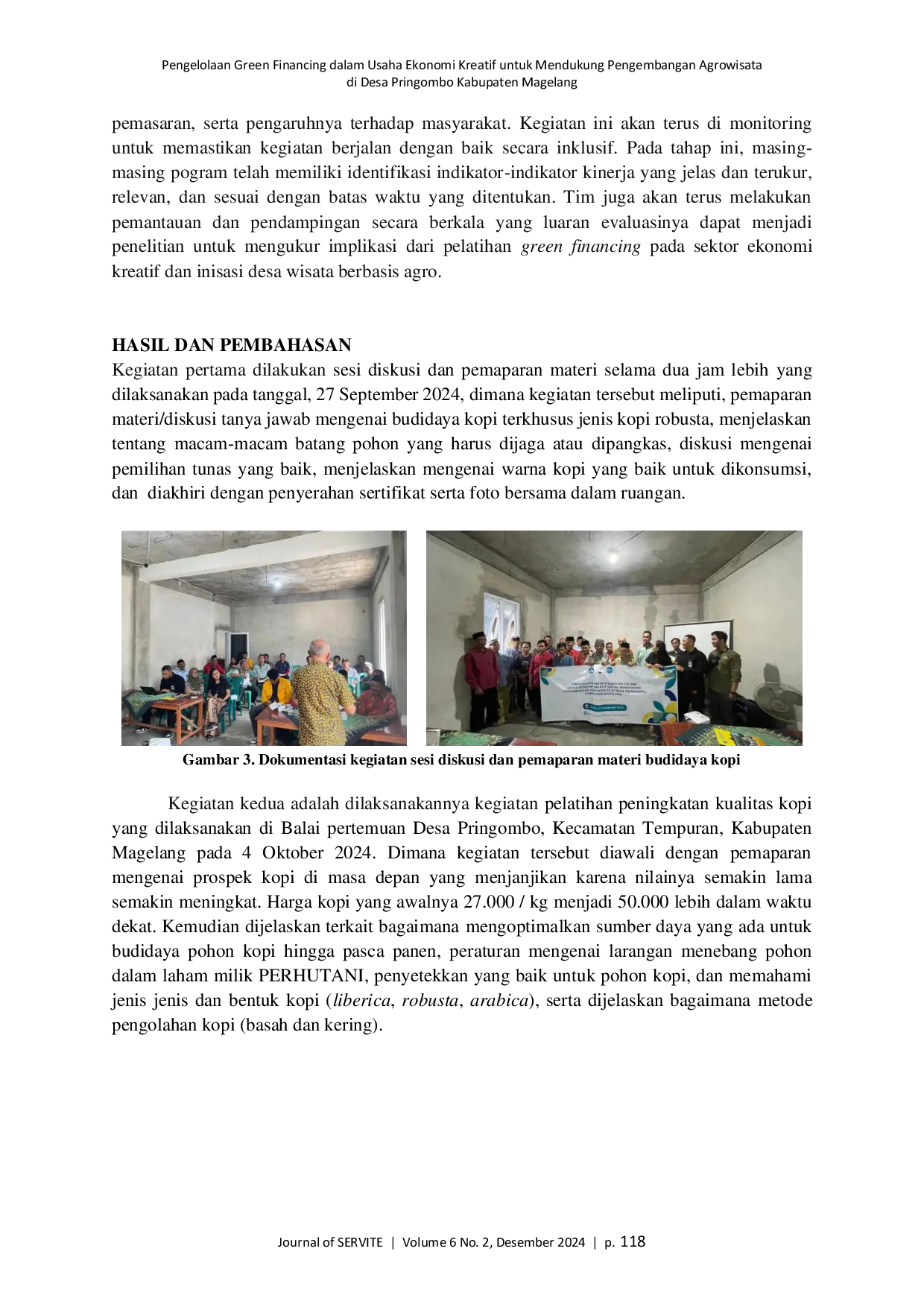
LSPRLSPR Sangat disayangkan, potensi Desa Pringombo sebagai produsen kopi robusta memiliki permasalahan dalam pengelolaan keuangan dan pemasaran. Tim pengabdianSangat disayangkan, potensi Desa Pringombo sebagai produsen kopi robusta memiliki permasalahan dalam pengelolaan keuangan dan pemasaran. Tim pengabdian

USN LAMPUNGUSN LAMPUNG Metode eksperimen Rancangan Acak Kelompok (RAK) 5 ulangan 5 taraf yaitu: N1 = 5 ml/L air nutrisi AB Mix, N2 = 10 ml/L air nutrisi AB Mix, N3 = 15 ml/LMetode eksperimen Rancangan Acak Kelompok (RAK) 5 ulangan 5 taraf yaitu: N1 = 5 ml/L air nutrisi AB Mix, N2 = 10 ml/L air nutrisi AB Mix, N3 = 15 ml/L

POLIWANGIPOLIWANGI Penelitian dilaksanakan di Desa Antirogo, Kec. Sumbersari, Kab. Jember, Jawa Timur pada bulan Oktober hingga Desember 2023. Metode penelitian menggunakanPenelitian dilaksanakan di Desa Antirogo, Kec. Sumbersari, Kab. Jember, Jawa Timur pada bulan Oktober hingga Desember 2023. Metode penelitian menggunakan
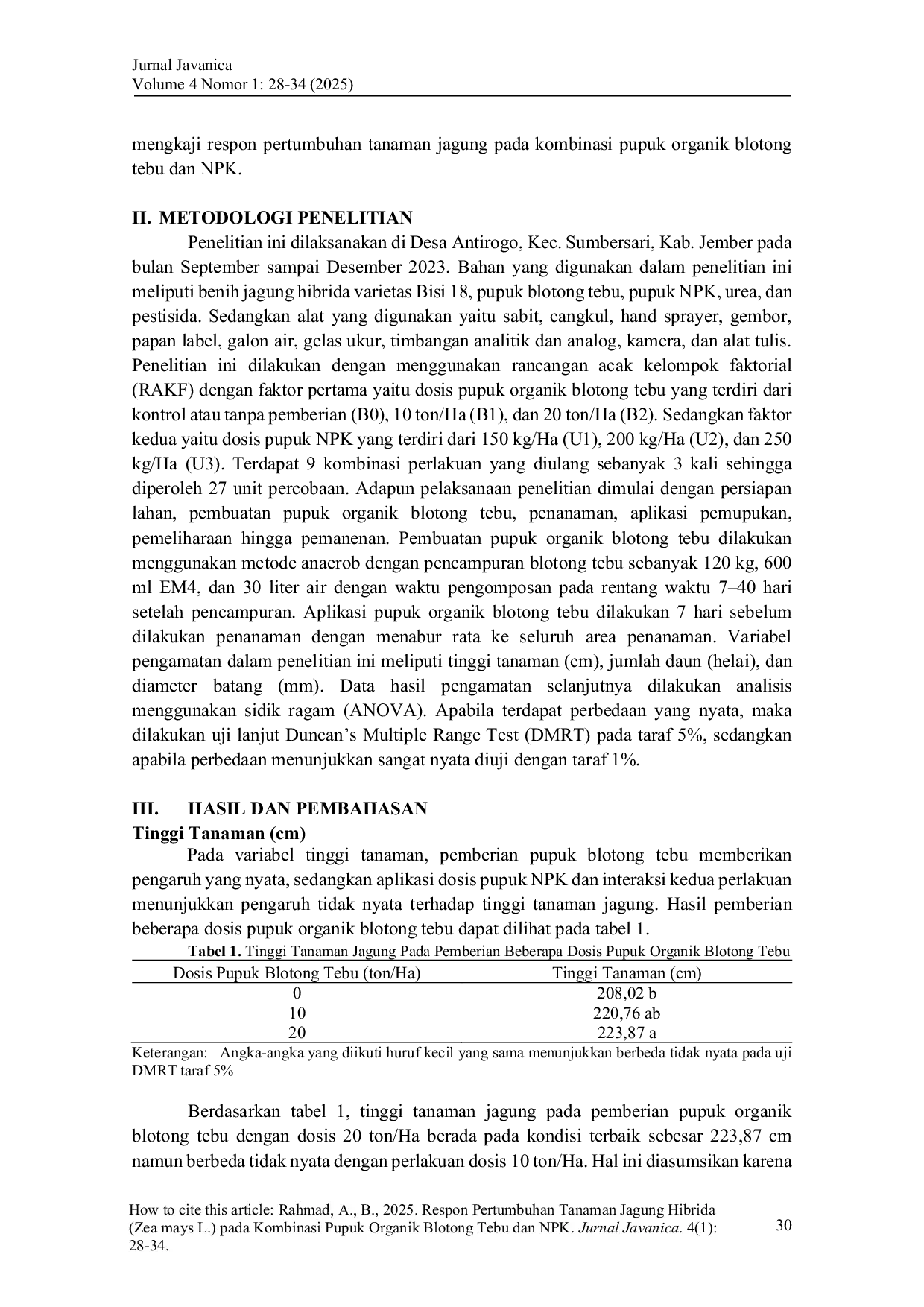
POLIWANGIPOLIWANGI Penelitian ini dilakukan di desa Antirogo, Kecamatan Sumbersari, Kabupaten Jember. Penelitian dirancang menggunakan Rancangan Acak Kelompok (RAK) denganPenelitian ini dilakukan di desa Antirogo, Kecamatan Sumbersari, Kabupaten Jember. Penelitian dirancang menggunakan Rancangan Acak Kelompok (RAK) dengan
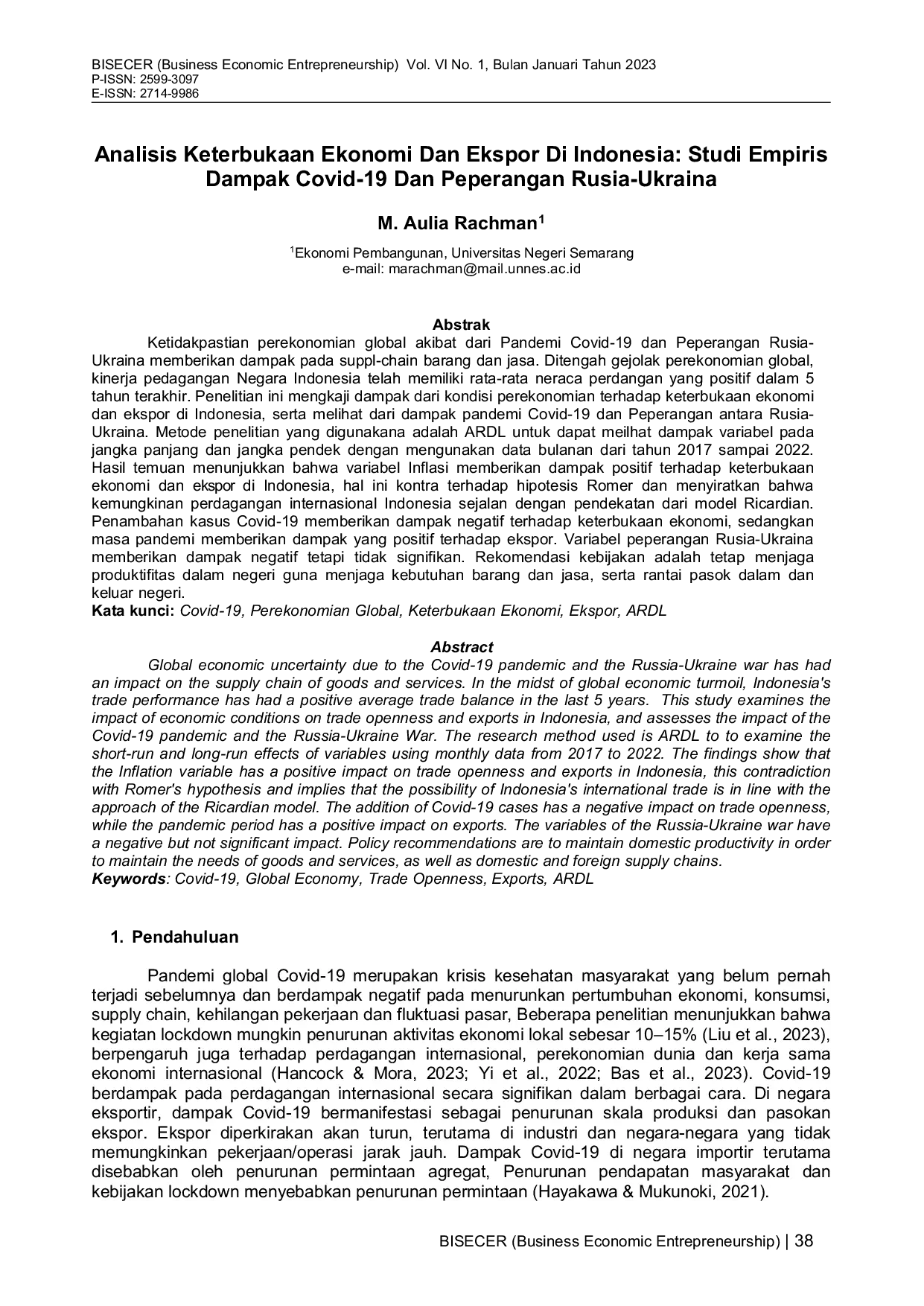
UNDARISUNDARIS Hasil temuan menunjukkan bahwa variabel Inflasi memberikan dampak positif terhadap keterbukaan ekonomi dan ekspor di Indonesia, yang menyiratkan bahwaHasil temuan menunjukkan bahwa variabel Inflasi memberikan dampak positif terhadap keterbukaan ekonomi dan ekspor di Indonesia, yang menyiratkan bahwa

UAIUAI Semoga kegiatan ini dapat terus dilaksanakan demi kemajuan pemberdayaan masyarakat di Indonesia. Kami berkomitmen untuk terus belajar dan berusaha menjadiSemoga kegiatan ini dapat terus dilaksanakan demi kemajuan pemberdayaan masyarakat di Indonesia. Kami berkomitmen untuk terus belajar dan berusaha menjadi

UAIUAI Program ini memberikan wadah bagi orang tua untuk memahami pengasuhan positif, berbagi pengalaman, dan berdiskusi tentang pengasuhan anak sehari-hari,Program ini memberikan wadah bagi orang tua untuk memahami pengasuhan positif, berbagi pengalaman, dan berdiskusi tentang pengasuhan anak sehari-hari,

UAIUAI Hasil monitoring dan evaluasi menunjukkan belum ada perubahan berarti pada berat badan dan atau IMT sasaran, namun sasaran sudah mulai untuk melakukanHasil monitoring dan evaluasi menunjukkan belum ada perubahan berarti pada berat badan dan atau IMT sasaran, namun sasaran sudah mulai untuk melakukan
Useful /

UGMUGM Hasil menunjukkan bahwa Aspergillus niger secara efektif menguraikan materi organik dan melepaskan fosfor dalam waktu satu minggu, menghasilkan komposHasil menunjukkan bahwa Aspergillus niger secara efektif menguraikan materi organik dan melepaskan fosfor dalam waktu satu minggu, menghasilkan kompos
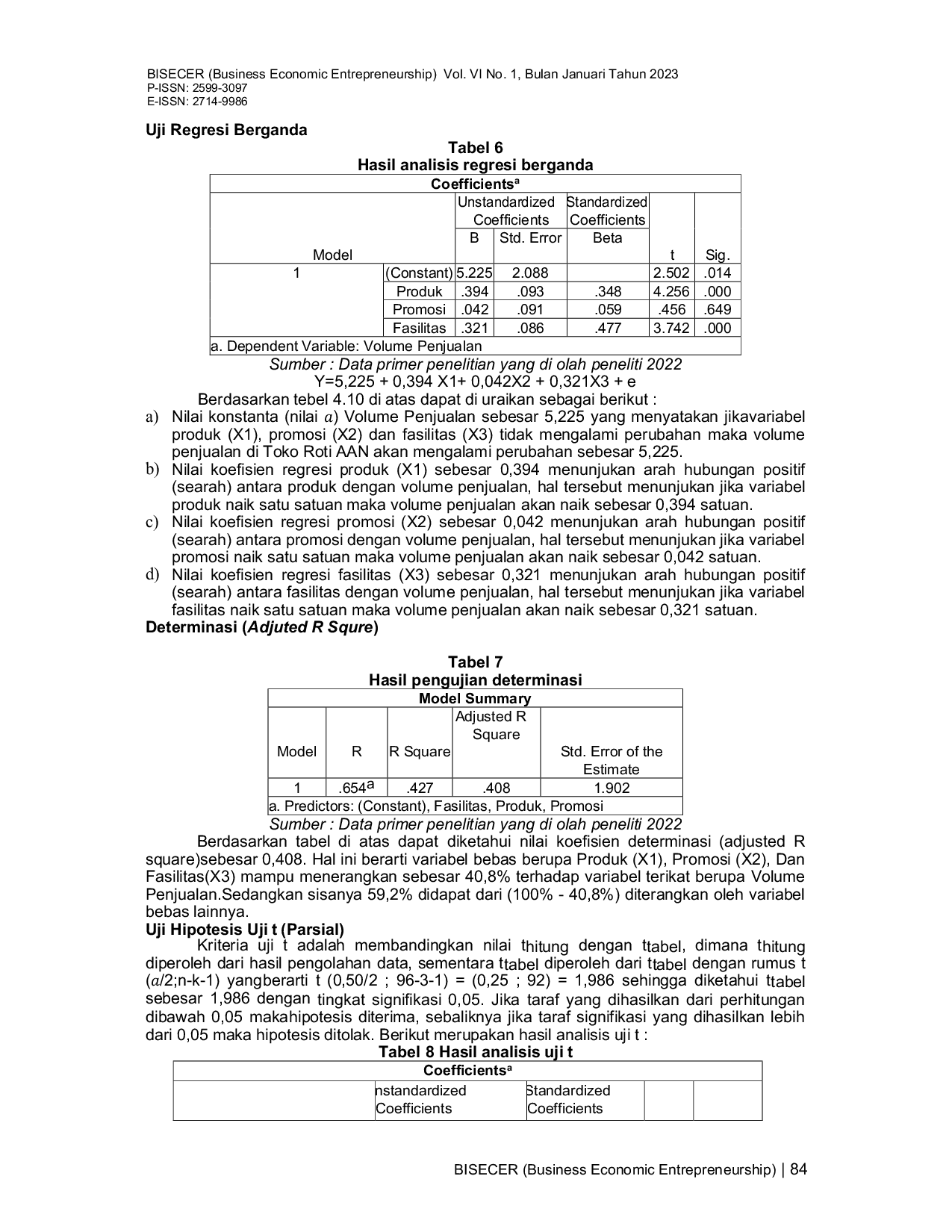
UNDARISUNDARIS Penelitian ini bertujuan untuk menganalisis pengaruh produk, promosi, dan fasilitas terhadap volume penjualan di Toko Roti AAN. Penelitian ini menggunakanPenelitian ini bertujuan untuk menganalisis pengaruh produk, promosi, dan fasilitas terhadap volume penjualan di Toko Roti AAN. Penelitian ini menggunakan

ULILALBABINSTITUTEULILALBABINSTITUTE Psikologi kultural mempelajari bagaimana budaya memengaruhi cara individu memproses kognisi dan emosi, dan relevansinya semakin meningkat di era globalisasi.Psikologi kultural mempelajari bagaimana budaya memengaruhi cara individu memproses kognisi dan emosi, dan relevansinya semakin meningkat di era globalisasi.
MDPMDP Hasil evaluasi menunjukkan peningkatan pemahaman dan keterampilan digital marketing pada peserta. Kegiatan pengabdian masyarakat memberikan pandangan baruHasil evaluasi menunjukkan peningkatan pemahaman dan keterampilan digital marketing pada peserta. Kegiatan pengabdian masyarakat memberikan pandangan baru