IJHPIJHP
International Journal of Health and Pharmaceutical (IJHP)International Journal of Health and Pharmaceutical (IJHP)Stunting, as defined by the World Health Organization (WHO), is a form of chronic malnutrition characterized by a childs length or height being more than two standard deviations below the median for their age group. While diagnosing stunting is relatively straightforward, the primary challenge lies in its prevention. Clinical assessment and laboratory investigations play an important role in predicting the risk of stunting. Basic laboratory evaluations include complete blood count, urinalysis, and routine stool examination. In addition, metabolic screening may involve random blood glucose, blood gas analysis, lactate, ammonia, ketone bodies, amino acid profiles, and urinary organic acids. Further investigations can include culture tests, iron profile, electrolyte levels, renal and liver function tests, thyroid hormones, infection screening, and immunoglobulin E (IgE) levels. Iron deficiency is a key contributing factor to stunting; therefore, its prevention is essential. Hemoglobin is a sensitive marker for detecting iron deficiency anemia, but it is not reliable for identifying early iron deficiency. Hemoglobin levels may remain within the normal range even when iron stores begin to decline, which can delay diagnosis if clinicians rely solely on this parameter. Serum ferritin is a more sensitive early marker, as its levels decrease in the initial stages of iron deficiency.
Stunting is a chronic nutritional problem influenced by multiple factors, one of which is iron deficiency.Iron plays a critical role in child growth and development, particularly in hemoglobin synthesis, energy metabolism, and nervous system function.Iron deficiency not only leads to anemia but also contributes to impaired linear growth and cognitive development, thereby increasing the risk of stunting.Ferritin, as an iron storage protein, plays an important role as an early indicator of iron deficiency.Serum ferritin levels reflect total body iron stores and decrease in the early stage before changes in hemoglobin occur.Therefore, ferritin can be used as a more sensitive biomarker for early detection of iron deficiency.
Penelitian lebih lanjut perlu dilakukan untuk mengeksplorasi hubungan antara kadar ferritin dengan status gizi anak secara komprehensif, tidak hanya fokus pada tinggi badan, tetapi juga perkembangan kognitif dan fungsi imun. Selain itu, studi intervensi yang membandingkan efektivitas suplementasi zat besi berdasarkan pengukuran ferritin versus hemoglobin dalam mencegah stunting perlu dirancang untuk memberikan bukti empiris yang kuat. Terakhir, penelitian kualitatif yang menggali persepsi dan praktik ibu serta tenaga kesehatan terkait pemantauan status besi dan pencegahan stunting dapat memberikan wawasan berharga untuk meningkatkan implementasi program kesehatan masyarakat. Penelitian-penelitian ini diharapkan dapat memberikan rekomendasi yang lebih tepat sasaran dan efektif dalam mengatasi masalah stunting di Indonesia, serta meningkatkan kualitas sumber daya manusia di masa depan.
| File size | 253.31 KB |
| Pages | 6 |
| DMCA | Report |
Related /

MALAHAYATIMALAHAYATI Hal ini terjadi karena proses perembesan lindi dapat dibatasi dan kualitas air masih memenuhi baku mutu yang ditetapkan. Sebaliknya, apabila TPA dikelolaHal ini terjadi karena proses perembesan lindi dapat dibatasi dan kualitas air masih memenuhi baku mutu yang ditetapkan. Sebaliknya, apabila TPA dikelola
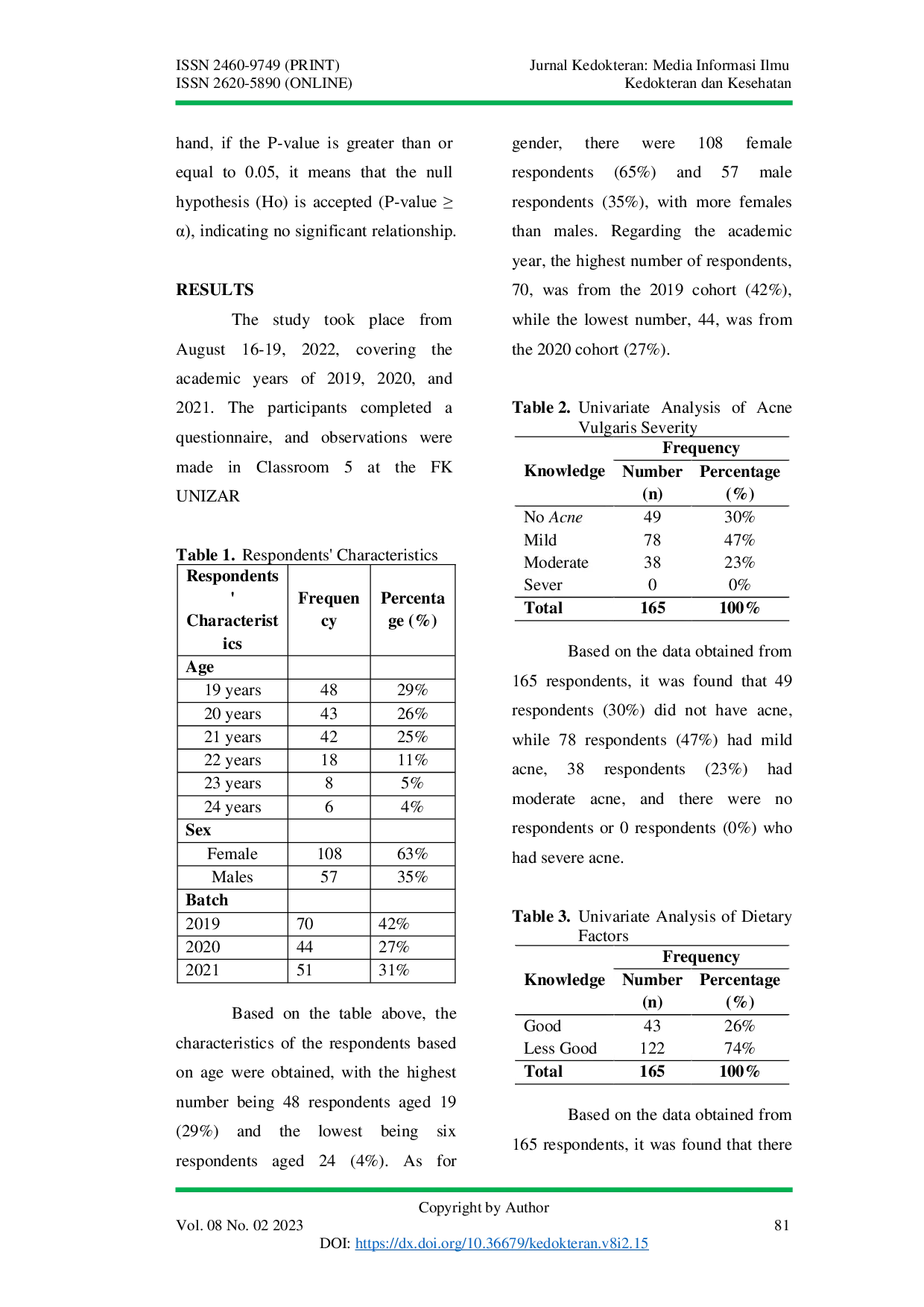
POLKESBANPOLKESBAN Kebiasaan makan mahasiswa preklinis Fakultas Kedokteran Universitas Islam Al-Azhar (FK UNIZAR) pada kohort 2019, 2020, dan 2021 umumnya termasuk dalamKebiasaan makan mahasiswa preklinis Fakultas Kedokteran Universitas Islam Al-Azhar (FK UNIZAR) pada kohort 2019, 2020, dan 2021 umumnya termasuk dalam
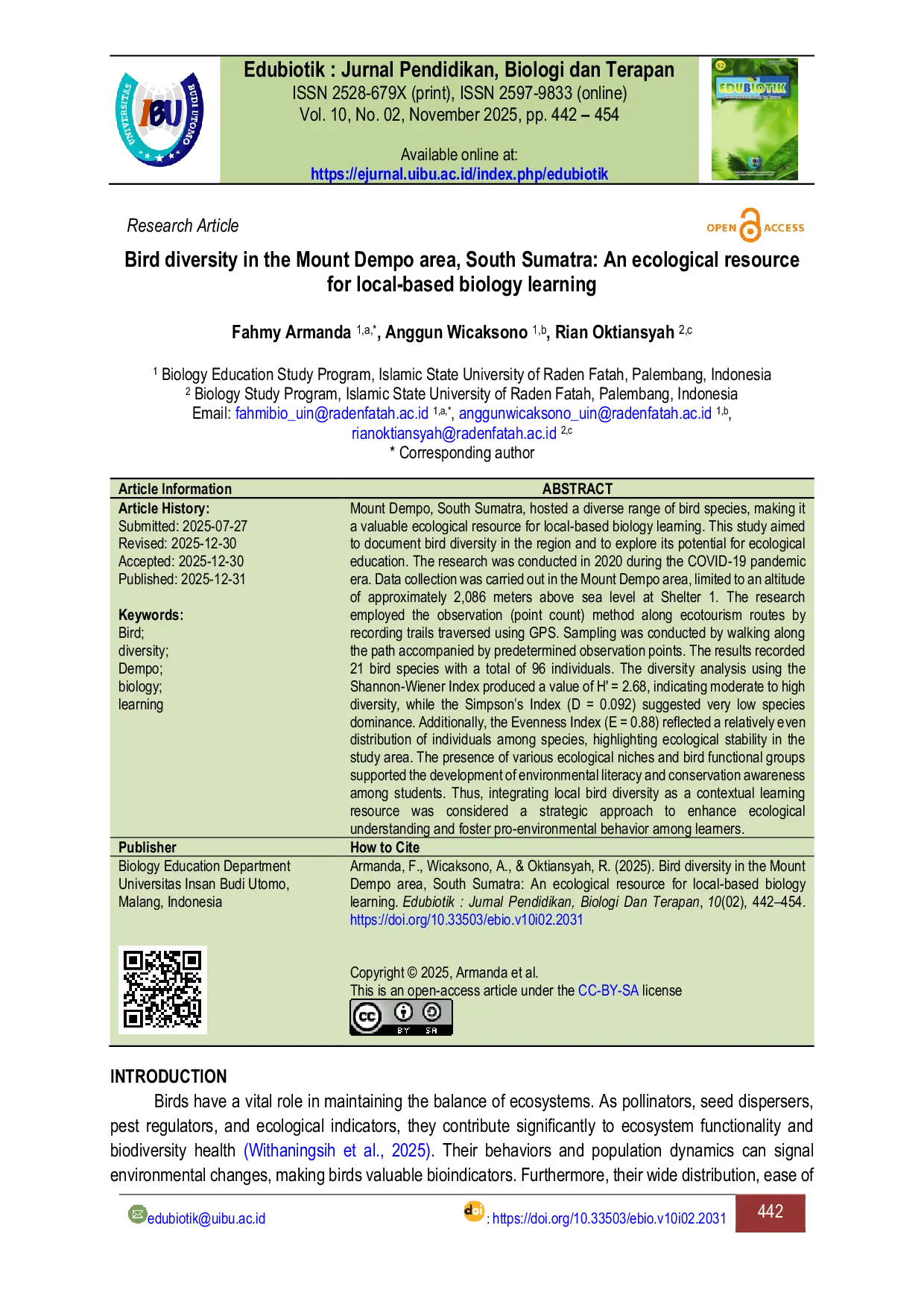
UIBUUIBU Keberadaan berbagai nis ekologi dan kelompok fungsi burung mendukung pengembangan literasi lingkungan serta kesadaran konservasi di kalangan siswa. OlehKeberadaan berbagai nis ekologi dan kelompok fungsi burung mendukung pengembangan literasi lingkungan serta kesadaran konservasi di kalangan siswa. Oleh

POLTEKKESKUPANGPOLTEKKESKUPANG Penelitian ini merekomendasikan studi analisis spasial rutin di daerah endemik DHF untuk mendukung pencegahan dan pengendalian kasus secara efektif. DistribusiPenelitian ini merekomendasikan studi analisis spasial rutin di daerah endemik DHF untuk mendukung pencegahan dan pengendalian kasus secara efektif. Distribusi

MALAHAYATIMALAHAYATI Penelitian ini bertujuan untuk mengetahui seberapa efektif ekstrak daun sirih dalam membunuh larva nyamuk Aedes aegypti pada tahap instar III, serta menentukanPenelitian ini bertujuan untuk mengetahui seberapa efektif ekstrak daun sirih dalam membunuh larva nyamuk Aedes aegypti pada tahap instar III, serta menentukan

STIKESALMAARIFSTIKESALMAARIF Berdasarkan hasil penelitian dan pembahasan maka peneliti menyimpulkan tidak ada hubungan antara pengetahuan, sikap, sistem pembuangan sampah, dan lingkunganBerdasarkan hasil penelitian dan pembahasan maka peneliti menyimpulkan tidak ada hubungan antara pengetahuan, sikap, sistem pembuangan sampah, dan lingkungan

JOMPARNDJOMPARND Melihat kondisi tersebut, mahasiswa PBL 2 STIKES Maluku Husada melakukan program pendampingan kepada masyarakat dan kelompok ibu PKK untuk mengolah dagingMelihat kondisi tersebut, mahasiswa PBL 2 STIKES Maluku Husada melakukan program pendampingan kepada masyarakat dan kelompok ibu PKK untuk mengolah daging

MEDIAPUBLIKASIMEDIAPUBLIKASI Kegiatan ini dilakukan dengan terlebih dahulu melakukan studi pendahuluan untuk mengetahui kondisi pengetahuan dan sikap dari masing-masing individu masyarakatKegiatan ini dilakukan dengan terlebih dahulu melakukan studi pendahuluan untuk mengetahui kondisi pengetahuan dan sikap dari masing-masing individu masyarakat
Useful /
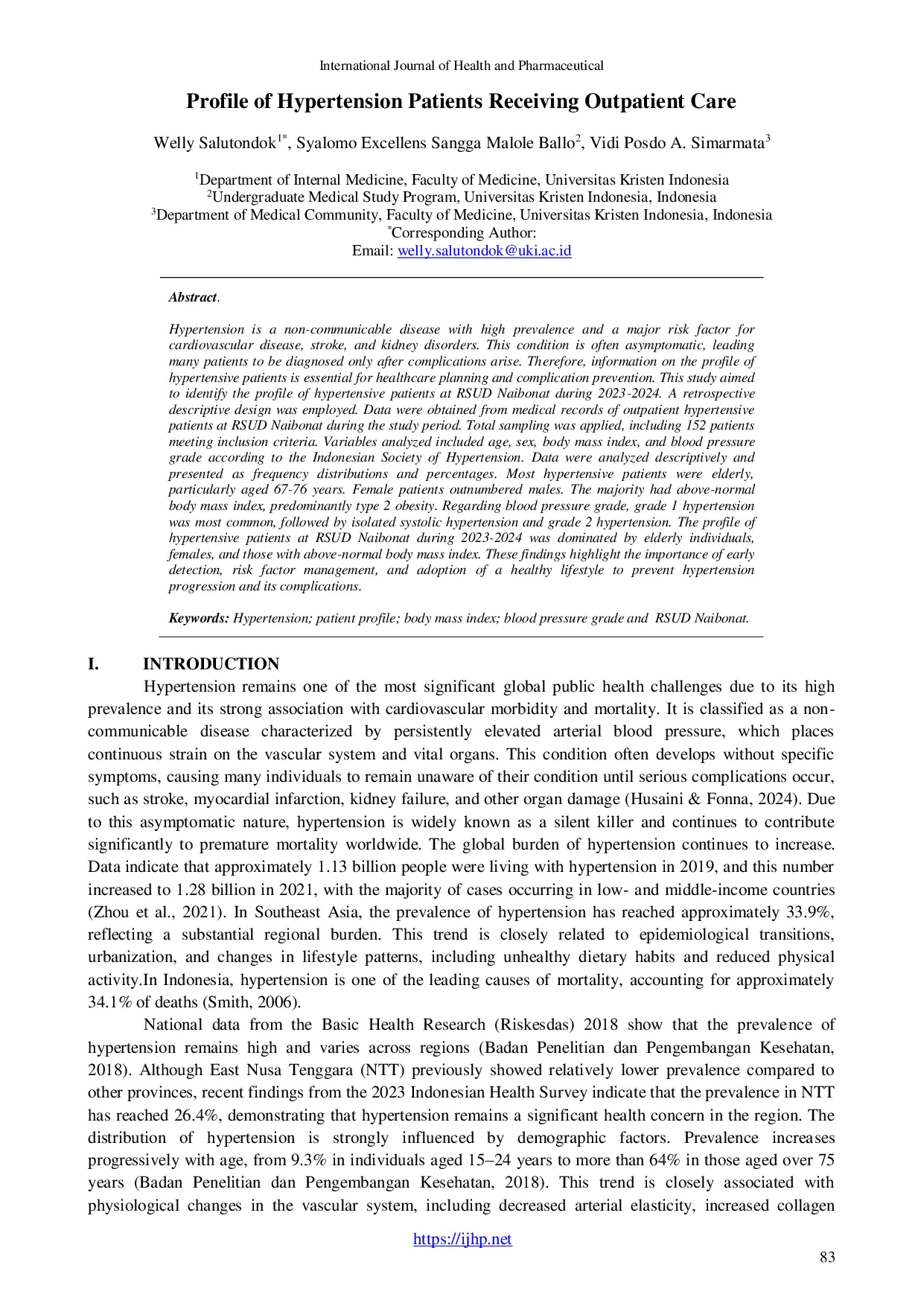
IJHPIJHP Female patients outnumbered males. The majority had above-normal body mass index, predominantly type 2 obesity. Regarding blood pressure grade, grade 1Female patients outnumbered males. The majority had above-normal body mass index, predominantly type 2 obesity. Regarding blood pressure grade, grade 1

JOMPARNDJOMPARND Rekomendasi dari kegiatan ini adalah perlunya pelaksanaan donor darah secara rutin dengan pendekatan edukatif untuk menjaga ketersediaan darah di UTD PMIRekomendasi dari kegiatan ini adalah perlunya pelaksanaan donor darah secara rutin dengan pendekatan edukatif untuk menjaga ketersediaan darah di UTD PMI
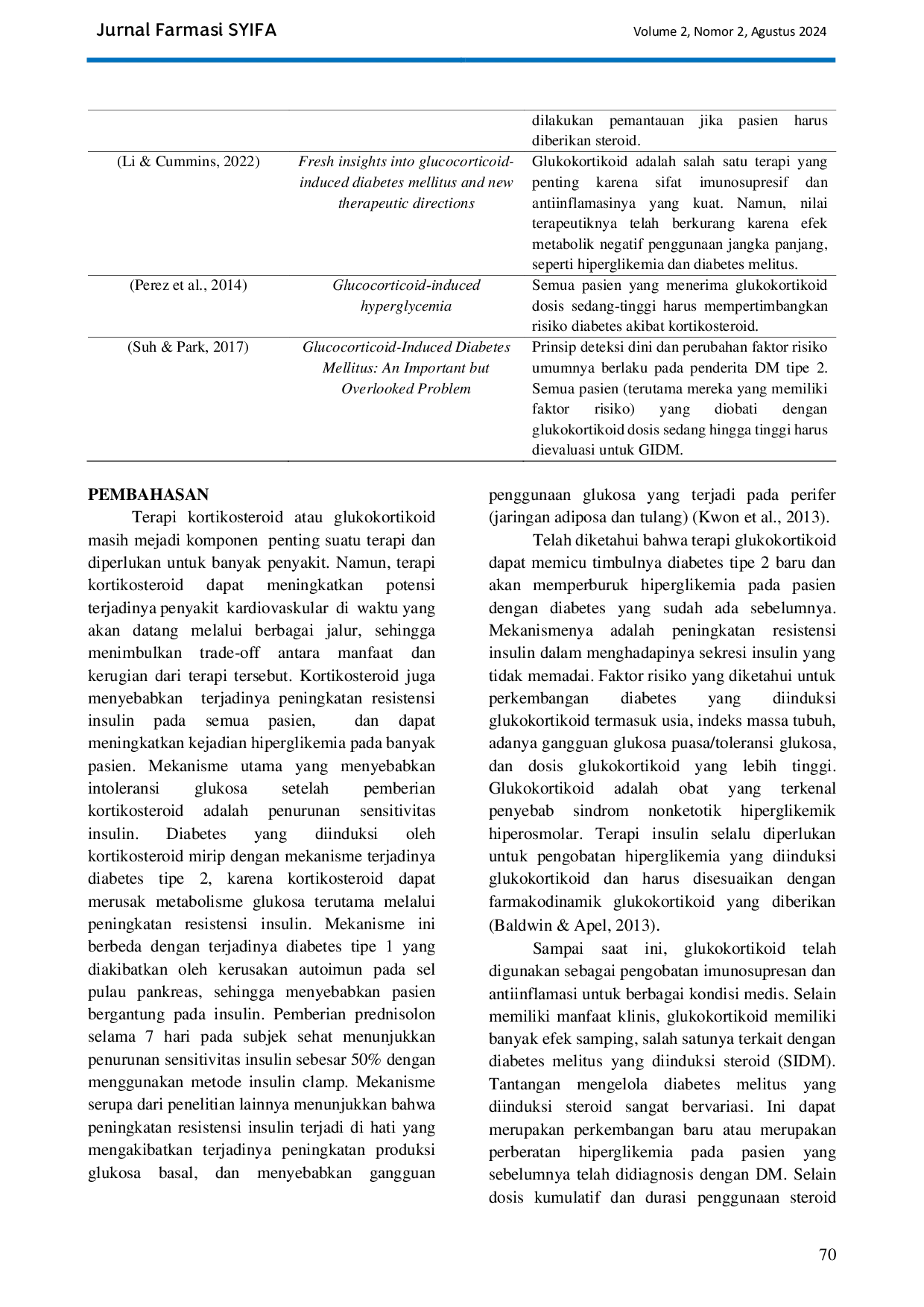
WPCPUBLISHERWPCPUBLISHER Pasien dengan atau tanpa diabetes melitus tipe 2 sebelumnya ketika akan mendapatkan terapi kortikosteroid atau glukokortikoid hendaknya dilakukan pemeriksaanPasien dengan atau tanpa diabetes melitus tipe 2 sebelumnya ketika akan mendapatkan terapi kortikosteroid atau glukokortikoid hendaknya dilakukan pemeriksaan
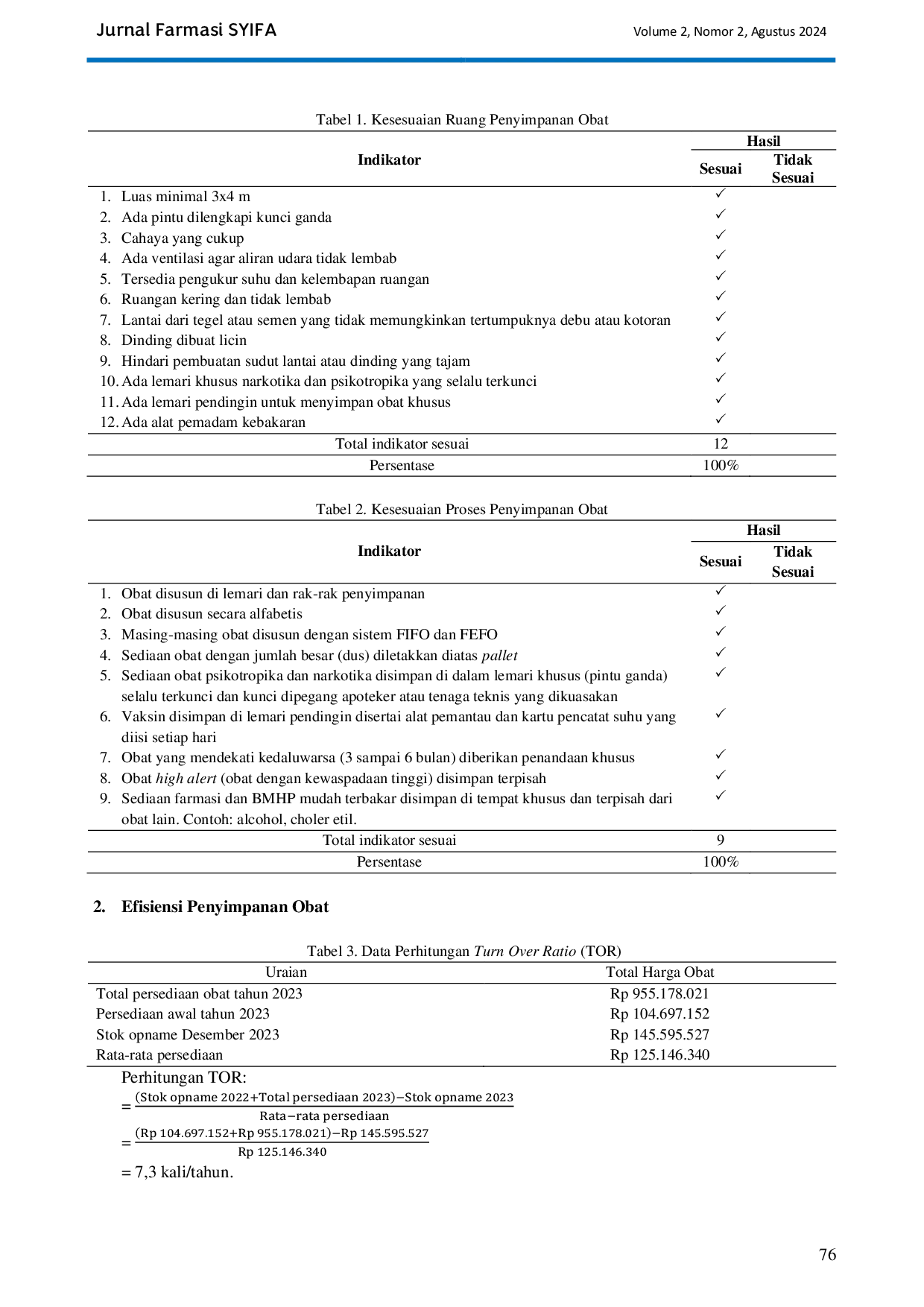
WPCPUBLISHERWPCPUBLISHER Penelitian ini bertujuan untuk mengevaluasi kesesuaian penyimpanan obat serta efisiensi dalam penyimpanan obat di Puskesmas Saptosari Kabupaten Gunungkidul.Penelitian ini bertujuan untuk mengevaluasi kesesuaian penyimpanan obat serta efisiensi dalam penyimpanan obat di Puskesmas Saptosari Kabupaten Gunungkidul.