UINUIN
Pharmaceutical and Biomedical Sciences Journal (PBSJ)Pharmaceutical and Biomedical Sciences Journal (PBSJ)Patients in the intensive care unit were often very sick and had lost consciousness. Because they had trouble swallowing, individuals with reduced awareness frequently depended on enteral tubes (NGT) for their daily medical and nutritional requirements. Since not all medications were accessible in parenteral forms, patients who relied on enteral tubes often had issues, including drug stability. Many problems arose in clinical usage when the medication was crushed or suspended and put into the NGT, including drug obstruction in the enteral tube and a reduction in drug stability as a result of the dose form being altered, making the drug unstable. Thus, this study aimed to ascertain the stability of oral suspension medications given to intensive care unit patients. The medical records of intensive care unit patients who had received oral medication therapy at X Hospital in Jakarta were examined retrospectively using a cross-sectional, descriptive approach. According to the statistics, coated tablets accounted for 68% of the most frequently used oral medication preparations. It was highly likely that crushing the coated tablets and administering them via NGT had resulted in tube obstruction. Additionally, 59.26% of the medications used had exhibited hygroscopic qualities, and several had been readily hydrolyzed. Based on these findings, it was concluded that oral medications, particularly crushed-coated tablets, could negatively affect drug stability. Active substances with hygroscopic properties and those prone to hydrolysis were also identified as potential contributors to instability.
The study concluded that solid oral drugs, especially crushed-coated tablets, could negatively impact drug stability.Active substances with hygroscopic and easily hydrolyzed properties were identified as potential contributors to instability.The findings highlighted the importance of considering drug stability when administering medications via enteral tubes, particularly for coated tablets.This research underscores the need for careful drug selection and formulation adjustments to ensure patient safety and therapeutic efficacy in ICU settings.
Penelitian lebih lanjut perlu dilakukan untuk mengeksplorasi dampak penggunaan berbagai jenis pelarut dalam pembuatan suspensi obat terhadap stabilitas obat di lingkungan NGT. Studi komparatif yang membandingkan stabilitas obat dalam suspensi yang dibuat dengan air, larutan garam, atau pelarut lain dapat memberikan wawasan penting untuk praktik klinis. Selain itu, penelitian yang berfokus pada pengembangan formulasi obat yang lebih stabil dan mudah larut dalam air, khususnya untuk obat-obat yang sering digunakan di ICU, sangat diperlukan. Hal ini dapat mencakup penggunaan teknologi nano atau modifikasi molekul obat untuk meningkatkan kelarutan dan stabilitasnya. Terakhir, studi prospektif yang melibatkan pemantauan langsung terhadap pasien ICU yang menerima obat melalui NGT, dengan pengukuran kadar obat dalam darah dan penilaian klinis, dapat membantu mengidentifikasi masalah stabilitas obat secara real-time dan mengoptimalkan terapi obat.
| File size | 188.78 KB |
| Pages | 6 |
| DMCA | Report |
Related /
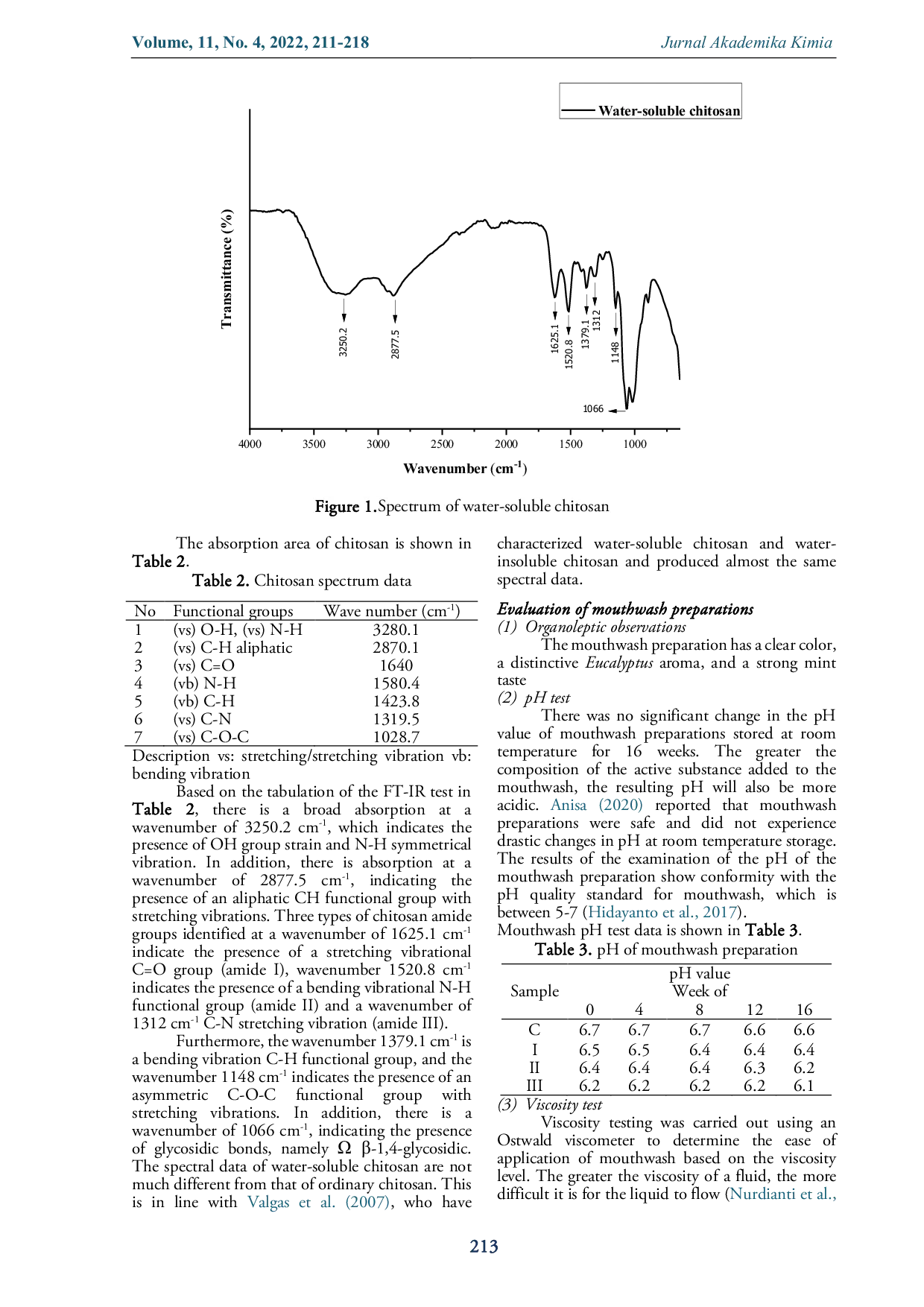
JURNALFKIPUNTADJURNALFKIPUNTAD Formula III demonstrated the most optimal results in antimicrobial testing against Streptococcus mutans, Staphylococcus aureus, and Candida albicans. TheseFormula III demonstrated the most optimal results in antimicrobial testing against Streptococcus mutans, Staphylococcus aureus, and Candida albicans. These
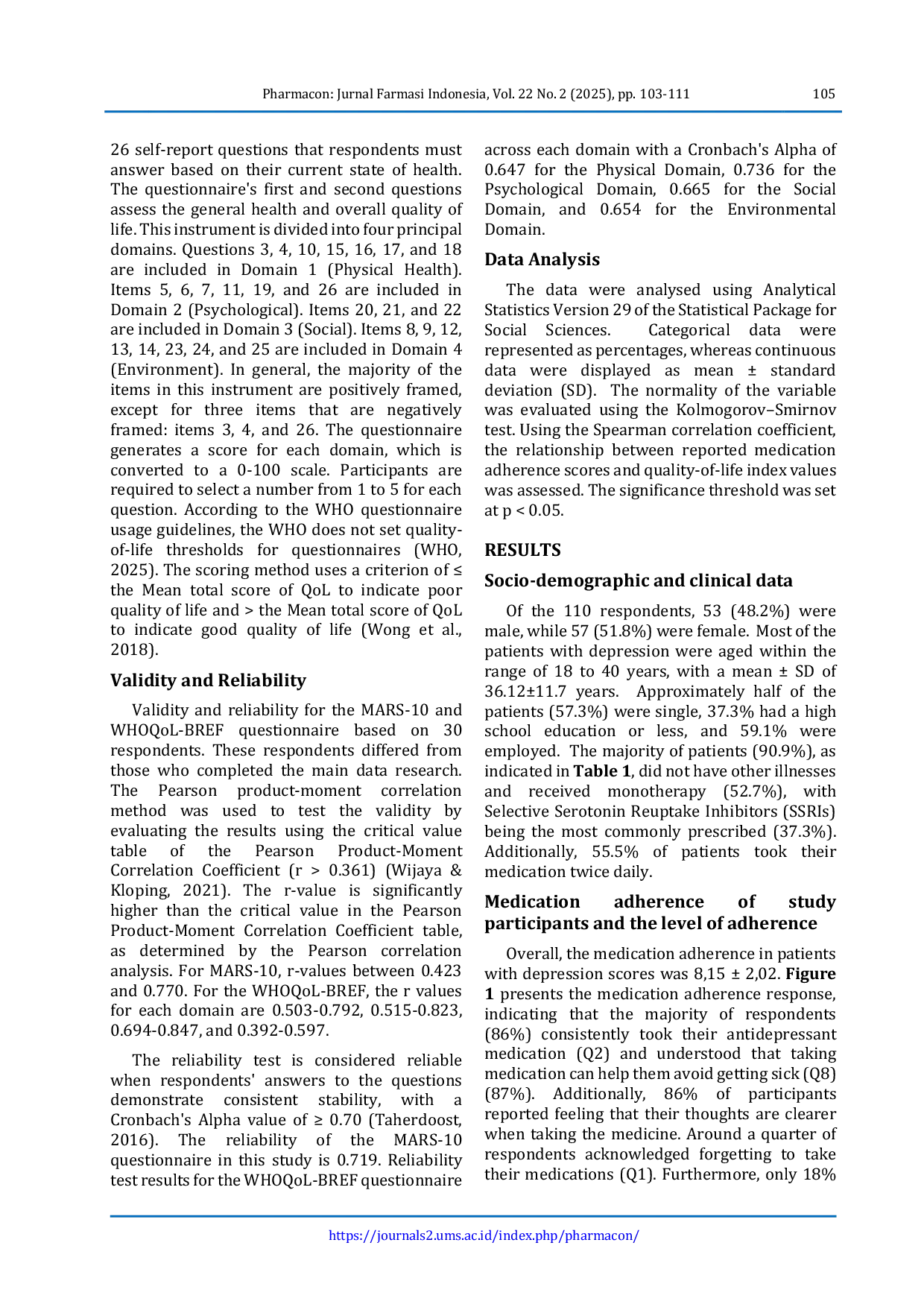
UMSUMS Enam puluh tiga pasien (57,3%) menunjukkan kepatuhan yang baik terhadap obat mereka. Hasil uji korelasi antara kepatuhan pengobatan dan kualitas hidupEnam puluh tiga pasien (57,3%) menunjukkan kepatuhan yang baik terhadap obat mereka. Hasil uji korelasi antara kepatuhan pengobatan dan kualitas hidup
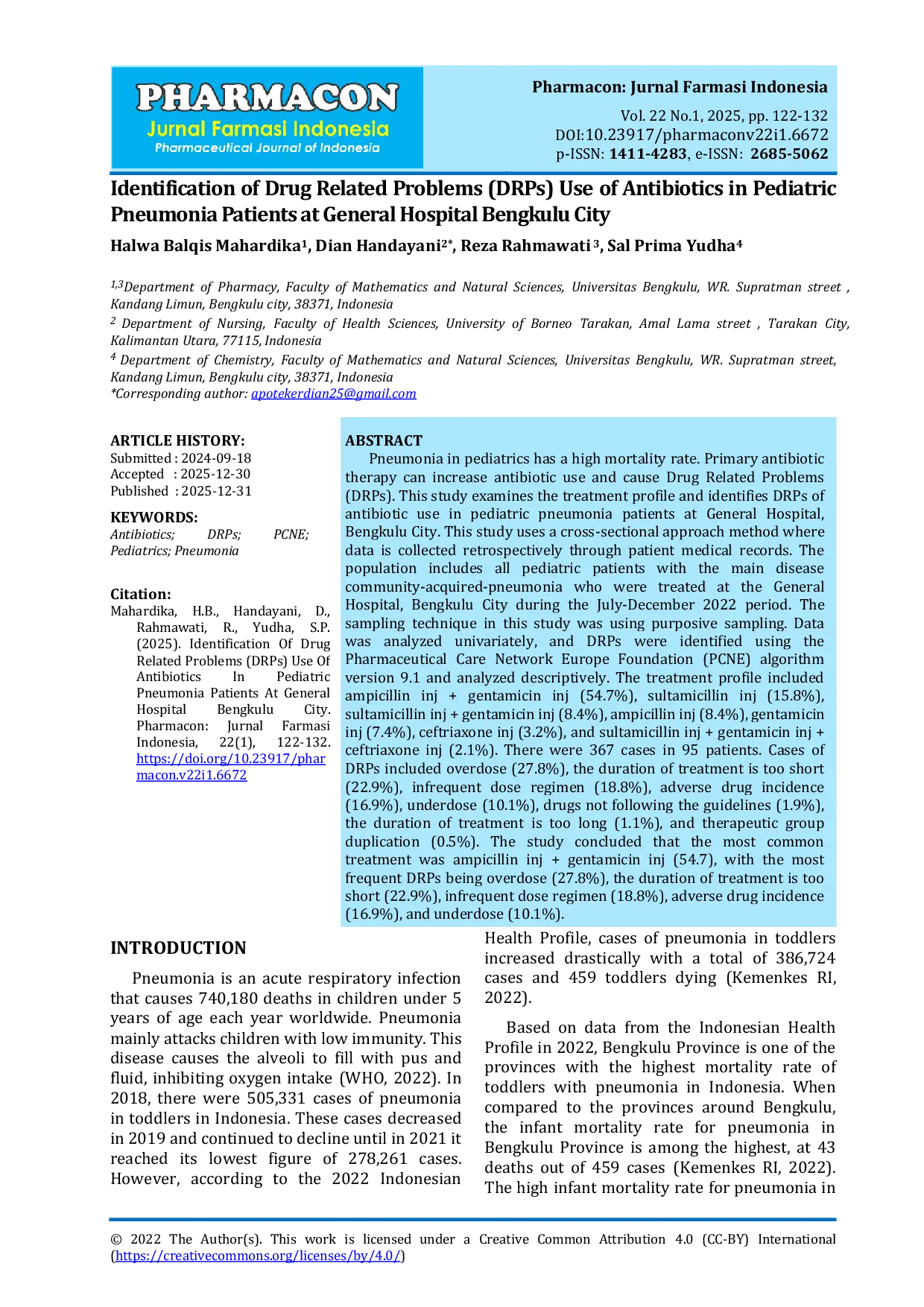
UMSUMS Terdapat 367 kasus DRPs pada 95 pasien. Kasus DRPs yang terjadi meliputi overdosis (27,8%), durasi pengobatan terlalu singkat (22,9%), regimen dosis yangTerdapat 367 kasus DRPs pada 95 pasien. Kasus DRPs yang terjadi meliputi overdosis (27,8%), durasi pengobatan terlalu singkat (22,9%), regimen dosis yang
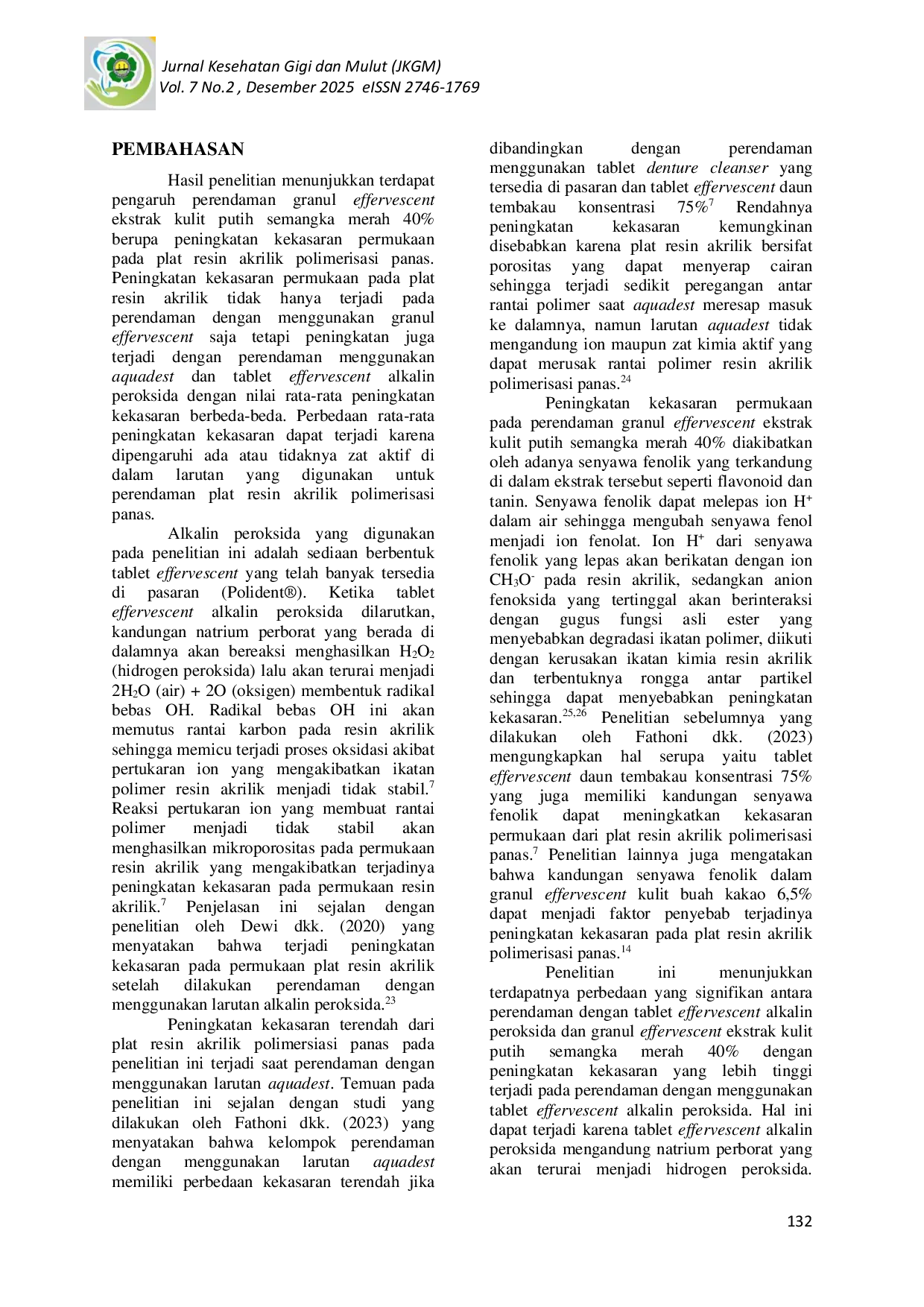
POLTEKKES PALEMBANGPOLTEKKES PALEMBANG Rata-rata kekasaran permukaan resin akrilik polimerisasi panas setelah dilakukan perendaman dalam larutan aquadest, effervescent alkalin peroksida danRata-rata kekasaran permukaan resin akrilik polimerisasi panas setelah dilakukan perendaman dalam larutan aquadest, effervescent alkalin peroksida dan
TYARLYTATYARLYTA Penelitian menunjukkan bahwa intensitas kerusakan pada buah kakao di Desa Uraur mencapai 62,72% dan dikategorikan sebagai kerusakan berat. Populasi larvaPenelitian menunjukkan bahwa intensitas kerusakan pada buah kakao di Desa Uraur mencapai 62,72% dan dikategorikan sebagai kerusakan berat. Populasi larva
TYARLYTATYARLYTA DBD dapat menyerang semua kelompok usia, dari anak-anak di bawah 15 tahun hingga orang dewasa berusia 15 tahun ke atas. Gejala DBD meliputi demam selamaDBD dapat menyerang semua kelompok usia, dari anak-anak di bawah 15 tahun hingga orang dewasa berusia 15 tahun ke atas. Gejala DBD meliputi demam selama
UMBJMUMBJM This research used a case study approach in evaluative design. Case study was conducted on one elderly who was 74 years old. Reminiscence Therapy is carriedThis research used a case study approach in evaluative design. Case study was conducted on one elderly who was 74 years old. Reminiscence Therapy is carried
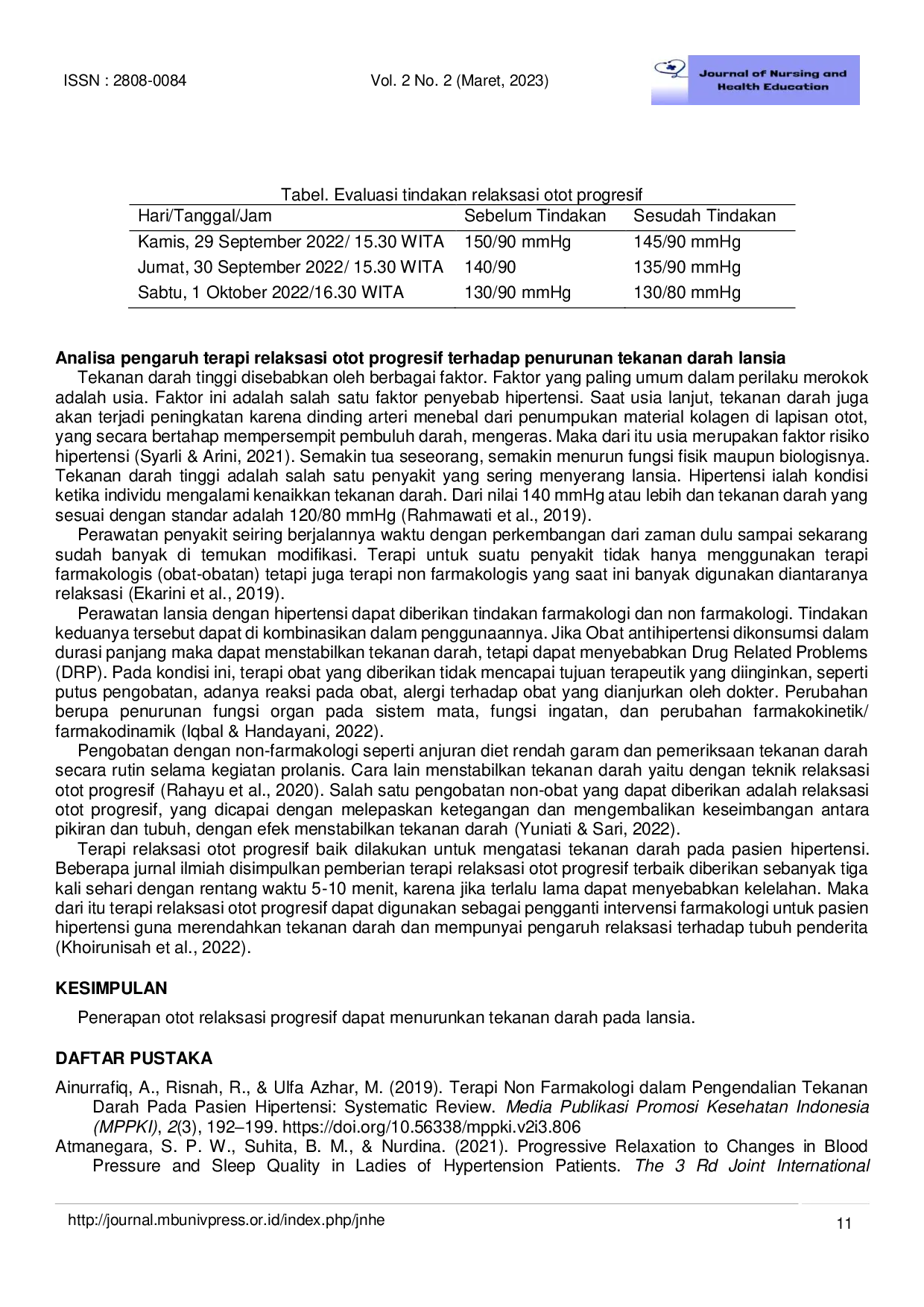
UMBJMUMBJM Kondisi yang membuat penyakit hipertensi yaitu banyaknya penderita yang tidak melakukan pemeriksaan atau pengobatan. Pengobatan yang tepat akan dapat mencegahKondisi yang membuat penyakit hipertensi yaitu banyaknya penderita yang tidak melakukan pemeriksaan atau pengobatan. Pengobatan yang tepat akan dapat mencegah
Useful /

STIALANSTIALAN Manfaat ekonomi makin dipandang penting dalam hubungan dua Negara. Diplomasi ekonomi disini difahami sebagai suatu faktor yang mendukung meningkatnya perdaganganManfaat ekonomi makin dipandang penting dalam hubungan dua Negara. Diplomasi ekonomi disini difahami sebagai suatu faktor yang mendukung meningkatnya perdagangan
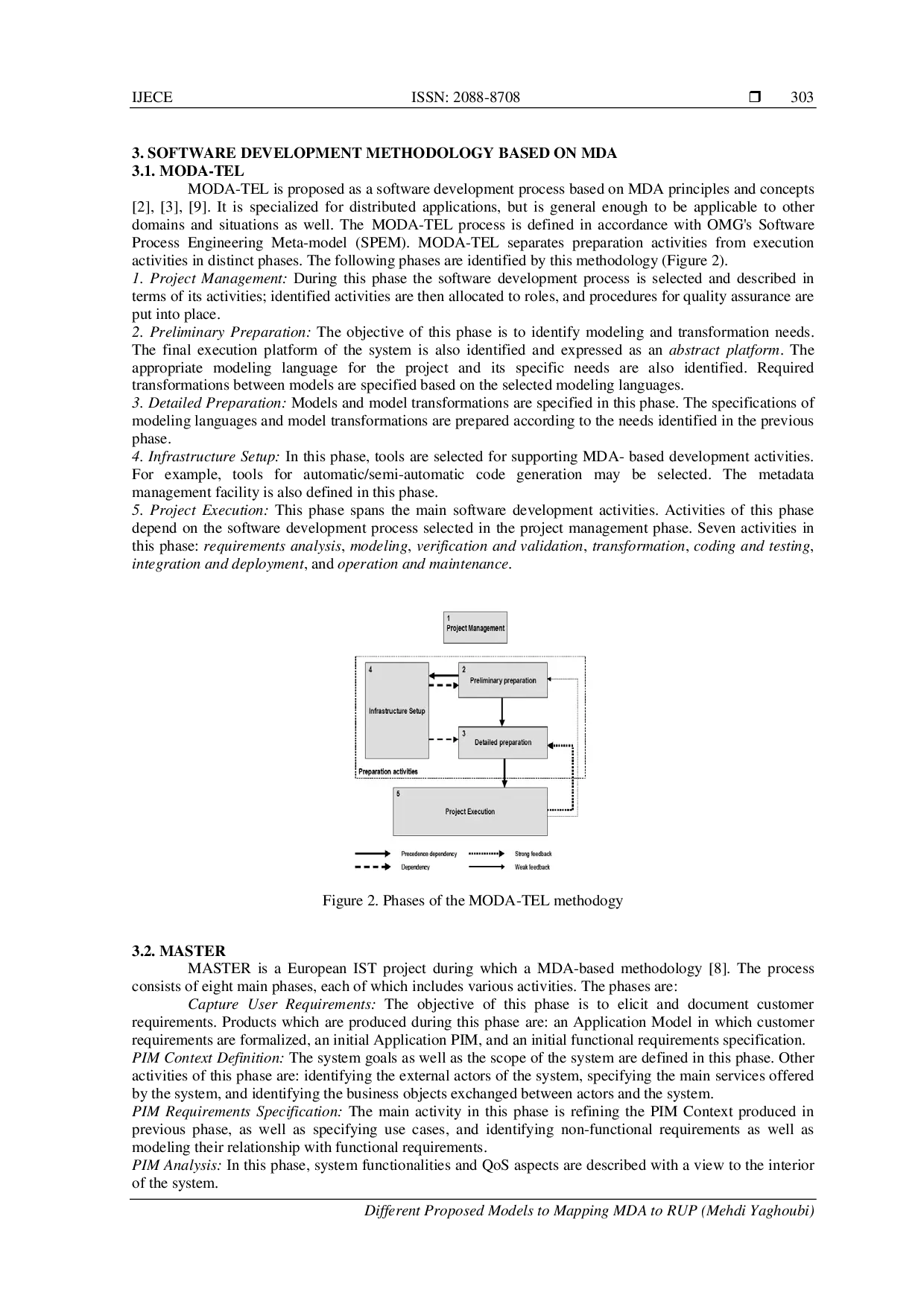
IAESCOREIAESCORE Dalam makalah ini, kami menyelidiki beberapa metodologi yang didorong oleh model dan juga kami akan lebih menyukai pemetaan MDA ke RUP. Meskipun model-drivenDalam makalah ini, kami menyelidiki beberapa metodologi yang didorong oleh model dan juga kami akan lebih menyukai pemetaan MDA ke RUP. Meskipun model-driven
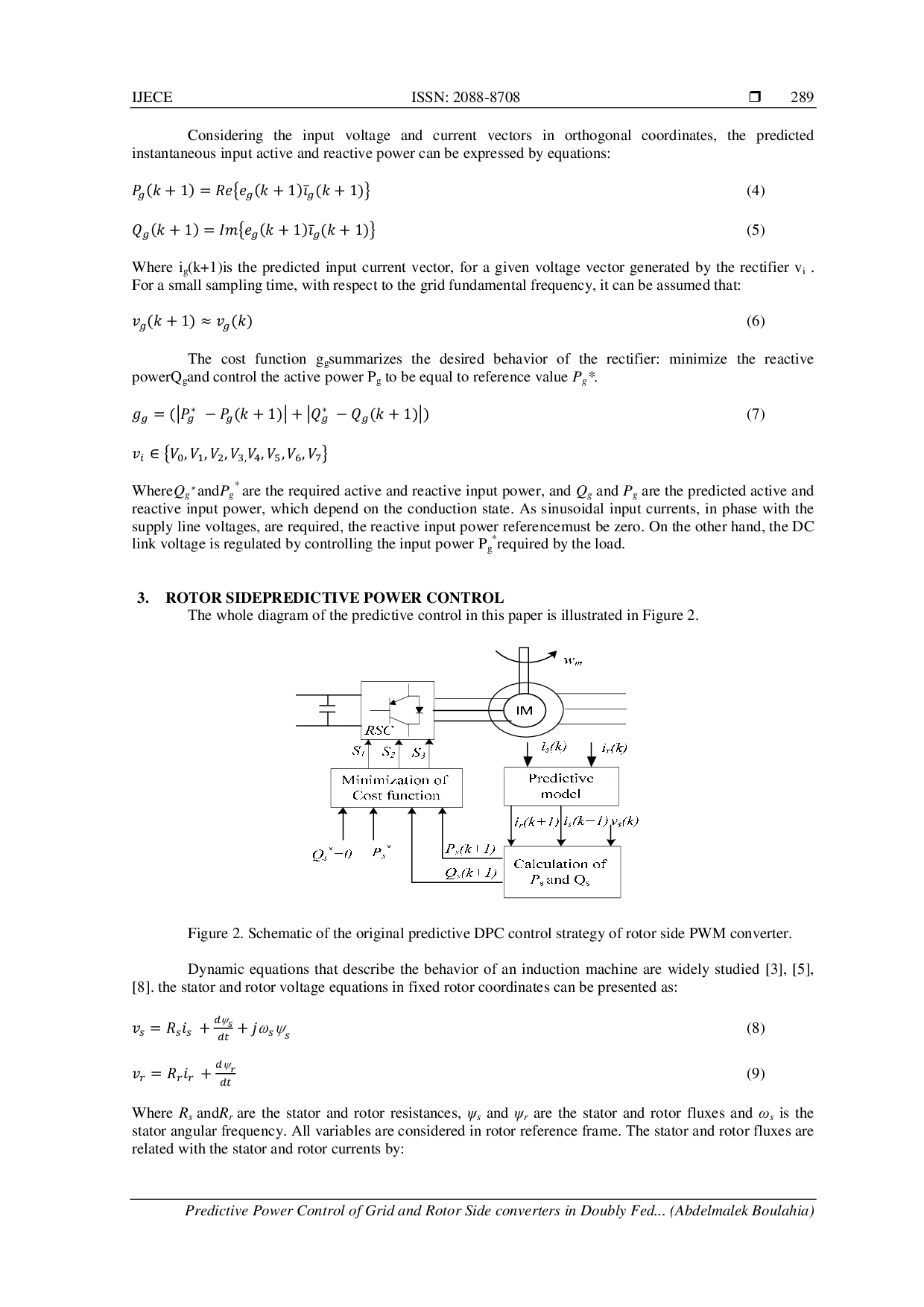
IAESCOREIAESCORE Berdasarkan hasil simulasi, dapat disimpulkan bahwa strategi Kontrol Daya Langsung Prediktif (Predictive DPC) yang diterapkan untuk mengendalikan DFIGBerdasarkan hasil simulasi, dapat disimpulkan bahwa strategi Kontrol Daya Langsung Prediktif (Predictive DPC) yang diterapkan untuk mengendalikan DFIG
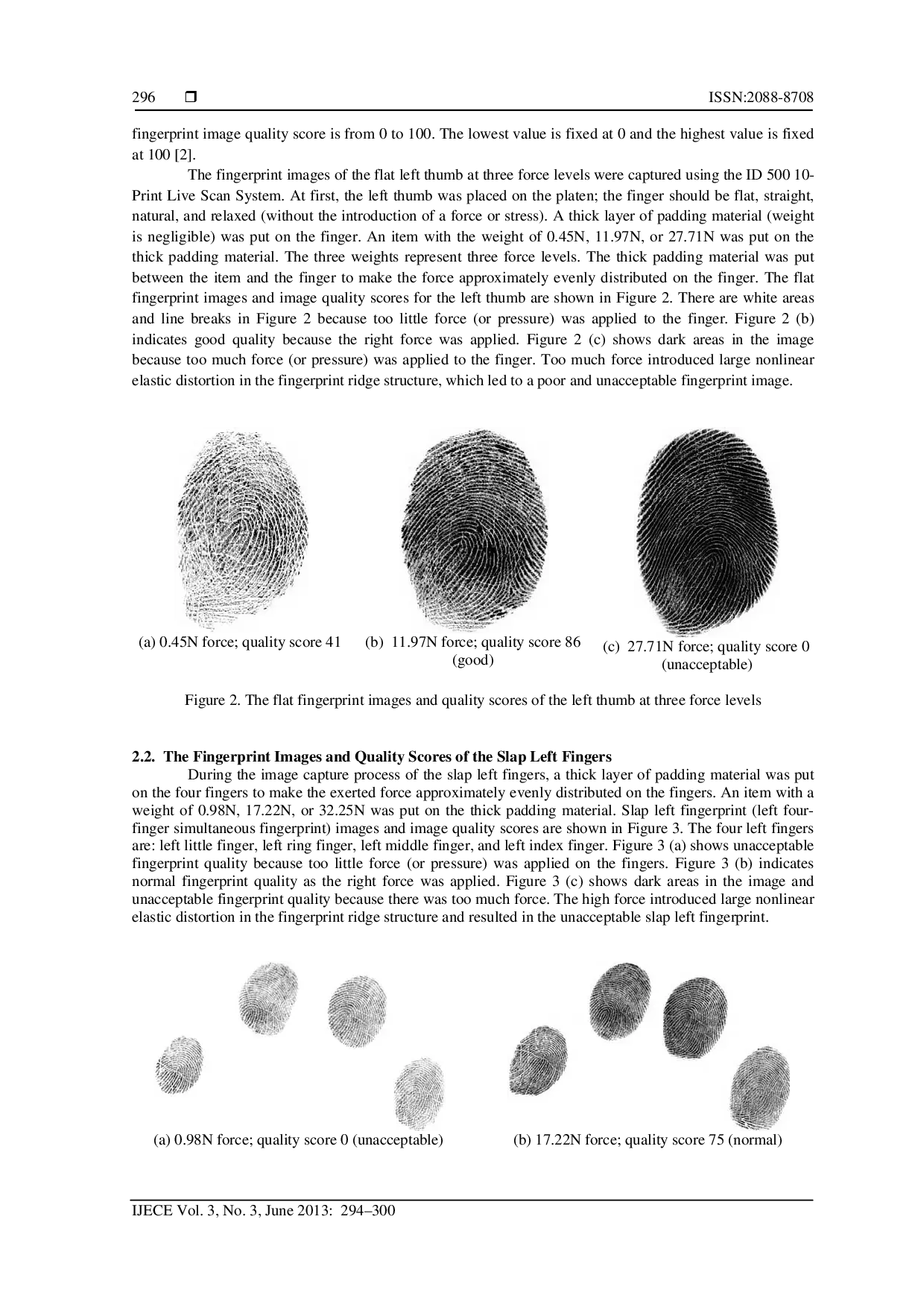
IAESCOREIAESCORE Hasil analisis korelasi menunjukkan bahwa kualitas sidik jari secara signifikan dipengaruhi oleh gaya. Berdasarkan uji U, dilakukan studi komparatif antaraHasil analisis korelasi menunjukkan bahwa kualitas sidik jari secara signifikan dipengaruhi oleh gaya. Berdasarkan uji U, dilakukan studi komparatif antara