UIN BANTENUIN BANTEN
Al AhkamAl AhkamThis study examines how halal certification bodies in Indonesia contribute to consumer confidence using a multi-site qualitative approach. This research focuses on exploring the perspectives of Muslim consumers, halal product manufacturers, and halal certification bodies in Jakarta, Surabaya, and Makassar, specifically the Indonesian Ulema Council (MUI) and the Halal Product Assurance Agency (BPJPH). Data was collected through in-depth interviews, focus group discussions, and observations. Findings highlight the crucial role of halal certification bodies in building consumer trust by verifying product compliance with Islamic law and ensuring transparency in the halal certification process. Factors influencing the effectiveness of these bodies include their credibility, the clarity of halal standards, and the accessibility of information regarding halal certification. The study also reveals varying consumer perceptions across the three cities, influenced by local socio-cultural contexts and access to information. This research provides valuable insights for halal certification bodies to improve their effectiveness in ensuring consumer confidence and fostering the growth of the halal industry in Indonesia.
This multi-site study examined consumer confidence in halal certification across three major cities in Indonesia.The key findings indicate that consumer trust varies regionally, with Yogyakarta exhibiting the highest trust levels.The credibility and transparency of halal certification bodies are crucial for building consumer trust, and improving halal literacy among consumers is essential.To enhance consumer confidence, halal certification bodies need to prioritize transparency, consistency, and effective communication.
Berdasarkan temuan penelitian ini, beberapa saran penelitian lanjutan dapat diajukan. Pertama, penelitian lebih lanjut perlu dilakukan untuk mengeksplorasi secara mendalam bagaimana peran teknologi digital, seperti aplikasi seluler dan platform blockchain, dapat meningkatkan transparansi dan ketertelusuran dalam proses sertifikasi halal, sehingga meningkatkan kepercayaan konsumen. Kedua, studi komparatif yang lebih luas, melibatkan lebih banyak kota dan wilayah di Indonesia, diperlukan untuk mengidentifikasi faktor-faktor sosio-kultural dan ekonomi spesifik yang memengaruhi persepsi konsumen terhadap sertifikasi halal, serta untuk menyesuaikan strategi komunikasi dan edukasi yang lebih efektif. Ketiga, penelitian kualitatif mendalam, seperti studi etnografi, dapat dilakukan untuk memahami secara lebih komprehensif bagaimana konsumen Muslim berinteraksi dengan produk halal dalam kehidupan sehari-hari, termasuk motivasi mereka dalam memilih produk bersertifikasi halal dan tantangan yang mereka hadapi dalam mengakses informasi yang akurat dan terpercaya. Penelitian-penelitian ini diharapkan dapat memberikan kontribusi signifikan dalam pengembangan ekosistem halal yang lebih kuat dan berkelanjutan di Indonesia, serta meningkatkan kepercayaan konsumen terhadap produk-produk halal yang beredar di pasar.
| File size | 397.74 KB |
| Pages | 18 |
| DMCA | Report |
Related /

UMTUMT Bank Syariah Indonesia (BSI) berperan penting dalam mengembangkan industri makanan halal di Indonesia melalui pembiayaan syariah dan program pengembanganBank Syariah Indonesia (BSI) berperan penting dalam mengembangkan industri makanan halal di Indonesia melalui pembiayaan syariah dan program pengembangan

JOURNALCENTERJOURNALCENTER Kota Bukittinggi dipilih sebagai lokasi studi karena didominasi oleh konsumen Muslim yang memiliki perhatian tinggi terhadap sertifikasi halal. TujuanKota Bukittinggi dipilih sebagai lokasi studi karena didominasi oleh konsumen Muslim yang memiliki perhatian tinggi terhadap sertifikasi halal. Tujuan

UMTUMT Pemerintah perlu menyederhanakan proses sertifikasi, meningkatkan edukasi publik, dan menjaga integritas sistem halal. Secara teoritis, penelitian iniPemerintah perlu menyederhanakan proses sertifikasi, meningkatkan edukasi publik, dan menjaga integritas sistem halal. Secara teoritis, penelitian ini

KAHURIPANKAHURIPAN Meskipun menghadapi kendala teknis, sistem tersebut berjalan efektif sesuai kebijakan Omah Jenang dan mendukung pengendalian internal. Keterbatasan penelitianMeskipun menghadapi kendala teknis, sistem tersebut berjalan efektif sesuai kebijakan Omah Jenang dan mendukung pengendalian internal. Keterbatasan penelitian
IUQIBOGORIUQIBOGOR Sebagai negara dengan mayoritas penduduk muslim terbesar di dunia, Indonesia memiliki potensi untuk mejadi pusat industri halal di dunia. Dengan populasiSebagai negara dengan mayoritas penduduk muslim terbesar di dunia, Indonesia memiliki potensi untuk mejadi pusat industri halal di dunia. Dengan populasi
UMPRUMPR Artikel ini bertujuan meninjau secara kritis respons lingkungan sosial kampus terhadap implementasi Agile Governance dalam konteks Zona Integritas (ZI),Artikel ini bertujuan meninjau secara kritis respons lingkungan sosial kampus terhadap implementasi Agile Governance dalam konteks Zona Integritas (ZI),

UMPRUMPR Perpaduan media Math Galaxy: Jelajah SPLDV dan model kelas terbalik (flipped classroom) efektif dalam meningkatkan motivasi dan hasil belajar murid. PenerapanPerpaduan media Math Galaxy: Jelajah SPLDV dan model kelas terbalik (flipped classroom) efektif dalam meningkatkan motivasi dan hasil belajar murid. Penerapan
UMTUMT Hal ini dipandang sebagai peluang usaha untuk beberapa orang. oleh sebab itu banyak pengusaha yang mulai menerapkan berbagai metode inovatif dengan menerapkanHal ini dipandang sebagai peluang usaha untuk beberapa orang. oleh sebab itu banyak pengusaha yang mulai menerapkan berbagai metode inovatif dengan menerapkan
Useful /

UMTUMT Sedangkan sisanya 66,6% dijelaskan oleh variabel lain yang tidak diteliti pada penelitian ini. Berdasarkan hasil analisis data, personal selling (X1) danSedangkan sisanya 66,6% dijelaskan oleh variabel lain yang tidak diteliti pada penelitian ini. Berdasarkan hasil analisis data, personal selling (X1) dan
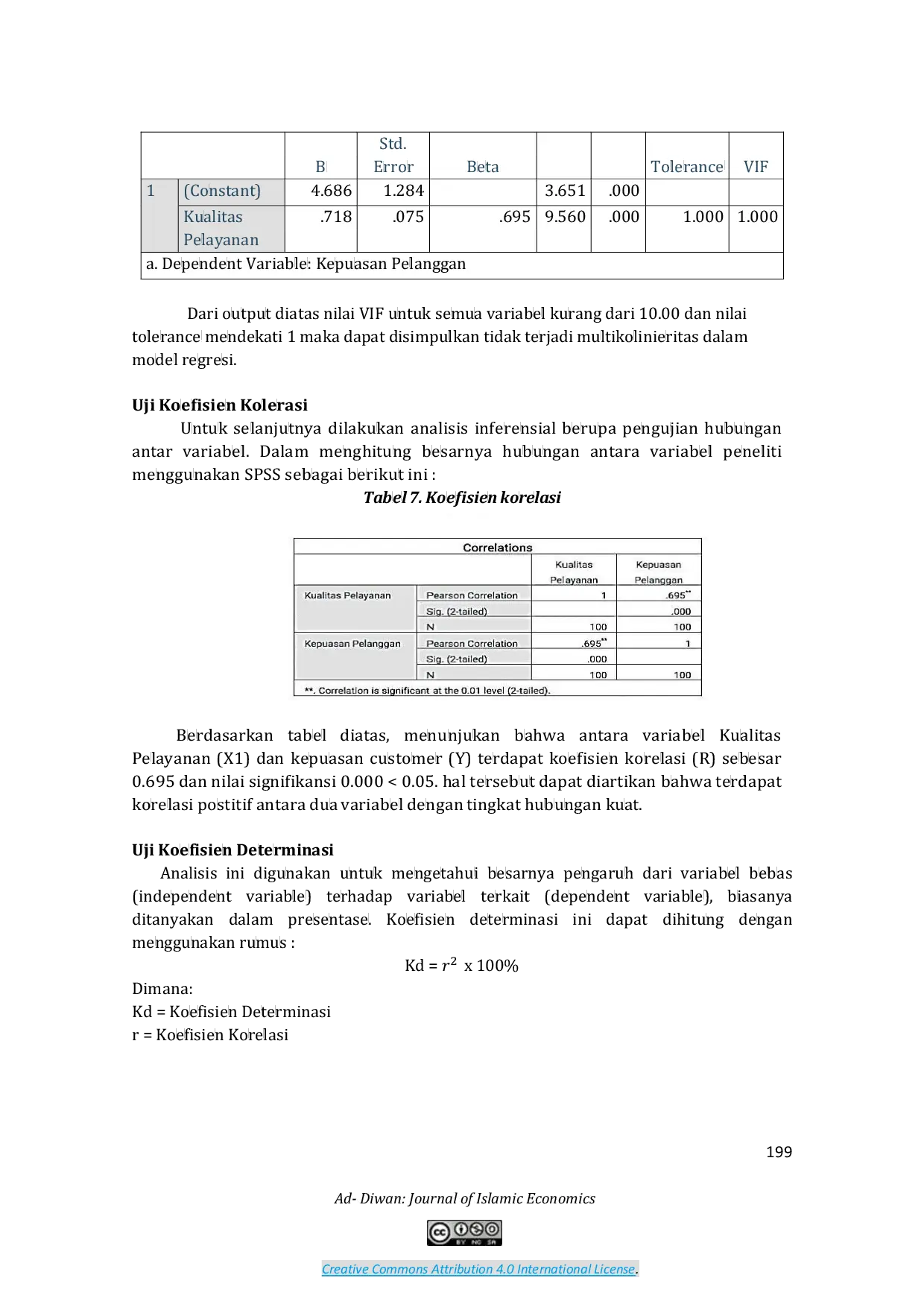
IUQIBOGORIUQIBOGOR 3% terhadap kepuasan customer penelitian implikasi penting bagi pengembangan strategi pelayanan coffee shop dalam menghadapi preferensi konsumen generasi3% terhadap kepuasan customer penelitian implikasi penting bagi pengembangan strategi pelayanan coffee shop dalam menghadapi preferensi konsumen generasi

UNYUNY AR terbukti menciptakan pengalaman imersif dan interaktif, memperkaya apresiasi seni digital. Namun, tantangan seperti kesenjangan akses teknologi danAR terbukti menciptakan pengalaman imersif dan interaktif, memperkaya apresiasi seni digital. Namun, tantangan seperti kesenjangan akses teknologi dan

UMTUMT Masyarakat Desa Batu Bandung Kecamatan Pino Kabupaten Bengkulu Selatan tidak memahami perbedaan antara lembaga keuangan mikro konvensional dan lembagaMasyarakat Desa Batu Bandung Kecamatan Pino Kabupaten Bengkulu Selatan tidak memahami perbedaan antara lembaga keuangan mikro konvensional dan lembaga