UMRAHUMRAH
Journal of Innovation and TechnologyJournal of Innovation and TechnologyMaterial joining techniques are divided into two categories: similar joints and dissimilar joints. The difference in thermal cycles experienced by each material is the reason why dissimilar welding is more challenging than similar welding. The welding process that joins two materials with different properties is commonly used to improve effectiveness and efficiency in production, as well as to improve product quality. This trend has become popular in the manufacturing industry, including in the manufacture of tailor welded blanks, transportation vehicle frames such as aircraft, trains, and cars, as well as in the manufacture of public and private vehicle accessories such as aircraft panels and exhausts. The materials currently widely used in exploration are stainless steel combined with carbon steel, as well as a mixture of stainless steel and low carbon steel, which is quite challenging to weld but offers the advantages of higher strength, corrosion resistance, and lighter weight. This challenge can be overcome through liquid welding methods, one of which is the SMAW (Shielded Metal Arc Welding) technique. This study used variations in welding time at 5, 10, and 10 m/minute. Quality testing was carried out using visual tests, tensile tests, and impact tests, using AISI 1020 steel and AISI 1050 steel. Based on the test results, there was a significant difference in that the welds appeared to be shinier. The tensile strength results were in the form of average strain values for each specimen, which were 0.0705 mm, 0.0487 mm, and 0.1074 mm. The impact test results, which compared toughness values using a predetermined welding time variation of 16.5 joules, showed an average toughness value of 0.1948 J/mm².
Based on the research conducted on the effect of dissimilar welding speed variations on the joining of AISI 1020 and AISI 1050 steel materials using the shielded metal arc welding method, it can be concluded that shielded metal arc welding (SMAW) on AISI 1020 and AISI 1050 steel with the combination of two different steel materials using the dissimilar welding method showed weld defects such as undercut and spatter.Tensile strength tests on AISI 1020 and AISI 1050 steel specimens with welding speeds of 5 m/min, 10 m/min, and 15 m/min showed stable results with average strain values of 0.The tensile test results indicated that a welding speed variation of 10 m/min yielded better results than variations of 5 m/min and 15 m/min.
Penelitian lebih lanjut dapat dilakukan untuk menginvestigasi pengaruh variasi arus pengelasan terhadap kualitas sambungan las pada material AISI 1020 dan AISI 1050 menggunakan metode SMAW, dengan fokus pada analisis mikrostruktur dan kekerasan. Selain itu, studi komparatif dapat dilakukan untuk membandingkan efektivitas metode pengelasan lain, seperti GMAW atau GTAW, dalam menyambung material dissimilar ini, dengan mempertimbangkan faktor biaya, kecepatan, dan kualitas hasil las. Terakhir, penelitian dapat diarahkan untuk mengembangkan model prediksi kualitas las berdasarkan parameter pengelasan yang digunakan, menggunakan teknik machine learning atau simulasi numerik, sehingga dapat membantu mengoptimalkan proses pengelasan dan mengurangi cacat las secara signifikan. Penelitian-penelitian ini diharapkan dapat memberikan kontribusi penting dalam meningkatkan efisiensi dan keandalan proses pengelasan material dissimilar, khususnya dalam aplikasi industri otomotif, konstruksi, dan manufaktur.
| File size | 706.29 KB |
| Pages | 9 |
| DMCA | Report |
Related /

ATTRACTIVEJOURNALATTRACTIVEJOURNAL Dengan sifat manufaktur yang kompatibel dengan teknologi 3D printing dan kemungkinan kombinasi material ringan, desain ini dapat dikembangkan lebih lanjutDengan sifat manufaktur yang kompatibel dengan teknologi 3D printing dan kemungkinan kombinasi material ringan, desain ini dapat dikembangkan lebih lanjut

STTWSTTW Penelitian ini menyajikan desain dan implementasi Penganalisis Jaringan Kualitas Daya (PQNA) yang menggunakan mikrokontroler ESP32 untuk memantau dan menganalisisPenelitian ini menyajikan desain dan implementasi Penganalisis Jaringan Kualitas Daya (PQNA) yang menggunakan mikrokontroler ESP32 untuk memantau dan menganalisis
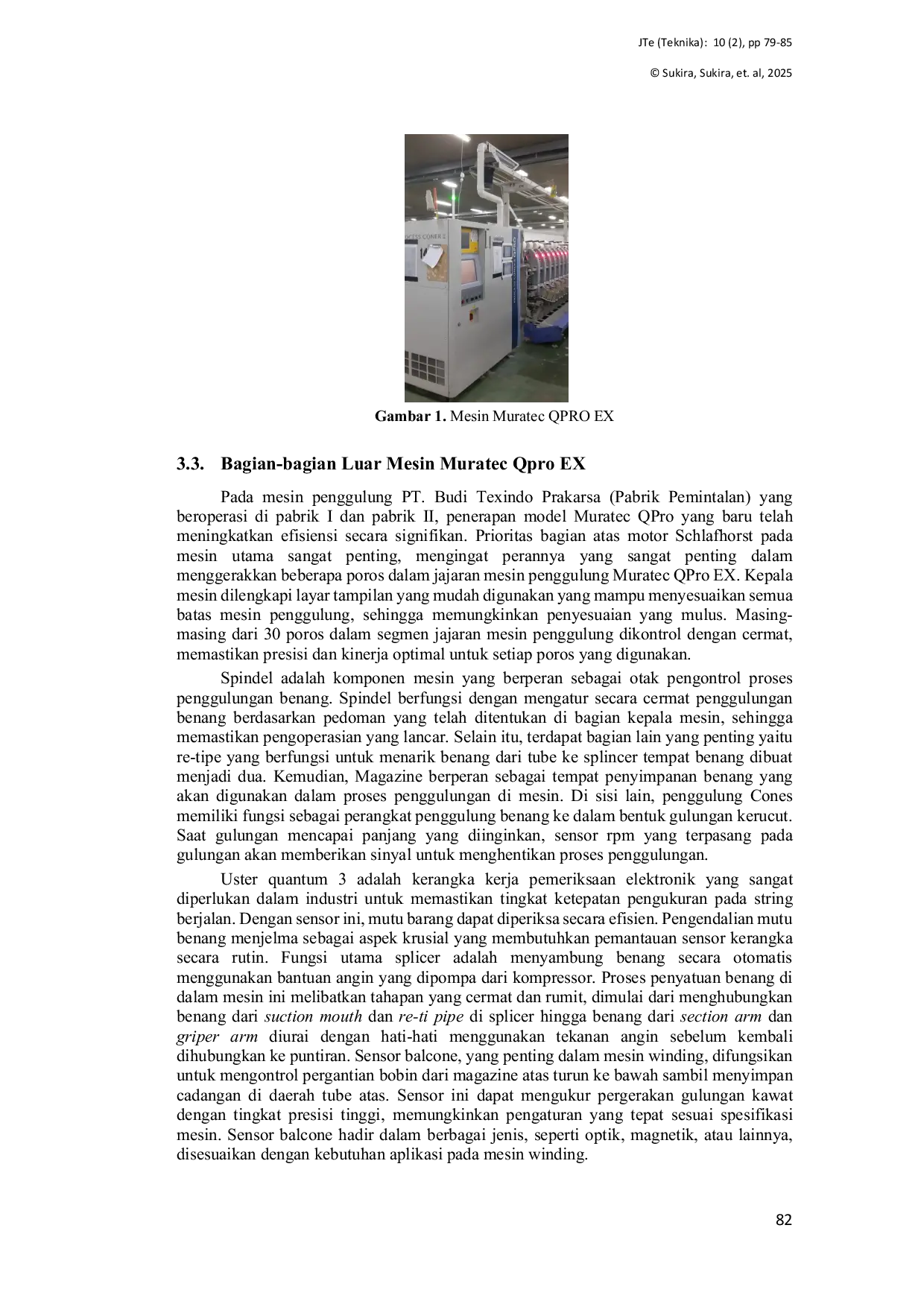
STTWSTTW Penelitian ini bertujuan untuk menganalisis sistem kerja mesin Winding Muratec QPRO EX yang digunakan di PT Budi Texindo Prakarsa. Fokus penelitian iniPenelitian ini bertujuan untuk menganalisis sistem kerja mesin Winding Muratec QPRO EX yang digunakan di PT Budi Texindo Prakarsa. Fokus penelitian ini
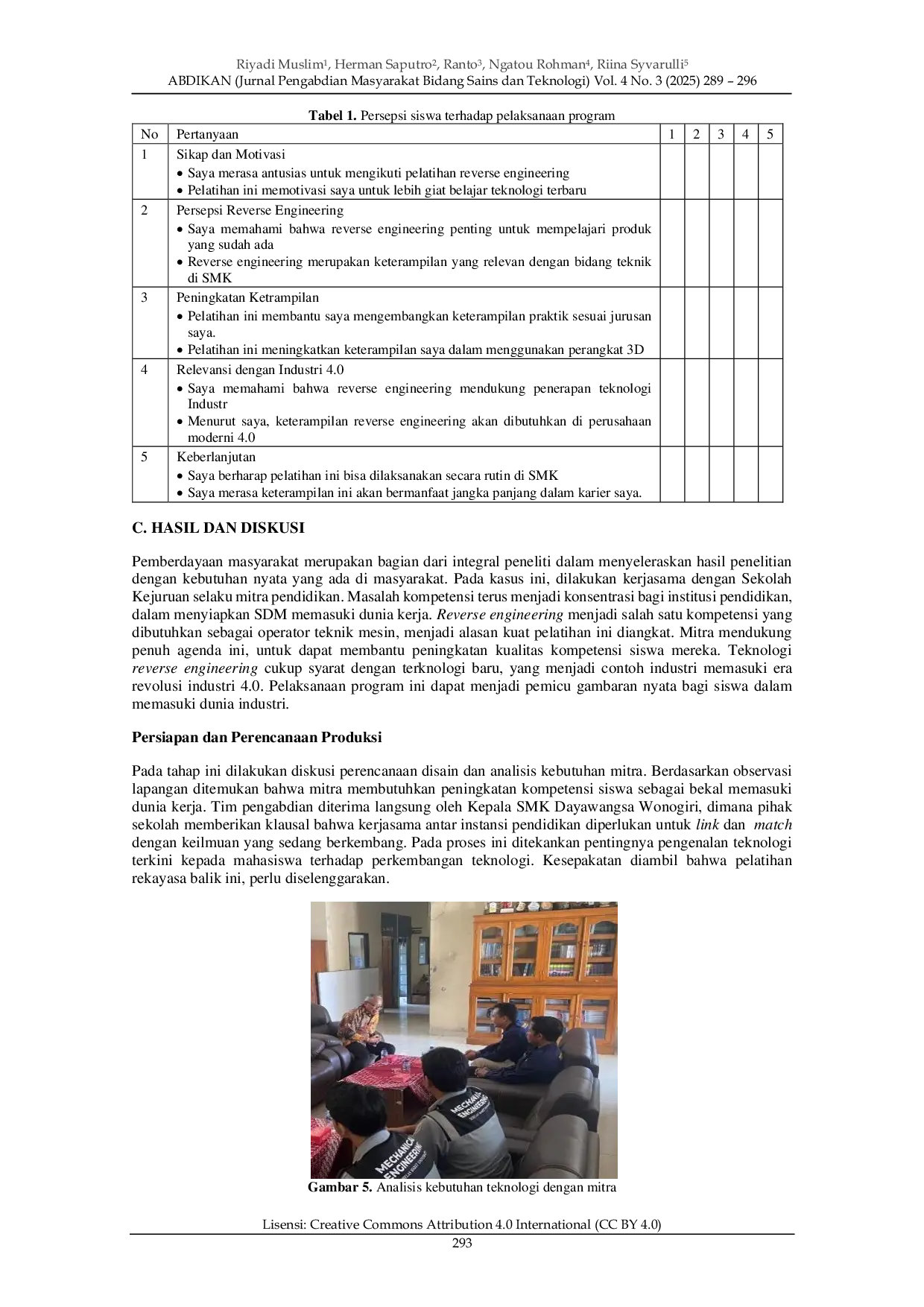
LITERASISAINSLITERASISAINS Keterlibatan pihak industri dan akademisi memperkuat transfer pengetahuan, sementara pelatihan berkelanjutan dapat memperbaiki persepsi dan motivasi siswaKeterlibatan pihak industri dan akademisi memperkuat transfer pengetahuan, sementara pelatihan berkelanjutan dapat memperbaiki persepsi dan motivasi siswa
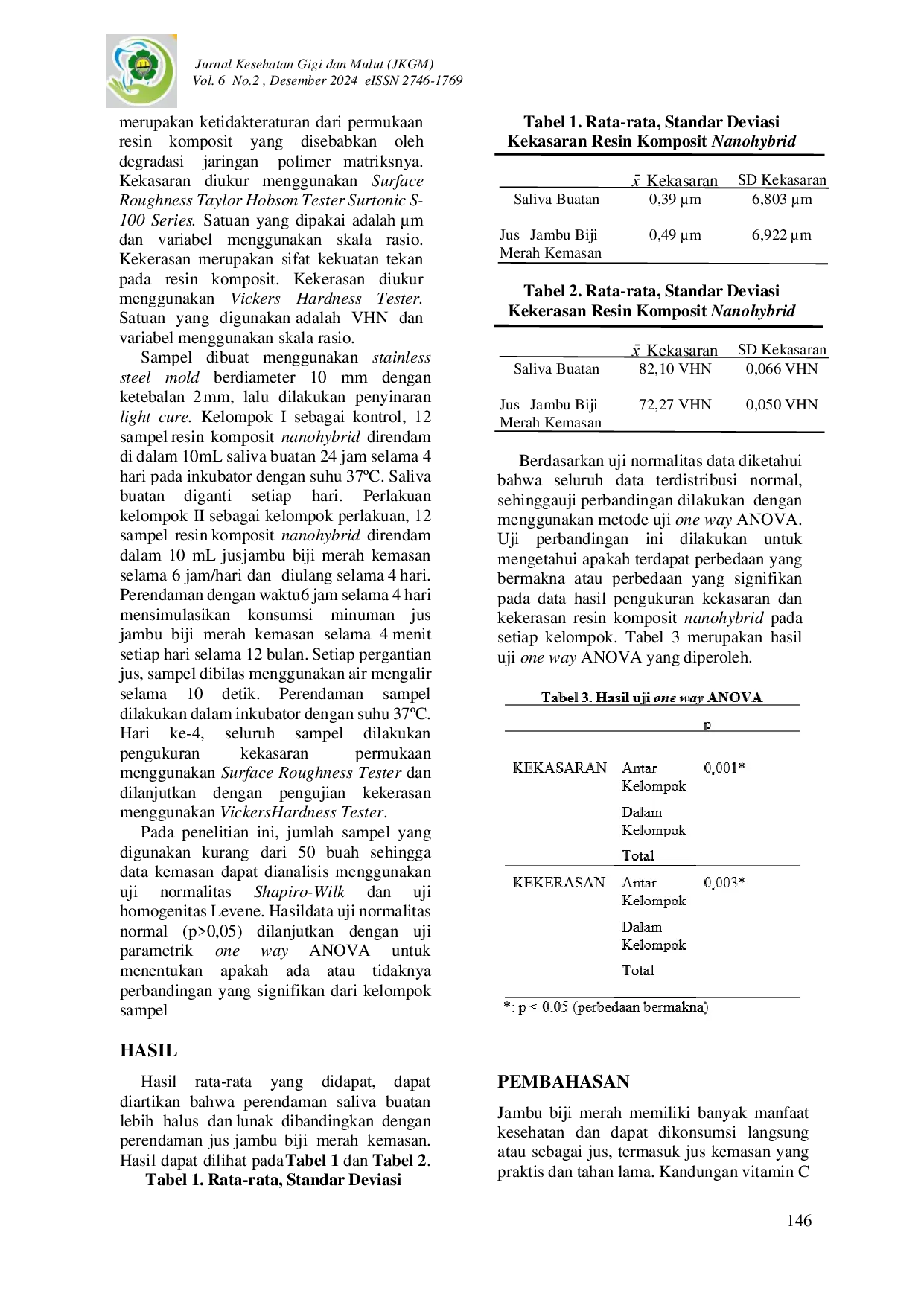
POLTEKKES PALEMBANGPOLTEKKES PALEMBANG Tujuan: Untuk mengetahui pengaruh perendaman jus jambu biji merah kemasan terhadap kekasaran dan kekerasan resin komposit nanohybrid. Metode: PenelitianTujuan: Untuk mengetahui pengaruh perendaman jus jambu biji merah kemasan terhadap kekasaran dan kekerasan resin komposit nanohybrid. Metode: Penelitian

PNCPNC Nilai hasil fungsional (CR 1,980); kompatibilitas (CR 1,825); kemudahan penggunaan (CR 2,225); keandalan (CR 4,150); keamanan (CR 3,789); pemeliharaanNilai hasil fungsional (CR 1,980); kompatibilitas (CR 1,825); kemudahan penggunaan (CR 2,225); keandalan (CR 4,150); keamanan (CR 3,789); pemeliharaan

PNCPNC Namun, mesin induksi menunjukkan kualitas produksi yang lebih baik dengan kecepatan produksi lebih tinggi dan konsumsi energi listrik yang lebih rendah.Namun, mesin induksi menunjukkan kualitas produksi yang lebih baik dengan kecepatan produksi lebih tinggi dan konsumsi energi listrik yang lebih rendah.

HKBPHKBP Hasil manufaktur menggunakan printer 3D sangat baik, di mana desain dapat diterjemahkan ke printer 3D dan menghasilkan objek yang sesuai dengan desainHasil manufaktur menggunakan printer 3D sangat baik, di mana desain dapat diterjemahkan ke printer 3D dan menghasilkan objek yang sesuai dengan desain
Useful /

UTUUTU Orang dengan pekerjaan atau latar belakang keluarga yang menerima dukungan dari tokoh masyarakat mengenai kepemilikan jamban bukanlah alasan apakah keluargaOrang dengan pekerjaan atau latar belakang keluarga yang menerima dukungan dari tokoh masyarakat mengenai kepemilikan jamban bukanlah alasan apakah keluarga

HKBPHKBP Teknologi pencetakan 3D memiliki potensi besar dalam dunia manufaktur saat ini, salah satu pemanfaatannya adalah dalam pembuatan miniatur atau prototipeTeknologi pencetakan 3D memiliki potensi besar dalam dunia manufaktur saat ini, salah satu pemanfaatannya adalah dalam pembuatan miniatur atau prototipe

HKBPHKBP Laju korosi dipengaruhi oleh waktu perendaman, di mana semakin lama waktu perendaman, laju korosi semakin melambat karena adanya karat yang menghalangiLaju korosi dipengaruhi oleh waktu perendaman, di mana semakin lama waktu perendaman, laju korosi semakin melambat karena adanya karat yang menghalangi

UMMUBAUMMUBA Sampel penelitian yang dipilih adalah siswa kelas X IPA 4 dengan jumlah siswa 35 orang. Penarikan sampel dilakukan dengan menggunakan teknik simple randomSampel penelitian yang dipilih adalah siswa kelas X IPA 4 dengan jumlah siswa 35 orang. Penarikan sampel dilakukan dengan menggunakan teknik simple random