UNSUNS
Journal of Biodiversity and BiotechnologyJournal of Biodiversity and BiotechnologyPineapple (Ananas comosus) is a popular fruit crop in Indonesia. Pineapple crowns are one of the planting materials used in pineapple cultivation; however, their growth is slower than that of other planting materials. Therefore, the addition of chitosan is necessary, as it has the potential to stimulate growth. This study aims to determine the best concentration and application time of chitosan that can improve pineapple growth. The study was conducted in the screenhouse of the Faculty of Agriculture, Sebelas Maret University, Surakarta, during March-June 2025 with a Completely Randomized Design (CRD) with two factors, namely chitosan concentration (without chitosan, 1 ppm, 3 ppm, 5 ppm) and time of chitosan application (morning, afternoon, morning and afternoon). Each treatment was repeated 4 times, resulting in 48 experimental units. The results showed that no combination of concentration and time of chitosan application was found to increase pineapple growth simultaneously. The treatment concentrations of 1 ppm and 3 ppm yielded the best results for increasing leaf number. Concentrations of 1 ppm, 3 ppm, and 5 ppm showed the best results for increasing total leaf area and the most extended root length. The time of chitosan application, once in the morning or evening, increased the photosynthesis rate and stomatal conductance. Chitosan has the potential to serve as a biostimulant for plant growth, enhancing the physiological activity of plants.
The research findings indicate that no specific combination of chitosan concentration and application time demonstrably enhances pineapple growth.However, applying chitosan at concentrations of 1 ppm and 3 ppm effectively increases leaf number, while concentrations of 1 ppm, 3 ppm, and 5 ppm promote greater total leaf area and root length.Furthermore, applying chitosan once in the morning or evening can improve photosynthesis rate and stomatal conductance.Therefore, a concentration of 1 ppm and morning chitosan application are recommended for pineapple cultivation to optimize growth parameters.
Penelitian lebih lanjut perlu dilakukan untuk mengeksplorasi pengaruh chitosan pada fase reproduksi tanaman nanas, termasuk pembentukan bunga dan buah, serta dampaknya terhadap kualitas pasca panen. Selain itu, studi komparatif antara berbagai sumber chitosan, seperti dari kulit udang dengan sumber lainnya, dapat dilakukan untuk mengidentifikasi sumber chitosan yang paling efektif dalam meningkatkan pertumbuhan nanas. Terakhir, penelitian mengenai interaksi antara chitosan dengan mikroorganisme tanah yang menguntungkan, seperti mikoriza atau bakteri penambat nitrogen, dapat membuka peluang untuk mengembangkan strategi pemupukan yang lebih berkelanjutan dan meningkatkan efisiensi penyerapan nutrisi oleh tanaman nanas, sehingga menghasilkan pertumbuhan yang lebih optimal dan hasil panen yang lebih tinggi. Penelitian-penelitian ini diharapkan dapat memberikan pemahaman yang lebih komprehensif tentang potensi chitosan sebagai biostimulan dalam budidaya nanas dan berkontribusi pada pengembangan praktik pertanian yang lebih efisien dan ramah lingkungan.
- Effect of Concentration and Time of Chitosan Application on The Growth of Pineapple (Ananas comosus)... doi.org/10.20961/jbb.v4i2.108238Effect of Concentration and Time of Chitosan Application on The Growth of Pineapple Ananas comosus doi 10 20961 jbb v4i2 108238
- Radware Bot Manager Captcha. radware bot manager captcha apologize ensure keep safe please confirm human... iopscience.iop.org/article/10.1088/1755-1315/1362/1/012048Radware Bot Manager Captcha radware bot manager captcha apologize ensure keep safe please confirm human iopscience iop article 10 1088 1755 1315 1362 1 012048
- Keefektifan Penggunaan Pupuk Anorganik dan Aplikasi Kitosan dalam Meningkatkan Pertumbuhan dan Hasil... jurnal.unpad.ac.id/agrikultura/article/view/53754Keefektifan Penggunaan Pupuk Anorganik dan Aplikasi Kitosan dalam Meningkatkan Pertumbuhan dan Hasil jurnal unpad ac agrikultura article view 53754
- The Effect of Explant Type and 6-Benzyl Adenine (BAP) In Sapodilla (Achras zapota) Micropropagation |... thescipub.com/abstract/10.3844/ajbbsp.2016.206.213The Effect of Explant Type and 6 Benzyl Adenine BAP In Sapodilla Achras zapota Micropropagation thescipub abstract 10 3844 ajbbsp 2016 206 213
| File size | 261.83 KB |
| Pages | 6 |
| DMCA | Report |
Related /

UMSBUMSB Semua rencana ini akan dijabarkan dalam bentuk program pelaksanaan yang lebih terperinci. Nagari Sungai Rimbang memiliki potensi besar sebagai kawasanSemua rencana ini akan dijabarkan dalam bentuk program pelaksanaan yang lebih terperinci. Nagari Sungai Rimbang memiliki potensi besar sebagai kawasan
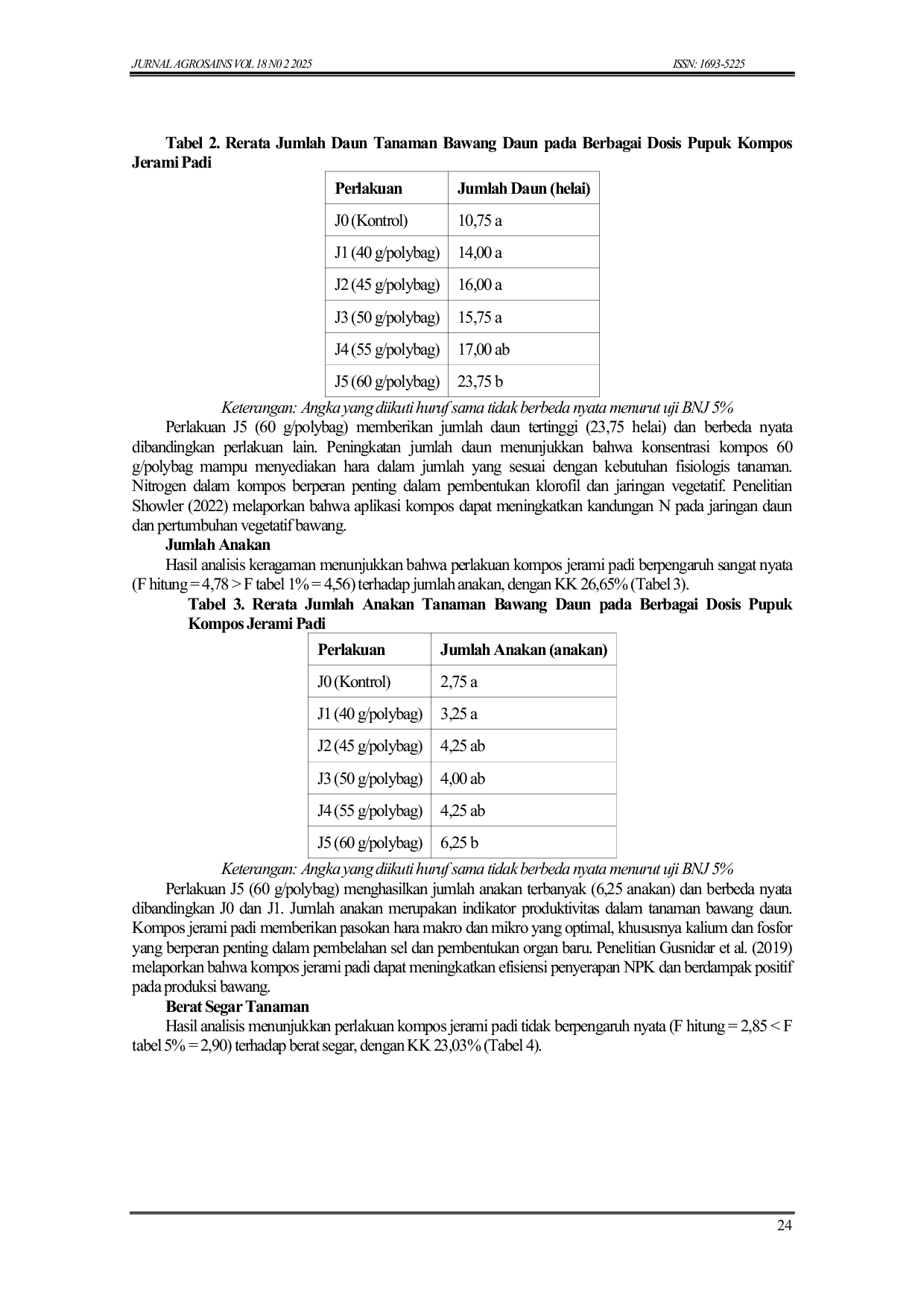
UPBUPB These findings indicate that rice straw compost at 50–60 g/polybag effectively enhances vegetative growth of green onion on acidic, nutrient-poor PMKThese findings indicate that rice straw compost at 50–60 g/polybag effectively enhances vegetative growth of green onion on acidic, nutrient-poor PMK
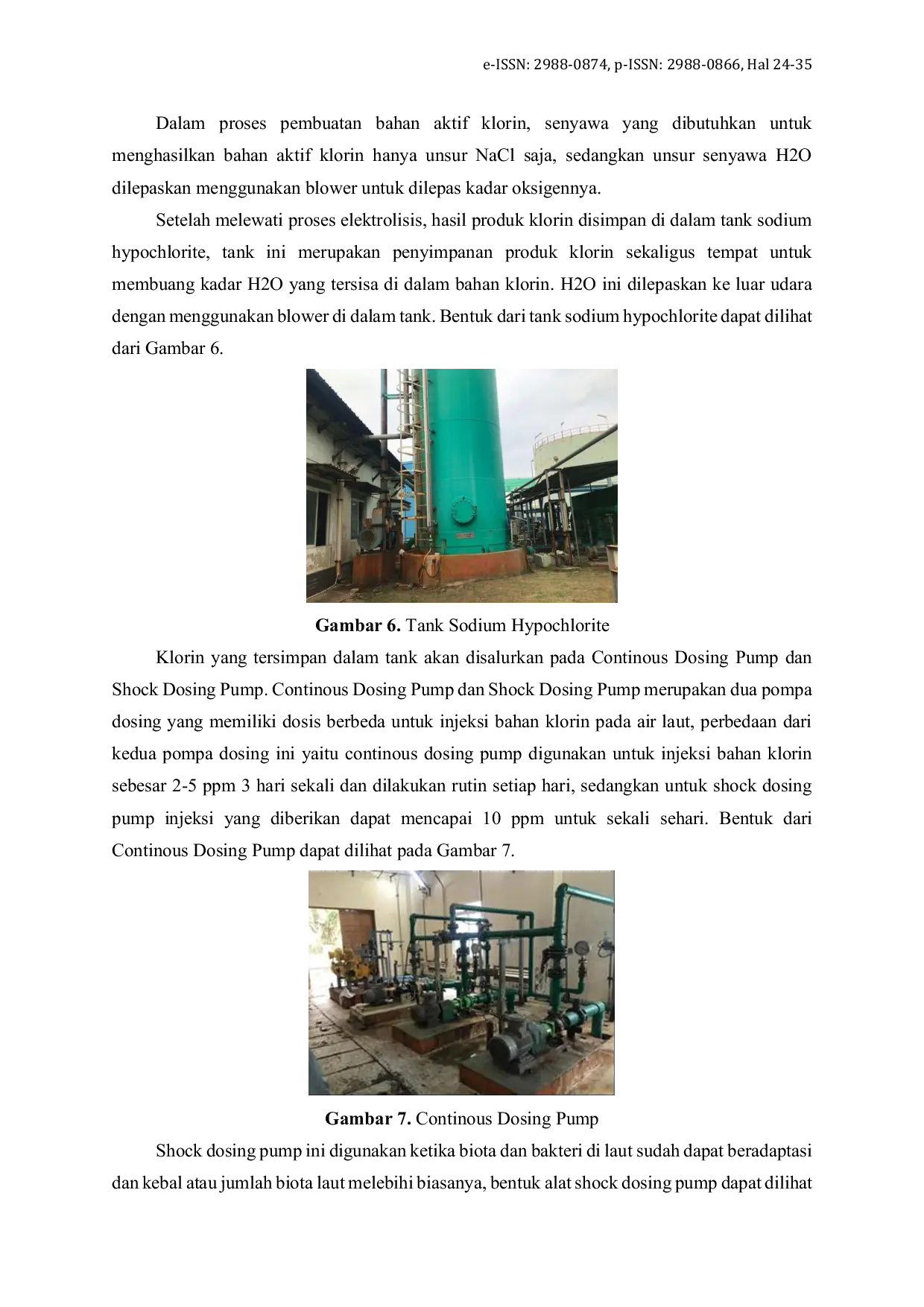
POLTEK KAMPARPOLTEK KAMPAR Alat utama yang digunakan untuk menghasilkan sodium hypochlorite yaitu elektrolizer, alat ini berfungsi sebagai pemisah senyawa air laut untuk dijadikanAlat utama yang digunakan untuk menghasilkan sodium hypochlorite yaitu elektrolizer, alat ini berfungsi sebagai pemisah senyawa air laut untuk dijadikan

PENERBITGOODWOODPENERBITGOODWOOD Selain itu, waktu aplikasi urea terbukti sangat penting, di mana aplikasi sebelum tanam memberikan hasil lebih baik dibandingkan setelah tanam, mengindikasikanSelain itu, waktu aplikasi urea terbukti sangat penting, di mana aplikasi sebelum tanam memberikan hasil lebih baik dibandingkan setelah tanam, mengindikasikan
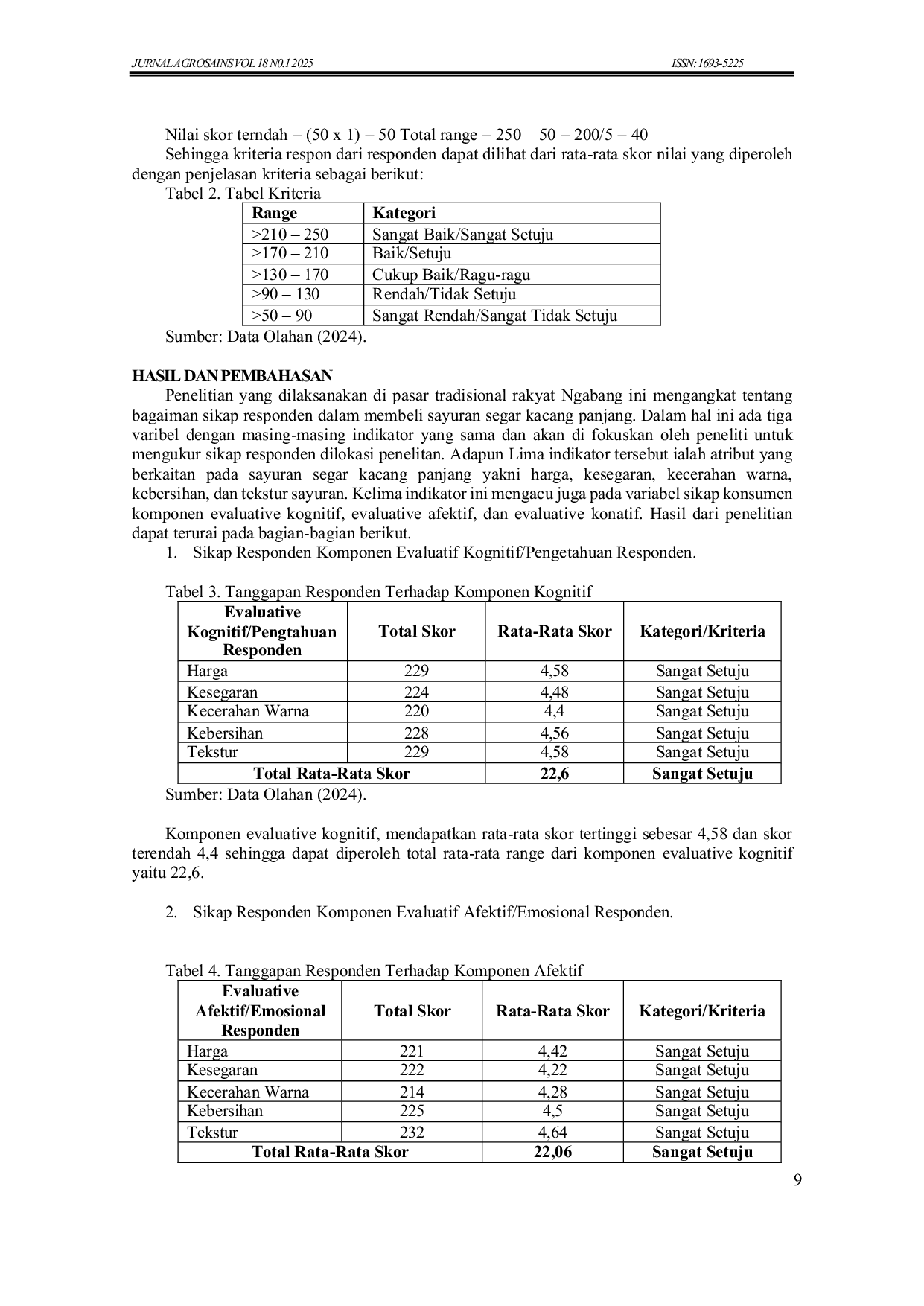
UPBUPB Sesquipedalis) di pasar tradisional rakyat Ngabang menunjukkan respon yang sangat positif. Responden memberikan skor tertinggi untuk semua indikator, yaituSesquipedalis) di pasar tradisional rakyat Ngabang menunjukkan respon yang sangat positif. Responden memberikan skor tertinggi untuk semua indikator, yaitu

UPBUPB Berdasarkan Uji Simultan, disimpulkan bahwa faktor determinan variabel independen memiliki pengaruh signifikan terhadap faktor variabel dependen, yaituBerdasarkan Uji Simultan, disimpulkan bahwa faktor determinan variabel independen memiliki pengaruh signifikan terhadap faktor variabel dependen, yaitu
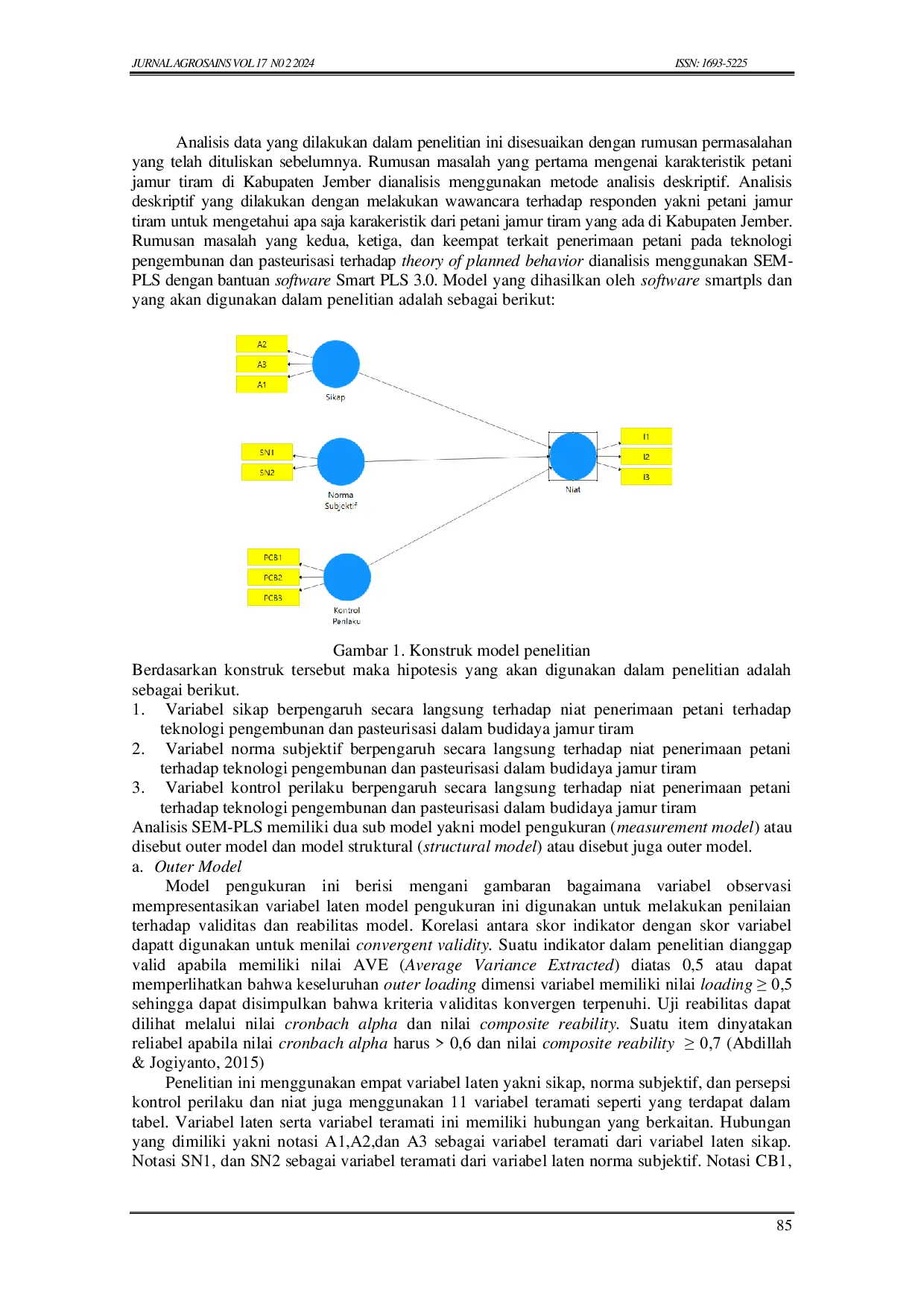
UPBUPB Determination of the research area using purposive method. The research method uses descriptive and analytical methods. The research sample used purposiveDetermination of the research area using purposive method. The research method uses descriptive and analytical methods. The research sample used purposive
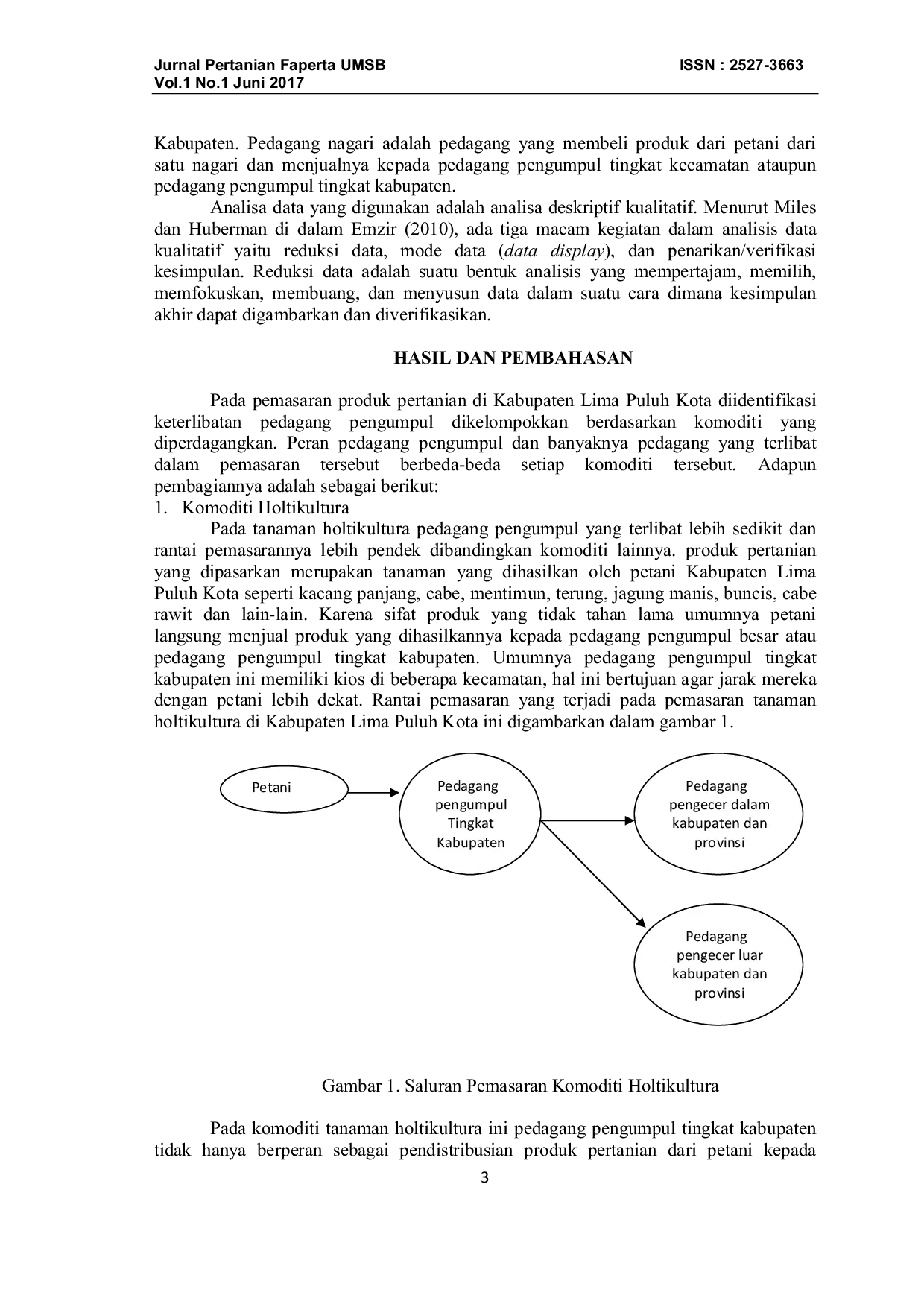
UMSBUMSB Dari hasil penelitian ditemukan hasil bahwa secara umum pemasaran komoditi pertanian di Kabupaten Lima Puluh Kota dikelompokkan menjadi tiga kelompok yaituDari hasil penelitian ditemukan hasil bahwa secara umum pemasaran komoditi pertanian di Kabupaten Lima Puluh Kota dikelompokkan menjadi tiga kelompok yaitu
Useful /

UNSUNS L-1 berpengaruh pada peningkatan klorofil b dan total klorofil. Pupuk kandang kambing tidak memengaruhi semua variabel. Ekstrak daun kelor memberikan dampakL-1 berpengaruh pada peningkatan klorofil b dan total klorofil. Pupuk kandang kambing tidak memengaruhi semua variabel. Ekstrak daun kelor memberikan dampak

PRISMASEJAHTERAPRISMASEJAHTERA Pelatihan penggunaan aplikasi Quizizz sebagai media pembelajaran interaktif berhasil meningkatkan pemahaman guru dan siswa tentang alternatif pembelajaranPelatihan penggunaan aplikasi Quizizz sebagai media pembelajaran interaktif berhasil meningkatkan pemahaman guru dan siswa tentang alternatif pembelajaran

UNIRA MALANGUNIRA MALANG Penelitian ini bertujuan untuk (1) mengetahui implementasi program adiwiyata di SMP Negeri 2 Wagir, (2) memahami cara penanaman karakter peduli lingkunganPenelitian ini bertujuan untuk (1) mengetahui implementasi program adiwiyata di SMP Negeri 2 Wagir, (2) memahami cara penanaman karakter peduli lingkungan

UNIRA MALANGUNIRA MALANG Perkembangan Iptek atau (Ilmu pengetahuan dan Teknologi) merupakan sesuatu yang sudah tidak dapat dihindari lagi pada masa modern seperti saat ini, denganPerkembangan Iptek atau (Ilmu pengetahuan dan Teknologi) merupakan sesuatu yang sudah tidak dapat dihindari lagi pada masa modern seperti saat ini, dengan