IAINIAIN
Konseling Edukasi : Journal of Guidance and CounselingKonseling Edukasi : Journal of Guidance and CounselingThis study aims to test the effectiveness of self-management techniques in improving student learning independence at Ibnu Katsir 1 Islamic Boarding School in Jember. The background of this study is based on the low level of learning independence identified through initial observations, such as high dependence on teacher direction, lack of initiative in completing assignments, and lack of discipline in managing study time. This study used a quantitative quasi-experimental approach with a one-group pretest-posttest design. The research subjects were 10 students selected based on their low learning independence scores. The data collection technique used a learning independence scale with a validity of ≥ 0.361 and a Cronbachs Alpha reliability of 0.874. Data analysis was carried out using a paired sample t-test with the help of SPSS 26. The results showed an increase in the average learning independence score from a pretest value of 57.3 to 75.6 in the posttest, with a significance value (p) of 0.000 < 0.05. This demonstrates the effectiveness of self-management techniques in enhancing student learning independence. These findings support Banduras theory of self-reinforcement and social learning and extend its application to the context of Islamic boarding schools. The practical implication of these results is the importance of self-management-based guidance programs in supporting learning independence in Islamic educational environments. Suggestions for future research include expanding the sample size and extending the duration of the intervention to achieve more general and in-depth results.
The study concludes that self-management techniques significantly improve learning independence among students in Islamic boarding schools.This intervention fostered a more structured, responsible, and goal-oriented learning approach, crucial in the demanding environment of boarding school education.These findings align with Banduras theory and previous research, highlighting the effectiveness of self-reinforcement and observation in shaping adaptive behavior.Further research should involve larger samples and longer intervention periods to strengthen the generalizability of these results.
Future research should explore the long-term effects of self-management techniques on students academic performance and overall well-being within the unique context of Islamic boarding schools. Additionally, studies could investigate the optimal methods for integrating self-management training into the existing curriculum and daily routines of these institutions, considering the specific cultural and religious values. Finally, it would be beneficial to examine the role of teachers and counselors in facilitating and sustaining self-management skills among students, potentially through professional development programs and ongoing support systems, to ensure the continued success of these interventions and promote a culture of independent learning.
- Effectiveness of Self-Management Techniques to Improve Learning Independence of Ibnu Katsir 1 Jember... doi.org/10.21043/konseling.v9i2.29673Effectiveness of Self Management Techniques to Improve Learning Independence of Ibnu Katsir 1 Jember doi 10 21043 konseling v9i2 29673
- The Effect of Group Guidance on Self-Management Techniques to Increase Students' Awareness of Time... doi.org/10.21043/konseling.v7i2.23844The Effect of Group Guidance on Self Management Techniques to Increase Students Awareness of Time doi 10 21043 konseling v7i2 23844
| File size | 1.09 MB |
| Pages | 18 |
| DMCA | Report |
Related /

UMSUUMSU Mastery learning in the first cycle is 57. 1% and the second cycle is 98.22%. The average value in the first cycle for fourth semester /B /IESP reachedMastery learning in the first cycle is 57. 1% and the second cycle is 98.22%. The average value in the first cycle for fourth semester /B /IESP reached

JOURNALKEBERLANJUTANJOURNALKEBERLANJUTAN Sampel penelitian terdiri dari perusahaan sektor energi yang terdaftar di Bursa Efek Indonesia selama periode tersebut dan telah menerbitkan laporan tahunanSampel penelitian terdiri dari perusahaan sektor energi yang terdaftar di Bursa Efek Indonesia selama periode tersebut dan telah menerbitkan laporan tahunan
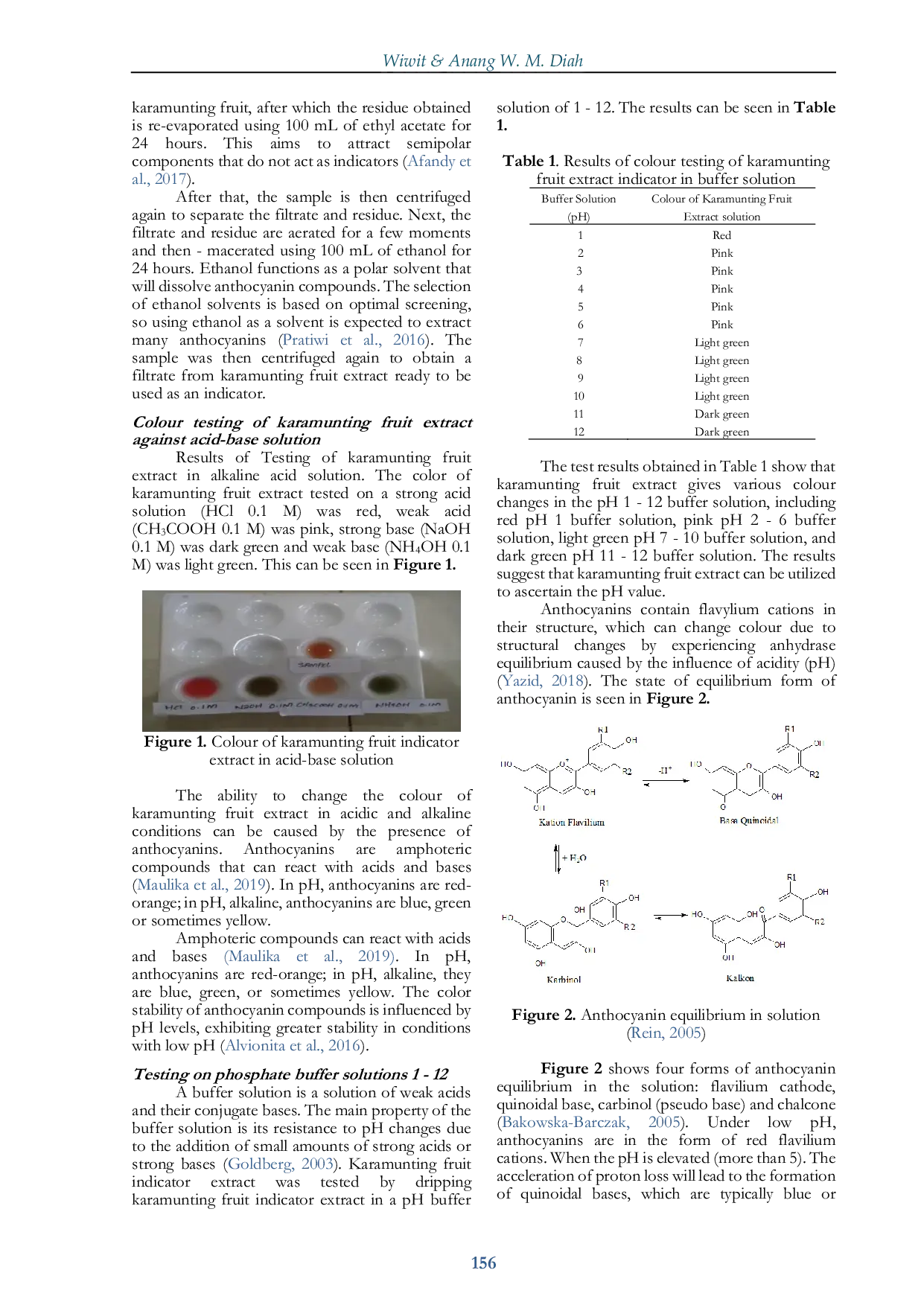
JURNALFKIPUNTADJURNALFKIPUNTAD Ekstrak etanol dari buah karamunting dapat digunakan sebagai indikator asam-basa. Indikator ekstrak buah karamunting dapat menjadi alternatif penggantiEkstrak etanol dari buah karamunting dapat digunakan sebagai indikator asam-basa. Indikator ekstrak buah karamunting dapat menjadi alternatif pengganti

UNIMUNIM Data collection was carried out using a structured questionnaire, then analyzed through multiple linear regression with the help of SPSS software versionData collection was carried out using a structured questionnaire, then analyzed through multiple linear regression with the help of SPSS software version

MGEDUKASIAMGEDUKASIA Subjek penelitian adalah seluruh siswa kelas IV yang berjumlah 15 anak; data awal menunjukkan rata-rata skor pra-siklus sebesar 67,2 dengan 6 siswa (40%)Subjek penelitian adalah seluruh siswa kelas IV yang berjumlah 15 anak; data awal menunjukkan rata-rata skor pra-siklus sebesar 67,2 dengan 6 siswa (40%)

UNIVEDUNIVED Based on the analysis and interpretation of data, it can be concluded that there has been an increase in student learning outcomes after learning was carriedBased on the analysis and interpretation of data, it can be concluded that there has been an increase in student learning outcomes after learning was carried
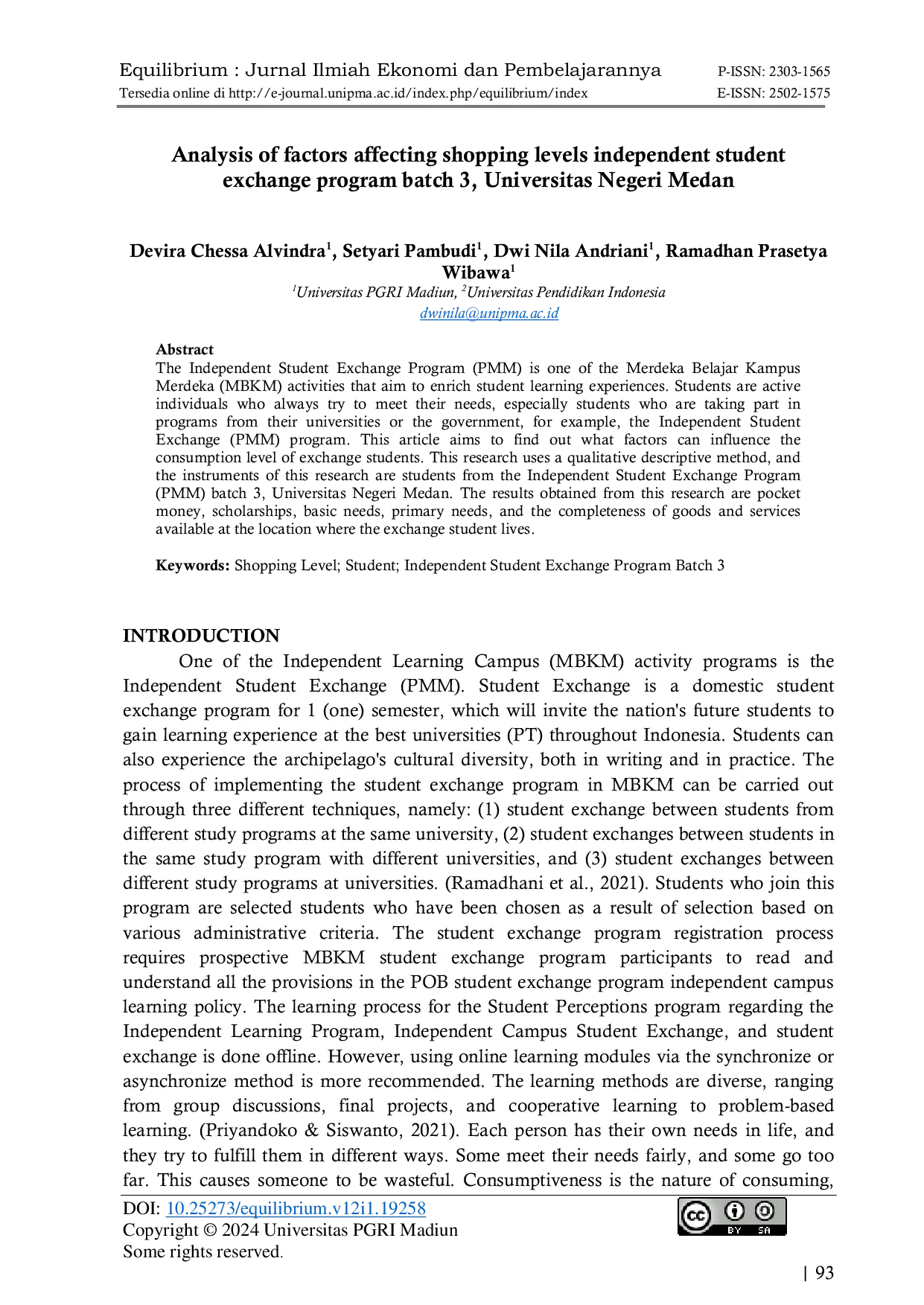
UNIPMAUNIPMA The Independent Student Exchange Program (PMM) is one of the Merdeka Belajar Kampus Merdeka (MBKM) activities that aims to enrich student learning experiences.The Independent Student Exchange Program (PMM) is one of the Merdeka Belajar Kampus Merdeka (MBKM) activities that aims to enrich student learning experiences.

URECOLURECOL The analysis prerequisite test consists of a normality test and a homogeneity test. Data analysis used parametric statistical techniques, namely the PairedThe analysis prerequisite test consists of a normality test and a homogeneity test. Data analysis used parametric statistical techniques, namely the Paired
Useful /
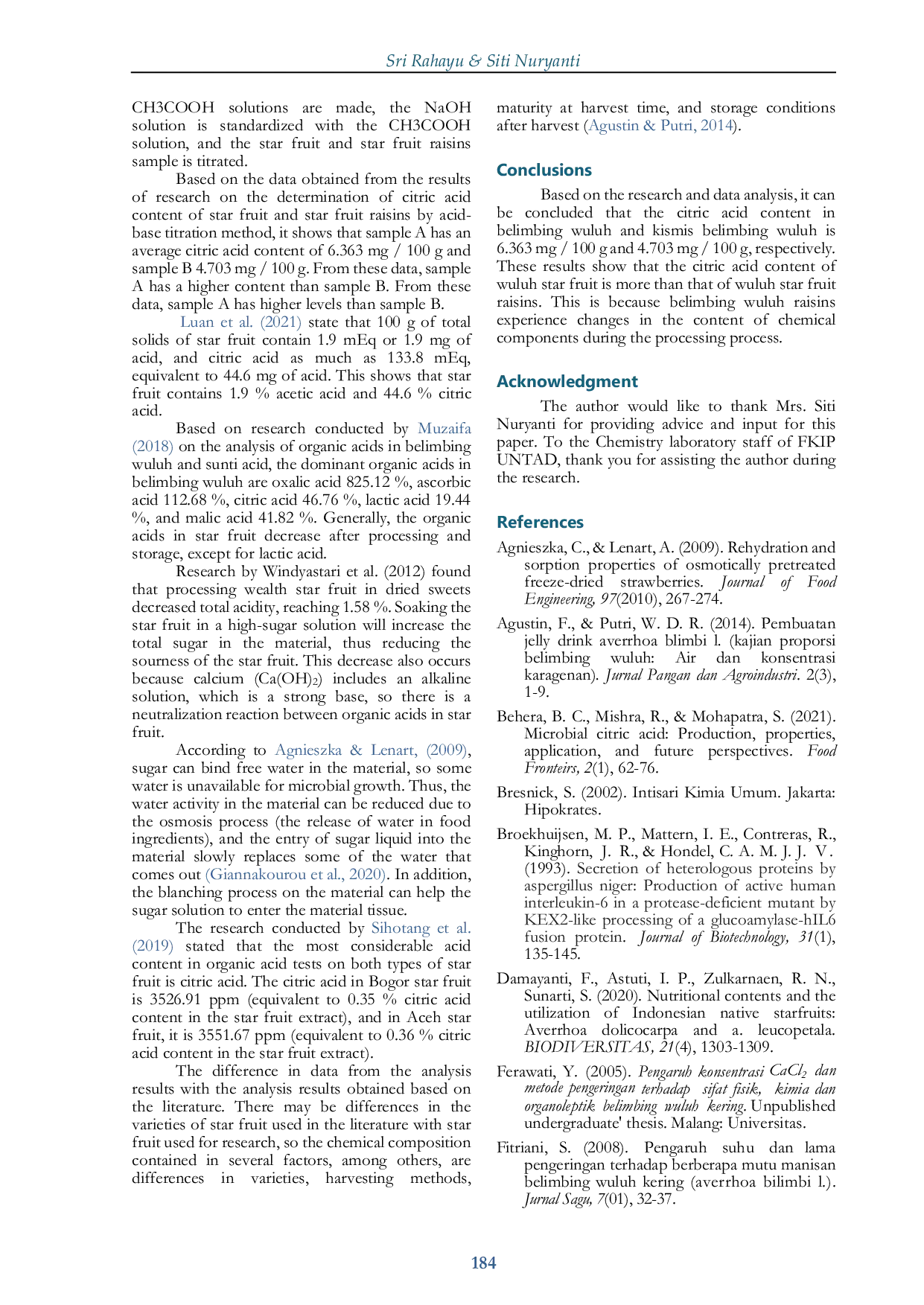
JURNALFKIPUNTADJURNALFKIPUNTAD Penelitian ini menyoroti potensi pemanfaatan belimbing wuluh, buah yang seringkali terbuang karena umur simpan yang pendek, sebagai sumber asam sitrat.Penelitian ini menyoroti potensi pemanfaatan belimbing wuluh, buah yang seringkali terbuang karena umur simpan yang pendek, sebagai sumber asam sitrat.

STIKESEUBSTIKESEUB (2-tailed) sebesar 0,000 sehingga nilai p < 0,05, dapat disimpulkan bahwa terdapat perbedaan yang signifikan sebelum dan sesudah diberikan support group(2-tailed) sebesar 0,000 sehingga nilai p < 0,05, dapat disimpulkan bahwa terdapat perbedaan yang signifikan sebelum dan sesudah diberikan support group

UNIPMAUNIPMA Data diperoleh melalui kuesioner dan kemudian dianalisis menggunakan regresi linier berganda. Hasil penelitian menunjukkan bahwa harga dan promosi memilikiData diperoleh melalui kuesioner dan kemudian dianalisis menggunakan regresi linier berganda. Hasil penelitian menunjukkan bahwa harga dan promosi memiliki
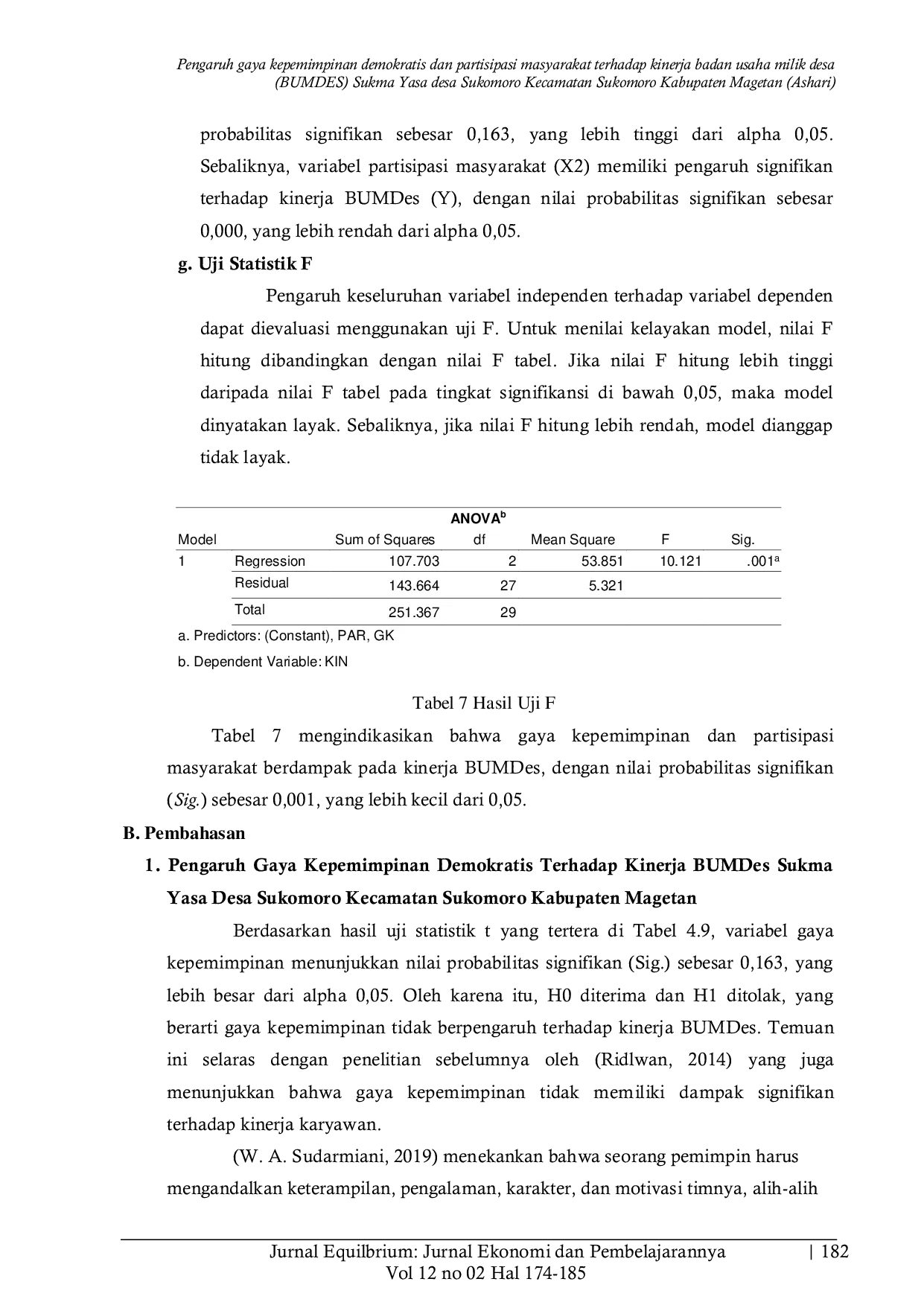
UNIPMAUNIPMA Analisis data dilakukan dengan menggunakan Regresi Linier Berganda. Hasil penelitian menunjukkan bahwa: (1) Gaya kepemimpinan demokratis tidak berpengaruhAnalisis data dilakukan dengan menggunakan Regresi Linier Berganda. Hasil penelitian menunjukkan bahwa: (1) Gaya kepemimpinan demokratis tidak berpengaruh