PPICURUGPPICURUG
Langit Biru: Jurnal Ilmiah AviasiLangit Biru: Jurnal Ilmiah AviasiThis research aims to design and analyze an FPV Tactical Loiter Munitions (FPV-TLM) drone as a tactical operational support platform for the Indonesian Army (TNI AD) in the Papua region. The FPV-TLM technology serves a dual function as both a reconnaissance system and a precision-strike asset capable of operating in extreme environments. The study employs a descriptive-qualitative approach combined with limited-scale experimental testing to evaluate control-system stability, energy efficiency, and surveillance effectiveness in tropical and mountainous terrain. The experimental results indicate that the adaptive PID-based control system maintained hover stability of up to 93% under wind speeds of 10–14 m/s. Performance evaluation across multiple design variants shows that the Kevlar–Nylon configuration achieved the best overall performance, with an average loiter duration of approximately 26 minutes and improved energy efficiency compared to other variants. Strategically, the deployment of FPV-TLM enhances surveillance operational effectiveness by 47% compared to conventional ground patrols and supports national defense self-reliance through increased domestic content (TKDN) and the integration of local research capabilities.
Based on the design analysis, technical testing, and operational findings, this study concludes that the FPV Tactical Loiter Munition (FPV-TLM) system constitutes a feasible and adaptive tactical UAV platform for supporting Indonesian Army operations in Papua.The research successfully developed a conceptual FPV-TLM design that meets the operational requirements of tropical and mountainous environments, demonstrated through improved hover stability and enhanced energy efficiency.Furthermore, the study confirms that FPV-TLM deployment can substantially increase surveillance effectiveness and deterrence capability compared with conventional ground patrols, while simultaneously reducing risks to personnel.
Penelitian lanjutan perlu difokuskan pada pengembangan sensor fusion yang lebih canggih untuk meningkatkan akurasi identifikasi target dalam kondisi lingkungan yang kompleks di Papua. Selain itu, studi lebih lanjut dapat mengeksplorasi integrasi kecerdasan buatan (AI) untuk memungkinkan FPV-TLM melakukan pengenalan target secara otomatis dan pengambilan keputusan taktis secara mandiri, sehingga mengurangi beban kerja operator dan mempercepat respons terhadap ancaman. Terakhir, penelitian perlu dilakukan untuk meningkatkan daya tahan sistem dengan mengembangkan sistem baterai yang lebih efisien atau sumber energi alternatif, serta menguji integrasi muatan (payload) yang berbeda untuk memperluas kemampuan operasional FPV-TLM dalam berbagai skenario misi, termasuk pengawasan jarak jauh, pengiriman logistik, dan komunikasi darurat. Pengembangan ini akan memperkuat kemampuan pertahanan nasional dan mendukung operasi militer di wilayah Papua yang menantang.
| File size | 318.08 KB |
| Pages | 10 |
| DMCA | Report |
Related /

UMSIDAUMSIDA Several key performance indicators were measured including: Fuel consumption (litres/hour), operational efficiency (%), harvester stability and total grainSeveral key performance indicators were measured including: Fuel consumption (litres/hour), operational efficiency (%), harvester stability and total grain

YRPIPKUYRPIPKU Metode penelitian eksperimen yang dilakukan dengan melakukan inovasi bahan baku briket cangkang inti sawit pada berbagai varian persentase (90%: 10%, 85%:Metode penelitian eksperimen yang dilakukan dengan melakukan inovasi bahan baku briket cangkang inti sawit pada berbagai varian persentase (90%: 10%, 85%:

JOURNAL IASSSFJOURNAL IASSSF Amid rising energy demands and limited renewable energy utilization in the region, this research addresses the need for sustainable electricity solutions.Amid rising energy demands and limited renewable energy utilization in the region, this research addresses the need for sustainable electricity solutions.

UNSOEDUNSOED 189% (tanpa pelapisan Fe) menjadi 1. 700% (dengan pelapisan Fe) menunjukkan potensi teknik ini. Ukuran kristal TiO2 yang kecil (sekitar 61. 8 nm) juga189% (tanpa pelapisan Fe) menjadi 1. 700% (dengan pelapisan Fe) menunjukkan potensi teknik ini. Ukuran kristal TiO2 yang kecil (sekitar 61. 8 nm) juga

AREAIAREAI Countries with robust renewable energy policies, such as China and India, have demonstrated higher economic growth rates. Increased government and privateCountries with robust renewable energy policies, such as China and India, have demonstrated higher economic growth rates. Increased government and private

YRPIPKUYRPIPKU Migrasi kontainer live berdasarkan teknik virtualisasi kontainer adalah strategi yang kuat dan andal dalam sistem komputasi terdistribusi, baik penyediaanMigrasi kontainer live berdasarkan teknik virtualisasi kontainer adalah strategi yang kuat dan andal dalam sistem komputasi terdistribusi, baik penyediaan
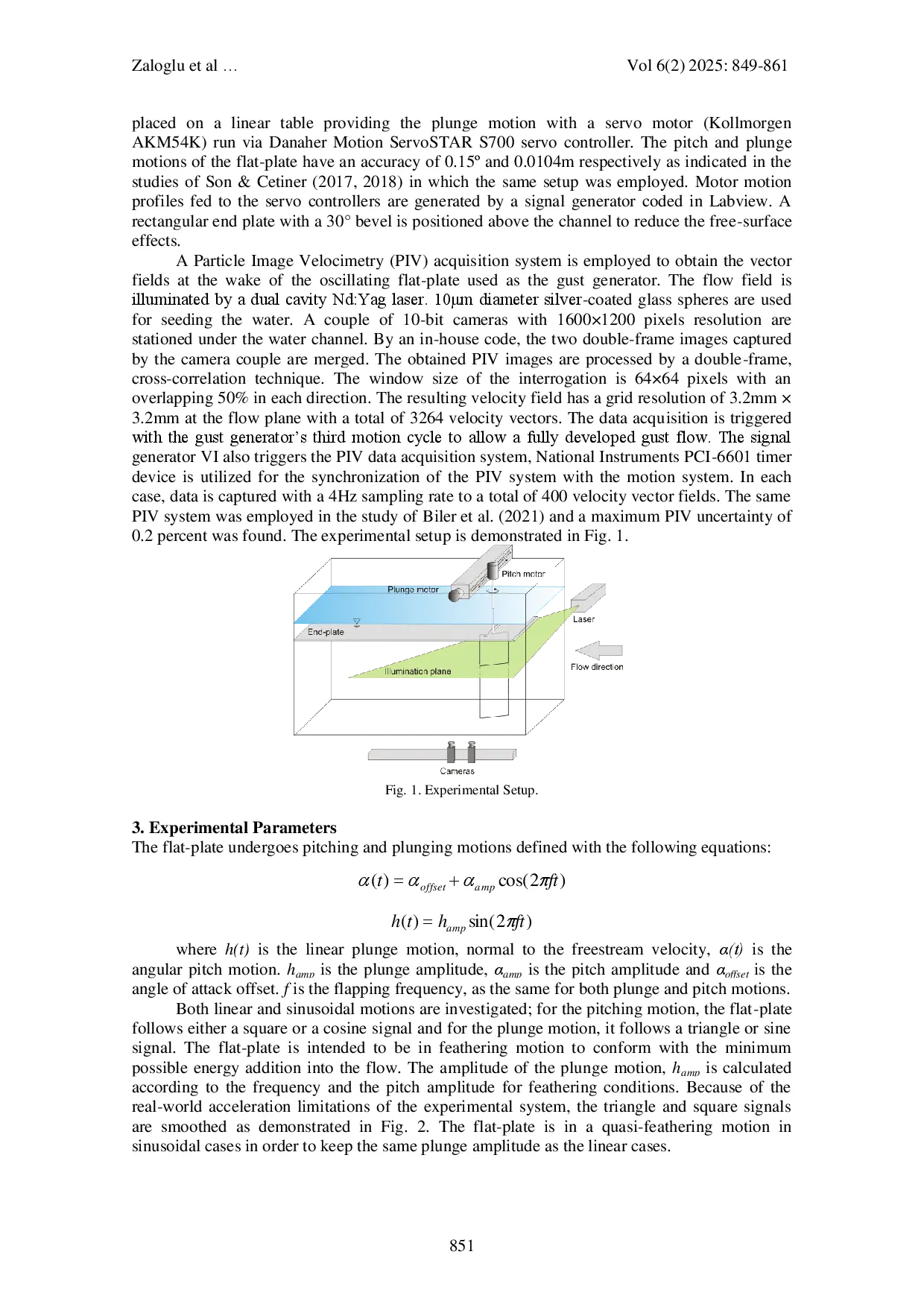
YRPIPKUYRPIPKU Menghasilkan pusaran periodik kontinu dalam kondisi terkendali dan pada skala besar untuk studi pertemuan pusaran pada aplikasi MAV merupakan sebuah tantangan.Menghasilkan pusaran periodik kontinu dalam kondisi terkendali dan pada skala besar untuk studi pertemuan pusaran pada aplikasi MAV merupakan sebuah tantangan.

UNIMALUNIMAL To address this issue, green technologies offer sustainable solutions, including the development of electric propulsion systems on unmanned aircraft (UAVs).To address this issue, green technologies offer sustainable solutions, including the development of electric propulsion systems on unmanned aircraft (UAVs).
Useful /

JOURNAL IASSSFJOURNAL IASSSF Temuan: Gerakan sosial baru yang dijalankan Octopus terbukti cukup efektif; terbukti dari hampir 200 ribu pengguna aplikasi yang tersebar di Jakarta, TangerangTemuan: Gerakan sosial baru yang dijalankan Octopus terbukti cukup efektif; terbukti dari hampir 200 ribu pengguna aplikasi yang tersebar di Jakarta, Tangerang

UNAIUNAI Dengan menganalisis tulisan-tulisan Haskell, upaya misionaris, dan kepemimpinan dalam gereja, penelitian ini mengeksplorasi pengaruhnya yang langgeng baikDengan menganalisis tulisan-tulisan Haskell, upaya misionaris, dan kepemimpinan dalam gereja, penelitian ini mengeksplorasi pengaruhnya yang langgeng baik

IRPIIRPI Dengan mengatasi ketidakefisienan perencanaan acara konvensional, platform ini mengoptimalkan alur kerja, meningkatkan produktivitas secara keseluruhan,Dengan mengatasi ketidakefisienan perencanaan acara konvensional, platform ini mengoptimalkan alur kerja, meningkatkan produktivitas secara keseluruhan,

UNAIUNAI Ketidakberwaktuan, sebagai atribut Tuhan, menekankan sifat-sifat-Nya yang abadi dan tidak berubah, yang mempengaruhi persepsi penganut tentang hubunganKetidakberwaktuan, sebagai atribut Tuhan, menekankan sifat-sifat-Nya yang abadi dan tidak berubah, yang mempengaruhi persepsi penganut tentang hubungan