LEMHANNASLEMHANNAS
Jurnal Lemhannas RIJurnal Lemhannas RIThis study analyses the role of the maqasid sharia in guiding the digitalisation of the Islamic economy to strengthen justice, sustainability, and the economic resilience of the ummah, while linking it to the Astagatra framework as the foundation of national resilience. This study uses a descriptive qualitative method with content analysis of the latest academic literature on digitalisation, Islamic economics, maqasid sharia, and national resilience. The study is guided by the TSR as a normative foundation and the Dynamic Capability Theory as an adaptive foundation. Digitalisation strengthens Islamic financial inclusion, social legitimacy, and sustainable development when grounded in the maqāṣid sharia. TSR emphasises the integration of spiritual values into technological innovation, while dynamic capabilities explain the adaptive capacity of Islamic financial institutions to face disruption in the VUCA era. The integration of Astagatra demonstrates the strengthening of the ideological, economic, socio-cultural, and defence and security dimensions. This study presents an integrative framework between the maqasid sharia, TSR, dynamic capabilities, and Astagatra, which is still rarely explored. Practical contributions lie in emphasising the measurement of sustainable use and accountable governance so that digitalisation supports community economic resilience and equitable national development.
The study concludes that digitalisation, guided by the principles of maqasid sharia, has the potential to foster a robust Islamic economy that enhances the welfare of the global Muslim community (umma).Maqasid sharia should serve as the moral compass for Islamic economic transformation, ensuring innovation leads to inclusive and sustainable progress, supported by the ethical foundation of the TSR framework and bolstered by dynamic capabilities.Furthermore, digitalisation aligned with maqasid sharia can enhance financial inclusion, proliferate social legitimation, and realise sustainable development, also serving as an instance for national resilience in Indonesia based on Astagatra.
Penelitian lanjutan perlu dilakukan untuk menguji secara empiris penerapan maqasid sharia, TSR, dan dynamic capabilities dalam konteks digitalisasi ekonomi Islam. Selain itu, perlu dikembangkan model pengukuran dampak digitalisasi terhadap kesejahteraan masyarakat yang berbasis pada prinsip-prinsip maqasid sharia, dengan indikator yang jelas dan terukur. Terakhir, penelitian dapat difokuskan pada pengembangan kerangka kerja regulasi yang adaptif dan responsif terhadap perkembangan teknologi digital, namun tetap menjunjung tinggi nilai-nilai keadilan, keberlanjutan, dan perlindungan konsumen dalam ekonomi Islam. Penelitian-penelitian ini diharapkan dapat memberikan kontribusi signifikan dalam memperkuat ekosistem ekonomi Islam yang inklusif, berkelanjutan, dan berdaya saing di era digital, serta meningkatkan ketahanan nasional Indonesia berdasarkan Astagatra.
- Digitalisation of Islamic Economy and Maqasid Sharia for Social Resilience and Welfare | Jurnal Lemhannas... doi.org/10.55960/jlri.v13i1.1153Digitalisation of Islamic Economy and Maqasid Sharia for Social Resilience and Welfare Jurnal Lemhannas doi 10 55960 jlri v13i1 1153
- OPTIMASI KONSEP SATU DATA ARSITEKTUR DIGITAL: SUATU KERANGKA KONSEP ANALISIS KETAHANAN NASIONAL | Jurnal... doi.org/10.55960/jlri.v11i3.480OPTIMASI KONSEP SATU DATA ARSITEKTUR DIGITAL SUATU KERANGKA KONSEP ANALISIS KETAHANAN NASIONAL Jurnal doi 10 55960 jlri v11i3 480
| File size | 1.32 MB |
| Pages | 14 |
| DMCA | Report |
Related /
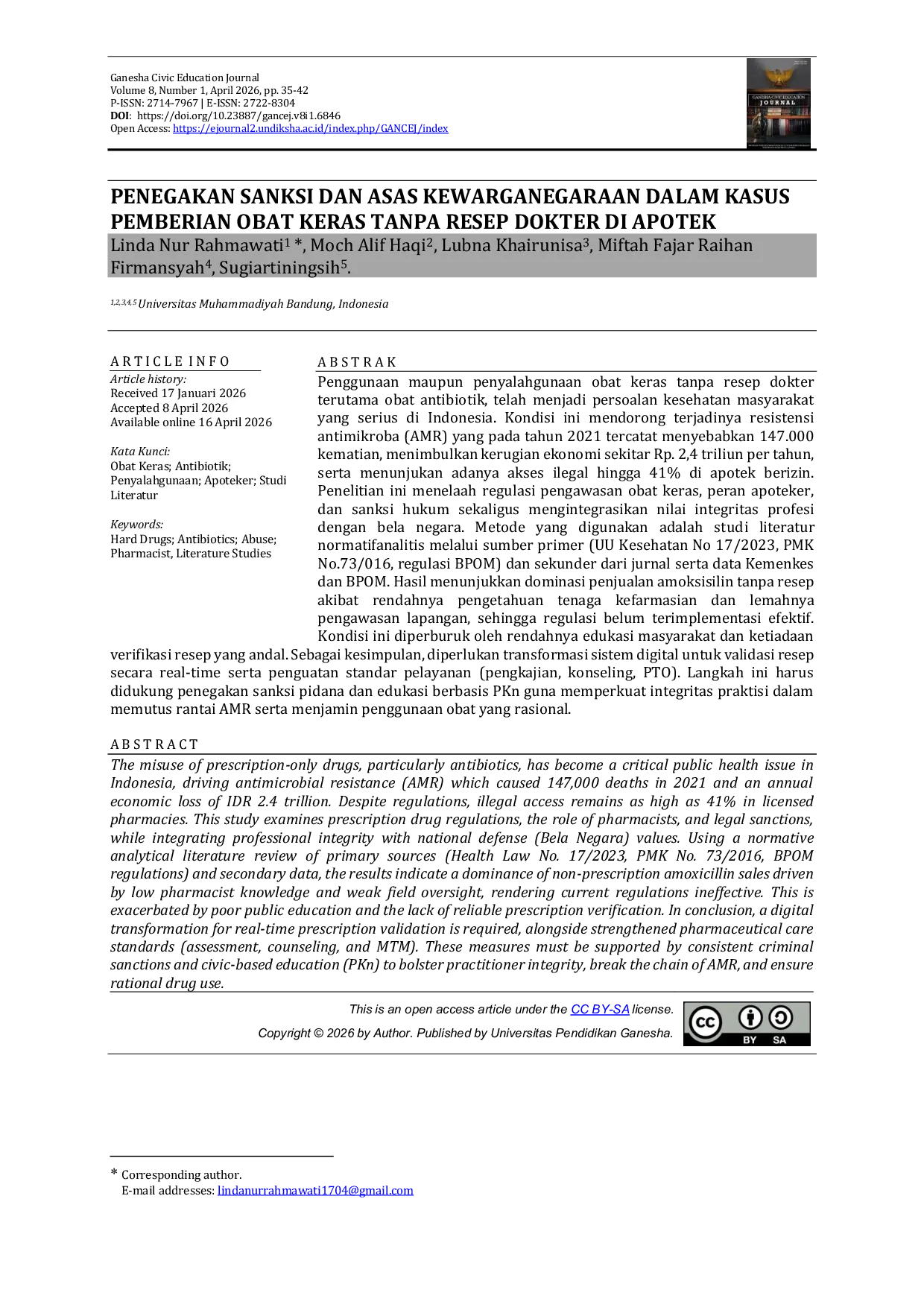
UNDIKSHAUNDIKSHA Sebagai kesimpulan, diperlukan transformasi sistem digital untuk validasi resep secara real-time serta penguatan standar pelayanan (pengkajian, konseling,Sebagai kesimpulan, diperlukan transformasi sistem digital untuk validasi resep secara real-time serta penguatan standar pelayanan (pengkajian, konseling,
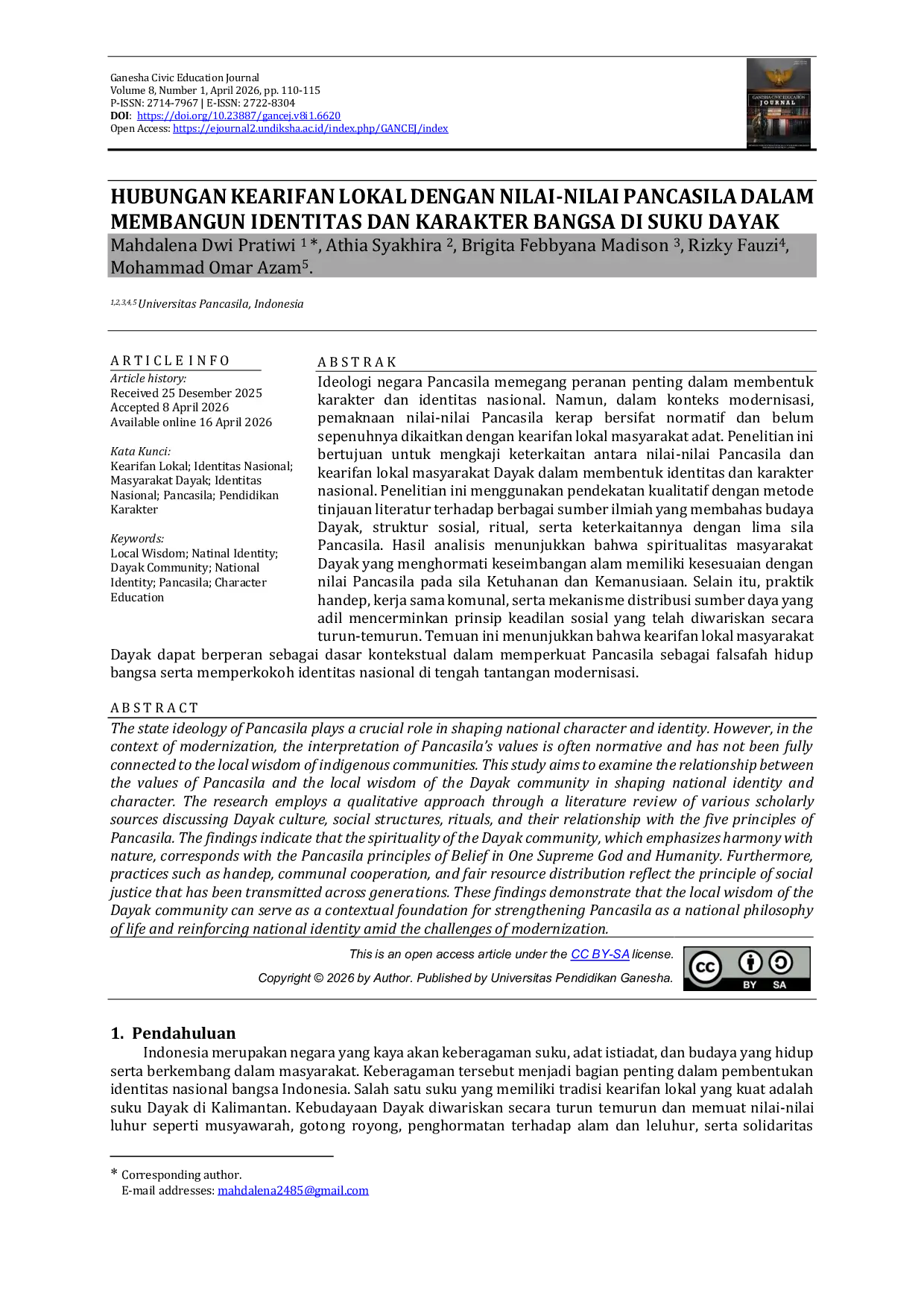
UNDIKSHAUNDIKSHA Hasil analisis menunjukkan bahwa spiritualitas masyarakat Dayak yang menghormati keseimbangan alam memiliki kesesuaian dengan nilai Pancasila pada silaHasil analisis menunjukkan bahwa spiritualitas masyarakat Dayak yang menghormati keseimbangan alam memiliki kesesuaian dengan nilai Pancasila pada sila

UKMCUKMC Dengan pendekatan kuantitatif dan metode kausalitas, penelitian dilakukan terhadap 100 responden Generasi Z pengguna pinjaman online di Kota Palembang,Dengan pendekatan kuantitatif dan metode kausalitas, penelitian dilakukan terhadap 100 responden Generasi Z pengguna pinjaman online di Kota Palembang,

DOKICTIDOKICTI Kemudian terkait Tinjauan fiqih siyasah terhadap Mekanisme pengurangan masa hukuman bagi narapidana korupsi di lembaga pemasyarakatan kelas II A BengkuluKemudian terkait Tinjauan fiqih siyasah terhadap Mekanisme pengurangan masa hukuman bagi narapidana korupsi di lembaga pemasyarakatan kelas II A Bengkulu
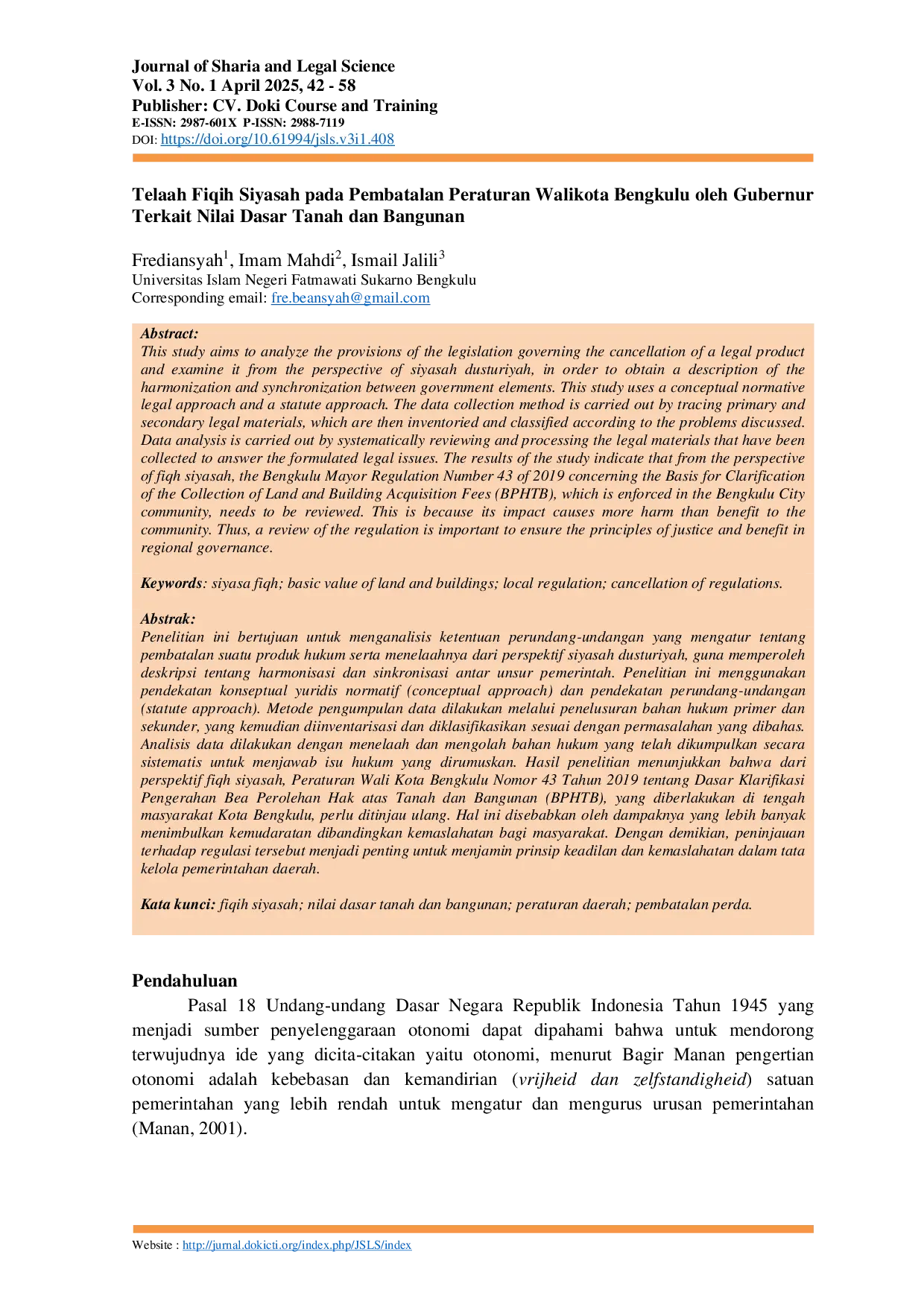
DOKICTIDOKICTI Penelitian ini bertujuan untuk menganalisis ketentuan perundang-undangan yang mengatur tentang pembatalan suatu produk hukum serta menelaahnya dari perspektifPenelitian ini bertujuan untuk menganalisis ketentuan perundang-undangan yang mengatur tentang pembatalan suatu produk hukum serta menelaahnya dari perspektif

DOKICTIDOKICTI Penelitian ini bertujuan untuk mengkaji peran kepolisian dalam pencegahan illegal fishing terhadap nelayan pengguna alat penangkapan ikan pukat hela danPenelitian ini bertujuan untuk mengkaji peran kepolisian dalam pencegahan illegal fishing terhadap nelayan pengguna alat penangkapan ikan pukat hela dan

DOKICTIDOKICTI Penegakan hukum dalam kasus penipuan tiket konser Coldplay yang dilakukan oleh Ghiska didasarkan pada pasal 378 KUHP dengan ancaman hukuman maksimal empatPenegakan hukum dalam kasus penipuan tiket konser Coldplay yang dilakukan oleh Ghiska didasarkan pada pasal 378 KUHP dengan ancaman hukuman maksimal empat

DOKICTIDOKICTI Meskipun bertujuan memberikan efek jera, hukuman ini menuai pro dan kontra, terutama terkait efektivitas dan kesesuaiannya dengan prinsip maqashid syariah.Meskipun bertujuan memberikan efek jera, hukuman ini menuai pro dan kontra, terutama terkait efektivitas dan kesesuaiannya dengan prinsip maqashid syariah.
Useful /
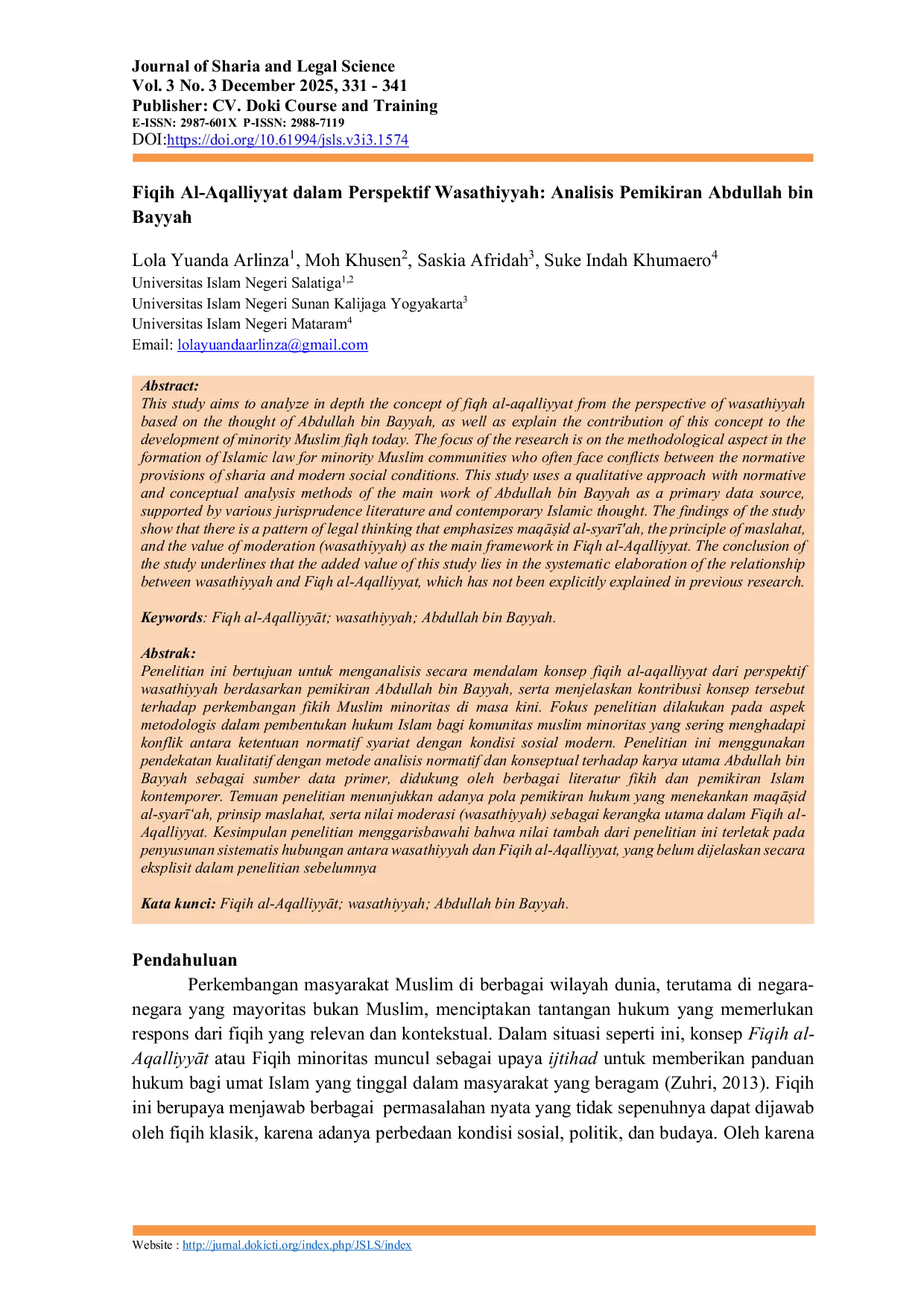
DOKICTIDOKICTI Penelitian ini menggunakan pendekatan kualitatif dengan metode analisis normatif dan konseptual terhadap karya utama Abdullah bin Bayyah sebagai sumberPenelitian ini menggunakan pendekatan kualitatif dengan metode analisis normatif dan konseptual terhadap karya utama Abdullah bin Bayyah sebagai sumber

UMBJMUMBJM Doris Sylvanus Palangka Raya Hospital. A quantitative pre-experimental design with a one-group pre-post test approach was used. The population consistedDoris Sylvanus Palangka Raya Hospital. A quantitative pre-experimental design with a one-group pre-post test approach was used. The population consisted

POLTEKKESKUPANGPOLTEKKESKUPANG Keberhasilan eliminasi malaria membutuhkan peningkatan kapasitas lokal dan nasional, penguatan kompetensi tenaga kesehatan, kolaborasi multisektoral, pendekatanKeberhasilan eliminasi malaria membutuhkan peningkatan kapasitas lokal dan nasional, penguatan kompetensi tenaga kesehatan, kolaborasi multisektoral, pendekatan
DOKICTIDOKICTI Hal ini dikarenakan mereka tidak melakukan akad yang baru, bahkan mereka juga tidak mengikuti ketentuan syariat yang mengharuskan mantan istri untuk menikahHal ini dikarenakan mereka tidak melakukan akad yang baru, bahkan mereka juga tidak mengikuti ketentuan syariat yang mengharuskan mantan istri untuk menikah