APTKLHIAPTKLHI
Indonesian Journal of Forestry ResearchIndonesian Journal of Forestry ResearchChanges in global precipitation would affect Indonesia to improve its water resource management system. As most watersheds are in a critical stage nowadays, it is urgent to develop a new plan and policy on water conservation that integrates the most important parameters reasonably. It has the purpose of ensuring that water resources are available for all activities and purposes within the area, especially for future periods. Integrated Water Resources Conservation Management is one of the promising approaches that is being mainly developed, particularly through the participation of all stakeholders. This participation brings equal responsibility to protect and sustainably manage the water resources, which might differ from one area to another in Indonesia. This study shows that it is important to bring up local wisdom practices on water conservation management. These could help overcome the problems related to water management in different locations in Indonesia and encourage all the stakeholders to take responsibility. All the inputs from the stakeholders are very helpful to identify the strategy at the national level, and thus it would minimize the misinterpretation between local and national levels in terms of regulation or policy. Furthermore, the approach strategies provided in this paper could improve the water national policy in Indonesia and minimize the negative potential impacts due to the lack of precipitation in the upcoming years.
The study concludes that addressing water resource challenges in Indonesia requires a comprehensive approach integrating global precipitation projections, stakeholder participation, and local wisdom.Developing a national policy on Integrated Water Resources Conservation Management (IWCM) is crucial for ensuring water availability for various purposes, particularly in the face of future climate change.Strengthening coordination between national and local governments, alongside incorporating local best practices, is essential for effective implementation and sustainable water resource management.
Further research should investigate the effectiveness of combining traditional local wisdom with modern water management technologies to enhance resilience to climate change impacts. A study could be conducted to assess the economic feasibility and social acceptance of implementing green and blue water infrastructure solutions in different Indonesian watersheds. Additionally, research is needed to develop a robust monitoring and evaluation framework for IWCM policies, incorporating indicators that reflect both ecological health and socio-economic benefits, to ensure adaptive management and long-term sustainability. These investigations will contribute to a more nuanced understanding of water resource challenges and inform the development of effective, locally-adapted conservation strategies.
- Climate change and EuropeâÂÂs water resources - Publications Office of the... doi.org/10.2760/15553Climate change and EuropeyEAyCAAyCAos water resources Publications Office of the doi 10 2760 15553
- A NATIONAL POLICY ON INDONESIA’S INTEGRATED WATER RESOURCE CONSERVATION MANAGEMENT | Indonesian... ejournal.aptklhi.org/index.php/ijfr/article/view/54A NATIONAL POLICY ON INDONESIAAoS INTEGRATED WATER RESOURCE CONSERVATION MANAGEMENT Indonesian ejournal aptklhi index php ijfr article view 54
| File size | 1.12 MB |
| Pages | 12 |
| DMCA | Report |
Related /

SERAMBISERAMBI Insight utama penelitian ini terletak pada pemahaman bahwa pidato politik berfungsi sebagai acts performatif yang membentuk interpretasi kebijakan, orientasiInsight utama penelitian ini terletak pada pemahaman bahwa pidato politik berfungsi sebagai acts performatif yang membentuk interpretasi kebijakan, orientasi

SERAMBISERAMBI Penelitian ini menyarankan para pemimpin pendidikan dan pengembang kurikulum untuk memprioritaskan manajemen berorientasi nilai demi pelaksanaan berkelanjutanPenelitian ini menyarankan para pemimpin pendidikan dan pengembang kurikulum untuk memprioritaskan manajemen berorientasi nilai demi pelaksanaan berkelanjutan

ULILALBABINSTITUTEULILALBABINSTITUTE Hasil tinjauan menunjukkan bahwa profesionalisme auditor meningkatkan kualitas audit, meningkatkan kepercayaan publik, dan tanggung jawab profesional meningkatkanHasil tinjauan menunjukkan bahwa profesionalisme auditor meningkatkan kualitas audit, meningkatkan kepercayaan publik, dan tanggung jawab profesional meningkatkan

ULILALBABINSTITUTEULILALBABINSTITUTE Koneksi politik tidak memoderasi pengaruh transaksi dengan pihak berelasi maupun thin capitalization terhadap penghindaran pajak. Namun, koneksi politikKoneksi politik tidak memoderasi pengaruh transaksi dengan pihak berelasi maupun thin capitalization terhadap penghindaran pajak. Namun, koneksi politik

ULILALBABINSTITUTEULILALBABINSTITUTE Literasi keuangan telah terbukti memiliki dampak negatif yang signifikan dan merupakan faktor dominan dalam mengurangi perilaku konsumtif, sehingga semakinLiterasi keuangan telah terbukti memiliki dampak negatif yang signifikan dan merupakan faktor dominan dalam mengurangi perilaku konsumtif, sehingga semakin

ULILALBABINSTITUTEULILALBABINSTITUTE Pentingnya pengalaman pelanggan dalam berbelanja tidak dapat diremehkan, dengan memberikan layanan yang baik, suasana yang nyaman, dan pengalaman berbelanjaPentingnya pengalaman pelanggan dalam berbelanja tidak dapat diremehkan, dengan memberikan layanan yang baik, suasana yang nyaman, dan pengalaman berbelanja

JPPIJPPI Penelitian ini menggunakan pendekatan kualitatif dengan observasi langsung, wawancara dengan narasumber, dan tinjauan pustaka. Hasil penelitian menunjukkanPenelitian ini menggunakan pendekatan kualitatif dengan observasi langsung, wawancara dengan narasumber, dan tinjauan pustaka. Hasil penelitian menunjukkan

MEDIAPUBLIKASIMEDIAPUBLIKASI Dengan diskusi dan wawancara yang panjang dapat dipahami mengenai pentingnya storytelling dalam meningkatkan jumlah pengunjung obyek wisata, khususnyaDengan diskusi dan wawancara yang panjang dapat dipahami mengenai pentingnya storytelling dalam meningkatkan jumlah pengunjung obyek wisata, khususnya
Useful /
MAHESA INSTITUTEMAHESA INSTITUTE Penelitian ini berpendapat bahwa norma-norma Islam diinternalisasi melalui reinterpretasi simbolik daripada penggantian budaya, menunjukkan strategi sadarPenelitian ini berpendapat bahwa norma-norma Islam diinternalisasi melalui reinterpretasi simbolik daripada penggantian budaya, menunjukkan strategi sadar

MAHESA INSTITUTEMAHESA INSTITUTE Rather than displacing the traditional character of ludruk, this process has reconstituted its cultural function as both a medium of social expressionRather than displacing the traditional character of ludruk, this process has reconstituted its cultural function as both a medium of social expression
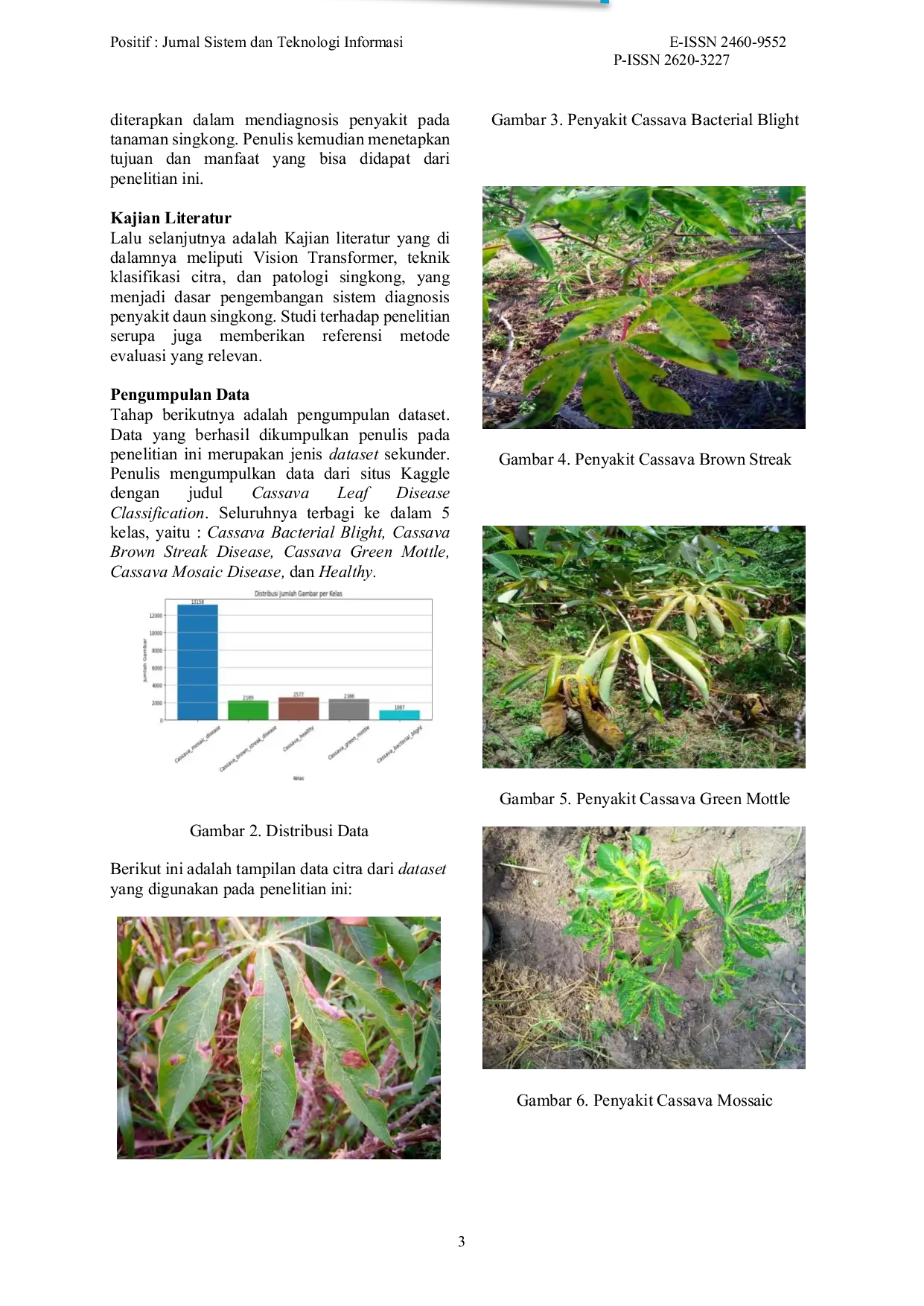
POLIBANPOLIBAN Peningkatan jumlah epoch dari 50 ke 70 tidak meningkatkan kinerja model. sebaliknya, penggunaan SGD pada 50 epoch meningkatkan akurasi validasi hampirPeningkatan jumlah epoch dari 50 ke 70 tidak meningkatkan kinerja model. sebaliknya, penggunaan SGD pada 50 epoch meningkatkan akurasi validasi hampir
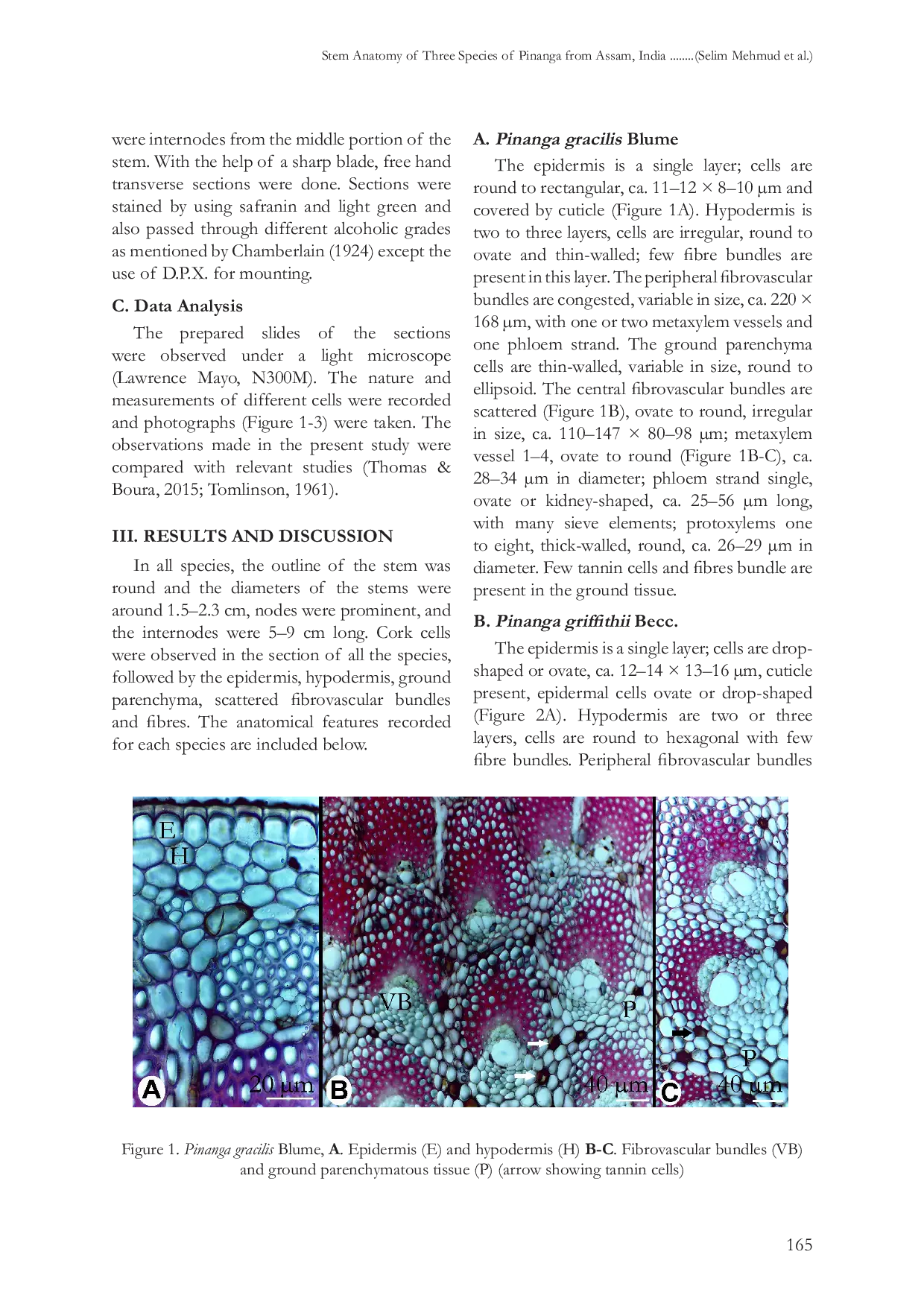
APTKLHIAPTKLHI In this study, vascular bundles with more than one metaxylem vessel were also recorded, which can be used for identification. The present anatomical study,In this study, vascular bundles with more than one metaxylem vessel were also recorded, which can be used for identification. The present anatomical study,