UnijoyoUnijoyo
Jurnal Studi Manajemen dan BisnisJurnal Studi Manajemen dan BisnisIn an era characterized by volatility, uncertainty, complexity, and ambiguity (VUCA), traditional industries such as Madura batik face tremendous challenges in maintaining their existence. Social transformation, technological advancements, and shifting market preferences demand rapid and strategic adaptation. This article discusses the importance of developing superior human resources (HR) as the key to sustaining the Madura batik industry in the face of VUCA dynamics. Using a qualitative-descriptive approach, this study explores local potential, skill development strategies, and strengthening of work character rooted in culture. Findings indicate that the sustainability of the Madura batik industry is strongly influenced by the ability of local artisans to address VUCA challenges, such as raw material price fluctuations, market preference shifts, limited access to technology, and insufficient contextual training. Synergy among artisan communities, educational institutions, government, and creative industries is required to foster a sustainable learning ecosystem. By building competent and competitive human resources, Madura batik has the potential not only to survive but also to thrive as a global cultural identity.
The sustainability of the Madura batik industry is fundamentally shaped by the capacity of its human resources to adapt to VUCA conditions.Artisans and SME owners face challenges like volatile raw material prices and evolving consumer demands, but their cultural roots and growing openness to digital skills provide resilience.Strengthening HR competencies—particularly in digital literacy, market orientation, and collaborative networks—is essential for enhancing competitiveness and preserving cultural heritage.
Further research should explore comparative cases in other Indonesian craft industries to understand how cultural uniqueness influences HRD strategies under similar VUCA pressures. Longitudinal studies are needed to observe the evolution of artisans digital adoption, intergenerational learning, and market adaptation over time. Additionally, quantitative or mixed-method approaches could measure the impact of specific HR interventions—such as digital training, cooperative management, or government support—on artisans performance and business sustainability. These investigations will provide a more robust evidence base for developing responsive and scalable HRD policies tailored to the unique needs of traditional creative industries, fostering both economic viability and cultural preservation. Prioritizing localized training curricula that integrate Madurese cultural values, digital skills, and entrepreneurship is crucial, alongside strengthening collaboration between government, universities, and businesses to create contextualized training programs. Finally, supporting artisans with access to digital marketing tools, global marketplaces, and legal protection for their cultural intellectual property will be vital for ensuring the long-term sustainability of Madura batik.
| File size | 247.71 KB |
| Pages | 6 |
| DMCA | Report |
Related /

FEB UMIFEB UMI Penelitian ini bertujuan untuk menguji pengaruh struktur kepemilikan dan pelaporan keberlanjutan terhadap manajemen laba. Struktur kepemilikan diklasifikasikanPenelitian ini bertujuan untuk menguji pengaruh struktur kepemilikan dan pelaporan keberlanjutan terhadap manajemen laba. Struktur kepemilikan diklasifikasikan

FEB UMIFEB UMI Desain penelitian menggunakan pendekatan kuantitatif dengan metode regresi data panel. Seluruh provinsi dijadikan sampel menggunakan teknik sensus, denganDesain penelitian menggunakan pendekatan kuantitatif dengan metode regresi data panel. Seluruh provinsi dijadikan sampel menggunakan teknik sensus, dengan

FEB UMIFEB UMI Penelitian ini menyimpulkan bahwa fluktuasi harga sayuran di Pasar Jatimulyo merupakan fenomena dinamis yang dipengaruhi oleh faktor pasokan, cuaca, danPenelitian ini menyimpulkan bahwa fluktuasi harga sayuran di Pasar Jatimulyo merupakan fenomena dinamis yang dipengaruhi oleh faktor pasokan, cuaca, dan

FEB UMIFEB UMI Penelitian ini menyimpulkan bahwa Intellectual Capital dan Kepemilikan Manajerial memiliki pengaruh positif terhadap kinerja keuangan perbankan konvensionalPenelitian ini menyimpulkan bahwa Intellectual Capital dan Kepemilikan Manajerial memiliki pengaruh positif terhadap kinerja keuangan perbankan konvensional

FEB UMIFEB UMI Temuan ini memberikan rujukan kebijakan bagi pemerintah daerah untuk memfokuskan digitalisasi pada sistem yang terintegrasi dan berorientasi kinerja gunaTemuan ini memberikan rujukan kebijakan bagi pemerintah daerah untuk memfokuskan digitalisasi pada sistem yang terintegrasi dan berorientasi kinerja guna

FEB UMIFEB UMI Temuan ini menjadi jawaban atas pertanyaan penelitian mengenai bagaimana strategi penyajian konten live streaming dapat memengaruhi tindakan konsumen,Temuan ini menjadi jawaban atas pertanyaan penelitian mengenai bagaimana strategi penyajian konten live streaming dapat memengaruhi tindakan konsumen,

FEB UMIFEB UMI Studi menggunakan desain kuantitatif kausal dengan metode survei yang digunakan melalui pengisian survei online kepada 165 responden di wilayah Solo RayaStudi menggunakan desain kuantitatif kausal dengan metode survei yang digunakan melalui pengisian survei online kepada 165 responden di wilayah Solo Raya
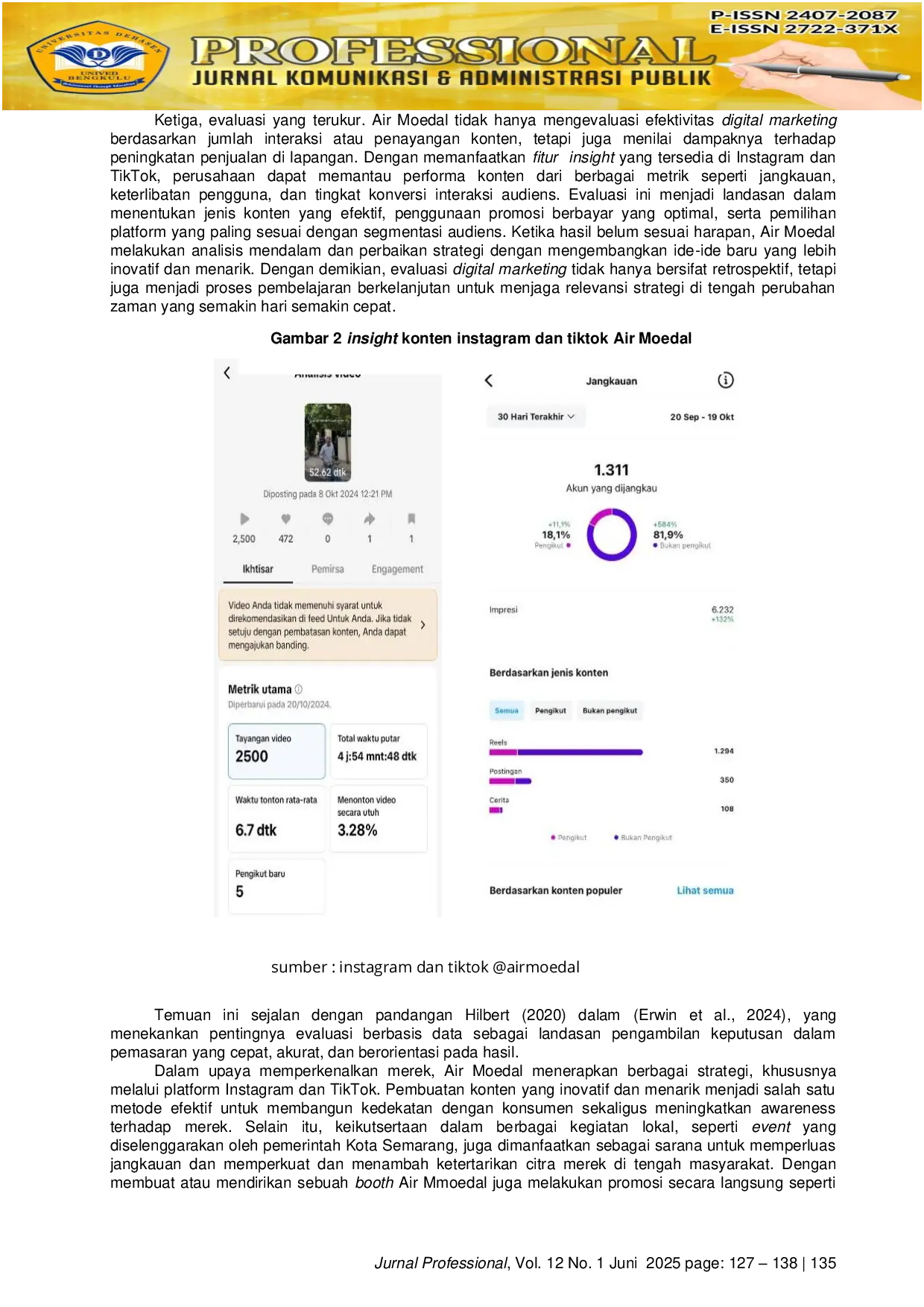
UNIVEDUNIVED Hasil penelitian menunjukkan bahwa penggunaan platform Instagram dan TikTok terbukti efektif dan efisien dalam merespon perubahan perilaku konsumen. DenganHasil penelitian menunjukkan bahwa penggunaan platform Instagram dan TikTok terbukti efektif dan efisien dalam merespon perubahan perilaku konsumen. Dengan
Useful /

UnijoyoUnijoyo Data dari 200 responden di Jakarta Raya dikumpulkan menggunakan teknik kuantitatif eksplanatori, dan analisis dilakukan dengan menggunakan Partial LeastData dari 200 responden di Jakarta Raya dikumpulkan menggunakan teknik kuantitatif eksplanatori, dan analisis dilakukan dengan menggunakan Partial Least

UNIVEDUNIVED Penelitian ini bertujuan untuk menguraikan faktor-faktor yang mempengaruhi penyusunan Anggaran Pendapatan dan Belanja Daerah Pemerintah Kabupaten ButonPenelitian ini bertujuan untuk menguraikan faktor-faktor yang mempengaruhi penyusunan Anggaran Pendapatan dan Belanja Daerah Pemerintah Kabupaten Buton

UNIVEDUNIVED Namun, aspek hiburan dan interaksi sosial belum dioptimalkan secara maksimal, menyebabkan rendahnya daya tarik, terutama bagi kalangan muda. Kendala utamaNamun, aspek hiburan dan interaksi sosial belum dioptimalkan secara maksimal, menyebabkan rendahnya daya tarik, terutama bagi kalangan muda. Kendala utama

UNIVEDUNIVED Tujuan penelitian ini adalah untuk mempengaruhi faktor-faktor yang mempengaruhi budaya inovasi dalam rangka membangun organisasi publik yang agile. MetodeTujuan penelitian ini adalah untuk mempengaruhi faktor-faktor yang mempengaruhi budaya inovasi dalam rangka membangun organisasi publik yang agile. Metode