YASIN ALSYSYASIN ALSYS
African Multidisciplinary Journal of Sciences and Artificial IntelligenceAfrican Multidisciplinary Journal of Sciences and Artificial IntelligenceThe increasing use of social media among Nigerian undergraduates presents a paradox in academic performance. While platforms such as WhatsApp, Facebook, and YouTube offer opportunities for academic collaboration, access to educational materials, and professional networking, their unregulated use often results in poor time management, reduced concentration, and decreased study commitment. This issue is particularly relevant in Yobe State, where access to higher education is expanding rapidly, underscoring the need to balance digital engagement with academic responsibilities. This study employed a comparative survey design, focusing on undergraduates from Federal Polytechnic Damaturu and Yobe State University. Data were collected to examine patterns of social media usage, students perceptions of its academic utility, and its relationship to self-reported academic performance. Findings revealed that although many students acknowledged the academic benefits of social media, including enhanced collaboration and rapid information access, a significant proportion admitted to using these platforms primarily for non-academic purposes. This imbalance was linked to procrastination, inconsistency in study habits, and reduced academic productivity. The study concludes that social media is not inherently beneficial or detrimental; its impact depends on usage patterns and the degree of user self-regulation. The findings highlight the need for short-term digital literacy interventions, institutional policies, and awareness campaigns aimed at promoting responsible social media use to enhance academic outcomes while mitigating potential drawbacks.
The study concludes that social media exerts both beneficial and detrimental effects on students, depending on how it is managed.While it offers opportunities for learning, collaboration, and access to information, its overuse can lead to distraction, procrastination, and reduced academic performance.A significant proportion of students recognize both the advantages and disadvantages of social media, highlighting the need for a balanced approach.Therefore, strategic guidance and interventions are crucial to maximize the academic benefits of social media while minimizing its negative consequences.
Further research should investigate the effectiveness of different digital literacy programs in promoting responsible social media use among students, specifically tailoring interventions to address the unique challenges faced by students in Yobe State. Additionally, a longitudinal study could track the long-term impact of social media usage patterns on students academic trajectories and career outcomes, providing a more comprehensive understanding of its effects beyond immediate academic performance. Finally, exploring the role of institutional policies and support systems in fostering a healthy digital learning environment is crucial; research could assess how universities and polytechnics can best integrate social media into their curricula and provide resources to help students navigate the complexities of online engagement, ultimately aiming to create a more balanced and productive learning experience for all students. These investigations should consider the socio-cultural context of Yobe State and the specific needs of its student population, contributing to evidence-based strategies for optimizing the use of social media in higher education.
- TAF Publications. taf publications publishing home journals ethics submission jabs jahss jater japs jahms... tafpublications.com/platform/Articles/full-jahss4.2.2.phpTAF Publications taf publications publishing home journals ethics submission jabs jahss jater japs jahms tafpublications platform Articles full jahss4 2 2 php
- Patterns, Perceptions, and Academic Implications of Social Media Use among Tertiary Institution Students... doi.org/10.58578/AMJSAI.v2i3.7482Patterns Perceptions and Academic Implications of Social Media Use among Tertiary Institution Students doi 10 58578 AMJSAI v2i3 7482
| File size | 227.31 KB |
| Pages | 13 |
| DMCA | Report |
Related /
PPICURUGPPICURUG Kegiatan ini terbukti efektif dalam meningkatkan pemahaman, kesadaran, dan sikap profesional peserta terhadap penerapan etika kerja. Hasilnya diharapkanKegiatan ini terbukti efektif dalam meningkatkan pemahaman, kesadaran, dan sikap profesional peserta terhadap penerapan etika kerja. Hasilnya diharapkan

PPICURUGPPICURUG Namun, saat ini kemampuan guru terkait publikasi artikel ilmiah masih tergolong rendah. Kegiatan ini bertujuan memberikan pemahaman kepada guru terkaitNamun, saat ini kemampuan guru terkait publikasi artikel ilmiah masih tergolong rendah. Kegiatan ini bertujuan memberikan pemahaman kepada guru terkait
PPICURUGPPICURUG Temuan ini menunjukkan bahwa pendampingan dan pendekatan partisipatif efektif dalam mendorong kesiapan masyarakat sebagai pelaku utama pengembangan wisata.Temuan ini menunjukkan bahwa pendampingan dan pendekatan partisipatif efektif dalam mendorong kesiapan masyarakat sebagai pelaku utama pengembangan wisata.

PPICURUGPPICURUG Kegiatan Pengabdian kepada Masyarakat ini bertujuan untuk meningkatkan produktivitas penulisan buku dosen Universitas Muhammadiyah Mataram melalui pemanfaatanKegiatan Pengabdian kepada Masyarakat ini bertujuan untuk meningkatkan produktivitas penulisan buku dosen Universitas Muhammadiyah Mataram melalui pemanfaatan
PPICURUGPPICURUG Berdasarkan hasil yang diperoleh dari program kegiatan PKM dapat ditarik kesimpulan bahwa dengan adanya kegiatan ini dapat menambah pengetahuan dan keterampilanBerdasarkan hasil yang diperoleh dari program kegiatan PKM dapat ditarik kesimpulan bahwa dengan adanya kegiatan ini dapat menambah pengetahuan dan keterampilan
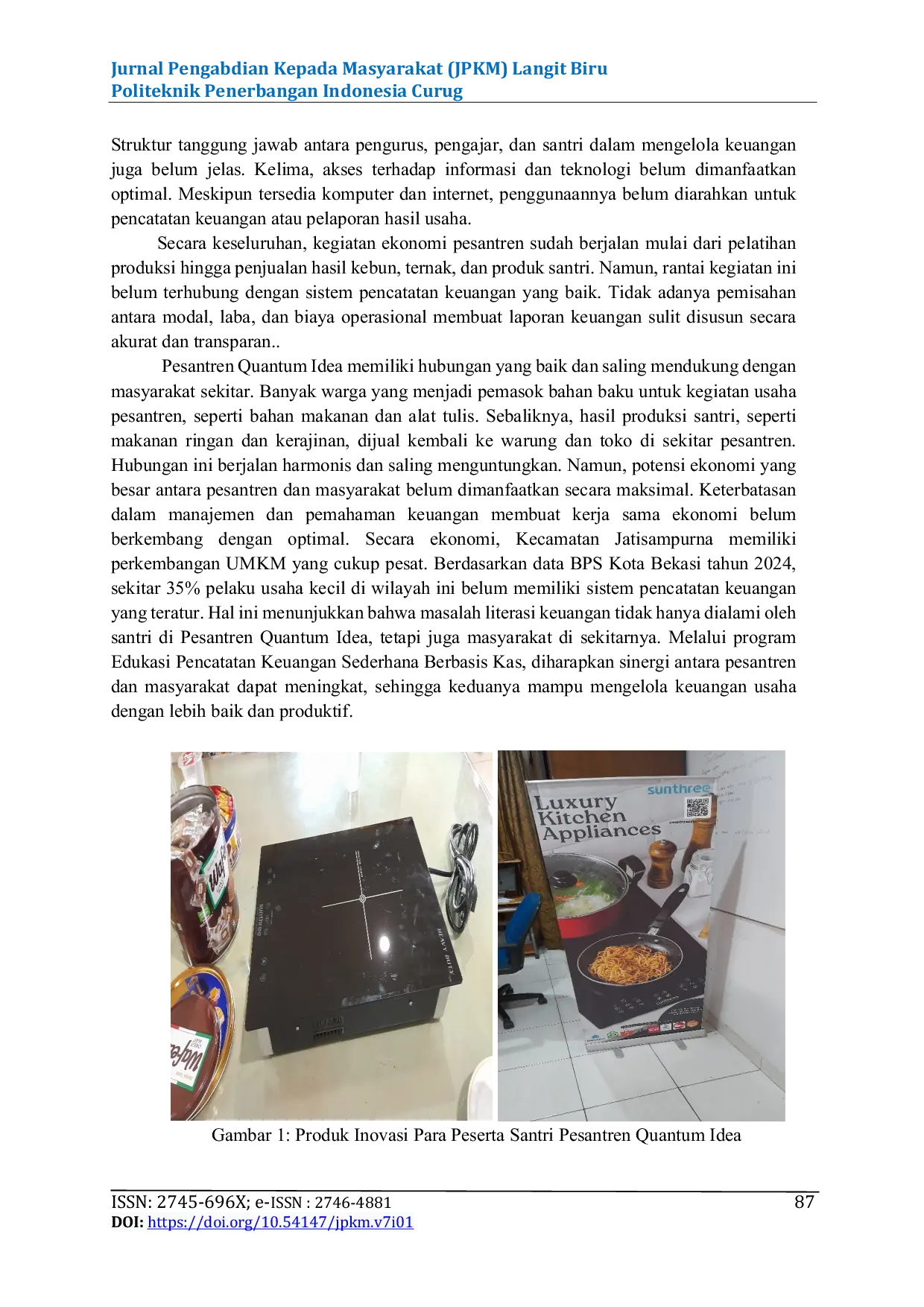
PPICURUGPPICURUG Program Edukasi Pencatatan Keuangan Sederhana Berbasis Kas di Pesantren Quantum Idea terbukti efektif, meningkatkan literasi keuangan santri serta kemampuanProgram Edukasi Pencatatan Keuangan Sederhana Berbasis Kas di Pesantren Quantum Idea terbukti efektif, meningkatkan literasi keuangan santri serta kemampuan
UBHARAJAYAUBHARAJAYA Hasil penelitian menunjukkan bahwa regulasi e-commerce tidak berada dalam satu bentuk peraturan perundang-undangan atau peraturan pemerintah, tetapi masihHasil penelitian menunjukkan bahwa regulasi e-commerce tidak berada dalam satu bentuk peraturan perundang-undangan atau peraturan pemerintah, tetapi masih
UNTAG BANYUWANGIUNTAG BANYUWANGI Penelitian menyoroti kesenjangan antara akses pasar dan kontrol pasar, dan menunjukkan peluang untuk memperkuat posisi UMKM melalui diversifikasi saluran,Penelitian menyoroti kesenjangan antara akses pasar dan kontrol pasar, dan menunjukkan peluang untuk memperkuat posisi UMKM melalui diversifikasi saluran,
Useful /
UNIK KEDIRIUNIK KEDIRI Anak pra sekolah berusia 3-6 tahun adalah anak yang menjadi sasaran utama dalam perbaikan gizi sehingga memerlukan persiapan yang baik. Fenomena yang adaAnak pra sekolah berusia 3-6 tahun adalah anak yang menjadi sasaran utama dalam perbaikan gizi sehingga memerlukan persiapan yang baik. Fenomena yang ada
UNPARUNPAR Evaluasi kinerja menunjukkan bahwa threshold 10 menghasilkan presisi tinggi namun recall sangat rendah, sehingga kurang efektif dalam menemukan semua dokumenEvaluasi kinerja menunjukkan bahwa threshold 10 menghasilkan presisi tinggi namun recall sangat rendah, sehingga kurang efektif dalam menemukan semua dokumen
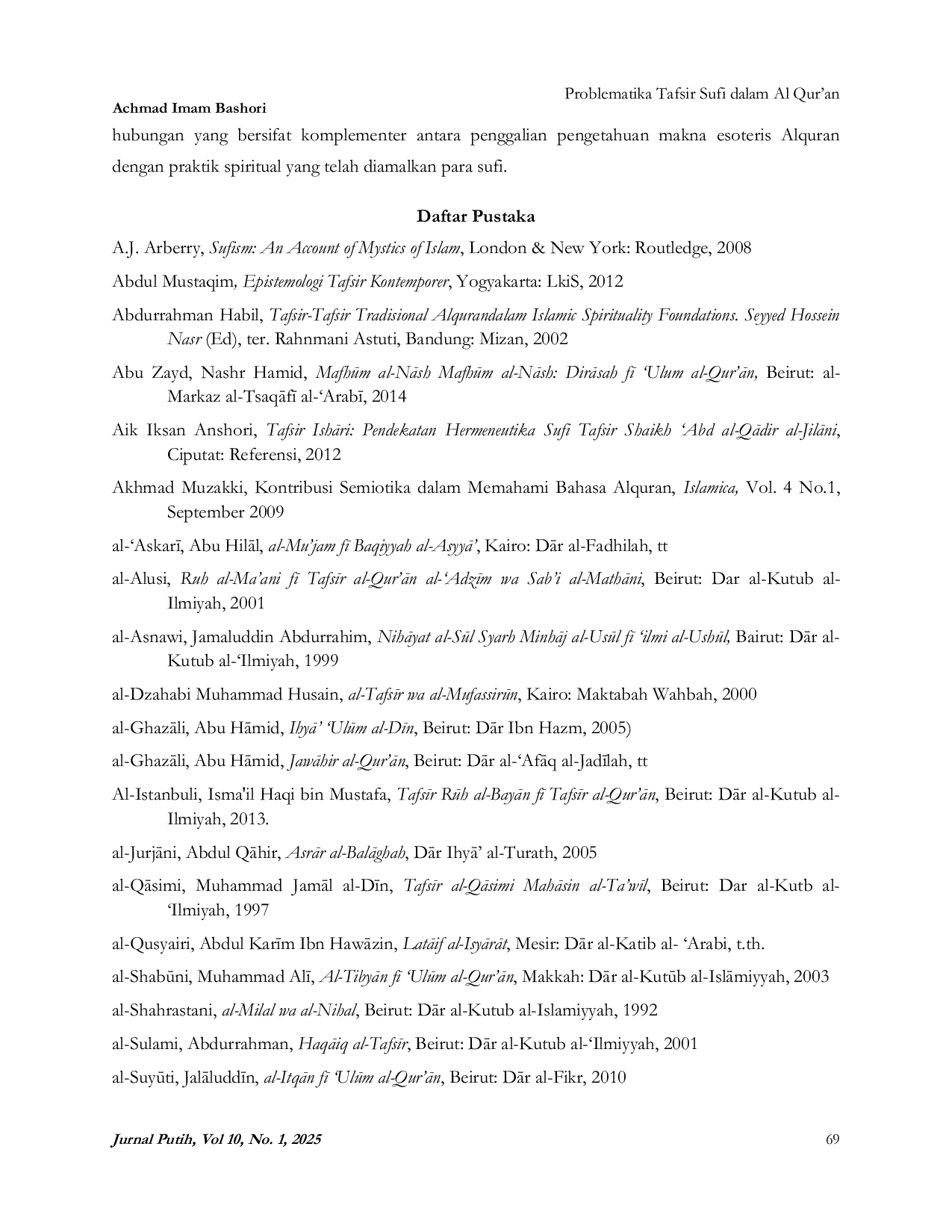
MAHADALYALFITHRAHMAHADALYALFITHRAH Kelima, Tafsir sufi dalam konteks memahami makna batin Alquran memiliki dasar yang kuat dalam sejarah tafsir dan bukan merupakan hal yang baru dalam penafsiranKelima, Tafsir sufi dalam konteks memahami makna batin Alquran memiliki dasar yang kuat dalam sejarah tafsir dan bukan merupakan hal yang baru dalam penafsiran
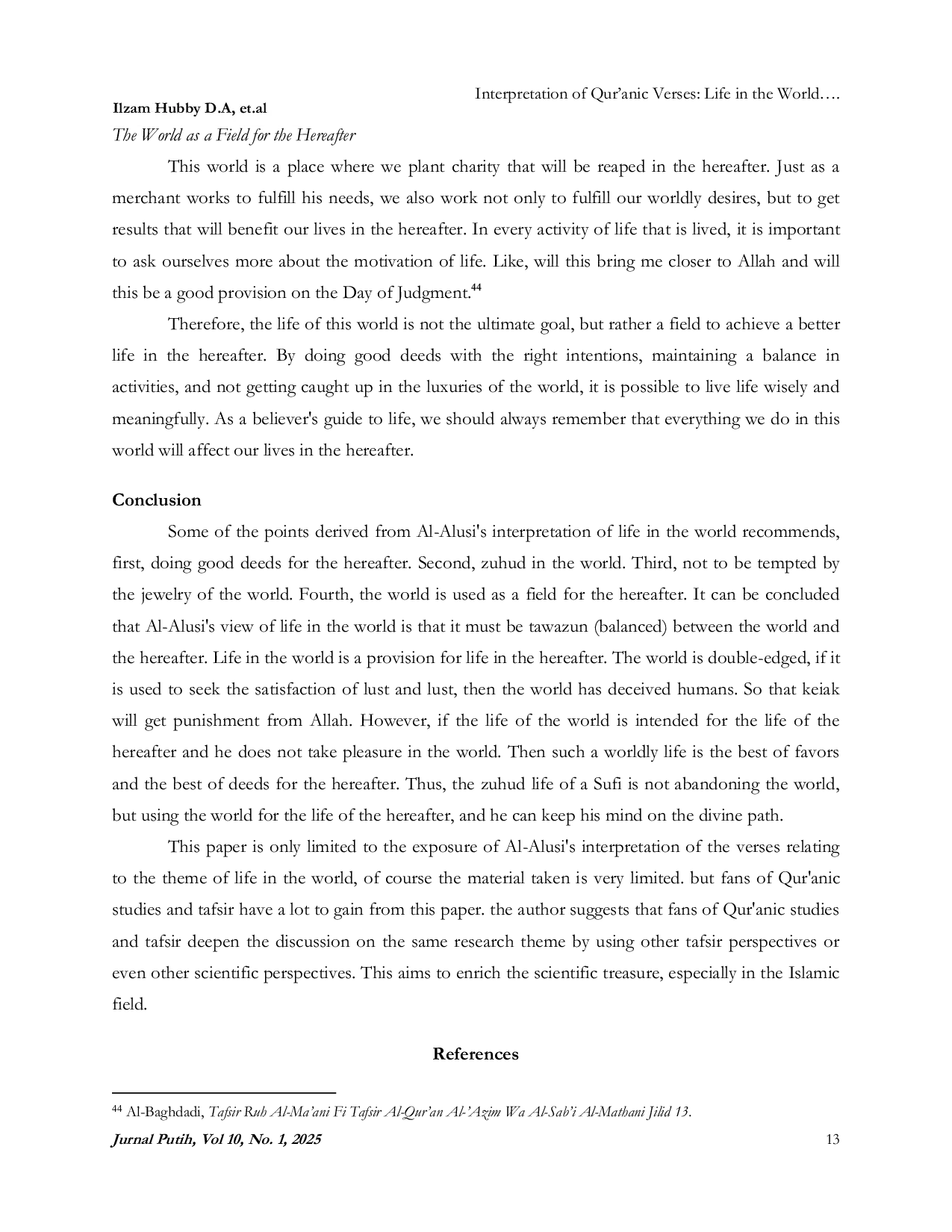
MAHADALYALFITHRAHMAHADALYALFITHRAH Hal ini bertujuan untuk mengkaji kehidupan dunia dari sudut pandang agama Islam dengan memanfaatkan pendekatan tafsir. Dalam hal ini, tafsir berfungsiHal ini bertujuan untuk mengkaji kehidupan dunia dari sudut pandang agama Islam dengan memanfaatkan pendekatan tafsir. Dalam hal ini, tafsir berfungsi