LMULMU
Buletin Profesi InsinyurBuletin Profesi InsinyurThis study investigates the stability of natural slopes along the Martapura River, particularly in areas adjacent to roadways, with a focus on assessing the impact of river water level fluctuations on slope safety factors. The analysis was performed using SLOPE/W, a GeoStudio module, based on the widely adopted limit equilibrium method. Several hydrological scenarios, including dry, normal, rapid rise, and rapid drawdown conditions, were simulated to evaluate their influence on slope behavior. The results demonstrate that both river and groundwater level variations significantly affect slope stability. Rising groundwater levels increase pore water pressure, reduce effective stress, and lower the factor of safety (FS) from 1.118 under dry conditions to 1.102 in the normal-water scenario (−1.4%). In contrast, a sudden increase in river level induces a temporary stabilizing effect, elevating the FS to 1.473 ( 33.7% relative to normal), before stabilizing at 1.323. The most critical condition arises during rapid drawdown, where a sudden drop in river level while groundwater remains high leads to elevated pore pressure, loss of hydrostatic support, and a significant FS reduction to 0.929 (−30%), posing a risk of slope failure. Moreover, the hydrologic hysteresis between river and groundwater responses, mainly governed by soil permeability, emerges as a key factor influencing slope stability dynamics. These findings highlight the importance of integrating hydrological variability into slope monitoring and risk mitigation strategies.
The study concludes that fluctuations in river water level and groundwater significantly impact slope stability along the Martapura Riverbank.A rapid drawdown phase, where river water levels decrease while groundwater remains high, poses the most critical risk of slope failure due to increased pore pressure and loss of hydrostatic support.Hydrologic hysteresis, influenced by soil permeability, plays a key role in these dynamics, emphasizing the need for comprehensive monitoring and mitigation strategies.
Penelitian lanjutan perlu dilakukan untuk memahami lebih dalam pengaruh variasi lapisan tanah terhadap respons hidrologis lereng, terutama dalam kondisi fluktuasi muka air sungai yang cepat. Studi eksperimen di laboratorium dan pemodelan numerik yang lebih kompleks dapat digunakan untuk mensimulasikan interaksi antara air tanah dan air sungai dalam berbagai konfigurasi lapisan tanah, sehingga dapat memprediksi potensi kegagalan lereng dengan lebih akurat. Selain itu, pengembangan sistem peringatan dini berbasis pemantauan real-time terhadap perubahan muka air sungai dan tekanan air pori di dalam lereng sangat penting untuk mengurangi risiko bencana tanah longsor. Sistem ini harus mampu mengintegrasikan data dari berbagai sumber, seperti sensor muka air, piezometer, dan data curah hujan, serta memberikan peringatan dini kepada masyarakat dan pihak berwenang ketika kondisi lereng mencapai ambang batas kritis. Terakhir, penelitian perlu difokuskan pada pengembangan teknik perbaikan lereng yang efektif dan berkelanjutan, dengan mempertimbangkan karakteristik geoteknik dan hidrologi spesifik di wilayah aliran sungai Martapura.
| File size | 619.42 KB |
| Pages | 8 |
| DMCA | Report |
Related /

PUSTAKAGALERIMANDIRIPUSTAKAGALERIMANDIRI Selain membentuk barisan vegetasi penguat lereng, kegiatan ini juga meningkatkan kapasitas masyarakat dalam memahami serta melaksanakan mitigasi bencanaSelain membentuk barisan vegetasi penguat lereng, kegiatan ini juga meningkatkan kapasitas masyarakat dalam memahami serta melaksanakan mitigasi bencana

ITNYITNY Peta tanah longsor yang dihasilkan memiliki kesesuaian dengan peta FFD yang dihasilkan, yaitu berada pada kecamatan Sine, kecamatan Ngrambe, kecamatanPeta tanah longsor yang dihasilkan memiliki kesesuaian dengan peta FFD yang dihasilkan, yaitu berada pada kecamatan Sine, kecamatan Ngrambe, kecamatan

UNJAUNJA Hasil penelitian ditemukan beberapa strategi Leuween pada berita online tersebut, yakni strategi objektivitas-abstrak, diferensiasi-indiferensiasi, danHasil penelitian ditemukan beberapa strategi Leuween pada berita online tersebut, yakni strategi objektivitas-abstrak, diferensiasi-indiferensiasi, dan
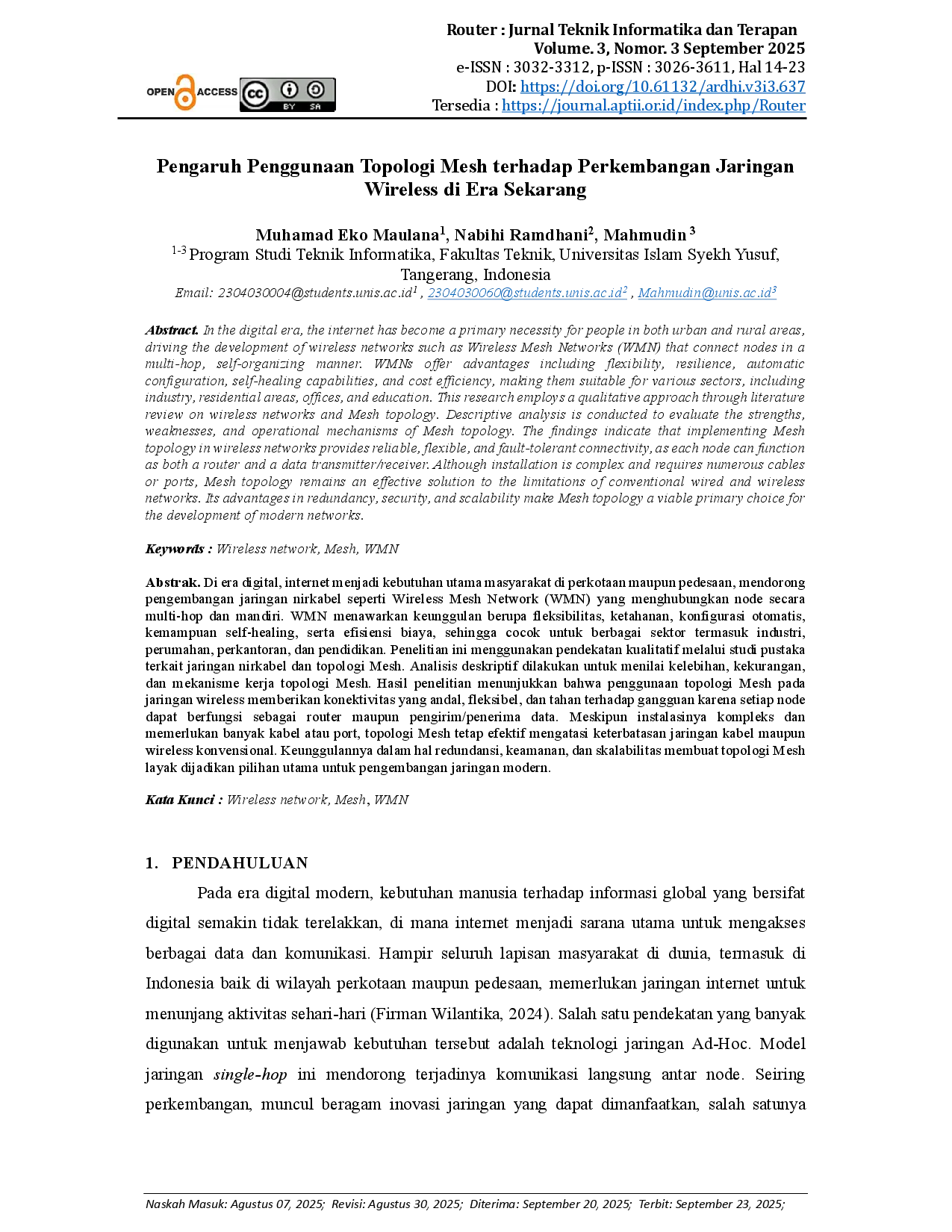
APTIIAPTII Dibandingkan dengan topologi lain seperti star, bus, ring, dan tree, mesh menawarkan keunggulan dalam redundansi, keamanan, dan skalabilitas yang mendukungDibandingkan dengan topologi lain seperti star, bus, ring, dan tree, mesh menawarkan keunggulan dalam redundansi, keamanan, dan skalabilitas yang mendukung
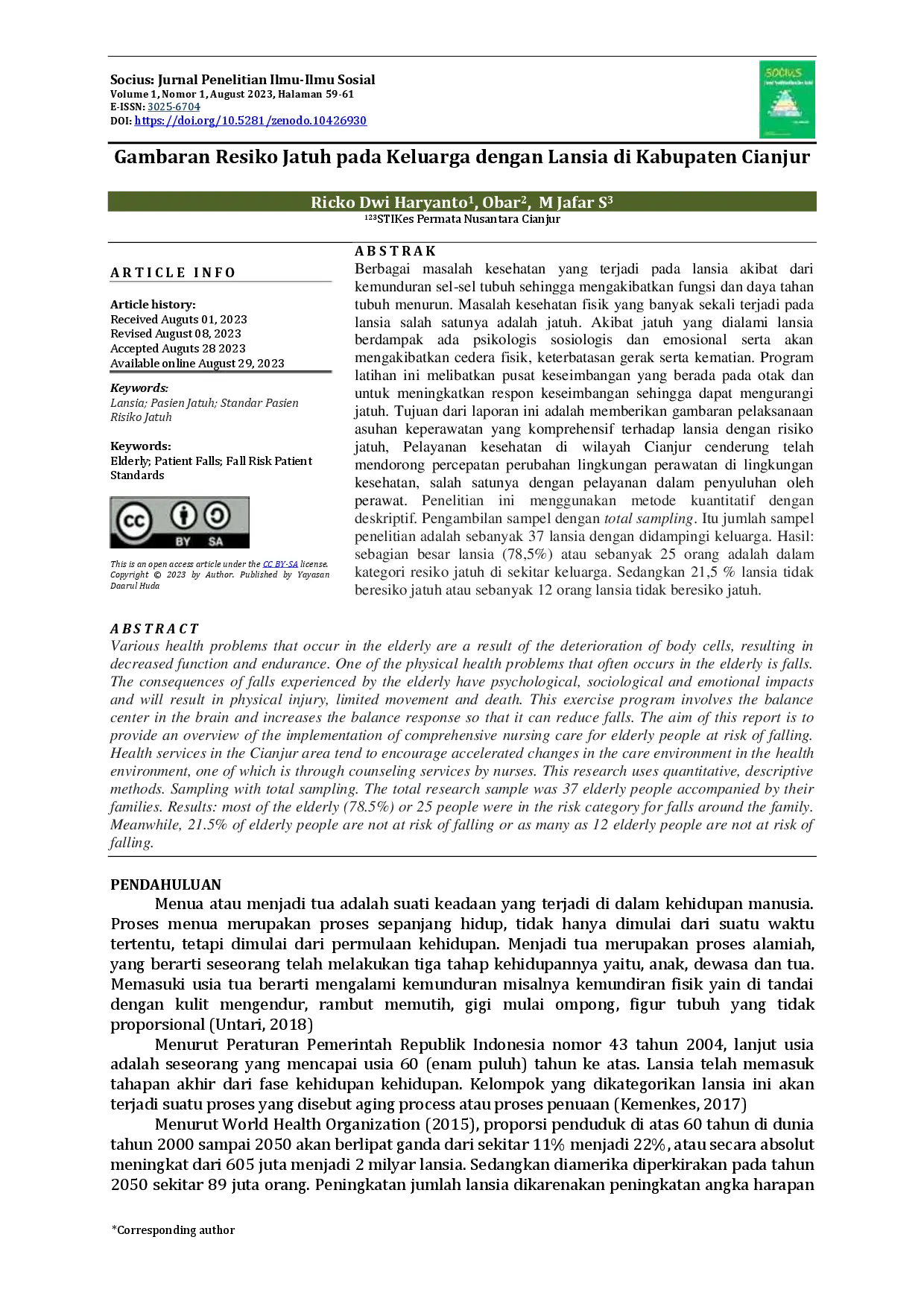
DAARULHUDADAARULHUDA Hasil observasi yang telah dilakukan menunjukkan bahwa risiko jatuh merupakan kerentanan untuk jatuh yang dapat memberikan kerusakan fisik. IntervensiHasil observasi yang telah dilakukan menunjukkan bahwa risiko jatuh merupakan kerentanan untuk jatuh yang dapat memberikan kerusakan fisik. Intervensi

DAARULHUDADAARULHUDA Peningkatan pengetahuan ibu tentang manfaat imunisasi dasar dapat membantu mengubah perilaku ibu terhadap imunisasi dasar, yang merupakan salah satu caraPeningkatan pengetahuan ibu tentang manfaat imunisasi dasar dapat membantu mengubah perilaku ibu terhadap imunisasi dasar, yang merupakan salah satu cara

UIKAUIKA Jampang Tengah adalah salah satu kecamatan yang terletak di Kabupaten Sukabumi yang memiliki kondisi bentang alam yang menarik untuk dikaji terkait potensiJampang Tengah adalah salah satu kecamatan yang terletak di Kabupaten Sukabumi yang memiliki kondisi bentang alam yang menarik untuk dikaji terkait potensi

POLIGONPOLIGON cm⁻³. Oleh karena itu, perancangan suatu alat dalam penanganan dan pengolahan kentang harus didasarkan pada sifat dan karakteristik dari kentang tersebut.cm⁻³. Oleh karena itu, perancangan suatu alat dalam penanganan dan pengolahan kentang harus didasarkan pada sifat dan karakteristik dari kentang tersebut.
Useful /
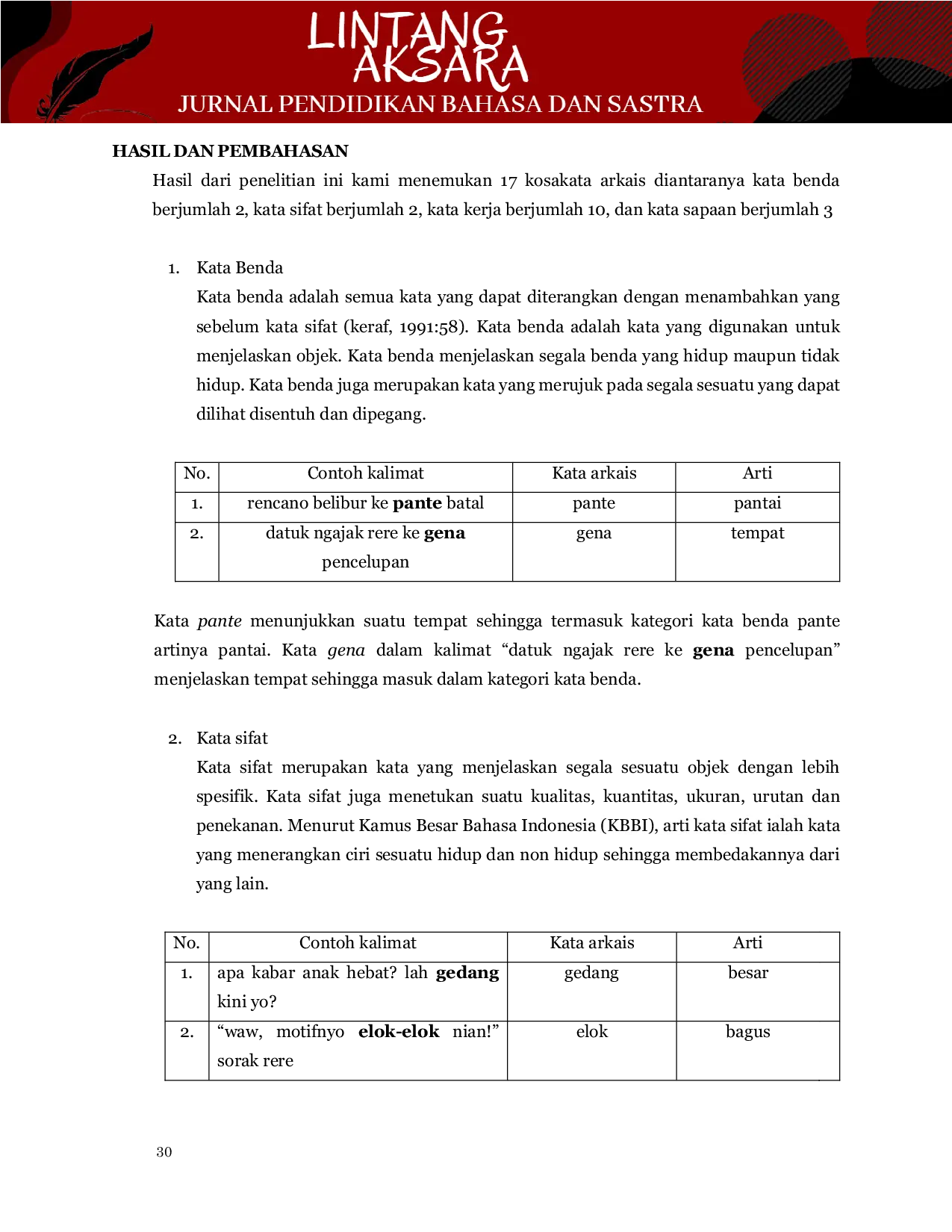
UNJAUNJA Penelitian ini menemukan 16 kosakata arkais dalam buku online Bertandang Ke Kampung Batik, yang dikategorikan menjadi kata benda, kata sifat, kata kerja,Penelitian ini menemukan 16 kosakata arkais dalam buku online Bertandang Ke Kampung Batik, yang dikategorikan menjadi kata benda, kata sifat, kata kerja,
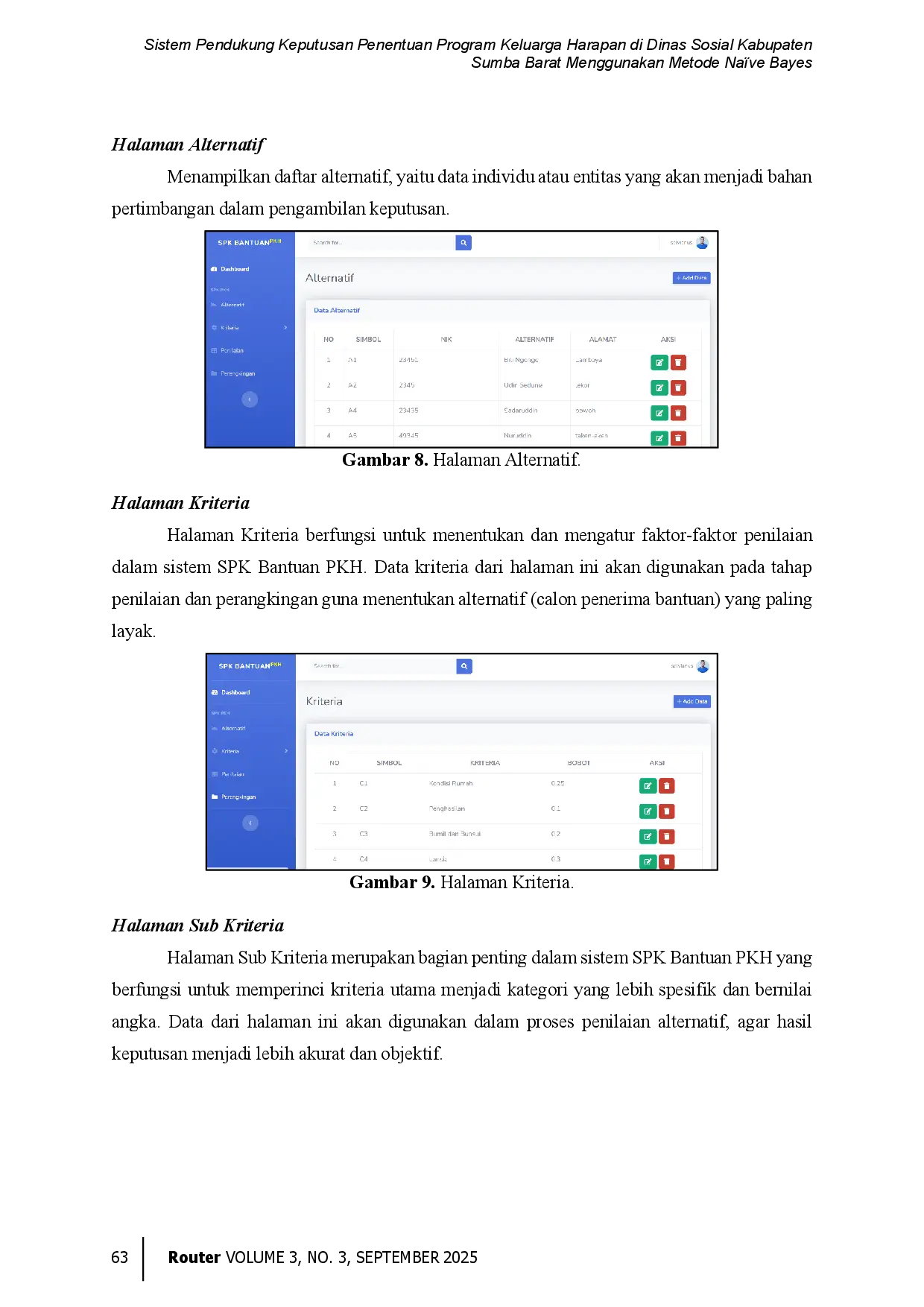
APTIIAPTII Dengan adanya sistem ini, diharapkan penyaluran PKH di Kabupaten Sumba Barat Daya dapat lebih teratur, seimbang, dan tepat sasaran sesuai dengan tujuanDengan adanya sistem ini, diharapkan penyaluran PKH di Kabupaten Sumba Barat Daya dapat lebih teratur, seimbang, dan tepat sasaran sesuai dengan tujuan

UNJAUNJA Penelitian ini berfokus pada daerah Jambi, khususnya di Desa Selat, Kecamatan Pemayung, Batang Hari, terkait sastra Melayu jenis hikayat yang berjudulPenelitian ini berfokus pada daerah Jambi, khususnya di Desa Selat, Kecamatan Pemayung, Batang Hari, terkait sastra Melayu jenis hikayat yang berjudul
UNJAUNJA Nilai individu menulis teks eksposisi dikategorikan sangat mampu. Implementasi model experiential learning telah sesuai dengan langkah pembelajaran yangNilai individu menulis teks eksposisi dikategorikan sangat mampu. Implementasi model experiential learning telah sesuai dengan langkah pembelajaran yang