IPBIPB
Jurnal Pengelolaan Sumberdaya Alam dan Lingkungan (Journal of Natural Resources and Environmental Management)Jurnal Pengelolaan Sumberdaya Alam dan Lingkungan (Journal of Natural Resources and Environmental Management)Dipterocarpaceae are economically important, contributing over 85% of Indonesias timber exports. However, this crucial resource is increasingly threatened by illegal logging, habitat destruction, and the illegal timber trade, which jeopardize dipterocarp population. Furthermore, conservation efforts utilizing genetic and forensic techniques often encounter substantial challenges due to the complexities in DNA extraction protocol. To address this, the study aimed to enhance the efficiency of DNA extraction methodologies by comparing two methods: the modified cetyltrimethylammonium bromide (CTAB) and the Genomic DNA Mini Kit (Plant) from Geneaid Biotech Ltd. The research focused on leaf and wood samples from two species, specifically Rubroshorea leprosula (Miq.) P.S.Ashton & J.Heck and Shorea laevis Ridl. For each of these species, five leaf and five wood samples were extracted using both methods. The quality of the DNA extraction was evaluated using electrophoresis and quantified with a Qubit fluorometer. Higher DNA concentrations were obtained with the modified CTAB method compared to the GeneAid kit for both R. leprosula and S. laevis, particularly in leaf tissue. The GeneAid kit consistently exhibited low DNA yield efficiency compared to the modified CTAB method for both species. Additionally, PCR amplification of both leaf and wood samples confirmed that the extracted DNA was suitable for molecular analyses. These findings not only contributed to laboratory applications but also served as practical tools for species identification and genetic conservation for sustainable forest management and law enforcement.
This study demonstrates that the modified CTAB extraction method is more effective for DNA extraction from wood tissues compared to commercial kits.Successful PCR amplification confirms the quality of extracted DNA is suitable for molecular analysis, even when visual confirmation is limited.These findings contribute to targeted restoration and conservation efforts, and provide essential support for verifying species identity and ensuring legal compliance in the timber trade.
Further research should investigate the optimization of DNA extraction protocols specifically for degraded wood samples, as these pose a significant challenge for forensic analysis. Expanding the scope of genetic markers used for dipterocarp identification, beyond trnL-trnF, could enhance the precision and reliability of timber traceability. Additionally, the development of a comprehensive, publicly accessible wood DNA database for Dipterocarpaceae species is crucial for supporting law enforcement efforts and promoting sustainable forest management. These initiatives should prioritize collaboration between molecular biologists, forensic scientists, and forestry experts to ensure the practical application of research findings. Such a database, coupled with improved extraction techniques, will be instrumental in combating illegal logging and preserving the biodiversity of these vital forest ecosystems. The integration of these advancements with existing timber tracking technologies, like isotope analysis, will create a robust system for verifying timber origin and promoting responsible forestry practices. This holistic approach will not only benefit conservation efforts but also contribute to the economic sustainability of the timber industry.
- DNA Extraction Protocol for Plants with High Levels of Secondary Metabolites and Polysaccharides without... hindawi.com/journals/isrn/2012/205049DNA Extraction Protocol for Plants with High Levels of Secondary Metabolites and Polysaccharides without hindawi journals isrn 2012 205049
- A Revised Conservation Assessment of Dipterocarps in Sabah - Maycock - 2012 - Biotropica - Wiley Online... onlinelibrary.wiley.com/doi/10.1111/j.1744-7429.2011.00852.xA Revised Conservation Assessment of Dipterocarps in Sabah Maycock 2012 Biotropica Wiley Online onlinelibrary wiley doi 10 1111 j 1744 7429 2011 00852 x
| File size | 702.07 KB |
| Pages | 12 |
| DMCA | Report |
Related /
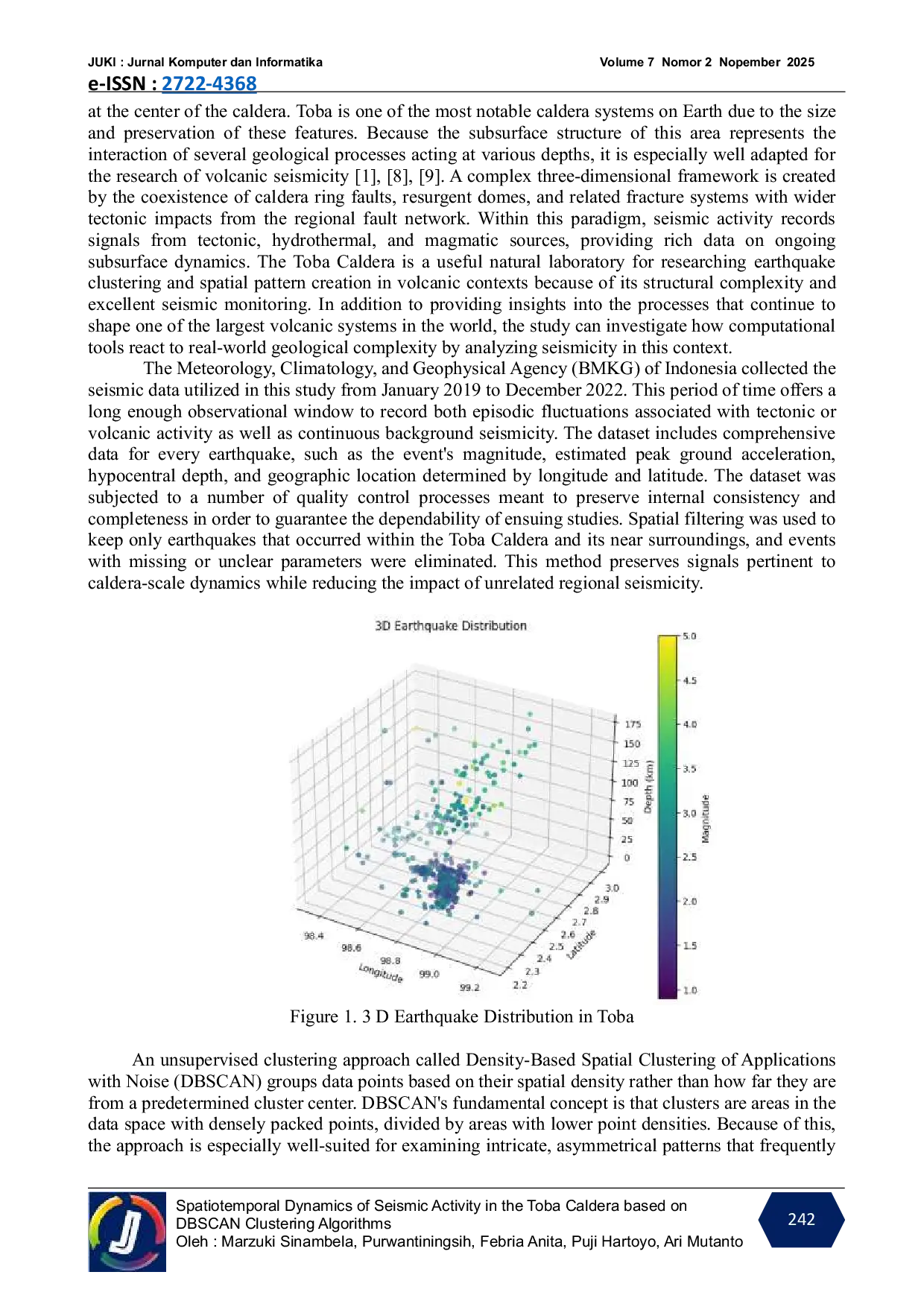
IOINFORMATICIOINFORMATIC Korelasi yang kuat antara kluster yang terdeteksi dan karakteristik vulkanik yang dikenal, seperti tepi kaldera, kompleks vulkanik pusat, dan sistem patahanKorelasi yang kuat antara kluster yang terdeteksi dan karakteristik vulkanik yang dikenal, seperti tepi kaldera, kompleks vulkanik pusat, dan sistem patahan

IOINFORMATICIOINFORMATIC E-voting merupakan sebuah proses pemungutan suara yang dilakukan dengan bantuan media teknologi informasi yang bertujuan untuk mempercepat serta mempermudahE-voting merupakan sebuah proses pemungutan suara yang dilakukan dengan bantuan media teknologi informasi yang bertujuan untuk mempercepat serta mempermudah

SMARTPUBLISHERSMARTPUBLISHER Penelitian ini berbeda dari studi sebelumnya karena mengintegrasikan data geografis aktual pelanggan di Bandung dengan Sweep Method yang mempertimbangkanPenelitian ini berbeda dari studi sebelumnya karena mengintegrasikan data geografis aktual pelanggan di Bandung dengan Sweep Method yang mempertimbangkan

IOINFORMATICIOINFORMATIC Disimpulkan bahwa aplikasi SiBONY-SATRYA efektif dalam memperkuat transparansi, akuntabilitas, dan profesionalisme Polri, serta direkomendasikan untukDisimpulkan bahwa aplikasi SiBONY-SATRYA efektif dalam memperkuat transparansi, akuntabilitas, dan profesionalisme Polri, serta direkomendasikan untuk
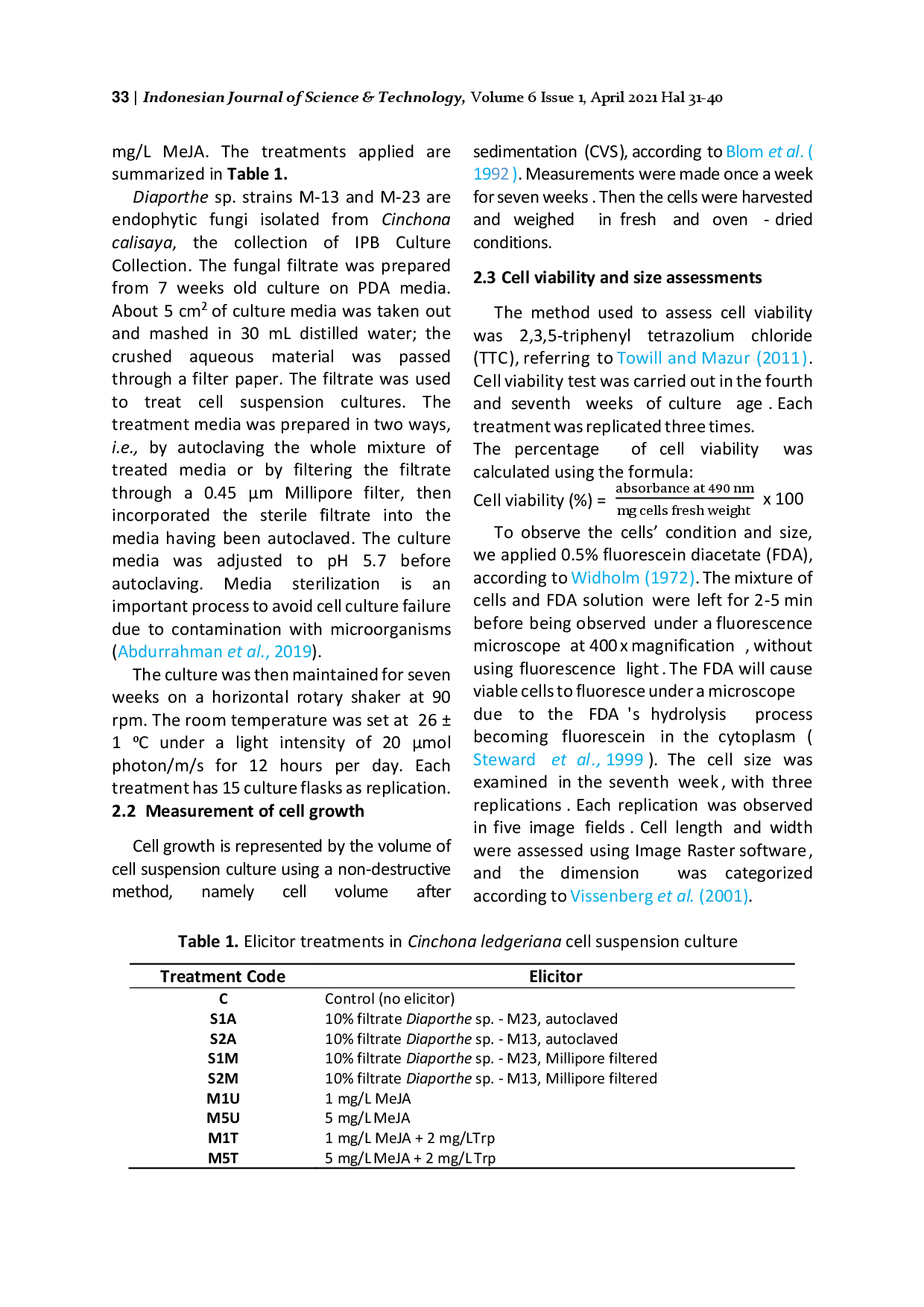
UPIUPI Karena lama waktu panen dahan tanaman, teknologi kultur sel menjadi tantangan. Penelitian ini bertujuan menilai dampak elicitor, filtrat dua strain endofit,Karena lama waktu panen dahan tanaman, teknologi kultur sel menjadi tantangan. Penelitian ini bertujuan menilai dampak elicitor, filtrat dua strain endofit,
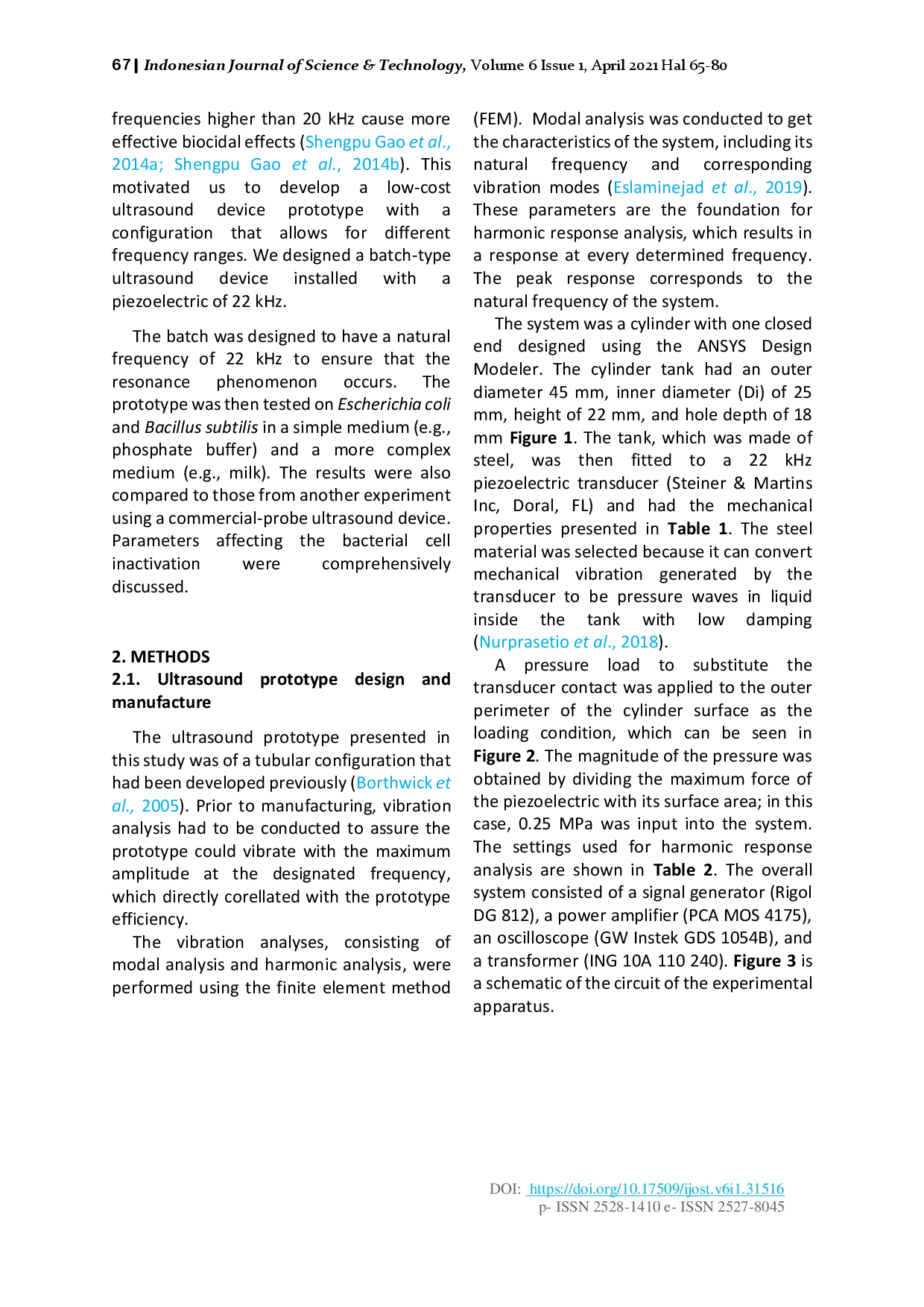
UPIUPI subtilis sebesar 3,3 log dan 2,8 log, secara konstan seperti yang diperoleh dari sistem komersial. Efektivitas inaktivasi sel bakteri menggunakan perangkatsubtilis sebesar 3,3 log dan 2,8 log, secara konstan seperti yang diperoleh dari sistem komersial. Efektivitas inaktivasi sel bakteri menggunakan perangkat

UADUAD Advances in synthetic biology and metabolic engineering have enabled microbial platforms, such as genetically modified yeasts and microalgae, to produceAdvances in synthetic biology and metabolic engineering have enabled microbial platforms, such as genetically modified yeasts and microalgae, to produce
UNIMALUNIMAL Penelitian ini membahas pengaruh penambahan pembangkit terdistribusi (DG) dengan jumlah unit berbeda terhadap kualitas daya dalam sistem tenaga listrik.Penelitian ini membahas pengaruh penambahan pembangkit terdistribusi (DG) dengan jumlah unit berbeda terhadap kualitas daya dalam sistem tenaga listrik.
Useful /
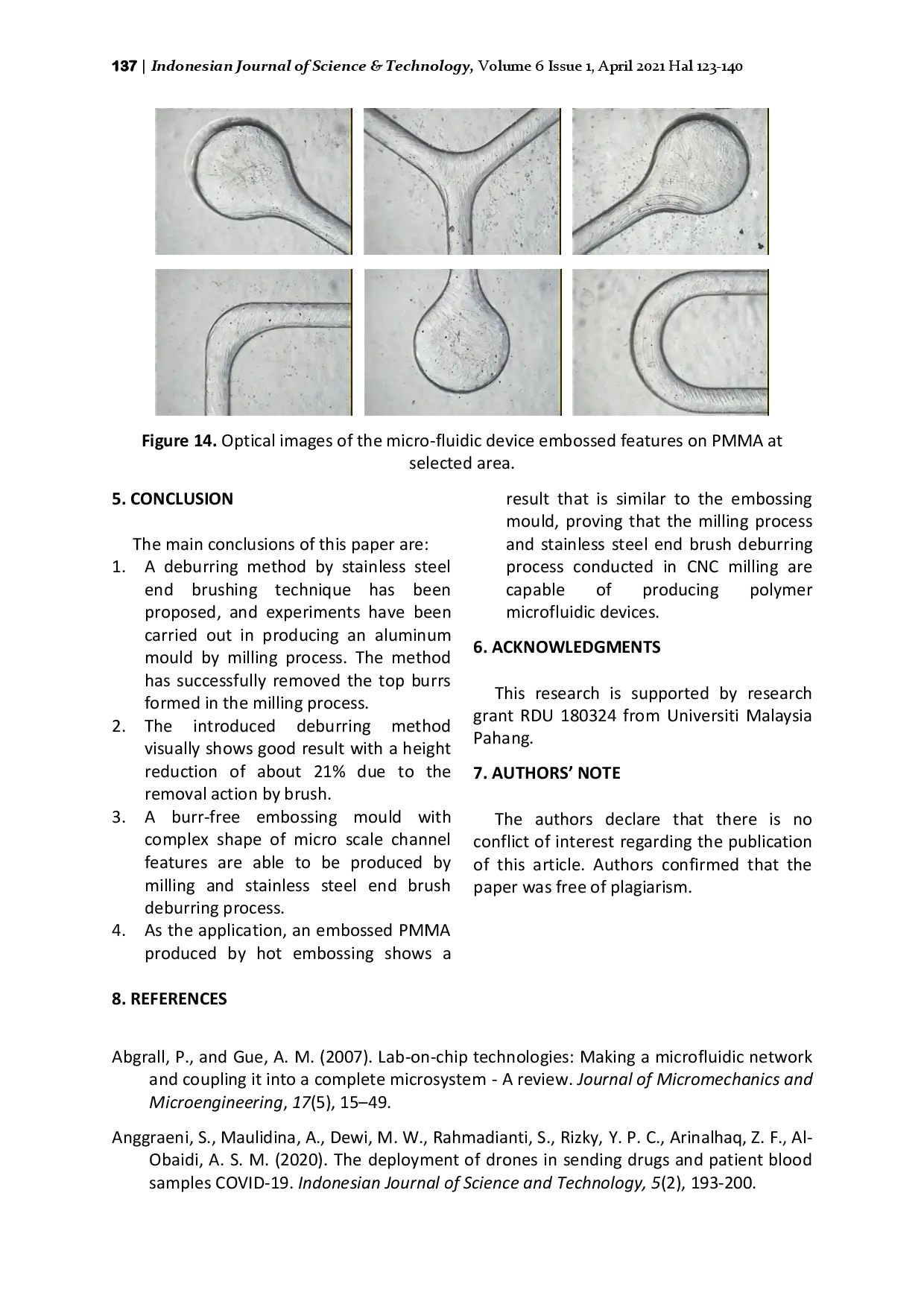
UPIUPI Dalam penelitian ini, proses penghapusan burs menggunakan penghiasan ujung baja tahan karat diperkenalkan untuk cetakan aluminium yang digunakan dalamDalam penelitian ini, proses penghapusan burs menggunakan penghiasan ujung baja tahan karat diperkenalkan untuk cetakan aluminium yang digunakan dalam

UNUSIDAUNUSIDA Temuan ini konsisten dengan teori keagenan, yang menyatakan bahwa tindakan perusahaan, termasuk kebijakan pajak, dapat dipengaruhi oleh kepemilikan manajerial.Temuan ini konsisten dengan teori keagenan, yang menyatakan bahwa tindakan perusahaan, termasuk kebijakan pajak, dapat dipengaruhi oleh kepemilikan manajerial.

UNUSIDAUNUSIDA Hal ini berpotensi menciptakan lapangan kerja, memperkuat ekonomi lokal, serta membutuhkan penelitian lebih lanjut mengenai kebijakan dan promosi digitalHal ini berpotensi menciptakan lapangan kerja, memperkuat ekonomi lokal, serta membutuhkan penelitian lebih lanjut mengenai kebijakan dan promosi digital

UNMUNM Artikel ini juga mempresentasikan metode alternatif bagi peneliti untuk menyelidiki identitas pribadi dengan menggunakan karakter sastra sebagai studiArtikel ini juga mempresentasikan metode alternatif bagi peneliti untuk menyelidiki identitas pribadi dengan menggunakan karakter sastra sebagai studi