ITENASITENAS
Rekayasa Hijau : Jurnal Teknologi Ramah LingkunganRekayasa Hijau : Jurnal Teknologi Ramah LingkunganThe condition of road pavement surfaces is crucial for ensuring the safety and comfort of road users. Proper maintenance of road conditions is essential as roads serve as vital infrastructure for transporting people and goods. Evaluating road conditions is therefore critical for improving transportation infrastructure. Road roughness measurements are the most common method used by road managers to assess pavement surfaces. This study aims to compare the International Roughness Index (IRI) values obtained using the Roughometer III device with those obtained using the smartphone-based Roadroid application. Testing was conducted on a 10-kilometer stretch of rigid pavement on a toll road. IRI values were measured every 10 meters. The Roughometer III and Roadroid devices were tested on the same vehicle. A polynomial analysis was performed to determine the relationship between the IRI values from both devices, resulting in the equation IRI (Roughometer) = -0.0022(IRIrd)² 0.8464(IRIrd) 1.8894, with a coefficient of determination (R²) of 0.4701.
A polynomial analysis was used to examine the link between the IRI values from Roadroid and Roughometer III.With a coefficient of determination (R2) of 0.4701, the equation IRI (Roughometer) = -0.The study suggests further research to specifically evaluate the effect of expansion joints on IRI values and to find technical fixes or upkeep techniques.Additionally, the application can be further explored by observing the sensitivity of the sensor settings, the cellphones position, and the stability of the cellphone holder in addition to differences in different pavement construction kinds.
Based on the findings of this study, future research could explore the impact of varying vehicle speeds and types on the accuracy of Roadroid measurements, potentially developing calibration models for different vehicle profiles. Furthermore, investigating the integration of Roadroid data with Geographic Information Systems (GIS) could enable the creation of detailed road condition maps for more effective maintenance planning. Finally, a study focusing on the development of a real-time road roughness monitoring system using Roadroid and cloud-based data analysis could provide transportation agencies with a proactive tool for identifying and addressing road degradation issues promptly, ultimately enhancing road safety and extending pavement lifespan. These research directions build upon the current studys limitations and offer opportunities to refine road assessment methodologies and improve transportation infrastructure management.
- Quantifying Extreme Event-Induced Pavement Roughness via Smart Phone Apps | Proceedings | Vol , No. quantifying... doi.org/10.1061/9780784483701.022Quantifying Extreme Event Induced Pavement Roughness via Smart Phone Apps Proceedings Vol No quantifying doi 10 1061 9780784483701 022
- Login | Simetrikal: Journal of Engineering and Technology. simetrikal journal engineering technology... talenta.usu.ac.id/jet/article/view/756Login Simetrikal Journal of Engineering and Technology simetrikal journal engineering technology talenta usu ac jet article view 756
- Application of Vehicle Mounted Accelerometers to Measure Pavement Roughness - Yuchuan Du, Chenglong Liu,... journals.sagepub.com/doi/10.1155/2016/8413146Application of Vehicle Mounted Accelerometers to Measure Pavement Roughness Yuchuan Du Chenglong Liu journals sagepub doi 10 1155 2016 8413146
| File size | 1.03 MB |
| Pages | 18 |
| DMCA | Report |
Related /

PUSTAKAGALERIMANDIRIPUSTAKAGALERIMANDIRI Program ini membuktikan bahwa ecobrick dapat menjadi solusi sederhana namun efektif untuk pengelolaan sampah berbasis komunitas, serta mendukung pencapaianProgram ini membuktikan bahwa ecobrick dapat menjadi solusi sederhana namun efektif untuk pengelolaan sampah berbasis komunitas, serta mendukung pencapaian

PUSTAKAGALERIMANDIRIPUSTAKAGALERIMANDIRI Sebelumnya, PT. Sinar Bakery hanya mengandalkan penjualan konvensional melalui toko fisik dan pemesanan langsung. Hal ini membatasi jangkauan pasar danSebelumnya, PT. Sinar Bakery hanya mengandalkan penjualan konvensional melalui toko fisik dan pemesanan langsung. Hal ini membatasi jangkauan pasar dan
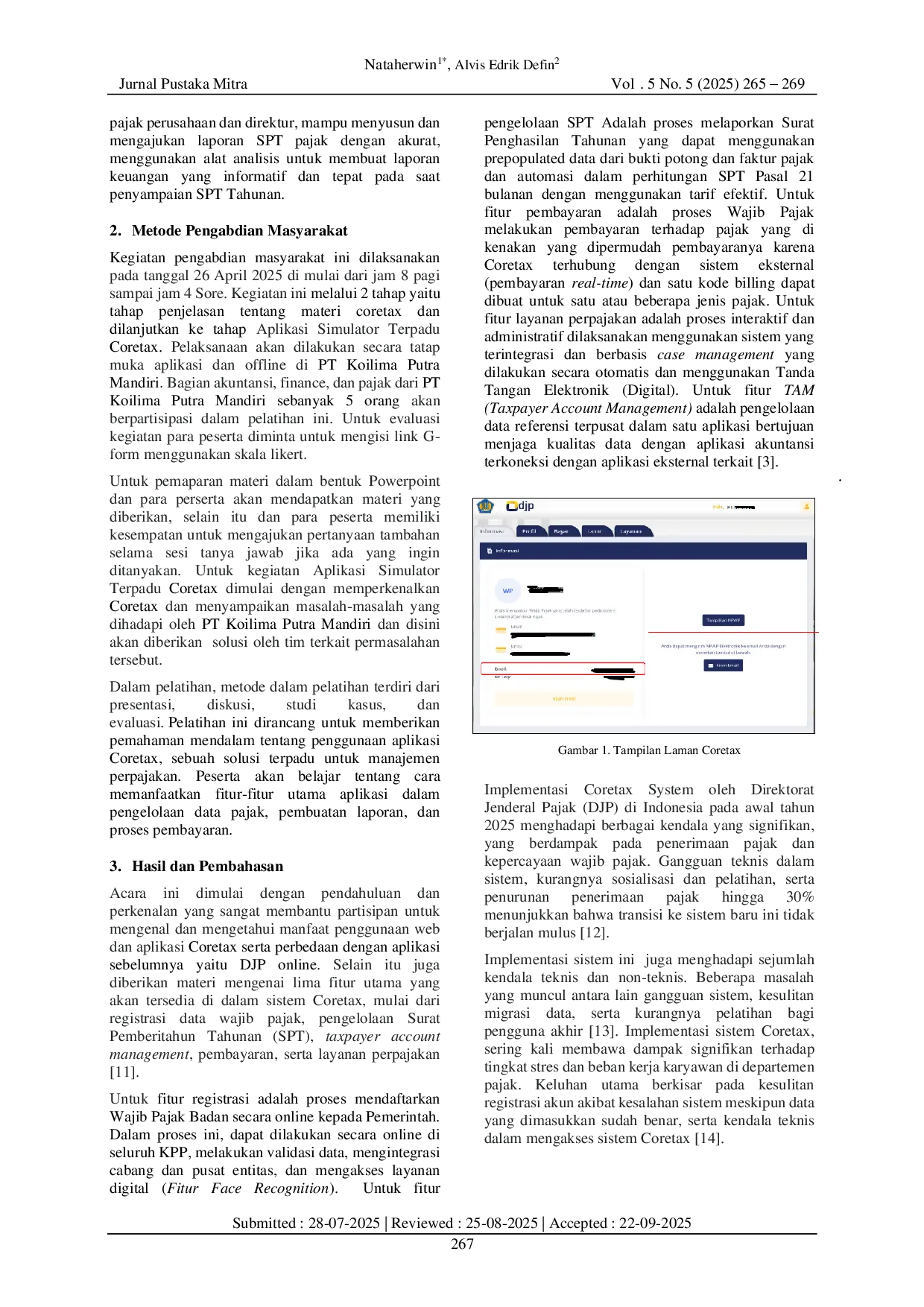
PUSTAKAGALERIMANDIRIPUSTAKAGALERIMANDIRI Hasil dari kegiatan pelatihan ini menunjukkan bahwa partisipan dapat menggunakan aplikasi Coretax secara akurat dan memahami pentingnya penggunaan CoretaxHasil dari kegiatan pelatihan ini menunjukkan bahwa partisipan dapat menggunakan aplikasi Coretax secara akurat dan memahami pentingnya penggunaan Coretax
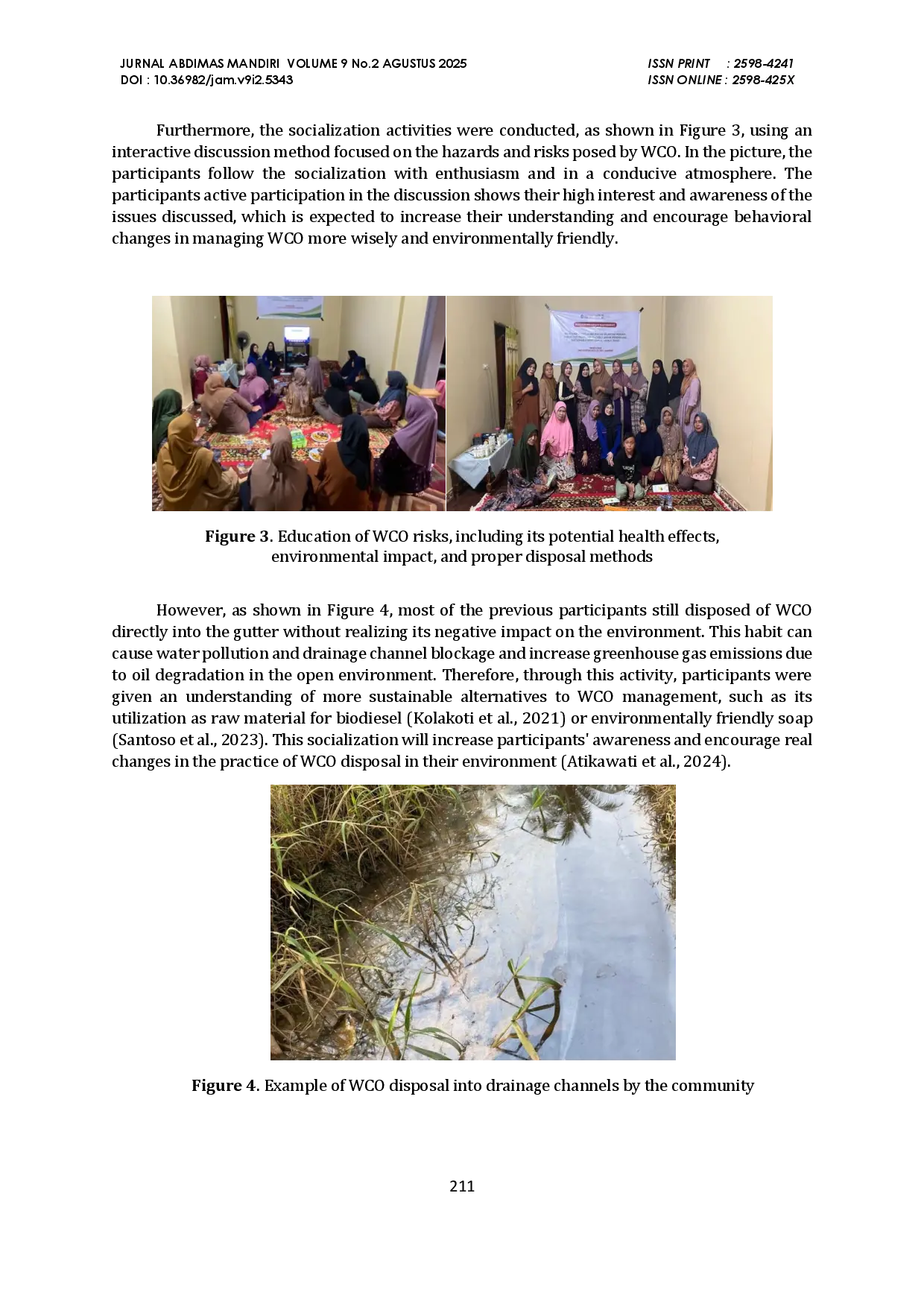
UIGMUIGM Sebagian besar (80%) peserta memiliki pengetahuan terbatang tentang bahaya WCO sebelum pelatihan. Pelatihan interaktif berdampak positif pada peningkatanSebagian besar (80%) peserta memiliki pengetahuan terbatang tentang bahaya WCO sebelum pelatihan. Pelatihan interaktif berdampak positif pada peningkatan
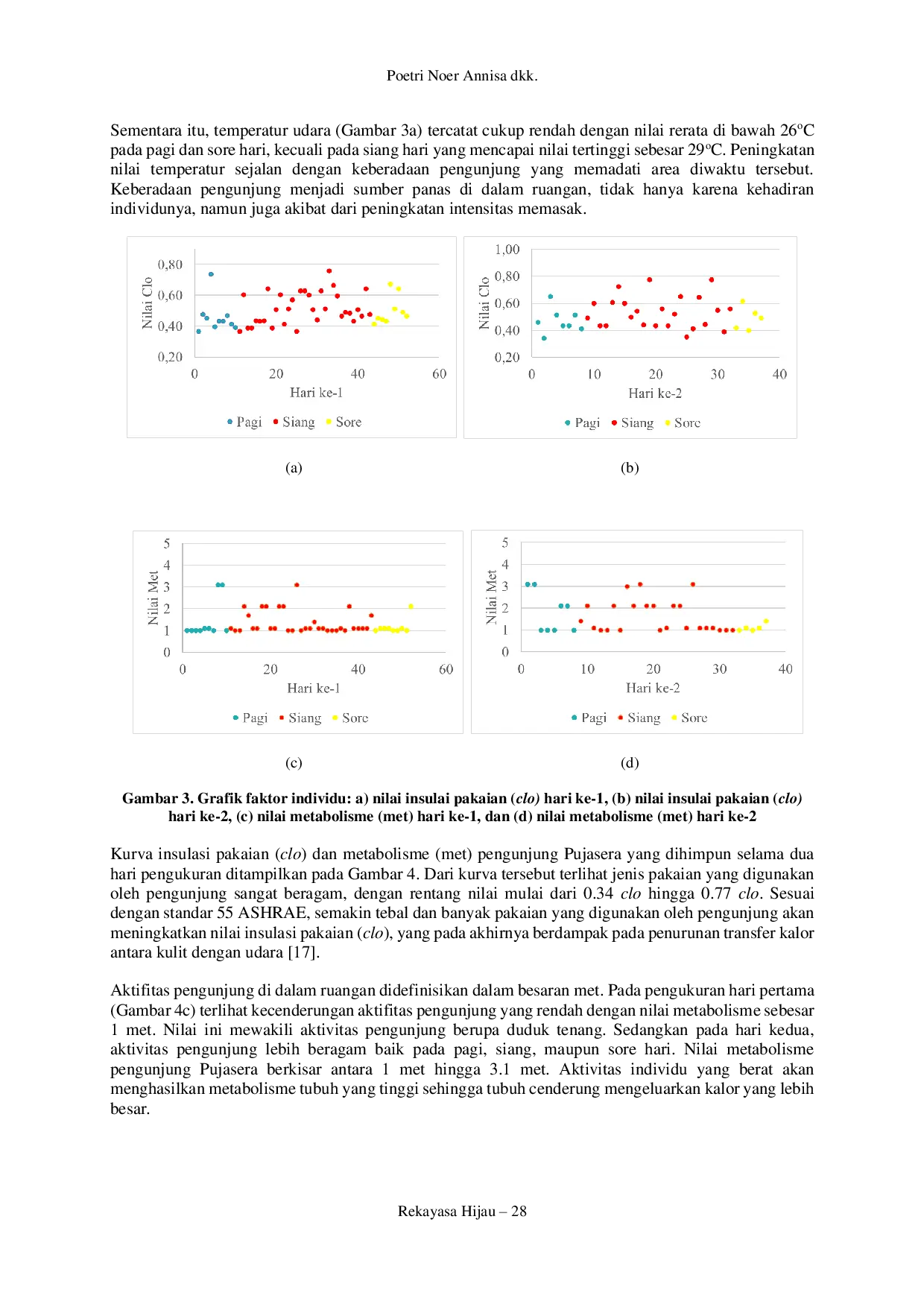
ITENASITENAS Sementara itu, aspek kenyamanan termal menunjukkan bahwa 51.29% penghuni merasa nyaman. Melihat kondisi ini, maka perlu dilakukan upaya untuk menunjangSementara itu, aspek kenyamanan termal menunjukkan bahwa 51.29% penghuni merasa nyaman. Melihat kondisi ini, maka perlu dilakukan upaya untuk menunjang

UBUB Indikator keberhasilan terlihat dari kemampuan peserta yang secara mandiri memproduksi kedua produk tersebut, menandakan peningkatan pemahaman dan keterampilan.Indikator keberhasilan terlihat dari kemampuan peserta yang secara mandiri memproduksi kedua produk tersebut, menandakan peningkatan pemahaman dan keterampilan.
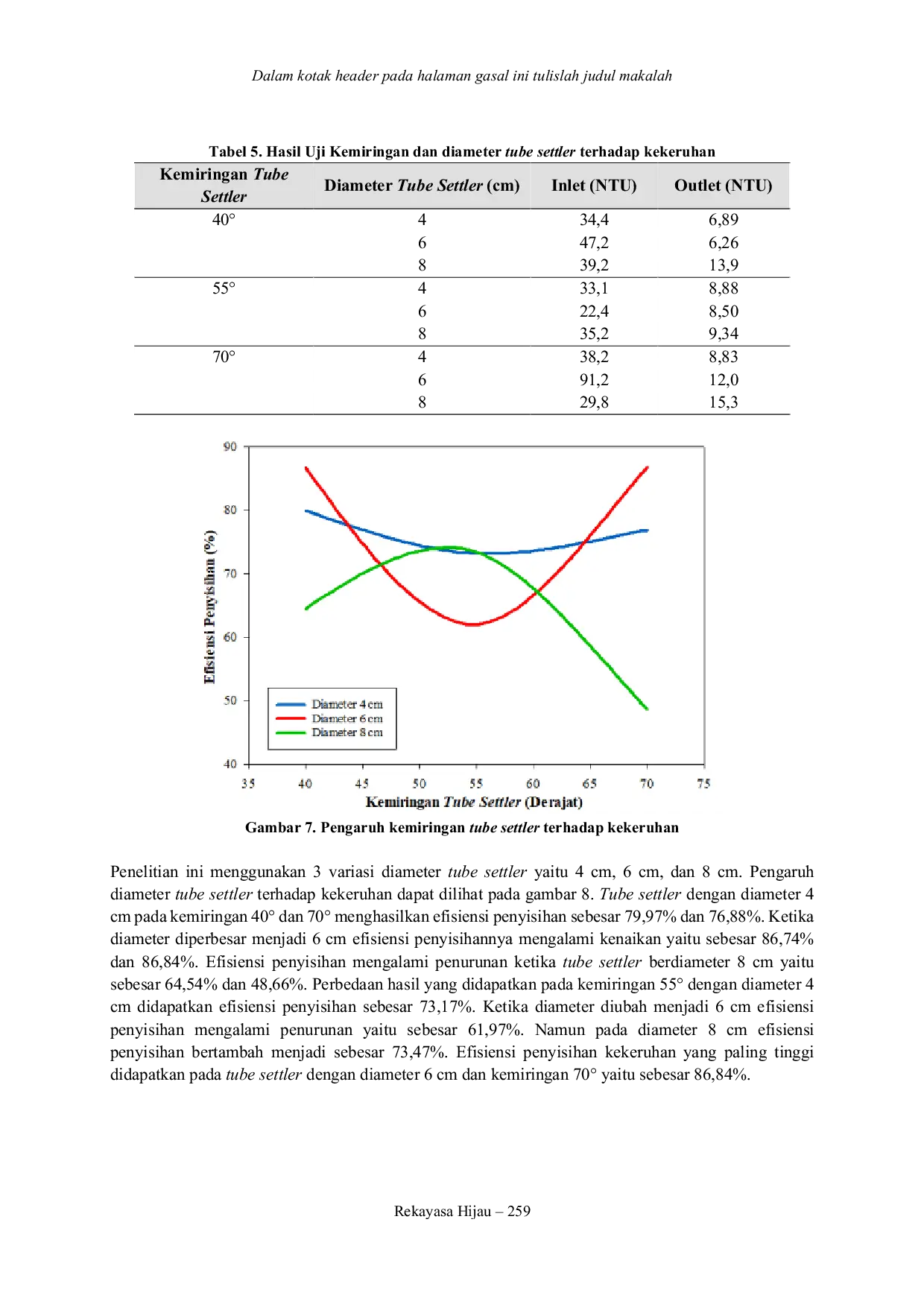
ITENASITENAS Penelitian ini bertujuan untuk menganalisis pengaruh kemiringan dan diameter tube settler pada proses sedimentasi terhadap kualitas efluen. PenelitianPenelitian ini bertujuan untuk menganalisis pengaruh kemiringan dan diameter tube settler pada proses sedimentasi terhadap kualitas efluen. Penelitian
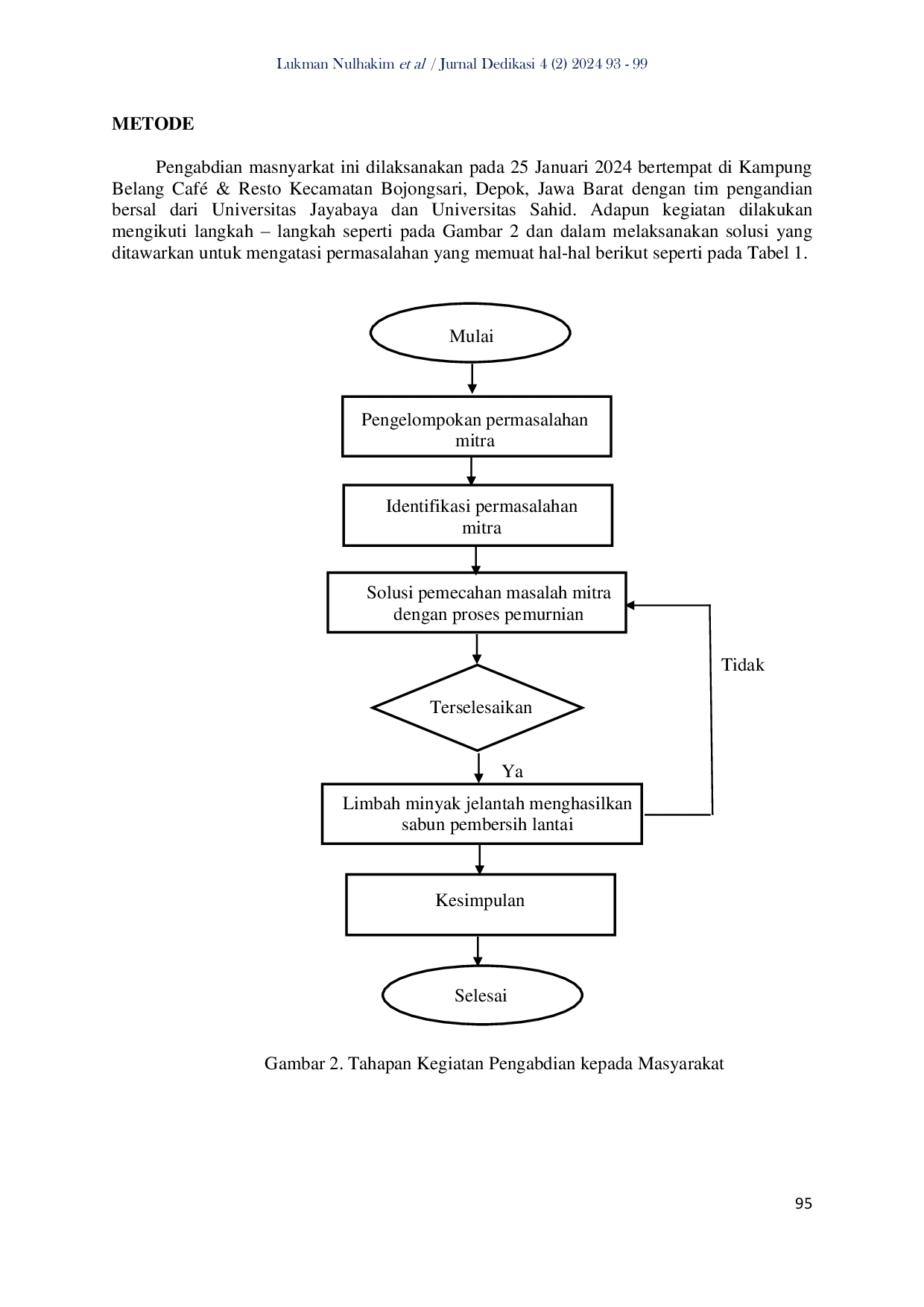
JURNALFTIJAYABAYAJURNALFTIJAYABAYA Hal ini bertujuan untuk mengurangi pencemaran pada saluran air jika limbah minyak jelantah tidak dibuang atau digunakan dengan baik. Hasil dari pengabdianHal ini bertujuan untuk mengurangi pencemaran pada saluran air jika limbah minyak jelantah tidak dibuang atau digunakan dengan baik. Hasil dari pengabdian
Useful /
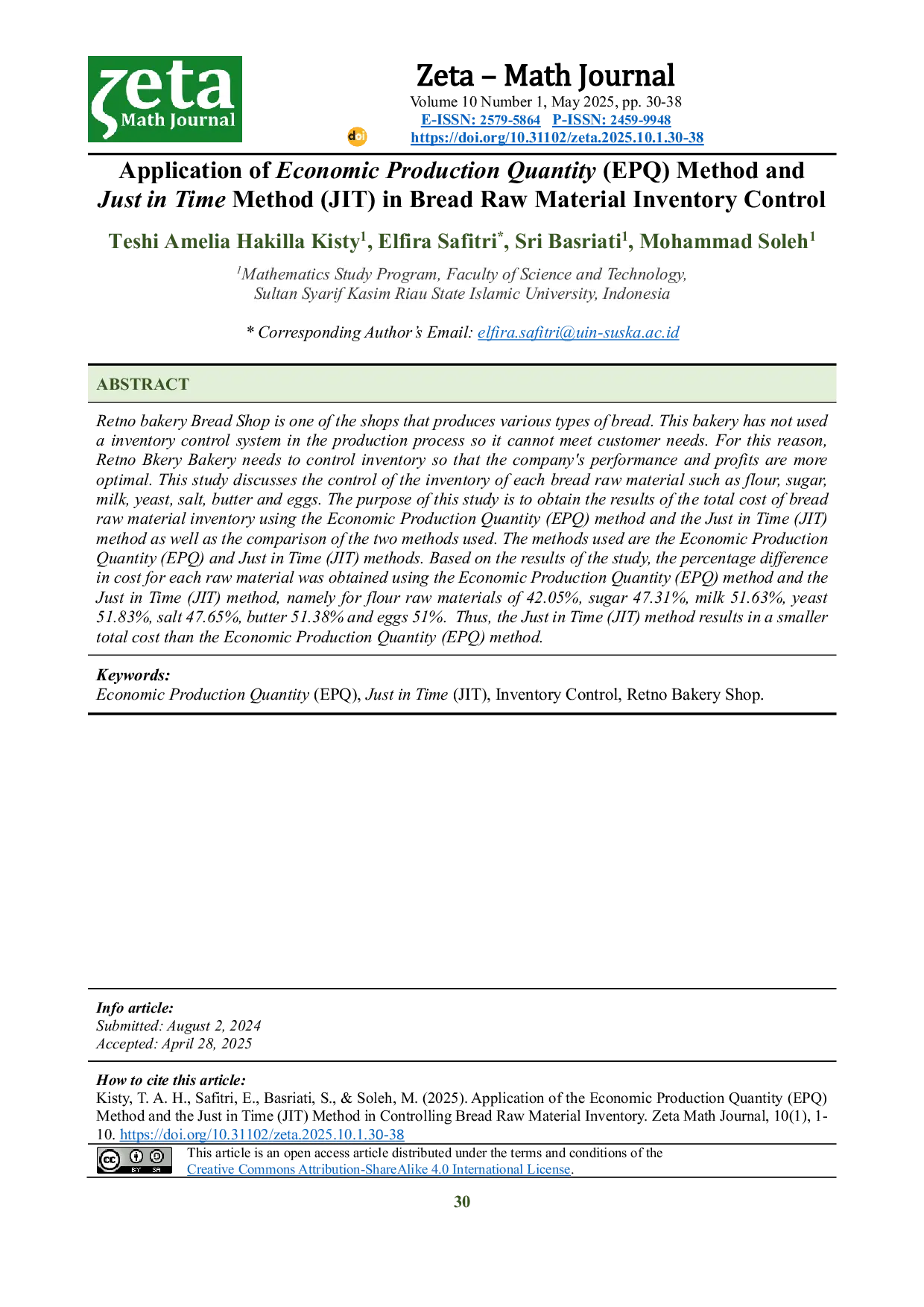
UIMUIM Penelitian ini membahas pengendalian persediaan bahan baku roti seperti tepung, gula, susu, ragi, garam, mentega, dan telur. Tujuan penelitian ini adalahPenelitian ini membahas pengendalian persediaan bahan baku roti seperti tepung, gula, susu, ragi, garam, mentega, dan telur. Tujuan penelitian ini adalah

ITENASITENAS Untuk memenuhi kebutuhan dari mahasiswa yang mengalami gangguan belajar spesifik dan atau mahasiswa yang didiagnosa dengan kebutuhan khusus serta yangUntuk memenuhi kebutuhan dari mahasiswa yang mengalami gangguan belajar spesifik dan atau mahasiswa yang didiagnosa dengan kebutuhan khusus serta yang

UIGMUIGM Tunas Lima Warna, masih belum secara optimal memahami keberadaan Kecamatan Menes terhadap zonasi gempa serta pemilihan jenis struktur pondasi di daerahTunas Lima Warna, masih belum secara optimal memahami keberadaan Kecamatan Menes terhadap zonasi gempa serta pemilihan jenis struktur pondasi di daerah

UIGMUIGM Stunting merupakan masalah gizi kronis yang memerlukan intervensi pada periode 1000 Hari Pertama Kehidupan (HPK) sebagai masa emas tumbuh kembang anak.Stunting merupakan masalah gizi kronis yang memerlukan intervensi pada periode 1000 Hari Pertama Kehidupan (HPK) sebagai masa emas tumbuh kembang anak.