STAIKUSTAIKU
Glosains: Jurnal Sains Global IndonesiaGlosains: Jurnal Sains Global IndonesiaKidney transplantation in Indonesia remains very low (below 3%), despite a growing dialysis population, with 127,900 active patients and 134,057 hemodialysis cases recorded in 2024. Although organ commercialization is legally prohibited, conceptual uncertainty persists in both positive law and Islamic legal perspectives regarding the juridical status of living donor kidneys, affecting regulatory certainty and ethical safeguards in transplantation practice. This study examines whether a kidney separated from a living donor may be classified as an object of property under Indonesian law and explores alternative legal constructions that better reflect human dignity. This research employs a mixed-methods socio-legal approach, integrating doctrinal analysis of Indonesian health legislation, civil law, and Islamic fatwas with 20 semi-structured interviews, observations, and policy document review at a national referral transplant hospital. Indonesian law, bioethical principles, and Maqāṣid al-Sharīʿah consistently reject organ commercialization. Transplantation is legitimate only when conducted voluntarily, for therapeutic purposes, and on a non-commercial basis. As Indonesian regulations neither define the legal status of living donor kidneys nor establish structured donor protection, living donor kidneys should be classified as a sui generis legal entity — neither property nor a transferable commodity, but a specially protected biological entity under public law.
This article proposes classifying the living donor kidney as a sui generis legal entity — situated outside the traditional property regime yet within a framework of legal, ethical, and religious protection — offering a coherent normative foundation for transplant regulation and stronger donor protection.The study highlights the need for legislative amendments to explicitly codify the sui generis status of living donor organs and strengthen donor protection mechanisms.Ultimately, recognizing living donor kidneys as sui generis entities is essential for constructing a dignity-centered biomedical legal order.
Penelitian lebih lanjut perlu dilakukan untuk mengeksplorasi bagaimana kerangka kerja sui generis dapat dioperasionalkan di berbagai konteks sosio-legal di Indonesia, melibatkan pembuat kebijakan, otoritas regulasi, dan lembaga peradilan. Studi komparatif diperlukan untuk mengevaluasi efektivitas regulasi dan perlindungan donor di berbagai negara dengan sistem hukum yang berbeda. Selain itu, penelitian perlu menyelidiki lebih lanjut dampak sosial dan budaya dari transplantasi organ, termasuk stigma yang terkait dengan donasi organ dan persepsi masyarakat tentang transplantasi, untuk meningkatkan kesadaran dan penerimaan publik terhadap donasi organ secara sukarela. Penelitian lanjutan juga dapat berfokus pada pengembangan protokol standar untuk skrining psikososial, verifikasi persetujuan independen, dan pemantauan pasca-donasi untuk memastikan perlindungan donor yang komprehensif dan mencegah potensi eksploitasi.
| File size | 5.27 MB |
| Pages | 14 |
| DMCA | Report |
Related /

STAIKUSTAIKU Risiko struktural seperti kepadatan, keterbatasan lahan, dan sejarah banjir dimitigasi melalui kepemimpinan inklusif, transparansi data berbasis teknologi,Risiko struktural seperti kepadatan, keterbatasan lahan, dan sejarah banjir dimitigasi melalui kepemimpinan inklusif, transparansi data berbasis teknologi,

IAISYAICHONAIAISYAICHONA Zakat bersifat ibadah individual serta dimensi sosial yang luas dalam membangun struktur ekonomi umat yang berkeadilan. Zakat dalam Islam memiliki peranZakat bersifat ibadah individual serta dimensi sosial yang luas dalam membangun struktur ekonomi umat yang berkeadilan. Zakat dalam Islam memiliki peran

IAISYAICHONAIAISYAICHONA Namun, ditemukan juga beberapa ketidaksesuaian dengan prinsip fikih, terutama dalam hal penentuan mustahik, akurasi perhitungan kadar zakat, dan frekuensiNamun, ditemukan juga beberapa ketidaksesuaian dengan prinsip fikih, terutama dalam hal penentuan mustahik, akurasi perhitungan kadar zakat, dan frekuensi

IAISYAICHONAIAISYAICHONA Zakat produktif merupakan bentuk distribusi zakat yang diarahkan pada pemberdayaan ekonomi mustahik, melalui pemberian modal usaha, pelatihan keterampilan,Zakat produktif merupakan bentuk distribusi zakat yang diarahkan pada pemberdayaan ekonomi mustahik, melalui pemberian modal usaha, pelatihan keterampilan,

UINFASBENGKULUUINFASBENGKULU Namun, beberapa tantangan seperti kurangnya pemahaman tentang zakat produktif, tanggung jawab pelaporan, dan keterbatasan dana masih menjadi kendala yangNamun, beberapa tantangan seperti kurangnya pemahaman tentang zakat produktif, tanggung jawab pelaporan, dan keterbatasan dana masih menjadi kendala yang

JURNALALKHAIRATJURNALALKHAIRAT Hasil penelitian menunjukkan bahwa program pendidikan LAZISMU, seperti Beasiswa Mentari, Beasiswa Sang Surya, dan School Kit, secara signifikan berkontribusiHasil penelitian menunjukkan bahwa program pendidikan LAZISMU, seperti Beasiswa Mentari, Beasiswa Sang Surya, dan School Kit, secara signifikan berkontribusi

STAIHWDURISTAIHWDURI Penelitian ini menggunakan metode penelitian kualitatif yang bersifat deskriftif analitis, teknik yang digunakan untuk mengumpulkan data ada tiga, yaituPenelitian ini menggunakan metode penelitian kualitatif yang bersifat deskriftif analitis, teknik yang digunakan untuk mengumpulkan data ada tiga, yaitu

UM SURABAYAUM SURABAYA Salah satu kontrak yang digunakan bank syariah dalam menyalurkan dana berupa pembiayaan adalah kontrak mudharabah, yaitu perjanjian bagi hasil dimana shahibulSalah satu kontrak yang digunakan bank syariah dalam menyalurkan dana berupa pembiayaan adalah kontrak mudharabah, yaitu perjanjian bagi hasil dimana shahibul
Useful /

UIN SUSKAUIN SUSKA Sampel yang digunakan dalam penelitian ini adalah pegawai Direktorat Sumber Daya Manusia dan Umum di kantor pusat Lembaga Penyiaran Publik Radio RepublikSampel yang digunakan dalam penelitian ini adalah pegawai Direktorat Sumber Daya Manusia dan Umum di kantor pusat Lembaga Penyiaran Publik Radio Republik

POLINEMAPOLINEMA Berdasarkan hasil pengujian hipotesis kali ini, dapat disimpulkan bahwa dua dari tiga variabel independen (dukungan atasan dan kejelasan tujuan) memilikiBerdasarkan hasil pengujian hipotesis kali ini, dapat disimpulkan bahwa dua dari tiga variabel independen (dukungan atasan dan kejelasan tujuan) memiliki
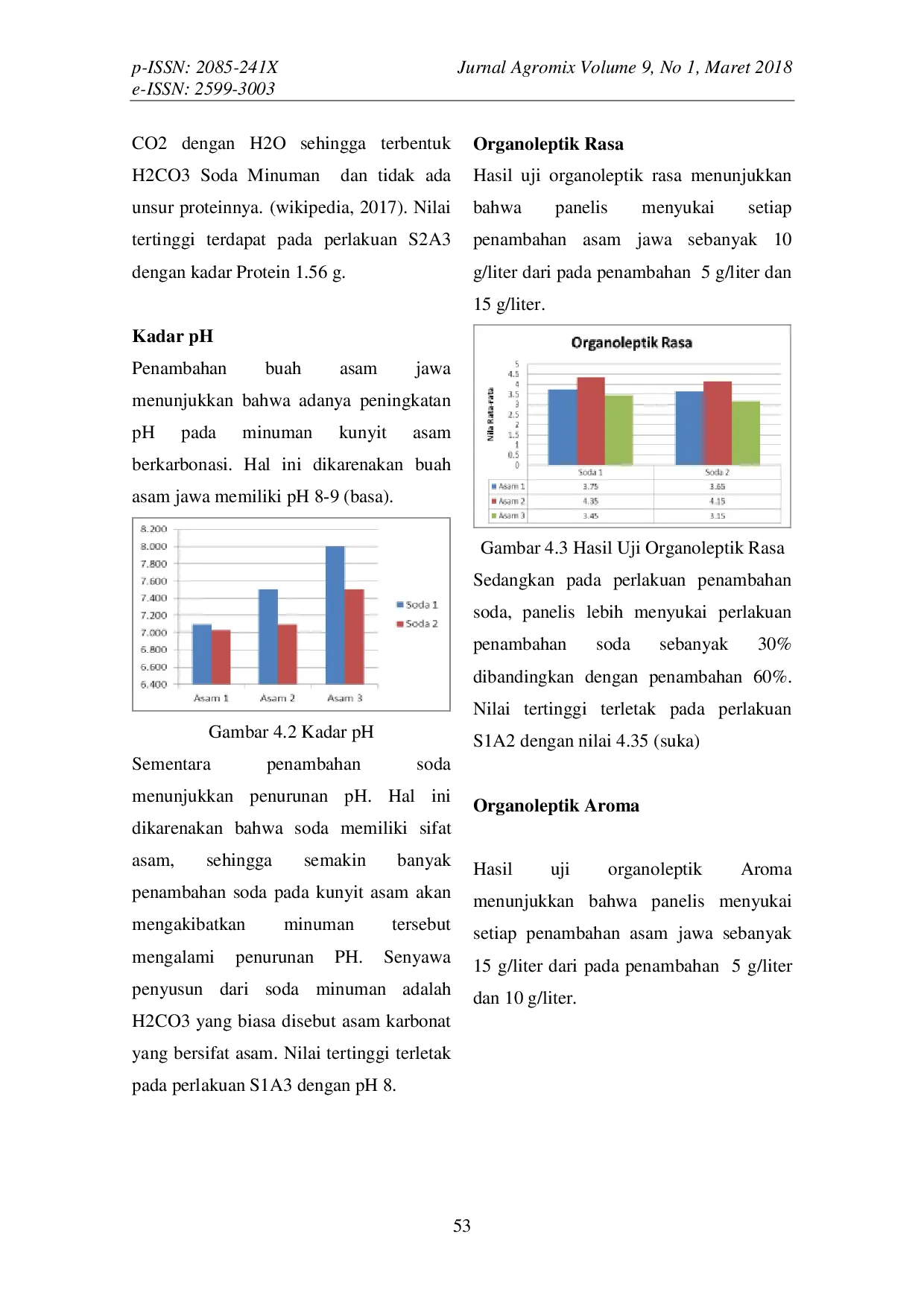
UYPUYP Kunyit asam merupakan minuman tradisional yang memiliki manfaat antioksidan, antimikroba, sumber protein, serta vitamin A. Penambahan carbonated (soda)Kunyit asam merupakan minuman tradisional yang memiliki manfaat antioksidan, antimikroba, sumber protein, serta vitamin A. Penambahan carbonated (soda)
UBHUBH Objek penelitian adalah novel Rindu karya Tere Liye ditinjau dari segi sosiologi sastra terkait realitas sosial. Instrumen penelitian adalah peneliti sendiri.Objek penelitian adalah novel Rindu karya Tere Liye ditinjau dari segi sosiologi sastra terkait realitas sosial. Instrumen penelitian adalah peneliti sendiri.