BAJANGJOURNALBAJANGJOURNAL
International Journal of Social ScienceInternational Journal of Social ScienceThe objective of this study is to identify, analyze, and explain the types of fintech technology, financial education and literacy, ease of access and use, fintech education programs, and access to financial services that have both direct and indirect effects on financial inclusion in Indonesia. This research employs a quantitative approach using the Partial Least Squares (PLS-SEM) model. The sampling technique used is purposive sampling based on specific predetermined criteria. The total number of respondents in this study is 697. The findings indicate that four variables fintech technology, financial education and literacy, ease of access and use, and fintech education programs have a positive and significant direct effect on access to financial services. Furthermore, five variables fintech technology, financial education and literacy, ease of access and use, fintech education programs, and access to financial services have a positive and significant direct effect on financial inclusion in Indonesia. Additionally, four variables fintech technology, financial education and literacy, ease of access and use, and fintech education programs have a positive and significant indirect effect on financial inclusion in Indonesia.
The level of the economy affects financial inclusion in Indonesia, as good economic conditions encourage increased access to financial services.The type of fintech technology has a direct, positive, and significant effect on financial inclusion in Indonesia, but is limited by access and understanding of the technology.Access to Financial Services has a direct effect on Financial Inclusion in Indonesia, and is crucial for utilizing available financial products and services.
Penelitian lebih lanjut dapat dilakukan untuk menginvestigasi bagaimana desain antarmuka aplikasi fintech dapat ditingkatkan untuk meningkatkan kemudahan penggunaan bagi masyarakat dengan tingkat literasi digital yang berbeda. Selain itu, perlu diteliti lebih dalam mengenai peran pemerintah dan lembaga keuangan dalam menyediakan infrastruktur dan akses internet yang merata, terutama di daerah-daerah terpencil, untuk mendukung inklusi keuangan digital. Terakhir, penelitian dapat difokuskan pada pengembangan program edukasi keuangan yang lebih efektif dan terarah, dengan mempertimbangkan karakteristik dan kebutuhan spesifik dari berbagai kelompok masyarakat, termasuk UMKM dan individu berpenghasilan rendah, untuk memastikan pemahaman yang komprehensif tentang manfaat dan risiko fintech.
- THE IMPLEMENTATION OF FINTECH IMPLEMENTATION ON FINANCIAL INCLUSION IN EAST KALIMANTAN, INDONESIA | International... doi.org/10.53625/ijss.v5i4.11891THE IMPLEMENTATION OF FINTECH IMPLEMENTATION ON FINANCIAL INCLUSION IN EAST KALIMANTAN INDONESIA International doi 10 53625 ijss v5i4 11891
- Smart Contract Blockchain Application Design Based on The Distribution of Product Return Transaction... ijair.id/index.php/ijair/article/view/263Smart Contract Blockchain Application Design Based on The Distribution of Product Return Transaction ijair index php ijair article view 263
| File size | 441.15 KB |
| Pages | 10 |
| DMCA | Report |
Related /
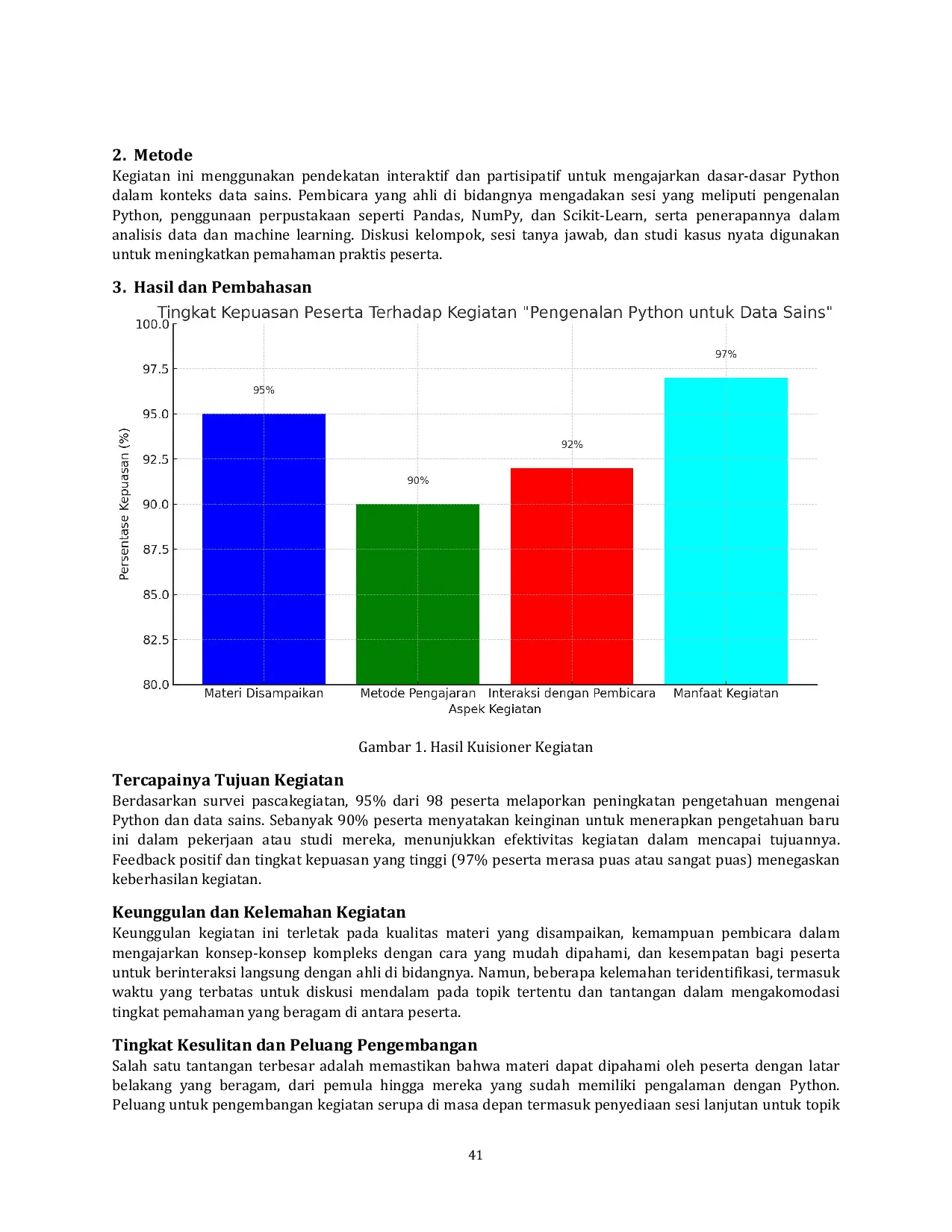
UBHINUSUBHINUS Dengan fokus pada metodologi pengajaran praktis melalui pembelajaran berbasis proyek dan studi kasus dunia nyata, paper ini menyoroti keberhasilan kegiatanDengan fokus pada metodologi pengajaran praktis melalui pembelajaran berbasis proyek dan studi kasus dunia nyata, paper ini menyoroti keberhasilan kegiatan
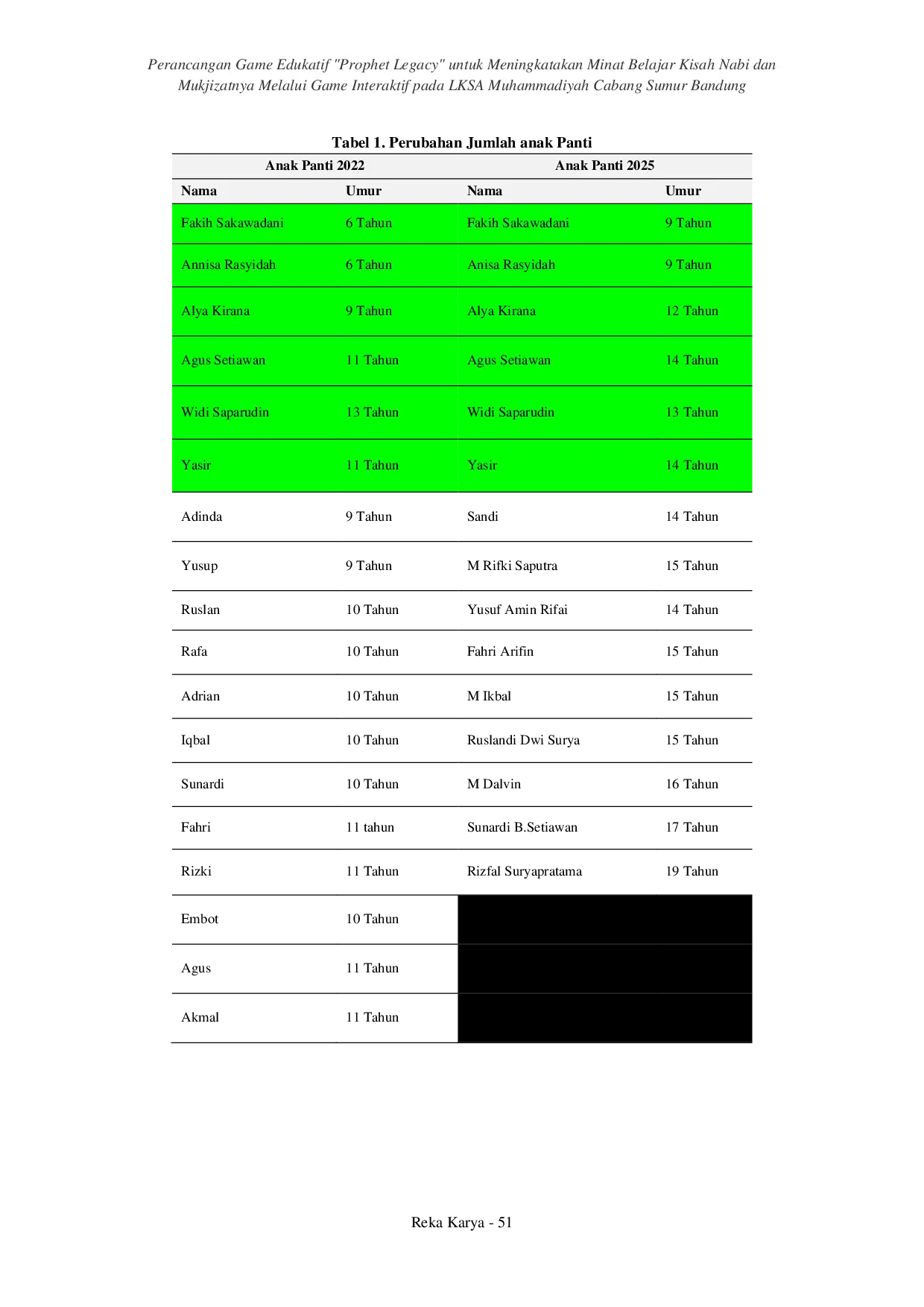
ITENASITENAS Media ini dirancang dengan pendekatan visual, audio, dan tantangan interaktif agar anak lebih tertarik belajar tentang kisah nabi. Metode yang digunakanMedia ini dirancang dengan pendekatan visual, audio, dan tantangan interaktif agar anak lebih tertarik belajar tentang kisah nabi. Metode yang digunakan

CAHAYA ICCAHAYA IC This study demonstrates that structured health professional-led education embedded within routine antenatal care significantly improves iron supplementThis study demonstrates that structured health professional-led education embedded within routine antenatal care significantly improves iron supplement

UNUSIDAUNUSIDA Akan tetapi, tugas dengan koordinasi motorik halus, seperti menyambung garis tepian, meneteskan obat, dan pengelompokan warna, menunjukkan perlunya instruksiAkan tetapi, tugas dengan koordinasi motorik halus, seperti menyambung garis tepian, meneteskan obat, dan pengelompokan warna, menunjukkan perlunya instruksi

LLILLI Kelemahan tersebut menimbulkan unsur gharar dan riba yang bertentangan dengan syariat. Oleh karena itu diperlukan peningkatan literasi ekonomi syariahKelemahan tersebut menimbulkan unsur gharar dan riba yang bertentangan dengan syariat. Oleh karena itu diperlukan peningkatan literasi ekonomi syariah

UMUM Penelitian ini menggunakan metode analisis data dari smartPLS. Hasil analisis menunjukkan bahwa faktor-faktor yang mempengaruhi keberhasilan pelaksanaanPenelitian ini menggunakan metode analisis data dari smartPLS. Hasil analisis menunjukkan bahwa faktor-faktor yang mempengaruhi keberhasilan pelaksanaan

UBUB Indikator atribut sensorik tidak berpengaruh terhadap pembelian impulsif. Secara simultan, indikator belanja daring dan e-wallet berpengaruh terhadap pembelianIndikator atribut sensorik tidak berpengaruh terhadap pembelian impulsif. Secara simultan, indikator belanja daring dan e-wallet berpengaruh terhadap pembelian

MAHADEWAMAHADEWA 567 which meant that the understanding of SMA/SMK mathematics teacher about the HOTS concept contributed 56. 7% to the ability of SMA/SMK mathematics teachers567 which meant that the understanding of SMA/SMK mathematics teacher about the HOTS concept contributed 56. 7% to the ability of SMA/SMK mathematics teachers
Useful /
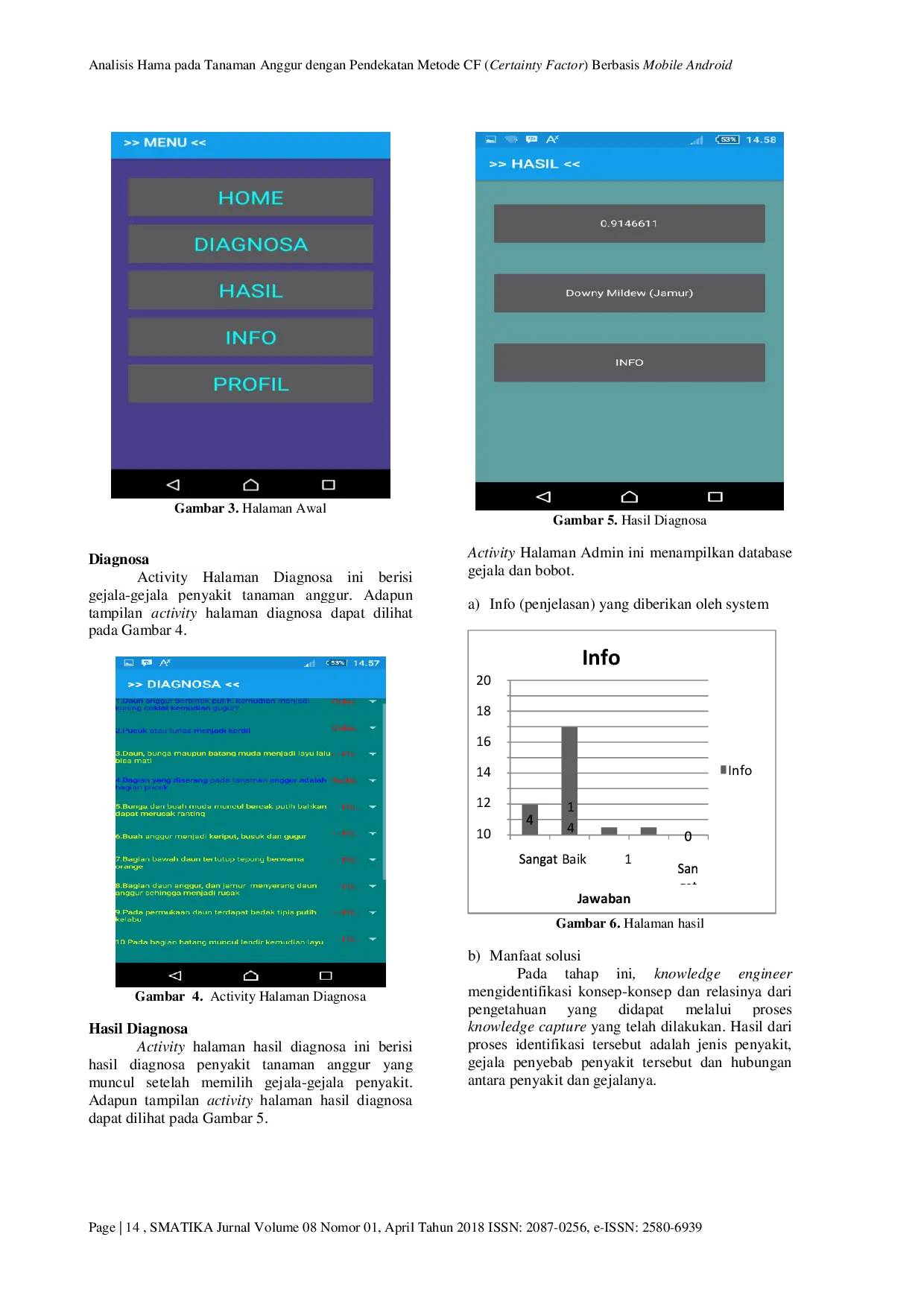
UBHINUSUBHINUS Setelah dilakukan uji coba maka Aplikasi sistem pakar diagnoasa penyakit pada tamaman Anggur dengan menggunakan metode foward chaining, maka dapat diambilSetelah dilakukan uji coba maka Aplikasi sistem pakar diagnoasa penyakit pada tamaman Anggur dengan menggunakan metode foward chaining, maka dapat diambil

UNIAUNIA Perkembangan sosial dan ekonomi yang pesat tidak selalu diimbangi dengan penguatan moral dan spiritual, sehingga muncul berbagai persoalan seperti menurunnyaPerkembangan sosial dan ekonomi yang pesat tidak selalu diimbangi dengan penguatan moral dan spiritual, sehingga muncul berbagai persoalan seperti menurunnya

UNIAUNIA Hasil pendampingan menunjukkan peningkatan pengetahuan siswa bahwa bullying bertentangan dengan nilai-nilai Islam dan harus dihindari. Pendampingan jugaHasil pendampingan menunjukkan peningkatan pengetahuan siswa bahwa bullying bertentangan dengan nilai-nilai Islam dan harus dihindari. Pendampingan juga

NEWINERANEWINERA 9%. One of the sub-districts in the city of Palu which has a high prevalence of stunting is Taipa Sub-District in the Mamboro Health Center area with 24.9%. One of the sub-districts in the city of Palu which has a high prevalence of stunting is Taipa Sub-District in the Mamboro Health Center area with 24.