UMPOUMPO
Muaddib : Studi Kependidikan dan KeislamanMuaddib : Studi Kependidikan dan KeislamanThis research examines the concept of soul education in Kimiya as-Saadah by Imam Al-Ghazali and explores its relevance to the growing phenomenon of burnout and existential emptiness among the modern generation. The study problem formulations: (1) how Al-Ghazali conceptualizes soul education in Kimiya as-Saadah, (2) how these concepts relate to contemporary issues of burnout and life emptiness, and (3) what implications they offer for the development of psychospiritual well-being today. Using a descriptive qualitative design and a library research approach, this study analyzes primary texts of Kimiya as-Saadah along with supporting secondary literature. The findings reveal that Al-Ghazalis framework emphasizes purification of the soul, control of desires, and the attainment of true happiness through the integration of knowledge, righteous action, and deep spiritual awareness. Beyond its normative values, this concept has practical significance in shaping character and strengthening mental health. In the contemporary context, Al-Ghazalis teachings remain highly relevant, offering inner balance and spiritually grounded solutions to burnout and existential emptiness. Thus, Kimiya as-Saadah contributes substantially to the development of soul education capable of addressing modern existential crises.
Al-Ghazali formulated a comprehensive system of self-cultivation, placing the inner dimension as the center of human transformation toward true happiness.Soul education is not only related to the purification of the intellect or the enhancement of intellectual capacity, but also encompasses the cleansing of the heart, the control of desires, and the strengthening of a spiritual relationship with God.Its relevance becomes especially evident when connected to the phenomena of burnout and existential emptiness experienced by the modern generation.
Based on Al-Ghazalis framework, future research could explore the development of structured soul education programs tailored for modern youth, integrating elements of mindfulness, self-reflection, and spiritual practice into existing mental health interventions. Furthermore, studies could investigate the neurobiological effects of consistent spiritual practices, such as dhikr and tafakkur, on reducing stress and enhancing emotional regulation, potentially bridging the gap between Islamic spirituality and contemporary neuroscience. Finally, research is needed to examine how Al-Ghazalis concept of tazkiyatun nafs (purification of the soul) can be applied to address the ethical challenges posed by digital technology and social media, fostering a more mindful and balanced relationship with the virtual world, and promoting a sense of purpose beyond material consumption. These research directions, building upon the foundations laid by Kimiya as-Saadah, could contribute to a more holistic understanding of well-being and offer practical solutions for navigating the complexities of modern life.
- KONSEP KEBAHAGIAAN MENURUT AL-GHAZALI DALAM KIMIYA AS-SA’ADAH DAN RELEVANSINYA TERHADAP RUMAH TANGGA... doi.org/10.19109/el-fikr.v2i2.10837KONSEP KEBAHAGIAAN MENURUT AL GHAZALI DALAM KIMIYA AS SAAoADAH DAN RELEVANSINYA TERHADAP RUMAH TANGGA doi 10 19109 el fikr v2i2 10837
- Al-Ghozali and Hasan Al BashriÔÇÖs Concept of Happiness to Improve Psychological Well... doi.org/10.31958/jeh.v8i2.8528Al Ghozali and Hasan Al BashriyiyNyns Concept of Happiness to Improve Psychological Well doi 10 31958 jeh v8i2 8528
| File size | 756.08 KB |
| Pages | 10 |
| DMCA | Report |
Related /
DINAMIKADINAMIKA Pelatihan sistem memungkinkan pejabat desa mengelola data penduduk dan menghasilkan dokumen administratif secara otomatis. Aplikasi ini juga mengintegrasikanPelatihan sistem memungkinkan pejabat desa mengelola data penduduk dan menghasilkan dokumen administratif secara otomatis. Aplikasi ini juga mengintegrasikan

STT KADESISTT KADESI This approach has proven effective in developing the potential of high school students cognitively (critical and reflective thinking), physically (activeThis approach has proven effective in developing the potential of high school students cognitively (critical and reflective thinking), physically (active
JURNALDIALEKTIKAJURNALDIALEKTIKA Using a holistic and participatory approach, this research is expected to serve as a reference for heritage tourism managers and local governments in developingUsing a holistic and participatory approach, this research is expected to serve as a reference for heritage tourism managers and local governments in developing

STIE PENASTIE PENA Ekonomi Indonesia sangat bergantung pada pertumbuhan Usaha Mikro, Kecil, dan Menengah (UMKM), khususnya UMKM kuliner yang memainkan peran penting dalamEkonomi Indonesia sangat bergantung pada pertumbuhan Usaha Mikro, Kecil, dan Menengah (UMKM), khususnya UMKM kuliner yang memainkan peran penting dalam

UNUDUNUD Tourism villages contribute significantly to Balis economic development by promoting rural entrepreneurship. However, the sector faces challenges suchTourism villages contribute significantly to Balis economic development by promoting rural entrepreneurship. However, the sector faces challenges such
PROSPECTPUBLISHINGPROSPECTPUBLISHING Fokus pada perubahan perilaku pemilahan sampah, khususnya di kalangan generasi muda, perlu didukung dengan media digital seperti video pendek yang melibatkanFokus pada perubahan perilaku pemilahan sampah, khususnya di kalangan generasi muda, perlu didukung dengan media digital seperti video pendek yang melibatkan

PSPPJOURNALSPSPPJOURNALS Secara keseluruhan, temuan penelitian ini memberikan panduan penting bagi organisasi yang menjalani transformasi digital dan menekankan pentingnya berinvestasiSecara keseluruhan, temuan penelitian ini memberikan panduan penting bagi organisasi yang menjalani transformasi digital dan menekankan pentingnya berinvestasi

PSPPJOURNALSPSPPJOURNALS Penelitian ini memberikan wawasan berharga bagi pembuat kebijakan, lembaga internasional, dan lembaga pemerintah, dan akan mendukung upaya-upaya masa depanPenelitian ini memberikan wawasan berharga bagi pembuat kebijakan, lembaga internasional, dan lembaga pemerintah, dan akan mendukung upaya-upaya masa depan
Useful /
ASIANPUBLISHERASIANPUBLISHER Kekurangan kepemimpinan transformatif, budaya organisasi lemah, minim penghargaan, dan tidak adanya sistem manajemen berbasis nilai menyebabkan disorientasiKekurangan kepemimpinan transformatif, budaya organisasi lemah, minim penghargaan, dan tidak adanya sistem manajemen berbasis nilai menyebabkan disorientasi

UNUDUNUD Penelitian ini juga akan menggunakan analisis kualitatif untuk mengeksaminasi karakteristik budaya dari ketahanan bisnis akomodasi di Bali. BerdasarkanPenelitian ini juga akan menggunakan analisis kualitatif untuk mengeksaminasi karakteristik budaya dari ketahanan bisnis akomodasi di Bali. Berdasarkan
UNUDUNUD Temuan penelitian memperkaya pemahaman konseptual tentang quantum tourism dengan menonjolkan teknologi kuantum dan peran sentral energi spiritual Bali,Temuan penelitian memperkaya pemahaman konseptual tentang quantum tourism dengan menonjolkan teknologi kuantum dan peran sentral energi spiritual Bali,
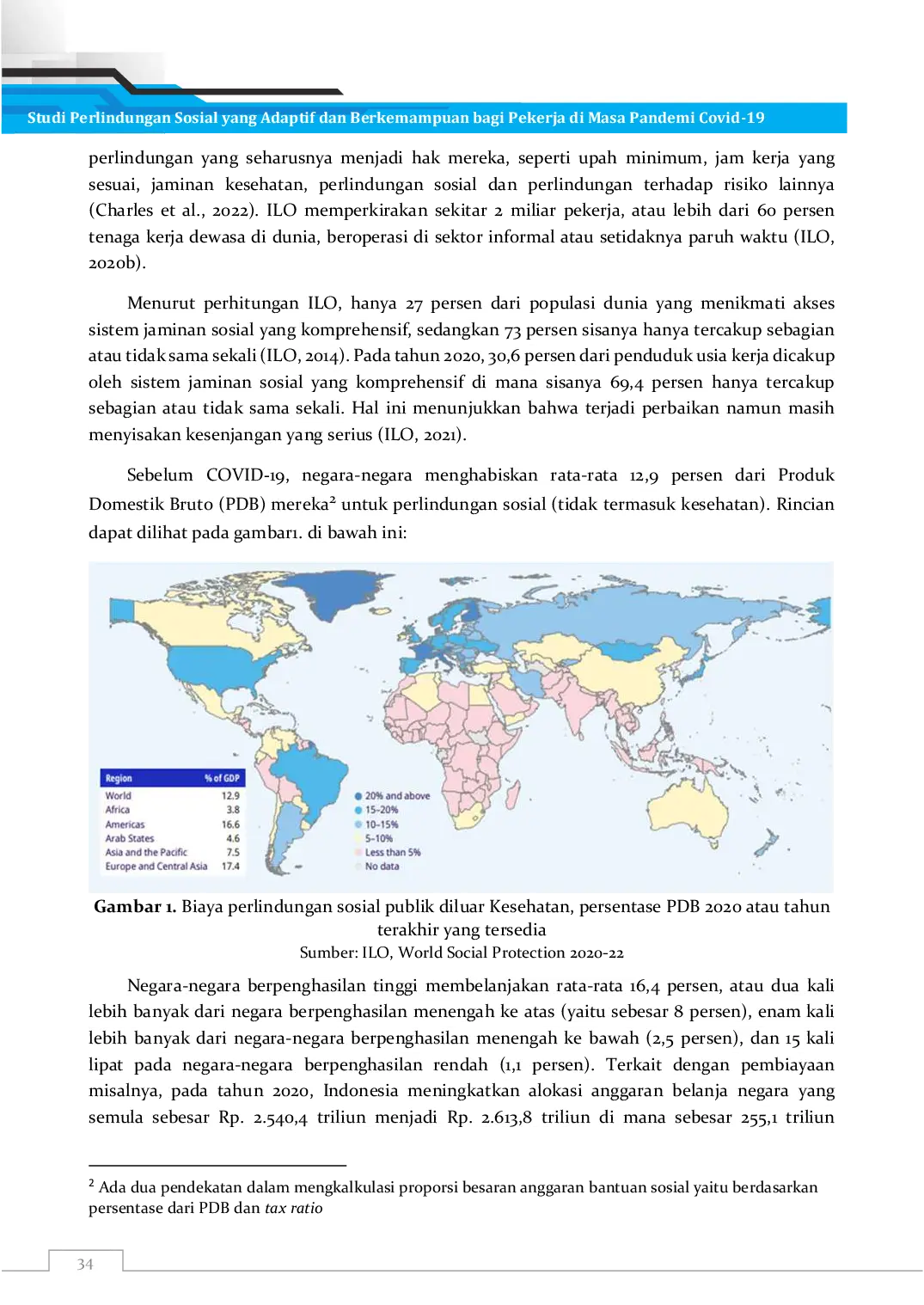
KEMNAKERKEMNAKER Untuk mengantisipasi permasalahan ini, dibutuhkan sebuah kebijakan perlindungan sosial yang adaptif dari berbagai bentuk krisis dan tentunya berkemampuanUntuk mengantisipasi permasalahan ini, dibutuhkan sebuah kebijakan perlindungan sosial yang adaptif dari berbagai bentuk krisis dan tentunya berkemampuan