JRTPPIJRTPPI
Jurnal Riset Teknologi Pencegahan Pencemaran IndustriJurnal Riset Teknologi Pencegahan Pencemaran IndustriThis study aims to analyze the actual irrigation water losses in the Jimat Irrigation Area, identify the factors causing irrigation water losses, and determine effective strategies to reduce water losses in the area. One of the important irrigation areas in this region is the Jimat Irrigation Area, which supplies water to 110 hectares of agricultural land. However, the effectiveness of water distribution is often hampered by significant water losses. The research methods used are descriptive evaluative and quantitative descriptive analysis. The descriptive evaluative method describes a study that evaluates the actual conditions of the study object. Meanwhile, the quantitative descriptive analysis method aims to accurately describe the characteristics of the study object. Based on the analysis and calculations, the Jimat Irrigation Area requires an actual irrigation water supply of 0.812 m³/second to serve its four tertiary canals, with the highest allocation going to Tertiary Channel 2 (0.465 m³/second) and the lowest to Tertiary Channel 4 (0.084 m³/second). However, only 54% of the initial discharge of the primary canal (1.702 m³/second at the Upstream Intake) actually reaches the agricultural land. A total of 46% of the water (0.686 m³/second) is lost along the primary network, with seepage accounting for 99.94% of the water loss, particularly in critical sections such as Primary Channel V, which lost 59% of its discharge. Meanwhile, the contribution of evaporation is minimal (0.06%) due to the limited water surface area and low daily evaporation rate (2.76 mm/day).
The study concludes that the Jimat Irrigation Area requires a continuous water supply of 0.812 m³/second, but significant water losses, primarily due to seepage (99.These losses are particularly pronounced in Primary Channel V, where 59% of the discharge is lost.Therefore, interventions such as impermeable linings, crack repairs, and improved institutional control are crucial to restore reliable water distribution and enhance agricultural productivity.
Further research should investigate the long-term effectiveness of different impermeable lining materials in reducing seepage rates under varying soil conditions and climatic factors within the Jimat Irrigation Area. Additionally, a comprehensive socio-economic study is needed to assess farmers willingness to adopt and maintain water-saving technologies, and to design effective incentive programs that promote sustainable irrigation practices. Finally, exploring the integration of real-time monitoring systems, such as IoT-based sensors, with predictive modeling techniques could enable proactive water management strategies, optimizing water allocation based on forecasted demand and minimizing losses through automated control of irrigation infrastructure, ultimately enhancing the resilience of the agricultural sector in Wonosobo Regency to future water scarcity challenges.
| File size | 390.2 KB |
| Pages | 8 |
| DMCA | Report |
Related /

JRTPPIJRTPPI Fungsionalnya, mobilitas meningkat drastis, tetapi dampak ekonomi pada Usaha Mikro, Kecil, dan Menengah (UKM) bervariasi. Studi ini mendukung Teori PoleFungsionalnya, mobilitas meningkat drastis, tetapi dampak ekonomi pada Usaha Mikro, Kecil, dan Menengah (UKM) bervariasi. Studi ini mendukung Teori Pole

JRTPPIJRTPPI This research emphasizes the importance of optimizing factors like media composition, flow rates, and microbial consortia to improve biofiltration efficiencyThis research emphasizes the importance of optimizing factors like media composition, flow rates, and microbial consortia to improve biofiltration efficiency

PDGIPDGI Metode pengumpulan saliva dilakukan dengan metode spitting. Hasil: Hasil penelitian pada mahasiswa Fakultas Teknik Universitas Syiah Kuala menunjukkanMetode pengumpulan saliva dilakukan dengan metode spitting. Hasil: Hasil penelitian pada mahasiswa Fakultas Teknik Universitas Syiah Kuala menunjukkan
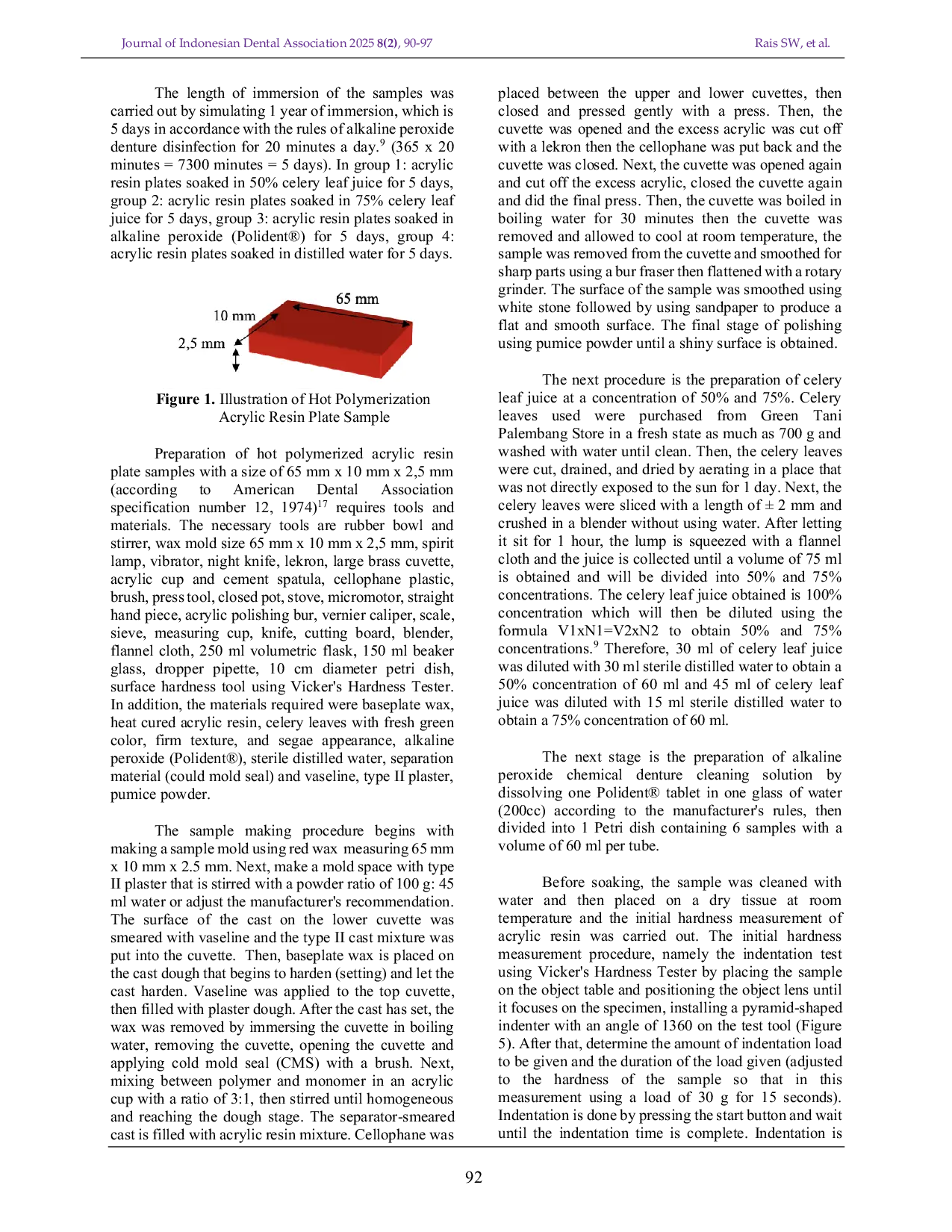
PDGIPDGI Penelitian ini menunjukkan bahwa konsentrasi 50% perasan daun celery memberikan penurunan kekerasan yang lebih kecil dibandingkan konsentrasi 75% dan kelompokPenelitian ini menunjukkan bahwa konsentrasi 50% perasan daun celery memberikan penurunan kekerasan yang lebih kecil dibandingkan konsentrasi 75% dan kelompok
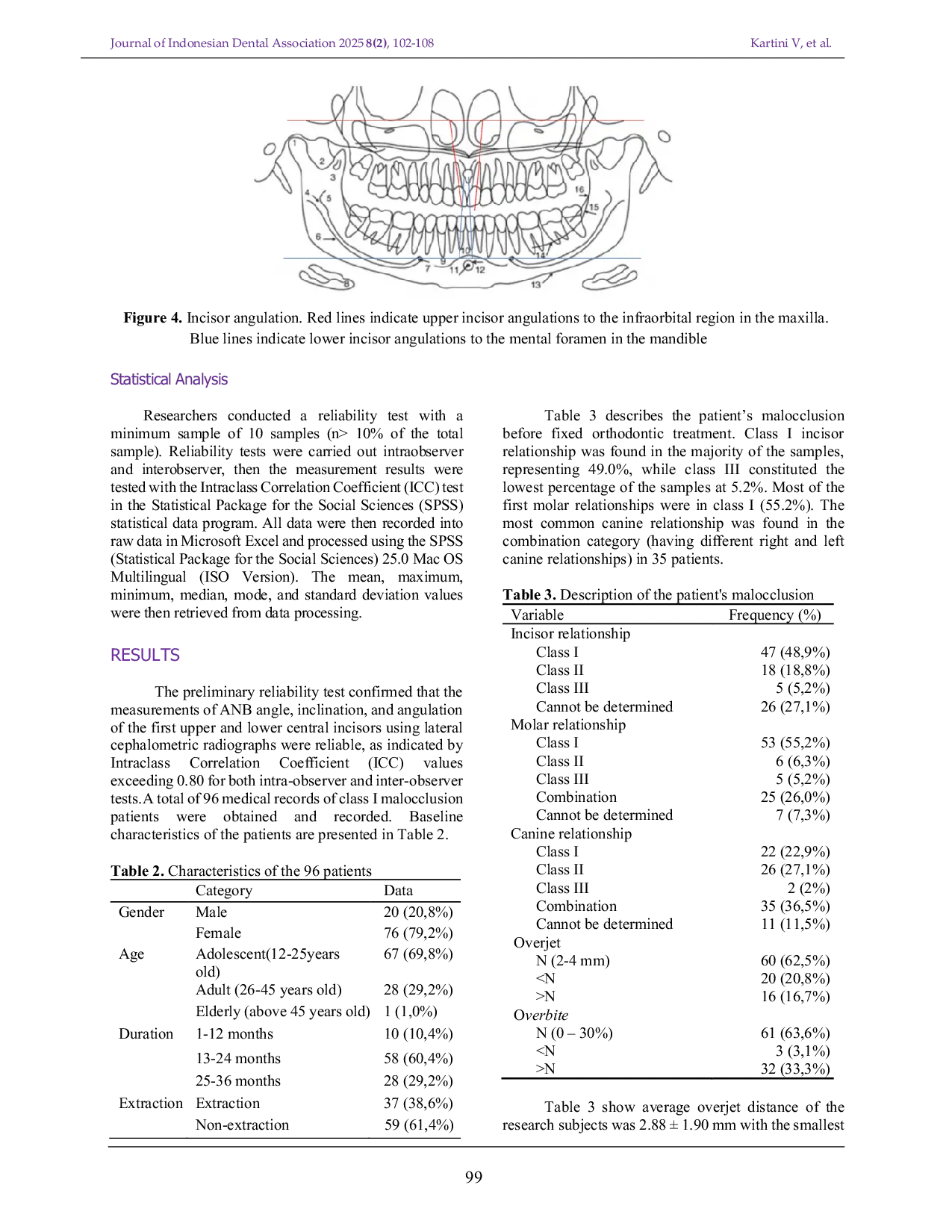
PDGIPDGI Namun, bukti terbatas tentang posisi insisivus pasca-perawatan pada pasien maloklusi skeletal kelas I dalam populasi Indonesia. Penelitian ini bertujuanNamun, bukti terbatas tentang posisi insisivus pasca-perawatan pada pasien maloklusi skeletal kelas I dalam populasi Indonesia. Penelitian ini bertujuan

JURNALEQUIVALENTJURNALEQUIVALENT 0, yang menerapkan persamaan Penman-Monteith dan mengikuti pedoman FAO untuk curah hujan efektif dan koefisien tanaman, cenderung menghasilkan persyaratan0, yang menerapkan persamaan Penman-Monteith dan mengikuti pedoman FAO untuk curah hujan efektif dan koefisien tanaman, cenderung menghasilkan persyaratan
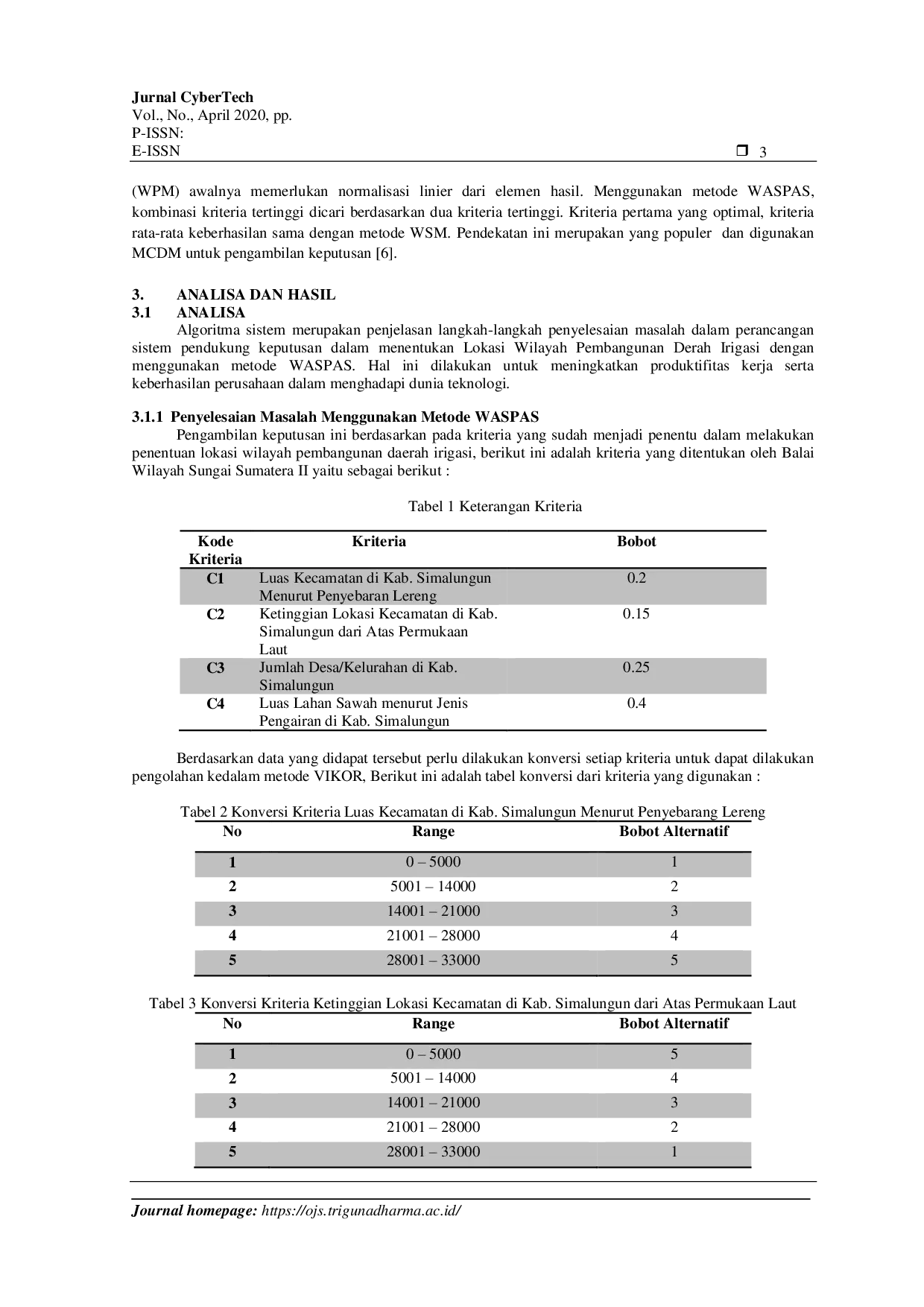
TRI GUNA DHARMATRI GUNA DHARMA Four criteria are used in this research, namely district area, district altitude above sea level, number of villages/sub-districts, and area of rice fields.Four criteria are used in this research, namely district area, district altitude above sea level, number of villages/sub-districts, and area of rice fields.
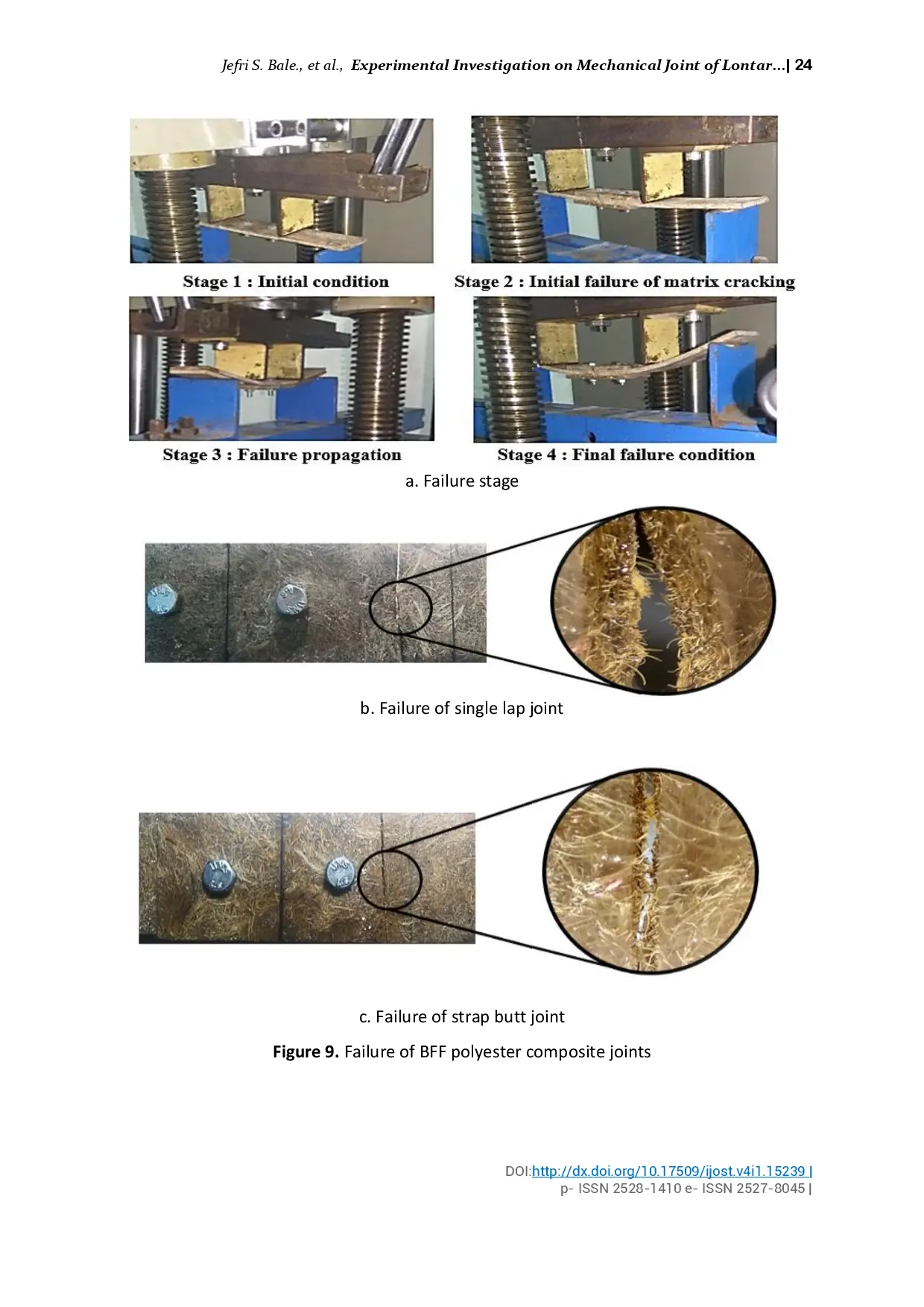
UPIUPI Pecahnya serat dan patahnya matriks ditemukan sebagai kegagalan terakhir pada kedua jenis gabungan, dimulai dengan retakan matriks dan lepasnya ikatanPecahnya serat dan patahnya matriks ditemukan sebagai kegagalan terakhir pada kedua jenis gabungan, dimulai dengan retakan matriks dan lepasnya ikatan
Useful /

STIKES MAJAPAHITSTIKES MAJAPAHIT Jenis Penelitian kuantitatif menggunakan metode analitik observasional dengan pendekatan cross sectional. Populasinya seluruh ibu balita (usia 12-59 bulan)Jenis Penelitian kuantitatif menggunakan metode analitik observasional dengan pendekatan cross sectional. Populasinya seluruh ibu balita (usia 12-59 bulan)
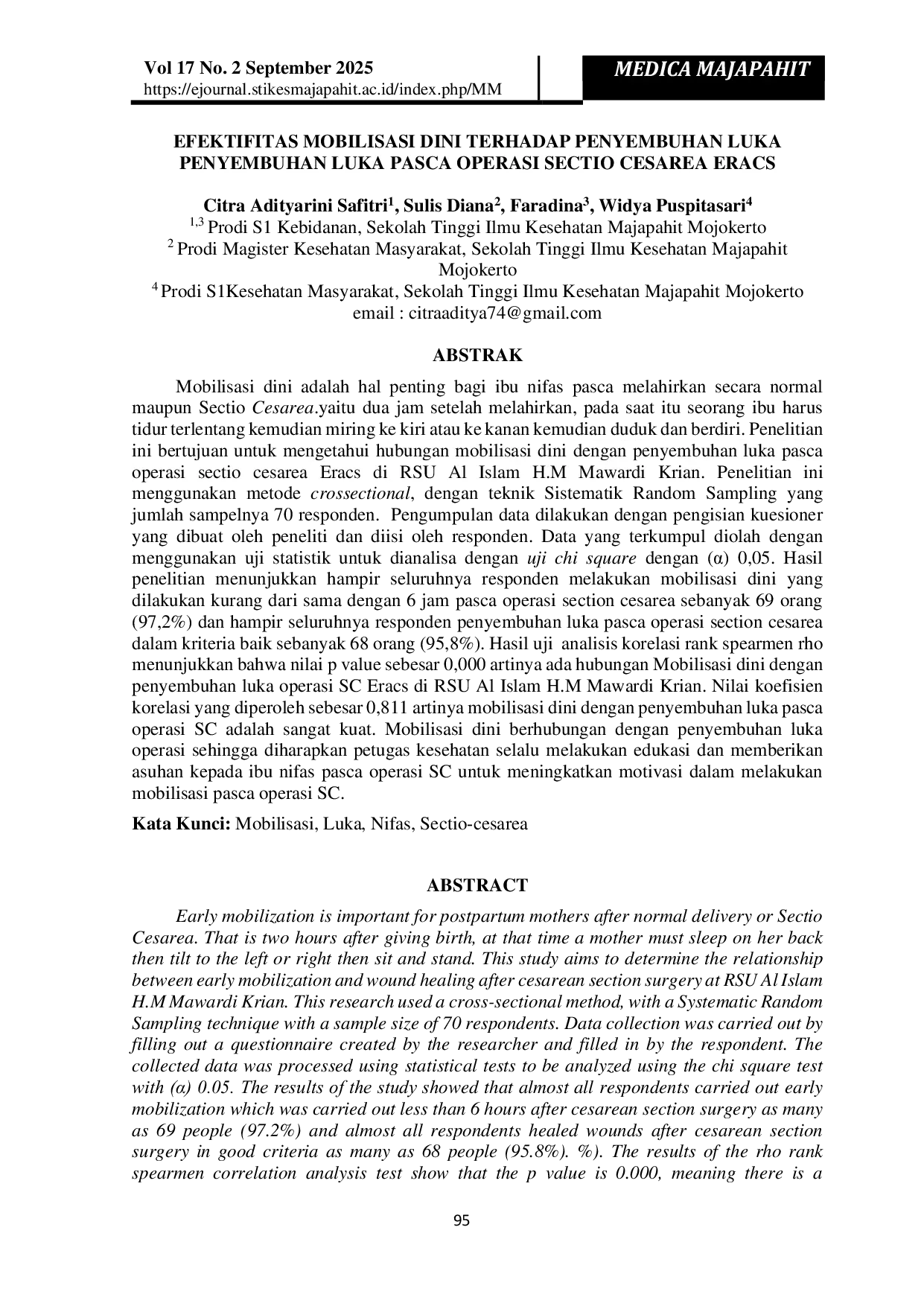
STIKES MAJAPAHITSTIKES MAJAPAHIT Berdasarkan hasil tersebut, kemampuan mobilisasi ibu dan Sectio Cesarea metode ERACS dapat mempercepat mobilisasi ibu dalam 2, 4, dan 6 jam pasca sectioBerdasarkan hasil tersebut, kemampuan mobilisasi ibu dan Sectio Cesarea metode ERACS dapat mempercepat mobilisasi ibu dalam 2, 4, dan 6 jam pasca sectio

PRINPRIN Guru yang terlibat dan relevan dalam praktik pengajaran mereka dapat meningkatkan motivasi dan hasil belajar siswa. Kolaborasi antara institusi pendidikanGuru yang terlibat dan relevan dalam praktik pengajaran mereka dapat meningkatkan motivasi dan hasil belajar siswa. Kolaborasi antara institusi pendidikan
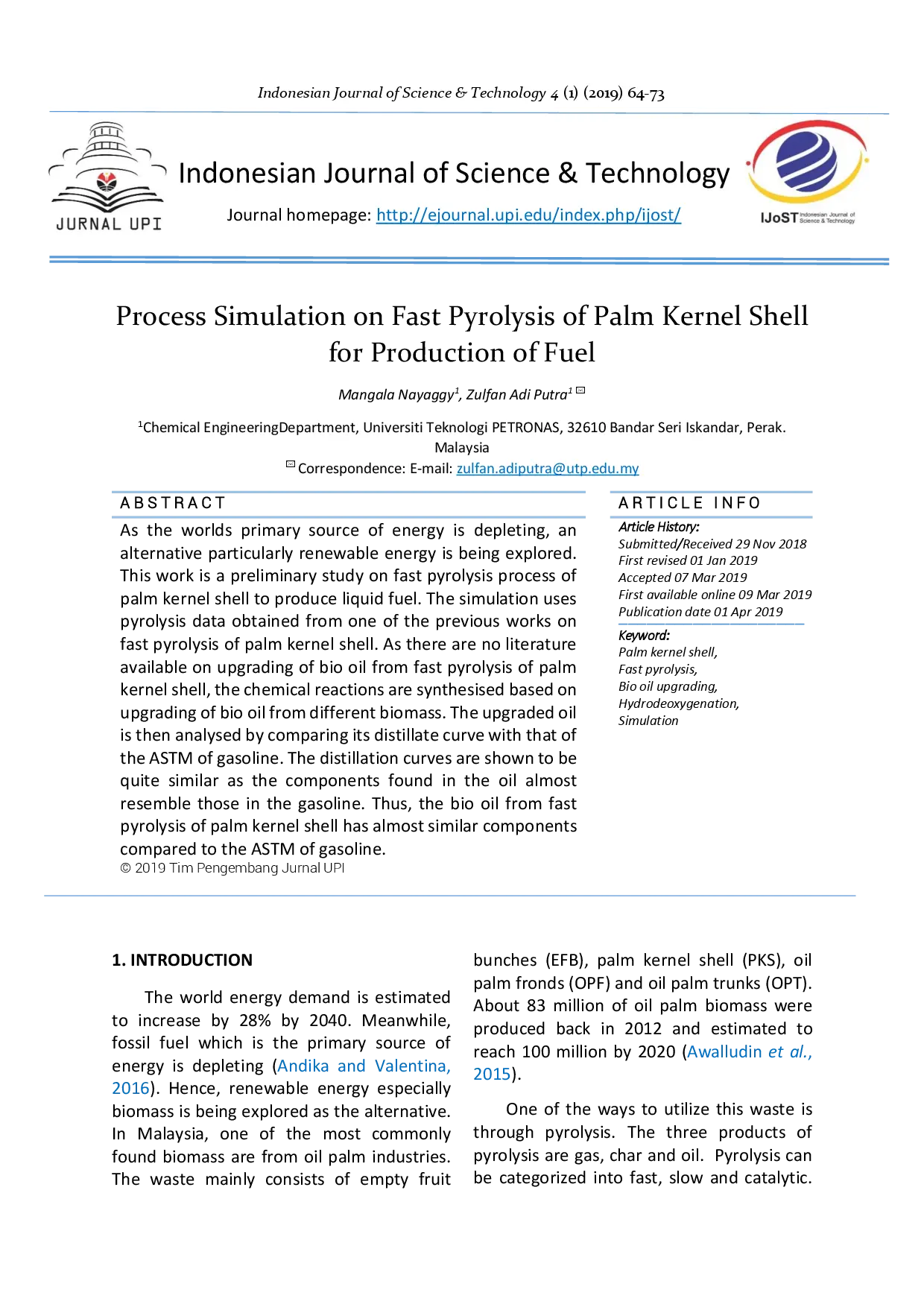
UPIUPI Studi ini mensimulasikan proses pirolisis cepat cangkang kernel kelapa sawit termasuk peningkatan minyak bio yang dihasilkan menggunakan metode hidrodeoksigenasi.Studi ini mensimulasikan proses pirolisis cepat cangkang kernel kelapa sawit termasuk peningkatan minyak bio yang dihasilkan menggunakan metode hidrodeoksigenasi.