CENDIKIAJENIUS INDCENDIKIAJENIUS IND
Journal of Applied Holistic Nursing ScienceJournal of Applied Holistic Nursing ScienceOvarian cancer poses a significant global health challenge, affecting over 239,000 annually and causing 150,000 deaths, the overall survival rate is 45.6%. Variability in survival rates across different stages necessitates a detailed understanding of contributing factors. This review explores recent research to illuminate crucial aspects influencing epithelial ovarian cancer (EOC) patient outcomes. A protocol registered in PROSPERO guided this systematic review, focusing on cohort studies examining prognostic factors for EOC mortality. Evaluation of 66,191 samples from 16 cohort studies identified several key prognostic factors for mortality in epithelial ovarian cancer (EOC). Advanced FIGO stage (III-IV) and high-grade serous histology were significant predictors of higher mortality, with stage III-IV showing a risk ratio of 3.62. Older age, greater inflammation, and bilateral tumors also increased mortality risk. Reduced physical activity and rural living, as well as treatment-related factors such as perioperative red blood cell transfusion, were associated with poorer survival outcomes. Key prognostic factors for mortality in EOC patients include advanced cancer stage, high-grade serous histology, older age, inflammation, and bilateral tumors. Treatment factors such as perioperative transfusion and neoadjuvant chemotherapy intensity also play a critical role.
These findings highlight the need for personalized treatment strategies based on these factors to improve survival outcomes for EOC patients.Penelitian lebih lanjut diperlukan untuk menyempurnakan faktor-faktor prognostik ini dan mengoptimalkan intervensi terapeutik untuk pengelolaan pasien yang lebih baik.Pemahaman yang lebih baik tentang faktor-faktor yang memengaruhi kelangsungan hidup pasien EOC sangat penting untuk meningkatkan hasil pengobatan dan kualitas hidup pasien.
Berdasarkan temuan ini, beberapa saran penelitian lanjutan dapat diajukan. Pertama, penelitian prospektif yang lebih besar diperlukan untuk menginvestigasi hubungan antara faktor gaya hidup, seperti aktivitas fisik dan pola makan, dengan risiko mortalitas pada pasien EOC. Kedua, penelitian lebih lanjut dapat difokuskan pada identifikasi biomarker baru yang dapat memprediksi respons terhadap terapi dan membantu dalam personalisasi pengobatan. Ketiga, studi klinis yang mengevaluasi efektivitas intervensi berbasis populasi, seperti program skrining dan edukasi, dalam meningkatkan deteksi dini dan hasil pengobatan pada pasien EOC sangat penting. Dengan menggabungkan penelitian ini, kita dapat lebih memahami kompleksitas EOC dan mengembangkan strategi yang lebih efektif untuk meningkatkan kelangsungan hidup dan kualitas hidup pasien.
- Ovarian cancer in the world: epidemiology and risk factors | IJWH. ovarian cancer world epidemiology... dovepress.com/ovarian-cancer-in-the-world-epidemiology-and-risk-factors-peer-reviewed-fulltext-article-IJWHOvarian cancer in the world epidemiology and risk factors IJWH ovarian cancer world epidemiology dovepress ovarian cancer in the world epidemiology and risk factors peer reviewed fulltext article IJWH
- Prognostic Factors Influencing Survival in Ovarian Cancer Patients: A 10-Year Retrospective Study. prognostic... mdpi.com/2072-6694/15/24/5710Prognostic Factors Influencing Survival in Ovarian Cancer Patients A 10 Year Retrospective Study prognostic mdpi 2072 6694 15 24 5710
| File size | 208.01 KB |
| Pages | 11 |
| DMCA | Report |
Related /
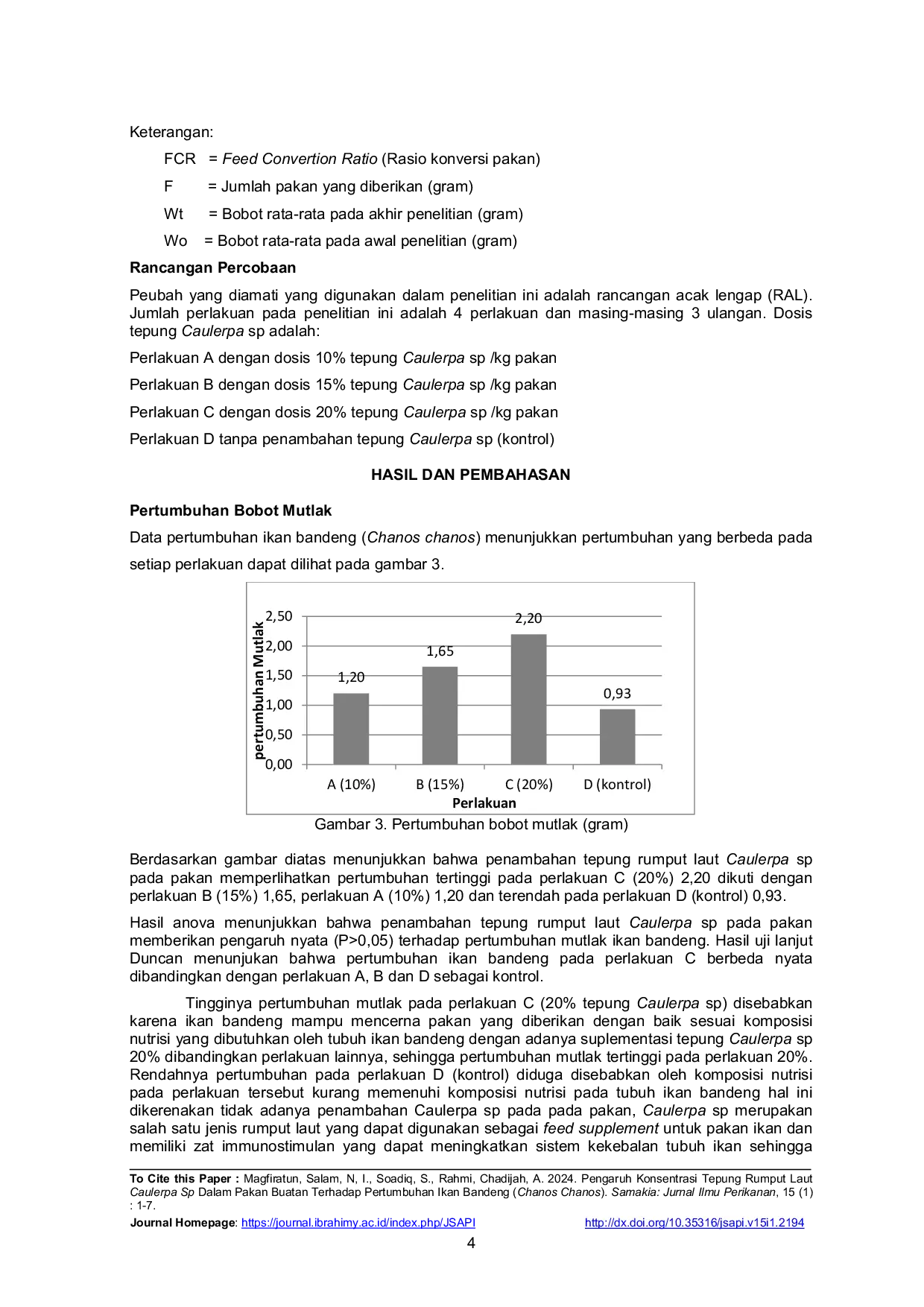
IBRAHIMYIBRAHIMY 15% Caulerpa sp, C. 20% Caulerpa sp, dan D (Kontrol). Masing-masing perlakuan di uji dengan 3 kali ulangan. Dari hasil penelitian ini menunjukkan bahwa15% Caulerpa sp, C. 20% Caulerpa sp, dan D (Kontrol). Masing-masing perlakuan di uji dengan 3 kali ulangan. Dari hasil penelitian ini menunjukkan bahwa

IBRAHIMYIBRAHIMY Nilai indeks keanekaragaman jenis makro alga (H) sebesar 1,587907 dan berada pada kategori sedang (1 ≤ H ≤ 3). Nilai indeks keseragaman jenis makroNilai indeks keanekaragaman jenis makro alga (H) sebesar 1,587907 dan berada pada kategori sedang (1 ≤ H ≤ 3). Nilai indeks keseragaman jenis makro
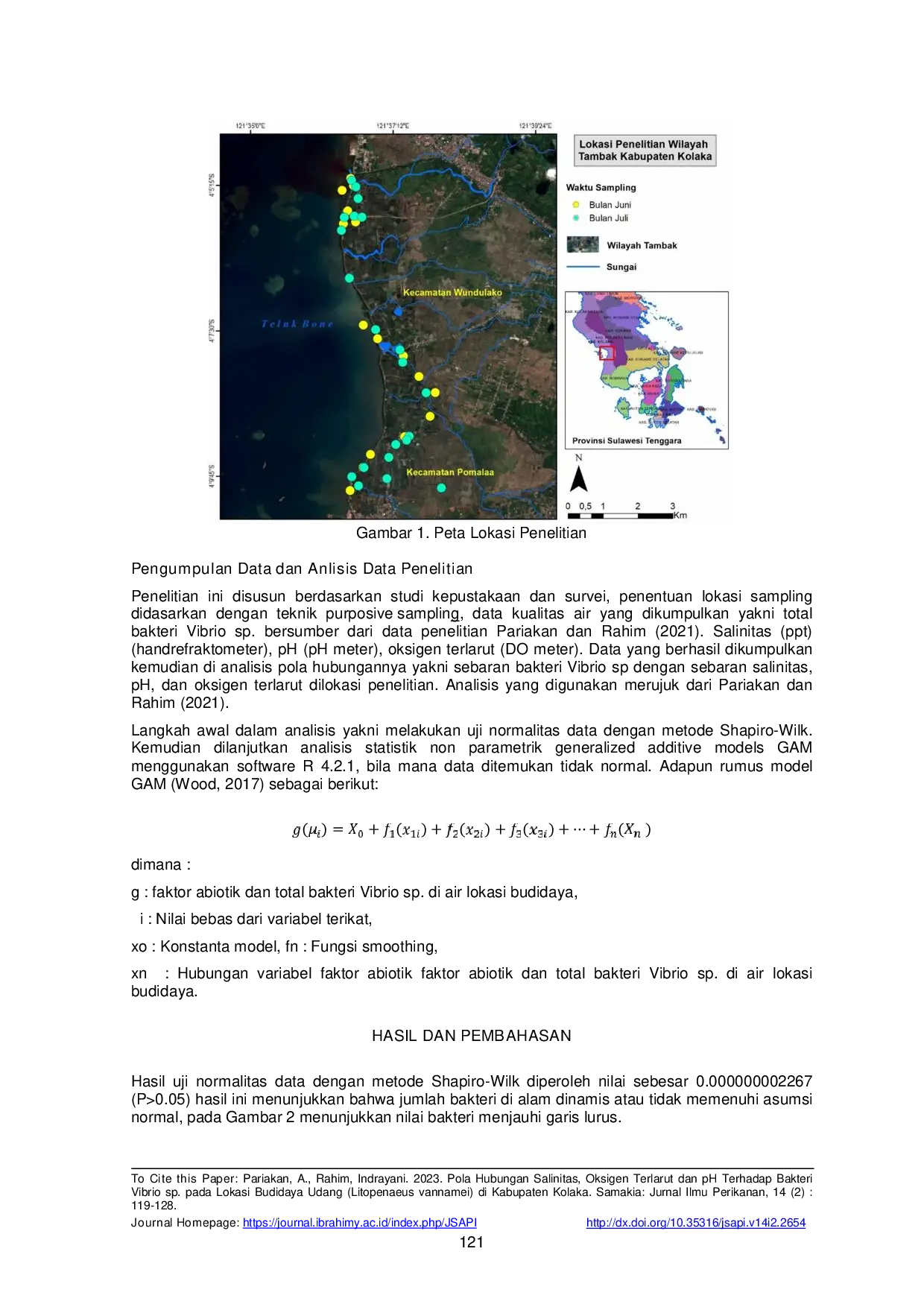
IBRAHIMYIBRAHIMY Penelitian ini bertujuan menganalisis hubungan dan sebaran variabel salinitas, oksigen terlarut, dan pH terhadap sebaran bakteri Vibrio sp. Hasil menunjukkanPenelitian ini bertujuan menganalisis hubungan dan sebaran variabel salinitas, oksigen terlarut, dan pH terhadap sebaran bakteri Vibrio sp. Hasil menunjukkan

IBRAHIMYIBRAHIMY Kesimpulan penelitian ini adalah Udang vannamei yang dipelihara pada media air laut (P1) menghasilkan performa yang lebih baik. Pada media air tawar, penambahanKesimpulan penelitian ini adalah Udang vannamei yang dipelihara pada media air laut (P1) menghasilkan performa yang lebih baik. Pada media air tawar, penambahan

IBRAHIMYIBRAHIMY Pantai Karang Bolong yang terletak di Desa Karang Suraga, Kecamatan Cinangka, Kabupaten Serang, Provinsi Banten ini memiliki ciri khas sendiri yaitu terdapatPantai Karang Bolong yang terletak di Desa Karang Suraga, Kecamatan Cinangka, Kabupaten Serang, Provinsi Banten ini memiliki ciri khas sendiri yaitu terdapat
IBRAHIMYIBRAHIMY Penelitian ini bertujuan untuk mengetahui kondisi kualitas perairan di Teluk Lada Kabupaten Pandeglang Provinsi Banten. Penelitian ini menyimpulkan bahwaPenelitian ini bertujuan untuk mengetahui kondisi kualitas perairan di Teluk Lada Kabupaten Pandeglang Provinsi Banten. Penelitian ini menyimpulkan bahwa

IBRAHIMYIBRAHIMY Penelitian ini bertujuan untuk mengetahui tingkat pendapatan nelayan dalam bentuk nilai tukar nelayan berdasarkan alat tangkap di Kabupaten Probolinggo.Penelitian ini bertujuan untuk mengetahui tingkat pendapatan nelayan dalam bentuk nilai tukar nelayan berdasarkan alat tangkap di Kabupaten Probolinggo.

IBRAHIMYIBRAHIMY Perlakuan pemberian ragam spesies bakteri probiotik tidak mempengaruhi kelangsungan hidup ikan toman, dimana nilai prosentase kelangsungan hidup selamaPerlakuan pemberian ragam spesies bakteri probiotik tidak mempengaruhi kelangsungan hidup ikan toman, dimana nilai prosentase kelangsungan hidup selama
Useful /

UAIUAI Berdasarkan gambaran pada bab-bab terdahulu, berikut dirumuskan simpulan dan saran dari penelitian ini. Aplikasi representatif yang digunakan untuk membuatBerdasarkan gambaran pada bab-bab terdahulu, berikut dirumuskan simpulan dan saran dari penelitian ini. Aplikasi representatif yang digunakan untuk membuat

OJS INDONESIAOJS INDONESIA Makalah ini mengeksplorasi berbagai situs suci di seluruh dunia dengan menelaah signifikansi historis, budaya, dan spiritual mereka, serta menganalisisMakalah ini mengeksplorasi berbagai situs suci di seluruh dunia dengan menelaah signifikansi historis, budaya, dan spiritual mereka, serta menganalisis

IBRAHIMYIBRAHIMY Hasil penelitian ini menunjukkan bahwa ibu-ibu rumah tangga mempunyai peranan penting dalam kehidupan rumah tangganya. Berdasarkan hasil penelitian dapatHasil penelitian ini menunjukkan bahwa ibu-ibu rumah tangga mempunyai peranan penting dalam kehidupan rumah tangganya. Berdasarkan hasil penelitian dapat
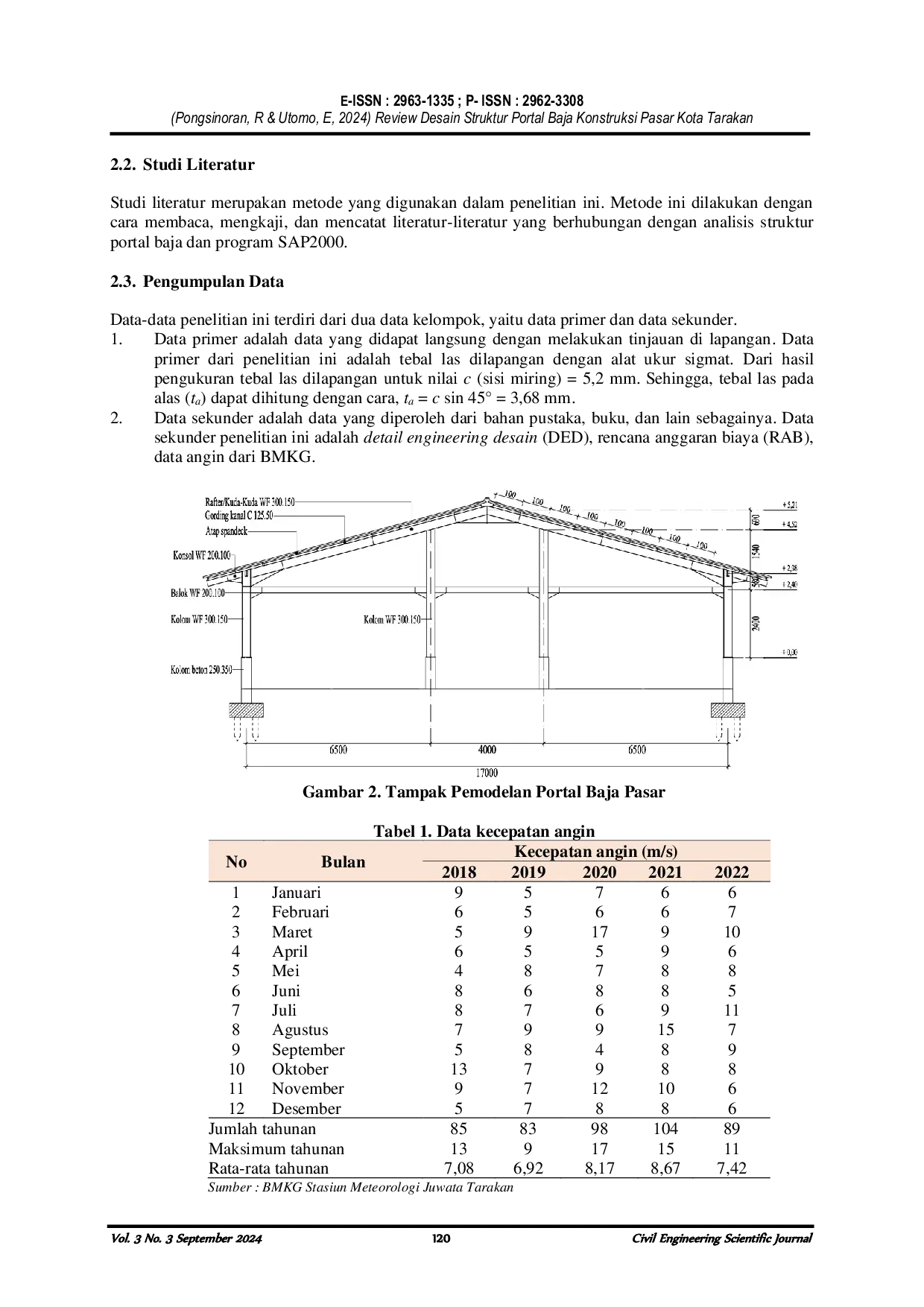
UBTUBT Faktor kekuatan merupakan hal yang utama dalam perencanaan suatu struktur gedung, sehingga perlu dilakukan suatu review terhadap kekuatan atau kapasitasFaktor kekuatan merupakan hal yang utama dalam perencanaan suatu struktur gedung, sehingga perlu dilakukan suatu review terhadap kekuatan atau kapasitas