ESDMESDM
Scientific Contributions Oil and GasScientific Contributions Oil and GasThe Paris Agreement aims to limit global temperature rise to below 2°C, with Indonesia committing to achieving net zero emissions by 2060. The oil and gas industry contributes around 15% of global emissions. On the other hand, as a developing country, we still depend on fossil fuels to meet our energy needs. Based on data from the IEA in 2015, Indonesia has 303 TCF of shale gas reserves that we use to meet future energy needs. This study conducts a case study on a shale gas field (MRCS Field) by calculating greenhouse gas emissions using engineering estimation methods. These calculations estimate methane and carbon dioxide emissions using activity data from each process and emission factors published in the 2021 American petroleum institute Compendium. Furthermore, this study analyzes emission control strategy scenarios so that MRCS Field produces fluids optimally with lower emissions. Based on the results of the MRCS field emission source study, emissions originate from two stages, namely pre-production, including normal operating processes such as mud degassing in drilling operations, flowback in hydraulic fracturing, and well test operations, followed by the production stage, including venting or gas release operations such as pneumatic controllers, casing gas vents, workover processes, and several gas processing tools such as glycol dehydration and glycol pumps. The total emissions generated during 12 years of production are estimated at 90.24 million tons of CO2e, with the largest emissions coming from hydraulic fracturing, well testing, and glycol pumps. The MRCS field development scenario is a combination of 20% production flow rate control and number of wells, resulting in an emission reduction ratio of 23% and a recovery factor of 28%. It can be concluded that the most effective field development strategy for the MRCS field is to increase the number of production wells to offset production decline, while regulating gas flow rates to reduce emissions. Controlling emissions during the field development planning stage is a crucial aspect in supporting the 2060 net-zero emissions target and the Paris Agreement commitments.
This study concludes that Field MRCS produces methane emissions of 152.34 tons of CH₄ per well and carbon dioxide emissions of 3,410 tons of CO₂ per well, totaling 90.24 million tons of CO₂e over 12 years.The primary emission sources are hydraulic fracturing, well testing, and glycol pumps, with methane contributing more significantly than CO₂.The optimal development strategy involves a combination of regulating production flow rates and the number of wells, with a 20% combination scenario yielding a 28% recovery factor and a 23% emission reduction.Emission estimation is crucial for supporting Indonesias Net Zero Emission target by 2060 and fulfilling Paris Agreement commitments.
Further research should investigate the long-term effectiveness of combining well count regulation with production flow rate control, considering potential impacts on reservoir pressure and ultimate recovery. Additionally, a detailed economic analysis is needed to determine the cost-benefit ratio of implementing various emission reduction technologies, such as vapor recovery units and low-bleed pneumatic controllers, in the context of Indonesian oil and gas fields. Finally, studies should focus on developing and validating more accurate emission factors specifically tailored to Indonesian shale gas formations and operational practices, as current factors are often based on data from other regions, potentially leading to inaccurate emission inventories and suboptimal mitigation strategies. These investigations should also explore the feasibility of carbon capture, utilization, and storage (CCUS) technologies within the Indonesian oil and gas sector to further reduce the carbon footprint of hydrocarbon production and contribute to the nations net-zero emissions goals.
| File size | 2.17 MB |
| Pages | 17 |
| DMCA | Report |
Related /
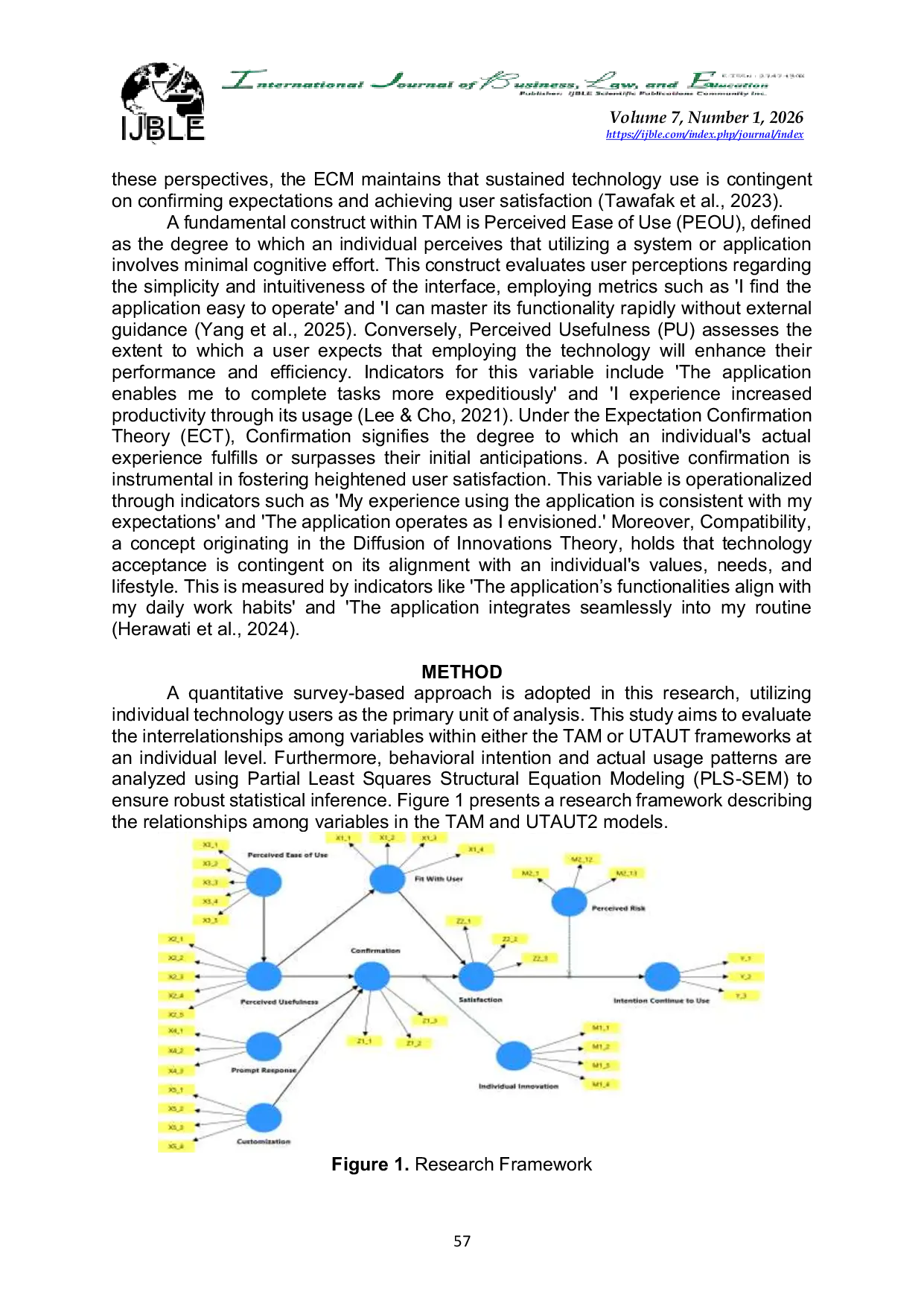
IJBLEIJBLE A survey was administered to 210 university students within a quantitative research framework. Findings reveal that perceived usefulness and ease of useA survey was administered to 210 university students within a quantitative research framework. Findings reveal that perceived usefulness and ease of use
IJBLEIJBLE Employing normative legal research, this study applies statutory, conceptual, and case approaches. The analysis is conducted qualitatively on primary,Employing normative legal research, this study applies statutory, conceptual, and case approaches. The analysis is conducted qualitatively on primary,

ULILALBABINSTITUTEULILALBABINSTITUTE Kegagalan dalam menerapkan salah satu dari ketiga nilai ini dapat menyebabkan pelanggaran etika dan merusak kredibilitas profesi, seperti yang terlihatKegagalan dalam menerapkan salah satu dari ketiga nilai ini dapat menyebabkan pelanggaran etika dan merusak kredibilitas profesi, seperti yang terlihat
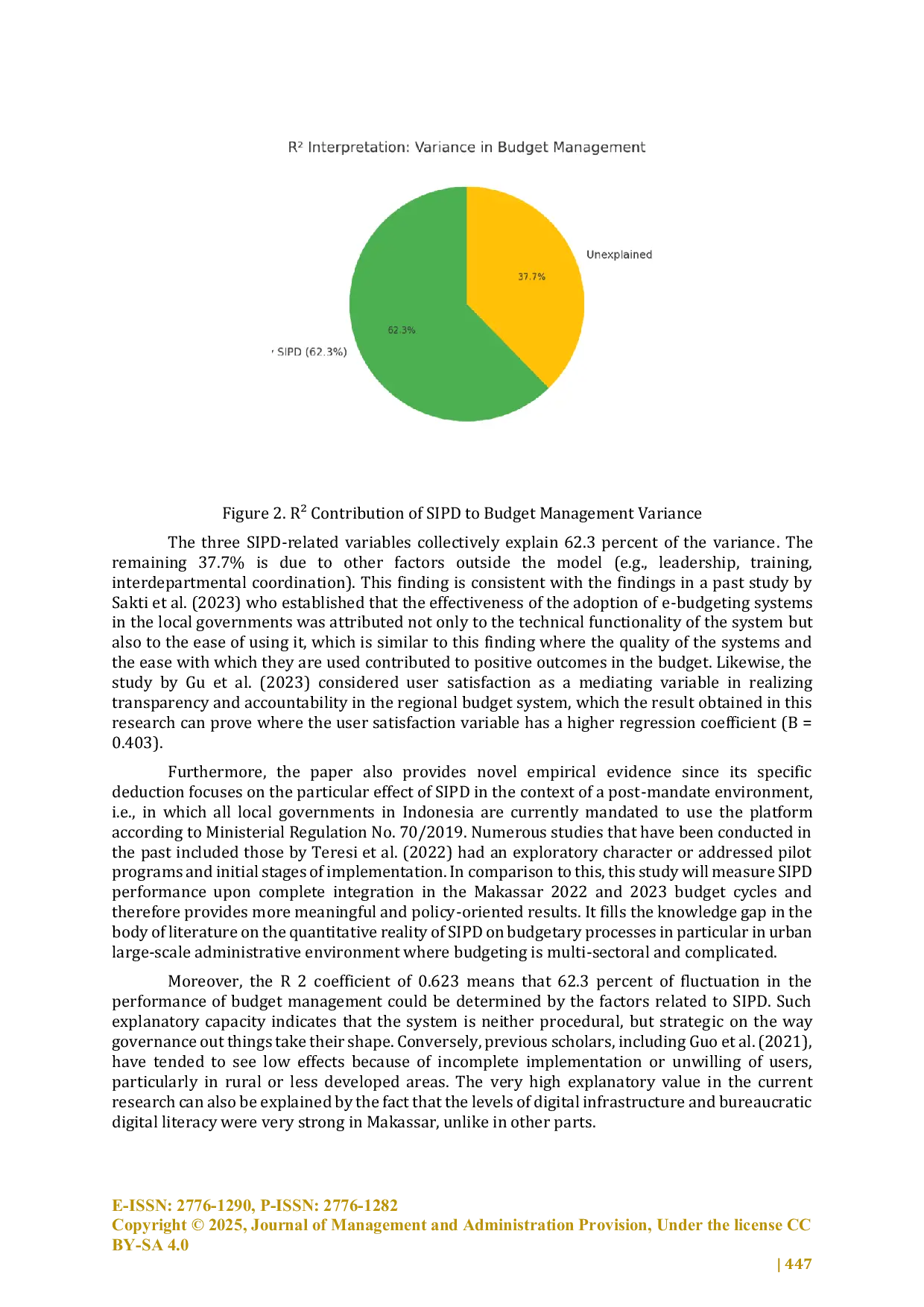
PSPPJOURNALSPSPPJOURNALS According to the research results and discussion, this study can reach a conclusion that application of the SIPD (Regional Government Information System)According to the research results and discussion, this study can reach a conclusion that application of the SIPD (Regional Government Information System)
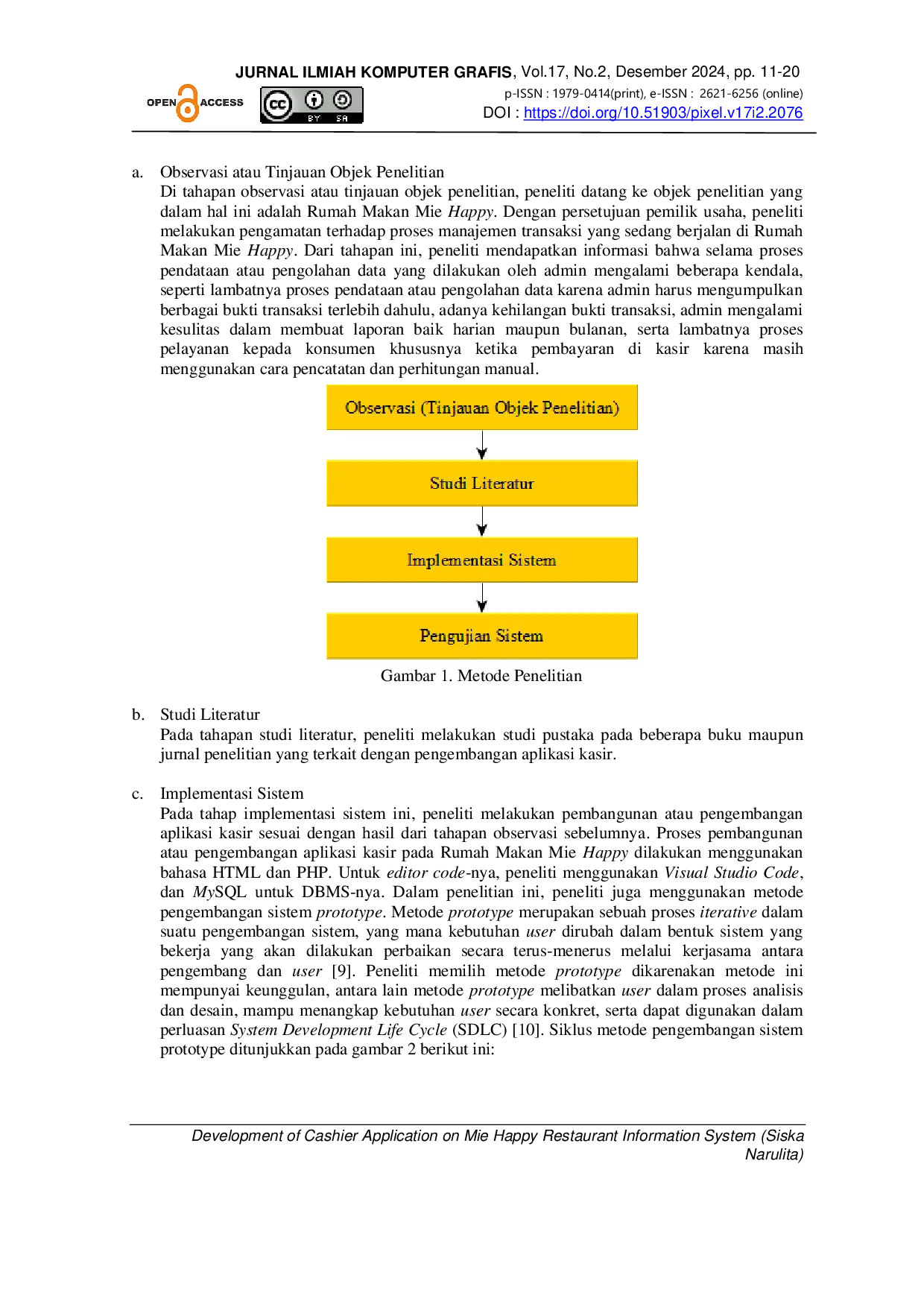
STEKOMSTEKOM The application was built using Hypertext Markup Language (HTML) and Hypertext Preprocessor (PHP) with Visual Studio Code and MySQL Database ManagementThe application was built using Hypertext Markup Language (HTML) and Hypertext Preprocessor (PHP) with Visual Studio Code and MySQL Database Management

UNAMAUNAMA Angkasa Raya Djambi saat ini menggunakan program aplikasi microsoft word dan excel dan ditemukan beberapa permasalahan yang terjadi, yaitu setiap kegiatanAngkasa Raya Djambi saat ini menggunakan program aplikasi microsoft word dan excel dan ditemukan beberapa permasalahan yang terjadi, yaitu setiap kegiatan

UNDIKMAUNDIKMA 74 with high criteria, the student response scored 87.96% of the category strongly agreed, while the teacher response scored an average score of 80% of74 with high criteria, the student response scored 87.96% of the category strongly agreed, while the teacher response scored an average score of 80% of

UNDIKMAUNDIKMA Penelitian ini bertujuan untuk menganalisis kemampuan pemecahan masalah matematika (KPMM) siswa SMA berdasarkan tingkat kecemasan matematika dan gender.Penelitian ini bertujuan untuk menganalisis kemampuan pemecahan masalah matematika (KPMM) siswa SMA berdasarkan tingkat kecemasan matematika dan gender.
Useful /

UNSRATUNSRAT Penelitian ini bertujuan menganalisis pengaruh sikap wajib pajak terhadap pelaksanaan sanksi denda, pengaruh pelayanan fiskus, serta pengaruh kesadaranPenelitian ini bertujuan menganalisis pengaruh sikap wajib pajak terhadap pelaksanaan sanksi denda, pengaruh pelayanan fiskus, serta pengaruh kesadaran
PSPPJOURNALSPSPPJOURNALS This study aims to improve team performance at PT. Insan Cerdas Indonesia (ICI), Ranotana Branch, through a psychological intervention in the form of theThis study aims to improve team performance at PT. Insan Cerdas Indonesia (ICI), Ranotana Branch, through a psychological intervention in the form of the

MEDIAPUBLIKASIMEDIAPUBLIKASI Redesign diperlukan untuk membuat brand atau produk mencapai level yang lebih tinggi. Program pengabdian masyarakat ini diharapkan dapat membangun brandRedesign diperlukan untuk membuat brand atau produk mencapai level yang lebih tinggi. Program pengabdian masyarakat ini diharapkan dapat membangun brand

UNIK KEDIRIUNIK KEDIRI Bank sebagai pelaku usaha terikat perikatan dengan masyarakat selaku pengguna jasa perbankan, dimana dalam perikatan tersebut melahirkan kewajiban di masing-masingBank sebagai pelaku usaha terikat perikatan dengan masyarakat selaku pengguna jasa perbankan, dimana dalam perikatan tersebut melahirkan kewajiban di masing-masing