RISETEKONOMIRISETEKONOMI
Jurnal Ilmu EkonomiJurnal Ilmu EkonomiThe Covid-19 pandemic has forced the Government to set a large-scale social restriction policy. This policy impacts all areas of life, including economic growth and employment in East Java, especially income sustainability. This study aimed to identify the influence of sociodemography on the increase in worker income during the Covid-19 period in East Java. The data from this study is secondary data from the results of SAKERNAS 2020 obtained from BPS. The data were analyzed using the Multiple Regression Analysis methods. The results of this study indicate that the dependent variable, Covid, Gender, Age, Working Hours, Work From Home, Internet, Promotion, Formal Sector, and transactions significantly affect workers income during the pandemic. In contrast, the dependent variable communication does not substantially affect workers pay during the pandemic.
The study concludes that almost all independent variables significantly influence labor income, except for communication.The use of the internet for promotional activities resulted in a decrease in income due to limited information and digital literacy.Individuals affected by COVID-19 experienced a decrease in income, while those adapting to work-from-home arrangements and utilizing digital tools demonstrated increased income potential.
Further research should investigate the specific barriers to effective internet-based promotion for workers with limited digital literacy, potentially exploring targeted training programs to enhance their online marketing skills. Additionally, studies could examine the long-term effects of the pandemic on income inequality between genders and sectors, focusing on policies to mitigate these disparities. Finally, research is needed to understand the sustainability of work-from-home arrangements and their impact on worker productivity and well-being beyond the immediate crisis, including the development of best practices for remote work management and support. These investigations should consider the unique context of East Java and contribute to evidence-based policy recommendations for fostering a more resilient and equitable labor market in the post-pandemic era, ensuring that workers are equipped with the skills and resources needed to thrive in a rapidly changing economic landscape.
| File size | 938.08 KB |
| Pages | 14 |
| DMCA | Report |
Related /

PIPI Temuan ini mengindikasikan bahwa praktik keberlanjutan yang dilakukan perusahaan belum diapresiasi oleh pasar sebagai faktor yang meningkatkan nilai perusahaan.Temuan ini mengindikasikan bahwa praktik keberlanjutan yang dilakukan perusahaan belum diapresiasi oleh pasar sebagai faktor yang meningkatkan nilai perusahaan.
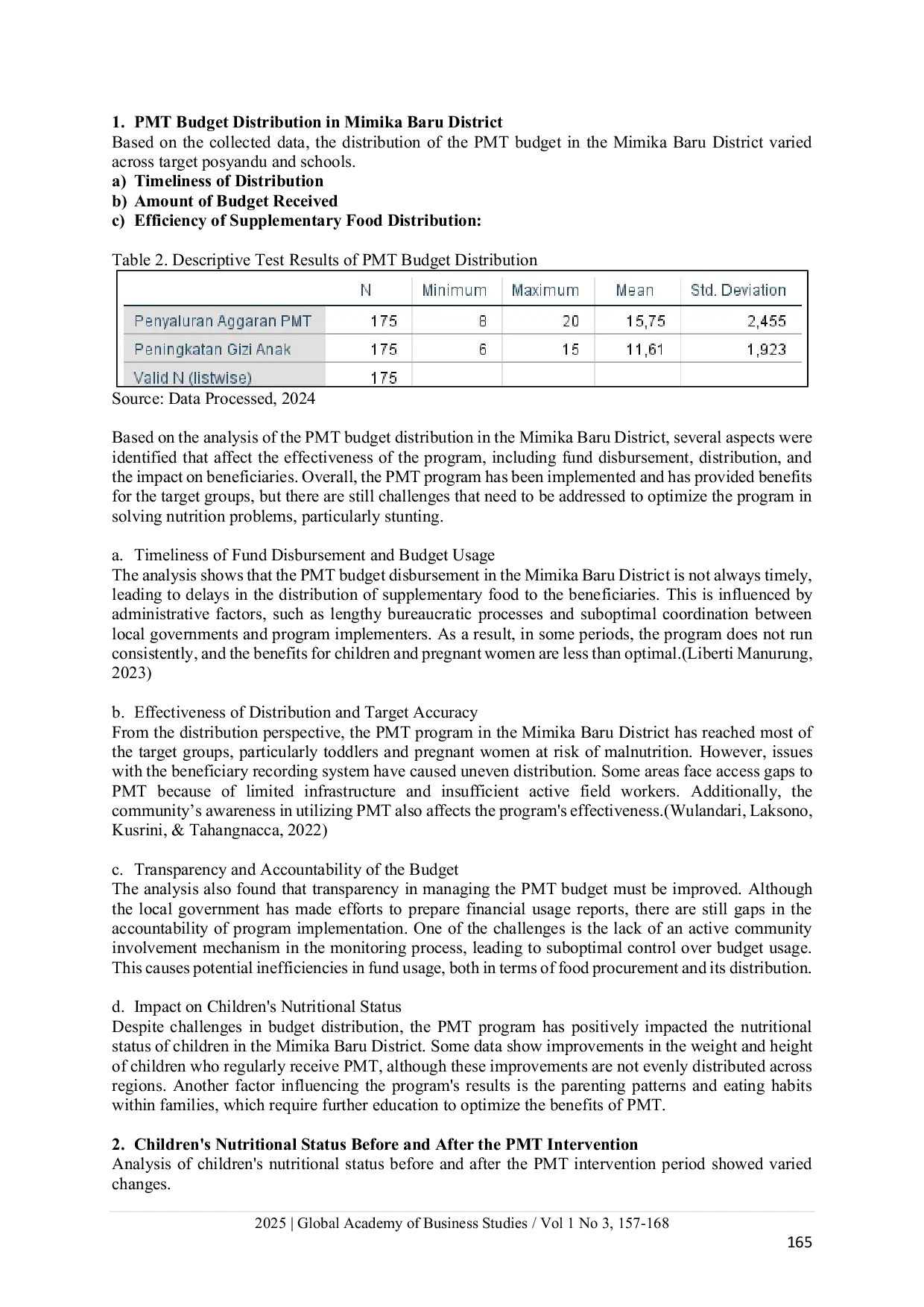
GOODWOODPUBGOODWOODPUB Metode penelitian ini menerapkan metode asosiatif untuk mengidentifikasi hubungan antara distribusi anggaran dengan hasil gizi. Data dikumpulkan melaluiMetode penelitian ini menerapkan metode asosiatif untuk mengidentifikasi hubungan antara distribusi anggaran dengan hasil gizi. Data dikumpulkan melalui

RISETEKONOMIRISETEKONOMI Penelitian ini menggunakan pendekatan kualitatif dengan metode studi kasus. Teknik pengumpulan data yang digunakan adalah teknik wawancara secara mendalam,Penelitian ini menggunakan pendekatan kualitatif dengan metode studi kasus. Teknik pengumpulan data yang digunakan adalah teknik wawancara secara mendalam,
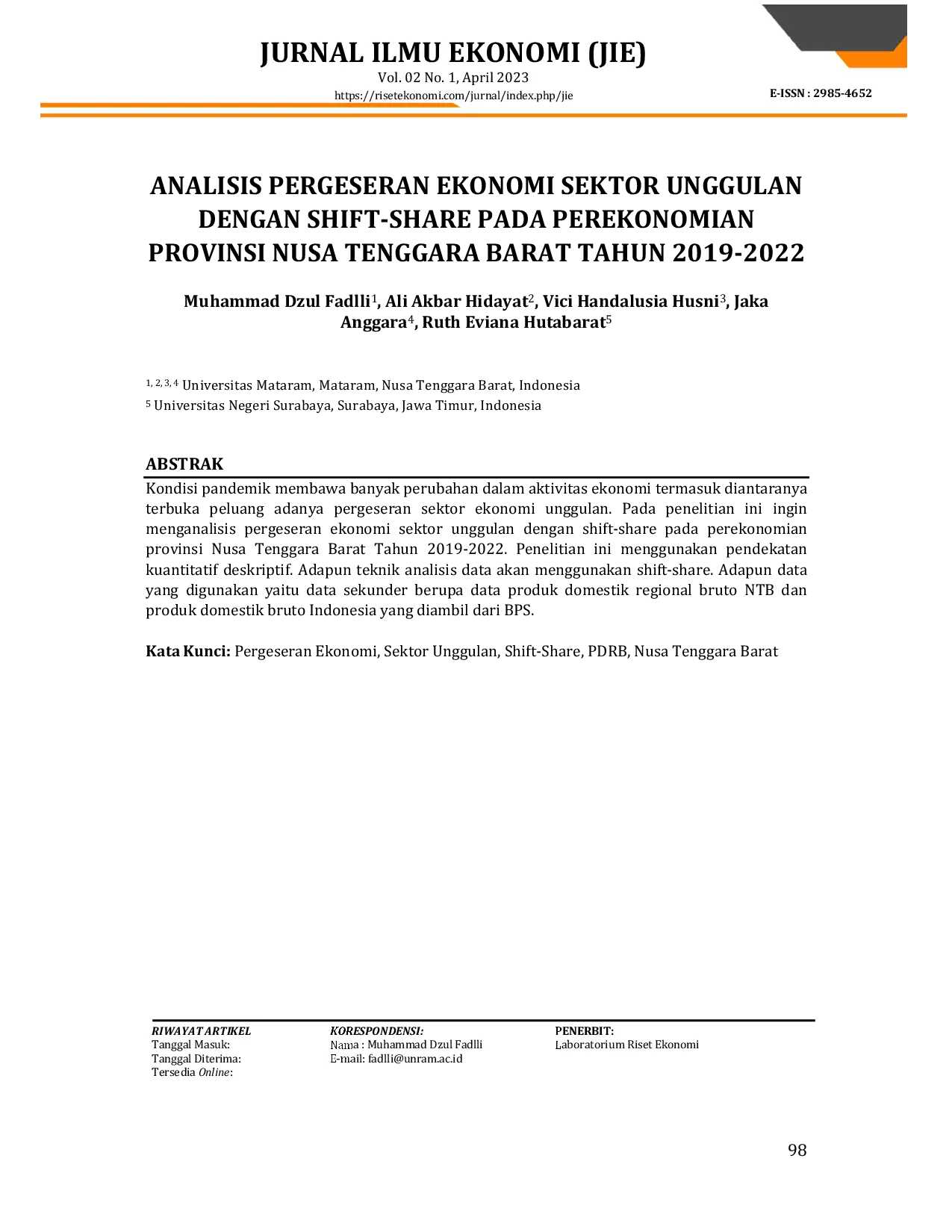
RISETEKONOMIRISETEKONOMI Mayoritas sektor ekonomi di NTB tergolong memiliki pertumbuhan yang lamban. Hanya terdapat 7 sektor yang dianggap progresif/maju, yaitu sektor PertambanganMayoritas sektor ekonomi di NTB tergolong memiliki pertumbuhan yang lamban. Hanya terdapat 7 sektor yang dianggap progresif/maju, yaitu sektor Pertambangan
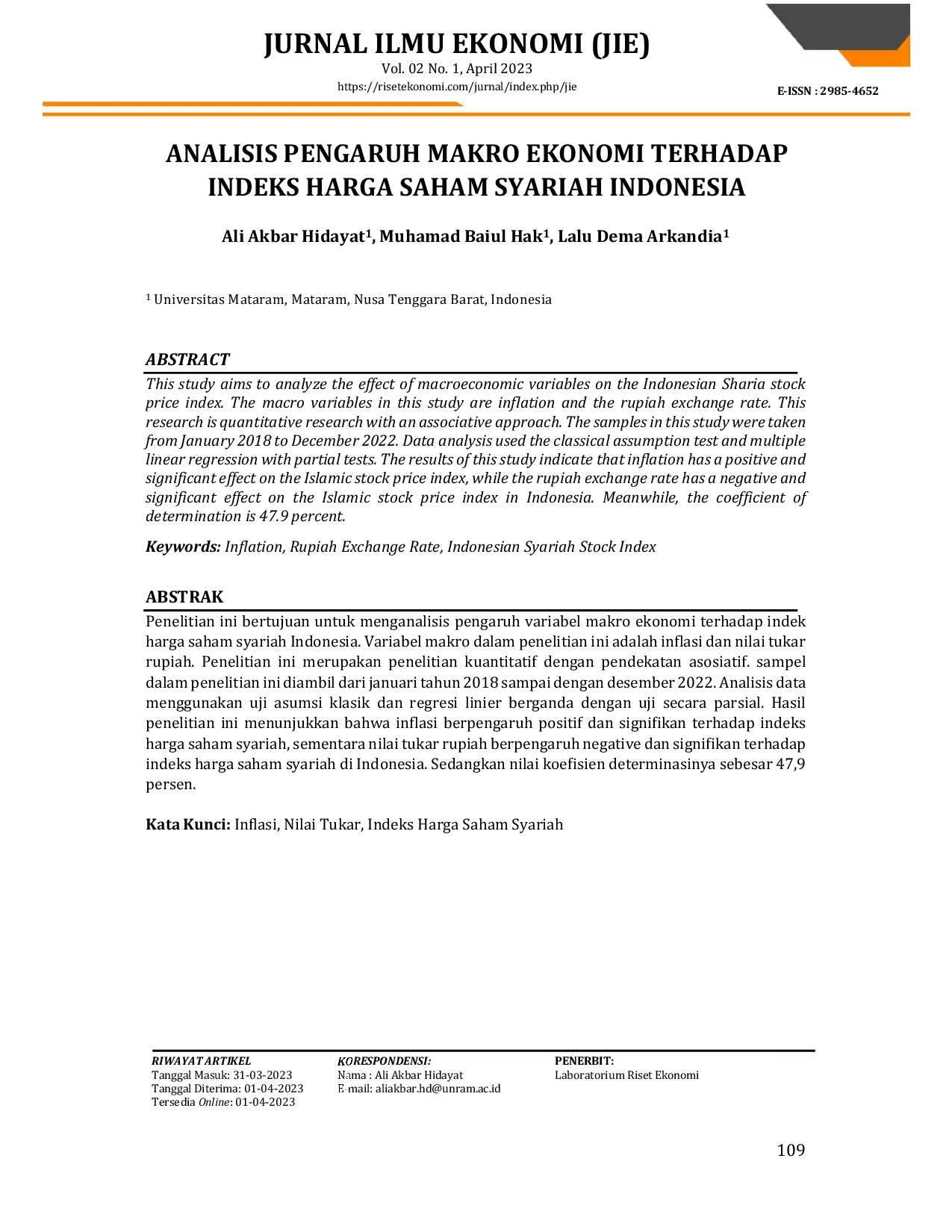
RISETEKONOMIRISETEKONOMI Variabel makro dalam penelitian ini adalah inflasi dan nilai tukar rupiah. Penelitian ini merupakan penelitian kuantitatif dengan pendekatan asosiatif.Variabel makro dalam penelitian ini adalah inflasi dan nilai tukar rupiah. Penelitian ini merupakan penelitian kuantitatif dengan pendekatan asosiatif.

UMLUML Hasil analisis menunjukkan bahwa diantara faktor personal lain seperti usia dan kepribadian, hanya uang saku mahasiswa yang memiliki hubungan dengan preferensiHasil analisis menunjukkan bahwa diantara faktor personal lain seperti usia dan kepribadian, hanya uang saku mahasiswa yang memiliki hubungan dengan preferensi

UNTRIMBALIUNTRIMBALI Hasil penelitian menunjukkan bahwa variabel LMX menciptakan efek positif dan signifikan pada individual performance (IP). Semakin besar LMX yang dirasakanHasil penelitian menunjukkan bahwa variabel LMX menciptakan efek positif dan signifikan pada individual performance (IP). Semakin besar LMX yang dirasakan
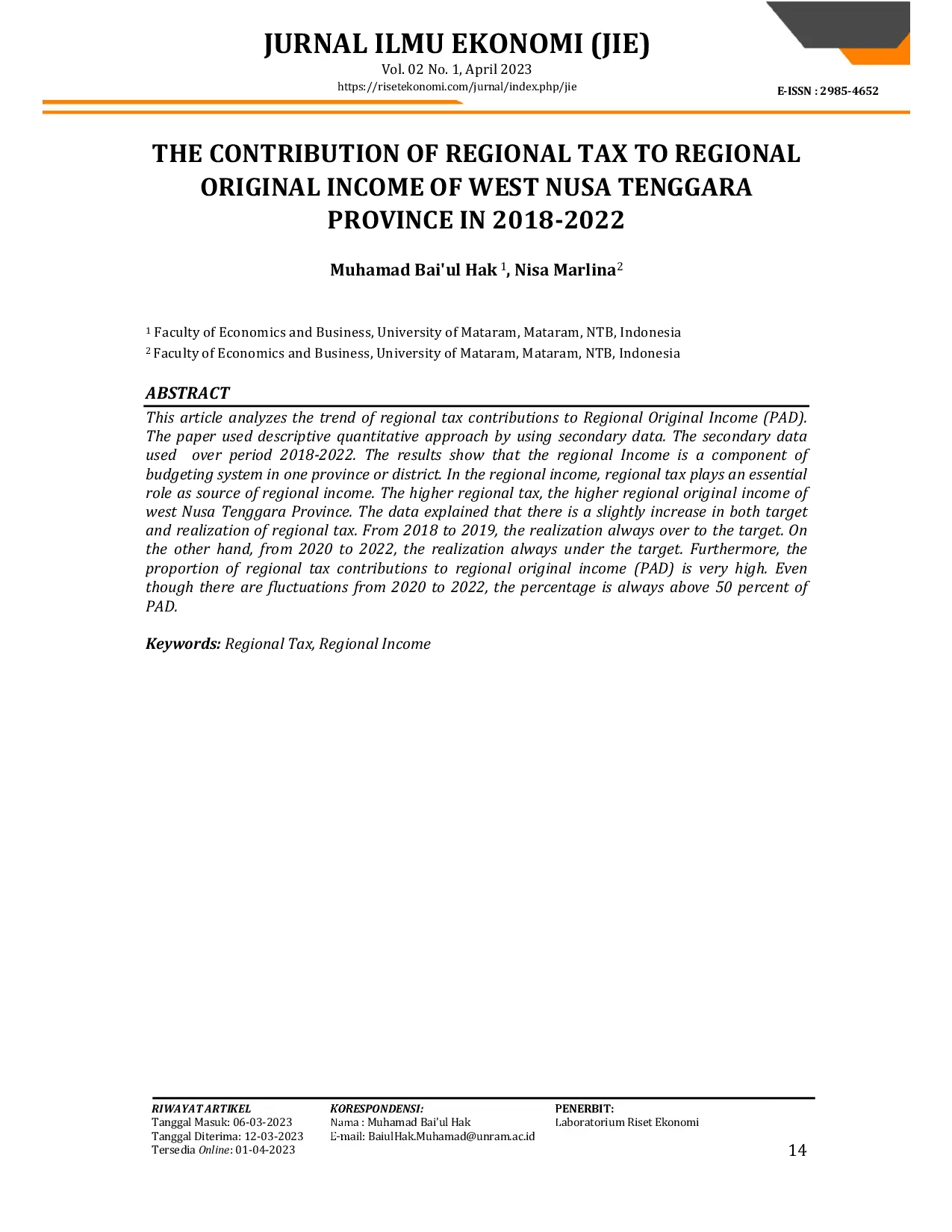
RISETEKONOMIRISETEKONOMI Data mengindikasikan adanya peningkatan sedikit pada target dan realisasi pajak daerah. Pada tahun 2018-2019, realisasi selalu melebihi target, sedangkanData mengindikasikan adanya peningkatan sedikit pada target dan realisasi pajak daerah. Pada tahun 2018-2019, realisasi selalu melebihi target, sedangkan
Useful /
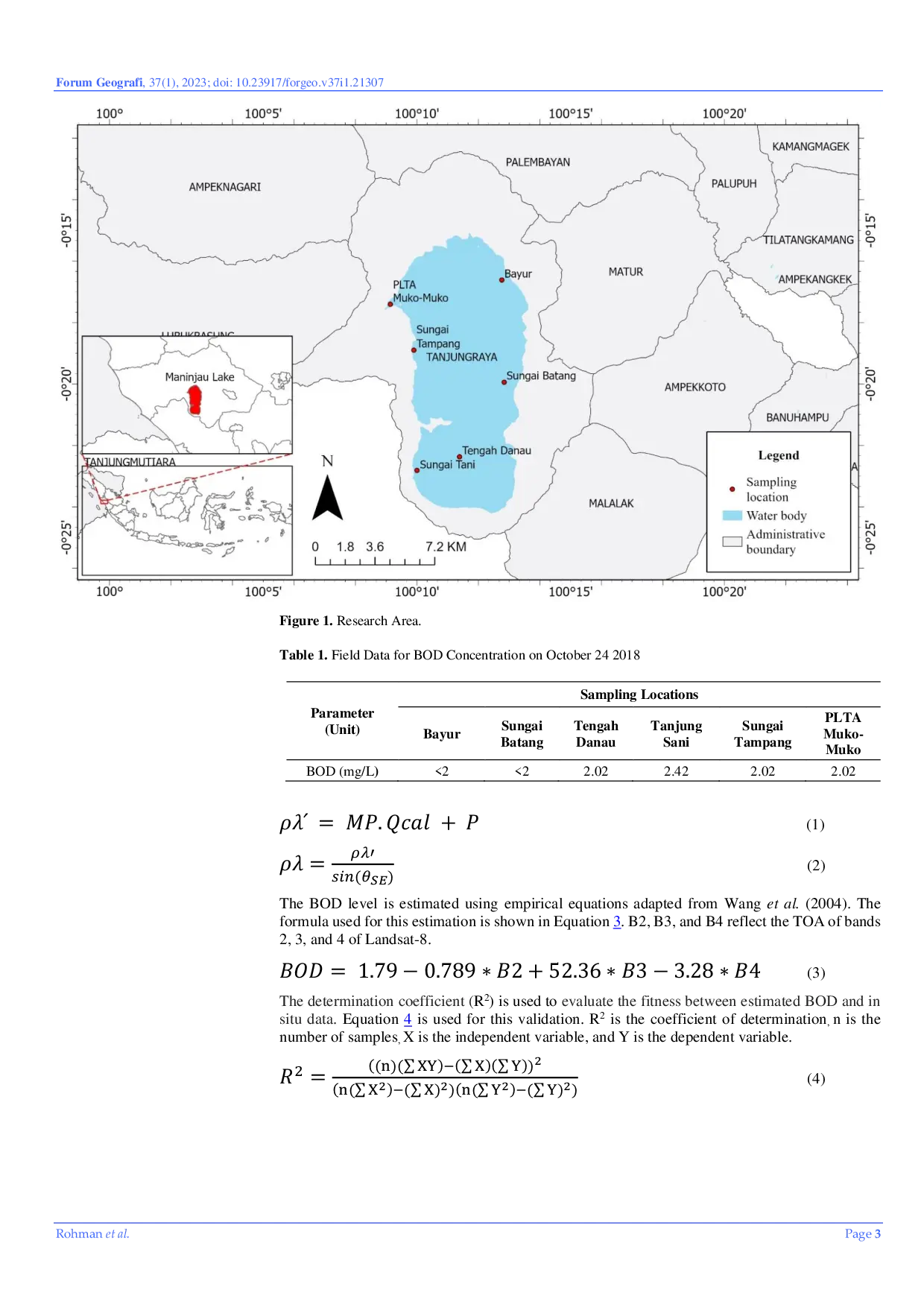
UMSUMS Berdasarkan hasil ini, dapat disimpulkan bahwa terjadi peningkatan BOD yang menyebabkan kematian ikan massal akibat polusi air sedang. Polusi ini menunjukkanBerdasarkan hasil ini, dapat disimpulkan bahwa terjadi peningkatan BOD yang menyebabkan kematian ikan massal akibat polusi air sedang. Polusi ini menunjukkan

UNIRAYAUNIRAYA Penelitian ini menggunakan jenis penelitian hukum normatif, dengan menggunakan data sekunder dan metode pendekatan peraturan perundang-undangan, pendekatanPenelitian ini menggunakan jenis penelitian hukum normatif, dengan menggunakan data sekunder dan metode pendekatan peraturan perundang-undangan, pendekatan

PIPI Penelitian ini bertujuan untuk mengetahui dan menjelaskan pengaruh profitabilitas, solvabilitas dan opini audit terhadap audit delay pada perusahaan farmasiPenelitian ini bertujuan untuk mengetahui dan menjelaskan pengaruh profitabilitas, solvabilitas dan opini audit terhadap audit delay pada perusahaan farmasi

UMLUML Padahal pada tahun-tahun sesudahnya kehidupan manusia mengalami perkembangan yang pesat, terutama dengan keberadaan dunia maya. Aksi kolektif di keseharianPadahal pada tahun-tahun sesudahnya kehidupan manusia mengalami perkembangan yang pesat, terutama dengan keberadaan dunia maya. Aksi kolektif di keseharian