IDID
Jurnal Ilmu Komputer dan InformatikaJurnal Ilmu Komputer dan InformatikaSocial media platforms like Twitter have become highly influential in shaping public opinion, making sentiment analysis on tweet data crucial. However, traditional techniques struggle with the nuances and complexities of informal social media text. This research addresses these challenges by conducting a comparative analysis between the non-optimized BERT (Bidirectional Encoder Representations from Transformers) model and the BERT model optimized with Fine-Tuning techniques for sentiment analysis on Indonesian Twitter data using text mining methods. Employing the CRISP-DM methodology, the study involves data collection through Twitter crawling using the keyword biznet, data preprocessing steps such as case folding, cleaning, tokenization, normalization, and data augmentation, with the dataset split into training, validation, and testing subsets for modeling and evaluation using the IndoBERT-base-p1 model specifically trained for the Indonesian language. The results demonstrate that the Fine-Tuned BERT model significantly outperforms the non-optimized BERT, achieving 91% accuracy, 0.91 precision, 0.90 recall, and 0.91 F1-score on the test set. Fine-Tuning enables BERT to adapt to the unique characteristics of Twitter sentiment data, allowing better recognition of language and context patterns associated with sentiment expressions. The optimized model is implemented as a web application for practical utilization. This research affirms the superiority of Fine-Tuned BERT for accurate sentiment analysis on Indonesian Twitter data, providing valuable insights for businesses, governments, and researchers leveraging social media data.
This research confirms the superiority of the Fine-Tuned BERT model for sentiment analysis on Indonesian Twitter data.The Fine-Tuning process successfully adapted the BERT model to the characteristics of Twitter sentiment data, resulting in improved recognition of language and context patterns.The results demonstrate that Fine-Tuned BERT outperforms the non-optimized BERT model, providing valuable insights for utilizing Twitter data in various fields.
Future research could explore the integration of additional text preprocessing techniques, such as stemming or lemmatization, to further refine the data and potentially improve model accuracy. Investigating the use of different BERT variants or exploring alternative transformer-based models could also lead to enhanced performance in Indonesian Twitter sentiment analysis. Furthermore, expanding the dataset with a wider range of keywords and incorporating contextual information, such as user demographics or network characteristics, could provide a more comprehensive understanding of sentiment expression on Twitter and enable the development of more nuanced and accurate sentiment analysis models. These advancements would contribute to a more robust and reliable system for analyzing public opinion and extracting valuable insights from social media data.
- Unsupervised extractive multi-document summarization method based on transfer learning from BERT multi-task... journals.sagepub.com/doi/10.1177/0165551521990616Unsupervised extractive multi document summarization method based on transfer learning from BERT multi task journals sagepub doi 10 1177 0165551521990616
- LiDA: Language-Independent Data Augmentation for Text Classification | IEEE Journals & Magazine |... doi.org/10.1109/ACCESS.2023.3234019LiDA Language Independent Data Augmentation for Text Classification IEEE Journals Magazine doi 10 1109 ACCESS 2023 3234019
| File size | 712.27 KB |
| Pages | 16 |
| DMCA | Report |
Related /

UNIVERSITASMULIAUNIVERSITASMULIA Hasil penelitian ini menegaskan pentingnya penerapan sistem keamanan berlapis dan peningkatan kesadaran keamanan siber guna mencegah serangan serupa diHasil penelitian ini menegaskan pentingnya penerapan sistem keamanan berlapis dan peningkatan kesadaran keamanan siber guna mencegah serangan serupa di

AFEKSIAFEKSI Penelitian ini diharapkan menjadi bahan evaluasi untuk memperkuat budaya komunikasi yang sesuai dengan visi kampus dan nilai-nilai syari, sehingga terciptaPenelitian ini diharapkan menjadi bahan evaluasi untuk memperkuat budaya komunikasi yang sesuai dengan visi kampus dan nilai-nilai syari, sehingga tercipta
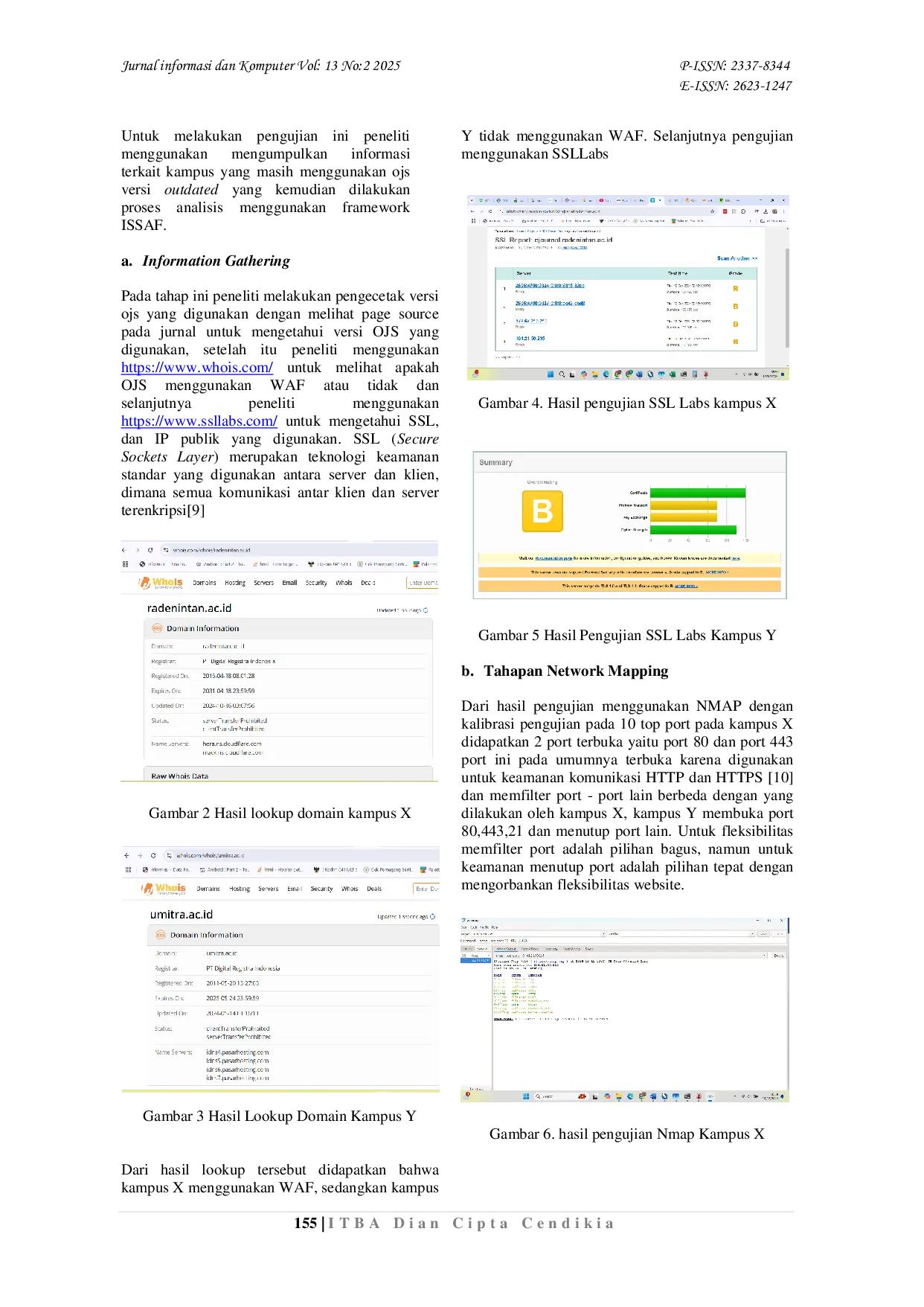
DCCKOTABUMIDCCKOTABUMI Open Journal System (OJS), yang dikembangkan oleh Public Knowledge Project dan dirilis dengan lisensi public GNU, banyak digunakan oleh lembaga pendidikanOpen Journal System (OJS), yang dikembangkan oleh Public Knowledge Project dan dirilis dengan lisensi public GNU, banyak digunakan oleh lembaga pendidikan
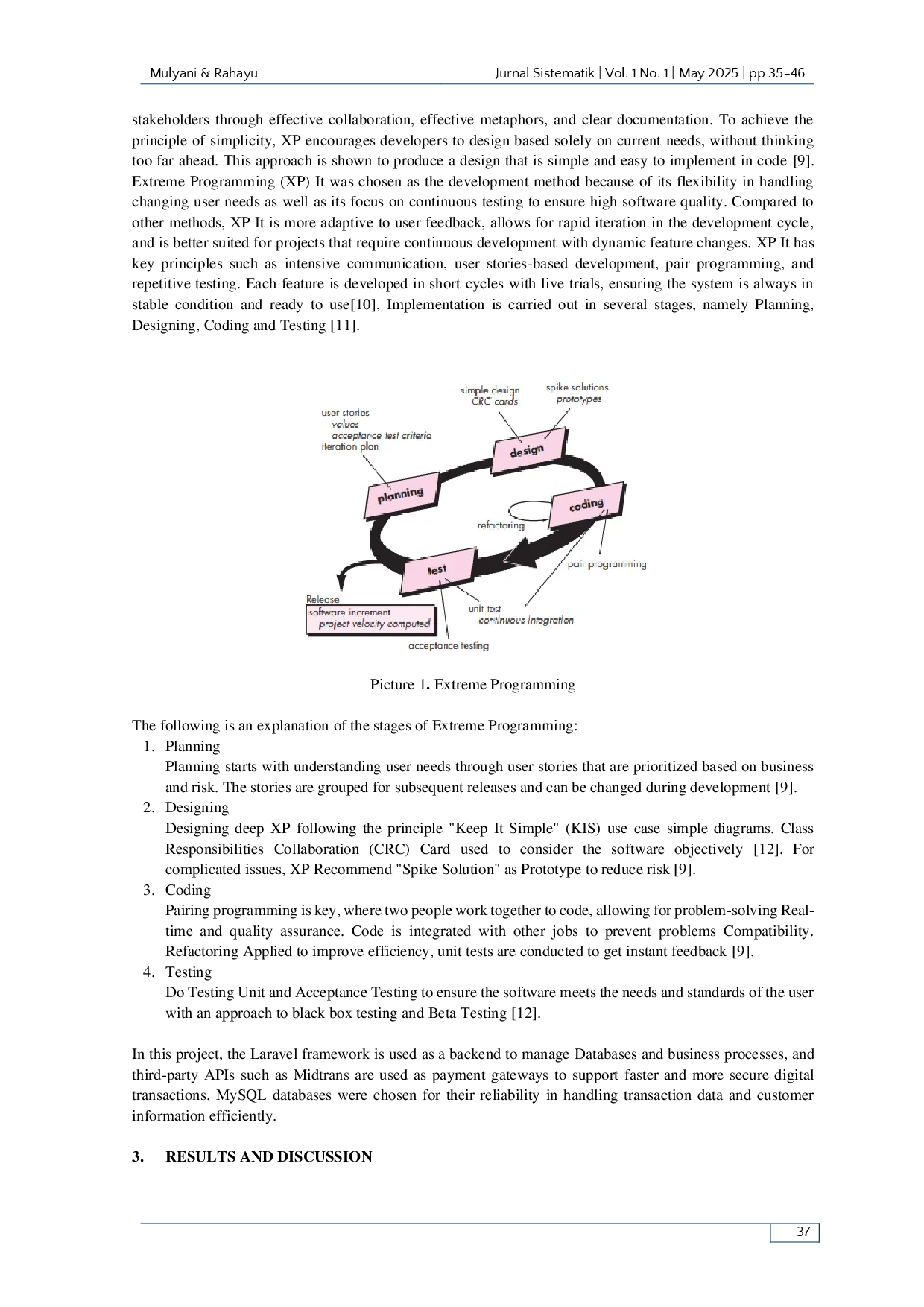
ITGITG This study aims to implement CRM in a web-based Beauty Care Clinic application using the Extreme Programming (XP) method. This application offers advantagesThis study aims to implement CRM in a web-based Beauty Care Clinic application using the Extreme Programming (XP) method. This application offers advantages

TRILOGITRILOGI Setelah proses perbaikan, beberapa celah keamanan berhasil dihilangkan pada Mozilla Observatory, namun Content Security Policy Header Not Set masih terdeteksiSetelah proses perbaikan, beberapa celah keamanan berhasil dihilangkan pada Mozilla Observatory, namun Content Security Policy Header Not Set masih terdeteksi

UMYUMY Akurasi klasifikasi sebesar 92,4% dan akurasi arah hingga 87,4% telah dicapai. Model ini secara konsisten telah mengungguli baseline klasik dan hibrid,Akurasi klasifikasi sebesar 92,4% dan akurasi arah hingga 87,4% telah dicapai. Model ini secara konsisten telah mengungguli baseline klasik dan hibrid,

POLITANI SAMARINDAPOLITANI SAMARINDA Sistem pemantauan suhu dan kelembapan berbasis IoT untuk laboratorium kimia berhasil dibuat menggunakan komponen utama seperti NodeMCU ESP8266, sensorSistem pemantauan suhu dan kelembapan berbasis IoT untuk laboratorium kimia berhasil dibuat menggunakan komponen utama seperti NodeMCU ESP8266, sensor

POLITANI SAMARINDAPOLITANI SAMARINDA Samarinda city has significant potential for local revenue in the parking fee sector, evidenced by the increasing number of vehicles. However, this growthSamarinda city has significant potential for local revenue in the parking fee sector, evidenced by the increasing number of vehicles. However, this growth
Useful /

ULUMUNAULUMUNA Temuan ini diharapkan dapat memberikan kontribusi positif terhadap pembentukan generasi moderat yang dapat menerapkan nilai-nilai toleransi dan inklusivitasTemuan ini diharapkan dapat memberikan kontribusi positif terhadap pembentukan generasi moderat yang dapat menerapkan nilai-nilai toleransi dan inklusivitas
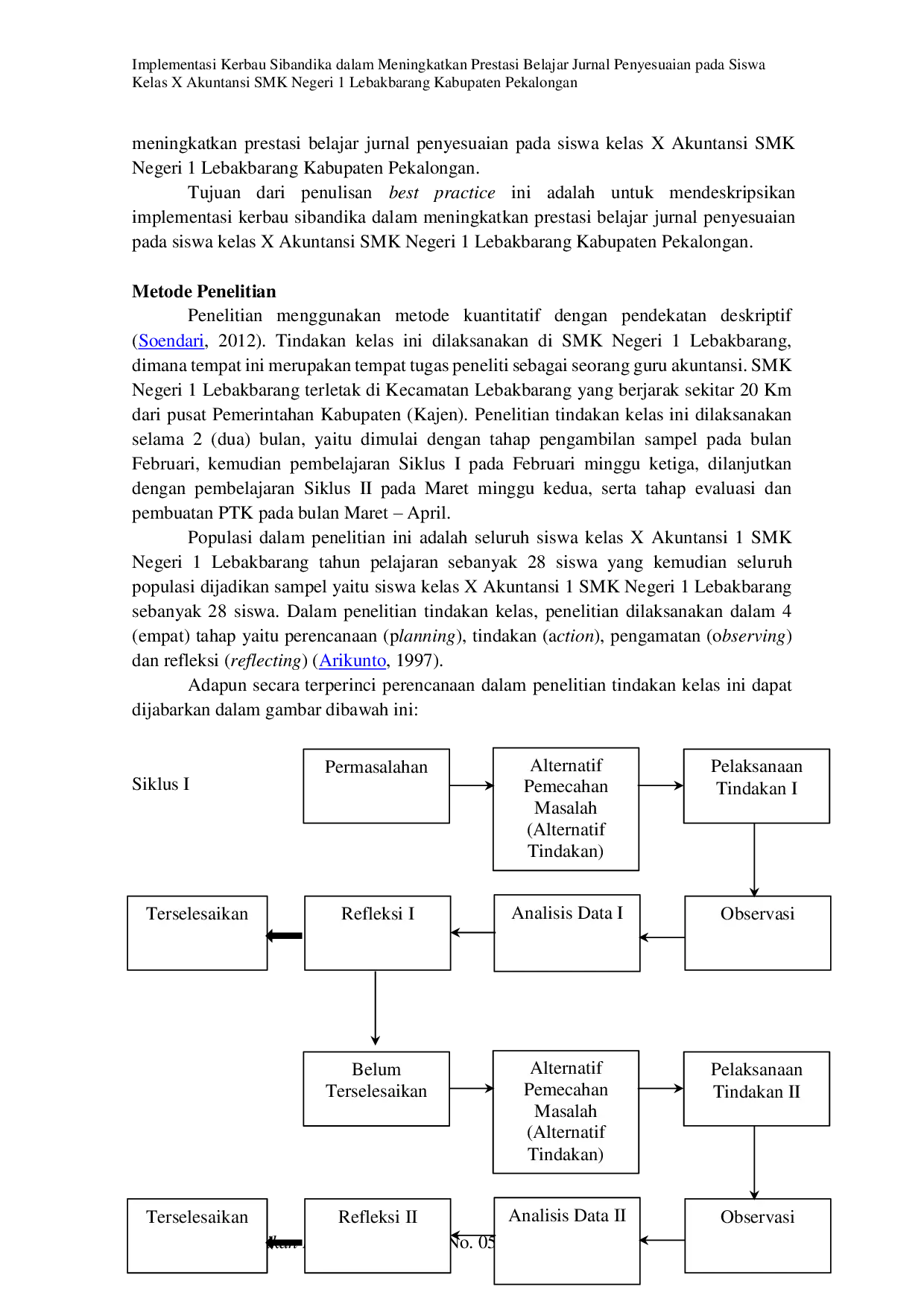
PUBLIKASIINDONESIAPUBLIKASIINDONESIA Hasil pembelajaran dengan penggunaan alat peraga Kebaru Sibandika mampu meningkatkan pemahaman siswa tentang penyesuaian dibayar dimuka sehingga meningkatkanHasil pembelajaran dengan penggunaan alat peraga Kebaru Sibandika mampu meningkatkan pemahaman siswa tentang penyesuaian dibayar dimuka sehingga meningkatkan

ALJAMIAHALJAMIAH Artikel ini ditulis berdasarkan riset lapangan di Desa Sidoluhur, Godean, Yogyakarta, dengan melakukan wawancara mendalam terhadap tujuh belas informanArtikel ini ditulis berdasarkan riset lapangan di Desa Sidoluhur, Godean, Yogyakarta, dengan melakukan wawancara mendalam terhadap tujuh belas informan

ALJAMIAHALJAMIAH Pendidikan tinggi Islam di Indonesia memiliki potensi sebagai model alternatif yang konstruktif dalam merespons tantangan global terkait radikalisme danPendidikan tinggi Islam di Indonesia memiliki potensi sebagai model alternatif yang konstruktif dalam merespons tantangan global terkait radikalisme dan