STTMCILEUNGSISTTMCILEUNGSI
TEKNOSAINS : Jurnal Sains, Teknologi dan InformatikaTEKNOSAINS : Jurnal Sains, Teknologi dan InformatikaThe development of an Internet of Things (IoT)-based textile machine monitoring system requires a reliable and mechanically safe support structure. A key issue in current practice is the design of control and monitoring frameworks that rely solely on prior models, without adequate testing and validation. This study aims to evaluate the structural strength of the textile machine monitoring system support frame using the Finite Element Method (FEM). The 3D frame model was designed using CAD software and analysed numerically via static simulation with a loading scenario of 100–150 N applied to the upper part of the structure. The material used is mild steel with mechanical characteristics commonly used in industrial applications. The analysis includes evaluation of Von Mises stress, displacement, and safety factor. The simulation results show a maximum stress of 0.5582 MPa, a maximum displacement of 0.001842 mm, and a safety factor exceeding 12. These values indicate that the designed structure has excellent resistance to static loads and is safe for use in industrial environments. This study provides a strong foundation for developing a reliable and sustainable support structure for textile machine monitoring systems.
This study evaluated the structural strength of a textile machine monitoring system support frame using the Finite Element Method (FEM).The simulation results demonstrated that the designed frame successfully accommodates monitoring devices with good space efficiency and stability.The analysis confirmed the structures safety under applied loads, with a maximum stress well below the yield limit of mild steel and a high safety factor, indicating its suitability for industrial applications.
Penelitian lebih lanjut dapat dilakukan untuk menguji performa struktur penyangga ini dalam kondisi dinamis, seperti saat terjadi getaran mesin tekstil, untuk memastikan keandalannya dalam lingkungan operasional yang sebenarnya. Selain itu, studi optimasi material dapat dilakukan dengan mengeksplorasi penggunaan material alternatif seperti aluminium atau komposit ringan untuk mengurangi berat struktur tanpa mengorbankan kekuatan dan kekakuan. Terakhir, pengembangan sistem pemantauan berbasis sensor yang terintegrasi dengan struktur penyangga dapat memberikan informasi real-time tentang kondisi struktural, memungkinkan deteksi dini potensi kerusakan dan pemeliharaan preventif, sehingga meningkatkan umur pakai dan mengurangi risiko kegagalan sistem secara keseluruhan. Penelitian-penelitian ini akan memberikan kontribusi signifikan dalam pengembangan sistem pemantauan mesin tekstil yang lebih efisien, aman, dan berkelanjutan.
- Analysis of the strength of the frame construction on the nyamplung bean peeling machine using the finite... doi.org/10.37373/tekno.v12i1.1027Analysis of the strength of the frame construction on the nyamplung bean peeling machine using the finite doi 10 37373 tekno v12i1 1027
- Experimental study of the strength of straw rope as a material for making mattresses | JTTM : Jurnal... jurnal.sttmcileungsi.ac.id/index.php/jttm/article/view/1376Experimental study of the strength of straw rope as a material for making mattresses JTTM Jurnal jurnal sttmcileungsi ac index php jttm article view 1376
- Material analysis of tool feed on scrap machines using the vibration method | JTTM : Jurnal Terapan Teknik... doi.org/10.37373/jttm.v5i1.565Material analysis of tool feed on scrap machines using the vibration method JTTM Jurnal Terapan Teknik doi 10 37373 jttm v5i1 565
- INDUSTRI 4.0: PENGUKURAN TINGKAT KESIAPAN INDUSTRI TEKSTIL DENGAN METODE SINGAPORE SMART INDUSTRY READINESS... doi.org/10.33480/techno.v16i1.114INDUSTRI 4 0 PENGUKURAN TINGKAT KESIAPAN INDUSTRI TEKSTIL DENGAN METODE SINGAPORE SMART INDUSTRY READINESS doi 10 33480 techno v16i1 114
| File size | 280.45 KB |
| Pages | 7 |
| DMCA | Report |
Related /
UNESAUNESA Penerapan prosedur troubleshooting bertahap sesuai spesifikasi pabrikan terbukti efektif dalam menentukan tindakan perbaikan yang tepat dan mengembalikanPenerapan prosedur troubleshooting bertahap sesuai spesifikasi pabrikan terbukti efektif dalam menentukan tindakan perbaikan yang tepat dan mengembalikan
UNDHIRA BALIUNDHIRA BALI Berdasarkan permasalahan dan tujuan tersebut, penelitian ini bertujuan untuk merancang sistem informasi manajemen aset pada STMIK STIKOM Indonesia. PenelitianBerdasarkan permasalahan dan tujuan tersebut, penelitian ini bertujuan untuk merancang sistem informasi manajemen aset pada STMIK STIKOM Indonesia. Penelitian
UM SURABAYAUM SURABAYA Oleh karena itu dilakukan back analysis yang menunjukkan bahwa jenis longsoran tersebut adalah longsoran rotasi berbentuk melengkung (circular slip surface)Oleh karena itu dilakukan back analysis yang menunjukkan bahwa jenis longsoran tersebut adalah longsoran rotasi berbentuk melengkung (circular slip surface)
UM SURABAYAUM SURABAYA Sambungan siar muai tipe strip seal merupakan komponen struktural penting pada jembatan rangka baja modular yang berfungsi mengakomodasi pergerakan akibatSambungan siar muai tipe strip seal merupakan komponen struktural penting pada jembatan rangka baja modular yang berfungsi mengakomodasi pergerakan akibat

ARITEKINARITEKIN Hasil penelitian menunjukkan bahwa realisasi produksi terhadap RKAP hanya mencapai 65%, sedangkan terhadap rencana owner mencapai 102% untuk total material.Hasil penelitian menunjukkan bahwa realisasi produksi terhadap RKAP hanya mencapai 65%, sedangkan terhadap rencana owner mencapai 102% untuk total material.
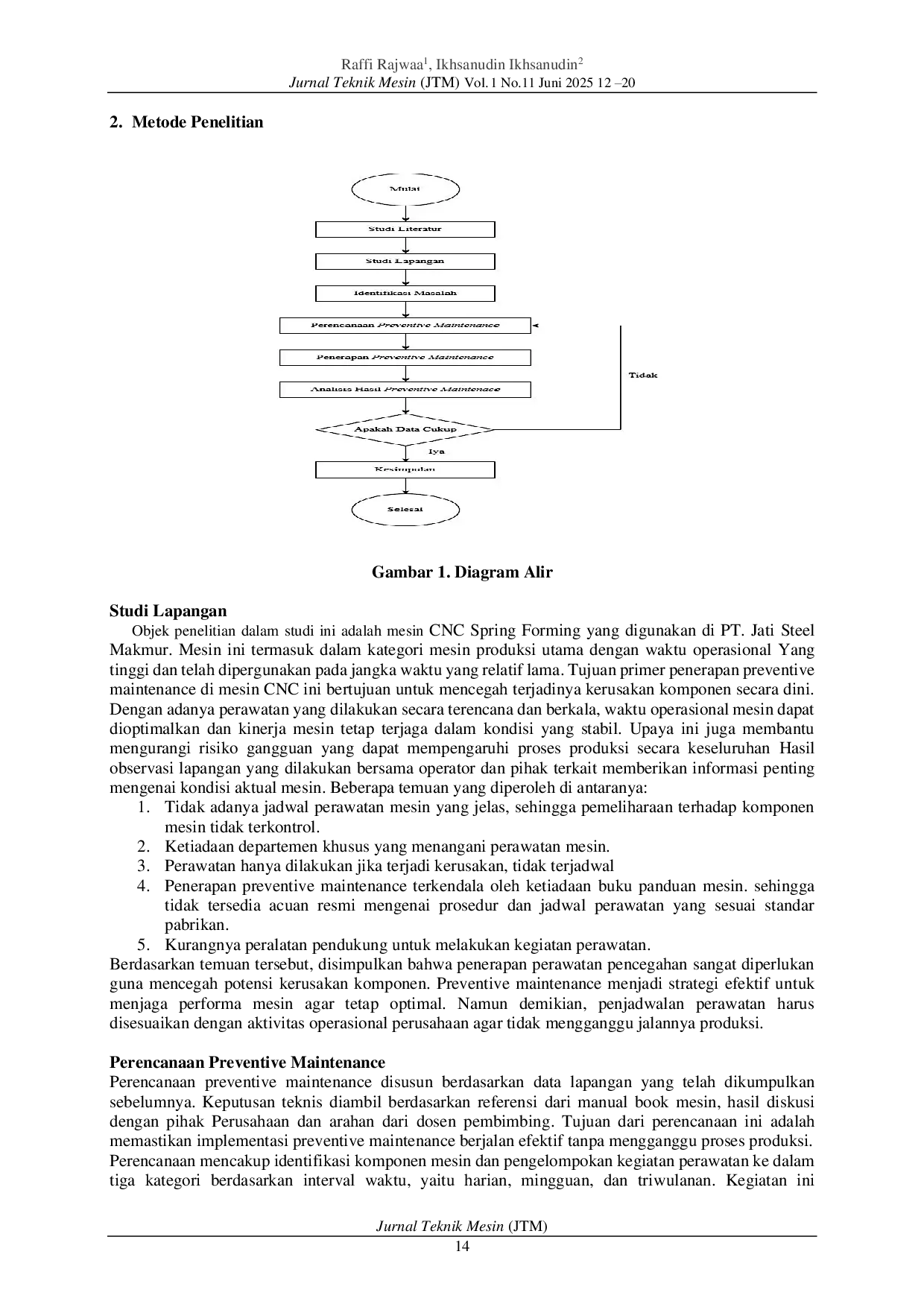
POLITAPPOLITAP Mengingat proses kerja mesin dapat mengalami kerusakan sewaktu-waktu, penerapan perawatan preventif menjadi langkah penting untuk meminimalkan potensiMengingat proses kerja mesin dapat mengalami kerusakan sewaktu-waktu, penerapan perawatan preventif menjadi langkah penting untuk meminimalkan potensi
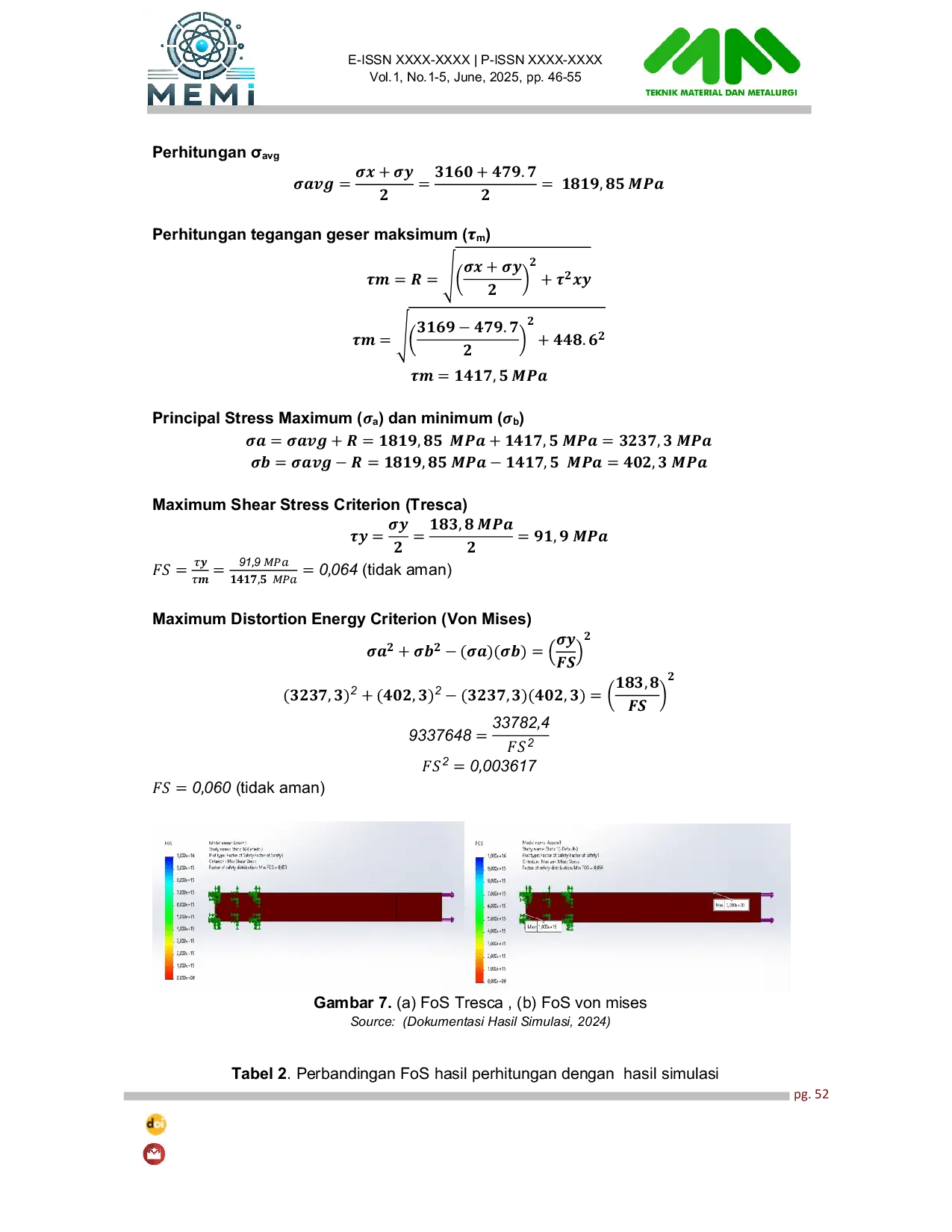
ITKITK Komposit berbasis serat telah menjadi inovasi penting dalam industri teknik dan manufaktur (Musliman & Damayanti, 2023), termasuk Fiber Reinforced PolymerKomposit berbasis serat telah menjadi inovasi penting dalam industri teknik dan manufaktur (Musliman & Damayanti, 2023), termasuk Fiber Reinforced Polymer
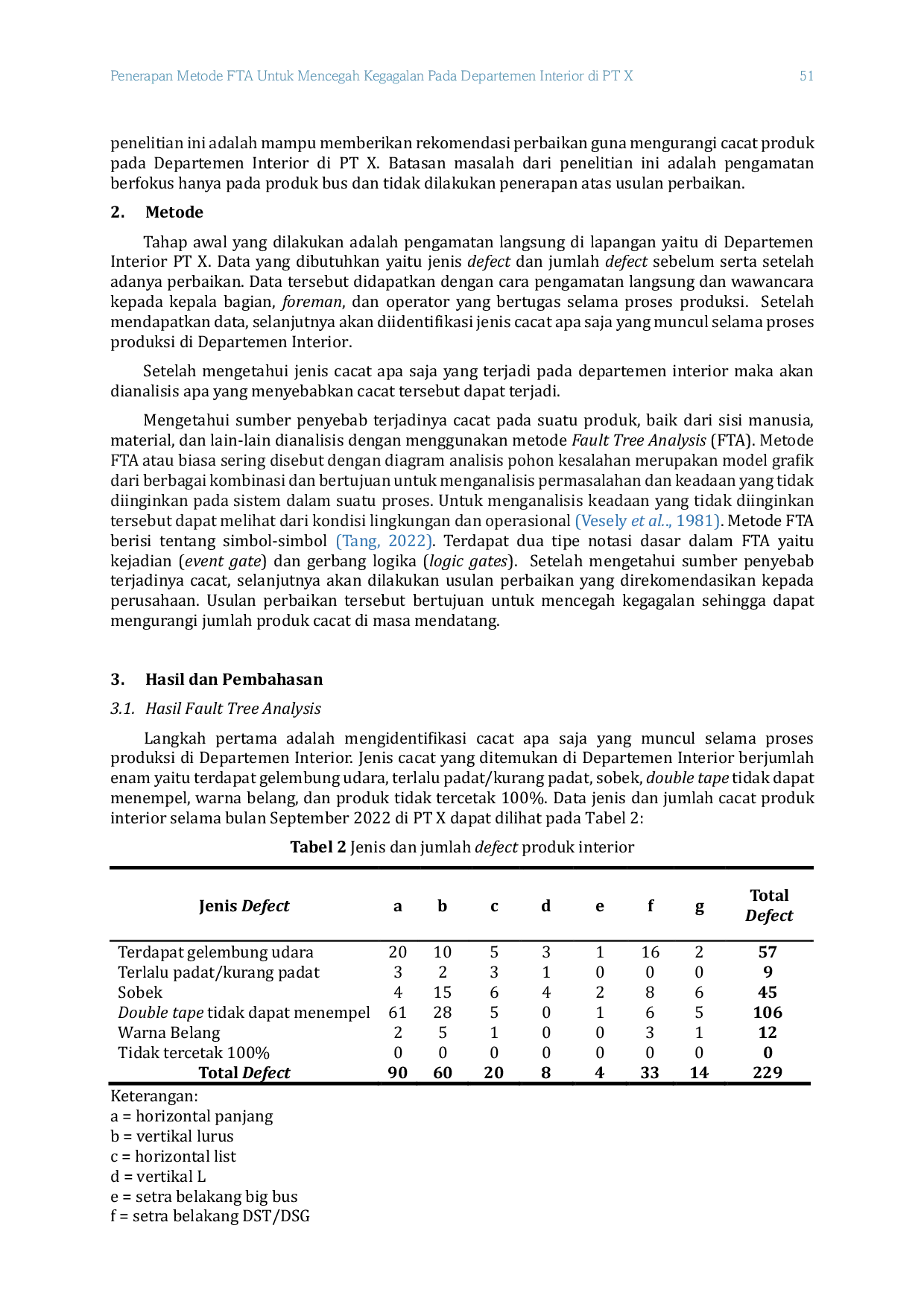
MACHUNGMACHUNG Perbaikan yang direkomendasikan meliputi pembuatan form checklist, pemberian keterangan standar nomor injeksi, jadwal perawatan mesin, penggantian cairanPerbaikan yang direkomendasikan meliputi pembuatan form checklist, pemberian keterangan standar nomor injeksi, jadwal perawatan mesin, penggantian cairan
Useful /

UNESAUNESA Disarankan pengembangan lebih lanjut pada fitur, keamanan, dan kemudahan penggunaan sistem. Penelitian ini berhasil merancang dan mengimplementasikan LMSDisarankan pengembangan lebih lanjut pada fitur, keamanan, dan kemudahan penggunaan sistem. Penelitian ini berhasil merancang dan mengimplementasikan LMS
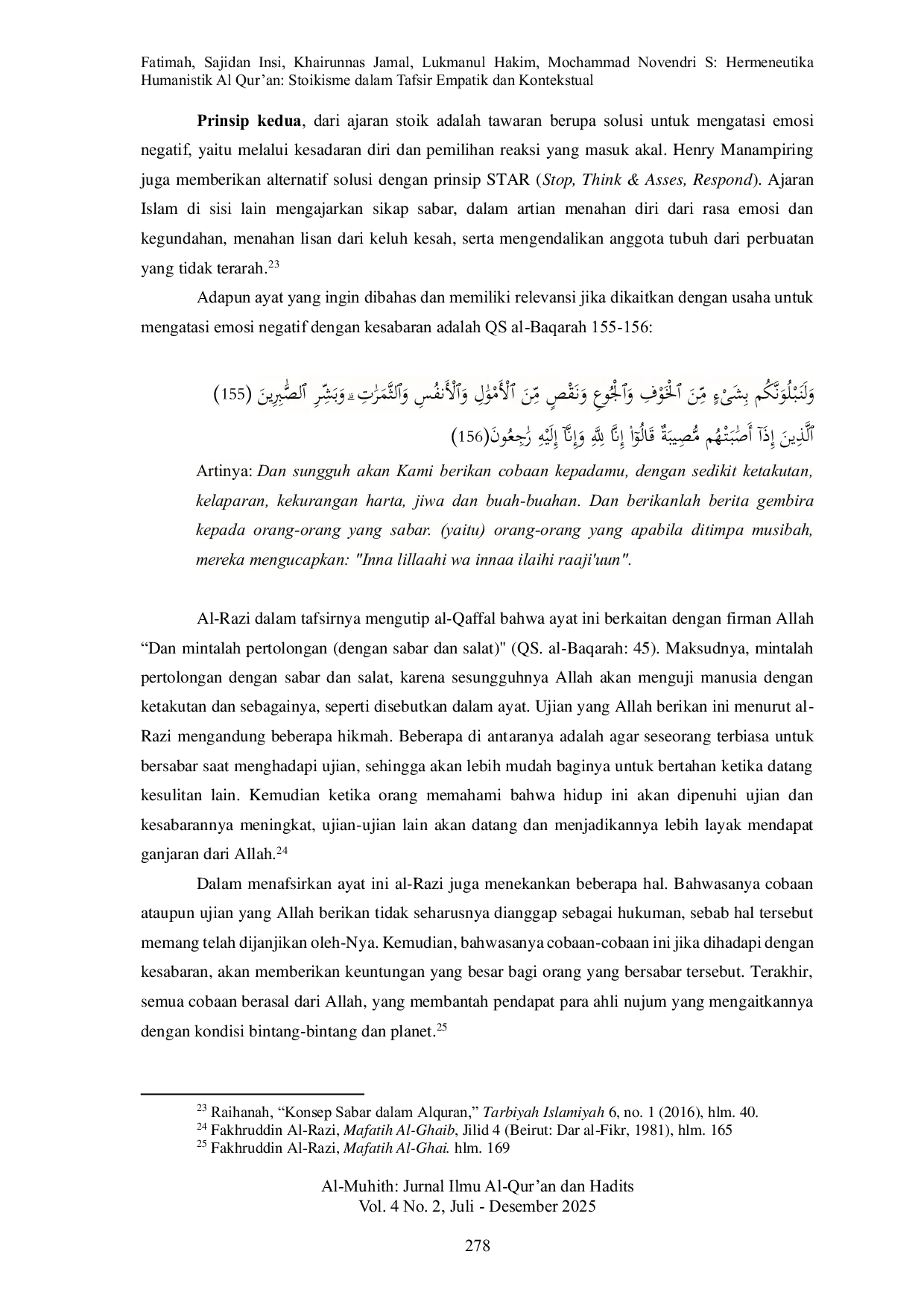
STIQ AMUNTAISTIQ AMUNTAI Studi ini menegaskan Al-Quran, melalui interpretasi empatik, dapat menjadi panduan relevan membangun ketahanan batin dan mencapai kesejahteraan psikologis.Studi ini menegaskan Al-Quran, melalui interpretasi empatik, dapat menjadi panduan relevan membangun ketahanan batin dan mencapai kesejahteraan psikologis.

STIQ AMUNTAISTIQ AMUNTAI Berdasarkan pembahasan di atas dapat disimpulkan bahwa Hadis tahlili adalah kajian terhadap suatu hadis Nabi dari segi riwayah dan dirayah, serta mengaitkannyaBerdasarkan pembahasan di atas dapat disimpulkan bahwa Hadis tahlili adalah kajian terhadap suatu hadis Nabi dari segi riwayah dan dirayah, serta mengaitkannya

STIQ AMUNTAISTIQ AMUNTAI Dalam Qs. Ar-Rahman ayat 1-3, ayat-ayat tersebut menyoroti keajaiban ciptaan Allah yang meliputi penciptaan langit, bumi, dan segala sesuatu di antaranya,Dalam Qs. Ar-Rahman ayat 1-3, ayat-ayat tersebut menyoroti keajaiban ciptaan Allah yang meliputi penciptaan langit, bumi, dan segala sesuatu di antaranya,