KIPMIKIPMI
Communications in Science and TechnologyCommunications in Science and TechnologyThis work represents tunable copper oxide quantum dots (QDs) using an electrochemical synthesis in a mixture of electrolytes of citric acid (CA) and potassium chloride (KCl). The colloidal solutions showed a blue coloration, indicating quantum size effects and uniform dispersion of spherical QDs. The absorbance slightly decreased as the concentration of CA and KCl increased. PL studies indicated the maximum emission intensity at high CA and KCl concentrations due to great stabilization and surface-passivated quantum confinement effects. SAED confirmed polycrystalline structures of CuO and Cu2O depending on the concentration of CA and KCl. This possibility of tuning particle size and crystalline phases offers significant potential for advanced applications. For a demonstration of the QDs as an antibacterial agent, it demonstrates potential as an agent for inhibiting E. coli and S. aureus. Furthermore, the integration of the QDs with ZnO-based photocatalysts resulted in an enhanced photocatalytic degradation of methylene blue.
The study successfully synthesized copper oxide QDs via electrochemical methods, demonstrating control over particle size and crystalline phases through adjustments in citric acid and potassium chloride concentrations.These QDs exhibited promising antibacterial activity against both E.aureus, and their integration with ZnO photocatalysts significantly enhanced the degradation of methylene blue.The findings highlight the potential of electrochemically synthesized copper oxide QDs for diverse applications, particularly in antibacterial treatments and photocatalysis.
Penelitian lebih lanjut dapat dilakukan untuk mengoptimalkan konsentrasi elektrolit CA dan KCl guna menghasilkan QDs dengan ukuran dan fase kristal yang lebih seragam, sehingga meningkatkan efisiensi kuantum dan stabilitasnya. Selain itu, eksplorasi mekanisme antibakteri QDs terhadap berbagai jenis bakteri, termasuk studi tentang interaksi QDs dengan dinding sel bakteri dan dampak terhadap metabolisme sel, akan memberikan pemahaman yang lebih mendalam tentang potensi aplikasi biomedisnya. Terakhir, pengembangan material komposit baru yang menggabungkan QDs dengan matriks polimer atau material lain dapat membuka peluang untuk menciptakan sensor atau perangkat optoelektronik yang lebih sensitif dan efisien, serta memperluas cakupan aplikasi QDs di berbagai bidang teknologi.
| File size | 1.34 MB |
| Pages | 7 |
| DMCA | Report |
Related /

LPPMDIANHUSADALPPMDIANHUSADA Asas yang mendasari pelaksanaan kegiatan pengabdian masyarakat ini adalah asas edukatif. Masyarakat sasaran kegiatan pengabdian masyarakat ini adalah pengunjungAsas yang mendasari pelaksanaan kegiatan pengabdian masyarakat ini adalah asas edukatif. Masyarakat sasaran kegiatan pengabdian masyarakat ini adalah pengunjung

UNJUNJ Saat ini terdapat kekurangan dan kelebihan ruang belajar masing-masing 82 unit, dengan kekurangan dominan pada SLTA negeri. Tambahan kebutuhan ruang belajarSaat ini terdapat kekurangan dan kelebihan ruang belajar masing-masing 82 unit, dengan kekurangan dominan pada SLTA negeri. Tambahan kebutuhan ruang belajar
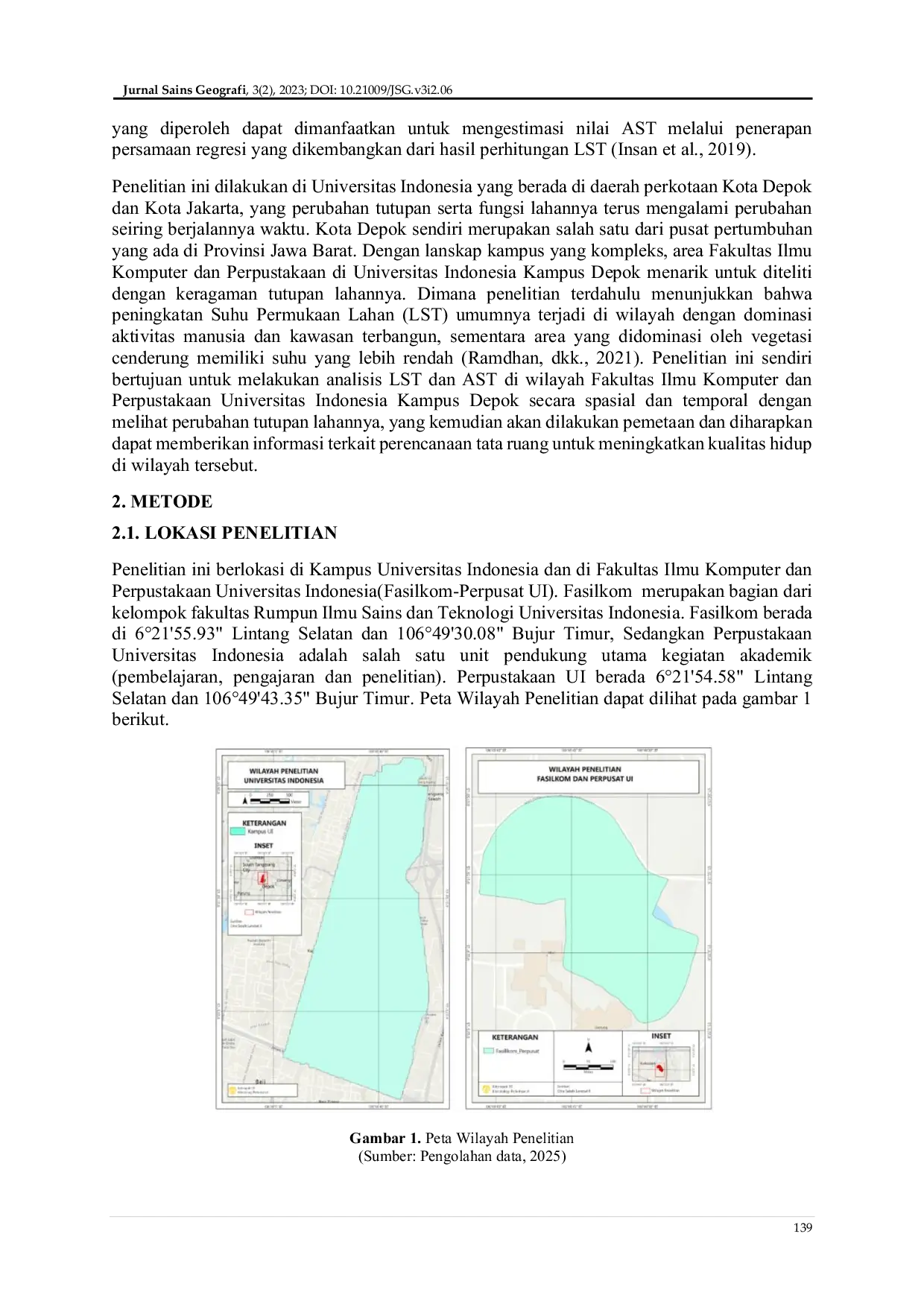
UNJUNJ Peta isoterm dan hasil interpolasi kriging memperlihatkan distribusi suhu yang konsisten dengan karakteristik tutupan lahan. Hasil ini mengindikasikanPeta isoterm dan hasil interpolasi kriging memperlihatkan distribusi suhu yang konsisten dengan karakteristik tutupan lahan. Hasil ini mengindikasikan

UMJ PremiumUMJ Premium Solusi yang diajukan berupa mentoring untuk meningkatkan pemberdayaan mitra dalam pengetahuan dan keterampilan, diukur melalui alat penilaian sederhanaSolusi yang diajukan berupa mentoring untuk meningkatkan pemberdayaan mitra dalam pengetahuan dan keterampilan, diukur melalui alat penilaian sederhana
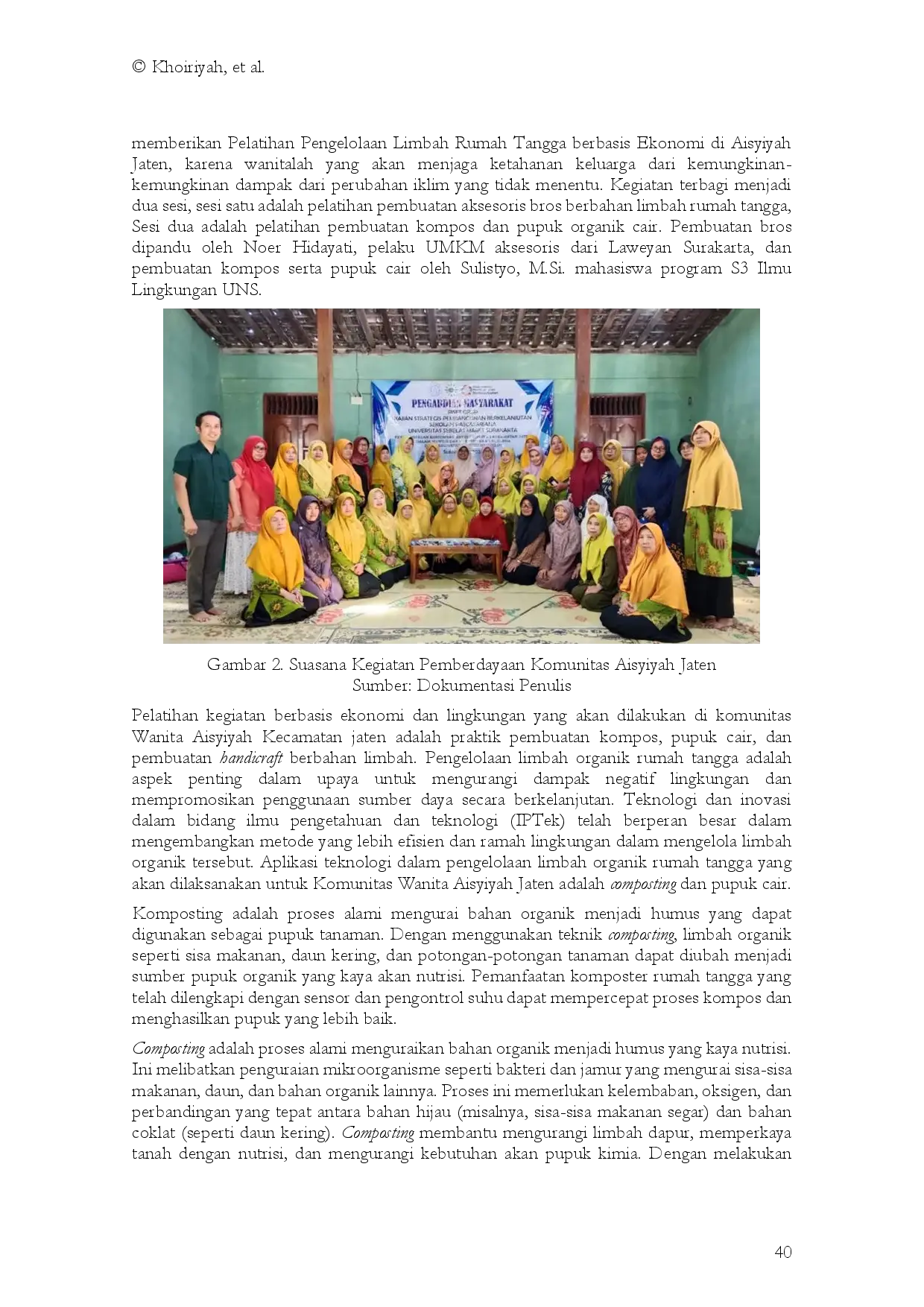
PROSPECTPUBLISHINGPROSPECTPUBLISHING Teknologi pengolahan sampah organik yang dapat dipraktikkan meliputi komposter, pupuk organik cair, dan pembuatan aksesoris bros. Kegiatan tersebut mendapatTeknologi pengolahan sampah organik yang dapat dipraktikkan meliputi komposter, pupuk organik cair, dan pembuatan aksesoris bros. Kegiatan tersebut mendapat
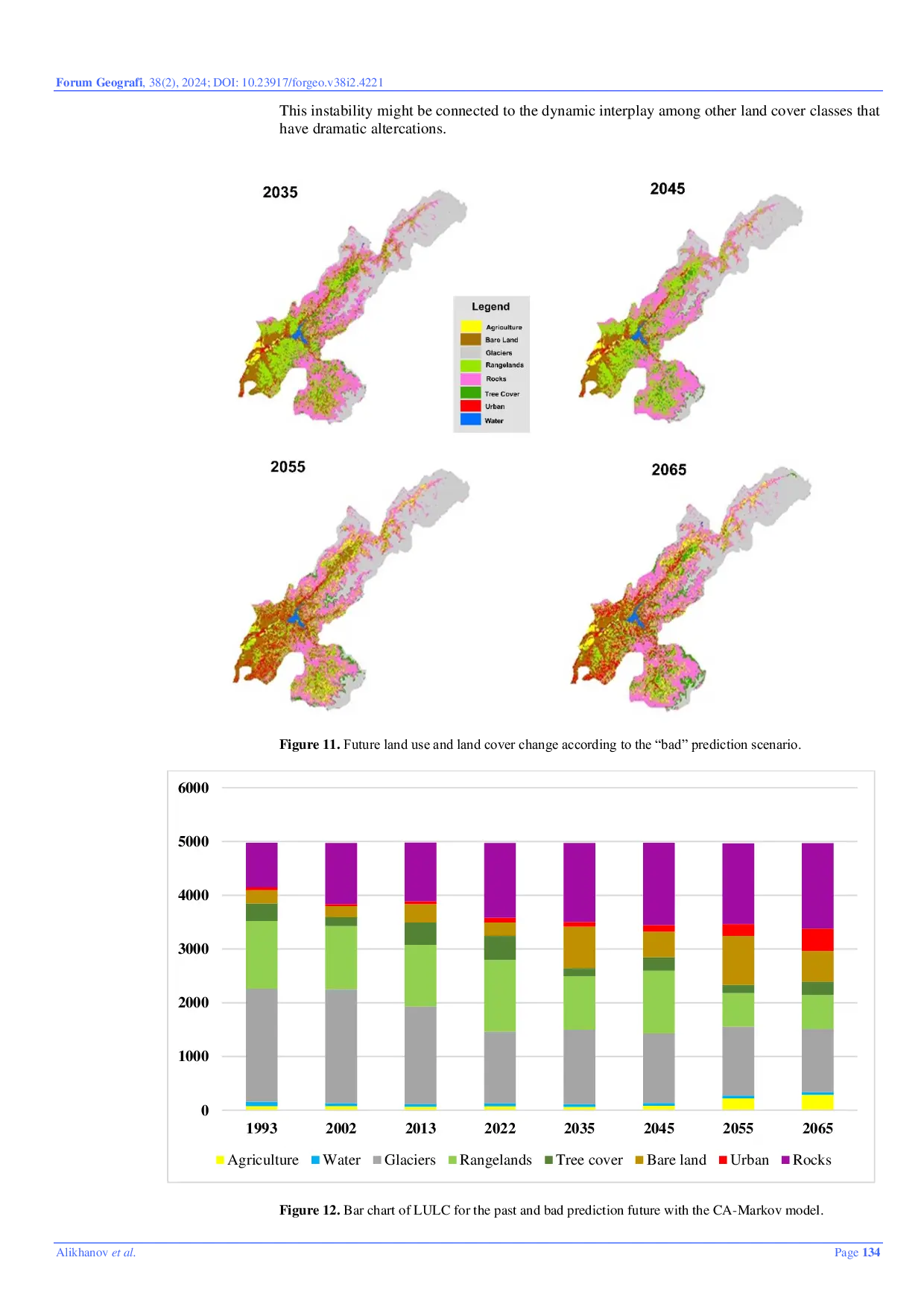
UMSUMS Temuan mengungkap dampak perubahan iklim serta aktivitas manusia terhadap ekosistem taman, sekaligus menunjukkan efektivitas integrasi data penginderaanTemuan mengungkap dampak perubahan iklim serta aktivitas manusia terhadap ekosistem taman, sekaligus menunjukkan efektivitas integrasi data penginderaan

ATIDEWANTARAATIDEWANTARA Hal ini disebabkan oleh jenis tanah yang didominasi oleh tanah ultisol, yang memiliki kandungan bahan organik tanah yang rendah. Oleh karena itu, fokusHal ini disebabkan oleh jenis tanah yang didominasi oleh tanah ultisol, yang memiliki kandungan bahan organik tanah yang rendah. Oleh karena itu, fokus

UNIPOLUNIPOL Perkembangan sistem informasi semakin pesat, sirkulasi peminjaman dan pengembalian buku tanah pada Badan Pertanahan Nasional (BPN) Kabupaten Soppeng selamaPerkembangan sistem informasi semakin pesat, sirkulasi peminjaman dan pengembalian buku tanah pada Badan Pertanahan Nasional (BPN) Kabupaten Soppeng selama
Useful /

PPSUNIYAPPPSUNIYAP Data dikumpulkan dari 138 responden yang merupakan pegawai OPD Provinsi NTT menggunakan teknik purposive sampling. Analisis regresi moderasi dengan SmartPLSData dikumpulkan dari 138 responden yang merupakan pegawai OPD Provinsi NTT menggunakan teknik purposive sampling. Analisis regresi moderasi dengan SmartPLS
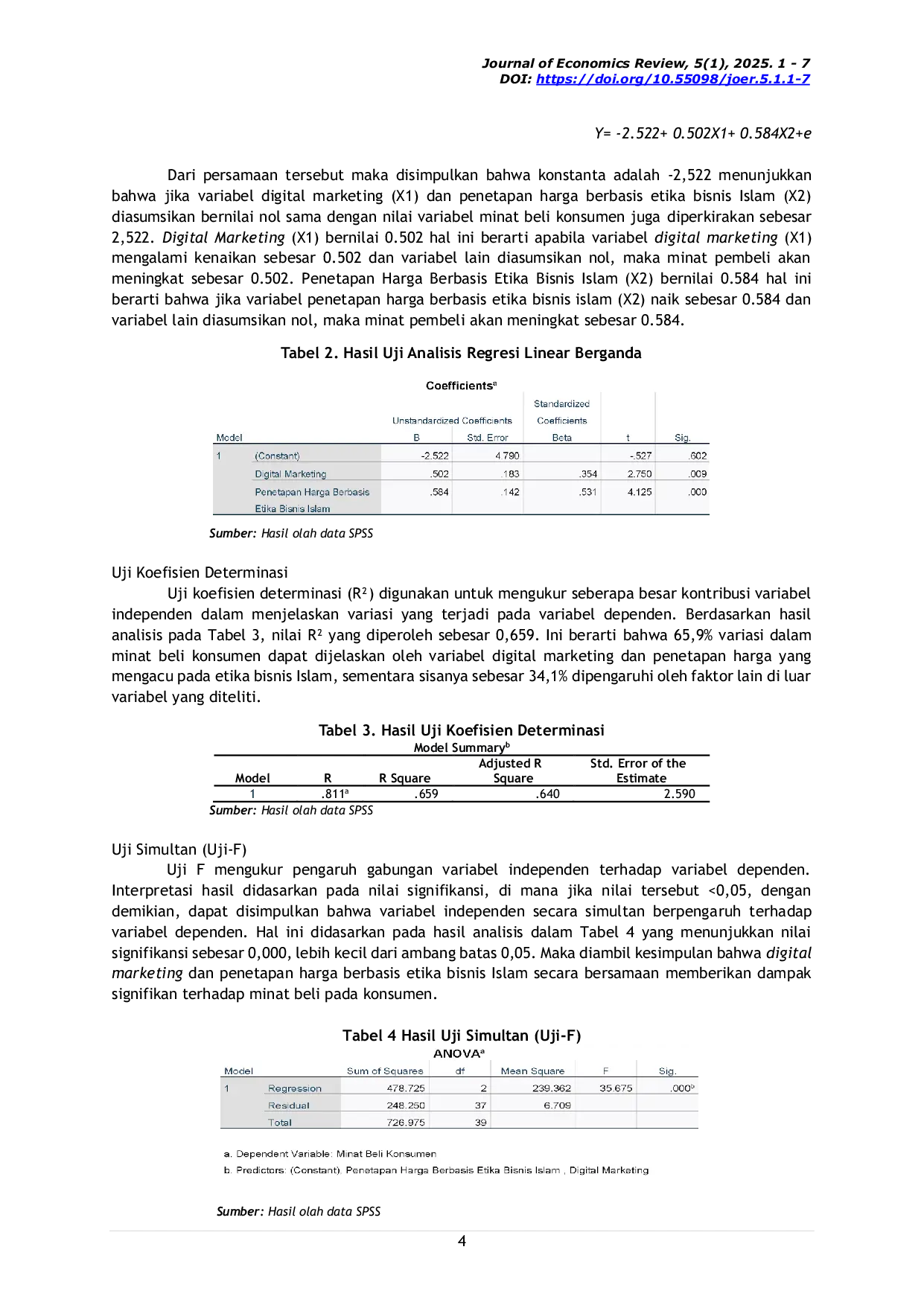
PPSUNIYAPPPSUNIYAP Penelitian ini bertujuan untuk menganalisis dampak strategi pemasaran digital dan penetapan harga yang mengacu pada etika bisnis Islam terhadap minat pembelianPenelitian ini bertujuan untuk menganalisis dampak strategi pemasaran digital dan penetapan harga yang mengacu pada etika bisnis Islam terhadap minat pembelian

UNISMAUNISMA Proses penyusunan kontrak, yang diawali dengan tahapan persiapan, sangat penting untuk memastikan bahwa kontrak yang dihasilkan dapat dipertanggungjawabkanProses penyusunan kontrak, yang diawali dengan tahapan persiapan, sangat penting untuk memastikan bahwa kontrak yang dihasilkan dapat dipertanggungjawabkan

UNISMAUNISMA Dalam pandangan HAM, kaum LGBT mendapatkan perlindungan untuk diperbaiki secara psikologis supaya kembali menjadi masyarakat seutuhnya dan tidak berperilakuDalam pandangan HAM, kaum LGBT mendapatkan perlindungan untuk diperbaiki secara psikologis supaya kembali menjadi masyarakat seutuhnya dan tidak berperilaku