JOURNAL JPSJOURNAL JPS
Journal of Pharmaceutical and SciencesJournal of Pharmaceutical and SciencesBackground: Erythrina subumbrans (Hassk.) Merr, locally known as dadap serep, is a medicinal plant traditionally used to treat various ailments, indicating the presence of bioactive compounds. However, scientific exploration of its phytochemical profile and antioxidant potential remains limited compared to other species in the genus. Objective: This study aimed to (1) identify the bioactive compound groups in the 70% ethanol extract of Erythrina subumbrans leaves through phytochemical screening and Thin Layer Chromatography (TLC), and (2) evaluate its antioxidant activity quantitatively using the DPPH (2,2-diphenyl-1-picrylhydrazyl) radical scavenging method. Methods: The leaves were extracted via maceration using 70% ethanol. The extract was subjected to standard phytochemical screening tests for flavonoids, alkaloids, saponins, and tannins. Flavonoid profiling was performed using TLC with a quercetin standard. Antioxidant activity was assessed by the DPPH method, with vitamin C as a reference standard, and the IC₅₀ value was determined. Results: Phytochemical screening confirmed the presence of flavonoids, alkaloids, saponins, and tannins. TLC analysis indicated the presence of flavonoid compounds, with one major spot showing an Rf value similar to the quercetin standard. The DPPH assay revealed that the extract possesses strong antioxidant activity, with an IC₅₀ value of 49.94 ppm. According to established antioxidant strength criteria, this IC₅₀ value is categorized as very strong. Conclusion: The 70% ethanol extract of Erythrina subumbrans leaves contains diverse bioactive compounds, particularly flavonoids, and exhibits very strong antioxidant activity. These findings scientifically support its traditional use and highlight its potential as a promising source of natural antioxidants for further pharmaceutical or nutraceutical development.
The 70% ethanol extract of Erythrina subumbrans (Hassk.) Merr leaves contains various classes of secondary metabolites, including flavonoids, alkaloids, saponins, and tannins.Thin-layer chromatography (TLC) analysis provided preliminary evidence of flavonoid compounds, with one major constituent displaying chromatographic behavior similar to the quercetin standard.The extract demonstrated significant radical scavenging activity against DPPH, with an IC₅₀ value of 49.94 µg/mL, categorizing it as possessing very strong antioxidant capacity.
Further research should focus on isolating and identifying the specific flavonoid compounds responsible for the observed antioxidant activity using advanced analytical techniques like HPLC or LC-MS/MS. Investigating the potential synergistic effects between different bioactive compounds present in the extract, such as flavonoids, alkaloids, and saponins, on antioxidant activity and other pharmacological properties is crucial. Additionally, studies exploring the in vivo efficacy of the extract in relevant disease models, such as oxidative stress-induced conditions, are warranted to validate its therapeutic potential and assess its bioavailability and metabolic fate within the body. These investigations will contribute to a more comprehensive understanding of Erythrina subumbranss medicinal properties and pave the way for its development as a novel natural antioxidant source for pharmaceutical and nutraceutical applications, potentially leading to innovative strategies for preventing and treating oxidative stress-related diseases.
- Journal of Pharmaceutical and Sciences. journal sciences quick jump page content main navigation sidebar... doi.org/10.36490/journal-jps.comJournal of Pharmaceutical and Sciences journal sciences quick jump page content main navigation sidebar doi 10 36490 journal jps
- Identification of Active Compounds in Dadap Serep Leaves (Erythrina subumbrans (Hassk.) Merr) and Their... doi.org/10.36490/journal-jps.com.v9i1.1164Identification of Active Compounds in Dadap Serep Leaves Erythrina subumbrans Hassk Merr and Their doi 10 36490 journal jps v9i1 1164
| File size | 569.88 KB |
| Pages | 8 |
| DMCA | Report |
Related /
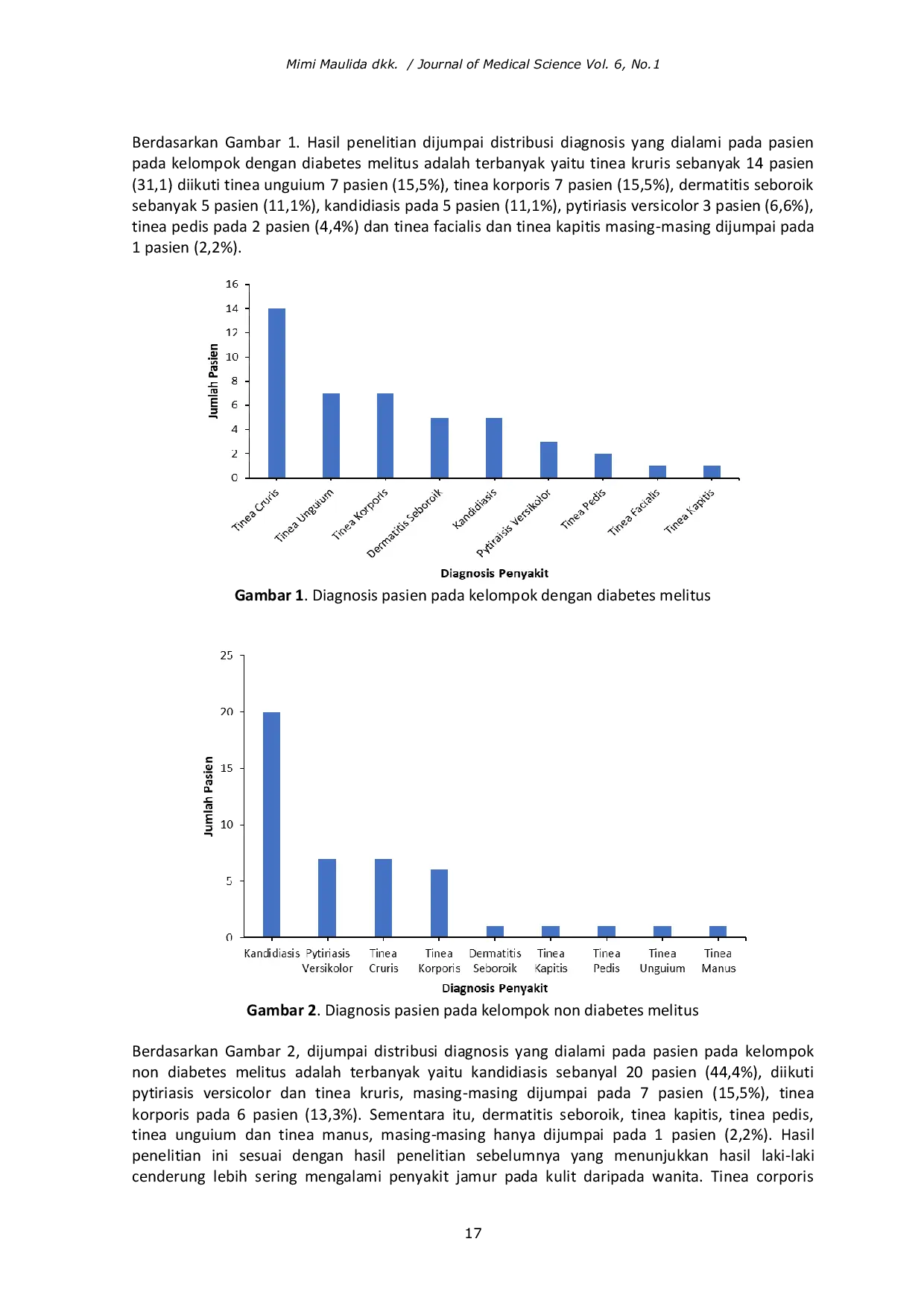
ACEHPROVACEHPROV Tujuan dari penelitian ini adalah untuk mengetahui hubungan antara dermatofitosis dan Non Dermatofitosis dengan Diabetes Melitus tipe 2. Penelitian iniTujuan dari penelitian ini adalah untuk mengetahui hubungan antara dermatofitosis dan Non Dermatofitosis dengan Diabetes Melitus tipe 2. Penelitian ini
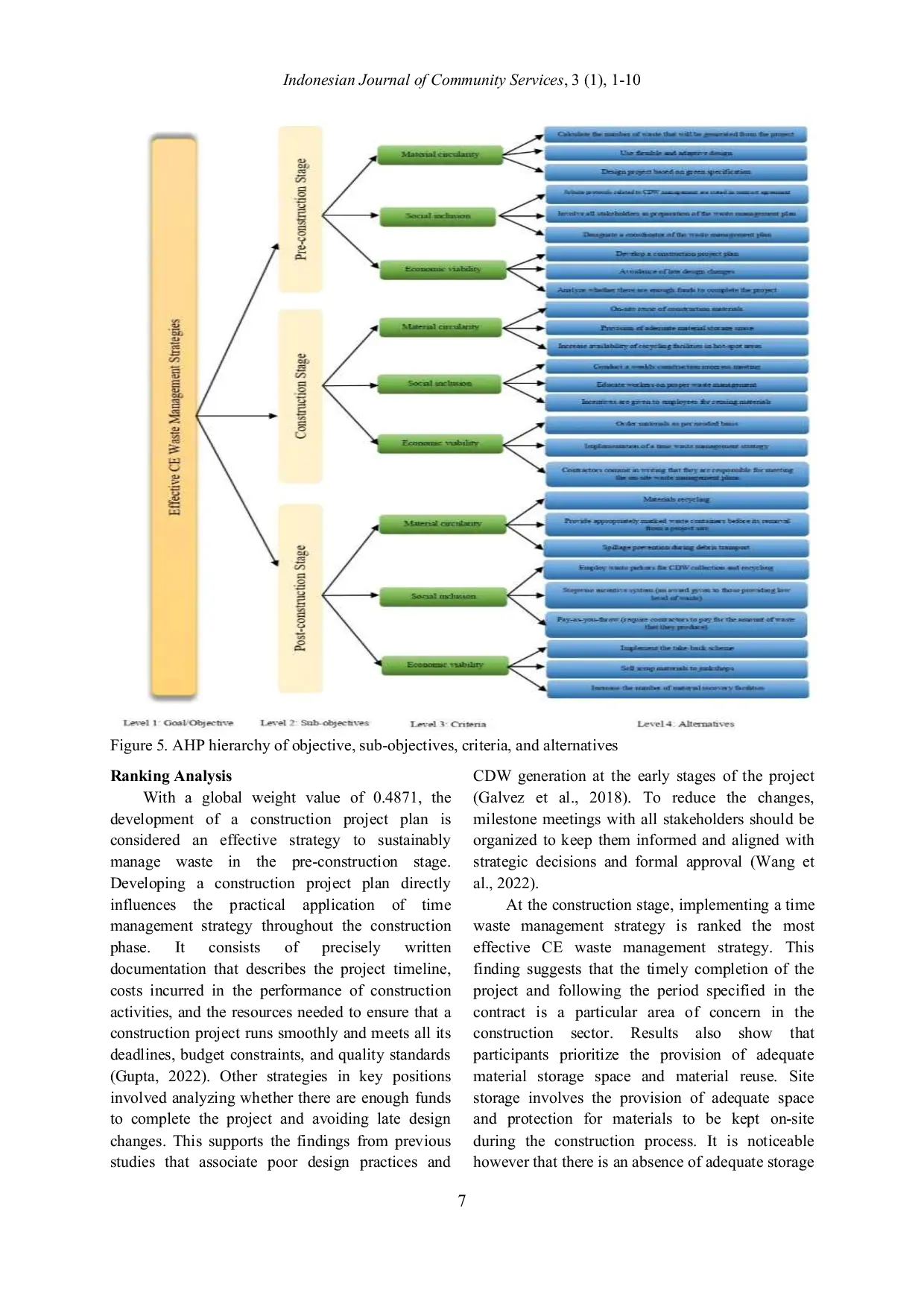
LITERACYINSTITUTELITERACYINSTITUTE Namun, hasil proyek infrastruktur menghasilkan limbah yang signifikan. Didefinisikan secara operasional sebagai limbah konstruksi dan demolisi (CDW), merekaNamun, hasil proyek infrastruktur menghasilkan limbah yang signifikan. Didefinisikan secara operasional sebagai limbah konstruksi dan demolisi (CDW), mereka

ACEHPROVACEHPROV Penelitian ini bertujuan untuk menilai efikasi penambahan insulin basal kerja panjang terhadap insulin kerja cepat intravena dalam memperbaiki resolusiPenelitian ini bertujuan untuk menilai efikasi penambahan insulin basal kerja panjang terhadap insulin kerja cepat intravena dalam memperbaiki resolusi

ACEHPROVACEHPROV Akne dapat menyebabkan depresi, stres, dan kecemasan yang berdampak pada kualitas hidup. Penelitian ini bertujuan mengetahui hubungan derajat keparahanAkne dapat menyebabkan depresi, stres, dan kecemasan yang berdampak pada kualitas hidup. Penelitian ini bertujuan mengetahui hubungan derajat keparahan

ACEHPROVACEHPROV Teknik pengambilan sampel menggunakan metode consecutive sampling dengan jumlah responden sebanyak 44 orang, terdiri dari 38 pasien yang menjalani kemoterapiTeknik pengambilan sampel menggunakan metode consecutive sampling dengan jumlah responden sebanyak 44 orang, terdiri dari 38 pasien yang menjalani kemoterapi

ACEHPROVACEHPROV Penelitian ini bertujuan untuk mengetahui apakah terapi irigasi nasal dengan larutan NaCl 0,9% dapat mempengaruhi hasil SNOT-22 dan TNSS pada penderitaPenelitian ini bertujuan untuk mengetahui apakah terapi irigasi nasal dengan larutan NaCl 0,9% dapat mempengaruhi hasil SNOT-22 dan TNSS pada penderita

ACEHPROVACEHPROV Sebagian besar pasien stroke mengalami kecacatan pasca-stroke, sehingga diperlukan intervensi untuk meminimalkan kecacatan dan memperbaiki keluaran klinis.Sebagian besar pasien stroke mengalami kecacatan pasca-stroke, sehingga diperlukan intervensi untuk meminimalkan kecacatan dan memperbaiki keluaran klinis.

UNCMUNCM Hasil yang didapatkan dari review sepuluh artikel tersebut yaitu pengembangan media video pembelajaran terbukti layak digunakan dan efektif untuk meningkatkanHasil yang didapatkan dari review sepuluh artikel tersebut yaitu pengembangan media video pembelajaran terbukti layak digunakan dan efektif untuk meningkatkan
Useful /

UNSURIUNSURI Analisis dilakukan dengan menyoroti ayat-ayat Al-Quran, hadis Nabi SAW, serta pandangan ulama mengenai adab dan hukum melunasi hutang. Hasil penelitianAnalisis dilakukan dengan menyoroti ayat-ayat Al-Quran, hadis Nabi SAW, serta pandangan ulama mengenai adab dan hukum melunasi hutang. Hasil penelitian

RADEN WIJAYARADEN WIJAYA Teknik pengumpulan data yang digunakan adalah wawancara, observasi dan dokumentasi serta teknik analisis data yang digunakan adalah deskriptif kualitatifTeknik pengumpulan data yang digunakan adalah wawancara, observasi dan dokumentasi serta teknik analisis data yang digunakan adalah deskriptif kualitatif

RADEN WIJAYARADEN WIJAYA Kandungan protein totalnya 1048,43 gram dapat mencukupi AKG sebesar 1747,28%. Kandungan karbohidrat total 2484,94 gram dapat mencukupi AKG sebesar 828,31%.Kandungan protein totalnya 1048,43 gram dapat mencukupi AKG sebesar 1747,28%. Kandungan karbohidrat total 2484,94 gram dapat mencukupi AKG sebesar 828,31%.
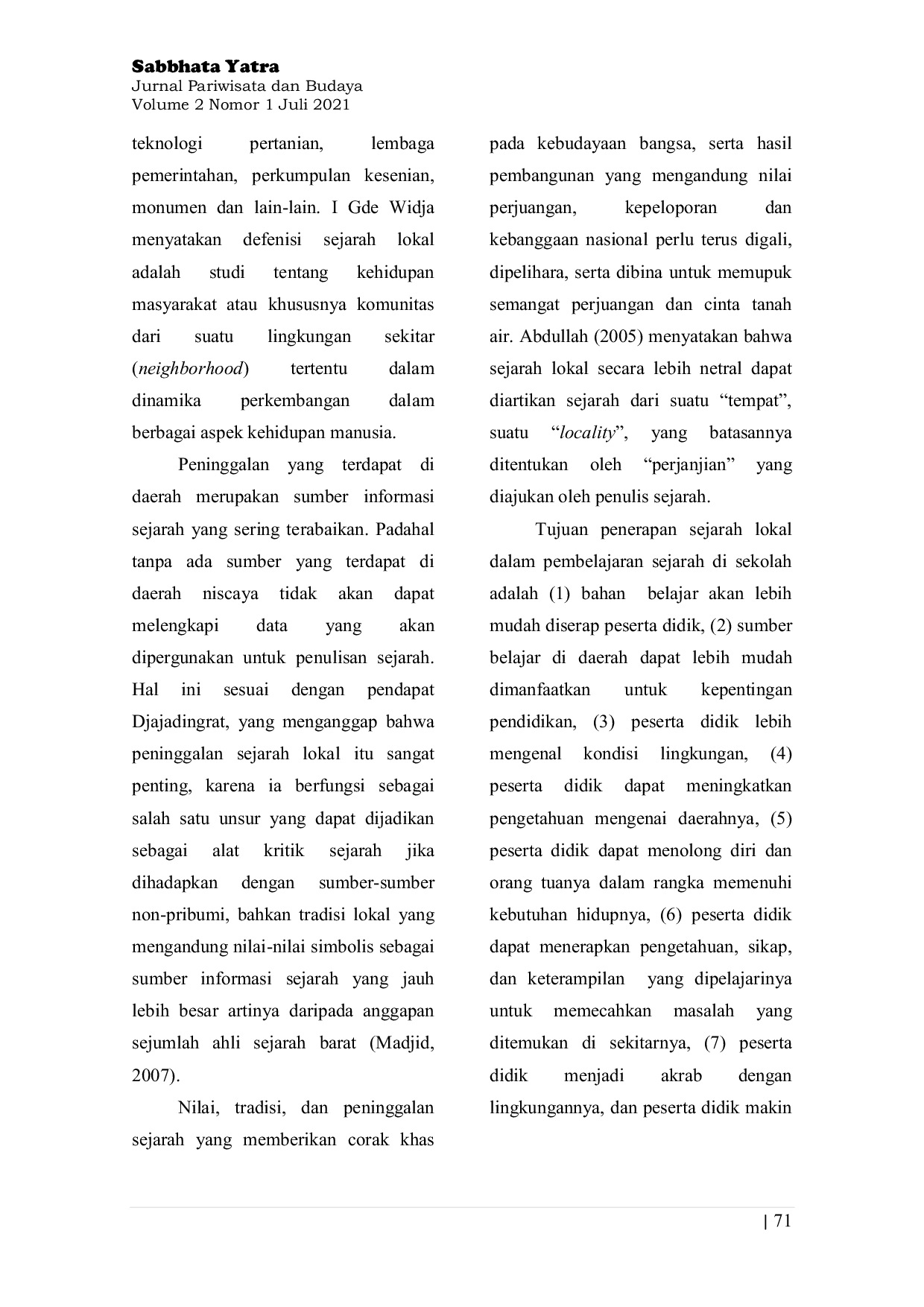
RADEN WIJAYARADEN WIJAYA Melalui pemebalajaran sejarah dapat menanamkan nilai-nilai seperti nasionalisme, pembentukan karakter dan berpikir kritis pada peserta didik. Dalam artiMelalui pemebalajaran sejarah dapat menanamkan nilai-nilai seperti nasionalisme, pembentukan karakter dan berpikir kritis pada peserta didik. Dalam arti