IJCISIJCIS
International Journal of Computer and Information System (IJCIS)International Journal of Computer and Information System (IJCIS)Lupus is a chronic autoimmune disease characterized by unpredictable cycles of remission and flare-ups, making regular monitoring of symptoms essential. However, many people with lupus experience challenges in consistently tracking their health due to brain fog, fatigue, and the wide variation of symptoms, which often leads to missed medication schedules and incomplete symptom records. This study aims to develop a mobile self-management application designed to help individuals with lupus monitor their health, manage their medications, and increase awareness of self-care activities. The development process employed the DMAIC (Define–Measure–Analyze–Improve–Control) framework, with the initial application prototype created using Figma. The prototype was tested with 22 respondents who are people with lupus (ODAPUS) to gather user feedback. The results indicate that users evaluated the application positively and found it beneficial for daily health management. Nevertheless, they recommended simplifying the interface and user flow to enhance usability. These insights will guide further improvements in the next stage of development.
This research successfully developed a mobile application interface designed to assist individuals with Systemic Lupus Erythematosus (SLE) in self-managing their health.The study found that most respondents have a habit of independently recording their health, but face challenges with symptom tracking, medication adherence, and app usage.The improved interface, based on user feedback, prioritizes simplicity, intuitive design, and customizable features to better support the needs of people with lupus.
Future research should explore the integration of the application with wearable sensors to automatically track physiological data, such as activity levels and sleep patterns, providing a more comprehensive view of the patients health status. Additionally, investigating the potential of incorporating artificial intelligence (AI) to predict flare-ups based on collected data could enable proactive interventions and personalized treatment plans. Finally, a long-term randomized controlled trial is needed to evaluate the clinical effectiveness of the application in improving medication adherence, reducing symptom severity, and enhancing the overall quality of life for individuals living with lupus, while also assessing the sustainability of user engagement over extended periods.
- The design process and development of MySleepSolutions - A sleep module for a lifestyle self-management... journals.sagepub.com/doi/10.1177/14604582251340548The design process and development of MySleepSolutions A sleep module for a lifestyle self management journals sagepub doi 10 1177 14604582251340548
- Pathogenesis of systemic lupus erythematosus | Journal of Clinical Pathology. pathogenesis systemic lupus... doi.org/10.1136/jcp.56.7.481Pathogenesis of systemic lupus erythematosus Journal of Clinical Pathology pathogenesis systemic lupus doi 10 1136 jcp 56 7 481
| File size | 603.46 KB |
| Pages | 9 |
| DMCA | Report |
Related /

PPNIUNIMMANPPNIUNIMMAN Desain penelitian yang digunakan dalam penelitian ini adalah cross sectional. Pengumpulan data menggunakan data sekunder dengan populasi penderita HipertensiDesain penelitian yang digunakan dalam penelitian ini adalah cross sectional. Pengumpulan data menggunakan data sekunder dengan populasi penderita Hipertensi

UnwahasUnwahas Kriteria inklusi adalah pasien hipertensi dengan program rujuk balik BPJS di apotek tersebut, tidak memiliki penyakit penyerta, telah menjalani pengobatanKriteria inklusi adalah pasien hipertensi dengan program rujuk balik BPJS di apotek tersebut, tidak memiliki penyakit penyerta, telah menjalani pengobatan

UNDIPUNDIP Data demografi, praktik keagamaan, dan frekuensi Tahajjud dikumpulkan melalui kuesioner. Peserta dikategorikan menjadi kelompok Tahajjud dan non-Tahajjud;Data demografi, praktik keagamaan, dan frekuensi Tahajjud dikumpulkan melalui kuesioner. Peserta dikategorikan menjadi kelompok Tahajjud dan non-Tahajjud;

UnwahasUnwahas Kemoterapi sering digunakan pada pasien kanker baik sebagai monoterapi maupun kombinasi, karena menunjukkan efektivitas yang lebih tinggi dan toksisitasKemoterapi sering digunakan pada pasien kanker baik sebagai monoterapi maupun kombinasi, karena menunjukkan efektivitas yang lebih tinggi dan toksisitas

STIKESLHOKSEUMAWESTIKESLHOKSEUMAWE Hal ini menunjukkan bahwa pasien yang percaya pada kendali diri dan dukungan tenaga kesehatan atau keluarga lebih patuh menjalani pengobatan, sementaraHal ini menunjukkan bahwa pasien yang percaya pada kendali diri dan dukungan tenaga kesehatan atau keluarga lebih patuh menjalani pengobatan, sementara
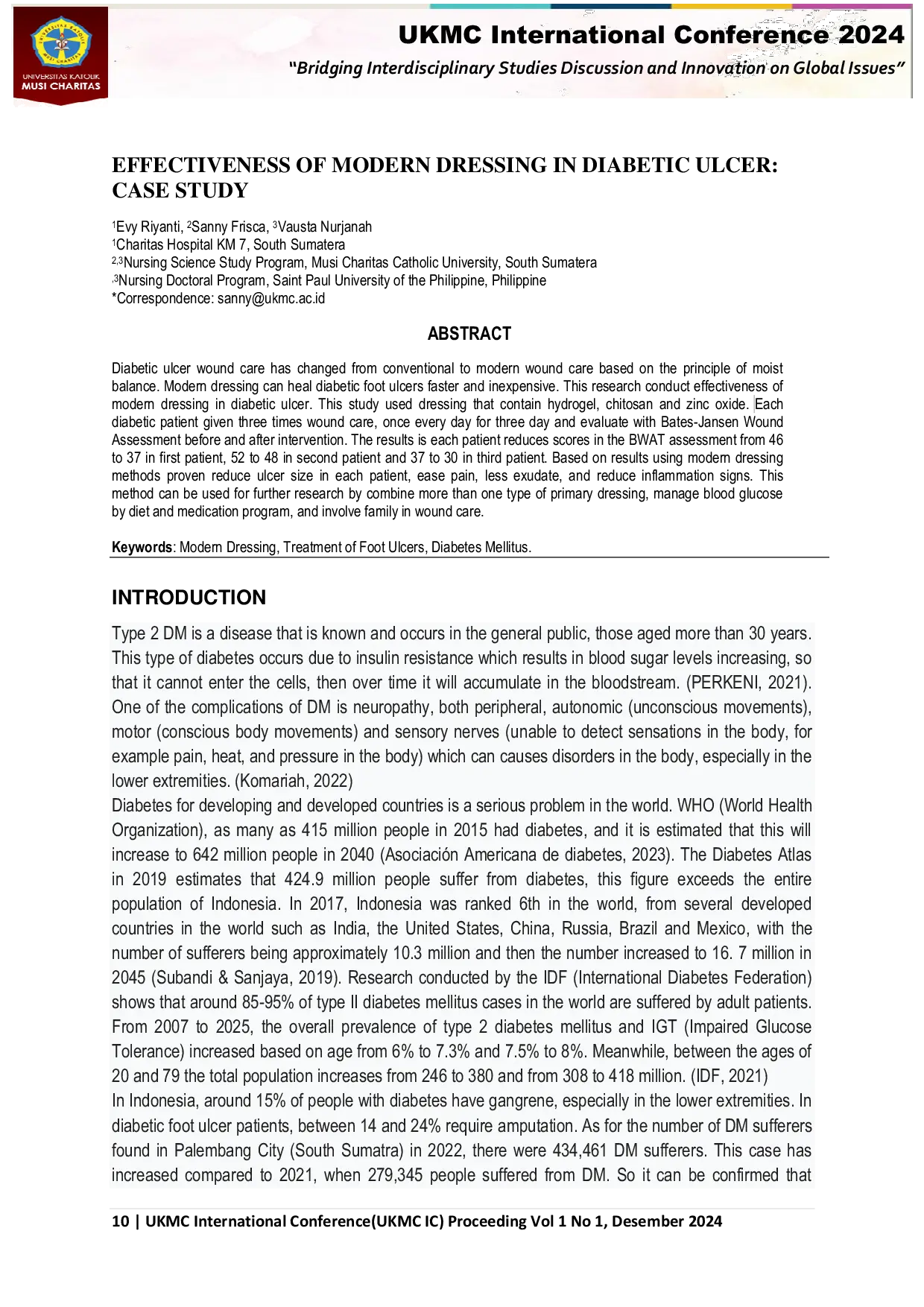
UKMCUKMC Hasil penelitian menunjukkan bahwa modern dressing dapat mempercepat proses penyembuhan luka ulkus diabetes. Modern dressing dapat mempercepat proses penyembuhanHasil penelitian menunjukkan bahwa modern dressing dapat mempercepat proses penyembuhan luka ulkus diabetes. Modern dressing dapat mempercepat proses penyembuhan

UKMCUKMC Penelitian kuantitatif dengan desain survei dan pendekatan cross-sectional dilakukan terhadap 25 responden vegetarian dan 25 non-vegetarian berusia 18-49Penelitian kuantitatif dengan desain survei dan pendekatan cross-sectional dilakukan terhadap 25 responden vegetarian dan 25 non-vegetarian berusia 18-49
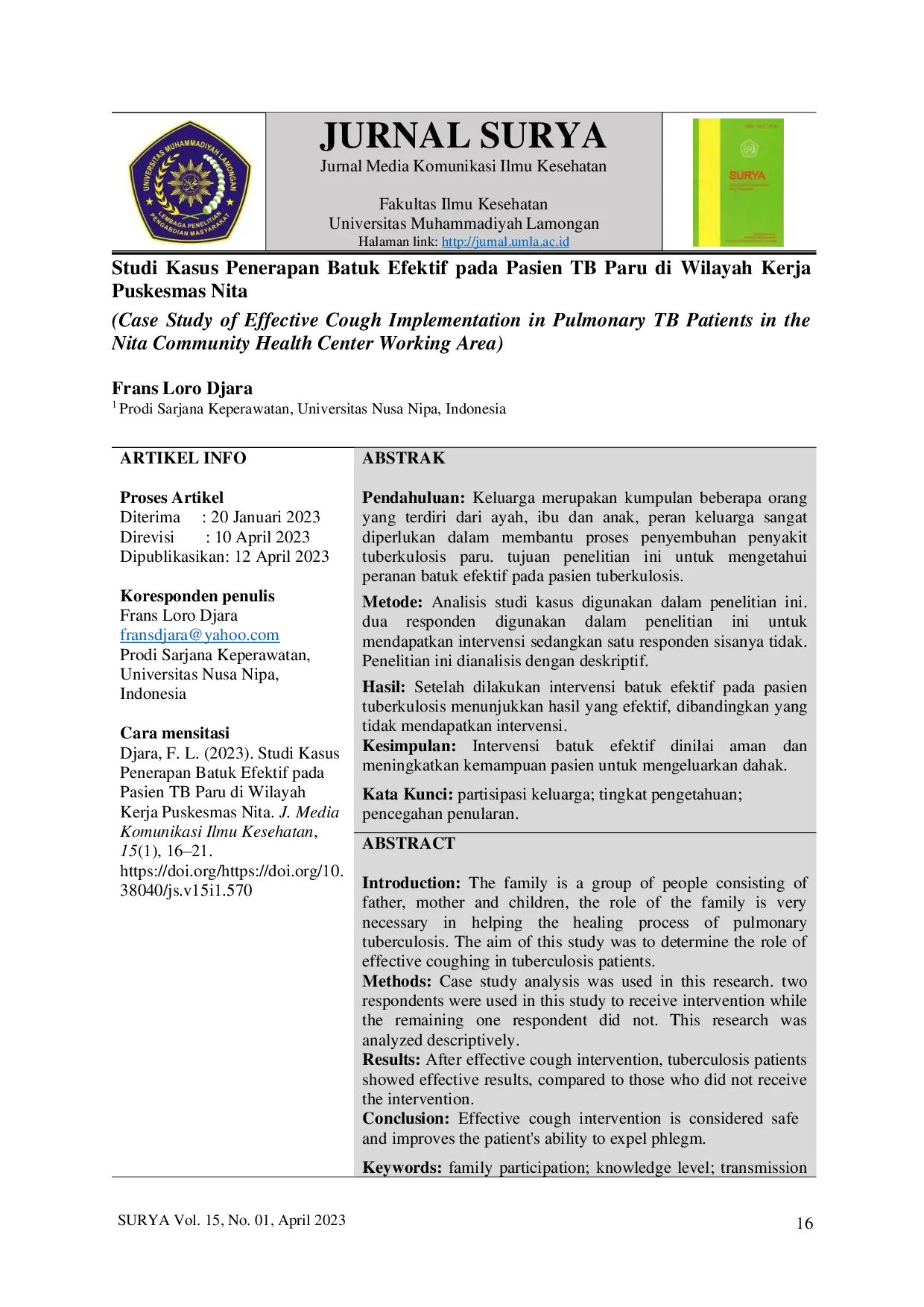
UMLAUMLA Hasil menunjukkan bahwa setelah dilakukan intervensi batuk efektif pada pasien tuberkulosis, diperoleh hasil yang efektif dibandingkan dengan pasien yangHasil menunjukkan bahwa setelah dilakukan intervensi batuk efektif pada pasien tuberkulosis, diperoleh hasil yang efektif dibandingkan dengan pasien yang
Useful /

UIN SUKAUIN SUKA Penelitian ini menggunakan indikator kerentanan sebagai solusi permasalahan yang dihadapi masyarakat difabel karena indikator kemiskinan dianggap tidakPenelitian ini menggunakan indikator kerentanan sebagai solusi permasalahan yang dihadapi masyarakat difabel karena indikator kemiskinan dianggap tidak

UIN SUKAUIN SUKA Solusi yang dapat dilakukan adalah pelatihan pengembangan media pembelajaran, pengembangan media oleh pendidik, pemberian penghargaan kepada pendidik yangSolusi yang dapat dilakukan adalah pelatihan pengembangan media pembelajaran, pengembangan media oleh pendidik, pemberian penghargaan kepada pendidik yang

UNDIPUNDIP Temuan menunjukkan bahwa perawat terpengaruh oleh kematian seorang anak terlepas dari lamanya pengalaman kerja mereka. Pengetahuan terbatas tentang perawatanTemuan menunjukkan bahwa perawat terpengaruh oleh kematian seorang anak terlepas dari lamanya pengalaman kerja mereka. Pengetahuan terbatas tentang perawatan

UNDIPUNDIP Namun, masih sedikit penelitian yang mengkaji pola ini di wilayah seperti Hail, Arab Saudi. Tujuan: Penelitian ini bertujuan untuk mengevaluasi perilakuNamun, masih sedikit penelitian yang mengkaji pola ini di wilayah seperti Hail, Arab Saudi. Tujuan: Penelitian ini bertujuan untuk mengevaluasi perilaku