KIPMIKIPMI
Communications in Science and TechnologyCommunications in Science and TechnologyMelanoidin is a high molecular weight pigment that is problematic in agricultural wastewaters like palm oil mill effluent (POME). This study presents a novel approach combining a laccase-producing bacterial consortium primarily Lactiplantibacillus plantarum, immobilized on hydrothermally modified granular activated carbon (GAC) for efficient melanoidin degradation and simultaneous electricity generation in a microbial fuel cell (MFC). The hydrothermal modification of GAC enhanced bacterial immobilization and electron transfer, contributing to improved biodegradation performance. Gas chromatography-mass spectrometry (GC-MS) analysis identified a number of key degradation metabolites including silanediol, dimethyl; (1-methylethyl)benzene; limonene; and butylated hydroxytoluene, confirming an effective melanoidin breakdown. The system achieved 81.36 ± 1.07% melanoidin removal with electrochemical characterization that showed a maximum current density of 61.50 ± 1.98 mA/m² and power density of 1.51 ± 0.10 mW/m². These findings demonstrated the synergistic effect of hydrothermally modified GAC and the selected bacterial consortium offering a sustainable and innovative strategy for treating melanoidin-rich wastewater while recovering bioenergy.
This study successfully demonstrated the effective degradation of melanoidin from palm oil mill effluent using a laccase-producing bacterial consortium immobilized on hydrothermally modified granular activated carbon.The integration of this system with a microbial fuel cell enabled simultaneous electricity generation, presenting a sustainable approach for wastewater treatment and energy recovery.These findings highlight the potential of this combined strategy for managing melanoidin-rich agricultural effluents and promoting a circular economy.
Future research should investigate the long-term stability and reusability of the immobilized bacterial consortium to assess its practical applicability for continuous wastewater treatment. Further studies could explore the optimization of the MFC design, including electrode materials and configurations, to enhance electricity generation efficiency and overall system performance. Additionally, research is needed to evaluate the potential for scaling up this integrated system for industrial applications, considering factors such as cost-effectiveness, operational parameters, and environmental impact. Investigating the influence of different types of agricultural waste on the performance of the system could broaden its applicability and contribute to a more sustainable waste management strategy. Finally, a comprehensive economic analysis should be conducted to determine the feasibility of implementing this technology on a larger scale, considering both the costs associated with system construction and operation and the potential revenue generated from electricity production and reduced wastewater treatment expenses.
| File size | 899.92 KB |
| Pages | 8 |
| DMCA | Report |
Related /
JURNALFKIPUNTADJURNALFKIPUNTAD This study discusses the implementation of redox reactions on the thickness test of the galvanized (zinc-coated) layer using the JIS-H-0401 standard toThis study discusses the implementation of redox reactions on the thickness test of the galvanized (zinc-coated) layer using the JIS-H-0401 standard to
JURNALFKIPUNTADJURNALFKIPUNTAD Artikel ini berfokus pada REM ringan, yang banyak diterapkan di berbagai bidang industri. Banyak aplikasi REM meningkatkan permintaan akan REM dengan kemurnianArtikel ini berfokus pada REM ringan, yang banyak diterapkan di berbagai bidang industri. Banyak aplikasi REM meningkatkan permintaan akan REM dengan kemurnian

UNUSAUNUSA Serum sebaiknya disimpan pada suhu 4°C untuk mencegah kerusakan. Analis harus mempertimbangkan waktu penundaan maksimal dalam pemeriksaan untuk menjagaSerum sebaiknya disimpan pada suhu 4°C untuk mencegah kerusakan. Analis harus mempertimbangkan waktu penundaan maksimal dalam pemeriksaan untuk menjaga
UNUSAUNUSA Parameter yang diamati berdasarkan kejelasan lapang pandang, kebersihan kaca objek, kontras, bentuk bakteri, dan warna bakteri. Setiap konsentrasi ekstrakParameter yang diamati berdasarkan kejelasan lapang pandang, kebersihan kaca objek, kontras, bentuk bakteri, dan warna bakteri. Setiap konsentrasi ekstrak
UPIUPI Penelitian ini berhasil mengembangkan sistem otomatis pembuat soal TOEFL tipe penyisipan kalimat menggunakan NLP, KNN, dan heuristik. Evaluasi menunjukkanPenelitian ini berhasil mengembangkan sistem otomatis pembuat soal TOEFL tipe penyisipan kalimat menggunakan NLP, KNN, dan heuristik. Evaluasi menunjukkan

UPIUPI Penelitian ini bertujuan untuk meningkatkan efisiensi aerodinamik MUAV melalui studi parametrik pada rancangan sayap dan pengembangan inovasi desain sayapPenelitian ini bertujuan untuk meningkatkan efisiensi aerodinamik MUAV melalui studi parametrik pada rancangan sayap dan pengembangan inovasi desain sayap
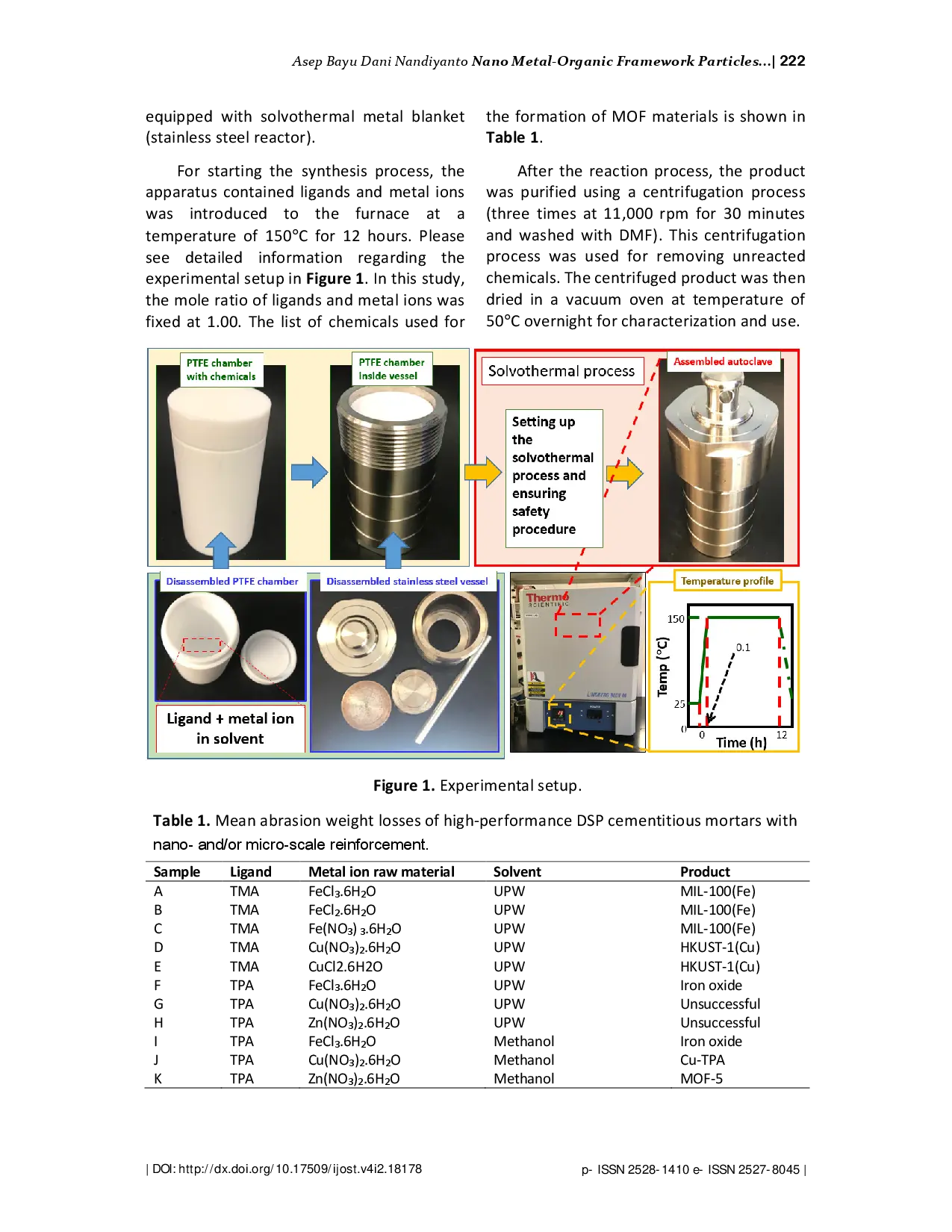
UPIUPI Penelitian ini bertujuan untuk mengetahui pengaruh model pembelajaran berbasis proyek terhadap kemampuan berpikir kritis siswa SMA pada mata pelajaranPenelitian ini bertujuan untuk mengetahui pengaruh model pembelajaran berbasis proyek terhadap kemampuan berpikir kritis siswa SMA pada mata pelajaran
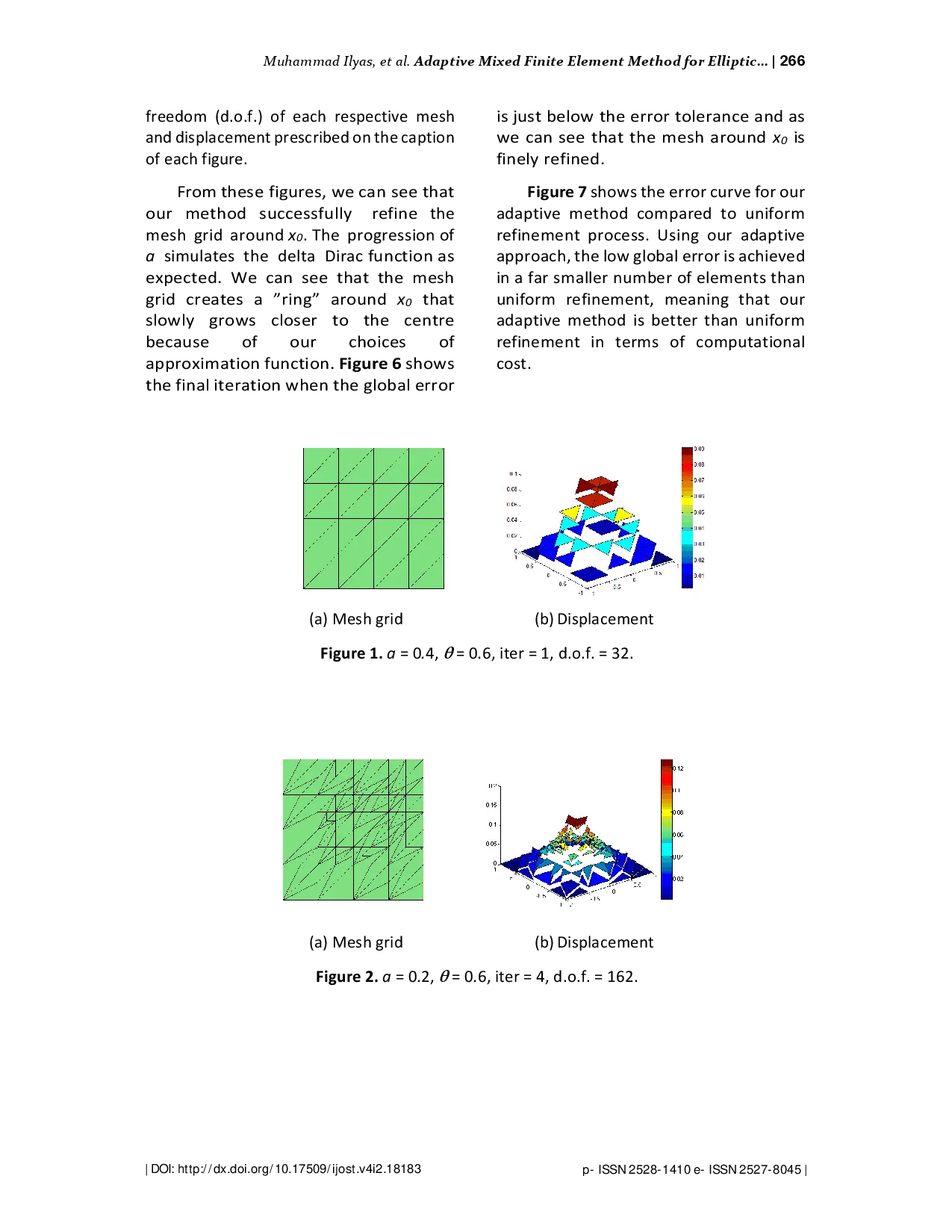
UPIUPI Proses penyempurnaan adaptif menunjukkan estimasi galat global yang lebih efektif dibandingkan refinemen seragam dari sisi biaya komputasi.metode ini berpotensiProses penyempurnaan adaptif menunjukkan estimasi galat global yang lebih efektif dibandingkan refinemen seragam dari sisi biaya komputasi.metode ini berpotensi
Useful /
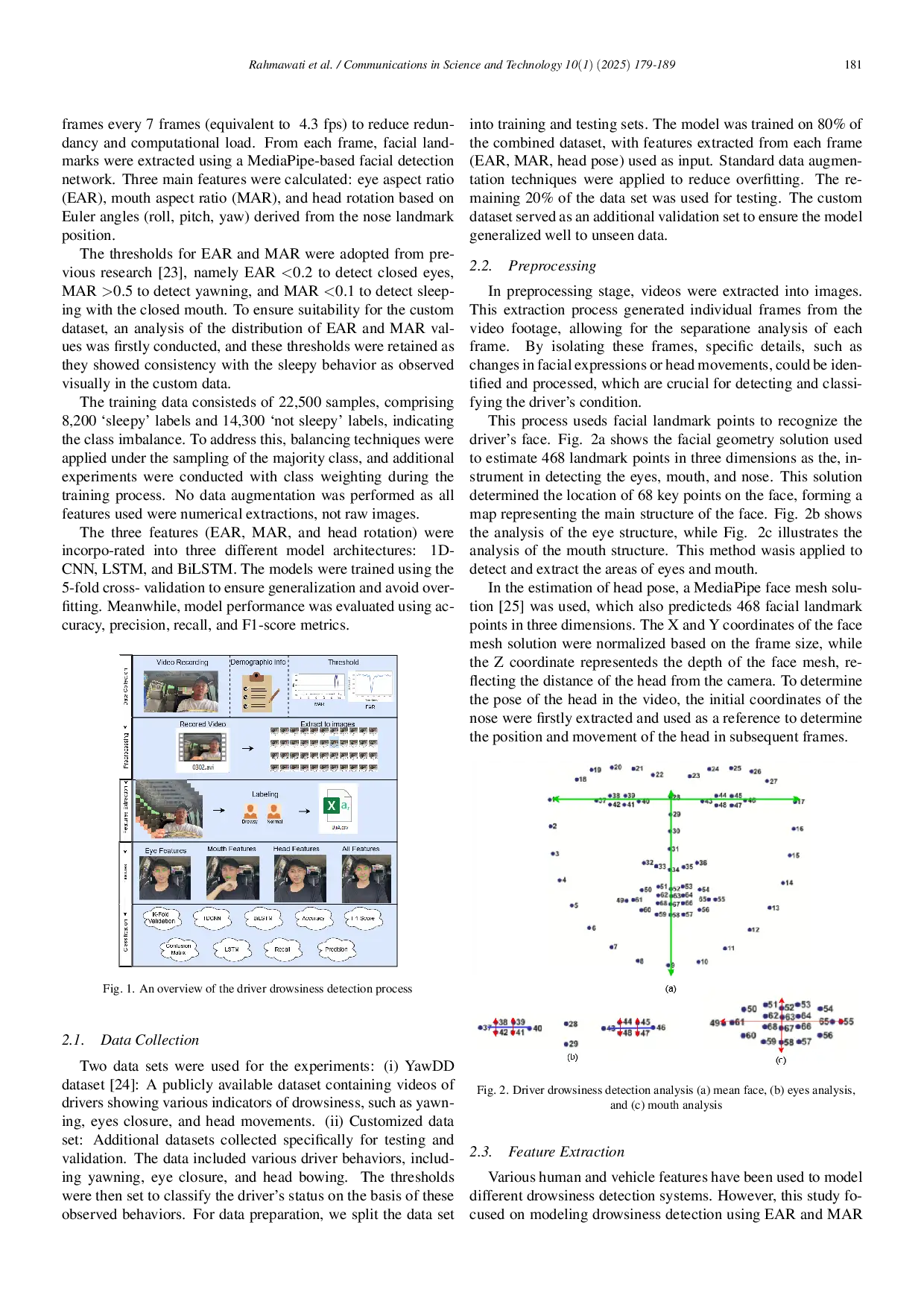
KIPMIKIPMI Ketiga model pembelajaran mendalam yang dievaluasi, yaitu 1D-CNN, LSTM, dan BiLSTM, mencapai kinerja tinggi, dengan BiLSTM menghasilkan hasil terbaik.Ketiga model pembelajaran mendalam yang dievaluasi, yaitu 1D-CNN, LSTM, dan BiLSTM, mencapai kinerja tinggi, dengan BiLSTM menghasilkan hasil terbaik.

UNUSAUNUSA scutellarium). Metode yang digunakan adalah desain kelompok kontrol post-test only. Rata-rata tingkat kematian lalat rumah menggunakan ekstrak etanol kulitscutellarium). Metode yang digunakan adalah desain kelompok kontrol post-test only. Rata-rata tingkat kematian lalat rumah menggunakan ekstrak etanol kulit
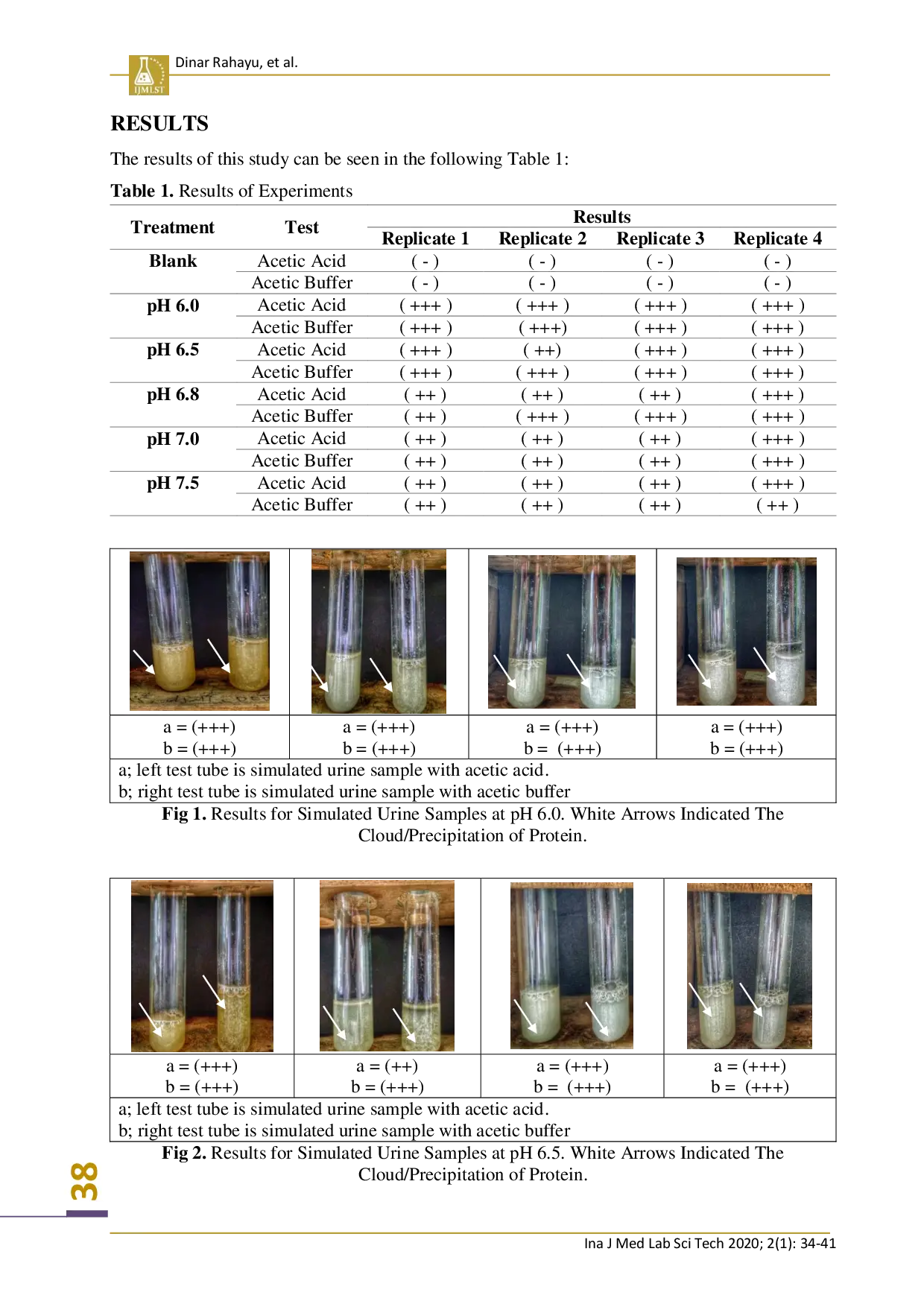
UNUSAUNUSA Pada metode ini, karakteristik protein yang akan melumpuh pada keberadaan asam atau panas dibandingkan untuk memperoleh informasi mengenai jumlah protein.Pada metode ini, karakteristik protein yang akan melumpuh pada keberadaan asam atau panas dibandingkan untuk memperoleh informasi mengenai jumlah protein.
UNUSAUNUSA Kulit pisang memiliki kandungan selulosa 63,8%, lignin 9,4%, dan ekstraktif 4,2%, sehingga potensial sebagai bahan baku pulp. Kulit pisang dapat dimanfaatkanKulit pisang memiliki kandungan selulosa 63,8%, lignin 9,4%, dan ekstraktif 4,2%, sehingga potensial sebagai bahan baku pulp. Kulit pisang dapat dimanfaatkan