JOURNALMPCIJOURNALMPCI
Journal of Health and Nutrition ResearchJournal of Health and Nutrition ResearchThis study examines the Islamic bioethical perspective on blood transfusion, a common medical procedure that raises ethical and religious concerns. The research analyzes Quranic verses, hadiths, Islamic jurisprudence, and scholarly interpretations to understand the Islamic stance on blood, its use in medical treatments, and the permissibility of blood transfusion. While blood is generally considered impure in Islam and its consumption is prohibited, exceptions are made for life-saving medical interventions. The study explores the Quranic and hadith-based concepts of blood, its various mentions and contexts in Islamic texts, and how these relate to modern medical practices. It also discusses the medical benefits and risks of blood transfusion, including its life-saving potential and possible complications, within the framework of medical ethics. The research highlights the Islamic principle of preserving life (hifdzu al nafs) and how it applies to blood transfusion. Social aspects, including blood donation as an act of solidarity and charity, are examined through an Islamic lens. The study concludes that blood transfusion is permissible in Islam when medically necessary, aligning with the religions emphasis on preserving life and helping others. This research contributes to the growing field of Islamic bioethics in contemporary medical practices.
Based on Islamic jurisprudence, blood is generally considered impure and prohibited for consumption.However, exceptions are recognized in cases of urgent medical need, particularly to preserve human life, making blood transfusion permissible.Furthermore, Islam encourages blood donation as a form of altruism and charity.This study clarifies the permissibility and moral value of blood transfusion and donation within the Islamic legal framework.
Penelitian lebih lanjut dapat dilakukan untuk mengeksplorasi bagaimana prinsip-prinsip etika Islam diterapkan dalam praktik klinis di negara-negara mayoritas Muslim. Selain itu, studi komparatif dapat dilakukan untuk membandingkan pandangan Islam tentang transfusi darah dengan tradisi agama lainnya. Penelitian juga dapat difokuskan pada pengembangan pedoman praktis bagi tenaga medis Muslim untuk menangani dilema etika terkait transfusi darah, dengan mempertimbangkan nilai-nilai agama dan kebutuhan medis pasien. Studi kualitatif yang mendalam, seperti wawancara dengan ulama dan praktisi medis, dapat memberikan wawasan yang lebih kaya tentang kompleksitas isu ini dan membantu menjembatani kesenjangan antara teori dan praktik. Terakhir, penelitian dapat menyelidiki dampak inovasi medis, seperti pengganti darah buatan, terhadap pandangan Islam tentang transfusi darah dan potensi penerimaannya dalam konteks agama.
| File size | 380.27 KB |
| Pages | 9 |
| DMCA | Report |
Related /
AIRAAIRA Bentuk kegiatan bertujuan untuk memberikan pemahaman penggunaan database menggunakan Microsoft Office Access, memberikan Pelatihan dalam pembuataan databaseBentuk kegiatan bertujuan untuk memberikan pemahaman penggunaan database menggunakan Microsoft Office Access, memberikan Pelatihan dalam pembuataan database
AIRAAIRA Karena banyaknya perusahaan yang meminjamkan dananya kepada masyarakat, maka disarankan kepada para UMKM untuk melakukan pinjaman berbasis online kepadaKarena banyaknya perusahaan yang meminjamkan dananya kepada masyarakat, maka disarankan kepada para UMKM untuk melakukan pinjaman berbasis online kepada
AIRAAIRA Dari kegiatan kegiatan Pengabdian Kepada Masyarakat ini dapat ditarik beberapa kesimpulan diantaranya. Penggunaan aplikasi Microsoft Office Excel sangatDari kegiatan kegiatan Pengabdian Kepada Masyarakat ini dapat ditarik beberapa kesimpulan diantaranya. Penggunaan aplikasi Microsoft Office Excel sangat
AIRAAIRA SMA Methodist 6 Medan adalah satuan pendidikan jenjang SMA di Jl. Sekolah No. 402, Kota Medan, Sumatera Utara. Dalam menjalankan kegiatannya, Sekolah iniSMA Methodist 6 Medan adalah satuan pendidikan jenjang SMA di Jl. Sekolah No. 402, Kota Medan, Sumatera Utara. Dalam menjalankan kegiatannya, Sekolah ini
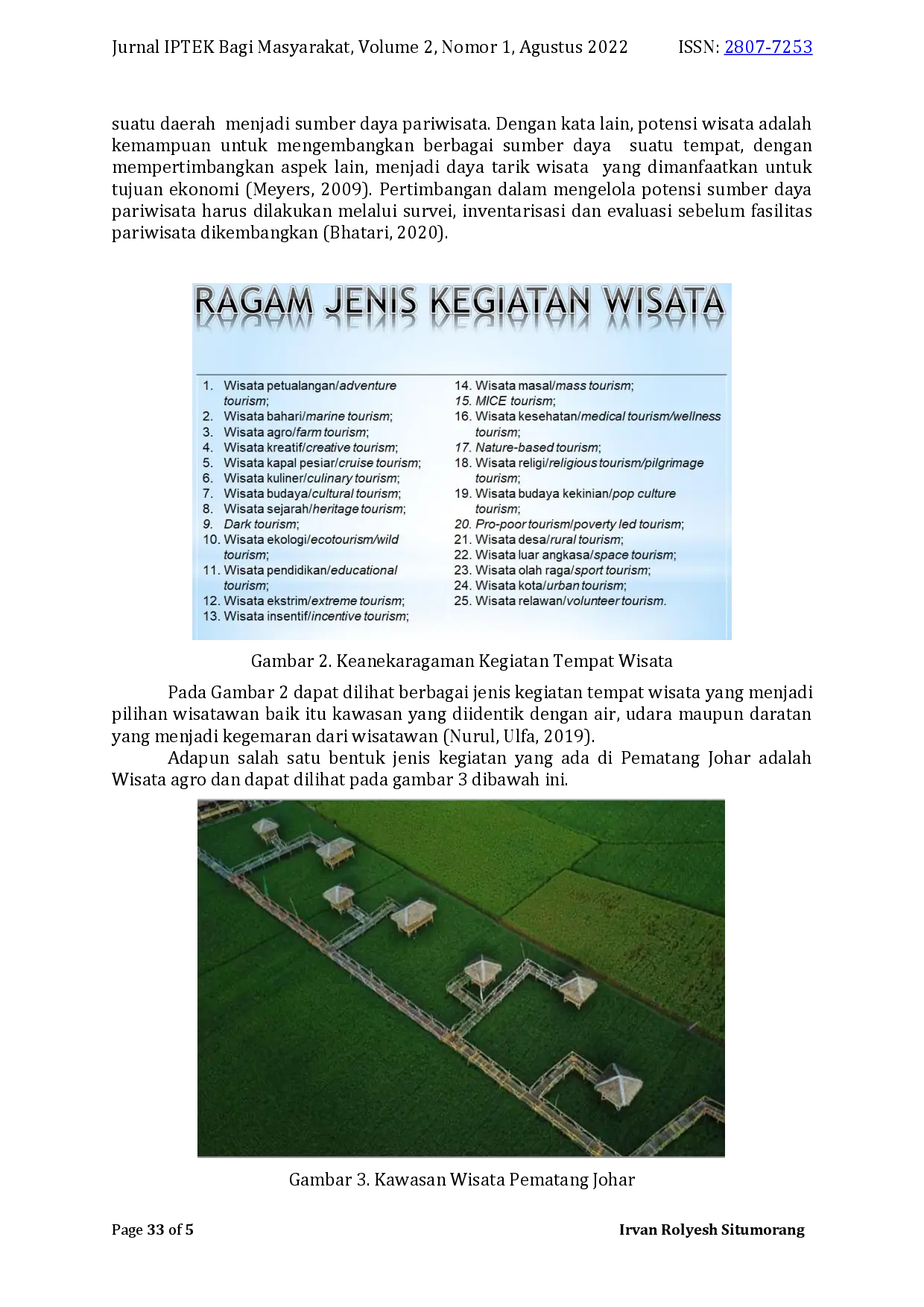
AIRAAIRA Dari kegiatan pengabdian yang telah dijelaskan sebelumnya, maka dapat ditarik beberapa kesimpulan, diantaranya, pengelolaan kawasan wisata Pematang JoharDari kegiatan pengabdian yang telah dijelaskan sebelumnya, maka dapat ditarik beberapa kesimpulan, diantaranya, pengelolaan kawasan wisata Pematang Johar

AIRAAIRA Masyarakat Desa Pematang Johar memanfaatkan menir hanya sebagai pakan ternak atau bahkan dibuang. Menir memiliki kandungan gizi yang sama dengan berasMasyarakat Desa Pematang Johar memanfaatkan menir hanya sebagai pakan ternak atau bahkan dibuang. Menir memiliki kandungan gizi yang sama dengan beras
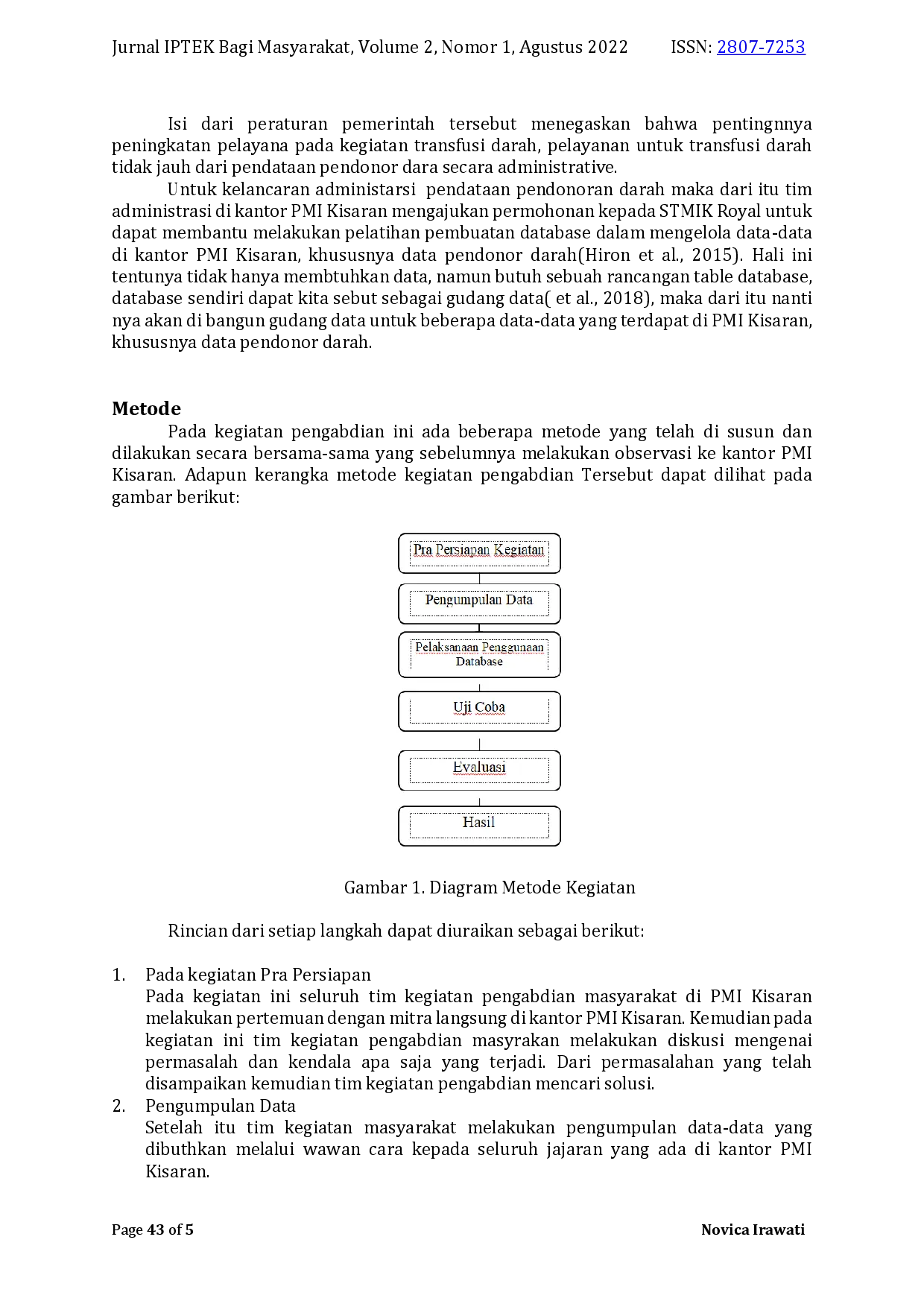
AIRAAIRA Selama ini kegiatan pendataan pendonoran darah masih dilakukan secara manual, yaitu hanya dengan membuat catatan pada pembukuan bagi siapa saja yang inginSelama ini kegiatan pendataan pendonoran darah masih dilakukan secara manual, yaitu hanya dengan membuat catatan pada pembukuan bagi siapa saja yang ingin
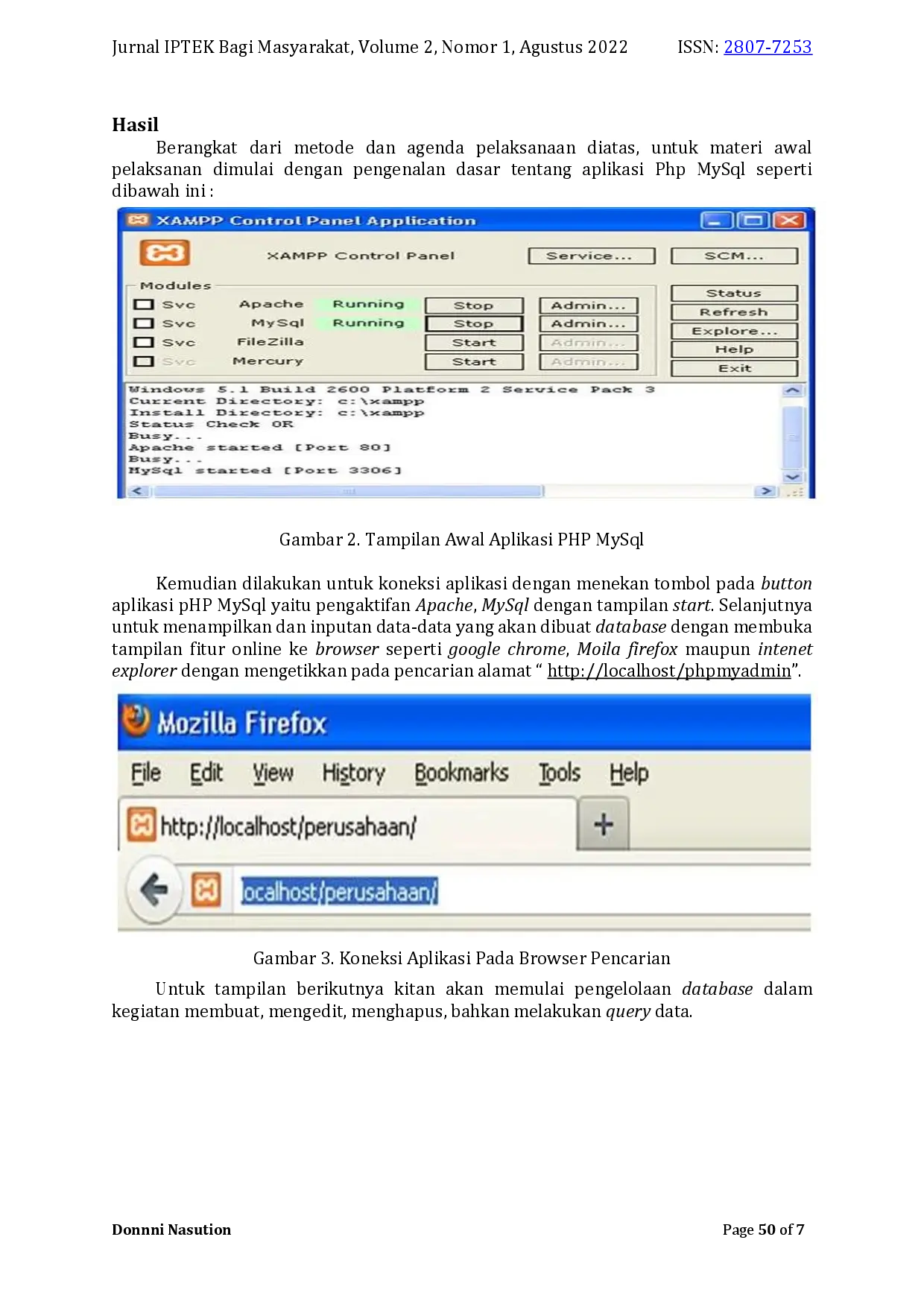
AIRAAIRA Oleh karena itu, kami membutuhkan aplikasi yang membantu pelanggan kami menghemat waktu membayar tagihan pajak jalan mereka. Aplikasi ini menggunakan bahasaOleh karena itu, kami membutuhkan aplikasi yang membantu pelanggan kami menghemat waktu membayar tagihan pajak jalan mereka. Aplikasi ini menggunakan bahasa
Useful /
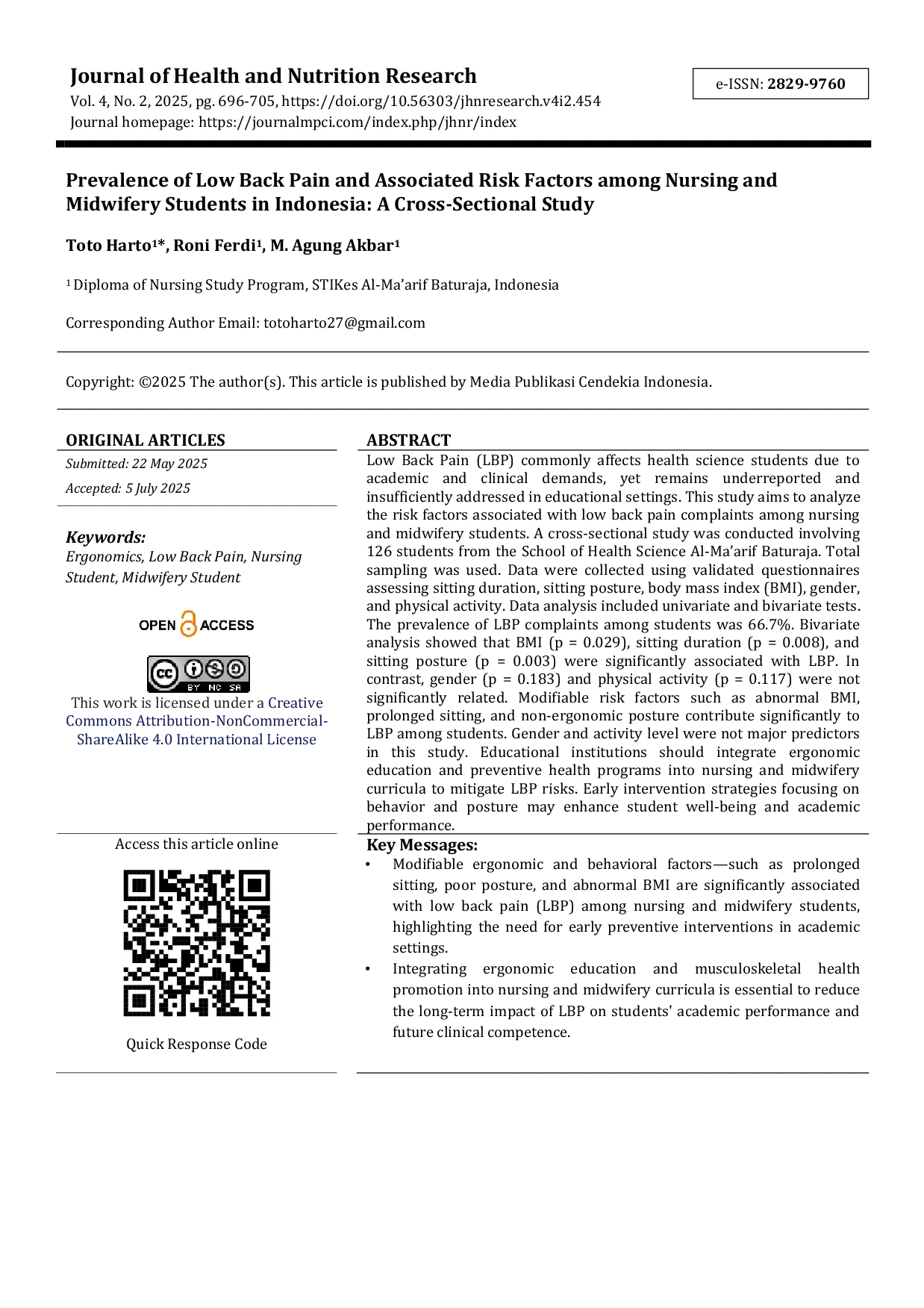
JOURNALMPCIJOURNALMPCI Low Back Pain (LBP) commonly affects health science students due to academic and clinical demands, yet remains underreported and insufficiently addressedLow Back Pain (LBP) commonly affects health science students due to academic and clinical demands, yet remains underreported and insufficiently addressed

JOURNALMPCIJOURNALMPCI Artikel ulasan, protokol studi, dan buku dikecualikan. Proses screening mengikuti pedoman PRISMA 2020, dan kelayakan artikel dinilai oleh tiga penelitiArtikel ulasan, protokol studi, dan buku dikecualikan. Proses screening mengikuti pedoman PRISMA 2020, dan kelayakan artikel dinilai oleh tiga peneliti
UNISMUHUNISMUH Populasi dalam penelitian ini adalah seluruh peserta didik berjumlah 308 peserta didik dengan sampel sebanyak 35 peserta didik. Teknik pengumpulan dataPopulasi dalam penelitian ini adalah seluruh peserta didik berjumlah 308 peserta didik dengan sampel sebanyak 35 peserta didik. Teknik pengumpulan data
UNISMUHUNISMUH Penelitian ini adalah penilitian pengembangan menggunakan model 4D yang diadaptasi dari model 4D Thiagarajan. Produk yang dikembangkan dalam penelitianPenelitian ini adalah penilitian pengembangan menggunakan model 4D yang diadaptasi dari model 4D Thiagarajan. Produk yang dikembangkan dalam penelitian