BUSTANUL ULUMBUSTANUL ULUM
Majapahit Journal of English StudiesMajapahit Journal of English StudiesThis research aims to evaluate the possible positive aspects of Artificial Intelligence (AI) technologies in English language teaching that occur when training learners of English as a Foreign Language (EFL) or English as a Second Language (ESL). The study seeks to understand how AI technology and methodologies enhance language learning and teaching, including the unique possibilities that arise when considering learners and educators with an evolving role in increasingly larger education systems and educational environments. It seeks to understand the potential of AI for personalizing English language training. Also, by asking the question study, if there are methods including Natural Language Processing (NLP), Machine Learning (ML), and AI-based analytics or tools, can they personalize learning experiences for EFL-ESL learners? A qualitative study was completed through interviews with learners from different experience levels engaged in EFL or ESL programs that used AI-based tools in the pedagogy. The results demonstrate that AI has positive opportunities for personalized language education in the EFL and ESL contexts, the ability to enhance language skills in specific domains, and offer customized language learning experiences. This research has indicated challenges that surround cultural elements, technical challenges, and distinctly human teaching and learning elements. The research also offers helpful information for English language learning and recognizes the shifting nature of personal learning experience whether enhanced through AI, the practical requirement of incorporating AI will also provide a unique lens and perspective in English language learning and teaching, recognize the affordances AI can offer, alongside students and language learning never being exclusively cultural or human.
The results of this study, from in-depth interviews with five participants with differing education and experiences, provide interesting patterns and themes concerning the use of Artificial Intelligence (AI) within English language learning.The five participants views of their own experiences ranged from associate degree students to graduate students, providing the opportunity for differing views of their AI-based tool use for their language experience.The study confirmed the value of AI in expanding and personalizing language learning experiences while providing evidence of the extension of research reporting (e.Li & Ni, 2019) to include the evidence of AIs efficiency in personalizing and customizing learning experiences while improving vocabulary, pronunciation, listening, and writing skills.Despite this, it highlighted opportunities that AI does not afford language learning, such as cultural context and technical failings.These are not dissimilar to previous studies that express concerns about AI user efficiency in producing language and culture.In conclusion, these findings support the need to develop AI tools for a more cohesive learning experience.
Berdasarkan temuan penelitian ini, beberapa saran penelitian lanjutan dapat diajukan. Pertama, penting untuk mengeksplorasi bagaimana AI dapat dirancang untuk lebih menghargai dan menggabungkan konteks budaya dalam pembelajaran bahasa Inggris. Hal ini dapat melibatkan pengembangan alat AI yang mampu mengenali dan menyesuaikan dengan nuansa budaya yang berbeda, serta memberikan umpan balik yang relevan secara budaya. Kedua, penelitian lebih lanjut dapat fokus pada pengembangan strategi untuk mengatasi tantangan teknis yang dihadapi dalam penggunaan AI untuk pembelajaran bahasa, seperti masalah pengenalan suara dan bias algoritmik. Ini dapat mencakup penelitian tentang arsitektur AI baru dan metode pelatihan yang lebih baik. Ketiga, penelitian harus menginvestigasi bagaimana AI dapat digunakan untuk memfasilitasi interaksi sosial dan kolaborasi antar pembelajar bahasa, karena interaksi manusia tetap menjadi komponen penting dalam proses pembelajaran bahasa. Hal ini dapat melibatkan pengembangan platform AI yang memungkinkan pembelajar untuk berlatih berbicara dengan AI atau dengan pembelajar lain secara virtual, serta untuk menerima umpan balik dari sesama pembelajar.
| File size | 388.6 KB |
| Pages | 19 |
| DMCA | Report |
Related /

ADI JOURNALADI JOURNAL Keunggulan kompetitif yang sesungguhnya terletak pada kemampuan staf dalam prompt engineering yang didukung oleh data internal perusahaan yang relevan.Keunggulan kompetitif yang sesungguhnya terletak pada kemampuan staf dalam prompt engineering yang didukung oleh data internal perusahaan yang relevan.

HAMZANWADIHAMZANWADI Implikasi praktisnya adalah perlunya pelatihan guru yang terarah dan kerangka kebijakan digital inklusif, namun penelitian lanjutan harus memperluas cakupanImplikasi praktisnya adalah perlunya pelatihan guru yang terarah dan kerangka kebijakan digital inklusif, namun penelitian lanjutan harus memperluas cakupan

YPIDATHUYPIDATHU Temuan menunjukkan bahwa personalisasi berbasis AI meningkatkan secara signifikan pemikiran kreatif siswa, terutama dalam menghasilkan ide-ide baru, fleksibilitasTemuan menunjukkan bahwa personalisasi berbasis AI meningkatkan secara signifikan pemikiran kreatif siswa, terutama dalam menghasilkan ide-ide baru, fleksibilitas

MANDALANURSAMANDALANURSA Pendidikan bahasa Inggris era digital harus menekankan pengembangan kompetensi komunikatif, berpikir kritis, dan adaptabilitas terhadap perubahan teknologi,Pendidikan bahasa Inggris era digital harus menekankan pengembangan kompetensi komunikatif, berpikir kritis, dan adaptabilitas terhadap perubahan teknologi,

IPMIIPMI Oleh karena itu, artikel ini menekankan peran AI dalam implementasi sukses pendidikan inklusif. Teknologi inklusif yang didukung AI meningkatkan aksesibilitasOleh karena itu, artikel ini menekankan peran AI dalam implementasi sukses pendidikan inklusif. Teknologi inklusif yang didukung AI meningkatkan aksesibilitas

OJSOJS Penggunaan AI mampu meningkatkan antusiasme siswa terhadap proses belajar, meskipun tidak sepenuhnya menggantikan kreativitas guru. Terdapat beberapa hambatan,Penggunaan AI mampu meningkatkan antusiasme siswa terhadap proses belajar, meskipun tidak sepenuhnya menggantikan kreativitas guru. Terdapat beberapa hambatan,

ULBIULBI Temuan ini memberikan kontribusi positif dalam pengembangan model pembelajaran yang merespons tuntutan teknologi modern dan memberikan hasil yang bermanfaatTemuan ini memberikan kontribusi positif dalam pengembangan model pembelajaran yang merespons tuntutan teknologi modern dan memberikan hasil yang bermanfaat

FISIPUNIGAFISIPUNIGA Peran pemuda sangat dibutuhkan pada perkembangan saat ini maupun masa yang akan mendatang, namun saat ini banyak pemuda yang masih malu dan tidak percayaPeran pemuda sangat dibutuhkan pada perkembangan saat ini maupun masa yang akan mendatang, namun saat ini banyak pemuda yang masih malu dan tidak percaya
Useful /

RCF INDONESIARCF INDONESIA Penelitian ini bertujuan untuk mengkaji pengaruh penerapan konsep manajemen sumber daya manusia (SDM) terhadap efektivitas pengambilan keputusan di berbagaiPenelitian ini bertujuan untuk mengkaji pengaruh penerapan konsep manajemen sumber daya manusia (SDM) terhadap efektivitas pengambilan keputusan di berbagai
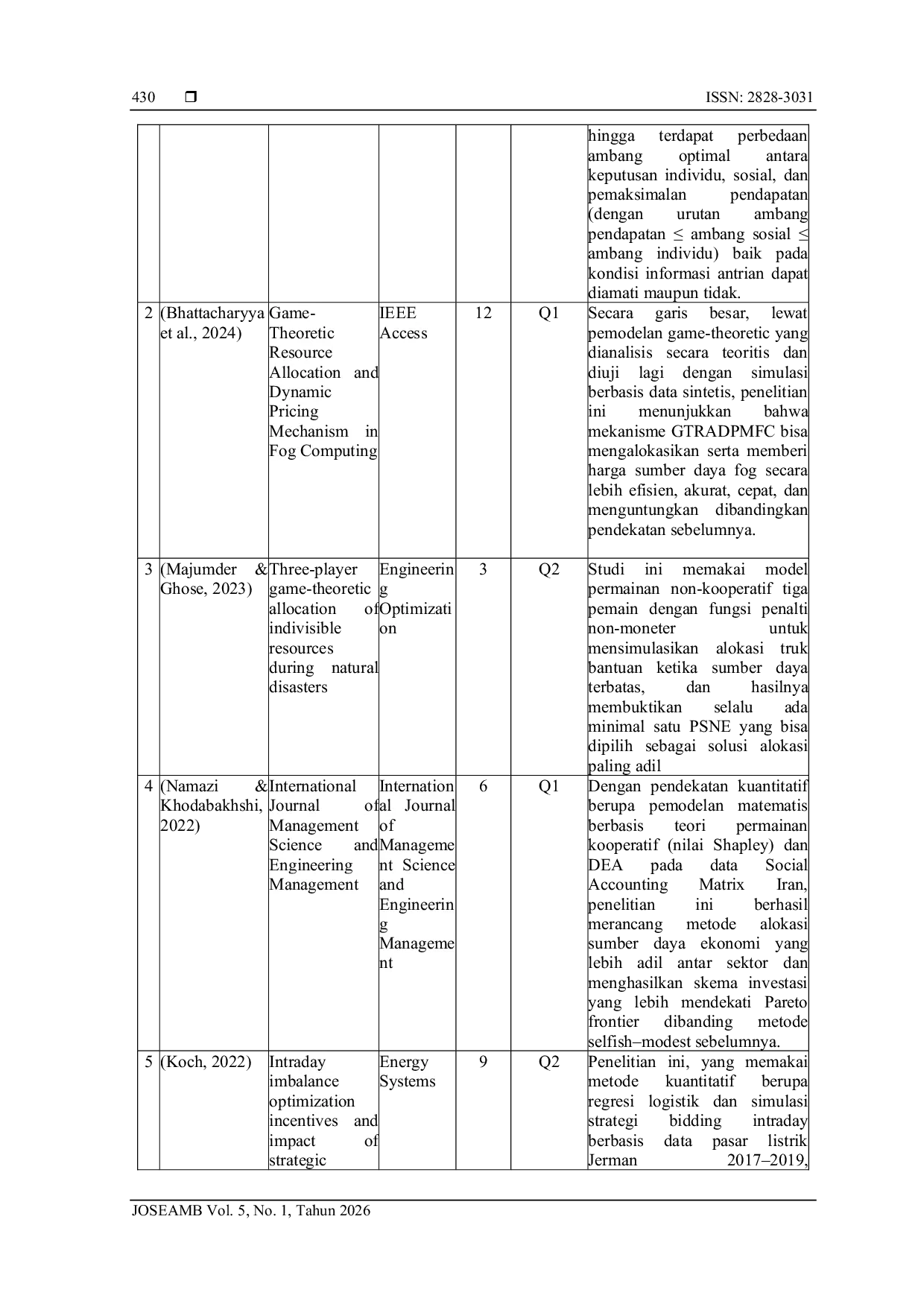
RCF INDONESIARCF INDONESIA Selanjutnya dilakukan penyaringan otomatis dan manual berdasarkan kriteria tahun terbit (2020–2025), status indeks Scopus, kelengkapan abstrak, sertaSelanjutnya dilakukan penyaringan otomatis dan manual berdasarkan kriteria tahun terbit (2020–2025), status indeks Scopus, kelengkapan abstrak, serta

ADI JOURNALADI JOURNAL Penelitian ini bertujuan menganalisis pengaruh strategi content marketing digital terhadap Perceived Usefulness (PU) dan penerimaan game VALORANT denganPenelitian ini bertujuan menganalisis pengaruh strategi content marketing digital terhadap Perceived Usefulness (PU) dan penerimaan game VALORANT dengan
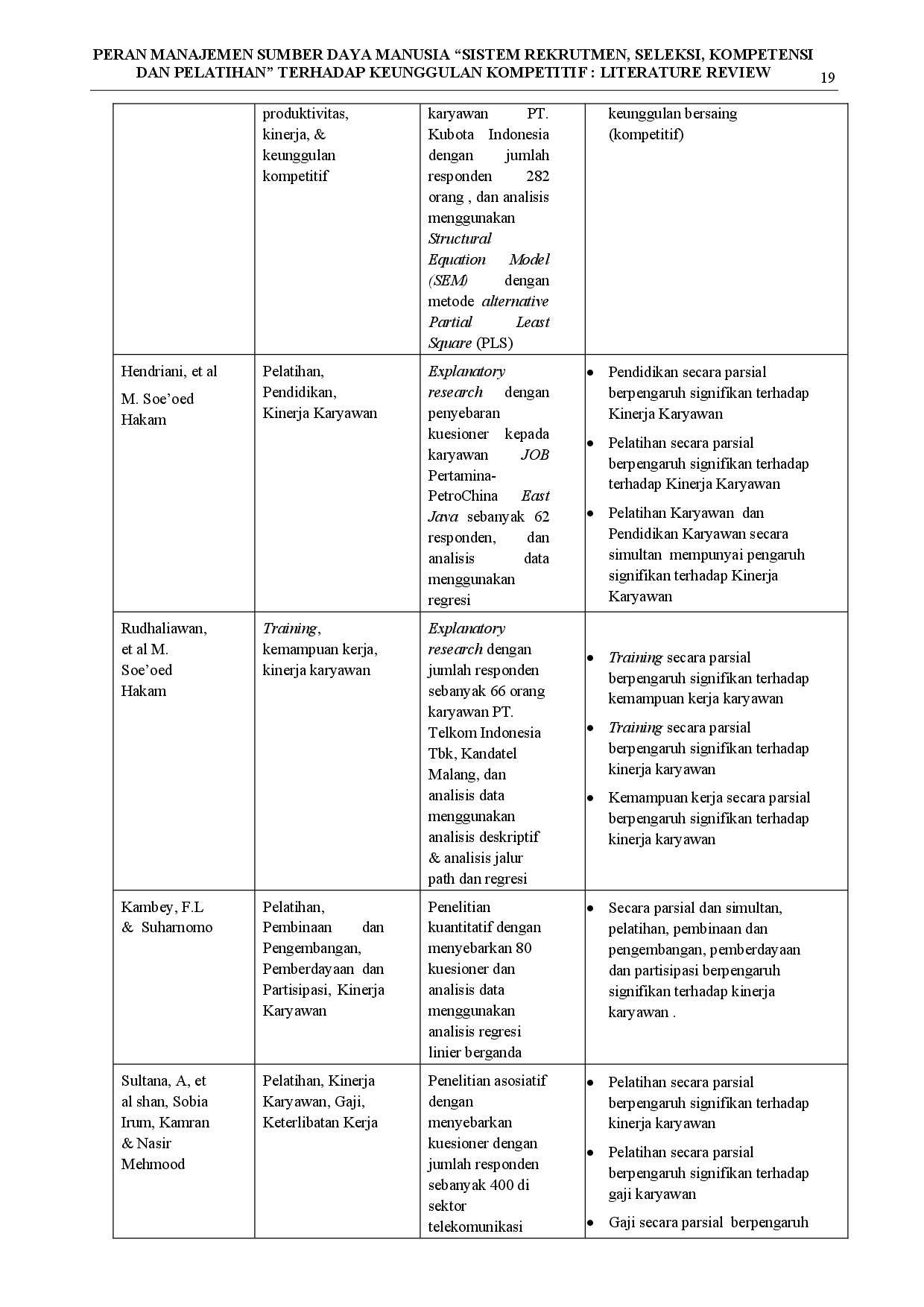
ADI JOURNALADI JOURNAL Metode yang digunakan dalam penelitian ini yaitu pendekatan eksploratif dengan mengulas isi atau mengidentifikasi beberapa artikel baik dari jurnal-jurnalMetode yang digunakan dalam penelitian ini yaitu pendekatan eksploratif dengan mengulas isi atau mengidentifikasi beberapa artikel baik dari jurnal-jurnal