LETIGESLETIGES
Social Criticism of Islamic StudiesSocial Criticism of Islamic StudiesThis study aims to examine the Islamic perspective on human dignity and potential and its implications for educational practices. In Islam, humans are endowed with a noble status and equipped with intellectual, spiritual, emotional, and moral potential that must be developed through education. This research employs a qualitative approach using literature review and document analysis methods related to the concept of human dignity and potential in Islam. The findings reveal that Islamic education should be holistic, student-centered, and respectful of individual dignity and uniqueness. Teachers play a role as facilitators who accommodate diverse learning styles and student needs, while the learning environment should be designed to foster creativity, provide a sense of security and comfort, and encourage respectful interactions. In conclusion, the implementation of humanistic-based education in Islam is capable of producing students who excel intellectually, spiritually, emotionally, and morally, positioning education as a means of self-transformation toward human perfection.
The study demonstrates that from an Islamic perspective, humans possess a noble status and extraordinary potential that must be developed holistically, encompassing intellectual, spiritual, emotional, and moral intelligence.The goal of Islamic education is to optimize these potentials while respecting the dignity and uniqueness of each individual, making education student-centered.Ultimately, the implementation of humanistic-based education in Islam is capable of producing students who excel in all aspects of life and view education as a means of self-transformation.
Penelitian lanjutan dapat dilakukan dengan mengeksplorasi lebih dalam bagaimana prinsip-prinsip humanistik dalam Islam dapat diintegrasikan ke dalam kurikulum dan metode pembelajaran di berbagai jenjang pendidikan, mulai dari pendidikan dasar hingga perguruan tinggi. Selain itu, penelitian dapat difokuskan pada pengembangan model pelatihan guru yang efektif untuk membekali para pendidik dengan keterampilan dan pengetahuan yang diperlukan untuk menerapkan pendekatan pembelajaran yang berpusat pada siswa dan menghargai martabat individu. Lebih lanjut, penelitian dapat menginvestigasi dampak implementasi pendidikan berbasis humanistik terhadap perkembangan karakter moral, spiritual, dan emosional siswa, serta kontribusinya terhadap pembentukan masyarakat yang lebih inklusif dan berkeadilan. Penelitian-penelitian ini diharapkan dapat memberikan wawasan yang lebih komprehensif tentang bagaimana pendidikan Islam dapat berperan dalam membentuk manusia yang utuh dan berkontribusi positif bagi peradaban.
- THE CONCEPT AND CONTEXT OF ISLAMIC EDUCATION LEARNING IN THE DIGITAL ERA: RELEVANCE AND INTEGRATIVE STUDIES... journals2.ums.ac.id/profetika/article/view/4239THE CONCEPT AND CONTEXT OF ISLAMIC EDUCATION LEARNING IN THE DIGITAL ERA RELEVANCE AND INTEGRATIVE STUDIES journals2 ums ac profetika article view 4239
- Peran Pendidikan Agama Islam Dalam Membentuk Karakter Jujur Pada Siswa | Akademika : Jurnal Keagamaan... doi.org/10.56633/jkp.v19i1.505Peran Pendidikan Agama Islam Dalam Membentuk Karakter Jujur Pada Siswa Akademika Jurnal Keagamaan doi 10 56633 jkp v19i1 505
- OSF. osf osf.io/wpfus_v1OSF osf osf io wpfus v1
- PERPUSTAKAAN | STAIMA AL-HIKAM MALANG. perpustakaan staima hikam malang doi.org/10.32478/talimuna.v10i1.524PERPUSTAKAAN STAIMA AL HIKAM MALANG perpustakaan staima hikam malang doi 10 32478 talimuna v10i1 524
| File size | 336.32 KB |
| Pages | 13 |
| DMCA | Report |
Related /

IAIN PALOPOIAIN PALOPO Proses perencanaan berbasis data meliputi tiga tahapan.identifikasi masalah berdasarkan indikator rapor, refleksi capaian serta pemerataan proses pembelajaran,Proses perencanaan berbasis data meliputi tiga tahapan.identifikasi masalah berdasarkan indikator rapor, refleksi capaian serta pemerataan proses pembelajaran,

IAIN KEDIRIIAIN KEDIRI Temuan ini menekankan pentingnya lingkungan belajar yang efektif yang mendorong siswa untuk terlibat dalam proses pembelajaran yang lebih dalam, karenaTemuan ini menekankan pentingnya lingkungan belajar yang efektif yang mendorong siswa untuk terlibat dalam proses pembelajaran yang lebih dalam, karena

IAIN KEDIRIIAIN KEDIRI Menggunakan pendekatan studi kasus kualitatif di MAS Ulumuddin, penelitian mengeksplorasi bagaimana digitalisasi instrumen mengubah dinamika pengawasanMenggunakan pendekatan studi kasus kualitatif di MAS Ulumuddin, penelitian mengeksplorasi bagaimana digitalisasi instrumen mengubah dinamika pengawasan

IAIN PALOPOIAIN PALOPO Kepemimpinan pendidikan menjadi faktor strategis, di mana pemimpin berperan sebagai teladan moral, pembimbing spiritual, dan fasilitator profesional. BerbagaiKepemimpinan pendidikan menjadi faktor strategis, di mana pemimpin berperan sebagai teladan moral, pembimbing spiritual, dan fasilitator profesional. Berbagai

IAIN PALOPOIAIN PALOPO Metode penelitian yang digunakan adalah pendekatan kualitatif dengan teknik pengumpulan data melalui observasi, wawancara mendalam, dan studi dokumentasi.Metode penelitian yang digunakan adalah pendekatan kualitatif dengan teknik pengumpulan data melalui observasi, wawancara mendalam, dan studi dokumentasi.

IAIN PALOPOIAIN PALOPO (2) faktor-faktor seperti penerimaan diri dan makna hidup yang positif, sumber dukungan motivasi, peran kemandirian, kegiatan positif, dan figur inspirasi.(2) faktor-faktor seperti penerimaan diri dan makna hidup yang positif, sumber dukungan motivasi, peran kemandirian, kegiatan positif, dan figur inspirasi.

IAIN PALOPOIAIN PALOPO Triangulasi yaitu metode dalam penelitian yang melibatkan penggunaan beberapa sumber data atau teknik analisis untuk memastikan validitas temuan penelitian.Triangulasi yaitu metode dalam penelitian yang melibatkan penggunaan beberapa sumber data atau teknik analisis untuk memastikan validitas temuan penelitian.

NUPROBOLINGGONUPROBOLINGGO Penelitian ini menggunakan pendekatan kualitatif deskriptif, yaitu tinjauan pustaka. Teknik pengumpulan data meliputi perumusan tujuan penelitian, pendefinisianPenelitian ini menggunakan pendekatan kualitatif deskriptif, yaitu tinjauan pustaka. Teknik pengumpulan data meliputi perumusan tujuan penelitian, pendefinisian
Useful /

IAIN KEDIRIIAIN KEDIRI Hasil menunjukkan bahwa kurikulum Outcome-Based Education (OBE) yang diterapkan berhasil menggabungkan pembelajaran agama dengan keterampilan praktis yangHasil menunjukkan bahwa kurikulum Outcome-Based Education (OBE) yang diterapkan berhasil menggabungkan pembelajaran agama dengan keterampilan praktis yang

IAIN KEDIRIIAIN KEDIRI Penelitian ini mengkaji pengaruh interaksi dosen terhadap hasil belajar mahasiswa dengan motivasi belajar sebagai variabel mediasi. Desain kuantitatifPenelitian ini mengkaji pengaruh interaksi dosen terhadap hasil belajar mahasiswa dengan motivasi belajar sebagai variabel mediasi. Desain kuantitatif

ALIMSPUBLISHINGALIMSPUBLISHING Metode yang digunakan meliputi checklist jenis budaya Cortazzi dan Jin serta kriteria Byram mengenai Pengetahuan Budaya, Kesadaran Budaya, dan KompetensiMetode yang digunakan meliputi checklist jenis budaya Cortazzi dan Jin serta kriteria Byram mengenai Pengetahuan Budaya, Kesadaran Budaya, dan Kompetensi
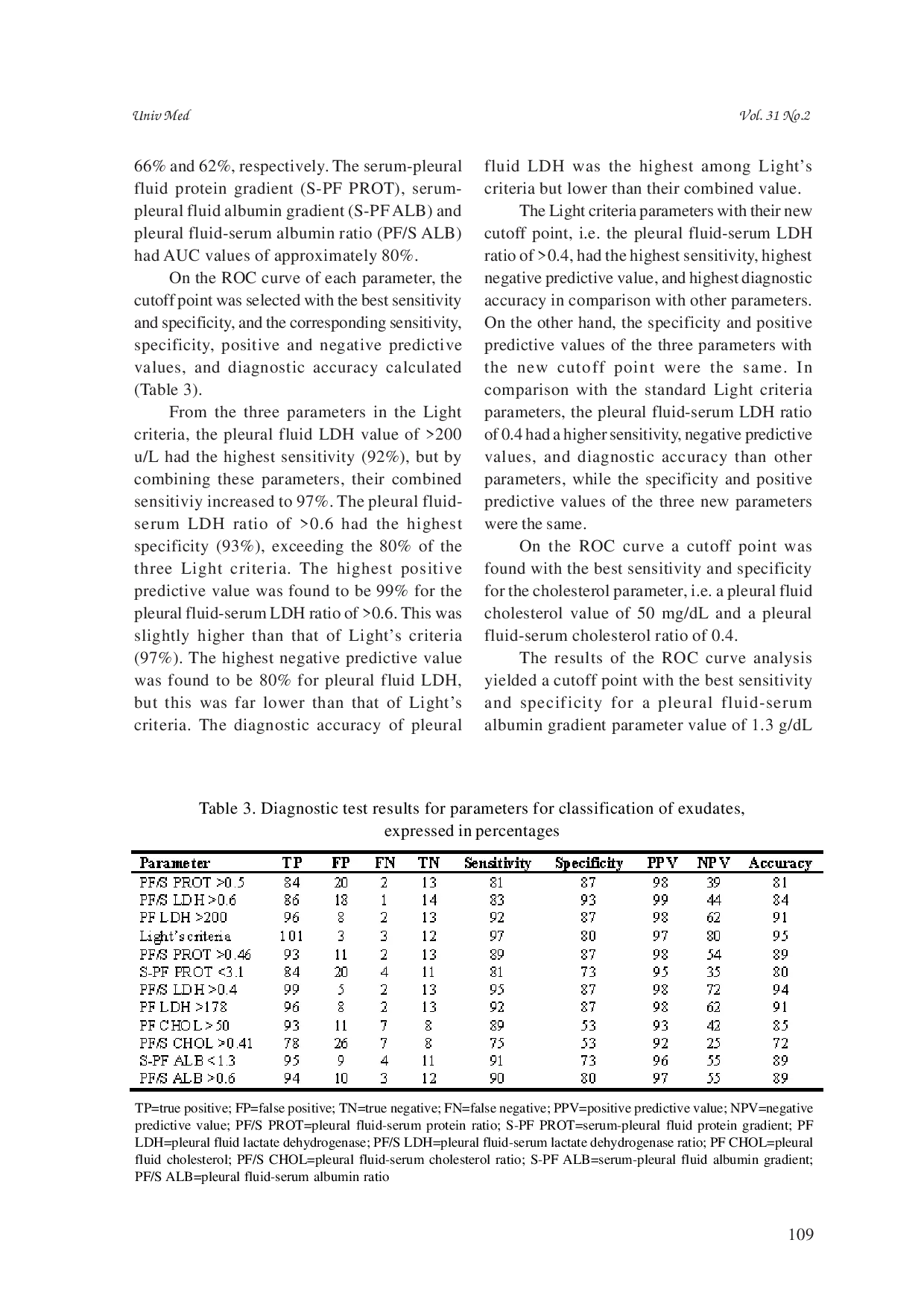
UNIVMEDUNIVMED Tujuan penelitian ini adalah menentukan parameter laboratorium yang valid untuk membedakan eksudat dan transudat pada efusi pleura. Sebuah studi observasionalTujuan penelitian ini adalah menentukan parameter laboratorium yang valid untuk membedakan eksudat dan transudat pada efusi pleura. Sebuah studi observasional