UMSUMS
Dinamika Teknik Sipil: Majalah Ilmiah Teknik SipilDinamika Teknik Sipil: Majalah Ilmiah Teknik SipilTsunamis pose significant hazards to coastal areas, particularly in tectonically active regions like the southern coast of Java. This study models tsunami inundation at Sawarna Beach, Banten Province, using a quantitative spatial analysis approach. By integrating Digital Elevation Model (DEM) data from DEMNAS and land cover data from BIG, a tsunami hazard index is generated through slope analysis, surface roughness coefficients, and cost distance modeling within a GIS framework. The analysis reveals that areas with low surface roughness and gentle slopes are more prone to deep inland tsunami inundation. Vulnerability mapping under simulated tsunami heights (5m, 10m, 15m, and 30m) shows that hazard zones significantly increase with wave height, with the highest exposure at 30m reaching nearly 15 million m². The study underscores the importance of accurate topographic data for disaster mitigation planning and provides essential recommendations for local stakeholders in land use and infrastructure development. These findings serve as a valuable reference for enhancing tsunami preparedness and resilience in coastal communities.
Coastal areas that are open, have relatively low land cover roughness, and gentle slopes (0–7°) are particularly vulnerable to inundation.This includes environments such as bodies of water, fishponds, and open land.The tsunami hazard index shows the influence area of several Tsunami waves, indicating that higher tsunami wave scenarios tend to significantly expand the coverage of high-vulnerability zones while relatively reducing the proportions of medium and low-vulnerability zones.
Berdasarkan penelitian ini, terdapat beberapa saran penelitian lanjutan yang dapat dilakukan untuk meningkatkan pemahaman dan mitigasi risiko tsunami di wilayah pesisir. Pertama, perlu dilakukan validasi model inundasi tsunami dengan data lapangan yang lebih detail, seperti data run-up tsunami dan kerusakan bangunan, untuk meningkatkan akurasi prediksi. Kedua, penelitian dapat difokuskan pada analisis sensitivitas model terhadap parameter-parameter kunci, seperti roughness coefficient dan ketinggian gelombang awal, untuk mengidentifikasi parameter yang paling berpengaruh terhadap hasil model. Ketiga, pengembangan model inundasi tsunami yang terintegrasi dengan data sosial-ekonomi dan demografi dapat memberikan gambaran yang lebih komprehensif mengenai dampak tsunami terhadap masyarakat dan ekonomi lokal, sehingga dapat membantu dalam perencanaan evakuasi dan strategi mitigasi yang lebih efektif.
- Pemetaan Kerentanan Bahaya Tsunami dengan Pemodelan Inundansi (Studi Kasus : Kabupaten Bantul). pemetaan... doi.org/10.29244/jsil.9.2.157-166Pemetaan Kerentanan Bahaya Tsunami dengan Pemodelan Inundansi Studi Kasus Kabupaten Bantul pemetaan doi 10 29244 jsil 9 2 157 166
- JDR Vol.13 p.1082 (2018) | Fuji Technology Press: academic journal publisher. jdr vol fuji technology... fujipress.jp/jdr/dr/dsstr001300061082JDR Vol 13 p 1082 2018 Fuji Technology Press academic journal publisher jdr vol fuji technology fujipress jp jdr dr dsstr001300061082
| File size | 962.58 KB |
| Pages | 10 |
| DMCA | Report |
Related /

POLBANGTAN GOWAPOLBANGTAN GOWA Penelitian menggunakan pendekatan survei yang dilaksanakan pada Agustus - Oktober 2024 di Bone Bolango Provinsi Gorontalo dan Bolaang Mongondow SelatanPenelitian menggunakan pendekatan survei yang dilaksanakan pada Agustus - Oktober 2024 di Bone Bolango Provinsi Gorontalo dan Bolaang Mongondow Selatan
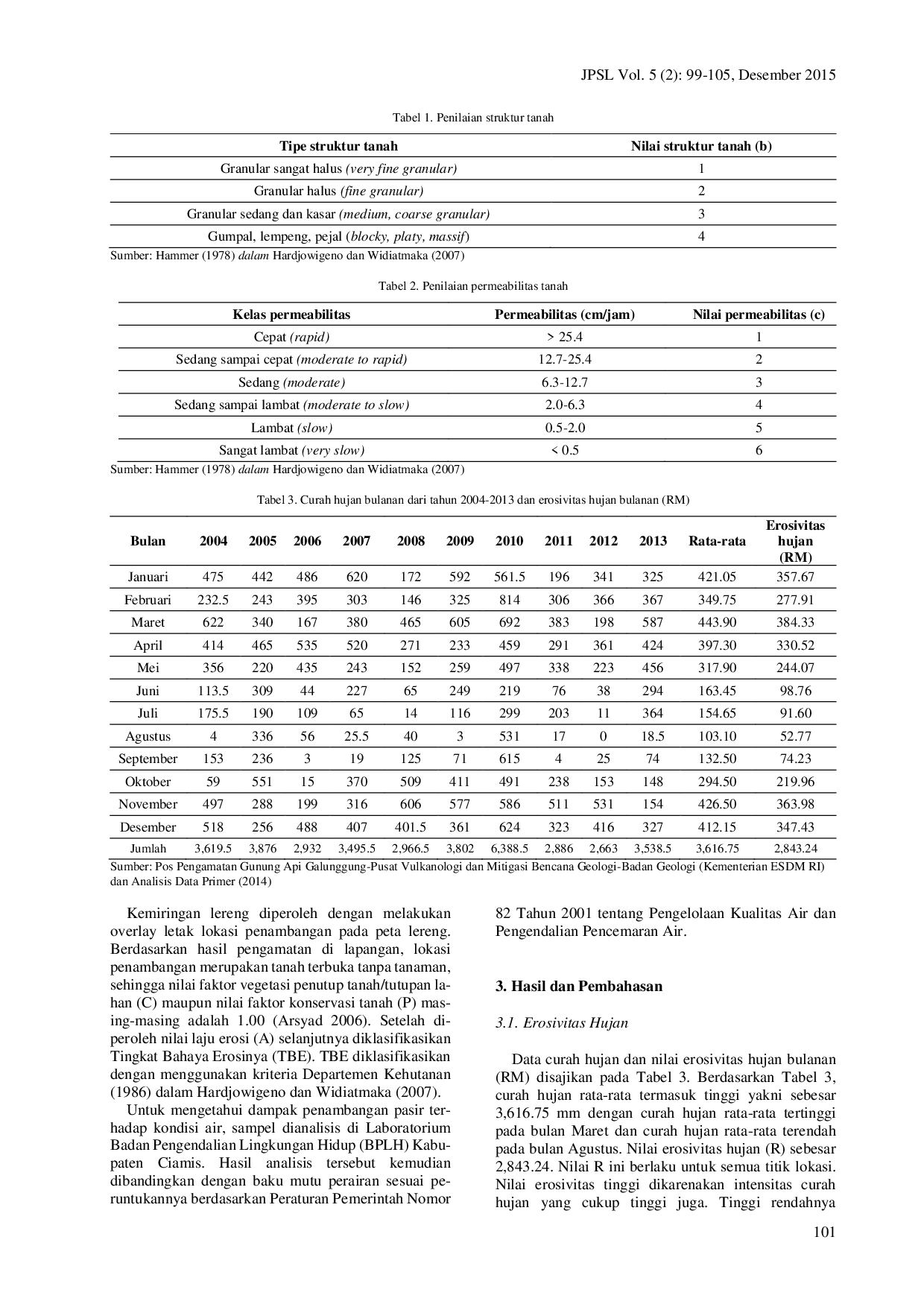
IPBIPB Metode analisis meliputi perhitungan laju erosi menggunakan Universal Soil Loss Equation (USLE) dan analisis parameter Total Suspended Solid (TSS). HasilMetode analisis meliputi perhitungan laju erosi menggunakan Universal Soil Loss Equation (USLE) dan analisis parameter Total Suspended Solid (TSS). Hasil
DINASTIREVDINASTIREV Namun, putusan hakim menjatuhkan pidana yang relatif ringan, menunjukkan bahwa pertimbangan hakim lebih menekankan pada aspek non-yuridis. Dengan demikian,Namun, putusan hakim menjatuhkan pidana yang relatif ringan, menunjukkan bahwa pertimbangan hakim lebih menekankan pada aspek non-yuridis. Dengan demikian,

KEMENSOSKEMENSOS Pemerintah daerah disarankan membuat program pelatihan, pengembangan kewirausahaan, dan membantu nelayan mengakses pasar yang lebih luas untuk meningkatkanPemerintah daerah disarankan membuat program pelatihan, pengembangan kewirausahaan, dan membantu nelayan mengakses pasar yang lebih luas untuk meningkatkan

UNRUNR Kegiatan Bimbingan Teknis (Bimtek) ini bertujuan untuk mengoptimalkan fungsi pengawasan DPRD Kabupaten Badung dalam implementasi Rencana Kota Mangupura.Kegiatan Bimbingan Teknis (Bimtek) ini bertujuan untuk mengoptimalkan fungsi pengawasan DPRD Kabupaten Badung dalam implementasi Rencana Kota Mangupura.
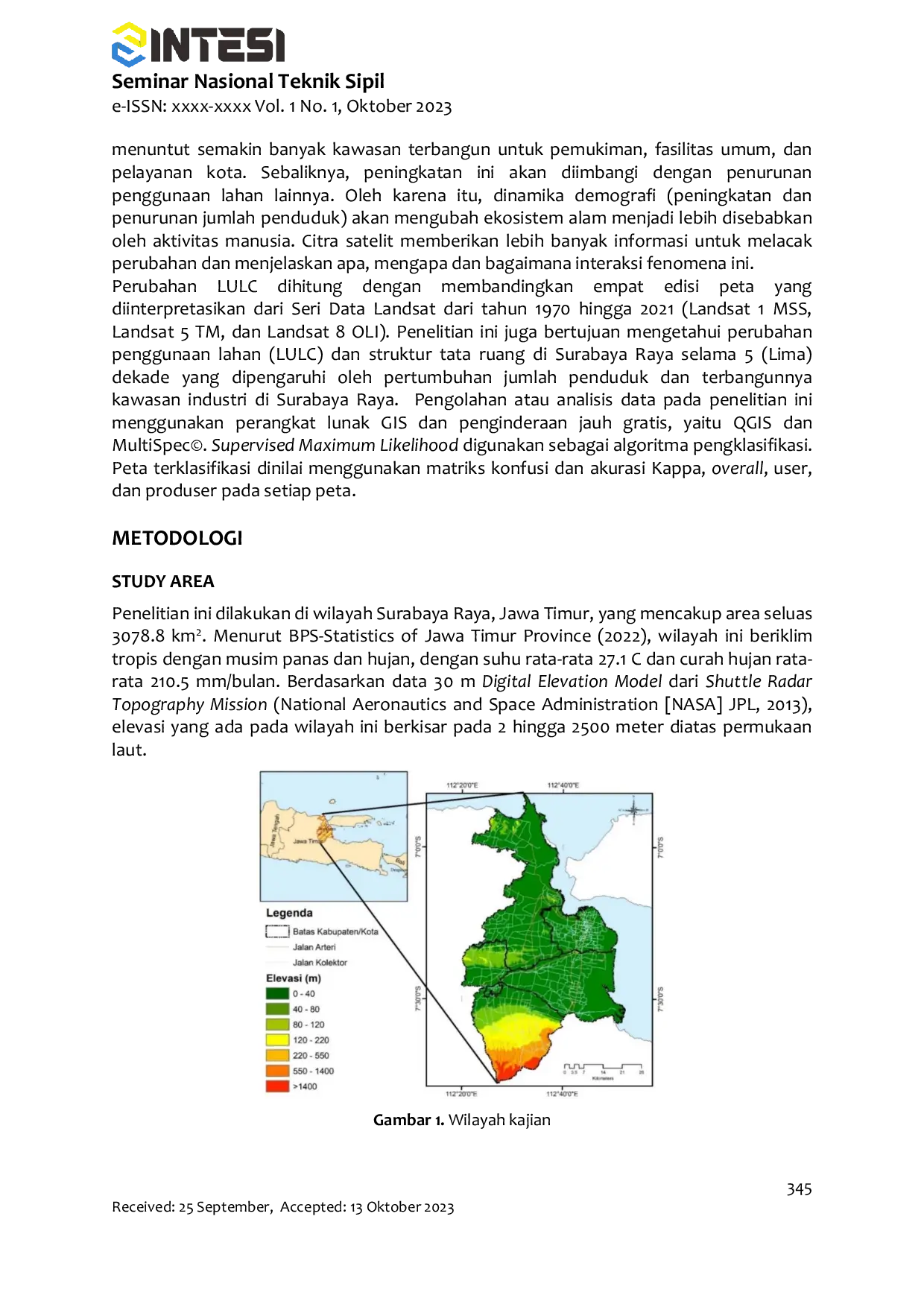
EJOURNALUNIGOROEJOURNALUNIGORO Interpretasi data Landsat menunjukkan bahwa tutupan lahan di Surabaya Raya telah berubah secara signifikan selama lima dekade terakhir, terutama akibatInterpretasi data Landsat menunjukkan bahwa tutupan lahan di Surabaya Raya telah berubah secara signifikan selama lima dekade terakhir, terutama akibat

MAHADEWAMAHADEWA Kesimpulan dari penelitian ini adalah faktor-faktor yang berperan dalam pengendalian pencemaran lingkungan kawasan pesisir pantai pada kawasan ekowisataKesimpulan dari penelitian ini adalah faktor-faktor yang berperan dalam pengendalian pencemaran lingkungan kawasan pesisir pantai pada kawasan ekowisata

UNILAUNILA Simpulan dari hasil pemodelan regresi menunjukkan bahwa proporsi hutan negara (p value = 0,037) hutan rakyat (p value =0,009), sawah (p value = 0,040),Simpulan dari hasil pemodelan regresi menunjukkan bahwa proporsi hutan negara (p value = 0,037) hutan rakyat (p value =0,009), sawah (p value = 0,040),
Useful /

HKBPHKBP Data yang digunakan adalah data primer yang dikumpulkan melalui penyebaran kuesioner kepada responden/pemilik UMKM di Desa Saornauli Hatoguan. Metode analisisData yang digunakan adalah data primer yang dikumpulkan melalui penyebaran kuesioner kepada responden/pemilik UMKM di Desa Saornauli Hatoguan. Metode analisis
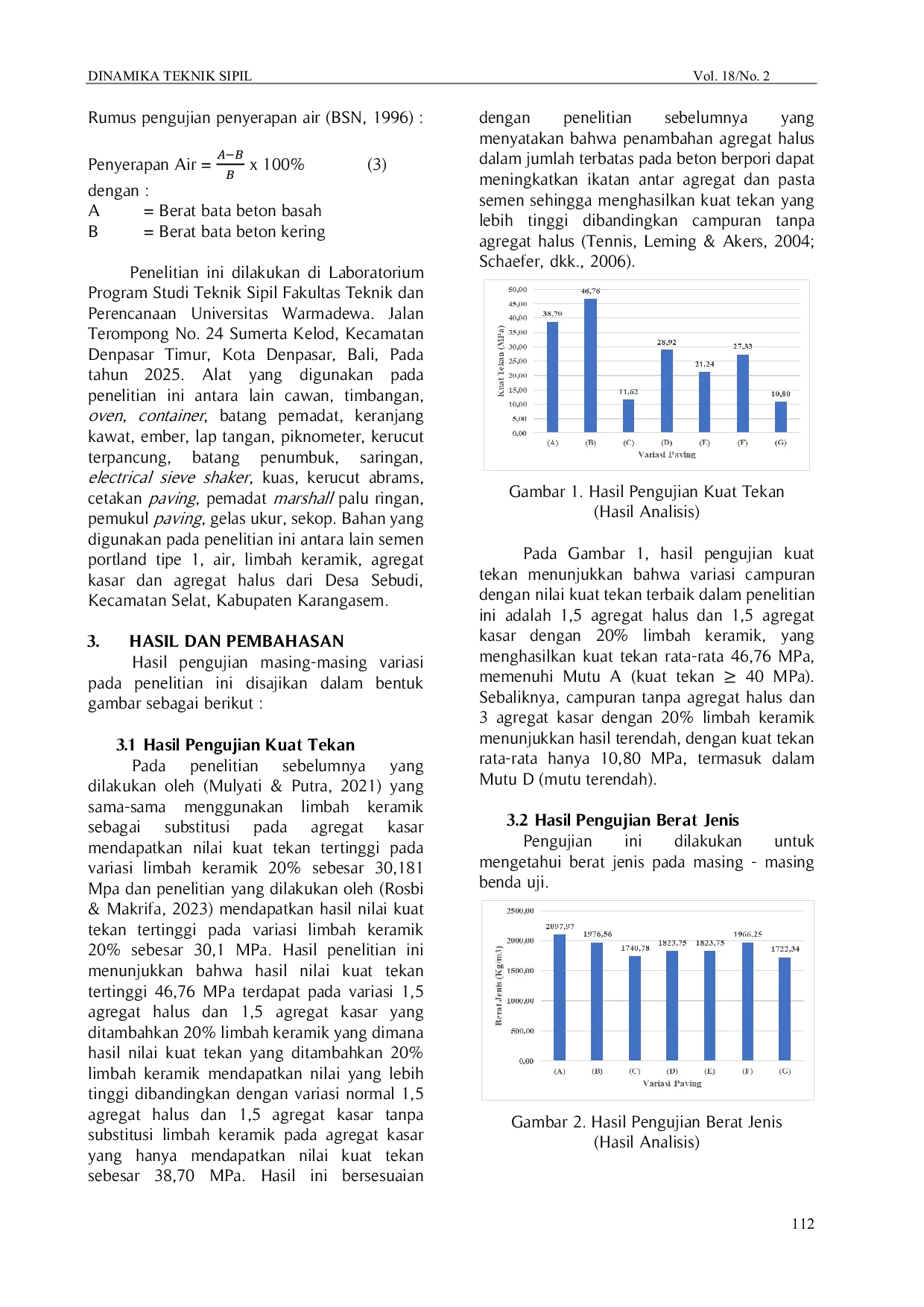
UMSUMS Pemanfaatan limbah keramik terbukti meningkatkan performa paving block berpori meskipun menyebabkan penurunan berat jenis. Berdasarkan hasil pengujian,Pemanfaatan limbah keramik terbukti meningkatkan performa paving block berpori meskipun menyebabkan penurunan berat jenis. Berdasarkan hasil pengujian,

PUBMEDIAPUBMEDIA Laporan yang transparan, keamanan data, serta arsitektur sistem yang dapat diskalakan memperkuat manfaat sistem ini dalam ekosistem teknologi finansial.Laporan yang transparan, keamanan data, serta arsitektur sistem yang dapat diskalakan memperkuat manfaat sistem ini dalam ekosistem teknologi finansial.
UGMUGM Pendekatan komersialisasi dalam mikrofinansial tidak selalu sejalan dengan tujuan menjangkau masyarakat miskin. Mikrobank cenderung mengabaikan masyarakatPendekatan komersialisasi dalam mikrofinansial tidak selalu sejalan dengan tujuan menjangkau masyarakat miskin. Mikrobank cenderung mengabaikan masyarakat