UGMUGM
IJCIJCThe pollination process in oil palm is assisted by the insect Elaeidobius kamerunicus, which occurs when male and female flowers bloom producing volatile compounds that act as attractants. This study aims to identify volatile compounds in oil palm flowers based on differences in times with gas chromatography mass spectrometry (GC-MS). The research steps include determining the time of the release of volatile compounds in oil palm flowers, extracted using steam distillation, and identification by GC-MS. There are different times of the release of volatile compounds for each type of oil palm flower. Three times by male flowers, at 08:00 am, 11:00 am and 14:00 pm, with the highest volatile compounds at 14:00 pm. Meanwhile, female flowers occurred at 09:00 am, 12:00 am and 15:00 pm, with the highest volatile compounds at 12:00 am. The results of the GC-MS analysis showed that 21 and 19 volatile compounds were identified, with a total of 38 different types. Estragole compounds were dominant in both types of flowers and did not show significant differences in the area sum values at each time of observation. These results indicated the importance of estragole compound for the pollination process in oil palm.
The study identified differences in the timing of volatile compound release between male and female oil palm flowers, with peak releases occurring at 14.00 pm for male flowers and 12.GC-MS analysis revealed a total of 38 different volatile compounds, with estragole being the dominant compound in both flower types.These findings highlight the significance of estragole in attracting the Elaeidobius kamerunicus pollinator and facilitating the oil palm pollination process.
Further research should investigate the specific mechanisms by which estragole attracts Elaeidobius kamerunicus, potentially through behavioral studies or electrophysiological recordings, to optimize pollination strategies. Additionally, exploring the influence of environmental factors, such as temperature, humidity, and light intensity, on the release of volatile compounds from oil palm flowers could reveal opportunities to enhance pollinator attraction and fruit set. Finally, a comparative analysis of the volatile compound profiles of different oil palm varieties could identify genotypes with superior pollinator attraction characteristics, contributing to the development of more productive and sustainable oil palm cultivation practices. These investigations, building upon the current findings, will contribute to a more comprehensive understanding of the intricate relationship between oil palm flowers, volatile compounds, and their pollinator, ultimately leading to improved oil palm yields and agricultural practices.
| File size | 872.22 KB |
| Pages | 13 |
| DMCA | Report |
Related /

IRIBBIRIBB Sebaliknya, PKS dengan perkebunan asosiasi dan PKS bersertifikat RSPO umumnya mempertahankan kualitas CPO akhir yang lebih baik dan stabilitas oksidatifSebaliknya, PKS dengan perkebunan asosiasi dan PKS bersertifikat RSPO umumnya mempertahankan kualitas CPO akhir yang lebih baik dan stabilitas oksidatif
IRIBBIRIBB Pemilihan media nutrisi terbatas sebelumnya telah menunjukkan isolasi bakteri asli unik. Penelitian ini bertujuan untuk mengisolasi bakteri lipolitik baruPemilihan media nutrisi terbatas sebelumnya telah menunjukkan isolasi bakteri asli unik. Penelitian ini bertujuan untuk mengisolasi bakteri lipolitik baru

ISASISAS Oleh karena itu metode yang digunakan pada penelitian ini yaitu memberikan pemaparan pada biji jati dan membuat alat untuk monitoring pertumbuhan jatiOleh karena itu metode yang digunakan pada penelitian ini yaitu memberikan pemaparan pada biji jati dan membuat alat untuk monitoring pertumbuhan jati
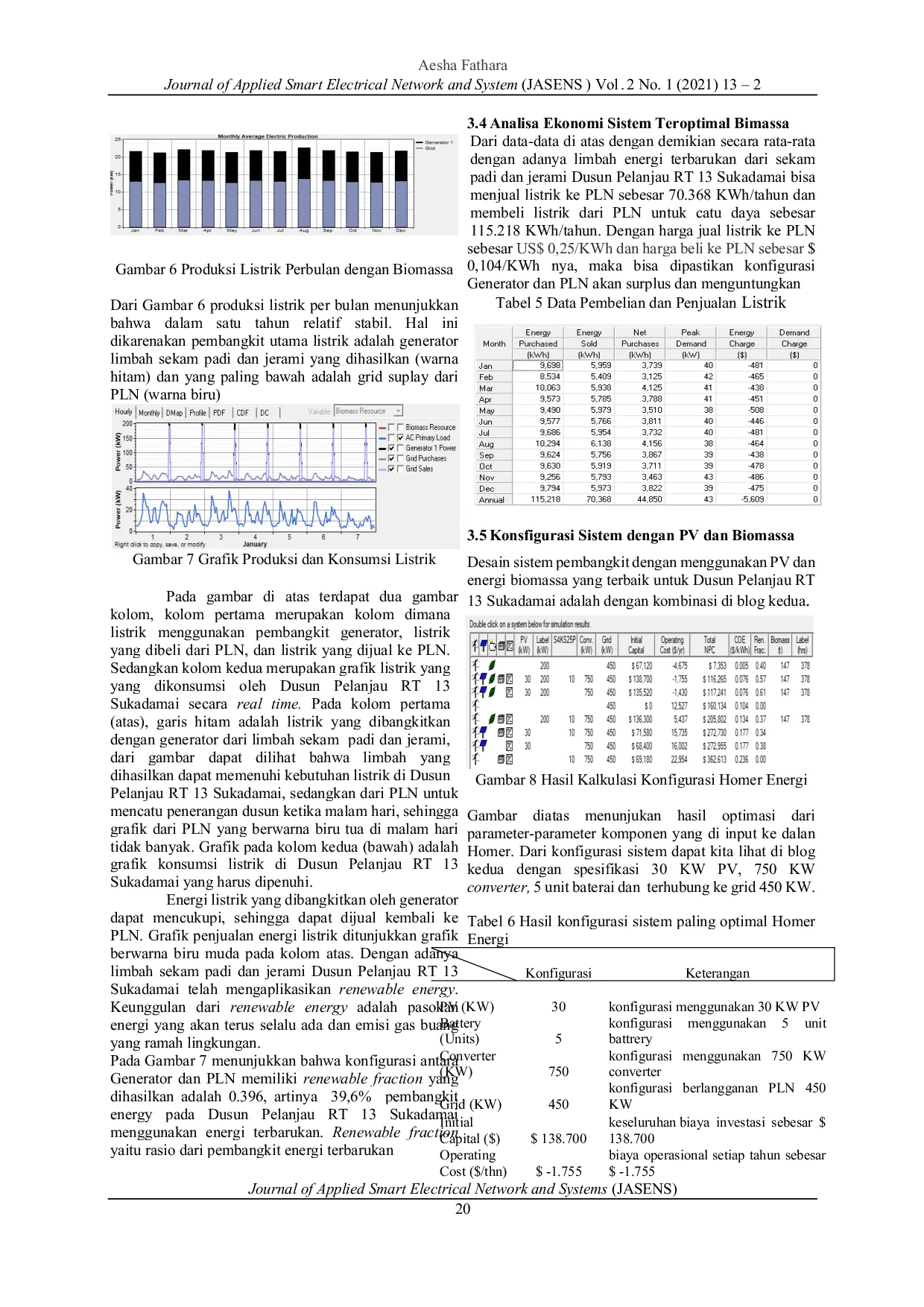
ISASISAS Sedangkan untuk potensi biomassa dari data ang diperoleh dari BPS Kabupaten Sambas di Kecamatan Tebas terdapat lahan sawah seluas 6. 730 ha. Dari luasSedangkan untuk potensi biomassa dari data ang diperoleh dari BPS Kabupaten Sambas di Kecamatan Tebas terdapat lahan sawah seluas 6. 730 ha. Dari luas

ISASISAS Berdasarkan hasil pengujian, tegangan masukan power supply 12V dengan duty cycle 10% menghasilkan tegangan 1. 99V. Sementara hasil pengujian masukan powerBerdasarkan hasil pengujian, tegangan masukan power supply 12V dengan duty cycle 10% menghasilkan tegangan 1. 99V. Sementara hasil pengujian masukan power
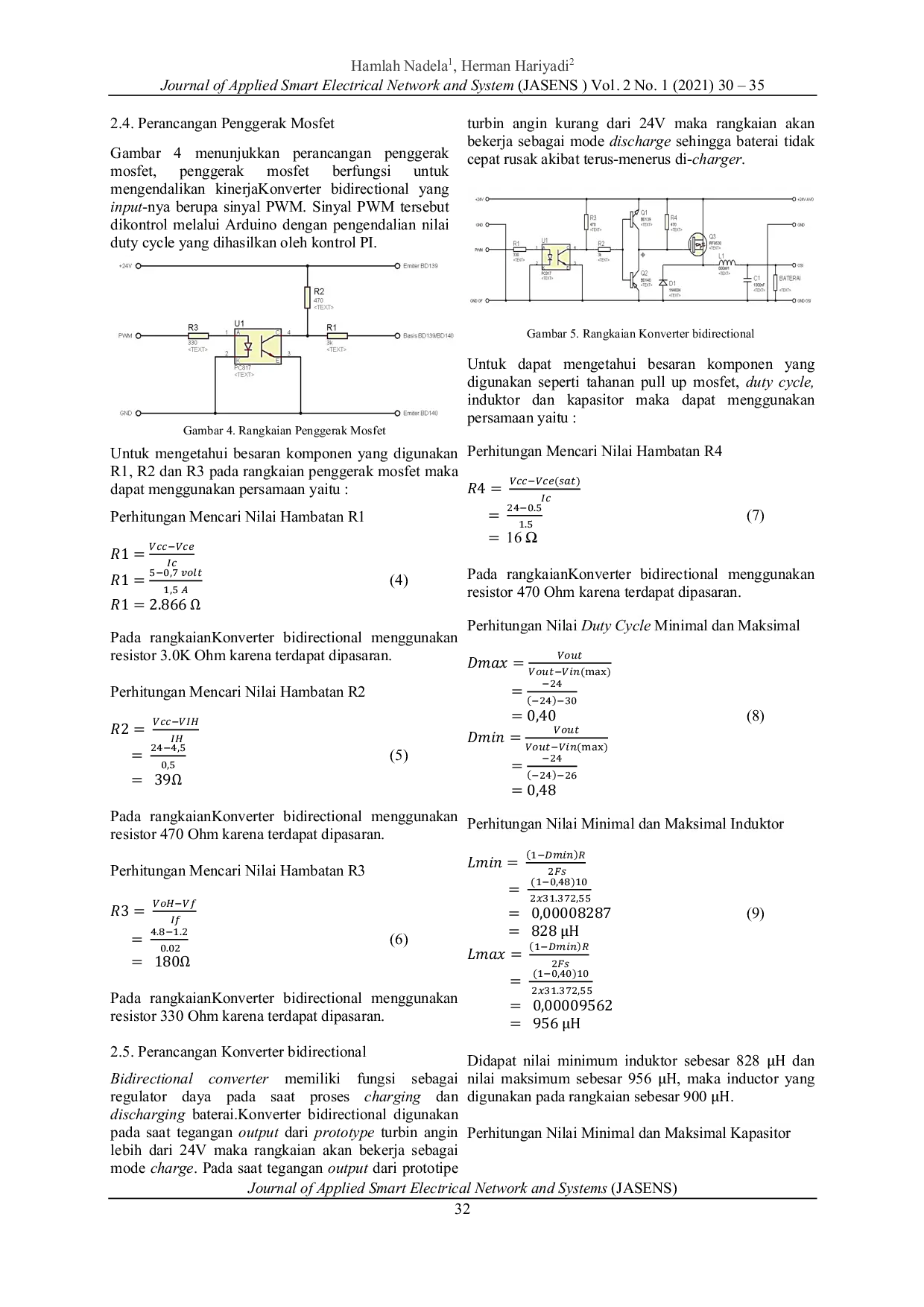
ISASISAS Sehingga dapat menstabilkan tegangan sesuai persamaan Vout = Vin x D pada range tegangan input 15-30 Volt dengan duty cycle 1-95%. Kontrol PI dengan nilaiSehingga dapat menstabilkan tegangan sesuai persamaan Vout = Vin x D pada range tegangan input 15-30 Volt dengan duty cycle 1-95%. Kontrol PI dengan nilai
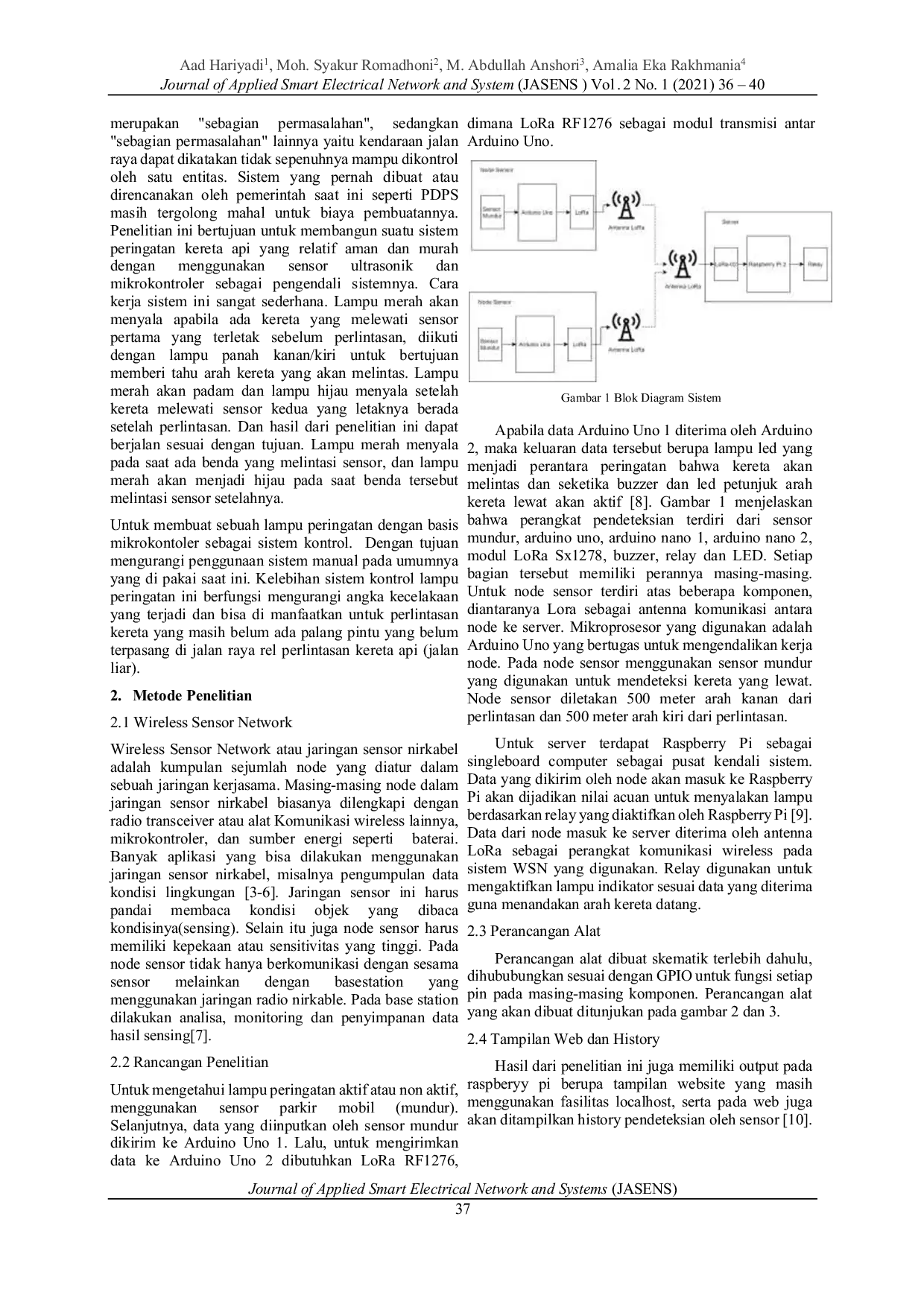
ISASISAS Hasil eksperimen menunjukkan rata-rata delay yang terukur pada sistem adalah 0,31 detik sebelum pengiriman dari node dan 0,49 detik saat terjadi perubahanHasil eksperimen menunjukkan rata-rata delay yang terukur pada sistem adalah 0,31 detik sebelum pengiriman dari node dan 0,49 detik saat terjadi perubahan
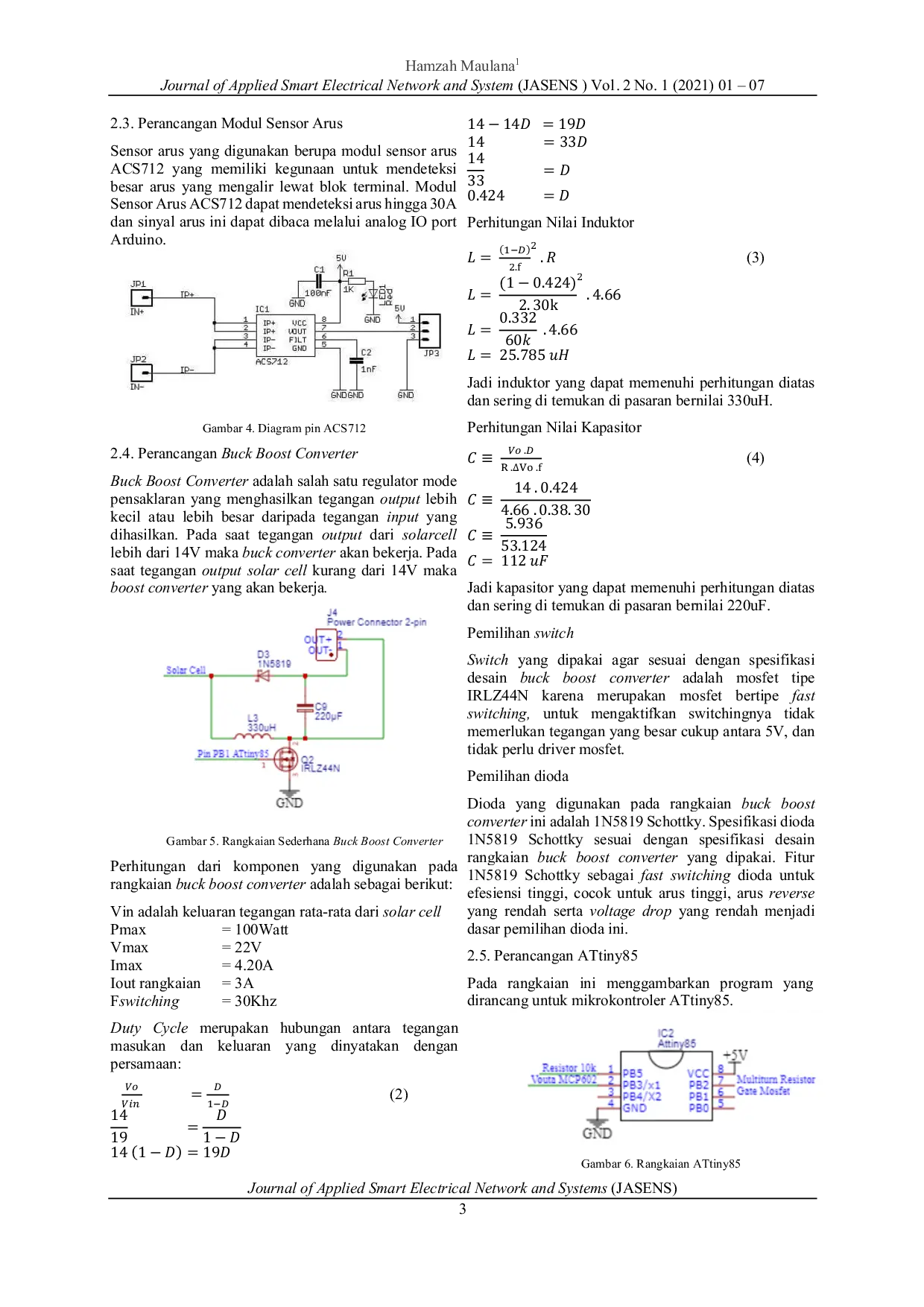
ISASISAS Proses konversi energi matahari ke energi listrik membutuhkan suatu solar cell. Salah satu metode yang dapat dilakukan adalah menggunakan metode buck boostProses konversi energi matahari ke energi listrik membutuhkan suatu solar cell. Salah satu metode yang dapat dilakukan adalah menggunakan metode buck boost
Useful /
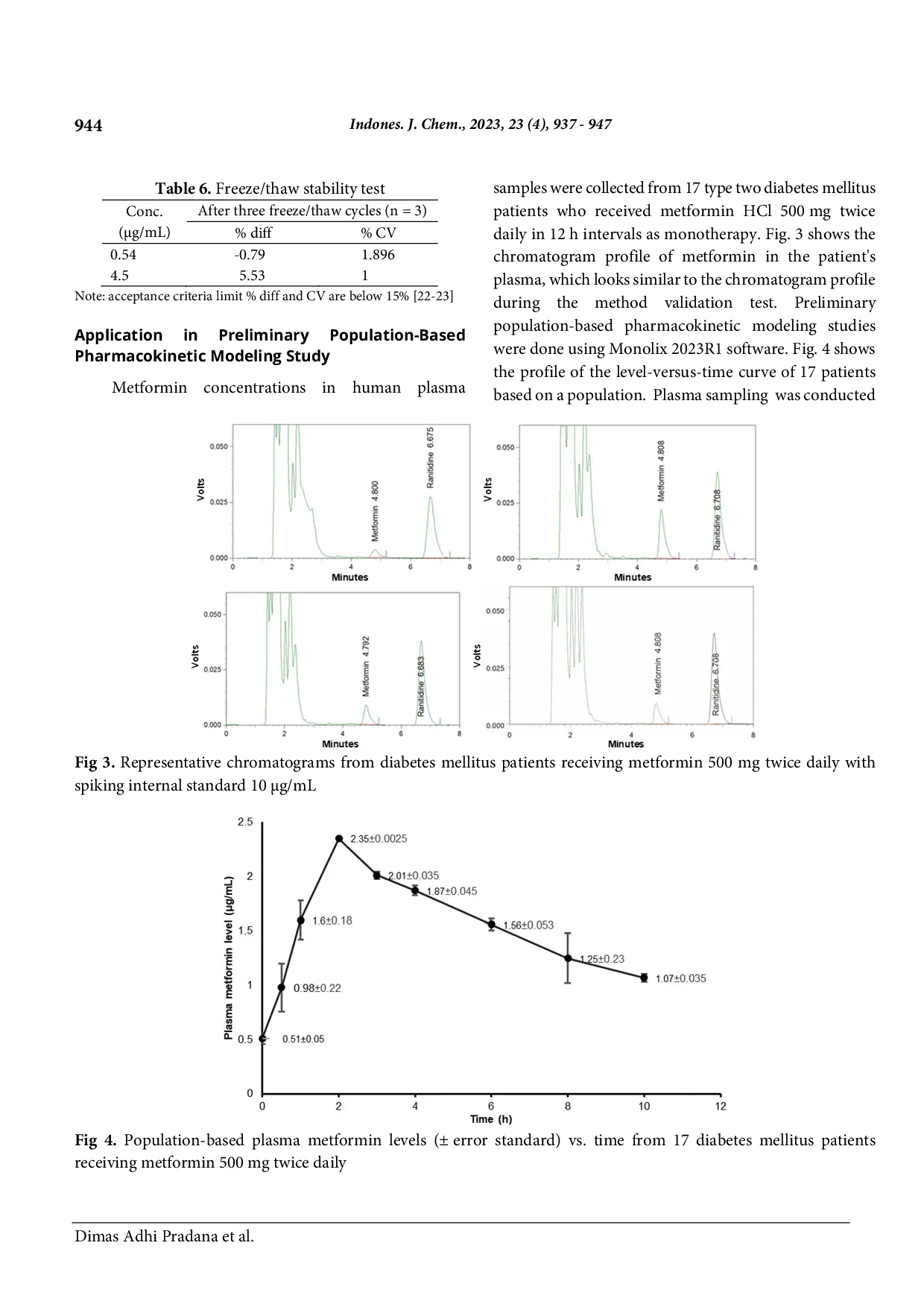
UGMUGM Kurva kalibrasi menunjukkan linearitas (R2 = 0,9998) dalam rentang konsentrasi 0,18–6 μg/mL. Batas bawah kuantifikasi (LLOQ) adalah 0,18 μg/mL. UntukKurva kalibrasi menunjukkan linearitas (R2 = 0,9998) dalam rentang konsentrasi 0,18–6 μg/mL. Batas bawah kuantifikasi (LLOQ) adalah 0,18 μg/mL. Untuk
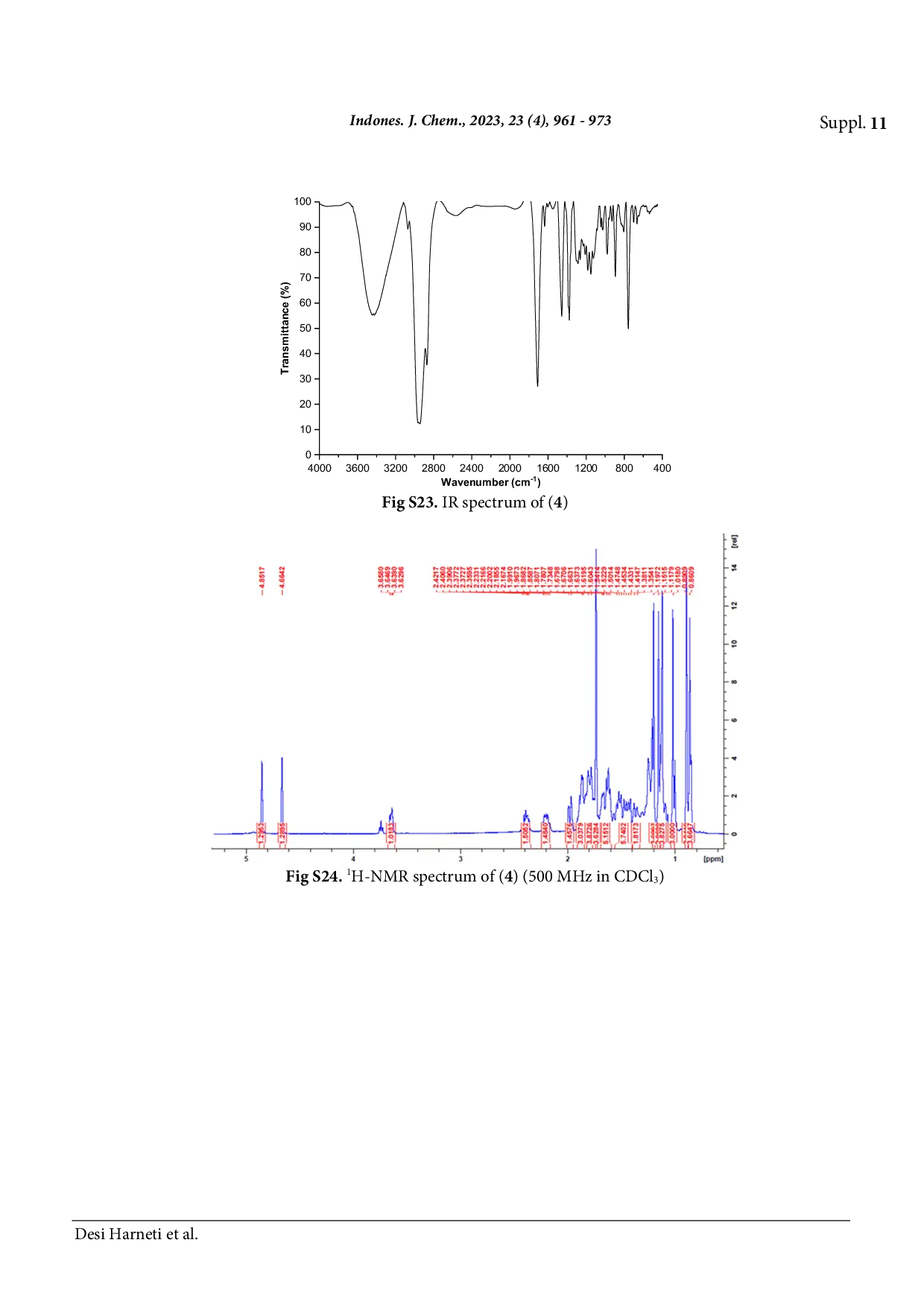
UGMUGM Ekstraksi dilakukan menggunakan metanol, diikuti dengan fraksinasi pelarut dan kromatografi kolom untuk mengisolasi senyawa aktif. Struktur senyawa yangEkstraksi dilakukan menggunakan metanol, diikuti dengan fraksinasi pelarut dan kromatografi kolom untuk mengisolasi senyawa aktif. Struktur senyawa yang

UGMUGM Penanganan pH juga menunjukkan pergeseran pada puncak karakteristik yang berkaitan dengan perubahan pada kelompok kromofor dan auxokrom dalam molekul.Penanganan pH juga menunjukkan pergeseran pada puncak karakteristik yang berkaitan dengan perubahan pada kelompok kromofor dan auxokrom dalam molekul.
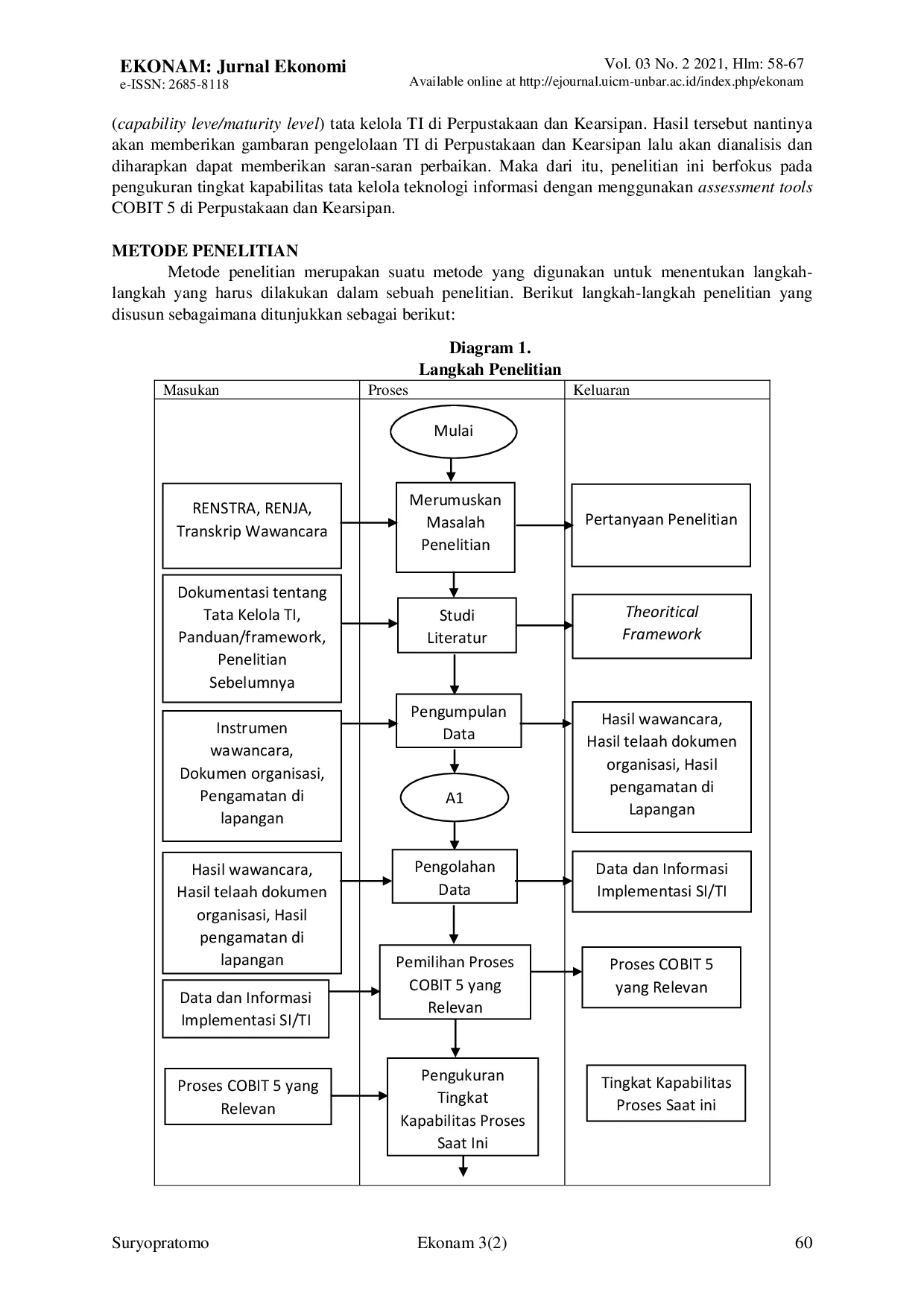
UICMUICM Perbaikan diperlukan agar mampu meningkatkan kapabilitas secara bersamaan. Rekomendasi utama yang diajukan antara lain pembuatan Standard Operating ProcedurePerbaikan diperlukan agar mampu meningkatkan kapabilitas secara bersamaan. Rekomendasi utama yang diajukan antara lain pembuatan Standard Operating Procedure