JRTPPIJRTPPI
Jurnal Riset Teknologi Pencegahan Pencemaran IndustriJurnal Riset Teknologi Pencegahan Pencemaran IndustriThe combustion process of coal in coal-fired power plants generates waste in the form of bottom ash residue. If not properly utilized, bottom ash has the ability to trigger adverse environmental impacts. One alternative for its utilization is as a mixture component in the production of paving blocks. This study aims to evaluate the water absorption, compressive strength, and quality classification of paving blocks incorporating bottom ash. An experimental laboratory method was employed by producing five different paving block variations with varying bottom ash percentages. The samples were then tested for compressive strength and water absorption in accordance with the Indonesian National Standard (SNI 03-0691-1996) to assess their conformity with established quality criteria. The paving block mixtures consisted of five variations: Sample A (0% bottom ash), Sample B (10%), Sample C (20%), Sample D (30%), and Sample E (40%), with each containing 30% cement and the remainder a combination of sand and bottom ash. The test results showed variations in average water absorption and compressive strength among the samples. Sample A had a water absorption of 8.95% and compressive strength of 15.1 MPa; Sample B, 5.99% and 22.73 MPa; Sample C, 6.54% and 22.49 MPa; Sample D, 8.34% and 19.49 MPa; and Sample E, 9.22% and 17.69 MPa. Based on the test results, paving blocks without bottom ash (Sample A) fall into Class C; mixtures with 10% and 20% bottom ash (Samples B and C) fall into Class B; the 30% mixture (Sample D) belongs to Class C; and the 40% mixture (Sample E) is categorized as Class D. All composition variations meet the quality classification criteria stipulated in the applicable Indonesian National Standard (SNI). Based on compressive strength and water absorption parameters, the optimal bottom ash composition ranges between 10% and 20%.
The study concludes that varying the bottom ash content significantly affects the water absorption and compressive strength of paving blocks.Higher bottom ash proportions lead to increased water absorption due to increased porosity, while also reducing compressive strength.The optimal results, meeting Class B quality standards, were achieved with bottom ash compositions of 10% and 20%, making them suitable for light vehicle parking areas.
Penelitian lebih lanjut perlu dilakukan untuk mengkaji pengaruh ukuran partikel bottom ash terhadap kinerja paving block, karena ukuran partikel dapat memengaruhi porositas dan kekuatan material. Selain itu, studi tentang penambahan aditif lain, seperti serat atau polimer, ke dalam campuran paving block berbasis bottom ash dapat meningkatkan kekuatan dan durabilitasnya. Terakhir, penelitian mengenai siklus hidup (life cycle assessment) paving block dengan substitusi bottom ash perlu dilakukan untuk mengevaluasi dampak lingkungan secara komprehensif, termasuk emisi karbon dan penggunaan sumber daya, sehingga dapat memberikan informasi yang lebih lengkap mengenai keberlanjutan material ini. Penelitian-penelitian ini diharapkan dapat memberikan pemahaman yang lebih mendalam tentang potensi pemanfaatan limbah bottom ash dalam industri konstruksi, serta mendorong pengembangan material bangunan yang lebih ramah lingkungan dan berkelanjutan.
- Effect of coconut shell ash substitution on compressive strength, wear resistance and water absorption... journal.uii.ac.id/teknisia/article/view/36067Effect of coconut shell ash substitution on compressive strength wear resistance and water absorption journal uii ac teknisia article view 36067
- e-Journal Politeknik Pekerjaan Umum. journal politeknik pekerjaan jurnal diseminasi konstruksi pengabdian... doi.org/10.56911/jik.v2i2.80e Journal Politeknik Pekerjaan Umum journal politeknik pekerjaan jurnal diseminasi konstruksi pengabdian doi 10 56911 jik v2i2 80
| File size | 363.09 KB |
| Pages | 7 |
| DMCA | Report |
Related /

DIM UNPASDIM UNPAS Berdasarkan hasil penelitian, dapat disimpulkan bahwa pengalaman audit tidak berpengaruh terhadap kemampuan auditor dalam mendeteksi kecurangan laporanBerdasarkan hasil penelitian, dapat disimpulkan bahwa pengalaman audit tidak berpengaruh terhadap kemampuan auditor dalam mendeteksi kecurangan laporan

DIM UNPASDIM UNPAS Temuan ini menunjukkan dua jalur melalui mana teknologi digital mempengaruhi TC secara langsung melalui efisiensi operasional dan tidak langsung melaluiTemuan ini menunjukkan dua jalur melalui mana teknologi digital mempengaruhi TC secara langsung melalui efisiensi operasional dan tidak langsung melalui
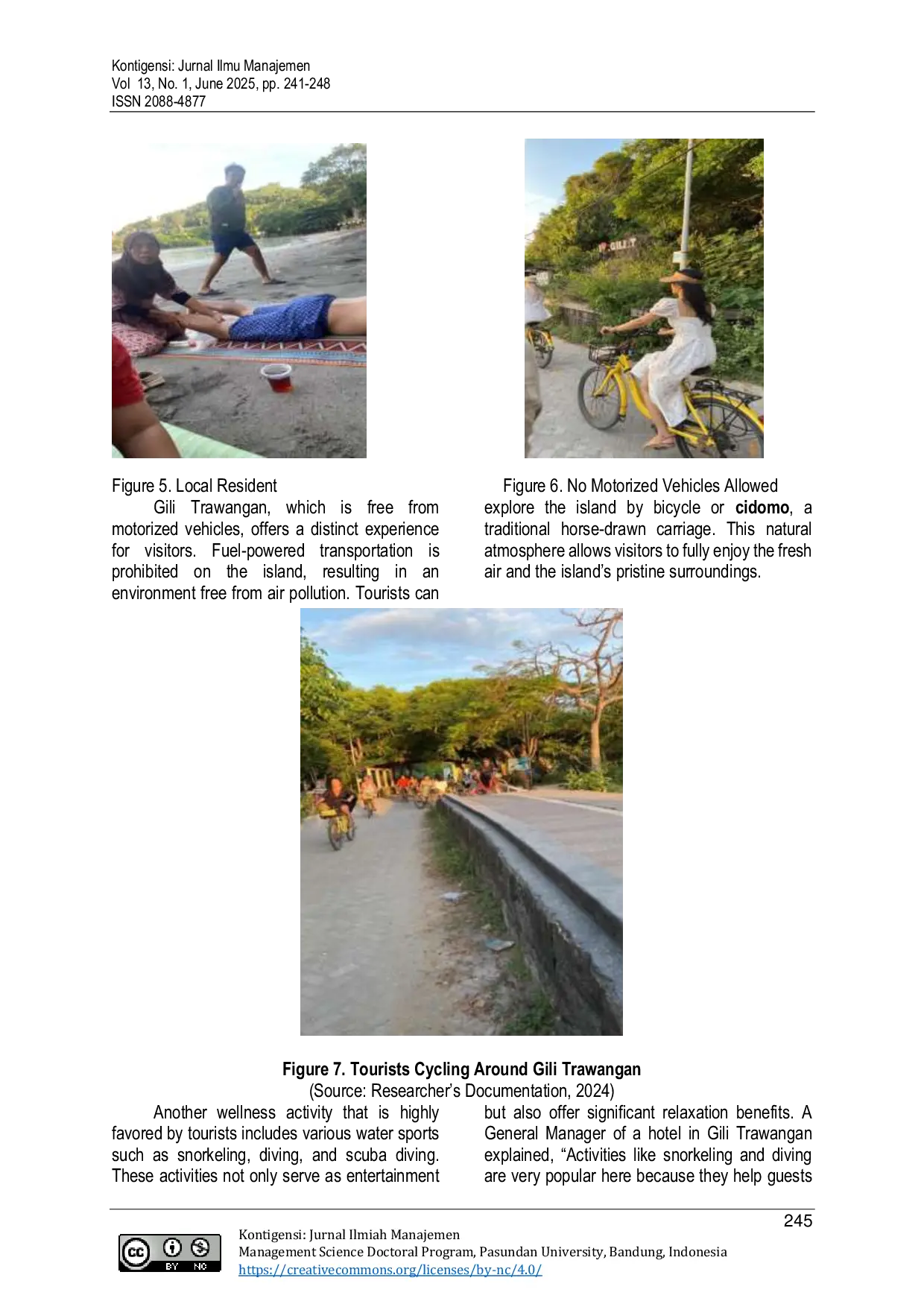
DIM UNPASDIM UNPAS Dengan menggunakan metode kualitatif deskriptif, data dikumpulkan melalui observasi, wawancara dengan pemangku kepentingan pariwisata dan wisatawan, sertaDengan menggunakan metode kualitatif deskriptif, data dikumpulkan melalui observasi, wawancara dengan pemangku kepentingan pariwisata dan wisatawan, serta

DIM UNPASDIM UNPAS Kontribusi utama penelitian ini adalah perluasan Model Keberhasilan Sistem Informasi DeLone & McLean dengan mengintegrasikan konstruk dukungan kepemimpinanKontribusi utama penelitian ini adalah perluasan Model Keberhasilan Sistem Informasi DeLone & McLean dengan mengintegrasikan konstruk dukungan kepemimpinan

DIM UNPASDIM UNPAS Oleh karena itu, perusahaan harus menerapkan transparansi, mematuhi regulasi seperti GDPR, dan mengembangkan pedoman etika untuk mengatasi bias algoritmaOleh karena itu, perusahaan harus menerapkan transparansi, mematuhi regulasi seperti GDPR, dan mengembangkan pedoman etika untuk mengatasi bias algoritma
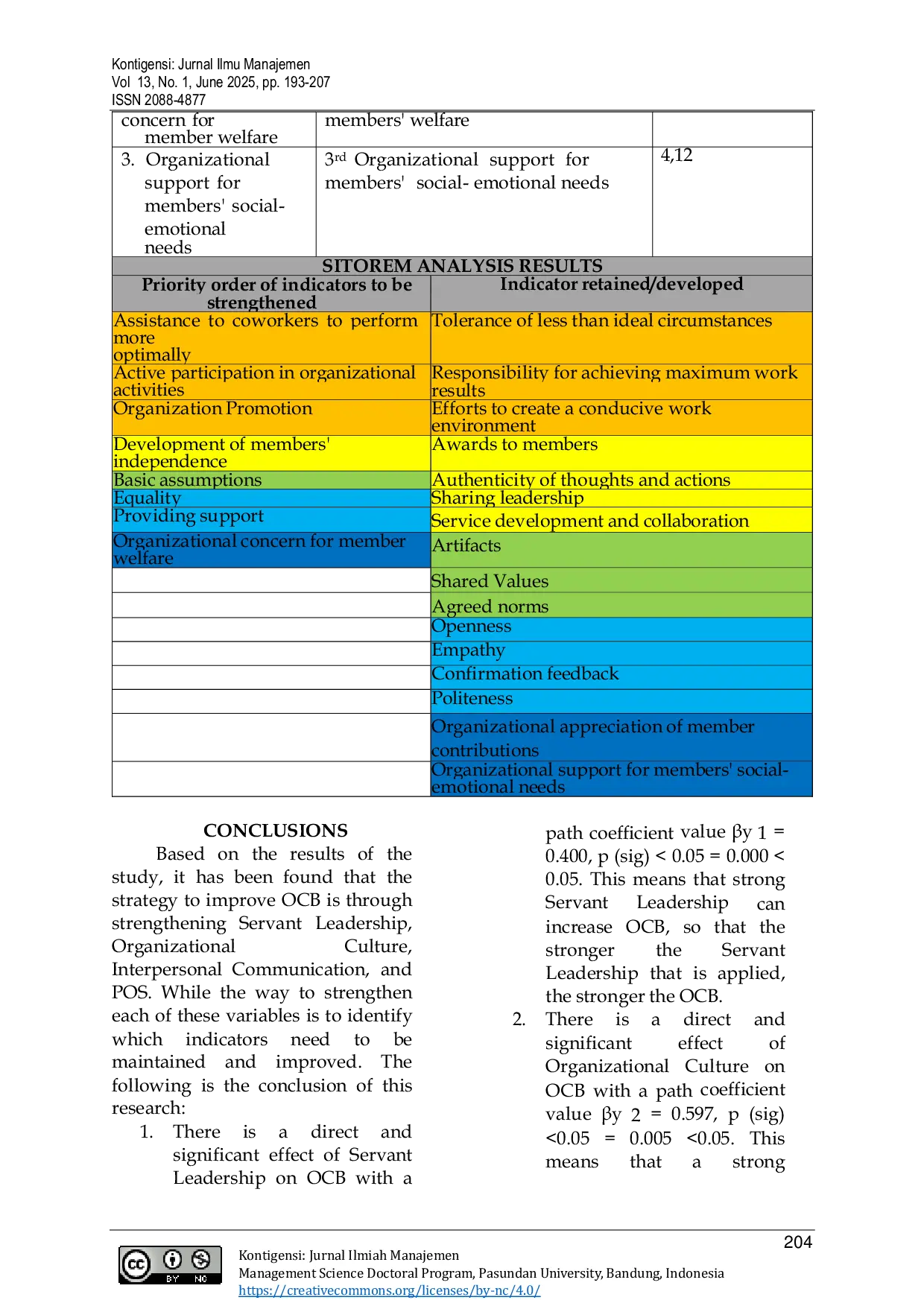
DIM UNPASDIM UNPAS Penelitian menunjukkan bahwa memperkuat Servant Leadership, Budaya Organisasi, Komunikasi Interpersonal, serta Perceived Organizational Support secaraPenelitian menunjukkan bahwa memperkuat Servant Leadership, Budaya Organisasi, Komunikasi Interpersonal, serta Perceived Organizational Support secara
DIM UNPASDIM UNPAS Interviews were conducted with 10 members of the Bia Berek ikat weaving group. The results of this research are different from the proposition that hasInterviews were conducted with 10 members of the Bia Berek ikat weaving group. The results of this research are different from the proposition that has

DIM UNPASDIM UNPAS Penelitian ini bertujuan mengidentifikasi pengaruh pengetahuan akuntansi, efikasi diri, dan faktor interpersonal individu terhadap minat karir mahasiswaPenelitian ini bertujuan mengidentifikasi pengaruh pengetahuan akuntansi, efikasi diri, dan faktor interpersonal individu terhadap minat karir mahasiswa
Useful /
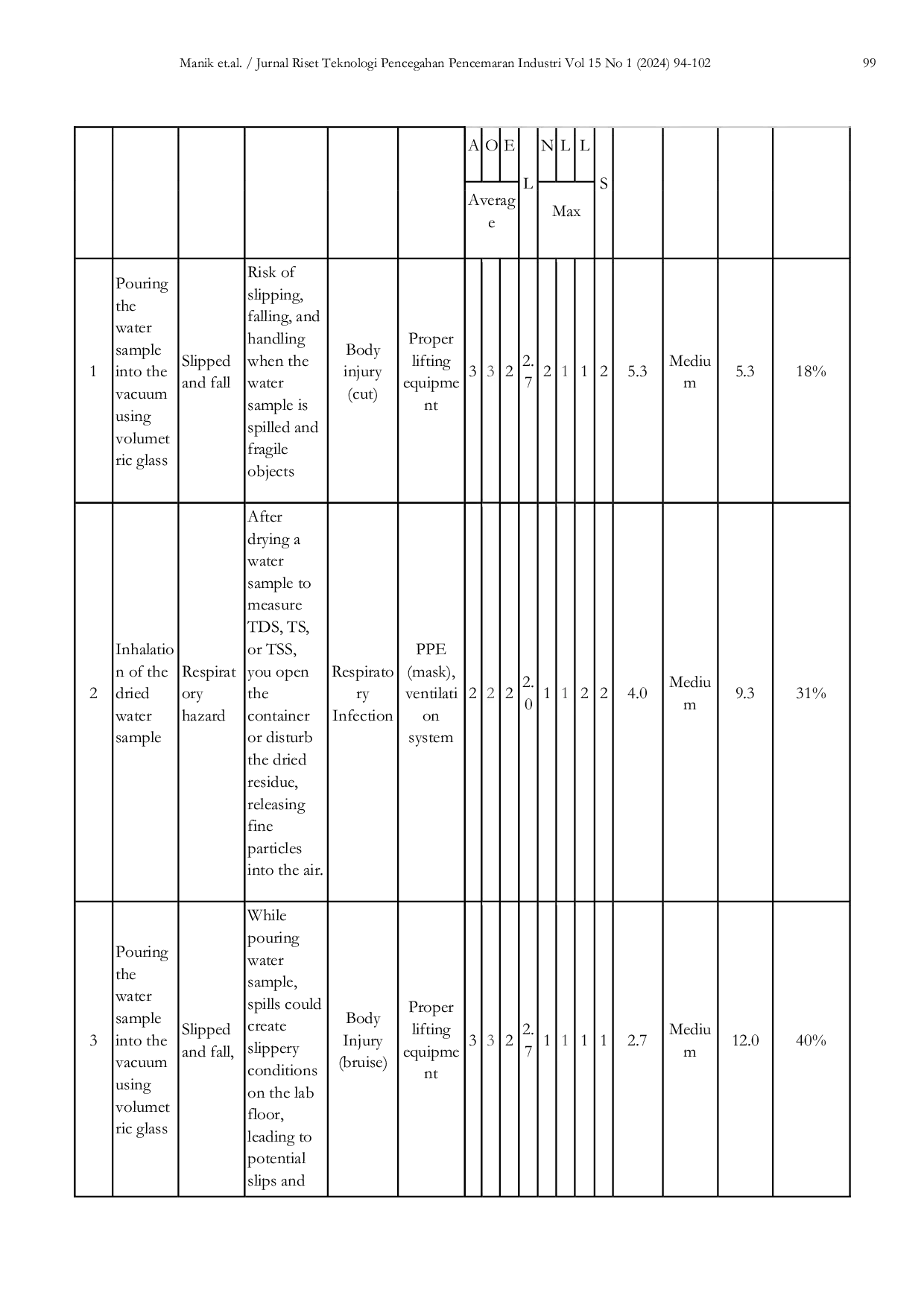
JRTPPIJRTPPI Aktivitas yang melibatkan bahaya kritis termasuk menuangkan sampel air ke dalam vakum menggunakan gelas volumetrik. Pada akhirnya, penelitian ini mengusulkanAktivitas yang melibatkan bahaya kritis termasuk menuangkan sampel air ke dalam vakum menggunakan gelas volumetrik. Pada akhirnya, penelitian ini mengusulkan
UQGRESIKUQGRESIK Makalah ini bertujuan untuk menganalisis penguatan ideologi moderat NU, yang memiliki pengikut terbesar di Indonesia dan sangat mempengaruhi peradabanMakalah ini bertujuan untuk menganalisis penguatan ideologi moderat NU, yang memiliki pengikut terbesar di Indonesia dan sangat mempengaruhi peradaban
UPI YAIUPI YAI Selain itu, hasil uji menggunakan multivariate correlation menggunakan SPSS 25. 0 for windows diperoleh koefisien korelasi r = 0,753 dan R Square (R2)Selain itu, hasil uji menggunakan multivariate correlation menggunakan SPSS 25. 0 for windows diperoleh koefisien korelasi r = 0,753 dan R Square (R2)
UPI YAIUPI YAI Tujuan dari penelitian ini adalah untuk mengetahui ada hubungan antara konsep diri dan lingkungan sosial dengan kemampuan komunikasi interpersonal padaTujuan dari penelitian ini adalah untuk mengetahui ada hubungan antara konsep diri dan lingkungan sosial dengan kemampuan komunikasi interpersonal pada