STIKBARSTIKBAR
Public Health of IndonesiaPublic Health of IndonesiaThe prevalence of self-medication has significantly increased the amount of medicine stored in households. Many individuals remain unfamiliar with proper medication storage procedures, which can compromise the stability and effectiveness of the medicine. This study aimed to assess the knowledge and behavior of urban households in Jakarta regarding medicine storage. An analytical approach using a cross-sectional method was employed. Data were collected through face-to-face interviews and observations. A total of 329 respondents and 1686 medicines were obtained through purposive sampling. The collected data were analyzed using univariate and bivariate analyses with SPSS 26. The findings indicated that a majority of individuals had low knowledge (56.53%) and exhibited inappropriate behavior (57.45%) regarding medicine storage. Most respondents obtained their medicines from pharmacies or drugstores. The most commonly stored therapeutic classes were cough and cold medicines, including analgesic-antipyretics. A significant relationship was observed between age group and level of knowledge, as well as between education, knowledge, and behavior related to household medicine storage (p-value < 0.05). The urban community in Jakarta demonstrates poor knowledge and inappropriate behavior regarding medicine storage in households. This underscores the need for continuous education to promote proper medication storage practices.
The study revealed that the majority of respondents in Jakarta exhibited poor knowledge and inappropriate behavior concerning household medicine storage.This highlights the necessity for ongoing education initiatives to promote proper medication storage practices.Age and education level significantly influenced knowledge and behavior related to medicine storage, emphasizing the need for targeted interventions.Maintaining drug stability through proper storage is crucial for ensuring effectiveness and minimizing potential harm.
Further research should investigate the effectiveness of different educational interventions, such as community workshops or mobile health applications, in improving medicine storage practices among urban households in Jakarta. A longitudinal study could be conducted to assess the long-term impact of educational programs on medication storage behavior and identify factors contributing to sustained behavior change. Additionally, research is needed to explore the role of healthcare professionals, particularly pharmacists, in providing counseling and education on proper medicine storage to patients, and to assess the feasibility of integrating such counseling into routine pharmacy services. Building upon the existing findings, future studies could also examine the economic consequences of improper medicine storage, including medication wastage and potential healthcare costs associated with adverse drug events, to strengthen the rationale for investing in public health interventions.
- Knowledge and Behavior of Household Medicine Storage: A Study from the Urban area of Jakarta, Indonesia... doi.org/10.36685/phi.v10i2.781Knowledge and Behavior of Household Medicine Storage A Study from the Urban area of Jakarta Indonesia doi 10 36685 phi v10i2 781
- Incorrect storage of medicines and potential for cost savings | European Journal of Hospital Pharmacy.... ejhp.bmj.com/content/24/3/167Incorrect storage of medicines and potential for cost savings European Journal of Hospital Pharmacy ejhp bmj content 24 3 167
| File size | 208.85 KB |
| Pages | 10 |
| DMCA | Report |
Related /

STIKBARSTIKBAR Kontribusi teoretis dari surat ini terletak pada fakta bahwa surat ini memungkinkan kita untuk meninjau kembali teori kepemimpinan untuk memberi tahu kitaKontribusi teoretis dari surat ini terletak pada fakta bahwa surat ini memungkinkan kita untuk meninjau kembali teori kepemimpinan untuk memberi tahu kita
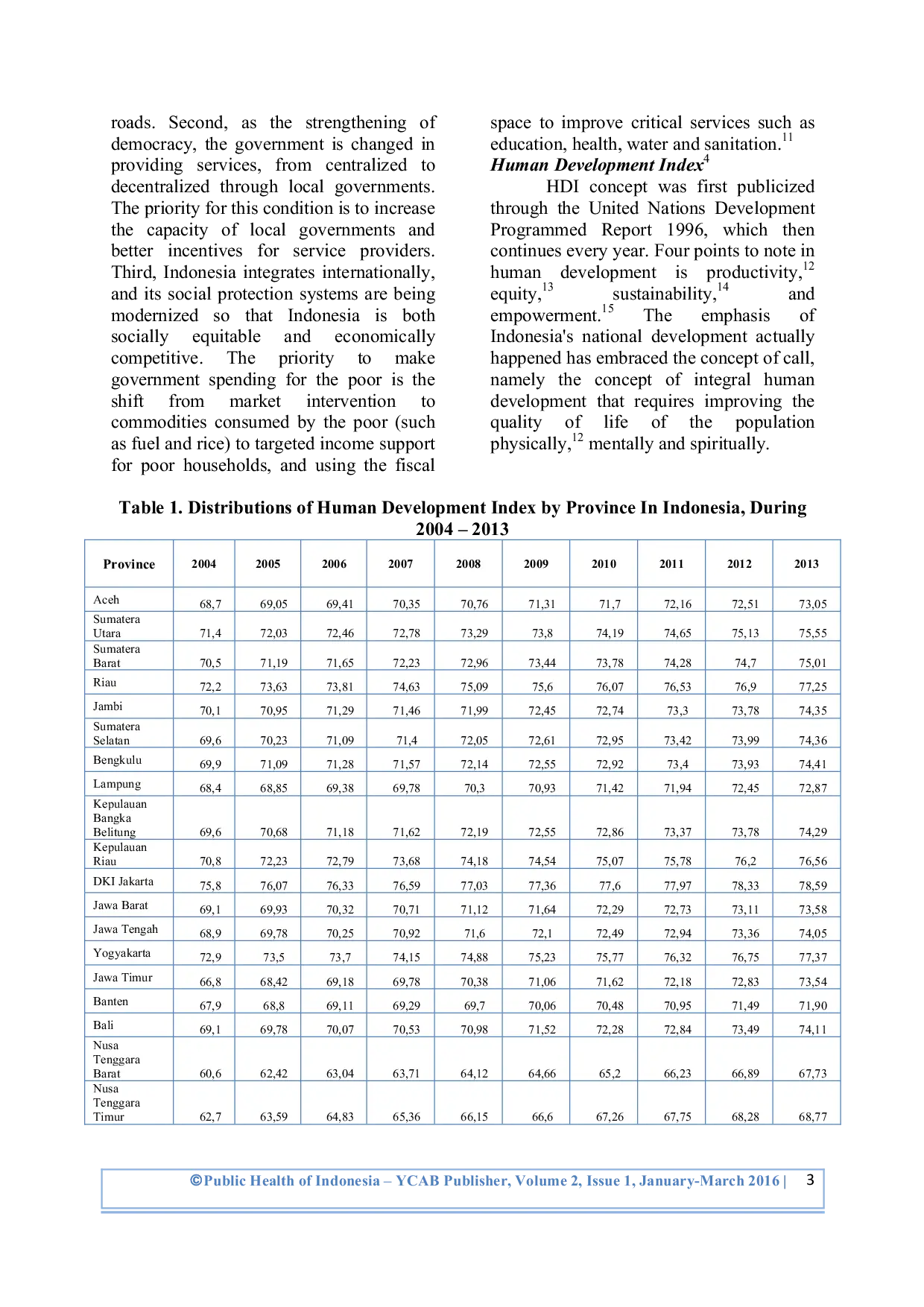
STIKBARSTIKBAR Kondisi yang dijelaskan di atas, yaitu kemiskinan, angka kematian ibu, Indeks Pembangunan Manusia (IPM), gizi, dan status malaria di Indonesia, tetap menjadiKondisi yang dijelaskan di atas, yaitu kemiskinan, angka kematian ibu, Indeks Pembangunan Manusia (IPM), gizi, dan status malaria di Indonesia, tetap menjadi
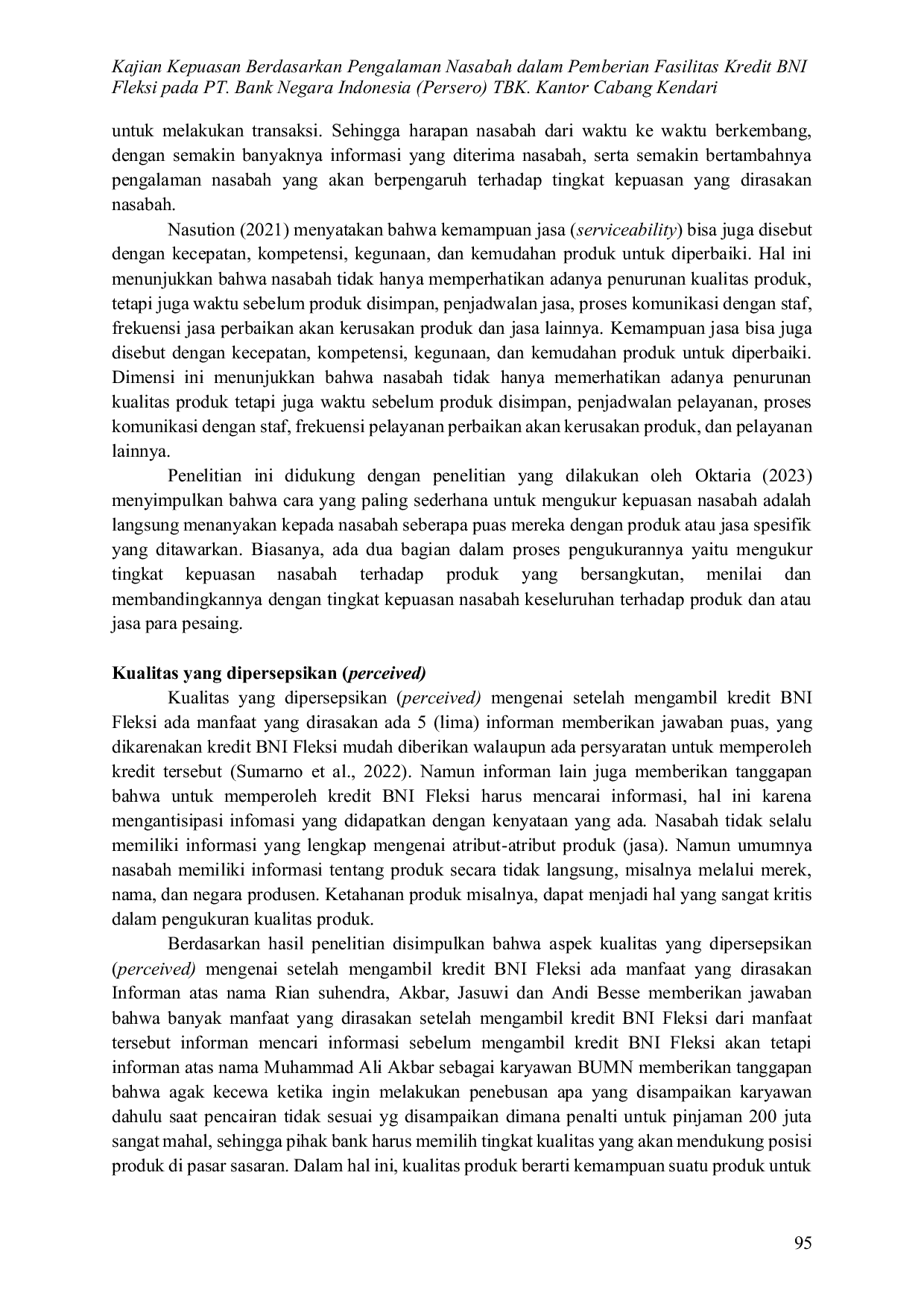
UNIGRESUNIGRES Informan penelitian ini adalah nasabah yang mengajukan Kredit BNI Fleksi di PT. Informan kunci dalam penelitian ini adalah nasabah PT. Kantor Cabang KendariInforman penelitian ini adalah nasabah yang mengajukan Kredit BNI Fleksi di PT. Informan kunci dalam penelitian ini adalah nasabah PT. Kantor Cabang Kendari
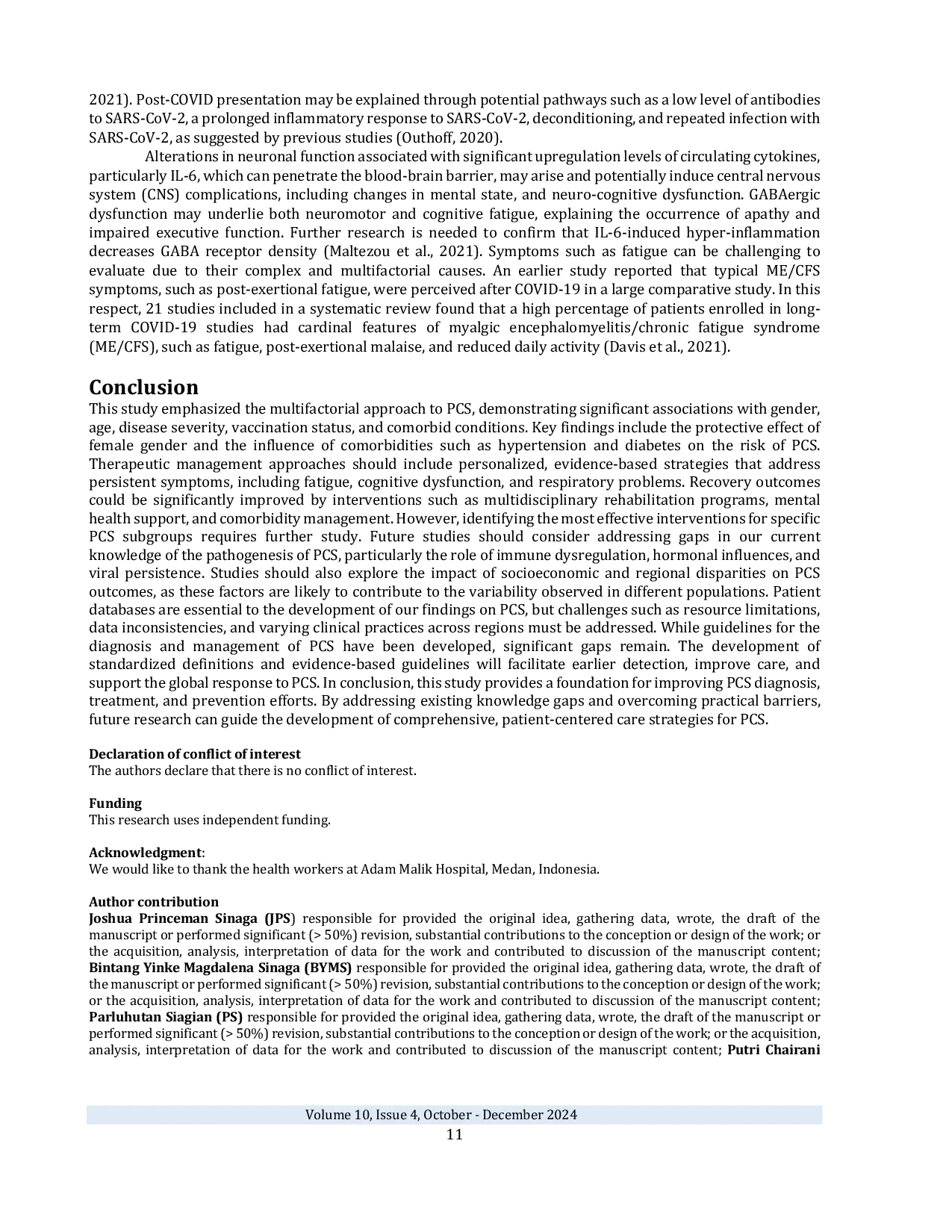
STIKBARSTIKBAR Pengembangan definisi standar dan pedoman berbasis bukti akan memfasilitasi deteksi lebih awal, meningkatkan perawatan, dan mendukung respons global terhadapPengembangan definisi standar dan pedoman berbasis bukti akan memfasilitasi deteksi lebih awal, meningkatkan perawatan, dan mendukung respons global terhadap
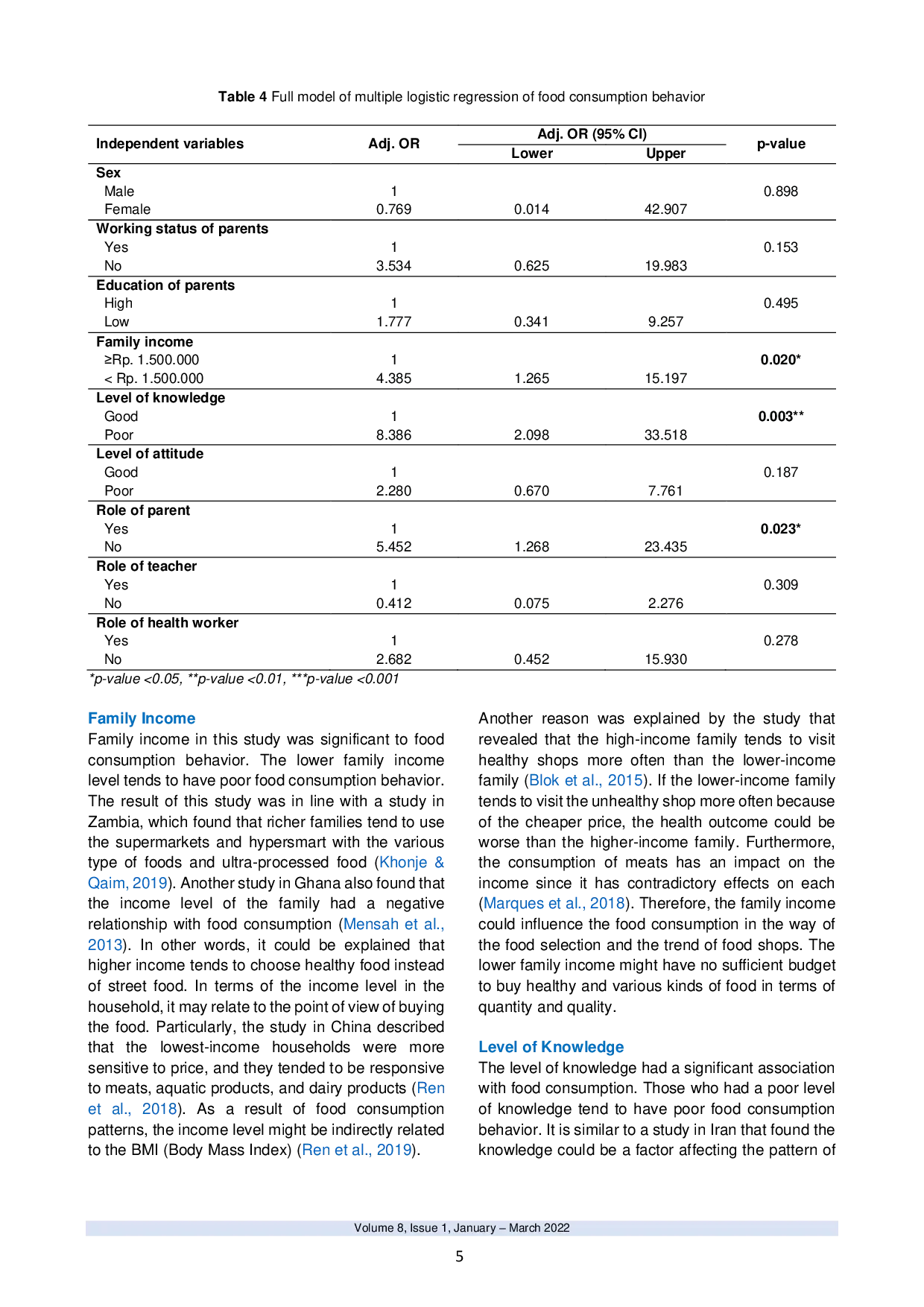
STIKBARSTIKBAR Variabel utama yang secara signifikan mempengaruhi perilaku konsumsi makanan pada siswa sekolah menengah kejuruan adalah tingkat pengetahuan, pendapatanVariabel utama yang secara signifikan mempengaruhi perilaku konsumsi makanan pada siswa sekolah menengah kejuruan adalah tingkat pengetahuan, pendapatan
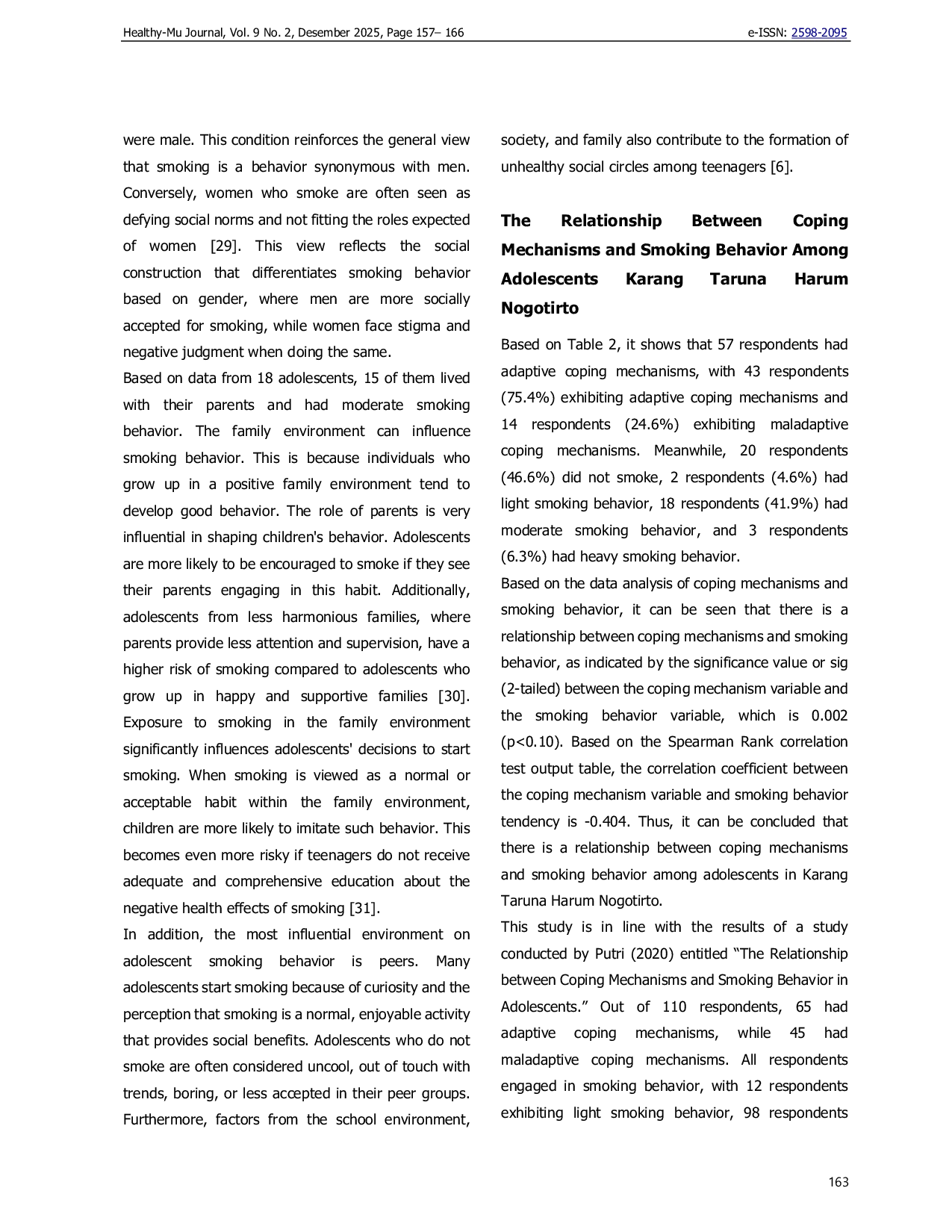
UMBJMUMBJM One factor that influences smoking behavior in adolescents is the coping mechanisms used to deal with stress. This study aims to determine the relationshipOne factor that influences smoking behavior in adolescents is the coping mechanisms used to deal with stress. This study aims to determine the relationship
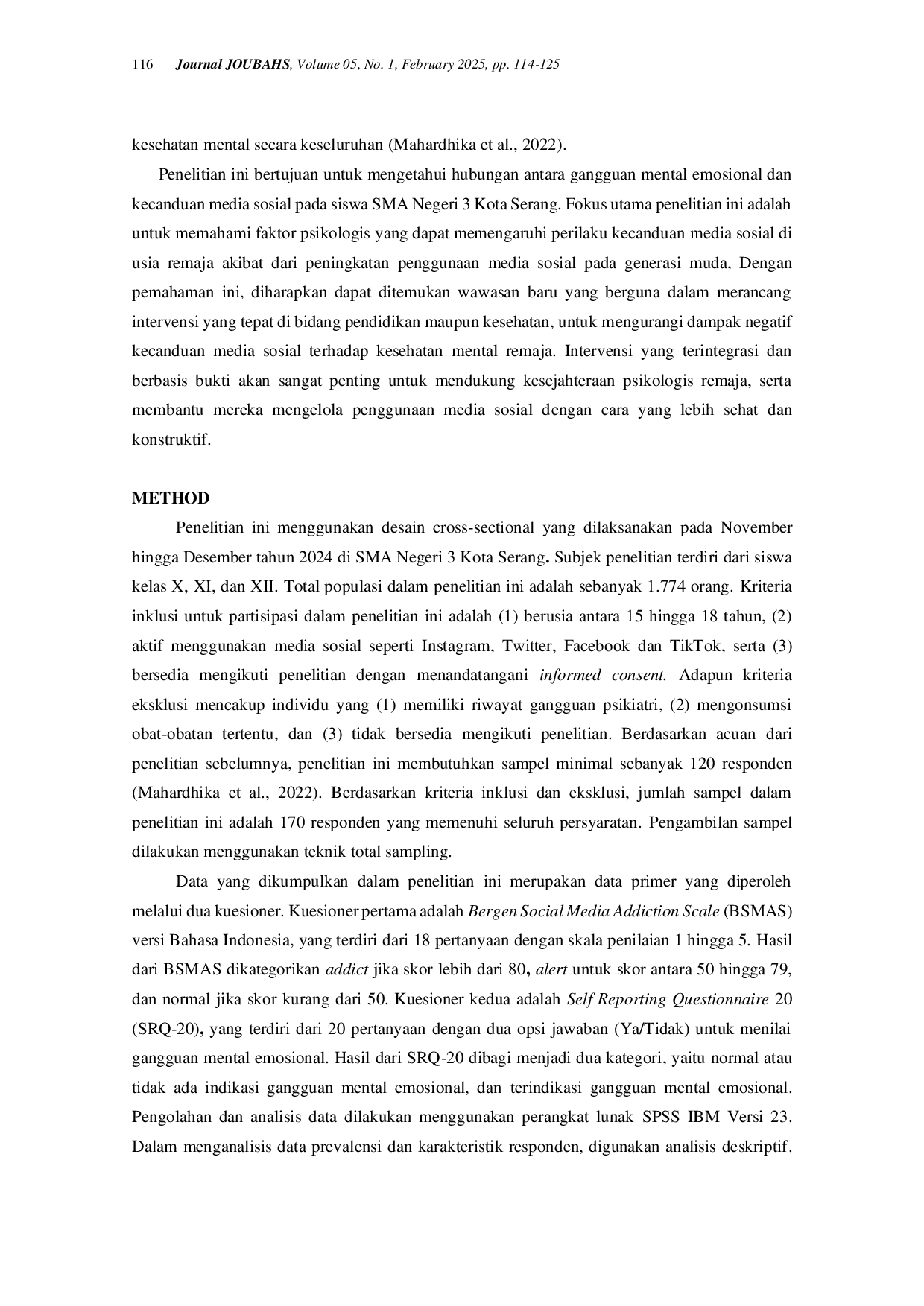
LPPM UNBAJALPPM UNBAJA Sampel yang digunakan dalam penelitian ini terdiri dari 170 responden. Data dikumpulkan menggunakan kuesioner sosiodemografi, Bergen Social Media AddictionSampel yang digunakan dalam penelitian ini terdiri dari 170 responden. Data dikumpulkan menggunakan kuesioner sosiodemografi, Bergen Social Media Addiction
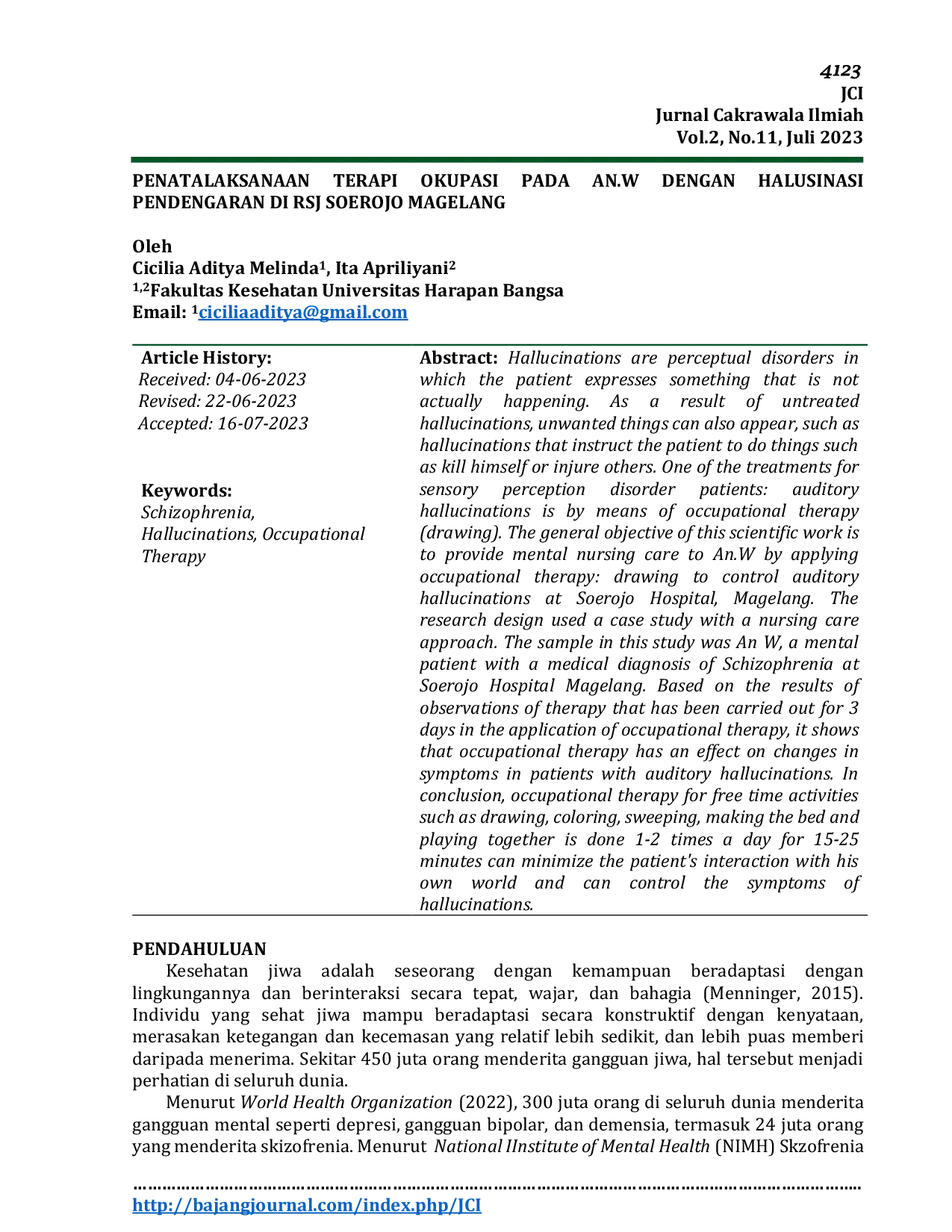
BAJANGJOURNALBAJANGJOURNAL Berdasarkan hasil pengamatan selama 3 hari pada pasien halusinasi pendengaran dengan penerapan terapi okupasi menunjukkan bahwa terapi okupasi berpengaruhBerdasarkan hasil pengamatan selama 3 hari pada pasien halusinasi pendengaran dengan penerapan terapi okupasi menunjukkan bahwa terapi okupasi berpengaruh
Useful /
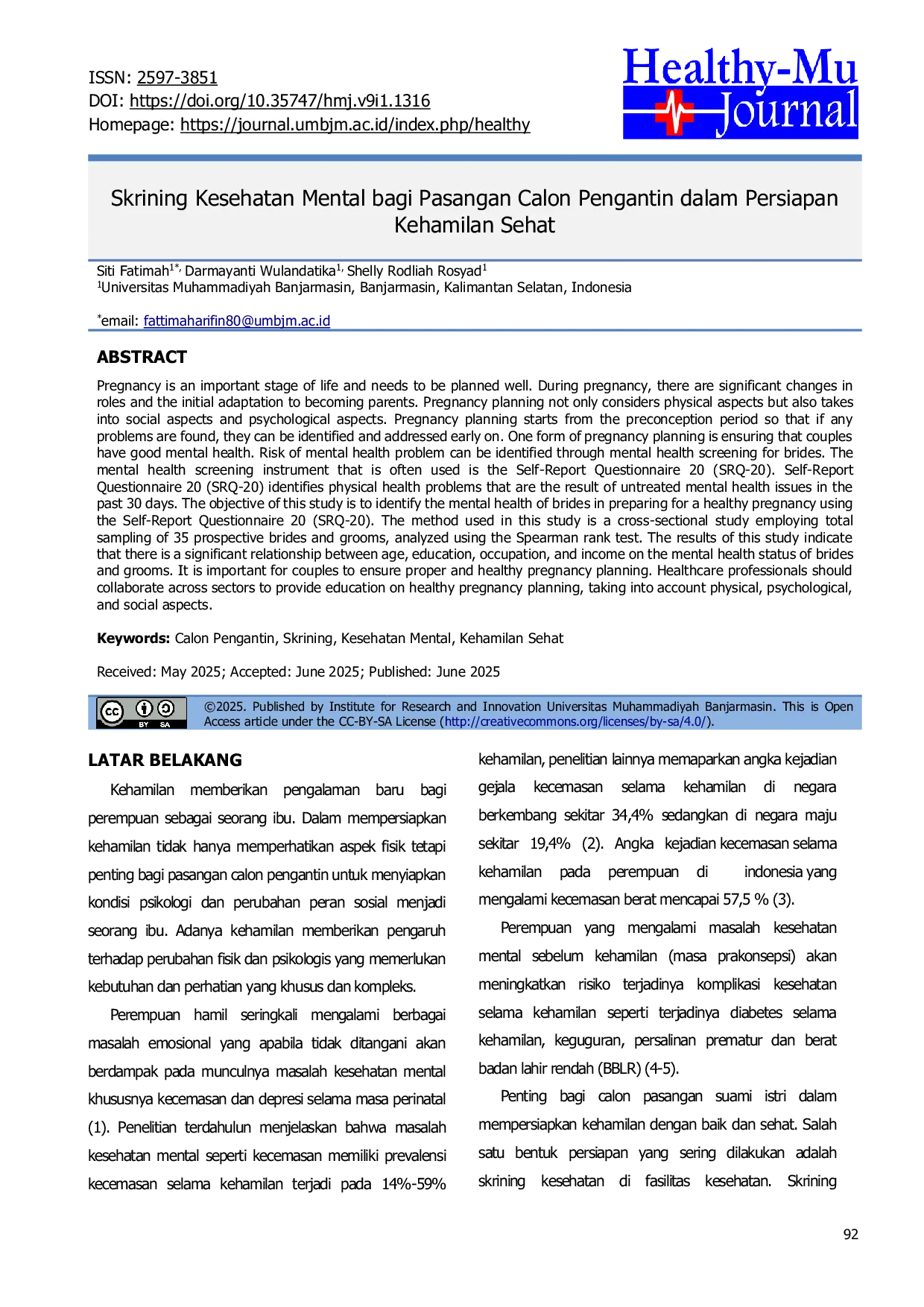
UMBJMUMBJM Perencanaan kehamilan tidak hanya mempertimbangkan aspek fisik, tetapi juga aspek sosial dan psikologis. Persiapan kehamilan dimulai sejak masa prakonsepsiPerencanaan kehamilan tidak hanya mempertimbangkan aspek fisik, tetapi juga aspek sosial dan psikologis. Persiapan kehamilan dimulai sejak masa prakonsepsi
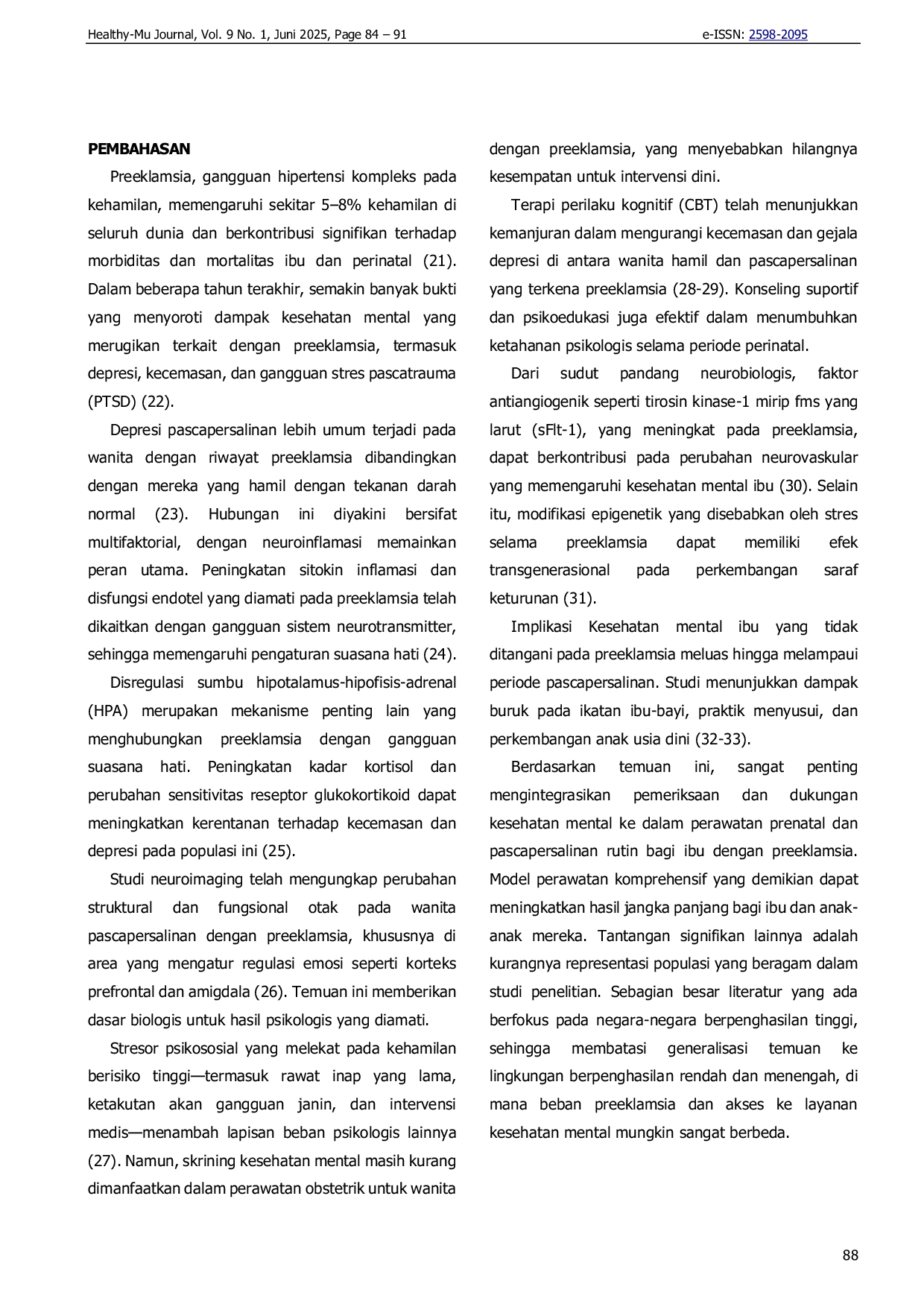
UMBJMUMBJM Hasil menunjukkan bahwa wanita dengan preeklamsia secara konsisten mengalami tekanan psikologis yang lebih tinggi dibandingkan kehamilan tanpa komplikasi.Hasil menunjukkan bahwa wanita dengan preeklamsia secara konsisten mengalami tekanan psikologis yang lebih tinggi dibandingkan kehamilan tanpa komplikasi.
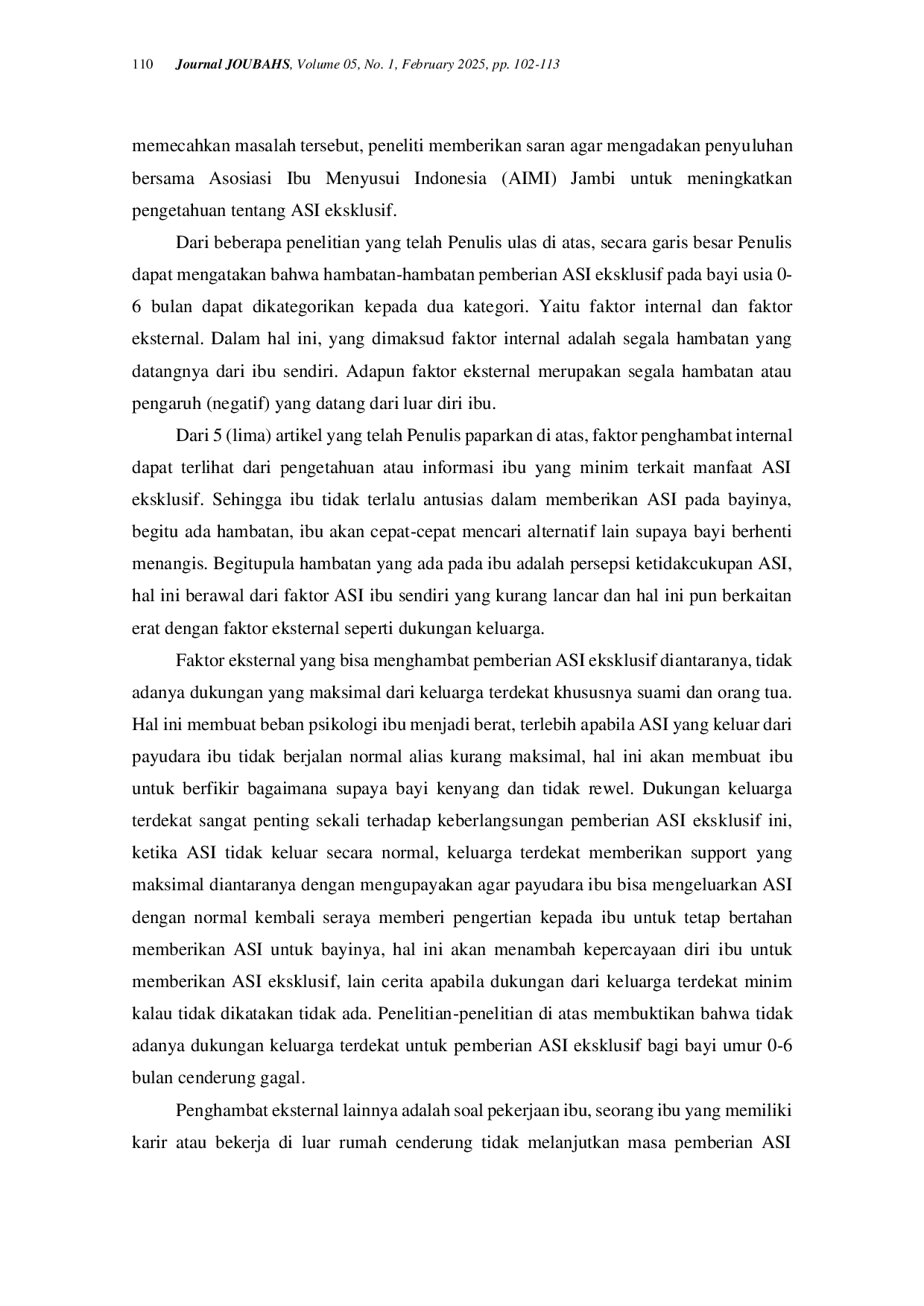
LPPM UNBAJALPPM UNBAJA Berdasarkan keadaan tersebut, penulis sangat tertarik untuk mendalami terkait hambatan-hambatan apa saja yang dihadapi para ibu sehingga mereka tidak dapatBerdasarkan keadaan tersebut, penulis sangat tertarik untuk mendalami terkait hambatan-hambatan apa saja yang dihadapi para ibu sehingga mereka tidak dapat
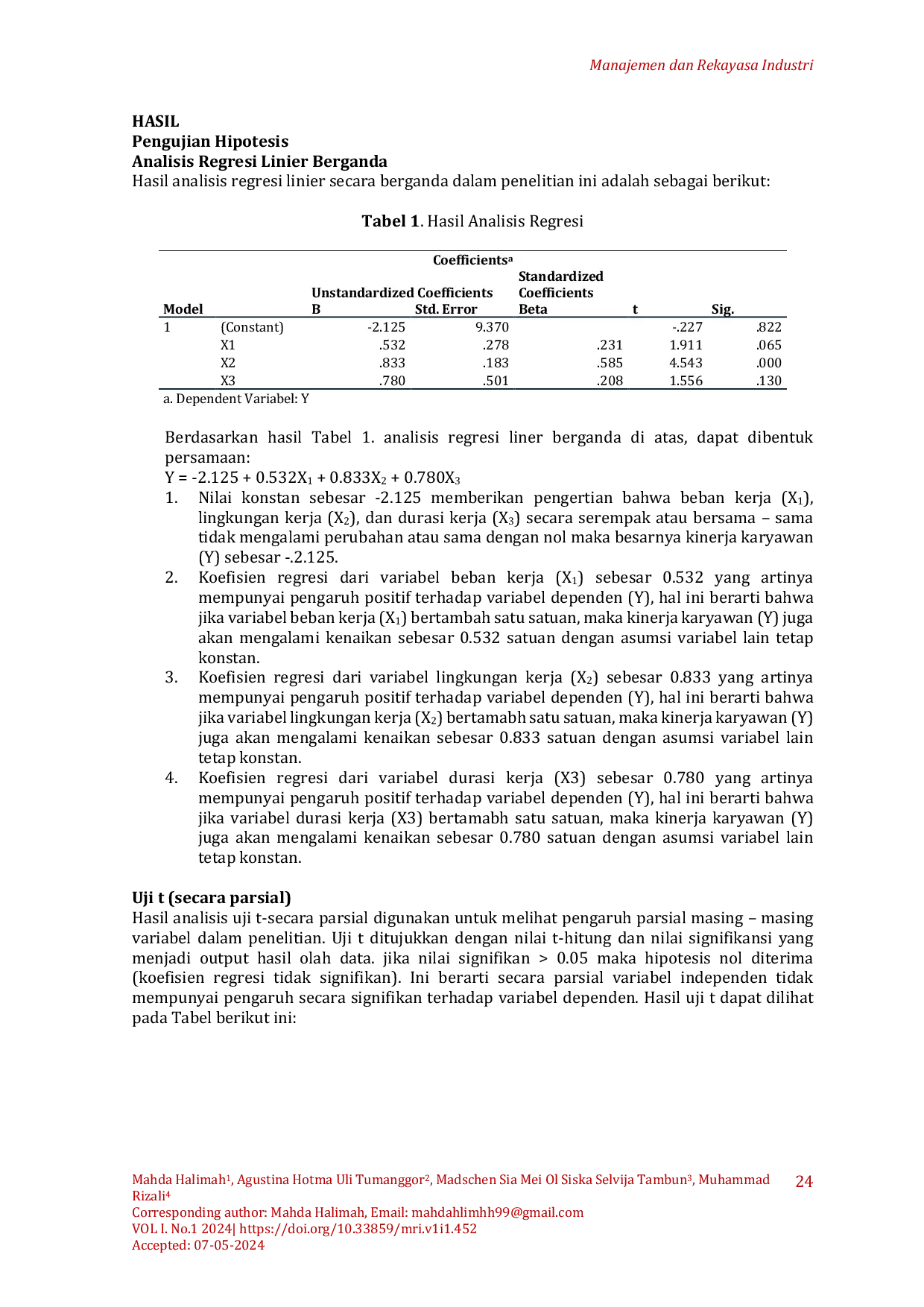
UNISMUNISM Tujuan dari penelitian ini adalah mengetahui pengaruh beban kerja terhadap lingkungan dan durasi kerja petugas check in di Bandar Udara Internasional SyamsudinTujuan dari penelitian ini adalah mengetahui pengaruh beban kerja terhadap lingkungan dan durasi kerja petugas check in di Bandar Udara Internasional Syamsudin