ESDMESDM
Indonesian Journal on GeoscienceIndonesian Journal on GeoscienceThe study focuses on the enhancement of 3D seismic data to improve the interpretation of carbonate growth phases within Middle Miocene limestone formations in the Karawang region, north west Java. By applying a sequential workflow of various seismic attributes, including the second derivative, phase shift, frequency filter, structural smoothing, and iterative trace Automatic Gain Control (AGC), the vertical resolution of seismic events is significantly improved, from an initial dominant frequency of 22 Hz (38 m tuning thickness) to a final effective dominant frequency of 33 Hz after all enhancements. These enhancements facilitate a clearer delineation of stratigraphy, depositional patterns, and the geometry of carbonate growth cycles. The integration of well data, including wireline logs and synthetic seismograms, with enhanced 3D seismic sections provides a comprehensive understanding of subsurface features and porosity development in the target area. The enhanced data enabled the identification of four distinct carbonate growth phases, revealing complex thickness variations and depositional architectures controlled by sea-level fluctuations. This integrated approach demonstrates the critical role of optimized seismic attribute application for detailed carbonate reservoir characterization and optimizing well placement for hydrocarbon exploration and exploitation.
Enhanced 3D seismic data significantly facilitated well-to-well correlation and the detailed analysis of carbonate growth cycle geometries, integrating seismic data with porosity development from wireline logs.The Mid Main Carbonates (MMC) exhibit a complex pattern of gamma ray and porosity log variations, indicating multiple phases of carbonate growth and differing porosity characteristics throughout the interval.The seismic enhancement workflow, progressing from a raw data dominant frequency of 22 Hz to an effective dominant frequency of 33 Hz, significantly improved vertical resolution, enabling clearer event separation.This enhancement proved crucial for inter-well correlation, overcoming the challenges posed by variability in gamma ray values and GR log patterns across wells.It provided a unified and clear perspective for identifying geological features and stratigraphic markers, particularly in illustrating carbonate thickening and thinning during each growth phase.Overall, the identified four carbonate growth cycles illustrate distinct stages of transgression, carbonate growth, and periods of exposure and porosity enrichment, dynamically driven by changes in sea level.
Berdasarkan penelitian ini, beberapa saran penelitian lanjutan dapat diajukan untuk memperdalam pemahaman tentang reservoir karbonat di Karawang. Pertama, penelitian lebih lanjut dapat difokuskan pada integrasi data geokimia dan isotop untuk merekonstruksi secara lebih akurat perubahan muka air laut dan pengaruhnya terhadap pengendapan karbonat. Hal ini dapat memberikan pemahaman yang lebih komprehensif tentang mekanisme pengendapan dan diagenesis karbonat. Kedua, studi tentang variasi lateral facies karbonat pada skala yang lebih luas, menggunakan data seismik 3D resolusi tinggi dan data sumur, dapat membantu mengidentifikasi zona-zona reservoir yang lebih potensial dan memprediksi distribusi porositas dan permeabilitas dengan lebih akurat. Ketiga, pengembangan model simulasi aliran fluida yang terintegrasi dengan data geologi dan geofisika dapat digunakan untuk mengoptimalkan strategi pengembangan lapangan dan meningkatkan perolehan minyak dan gas.
| File size | 1.93 MB |
| Pages | 12 |
| DMCA | Report |
Related /

JABARPROVJABARPROV Kondisi ini berimplikasi langsung pada kualitas sumber daya manusia, produktivitas ekonomi, dan daya saing daerah. Salah satu indikator yang digunakanKondisi ini berimplikasi langsung pada kualitas sumber daya manusia, produktivitas ekonomi, dan daya saing daerah. Salah satu indikator yang digunakan
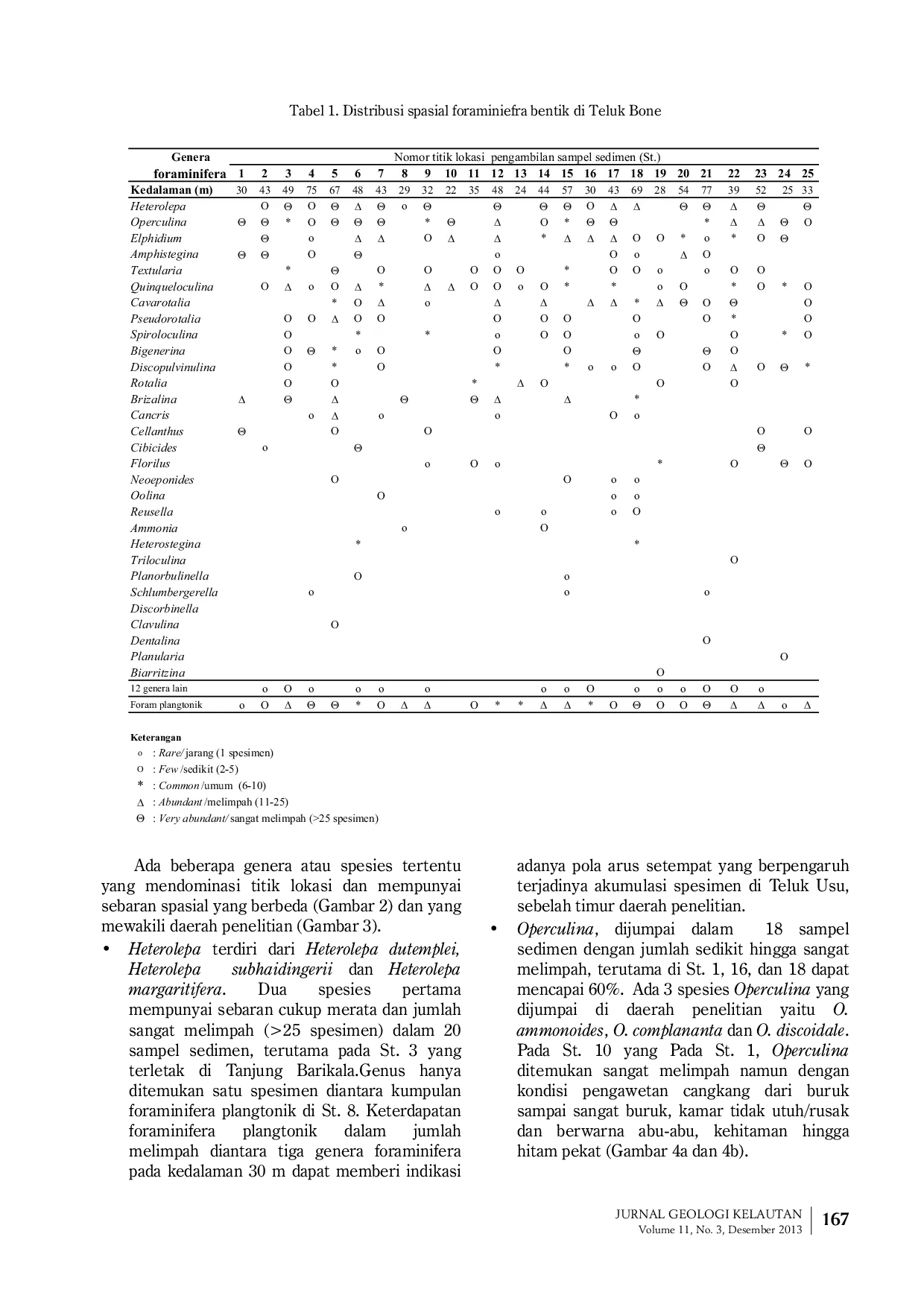
ESDMESDM Di perairan Teluk Bone bagian utara teridentifikasi 97 spesies foraminifera bentik dan beberapa genera mendominasi titik-titik lokasi seperti Amphistegina,Di perairan Teluk Bone bagian utara teridentifikasi 97 spesies foraminifera bentik dan beberapa genera mendominasi titik-titik lokasi seperti Amphistegina,
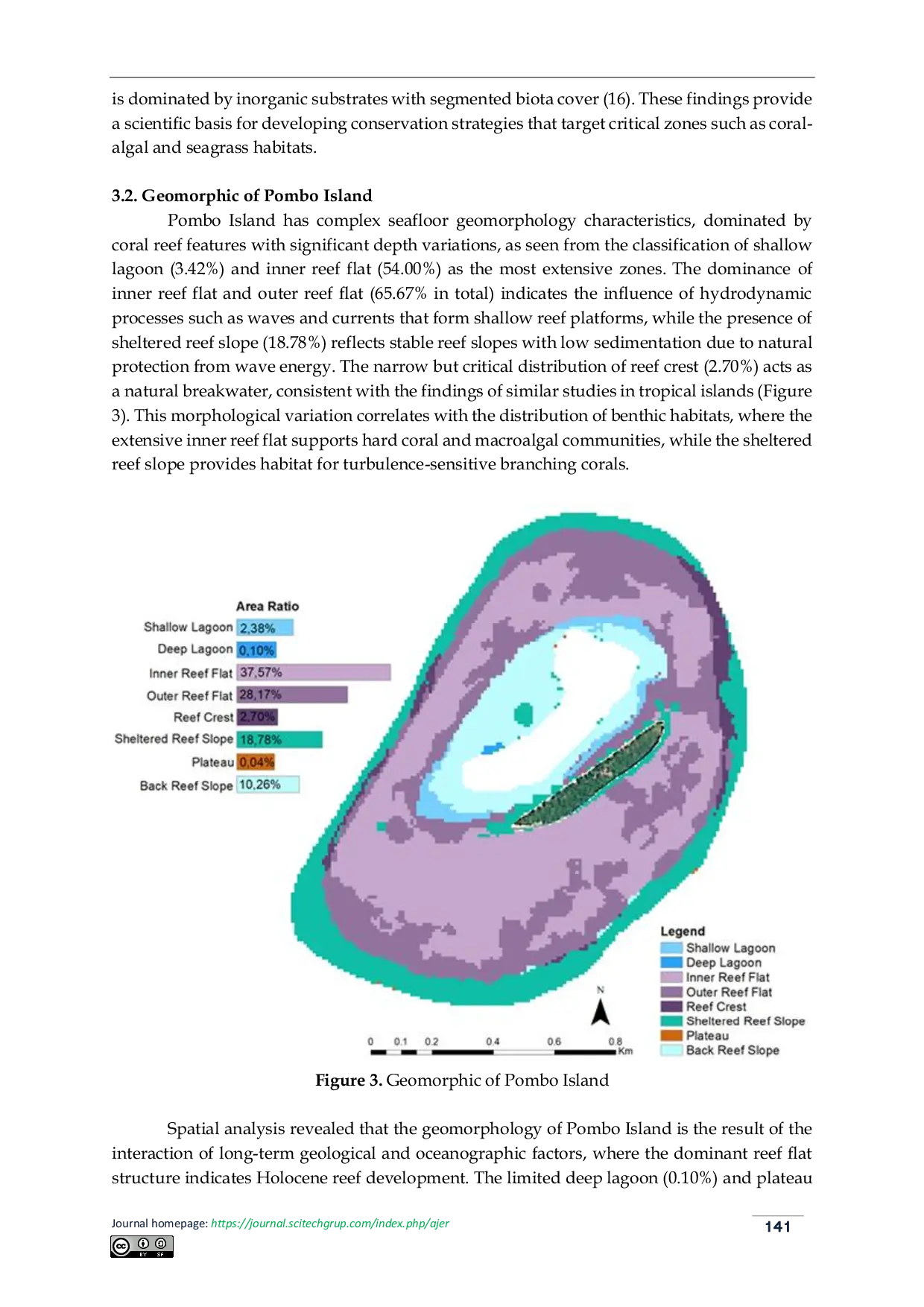
SCITECHGRUPSCITECHGRUP Temuan ini tidak hanya membuktikan efektivitas teknologi penginderaan jauh untuk pemantauan ekosistem tropis, tetapi juga merekomendasikan strategi konservasiTemuan ini tidak hanya membuktikan efektivitas teknologi penginderaan jauh untuk pemantauan ekosistem tropis, tetapi juga merekomendasikan strategi konservasi

STPNSTPN Analisis melibatkan penumpukan semua bidang tanah terdaftar ke sistem koordinat nasional dan memvalidasi bidang tanah, surat ukur (SU), dan buku tanahAnalisis melibatkan penumpukan semua bidang tanah terdaftar ke sistem koordinat nasional dan memvalidasi bidang tanah, surat ukur (SU), dan buku tanah
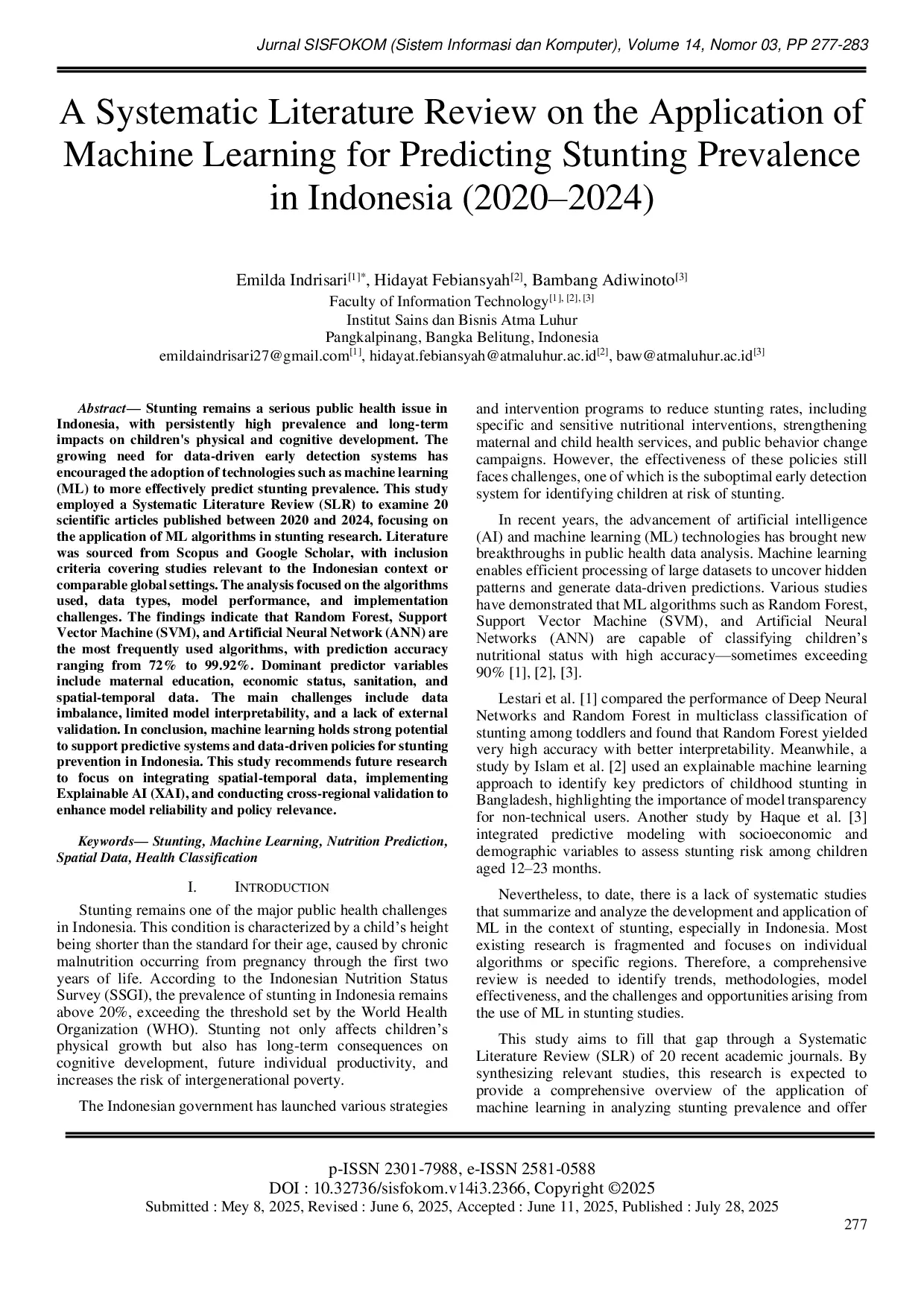
ATMALUHURATMALUHUR The findings indicate that Random Forest, Support Vector Machine (SVM), and Artificial Neural Network (ANN) are the most frequently used algorithms, withThe findings indicate that Random Forest, Support Vector Machine (SVM), and Artificial Neural Network (ANN) are the most frequently used algorithms, with
UMIUMI Kedisiplinan kerja mempunyai peranan penting dalam terbentuknya lingkungan kerja yang positif. Salah satu hal yang menunjukkan sikap disiplin pegawai adalahKedisiplinan kerja mempunyai peranan penting dalam terbentuknya lingkungan kerja yang positif. Salah satu hal yang menunjukkan sikap disiplin pegawai adalah

USUUSU Pemanfaatan mangrove sangat diperlukan sebagai pengendalian carbon dan pertumbuhan ekonomi Masyarakat maka dari hasil penelitian ini masyarakat perlu adanyaPemanfaatan mangrove sangat diperlukan sebagai pengendalian carbon dan pertumbuhan ekonomi Masyarakat maka dari hasil penelitian ini masyarakat perlu adanya

4141 Intensitas curah hujan tertinggi terjadi pada periode ulang 10 tahunan dan terendah pada periode ulang 2 tahunan. Nilai Koefisien (k) adalah 3400 s danIntensitas curah hujan tertinggi terjadi pada periode ulang 10 tahunan dan terendah pada periode ulang 2 tahunan. Nilai Koefisien (k) adalah 3400 s dan
Useful /

ISI SURAKARTAISI SURAKARTA Pengumpulan data dilakukan melalui observasi langsung kegiatan anak saat terpapar musik, wawancara dengan anak dan guru PAUD, serta analisis konten terhadapPengumpulan data dilakukan melalui observasi langsung kegiatan anak saat terpapar musik, wawancara dengan anak dan guru PAUD, serta analisis konten terhadap

UMBPUMBP Hasil akhir menunjukkan bahwa kedua metode memberikan rata-rata akurasi sebesar 87,4%. Berdasarkan hasil implementasi kedua metode, baik Rough Set maupunHasil akhir menunjukkan bahwa kedua metode memberikan rata-rata akurasi sebesar 87,4%. Berdasarkan hasil implementasi kedua metode, baik Rough Set maupun
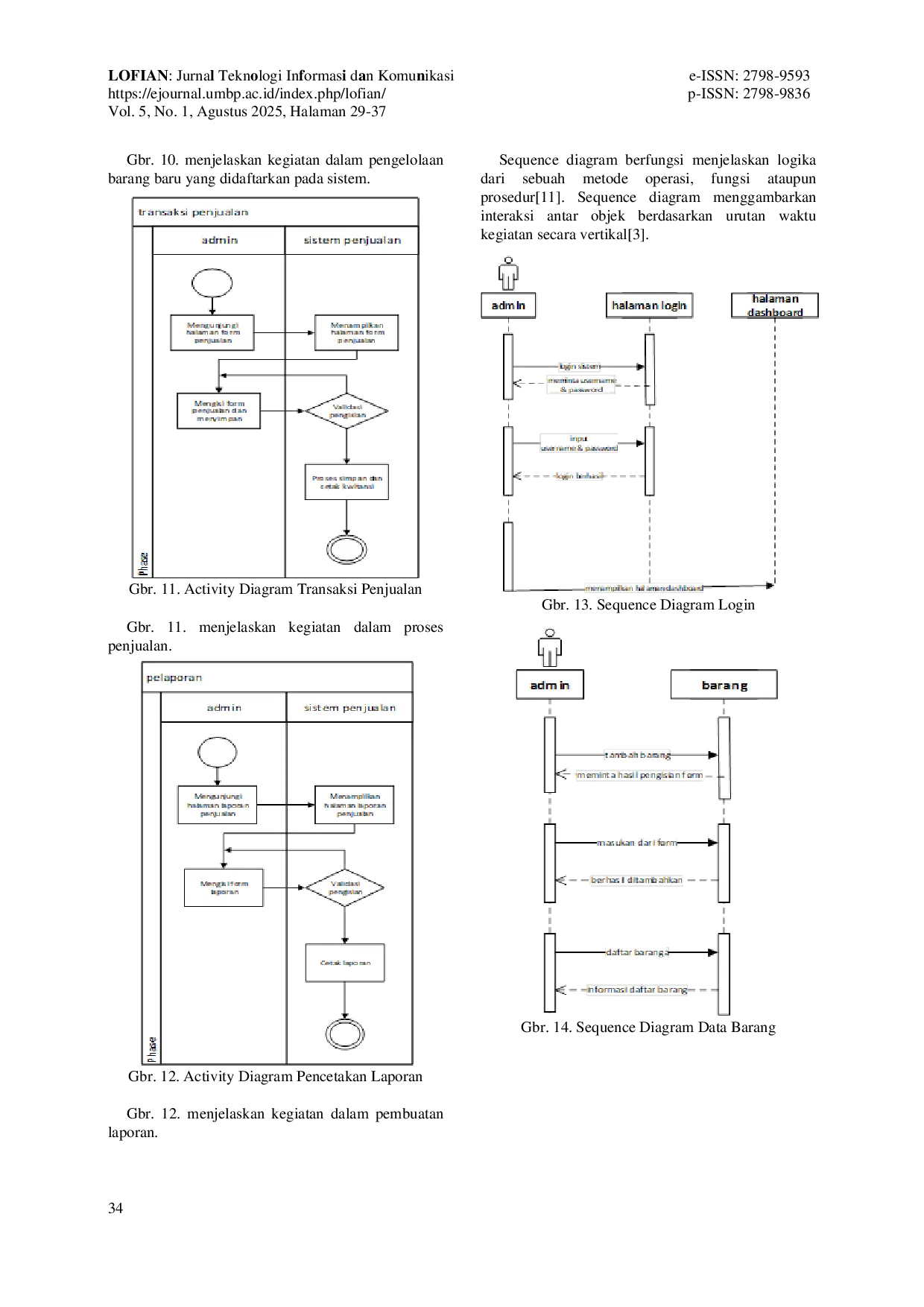
UMBPUMBP Dengan demikian sistem informasi penjualan dapat membantu pihak toko dalam pengelolaan barang, mengontrol stok barang dan menghasilkan laporan penjualanDengan demikian sistem informasi penjualan dapat membantu pihak toko dalam pengelolaan barang, mengontrol stok barang dan menghasilkan laporan penjualan
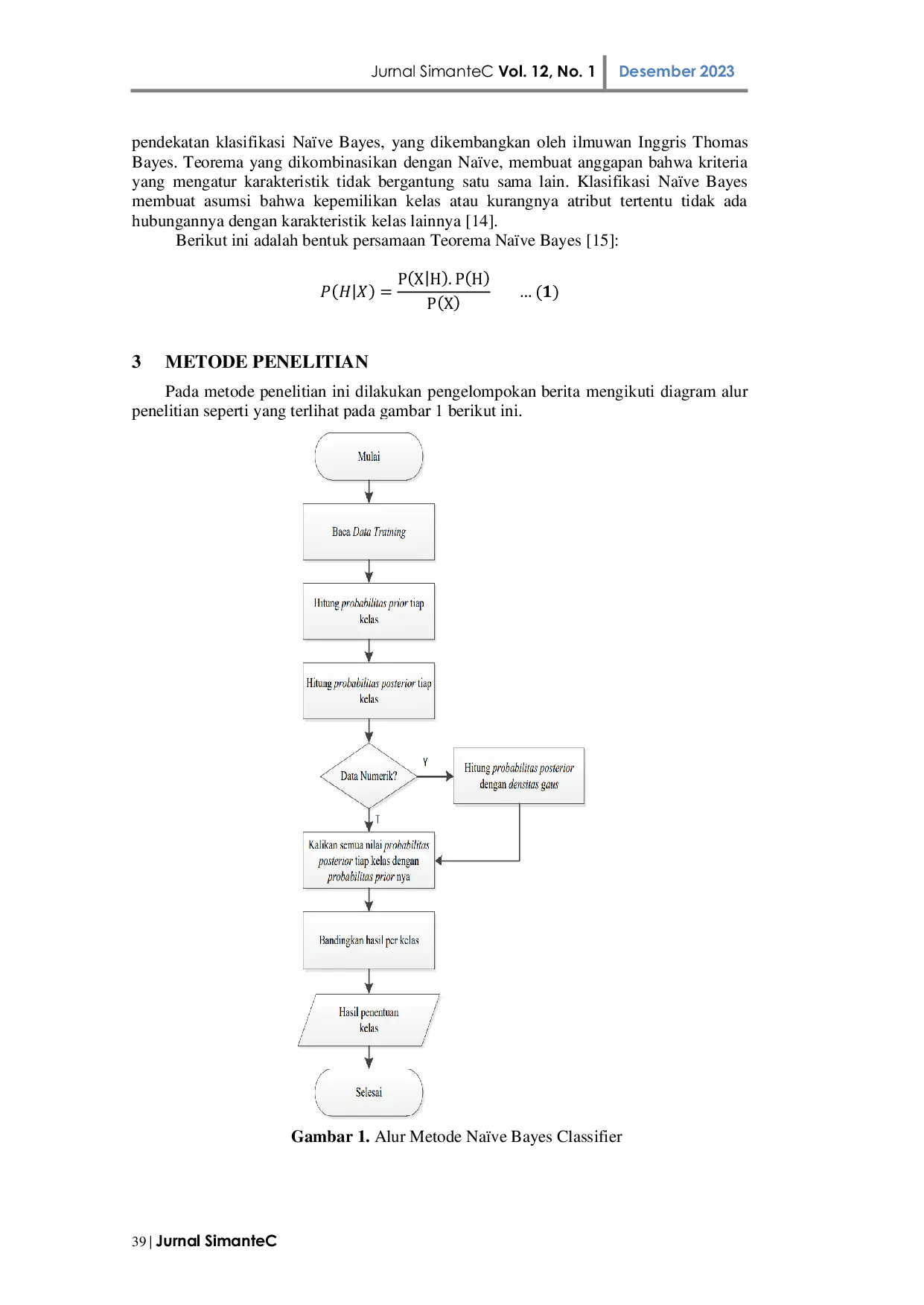
UnijoyoUnijoyo Berita merupakan media informasi utama di dunia. Beragamnya berita yang disajikan oleh media digital saat ini, mencakup berbagai aspek seperti olahraga,Berita merupakan media informasi utama di dunia. Beragamnya berita yang disajikan oleh media digital saat ini, mencakup berbagai aspek seperti olahraga,