STTMCILEUNGSISTTMCILEUNGSI
TEKNOSAINS : Jurnal Sains, Teknologi dan InformatikaTEKNOSAINS : Jurnal Sains, Teknologi dan InformatikaFerronickel slag waste from the nickel ore processing industry can be used as a refractory raw material for the inner wall lining of rotary kilns. However, the use of this waste still needs to be studied for its properties to meet the standards for its use in the industry. The purpose of this study was to find the optimal composition of a refractory mixture consisting of ferronickel slag, magnesium oxide (MgO), and aluminum oxide (Al2O3). The percentage composition of ferronickel slag and MgO was changed, while Al2O3 remained constant. The characterization of the refractories that had been made was carried out through a series of tests consisting of chemical composition testing using X-ray Fluorescence (XRF), porosity testing, bulk density, permanent linear change (PLC), and cold crushing strength (CCS). The results of the analysis showed that the ferronickel slag used as the main material in this study contained silica (SiO₂), magnesium oxide (MgO), and iron oxide (Fe₂O₃) which supported the properties of the refractories that had been made. The optimal refractory composition is 90% slag and 10% MgO, resulting in a porosity of 25.56% and a bulk density of 1.74 g/cm³, indicating a balance between strength and thermal insulation. The PLC green value of -0.8667% and the PLC dried value of -.1177% indicate good dimensional stability. The CCS test for the best composition produces a cold compressive strength of 1.44 MPa. The study indicate that refractories have thermal and mechanical resistance that supports their use as rotary kiln lining materials.
The study concludes that ferronickel slag holds significant potential as a raw material for refractory linings in rotary kilns.The XRF analysis confirms the presence of key compounds like SiO₂, MgO, FeO, and Al₂O₃, crucial for refractory formation.A composition of 90% slag and 10% MgO demonstrates the best physical and mechanical properties, exhibiting a porosity of 25.56% and a bulk density of 1.However, the cold crushing strength remains below standard, suggesting a need for further optimization of the sintering process to enhance the materials mechanical performance.
Further research should focus on optimizing the sintering process of ferronickel slag-based refractories to enhance their mechanical strength, specifically the cold crushing strength, potentially through the addition of binding agents or modified heating profiles. Investigating the long-term performance of these refractories under simulated rotary kiln conditions, including exposure to corrosive slags and thermal cycling, is crucial to assess their durability and suitability for industrial applications. Additionally, exploring the economic feasibility of utilizing different types of ferronickel slag with varying chemical compositions and particle sizes could lead to the development of more cost-effective and sustainable refractory materials, contributing to waste reduction and resource efficiency in the metallurgical industry. These studies will provide a comprehensive understanding of the potential of ferronickel slag as a viable alternative to traditional refractory materials, promoting environmentally responsible practices and reducing reliance on primary raw materials.
| File size | 347.93 KB |
| Pages | 12 |
| DMCA | Report |
Related /
STTMCILEUNGSISTTMCILEUNGSI Tujuan dari penelitian ini adalah untuk merancang dan mengimplementasikan Sistem Manajemen Gudang (WMS) terintegrasi untuk meningkatkan transparansi inventaris,Tujuan dari penelitian ini adalah untuk merancang dan mengimplementasikan Sistem Manajemen Gudang (WMS) terintegrasi untuk meningkatkan transparansi inventaris,
STTMCILEUNGSISTTMCILEUNGSI Masalah impor daya reaktif (kVar negatif) di Trafo Utama Nomor 2 PLTA Siman disebabkan oleh ketidakcocokan rasio tegangan dan nilai hambatan di antaraMasalah impor daya reaktif (kVar negatif) di Trafo Utama Nomor 2 PLTA Siman disebabkan oleh ketidakcocokan rasio tegangan dan nilai hambatan di antara

LP3KAMANDANULP3KAMANDANU BPM Carbon Works Semarang sebelumnya menangani limbah tersebut dengan cara dibakar, menimbulkan permasalahan lingkungan dan ekonomi. Program pengabdianBPM Carbon Works Semarang sebelumnya menangani limbah tersebut dengan cara dibakar, menimbulkan permasalahan lingkungan dan ekonomi. Program pengabdian
APTKLHIAPTKLHI Hasil penelitian pertumbuhan opimal daun tanaman petai terjadi pada media tanam dengan amelioran biochar, namun pertumbuhan tanaman pada empat jenis mediaHasil penelitian pertumbuhan opimal daun tanaman petai terjadi pada media tanam dengan amelioran biochar, namun pertumbuhan tanaman pada empat jenis media
APTKLHIAPTKLHI Selain itu, penelitian lanjutan mengenai valuasi ekonomi penerapan terapi hutan di Indonesia juga penting dilakukan. suhu, kelembaban, intensitas cahaya,Selain itu, penelitian lanjutan mengenai valuasi ekonomi penerapan terapi hutan di Indonesia juga penting dilakukan. suhu, kelembaban, intensitas cahaya,
APTKLHIAPTKLHI Penelitian-penelitian tersebut sangat penting untuk menciptakan kebijakan terhadap konservasi hutan dan mendukung penghidupan Masyarakat lokal, terutamaPenelitian-penelitian tersebut sangat penting untuk menciptakan kebijakan terhadap konservasi hutan dan mendukung penghidupan Masyarakat lokal, terutama
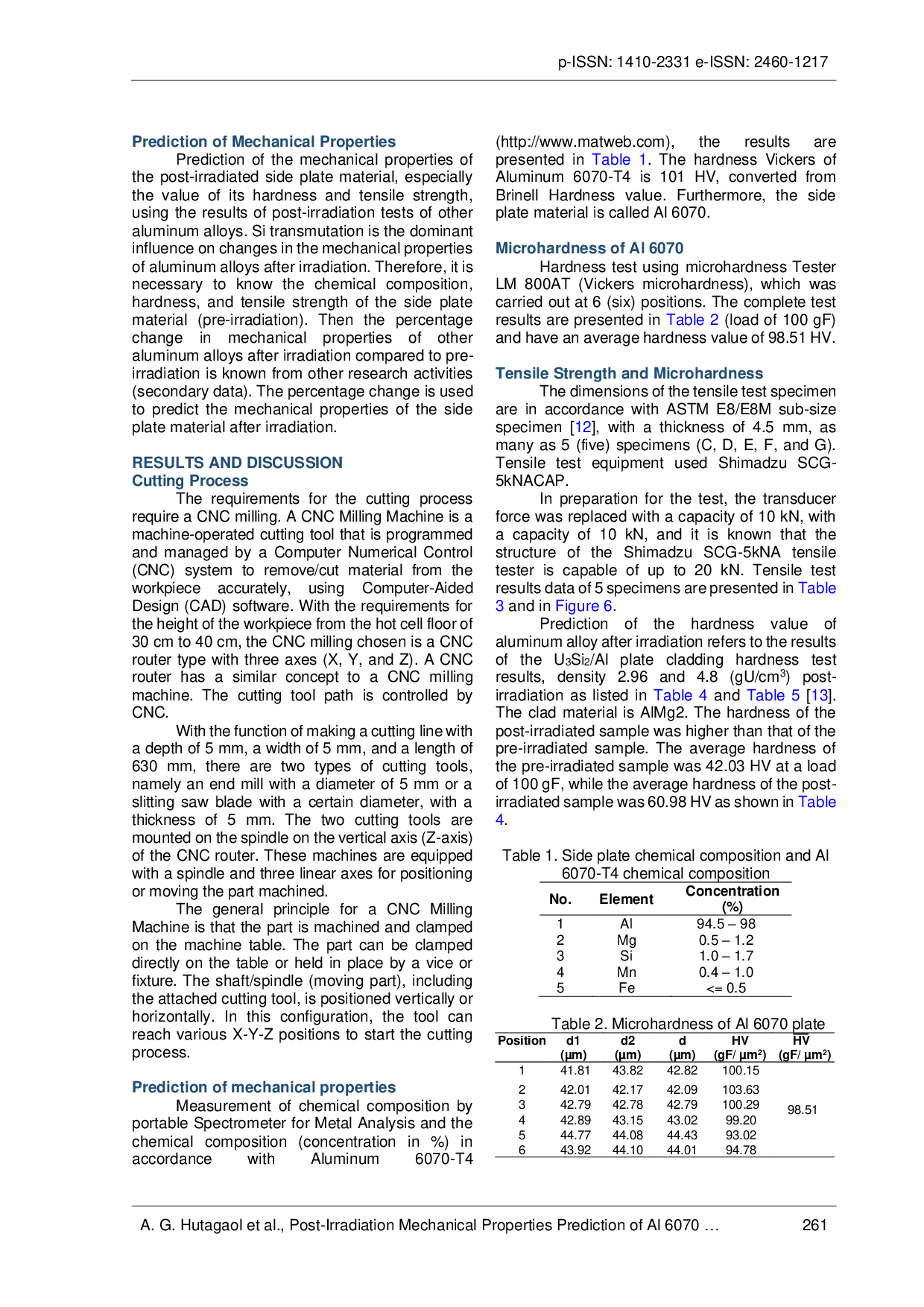
UMBUMB Prediksi perubahan sifat mekanik material pelat sisi (aluminium alloy, Al 6070) sebelum pemangkasan dibandingkan sesudah pemangkasan adalah: nilai kekerasanPrediksi perubahan sifat mekanik material pelat sisi (aluminium alloy, Al 6070) sebelum pemangkasan dibandingkan sesudah pemangkasan adalah: nilai kekerasan
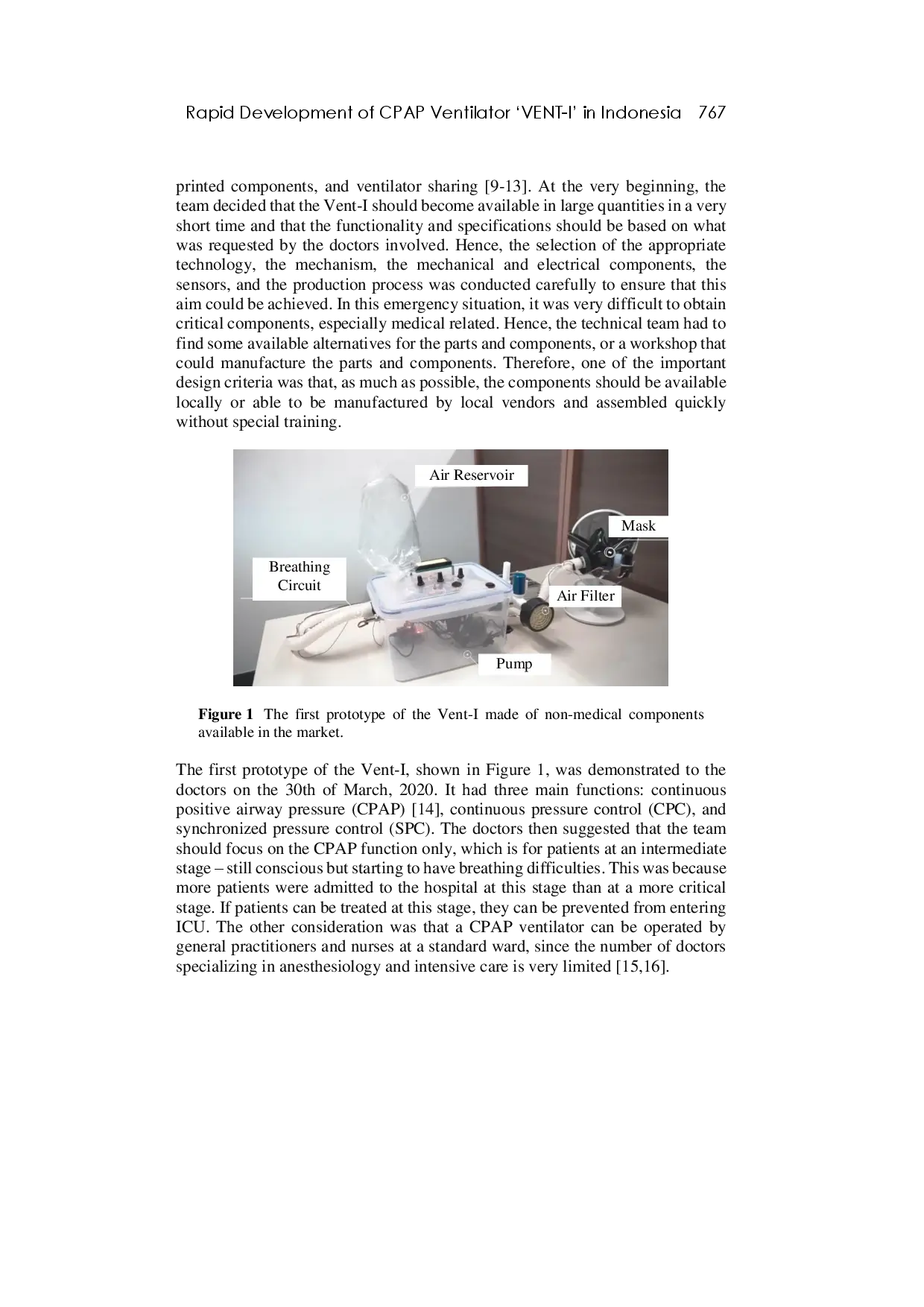
ITBITB Komunikasi intensif, kolaborasi, dan kepercayaan antara akademisi, pemerintah, tenaga medis, dan industri memungkinkan mengatasi hambatan, meningkatkanKomunikasi intensif, kolaborasi, dan kepercayaan antara akademisi, pemerintah, tenaga medis, dan industri memungkinkan mengatasi hambatan, meningkatkan
Useful /

STTMCILEUNGSISTTMCILEUNGSI Secara keseluruhan, penelitian ini mengonfirmasi bahwa komposit serat alami merupakan bahan prospektif untuk pengembangan komponen otomotif berkelanjutan,Secara keseluruhan, penelitian ini mengonfirmasi bahwa komposit serat alami merupakan bahan prospektif untuk pengembangan komponen otomotif berkelanjutan,

STIMSUKMAMEDANSTIMSUKMAMEDAN Populasi yang digunakan dalam penelitian ini adalah seluruh karyawan yang bekerja pada PT. Panca Niaga Jaya Lestari yang berjumlah sebanyak 89 orang karyawan.Populasi yang digunakan dalam penelitian ini adalah seluruh karyawan yang bekerja pada PT. Panca Niaga Jaya Lestari yang berjumlah sebanyak 89 orang karyawan.
APTKLHIAPTKLHI Hasil penelitian menunjukkan bahwa sampel yang dipanaskan dengan oven memiliki kekasaran permukaan, kehilangan berat, penurunan kerapatan, dan stabilitasHasil penelitian menunjukkan bahwa sampel yang dipanaskan dengan oven memiliki kekasaran permukaan, kehilangan berat, penurunan kerapatan, dan stabilitas
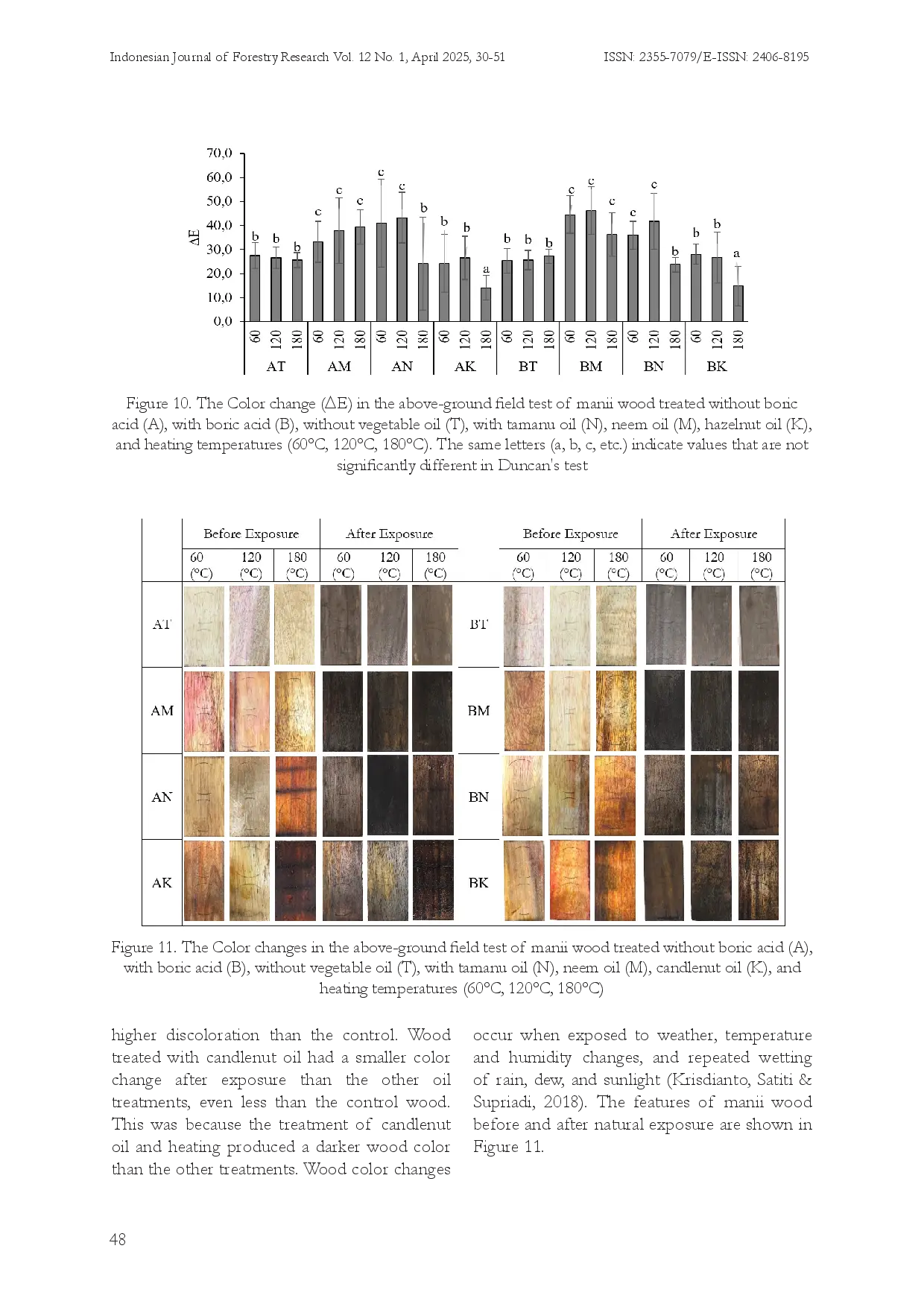
APTKLHIAPTKLHI Namun, perlakuan minyak nabati menyebabkan perubahan warna yang lebih besar dibandingkan dengan kontrol selama uji lapang tersebut. Asam borat meningkatkanNamun, perlakuan minyak nabati menyebabkan perubahan warna yang lebih besar dibandingkan dengan kontrol selama uji lapang tersebut. Asam borat meningkatkan