KIPMIKIPMI
Communications in Science and TechnologyCommunications in Science and TechnologyThis study presents a novel approach to fabricate alkali-treated aluminum (ATA) foil for point-of-use (POU) water disinfection, addressing the residue issue associated with conventional production methods. Traditional ATA foil production leaves a residual layer that hinders practicality in use. To cope with it, a supernatant Mg(OH)2 solution was employed, resulting in residue-free ATA foil. Two variants, conventional ATA foil (ATA foil-1) and supernatant-treated ATA foil (ATA foil-2), were fabricated and analyzed. Surface characterization revealed that ATA foil-2 had a smoother surface with fewer cracks while maintaining E. coli removal efficiency and methyl orange adsorption capacity similar as ATA foil-1. Maximum E. coli adsorption capacities were found at 572,967 CFU/cm2 for ATA foil-1 and 561,513 CFU/cm2 for ATA foil-2. Both foils achieved over 84% methyl orange removal, indicating adsorption as the primary removal mechanism. The findings demonstrated that the supernatant Mg(OH)2 method successfully produced residue-free ATA foil with comparable disinfection performance, thus eliminating the need for a washing step and enhancing its suitability for point-of-use water treatment applications.
This research successfully developed a novel method for fabricating alkali-treated aluminum (ATA) foil using a supernatant Mg(OH)2 solution, effectively eliminating the residual powder commonly found in conventional production.The resulting residue-free ATA foil (ATA foil-2) demonstrated comparable disinfection performance to the traditionally produced foil (ATA foil-1) in removing E.These findings highlight the potential of this new fabrication method to improve the practicality and user-friendliness of ATA foil for point-of-use water disinfection, particularly in resource-limited settings.
Future research should focus on evaluating the performance of ATA foil in continuous flow systems to facilitate its implementation in real-world water treatment applications. Investigating the long-term stability and reusability of the ATA foil is crucial for ensuring its practical viability and cost-effectiveness. Furthermore, studies should explore the efficacy of ATA foil against a broader range of waterborne pathogens, including viruses and protozoa, to comprehensively assess its disinfection potential and expand its applicability. Considering the potential for aluminum or magnesium leaching, future studies should also assess the safety of the treated water by monitoring the concentration of these elements. Finally, field studies in communities lacking access to safe drinking water are needed to evaluate the real-world performance and impact of ATA foil on public health, providing valuable insights for scaling up its production and distribution.
| File size | 887.12 KB |
| Pages | 8 |
| DMCA | Report |
Related /
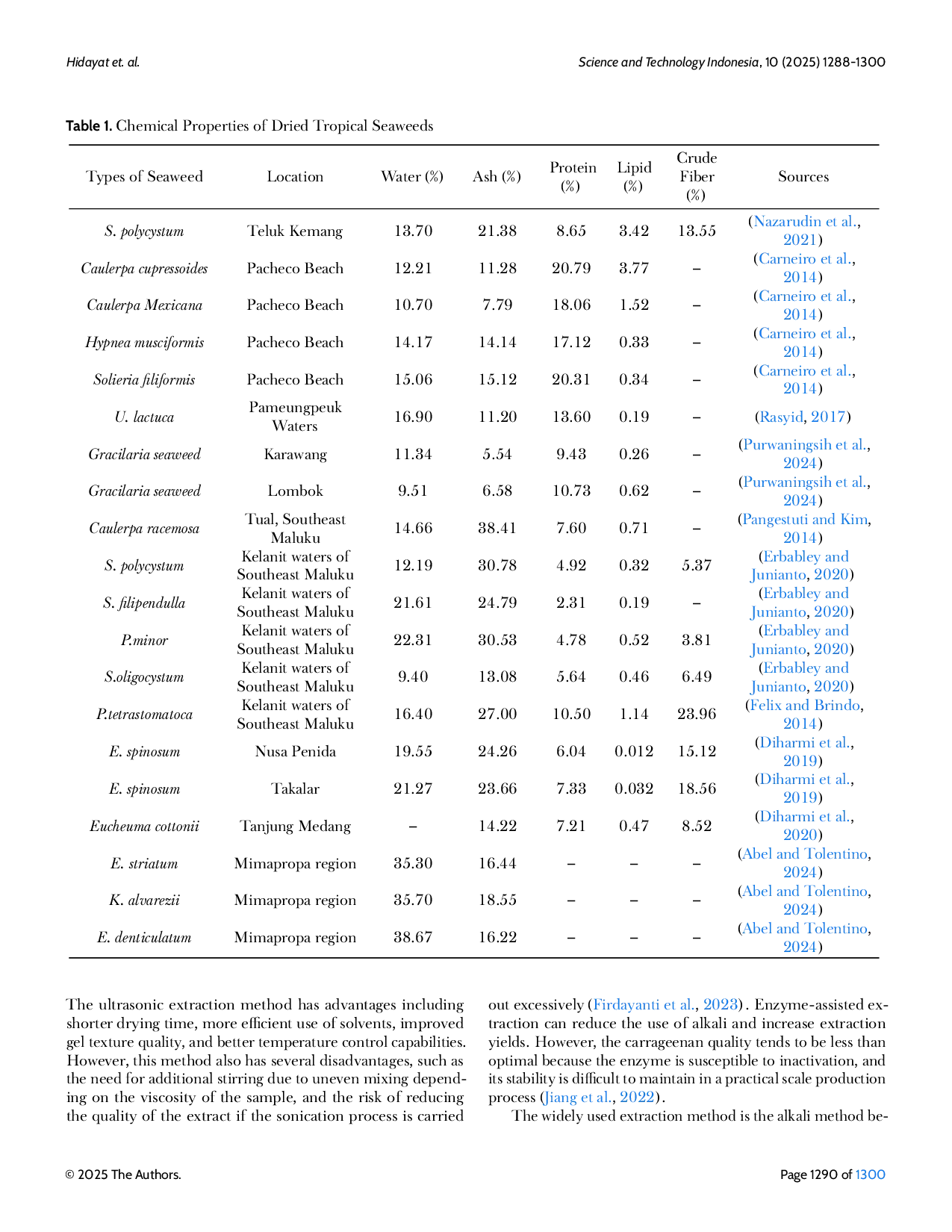
SCIENCE TECH INDONESIASCIENCE TECH INDONESIA Selain itu, tantangan formulasi dan strategi modifikasi struktural dibahas untuk meningkatkan sifat fungsional carrageenan. Kapsul lunak biasanya diformulasikanSelain itu, tantangan formulasi dan strategi modifikasi struktural dibahas untuk meningkatkan sifat fungsional carrageenan. Kapsul lunak biasanya diformulasikan
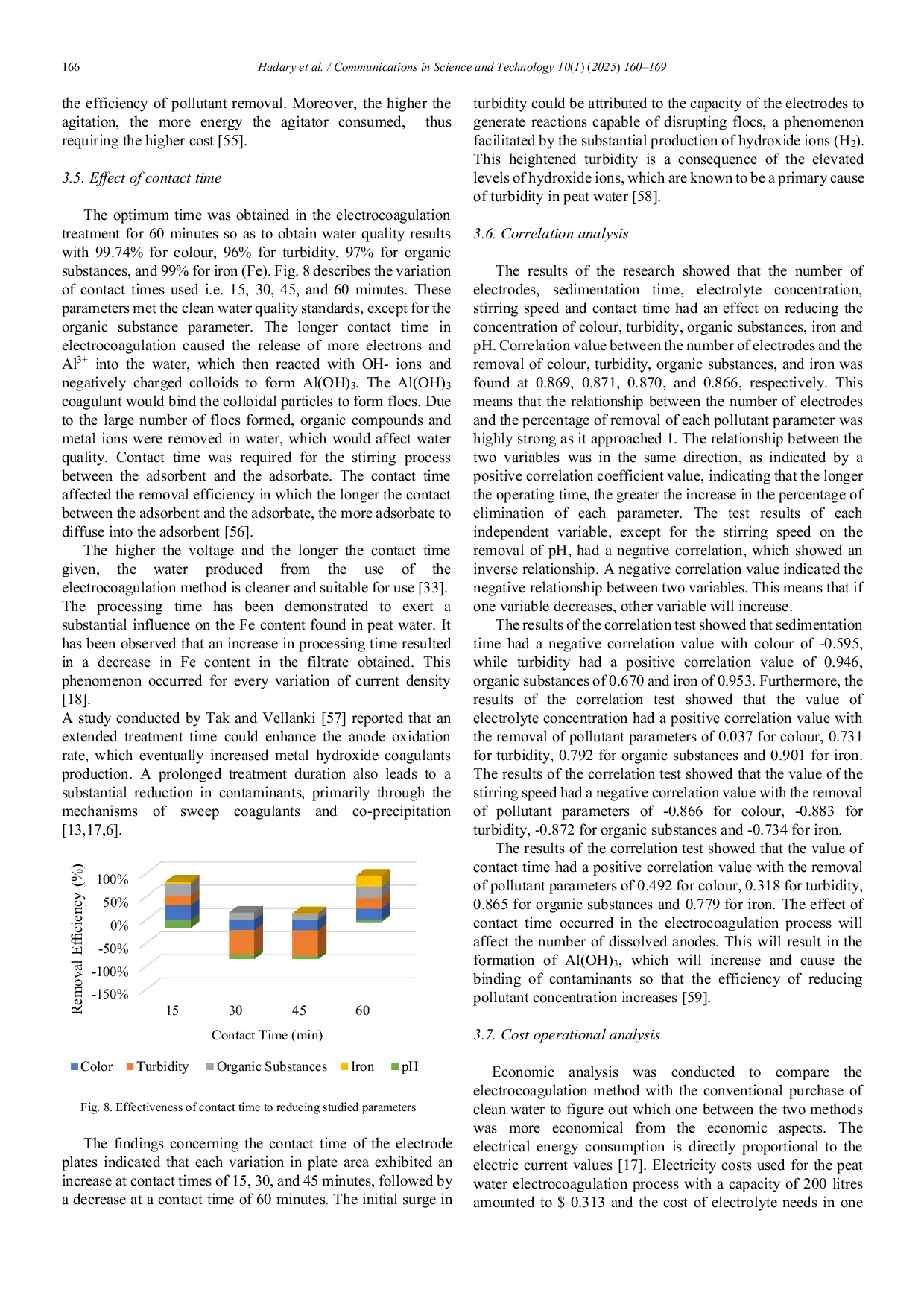
KIPMIKIPMI Elektroda aluminium dihubungkan dengan air gambut dengan memvariasikan jumlah pelat elektroda, waktu sedimentasi, konsentrasi elektrolit, kecepatan pengadukan,Elektroda aluminium dihubungkan dengan air gambut dengan memvariasikan jumlah pelat elektroda, waktu sedimentasi, konsentrasi elektrolit, kecepatan pengadukan,
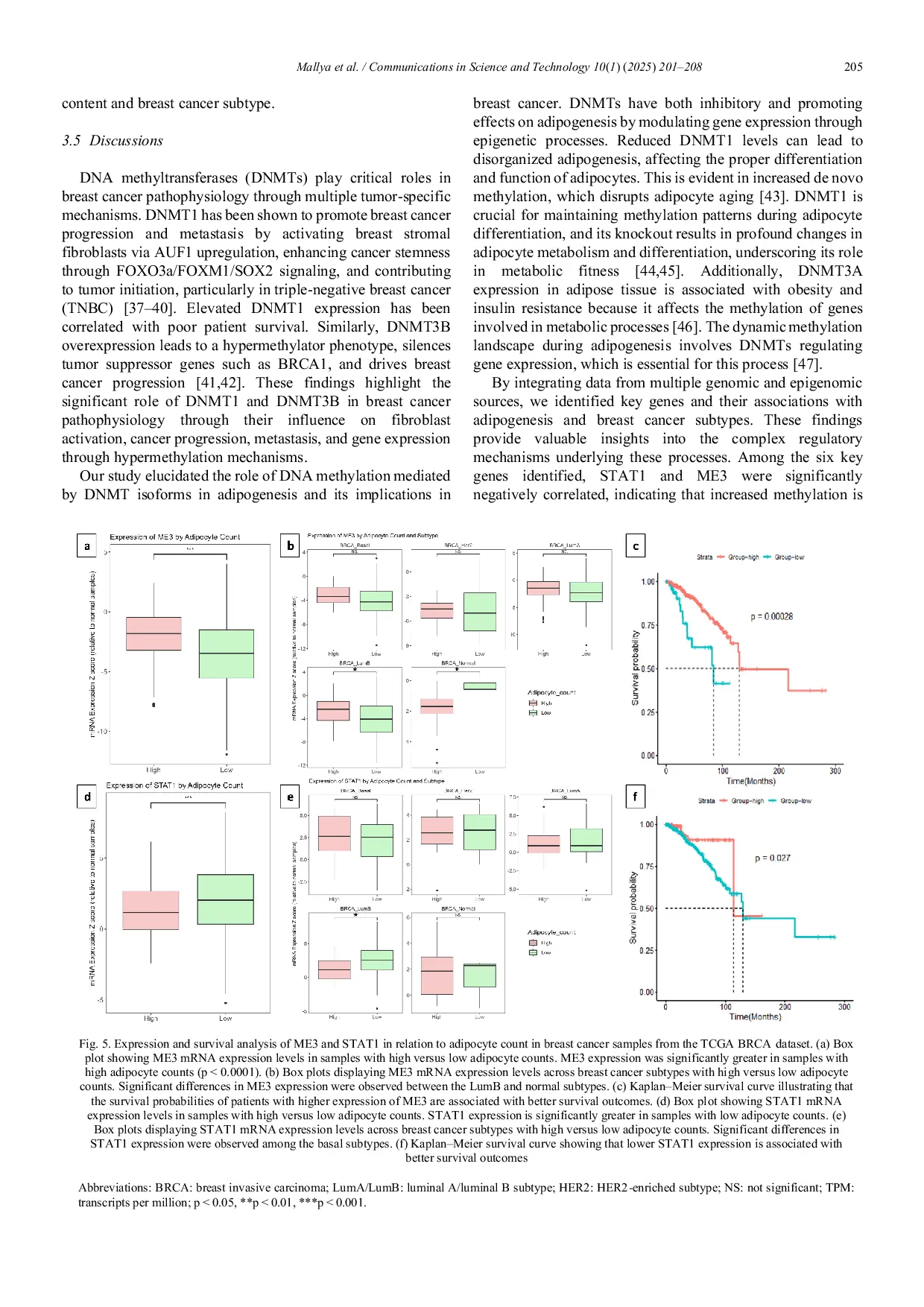
KIPMIKIPMI Hasil ini menggarisbawahi pentingnya metilasi DNA yang dimediasi DNMT dalam adipogenesis dan kanker payudara. Studi ini menyajikan analisis komprehensifHasil ini menggarisbawahi pentingnya metilasi DNA yang dimediasi DNMT dalam adipogenesis dan kanker payudara. Studi ini menyajikan analisis komprehensif

KIPMIKIPMI Studi ini mengonfirmasi bahwa algoritma ensemble Super Learner (SL) adalah alat yang ampuh dan efisien untuk mengoptimalkan injeksi ASP di reservoir batupasir,Studi ini mengonfirmasi bahwa algoritma ensemble Super Learner (SL) adalah alat yang ampuh dan efisien untuk mengoptimalkan injeksi ASP di reservoir batupasir,
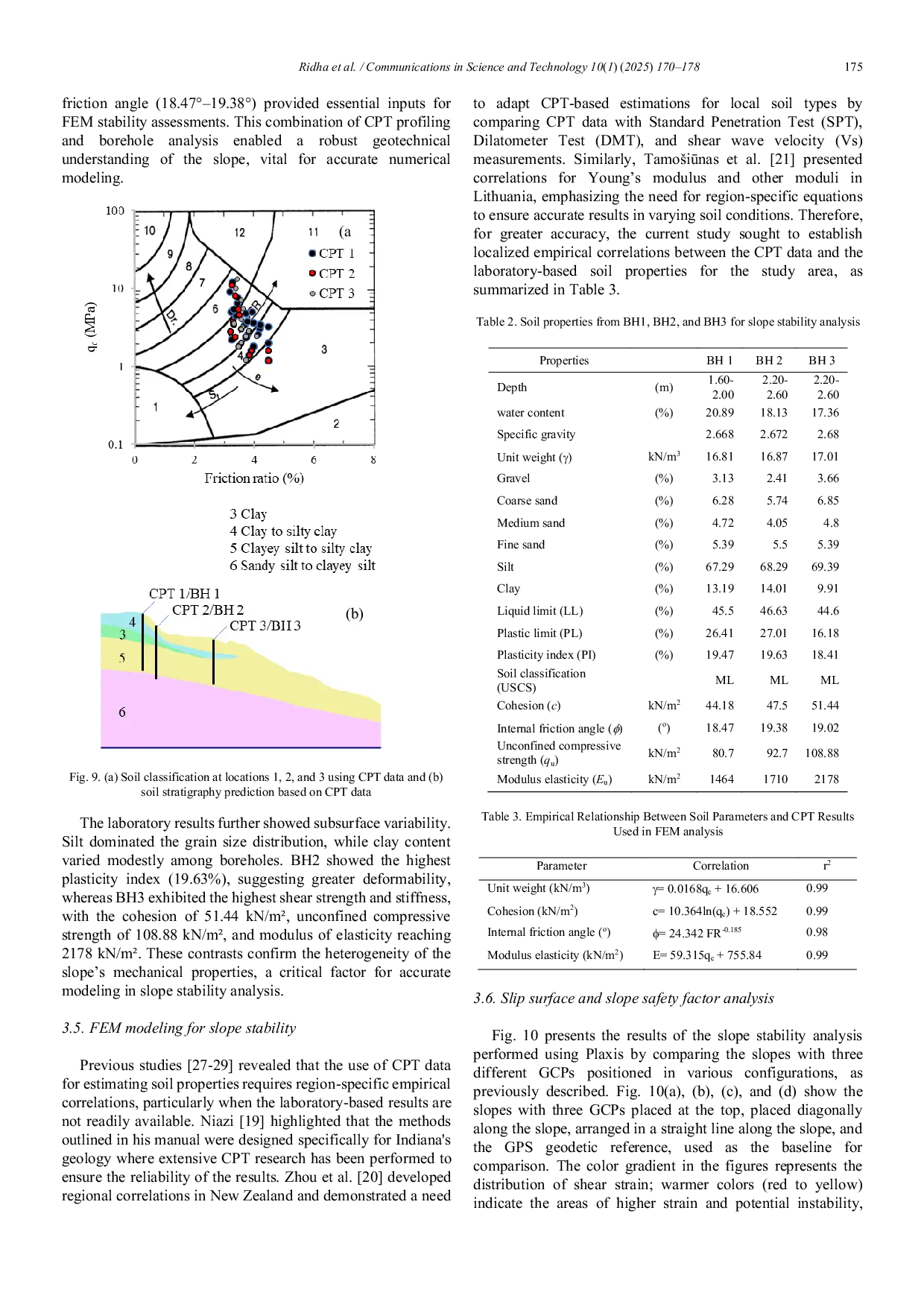
KIPMIKIPMI Konfigurasi diagonal, meskipun sedikit kurang akurat (RMSE 61,26 mm), meningkatkan cakupan spasial. Analisis stabilitas lereng menggunakan metode elemenKonfigurasi diagonal, meskipun sedikit kurang akurat (RMSE 61,26 mm), meningkatkan cakupan spasial. Analisis stabilitas lereng menggunakan metode elemen
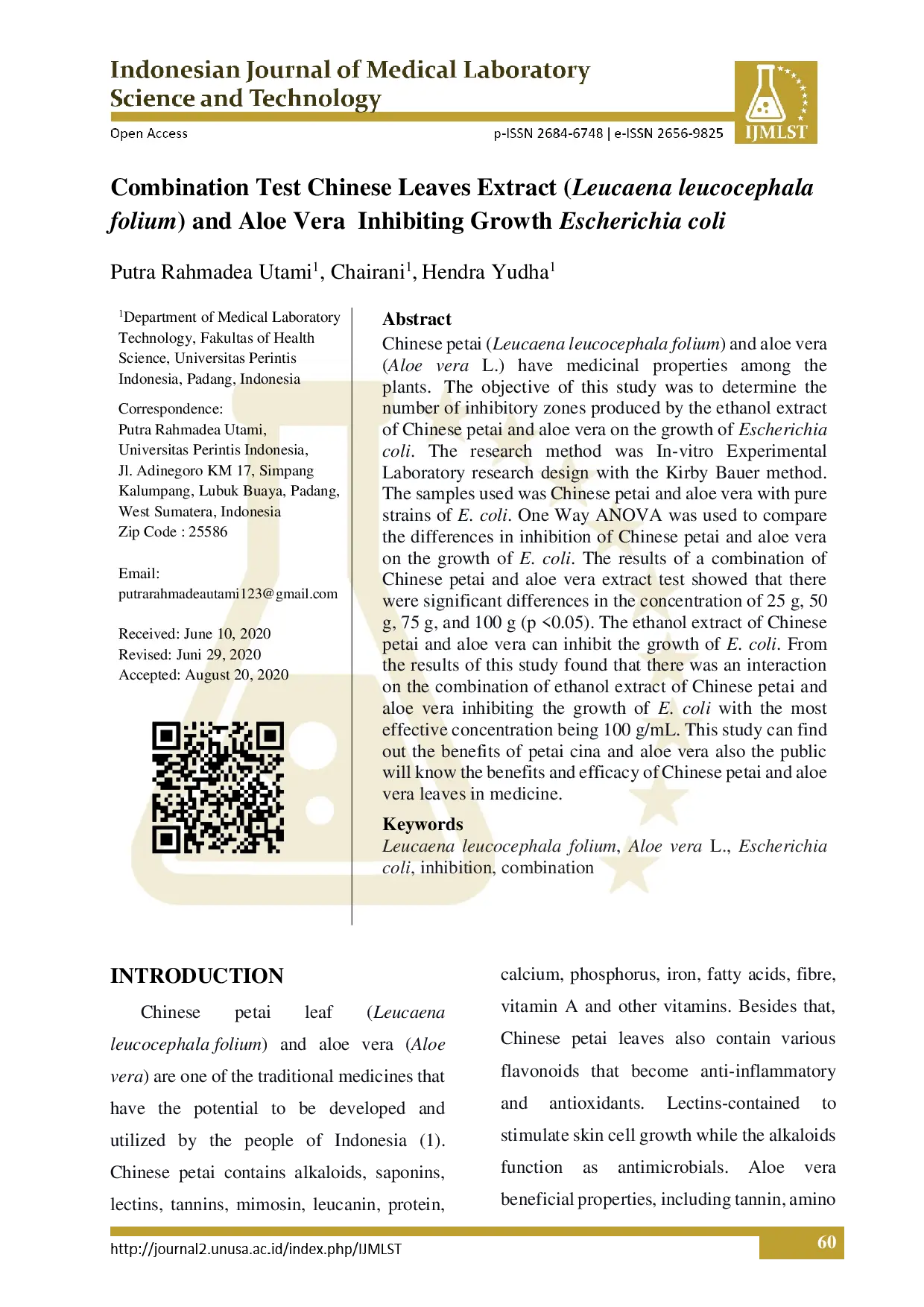
UNUSAUNUSA Metode yang digunakan ialah penelitian laboratorium in‑vitro dengan desain eksperimental menggunakan metode Kirby‑Bauer. Sampel yang diuji berupa ekstrakMetode yang digunakan ialah penelitian laboratorium in‑vitro dengan desain eksperimental menggunakan metode Kirby‑Bauer. Sampel yang diuji berupa ekstrak

UNUSAUNUSA Konsentrasi dan waktu pewarnaan optimal bervariasi tergantung pada formulasi ekstrak. Penelitian lebih lanjut diperlukan untuk mengoptimalkan efektivitasKonsentrasi dan waktu pewarnaan optimal bervariasi tergantung pada formulasi ekstrak. Penelitian lebih lanjut diperlukan untuk mengoptimalkan efektivitas
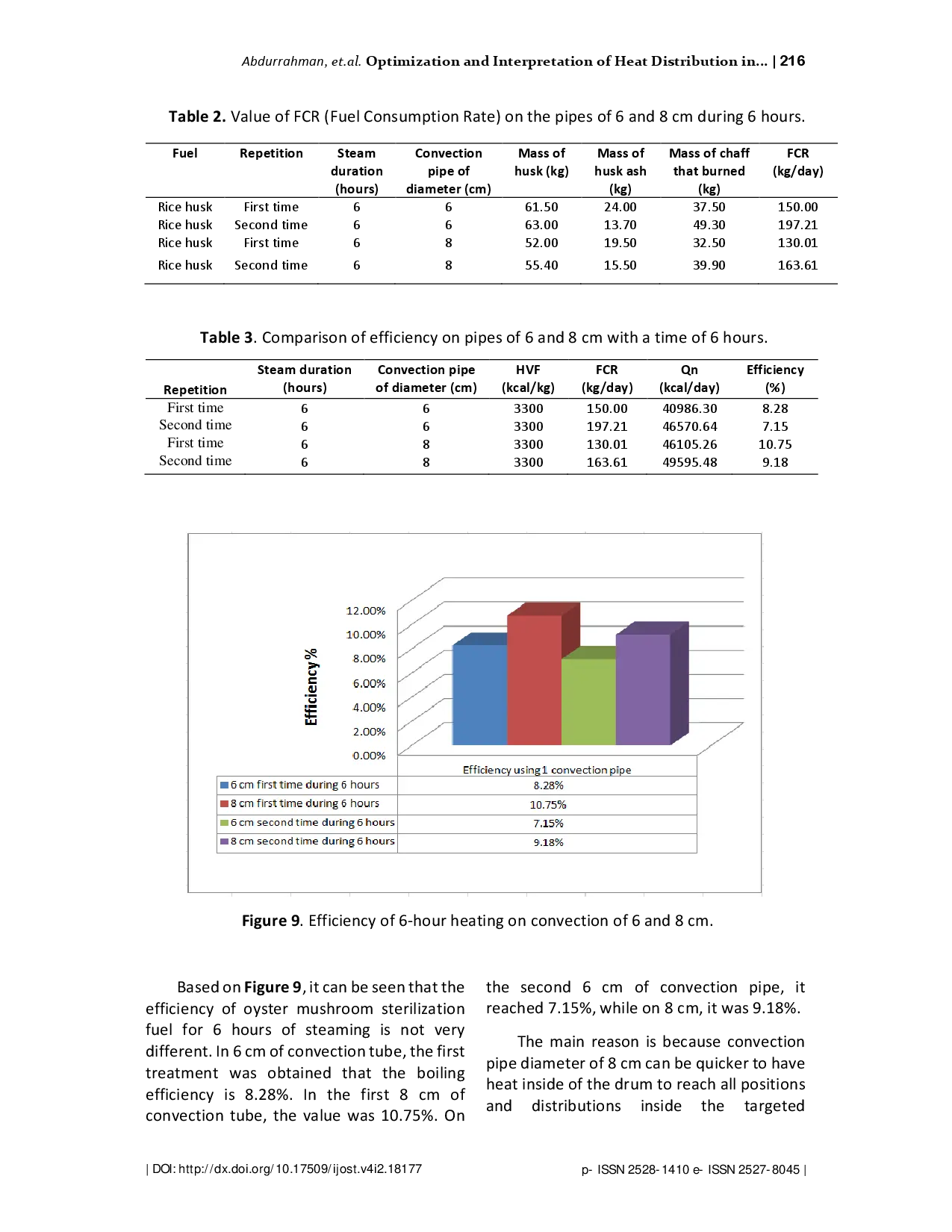
UPIUPI Kontaminasi ini disebabkan oleh ketidakmampuan mengontrol suhu selama sterilisasi media (bag-log). Sterilisasi suboptimal menyebabkan pertumbuhan bakteriKontaminasi ini disebabkan oleh ketidakmampuan mengontrol suhu selama sterilisasi media (bag-log). Sterilisasi suboptimal menyebabkan pertumbuhan bakteri
Useful /
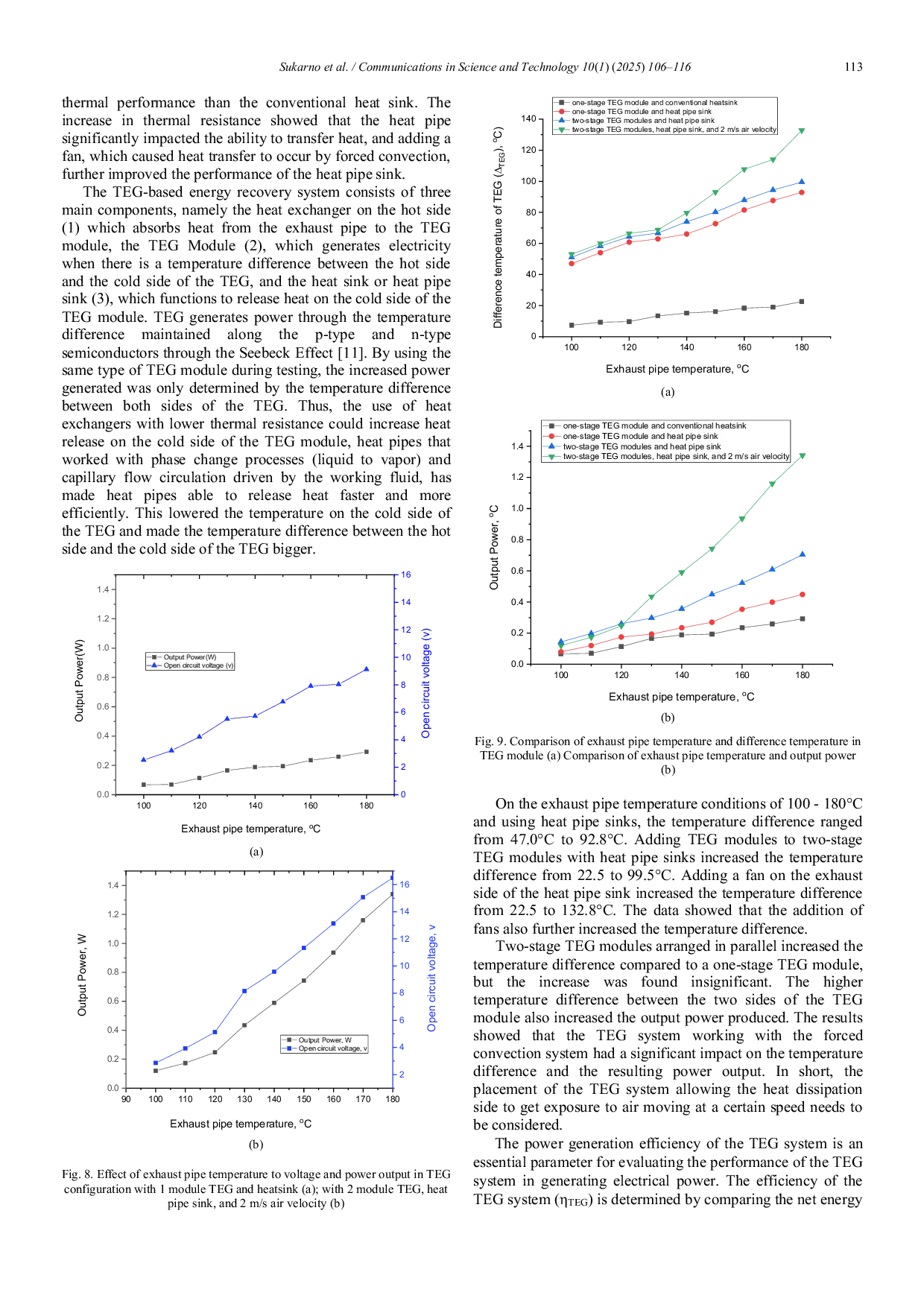
KIPMIKIPMI Keterbatasan penelitian terkait kemampuan TEG yang hanya dapat bekerja pada suhu maksimum 180°C, sehingga daya listrik yang dihasilkan masih terbatas.Keterbatasan penelitian terkait kemampuan TEG yang hanya dapat bekerja pada suhu maksimum 180°C, sehingga daya listrik yang dihasilkan masih terbatas.
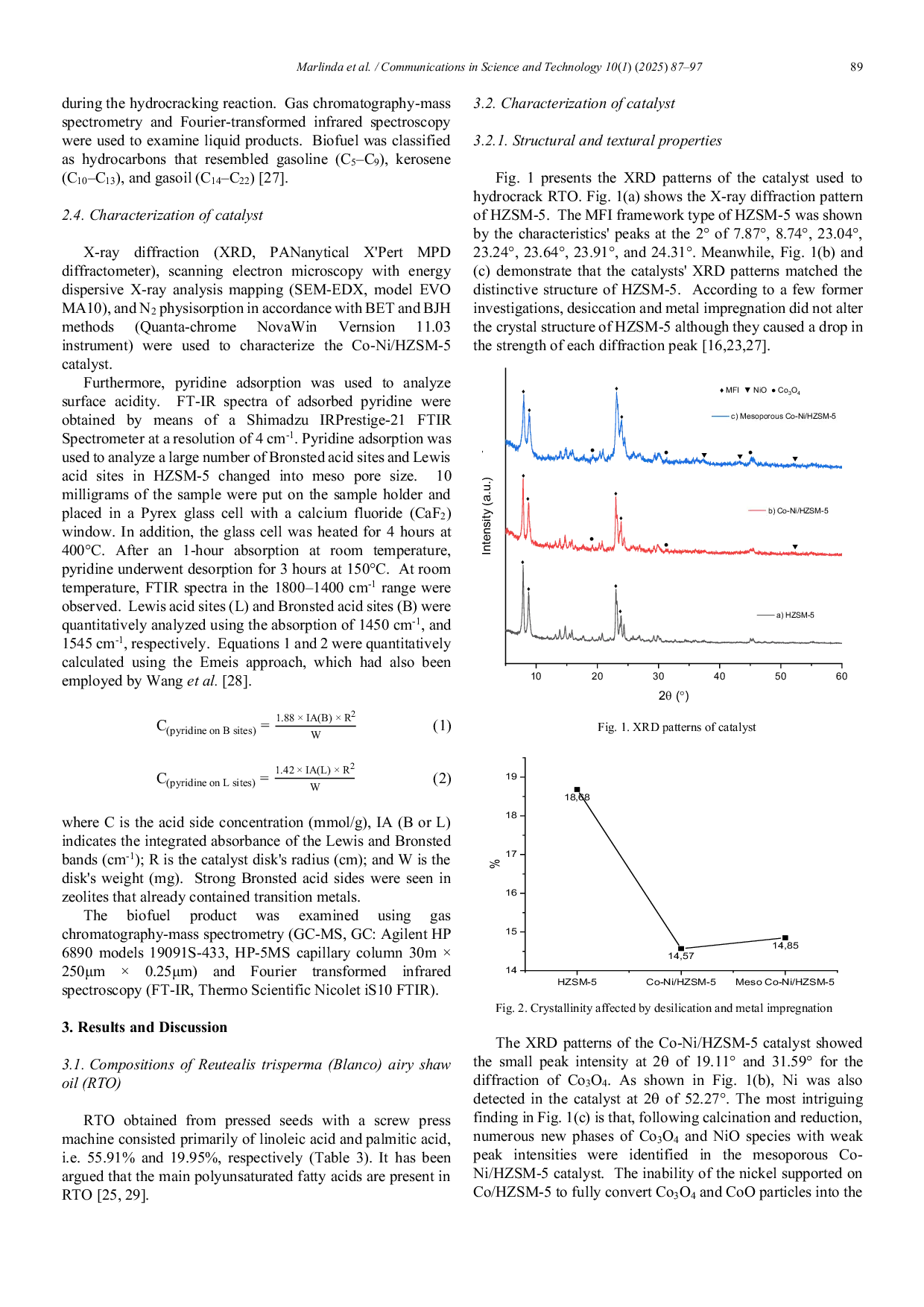
KIPMIKIPMI The pore size distribution of the mesoporous HZSM-5 catalysts was situated between 6 and 12 nm in size. Its use in the hydrocracking of Reutealis trispermaThe pore size distribution of the mesoporous HZSM-5 catalysts was situated between 6 and 12 nm in size. Its use in the hydrocracking of Reutealis trisperma
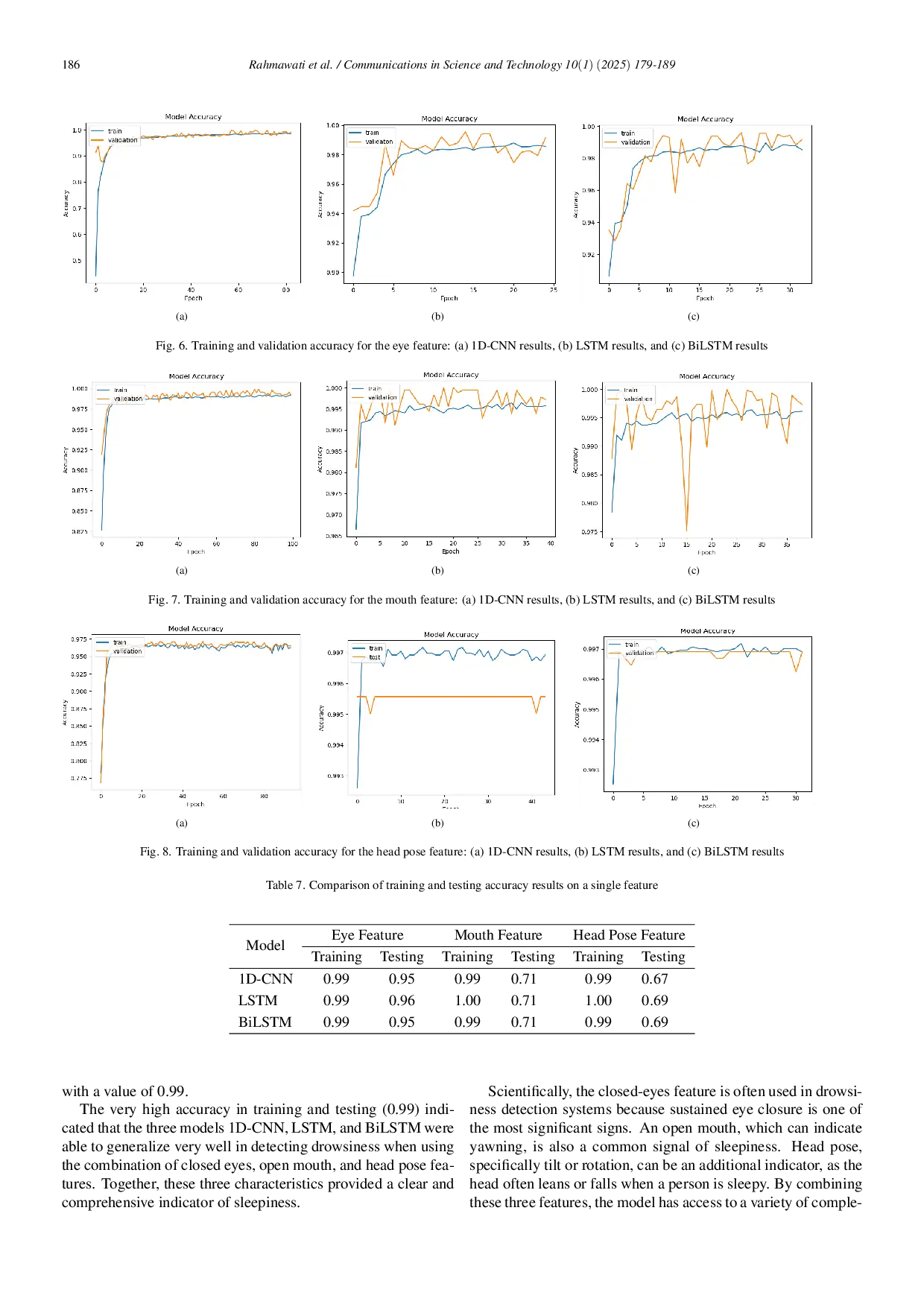
KIPMIKIPMI Rasio aspek mata (EAR), rasio aspek mulut (MAR), dan sudut rotasi kepala dihitung sebagai fitur utama. Fitur-fitur ini dimasukkan ke dalam tiga model klasifikasi:Rasio aspek mata (EAR), rasio aspek mulut (MAR), dan sudut rotasi kepala dihitung sebagai fitur utama. Fitur-fitur ini dimasukkan ke dalam tiga model klasifikasi:
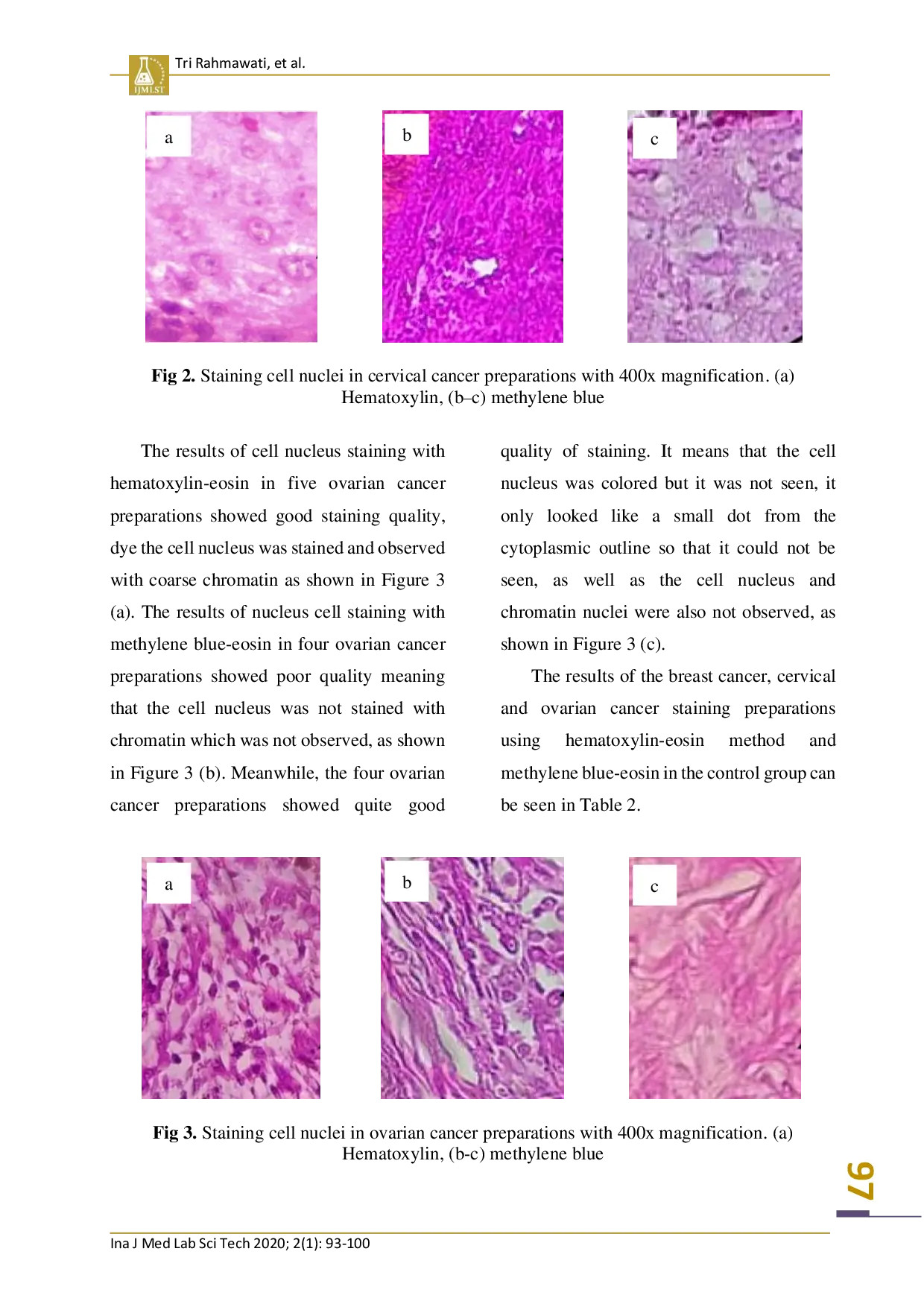
UNUSAUNUSA Namun, proses pewarnaan ini terhambat apabila reagen hematoksilin tidak tersedia di laboratorium, sehingga diperlukan reagen alternatif untuk menggantikanNamun, proses pewarnaan ini terhambat apabila reagen hematoksilin tidak tersedia di laboratorium, sehingga diperlukan reagen alternatif untuk menggantikan