APTISIAPTISI
Aptisi Transactions on Technopreneurship (ATT)Aptisi Transactions on Technopreneurship (ATT)Access to health services is a critical factor in improving the well-being of low-socioeconomic status families. However, many families in Surakarta face challenges in utilizing healthcare services. The purpose of this study is to explore the relationship between educational level, family economic status, and other demographic factors with their willingness to access health services at RSUD Dr. Moewardi, Surakarta. The purpose of this study is to determine how education, economic status, and demographics influence healthcare-seeking behavior among low-socioeconomic families, with the goal of improving healthcare accessibility and understanding barriers to usage. A quantitative approach was employed, using a Confirmatory Factor Analysis (CFA) model. Data were collected through a structured questionnaire distributed to 116 respondents from low-socioeconomic families in Surakarta, with a focus on education, income, and healthcare-seeking behavior. The data were analyzed using SPSS to identify relationships between variables. The analysis showed significant differences in healthcare access behavior based on educational level, with families possessing higher education levels being more likely to utilize healthcare services. Economic factors were also identified as a strong predictor of healthcare access willingness. The study highlights the importance of addressing educational and economic barriers to improve access to health services for low-socioeconomic families. Policymakers must consider these factors when developing healthcare programs aimed at increasing participation from marginalized groups.
This study demonstrates that health literacy, particularly regarding mental health, significantly influences access to healthcare for low-socioeconomic families in Surakarta.Families with lower health literacy often lack awareness of the importance and availability of health services.Furthermore, socioeconomic factors and awareness play a crucial role in healthcare decisions.Therefore, comprehensive health promotion and education are needed to enhance public understanding and utilization of health services.
Further research should investigate the effectiveness of tailored health education programs designed to address the specific needs and literacy levels of low-socioeconomic families in Surakarta, potentially utilizing community health workers as key intermediaries. Additionally, studies could explore the impact of integrating mental health services into primary healthcare settings to reduce stigma and improve access for this vulnerable population. Finally, future research should examine the role of digital health literacy and the potential of mobile health interventions to overcome geographical barriers and enhance healthcare access for families in remote areas, building upon existing efforts to expand telehealth services and promote preventative care.
- Analyzing Healthpreneur Determinants for Low-Socioeconomic Ethnic Families | Aptisi Transactions on Technopreneurship... att.aptisi.or.id/index.php/att/article/view/679Analyzing Healthpreneur Determinants for Low Socioeconomic Ethnic Families Aptisi Transactions on Technopreneurship att aptisi index php att article view 679
- One moment, please.... moment please wait request verified doi.org/10.34306/attOne moment please moment please wait request verified doi 10 34306 att
| File size | 337.33 KB |
| Pages | 13 |
| DMCA | Report |
Related /

KWIKKIANGIEKWIKKIANGIE Teknik product-moment correlation adalah metode populer di kalangan akademisi untuk memverifikasi struktur internal sebuah konstruk. Meskipun teknik iniTeknik product-moment correlation adalah metode populer di kalangan akademisi untuk memverifikasi struktur internal sebuah konstruk. Meskipun teknik ini
UNTAGUNTAG 7 dan pengujian hipotesis dengan analisis regresi dengan mediator menggunakan SPSS Ver. 26. Hasil penelitian membuktikan bahwa modal psikologis secara7 dan pengujian hipotesis dengan analisis regresi dengan mediator menggunakan SPSS Ver. 26. Hasil penelitian membuktikan bahwa modal psikologis secara

JURNALEDUKASIAJURNALEDUKASIA The CFA confirmed that the four latent dimensions—Grammar, Pronunciation, Interaction, and Instruction—fit well within a second-order structure representingThe CFA confirmed that the four latent dimensions—Grammar, Pronunciation, Interaction, and Instruction—fit well within a second-order structure representing

UMSUMS 3. Analisis jalur mengungkapkan bahwa, setelah mengontrol pendapatan, manajemen kas dan kredit secara signifikan memprediksi stres finansial, sedangkan3. Analisis jalur mengungkapkan bahwa, setelah mengontrol pendapatan, manajemen kas dan kredit secara signifikan memprediksi stres finansial, sedangkan
IPBIPB Several relevant implications for strengthening the social capital of the Tambakbaya Village community in the development of Sukabungah Agrotourism includeSeveral relevant implications for strengthening the social capital of the Tambakbaya Village community in the development of Sukabungah Agrotourism include

ARSILMEDIAARSILMEDIA With a sample of 207 respondents, which were collected by distributing questionnaires and processing data using Confirmatory factor analysis (CFA) andWith a sample of 207 respondents, which were collected by distributing questionnaires and processing data using Confirmatory factor analysis (CFA) and

UMUM The research instrument used a scale of teacher emotions in the digital technology classroom consisting of 28 items with loading factor values between.The research instrument used a scale of teacher emotions in the digital technology classroom consisting of 28 items with loading factor values between.
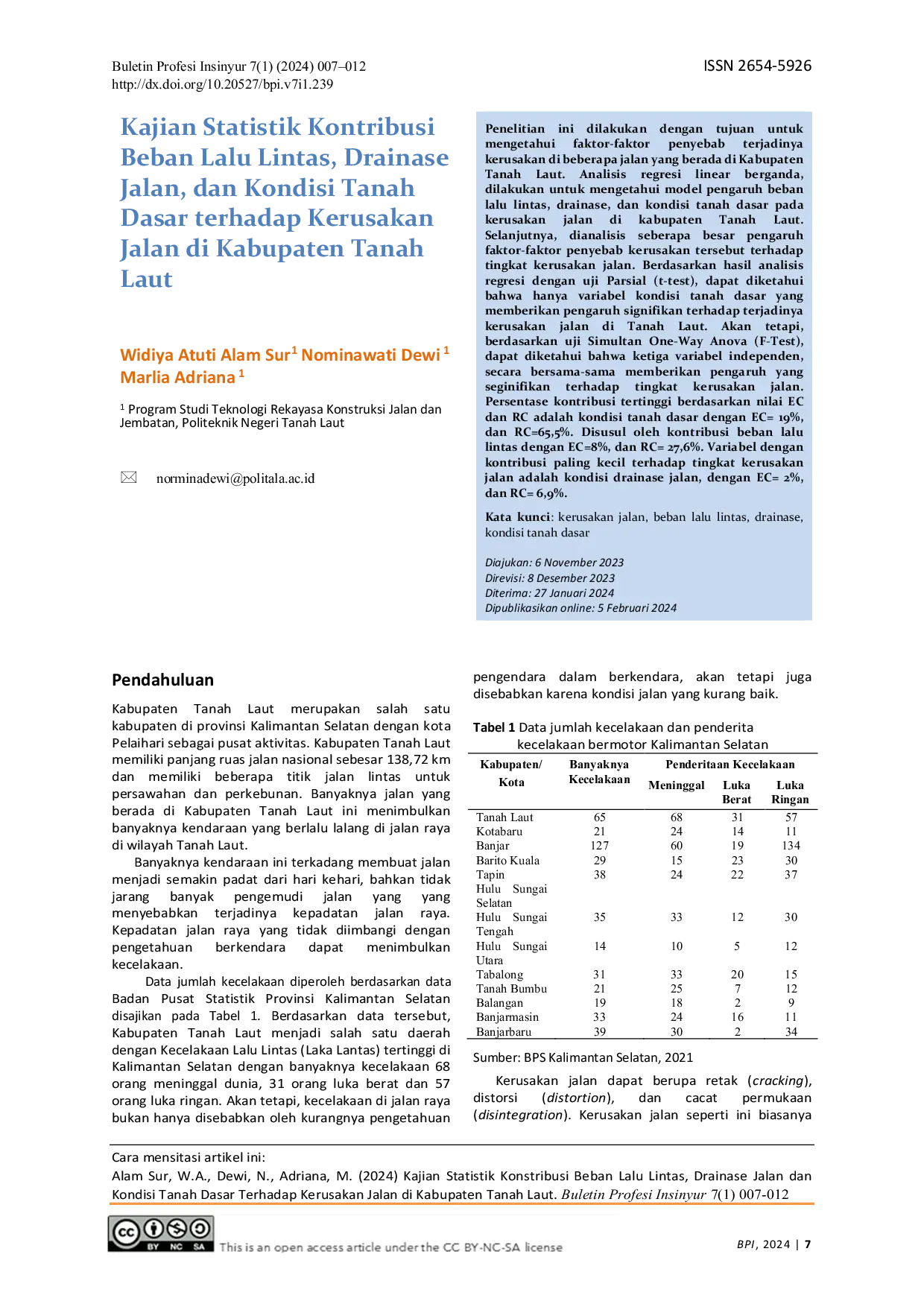
LMULMU Berdasarkan hasil analisis, hanya variabel kondisi tanah dasar yang memberikan pengaruh signifikan terhadap kerusakan jalan secara parsial, sedangkan bebanBerdasarkan hasil analisis, hanya variabel kondisi tanah dasar yang memberikan pengaruh signifikan terhadap kerusakan jalan secara parsial, sedangkan beban
Useful /
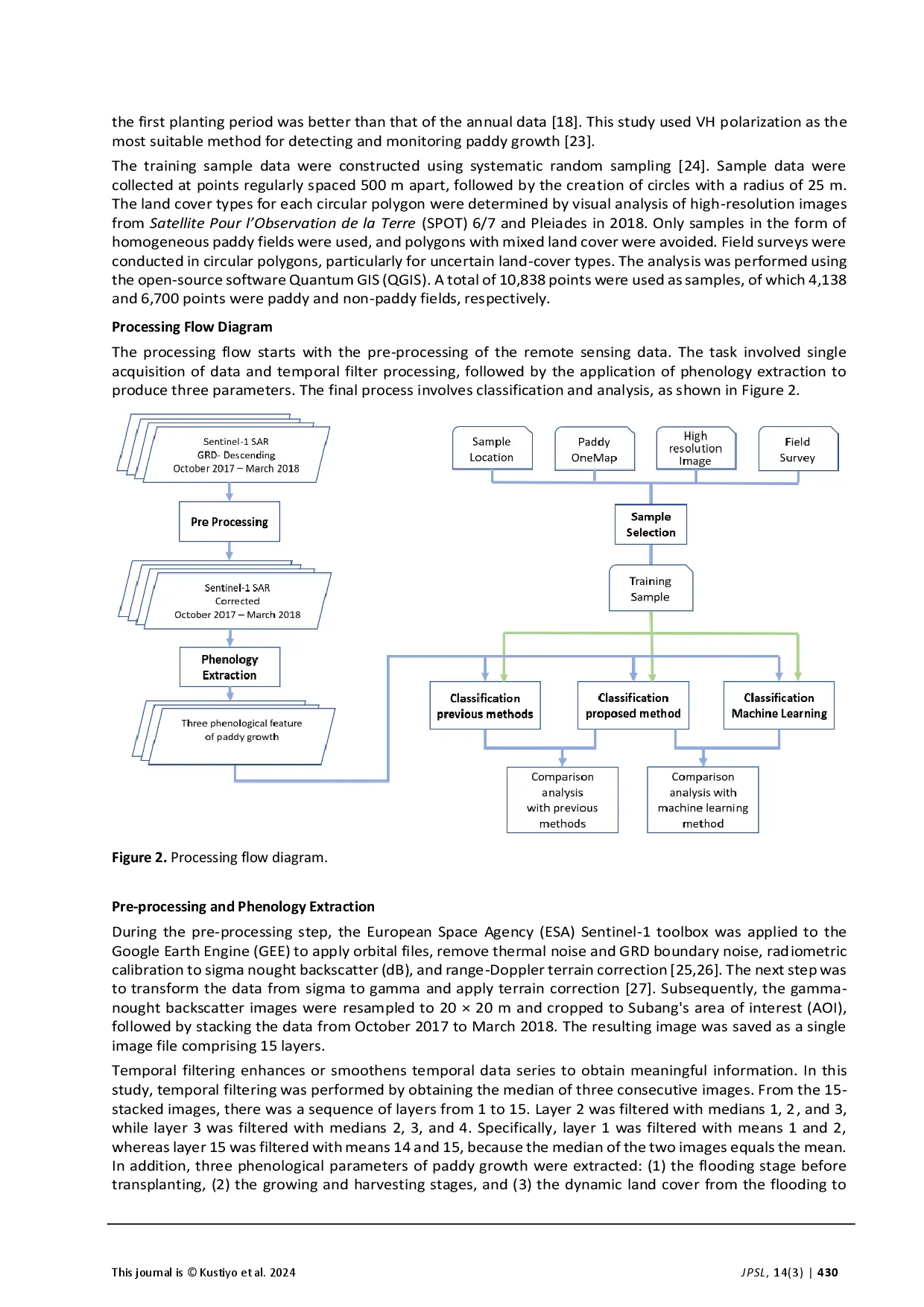
IPBIPB Lahan padi berhasil dibedakan dari jenis tutupan lahan lainnya menggunakan algoritma thresholding sederhana berdasarkan pola spesifik hamburan balik VHLahan padi berhasil dibedakan dari jenis tutupan lahan lainnya menggunakan algoritma thresholding sederhana berdasarkan pola spesifik hamburan balik VH

IPBIPB Nilainya bervariasi dan menjadi daya tarik baru, salah satunya adalah keindahan gua GWUF. Secara keseluruhan, pengunjung menilai kualitas udara dan keindahanNilainya bervariasi dan menjadi daya tarik baru, salah satunya adalah keindahan gua GWUF. Secara keseluruhan, pengunjung menilai kualitas udara dan keindahan
IPBIPB Kesuburan lokasi memiliki implikasi pada kesehatan lokasi. Tujuan dari penelitian ini adalah untuk menentukan kandungan sedimen C-organik, menentukan kandunganKesuburan lokasi memiliki implikasi pada kesehatan lokasi. Tujuan dari penelitian ini adalah untuk menentukan kandungan sedimen C-organik, menentukan kandungan
IPBIPB Berdasarkan indeks kerentanan, daerah aliran sungai Cisadane Hulu memiliki kelas kerentanan banjir bandang tinggi hingga sangat tinggi, dengan sepuluhBerdasarkan indeks kerentanan, daerah aliran sungai Cisadane Hulu memiliki kelas kerentanan banjir bandang tinggi hingga sangat tinggi, dengan sepuluh