DOKICTIDOKICTI
Journal of Islamic Psychology and Behavioral SciencesJournal of Islamic Psychology and Behavioral SciencesHeads of families involved in drug abuse often experience a decline in quality of life influenced by various psychosocial and familial factors. This study aims to analyze the influence of head of family characteristics, family characteristics, family interactions, and self-concept on the quality of life of family heads undergoing drug rehabilitation at BNN Lido Bogor. A quantitative approach was employed, supported by qualitative insights. Data were collected through questionnaires completed by 36 respondents and in-depth interviews with eight participants. The research was conducted from March to May 2025, and data were analyzed using descriptive statistics, correlation tests, and regression analysis with SPSS 25.0. The results showed that the level of addiction was significantly and negatively correlated with self-concept (r = –0.395, p < 0.05) and quality of life (r = –0.380, p < 0.05). In contrast, self-concept was significantly and positively correlated with both family interaction and quality of life. Regression analysis revealed that family interaction in the guidance dimension (β = 0.601, p = 0.010) and self-concept in the family dimension (β = 0.379, p = 0.005) significantly influenced the quality of life of the heads of families, with the model explaining 77.4% of the variance (Adjusted R² = 0.774). These findings highlight the vital role of family dynamics and individual self-perception in shaping the rehabilitation outcomes of individuals struggling with drug abuse. Strengthening family interactions—particularly in the guidance dimension—and fostering a positive self-concept are essential strategies to enhance the quality of life of family heads during the rehabilitation process.
The study found that a higher level of addiction correlates with lower self-concept and quality of life.Family interaction positively influences self-concept, and both family interaction and self-concept significantly impact quality of life.Specifically, guidance within family interaction and self-concept related to family significantly contribute to the quality of life of heads of families undergoing rehabilitation.4% of the variance in quality of life, highlighting the importance of these factors.
Penelitian lebih lanjut perlu dilakukan untuk mengeksplorasi secara mendalam bagaimana intervensi yang berfokus pada peningkatan komunikasi positif dan dukungan emosional dalam keluarga dapat secara efektif meningkatkan kualitas hidup kepala keluarga yang sedang menjalani rehabilitasi narkoba. Selain itu, penting untuk meneliti lebih lanjut mengenai peran spesifik dari dimensi keluarga dalam konsep diri, serta bagaimana dimensi ini dapat diperkuat melalui program rehabilitasi yang disesuaikan. Terakhir, penelitian di masa depan dapat menyelidiki pengaruh faktor-faktor kontekstual seperti dukungan sosial masyarakat dan akses terhadap layanan kesehatan mental terhadap keberhasilan proses rehabilitasi, dengan mempertimbangkan perbedaan budaya dan sosial ekonomi yang mungkin ada di berbagai wilayah di Indonesia. Penelitian-penelitian ini diharapkan dapat memberikan wawasan yang lebih komprehensif dan menghasilkan strategi rehabilitasi yang lebih efektif dan berkelanjutan bagi kepala keluarga yang berjuang melawan penyalahgunaan narkoba, serta meningkatkan kesejahteraan keluarga secara keseluruhan.
- Relation Between Family Environment, Life Satisfaction, Depression and Anxiety. relation family environment... lnep.ewapub.com/article/view/6735Relation Between Family Environment Life Satisfaction Depression and Anxiety relation family environment lnep ewapub article view 6735
- Factors associated with quality of life among joint and nuclear families using the World Health Organization's... doi.org/10.21203/rs.3.rs-33471/v1Factors associated with quality of life among joint and nuclear families using the World Health Organizations doi 10 21203 rs 3 rs 33471 v1
- HRMARS - Patterns of Interactions between Family Members and Drug Addicts. hrmars patterns interactions... doi.org/10.6007/IJARBSS/V7-I4/2807HRMARS Patterns of Interactions between Family Members and Drug Addicts hrmars patterns interactions doi 10 6007 IJARBSS V7 I4 2807
- Affective temperaments in Lebanese people with substance use disorder - Yehya - 2019 - Perspectives in... onlinelibrary.wiley.com/doi/10.1111/ppc.12346Affective temperaments in Lebanese people with substance use disorder Yehya 2019 Perspectives in onlinelibrary wiley doi 10 1111 ppc 12346
| File size | 476.86 KB |
| Pages | 17 |
| DMCA | Report |
Related /
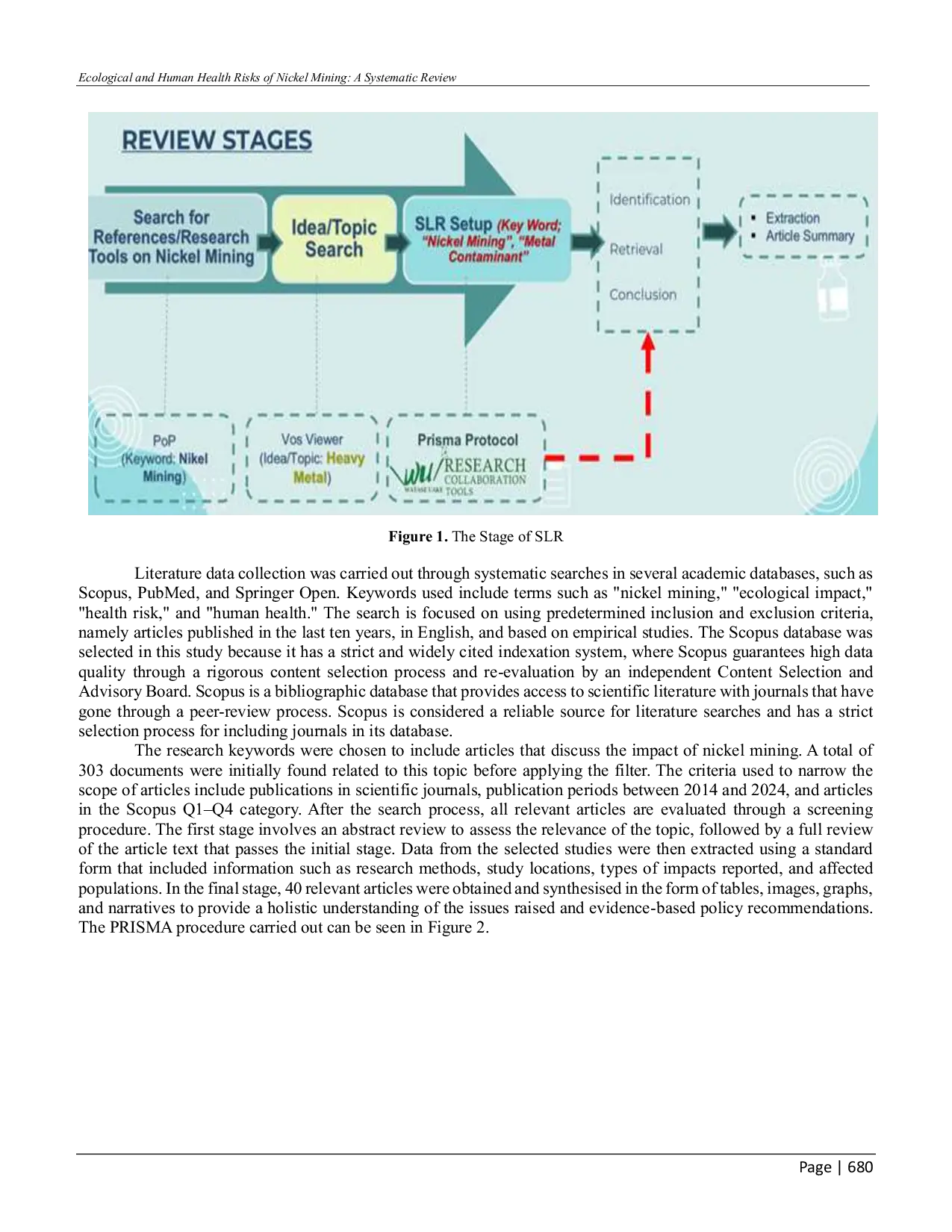
UNISMUH PALUUNISMUH PALU Hasil penelitian ini diharapkan dapat berkontribusi pada kerangka kebijakan internasional, mendukung desain intervensi yang lebih kuat dan spesifik wilayahHasil penelitian ini diharapkan dapat berkontribusi pada kerangka kebijakan internasional, mendukung desain intervensi yang lebih kuat dan spesifik wilayah
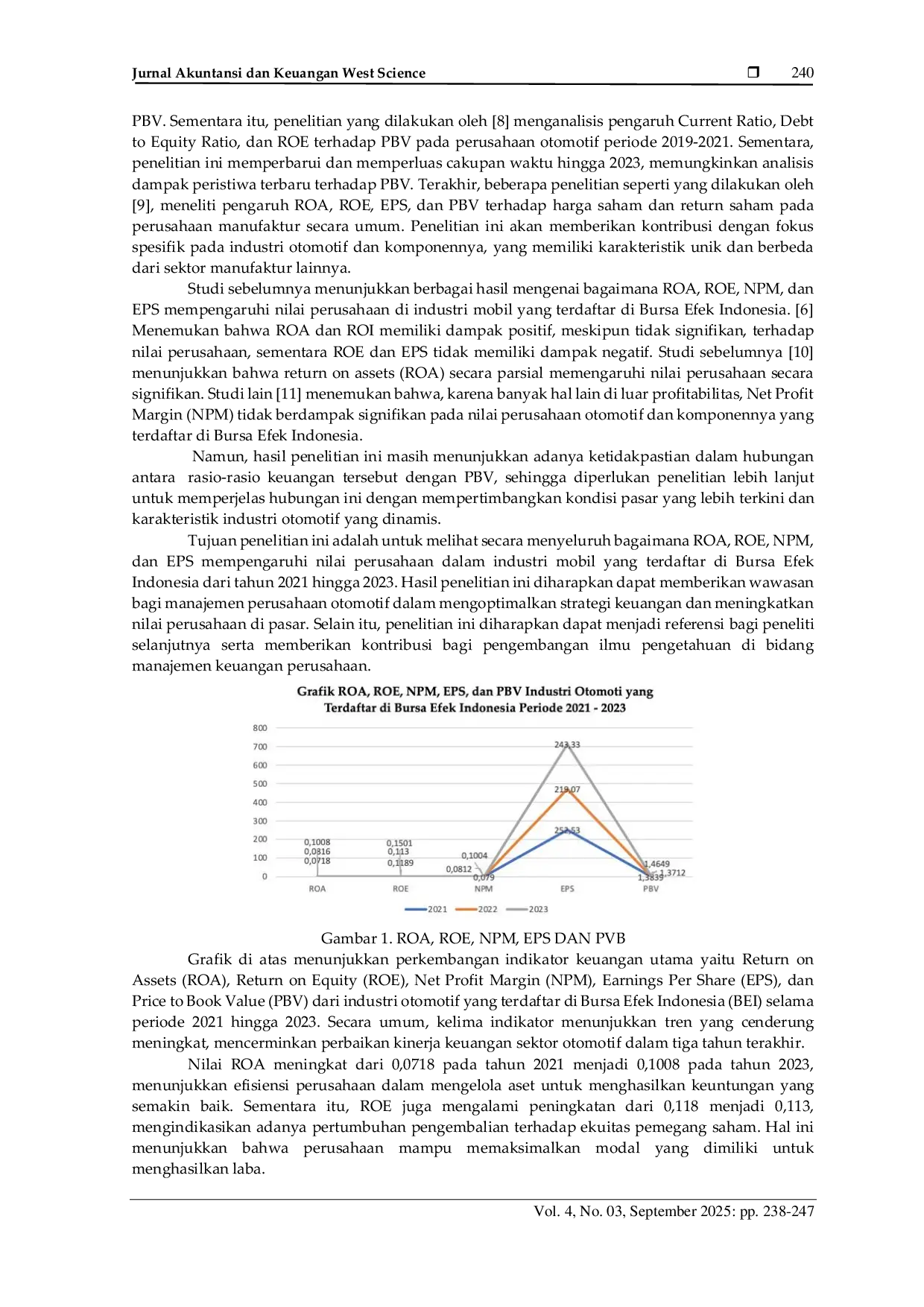
WESTSCIENCESWESTSCIENCES Sebaliknya, EPS berpengaruh signifikan negatif terhadap PBV. Temuan ini mengindikasikan bahwa EPS merupakan indikator penting dalam menentukan valuasiSebaliknya, EPS berpengaruh signifikan negatif terhadap PBV. Temuan ini mengindikasikan bahwa EPS merupakan indikator penting dalam menentukan valuasi
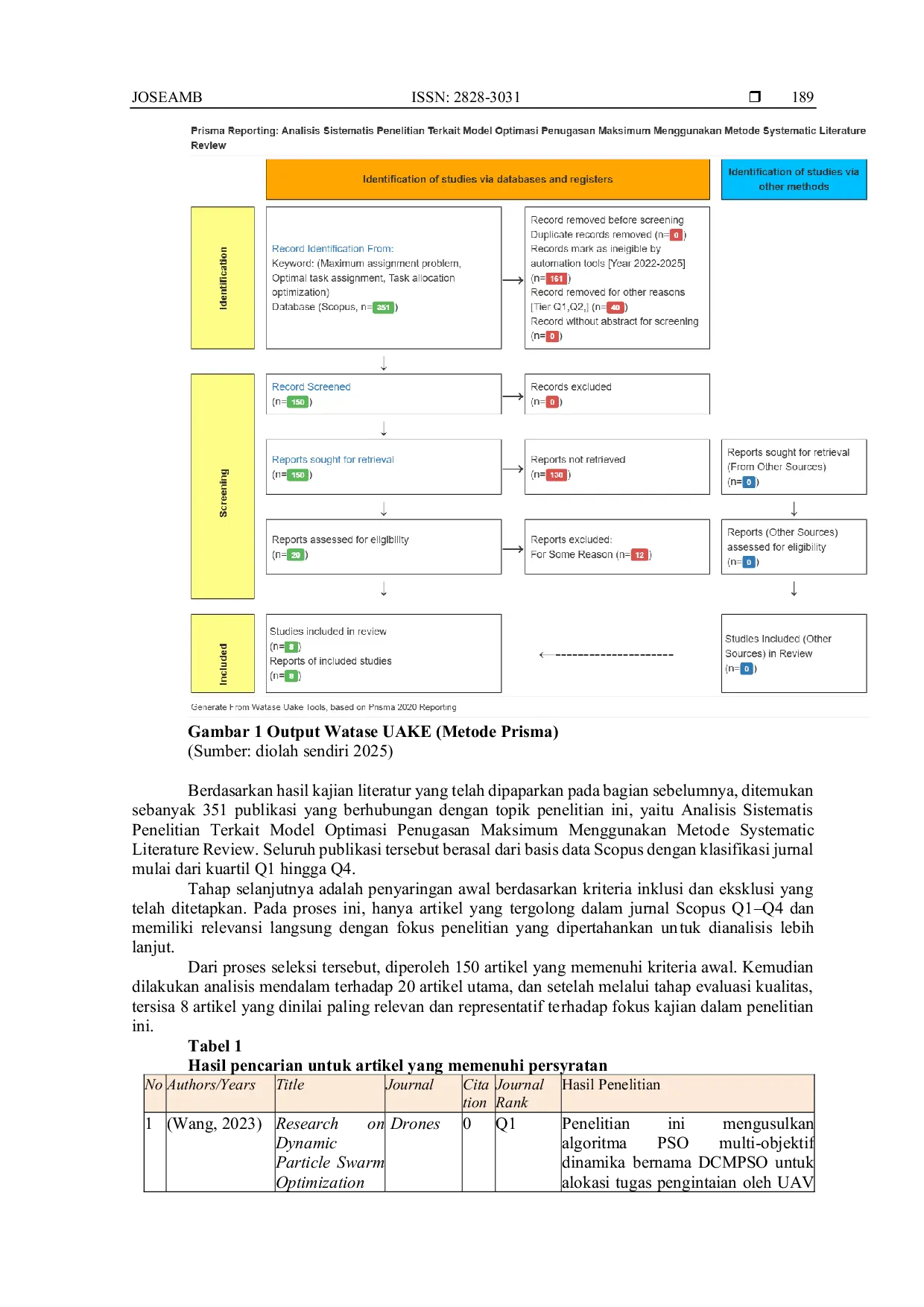
RCF INDONESIARCF INDONESIA Dari total 351 artikel yang diidentifikasi, sebanyak 161 dihapus karena tidak memenuhi kriteria kelayakan otomatis, dan 40 artikel dikeluarkan karena tidakDari total 351 artikel yang diidentifikasi, sebanyak 161 dihapus karena tidak memenuhi kriteria kelayakan otomatis, dan 40 artikel dikeluarkan karena tidak
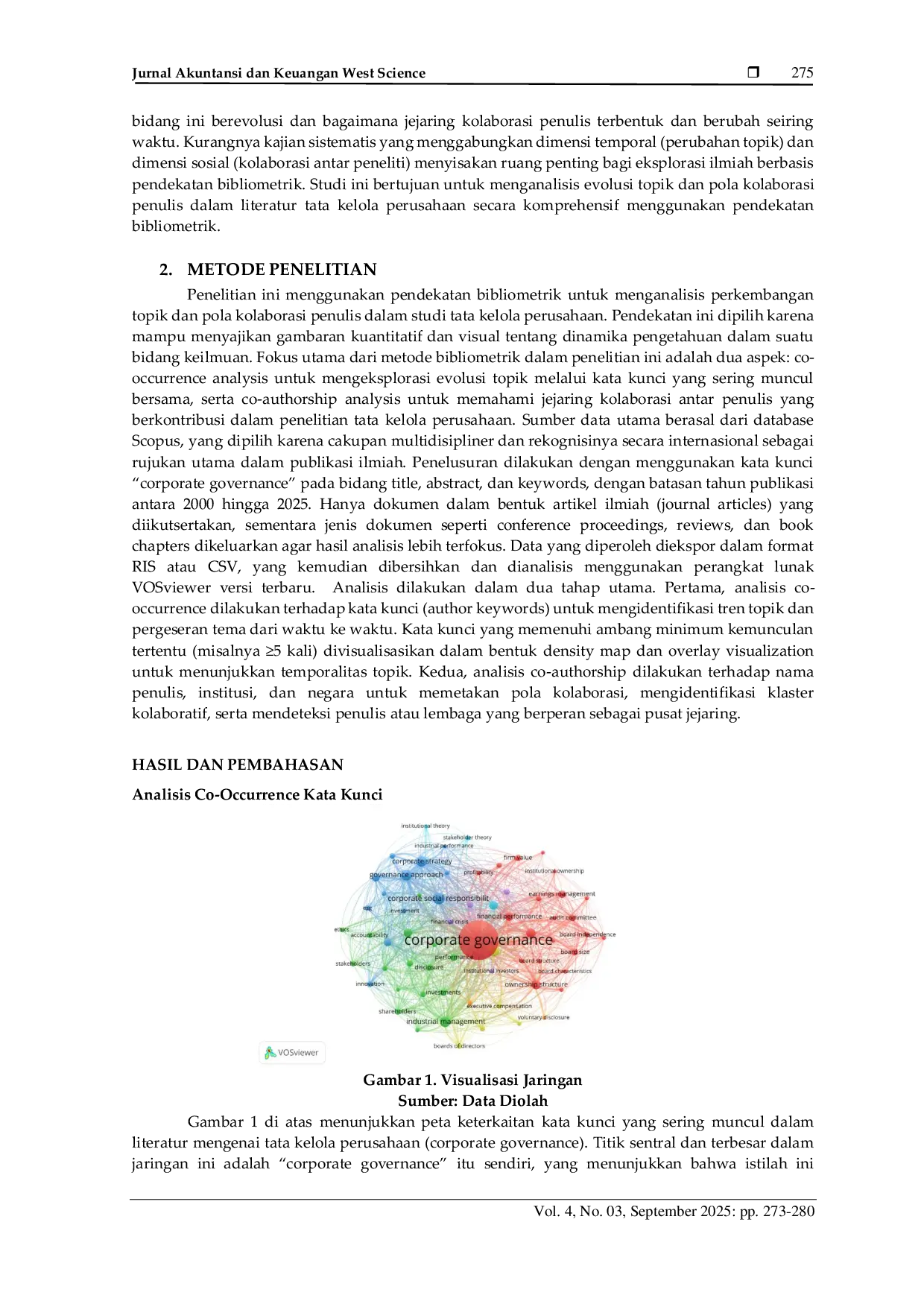
WESTSCIENCESWESTSCIENCES Berdasarkan hasil analisis bibliometrik yang dilakukan, dapat disimpulkan bahwa studi tata kelola perusahaan telah mengalami evolusi signifikan baik dariBerdasarkan hasil analisis bibliometrik yang dilakukan, dapat disimpulkan bahwa studi tata kelola perusahaan telah mengalami evolusi signifikan baik dari

IAESCOREIAESCORE Analisis keseluruhan menunjukkan peningkatan signifikan dalam penggunaan informasi satelit, terutama selama dekade terakhir, di mana jumlah studi yangAnalisis keseluruhan menunjukkan peningkatan signifikan dalam penggunaan informasi satelit, terutama selama dekade terakhir, di mana jumlah studi yang

WESTSCIENCESWESTSCIENCES Studi ini merekomendasikan peningkatan kapasitas pengguna dan optimalisasi integrasi sistem untuk mendukung keberlanjutan transformasi digital dalam manajemenStudi ini merekomendasikan peningkatan kapasitas pengguna dan optimalisasi integrasi sistem untuk mendukung keberlanjutan transformasi digital dalam manajemen

WESTSCIENCESWESTSCIENCES Studi ini menyimpulkan bahwa Balanced Scorecard merupakan alat yang efektif untuk meningkatkan pengukuran kinerja dan manajemen strategis di lembaga layananStudi ini menyimpulkan bahwa Balanced Scorecard merupakan alat yang efektif untuk meningkatkan pengukuran kinerja dan manajemen strategis di lembaga layanan

UMLUML Penelitian ini memberikan kontribusi praktis bagi pengembangan asesmen di lingkungan BUMN dan memperkaya literatur mengenai penerapan Rasch Model dalamPenelitian ini memberikan kontribusi praktis bagi pengembangan asesmen di lingkungan BUMN dan memperkaya literatur mengenai penerapan Rasch Model dalam
Useful /

RCF INDONESIARCF INDONESIA Analisis data dilakukan menggunakan model interaktif Miles, Huberman, dan Saldana. Hasil penelitian menunjukkan bahwa kebijakan pariwisata berkelanjutanAnalisis data dilakukan menggunakan model interaktif Miles, Huberman, dan Saldana. Hasil penelitian menunjukkan bahwa kebijakan pariwisata berkelanjutan
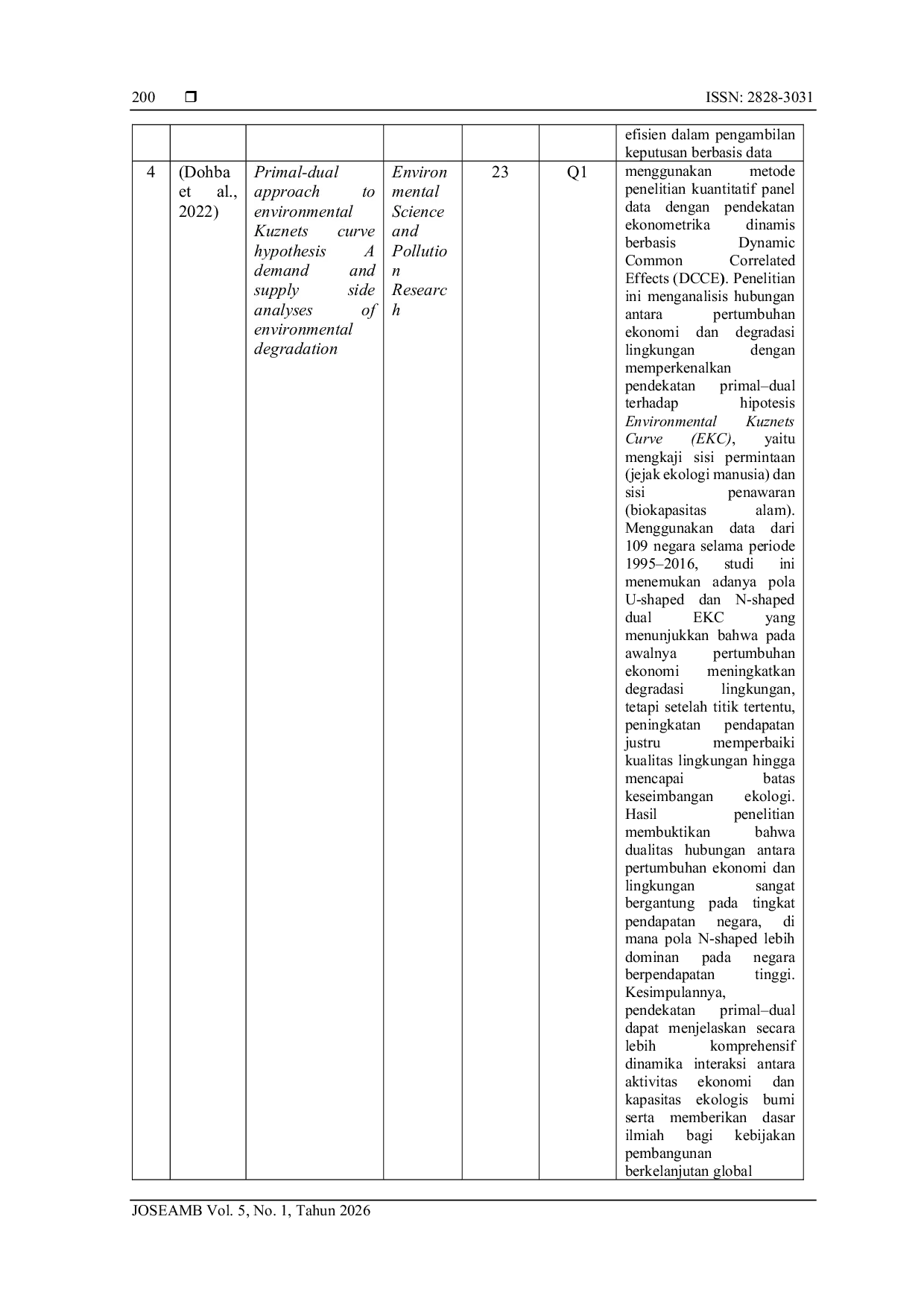
RCF INDONESIARCF INDONESIA Penelitian ini bertujuan melakukan Systematic Literature Review (SLR) mengenai penerapan pendekatan analisis primal-dual dalam optimasi penugasan maksimumPenelitian ini bertujuan melakukan Systematic Literature Review (SLR) mengenai penerapan pendekatan analisis primal-dual dalam optimasi penugasan maksimum
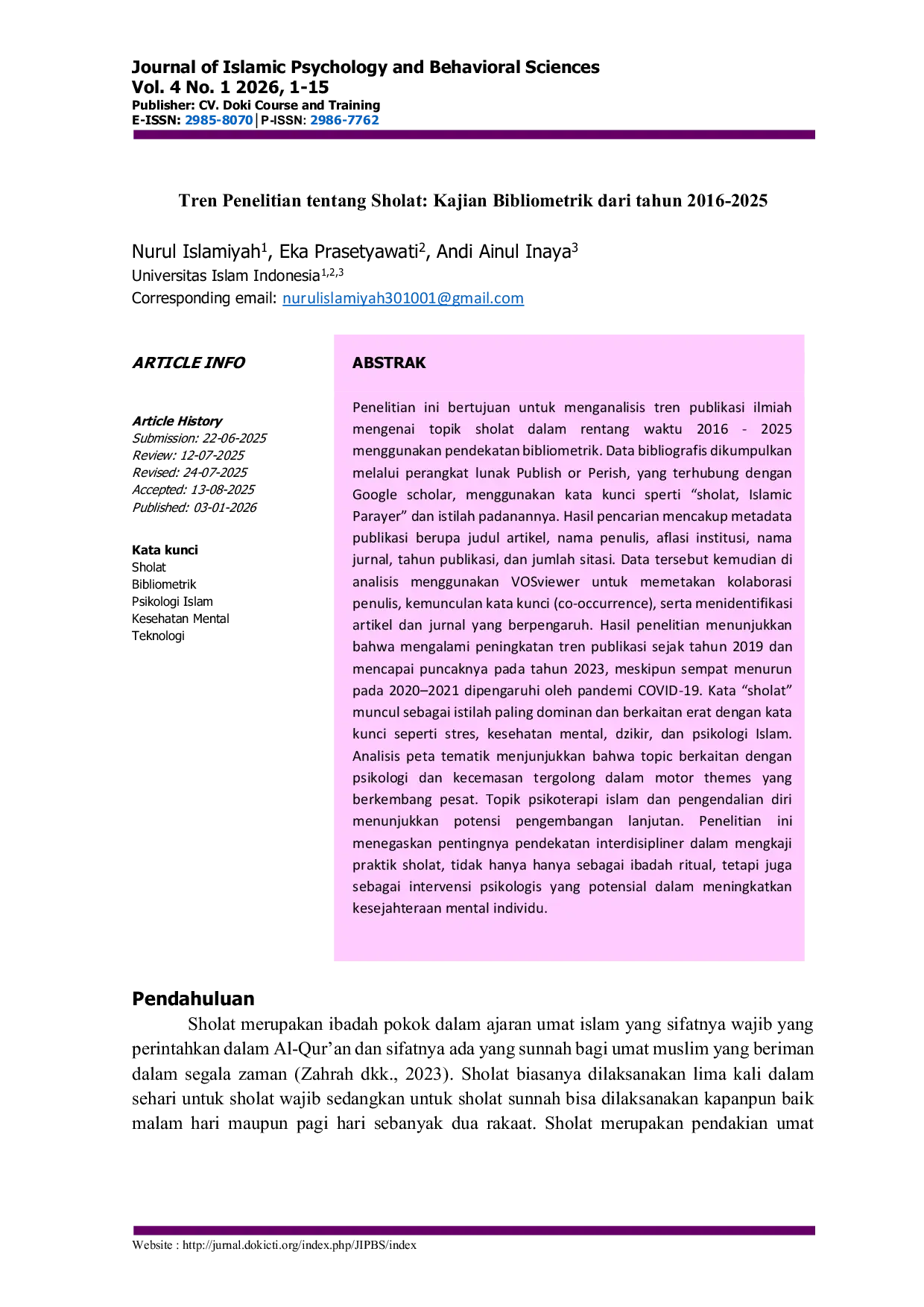
DOKICTIDOKICTI Peta tren topik mengindikasikan bahwa sholat tetap menjadi tema utama yang stabil sepanjang dekade, sementara istilah seperti psikoterapi Islam, kesehatanPeta tren topik mengindikasikan bahwa sholat tetap menjadi tema utama yang stabil sepanjang dekade, sementara istilah seperti psikoterapi Islam, kesehatan

BORNEORECBORNEOREC Evaluasi menunjukkan peningkatan pemahaman peserta setelah kegiatan, didukung oleh respons positif dari ibu-ibu dan kader kesehatan. Disarankan agar pelatihanEvaluasi menunjukkan peningkatan pemahaman peserta setelah kegiatan, didukung oleh respons positif dari ibu-ibu dan kader kesehatan. Disarankan agar pelatihan