UBUB
TEMATEMAA going concern audit opinion serves as an important indicator for stakeholders in evaluating a corporate entitys potential to continue its operations, particularly during periods of economic uncertainty. In Indonesia, incidents of financial distress and the risk of delisting among infrastructure companies underscore the importance of understanding the factors that shape auditors going concern assessments. This study examines the effect of financial distress, opinion shopping, audit tenure, institutional ownership, audit committee, and independent commissioners under the Agency Theory framework. The sample consists of 48 infrastructure companies listed on the Indonesia Stock Exchange from 2020 to 2022, selected through purposive sampling, resulting in 144 firm-year observations. Logistic regression analysis reveals that financial distress reduces the probability of obtaining a going concern audit opinion, while having an active audit committee increases it. Opinion shopping, audit tenure, institutional ownership, and independent commissioners show no significant relationship. These findings indicate that financial conditions and the effectiveness of audit committee oversight play a key role in shaping audit opinions. Consequently, companies should mitigate financial risks, reinforce governance practices, and support regulations that limit audit engagement periods to safeguard auditor independence.
The study reveals that financial distress negatively influences going concern audit opinions, while the audit committee exerts a positive influence.Conversely, opinion shopping, audit tenure, institutional ownership, and independent commissioners do not significantly impact the issuance of these opinions.These findings underscore the importance of proactive financial risk management and robust corporate governance for companies, and the need for regulations safeguarding auditor independence.The results contribute to the understanding of factors influencing going concern assessments, particularly within the Indonesian infrastructure sector.
Penelitian lanjutan perlu dilakukan untuk menguji dampak implementasi OJK Regulation No. 9 of 2023, khususnya mengenai rotasi auditor setiap tujuh tahun, terhadap kualitas audit dan opini audit going concern. Selain itu, studi lebih lanjut dapat mengeksplorasi pengaruh faktor-faktor perilaku auditor, seperti profesionalisme dan skeptisisme, terhadap penilaian kelangsungan usaha perusahaan. Penelitian juga dapat memperluas cakupan sampel dengan melibatkan berbagai sektor industri dan periode waktu yang lebih panjang untuk meningkatkan generalisasi temuan. Selanjutnya, studi kualitatif dapat dilakukan untuk menggali lebih dalam perspektif auditor dan manajemen mengenai proses pengambilan keputusan terkait opini audit going concern, termasuk tantangan dan pertimbangan yang dihadapi. Terakhir, penelitian dapat menginvestigasi peran teknologi, seperti penggunaan analitik data dan kecerdasan buatan, dalam meningkatkan efektivitas penilaian risiko kelangsungan usaha oleh auditor.
- Pengaruh Debt Default, Financial Distress, dan Auditor Switching Terhadap Penerimaan Opini Audit Going... doi.org/10.21009/japa.0503.03Pengaruh Debt Default Financial Distress dan Auditor Switching Terhadap Penerimaan Opini Audit Going doi 10 21009 japa 0503 03
- Influence of Audit Tenure, Audit Lag, Opinion Shopping, Liquidity, Leverage, and Profitability on Audit... journal.unimma.ac.id/index.php/bacr/article/view/4870Influence of Audit Tenure Audit Lag Opinion Shopping Liquidity Leverage and Profitability on Audit journal unimma ac index php bacr article view 4870
| File size | 433.73 KB |
| Pages | 14 |
| DMCA | Report |
Related /
DINASTIRESDINASTIRES Nilai perusahaan, yang tercermin dalam valuasi pasar, peluang pertumbuhan, dan kualitas fondamen perusahaan, diharapkan memengaruhi tingkat ketidakpastianNilai perusahaan, yang tercermin dalam valuasi pasar, peluang pertumbuhan, dan kualitas fondamen perusahaan, diharapkan memengaruhi tingkat ketidakpastian
ITSCIENCEITSCIENCE Auditor memiliki peran krusial dalam memastikan kualitas laporan keuangan yang disajikan oleh entitas. Namun, dalam praktiknya, masih sering ditemukanAuditor memiliki peran krusial dalam memastikan kualitas laporan keuangan yang disajikan oleh entitas. Namun, dalam praktiknya, masih sering ditemukan
FEB UMIFEB UMI Pendekatan kuantitatif digunakan melalui analisis regresi data panel dengan data sekunder berupa laporan keuangan tahunan yang telah diaudit. Sampel terdiriPendekatan kuantitatif digunakan melalui analisis regresi data panel dengan data sekunder berupa laporan keuangan tahunan yang telah diaudit. Sampel terdiri

SEANINSTITUTESEANINSTITUTE Instrumen penelitian meliputi wawancara mendalam, analisis dokumen, dan analisis tematik menggunakan model studi kasus Robert K. Yin. Hasil penelitianInstrumen penelitian meliputi wawancara mendalam, analisis dokumen, dan analisis tematik menggunakan model studi kasus Robert K. Yin. Hasil penelitian
ANNPUBLISHERANNPUBLISHER Namun, biaya audit tidak secara langsung memengaruhi kualitas audit perusahaan manufaktur. Temuan ini mendukung Teori Ketergantungan Sumber Daya, yangNamun, biaya audit tidak secara langsung memengaruhi kualitas audit perusahaan manufaktur. Temuan ini mendukung Teori Ketergantungan Sumber Daya, yang
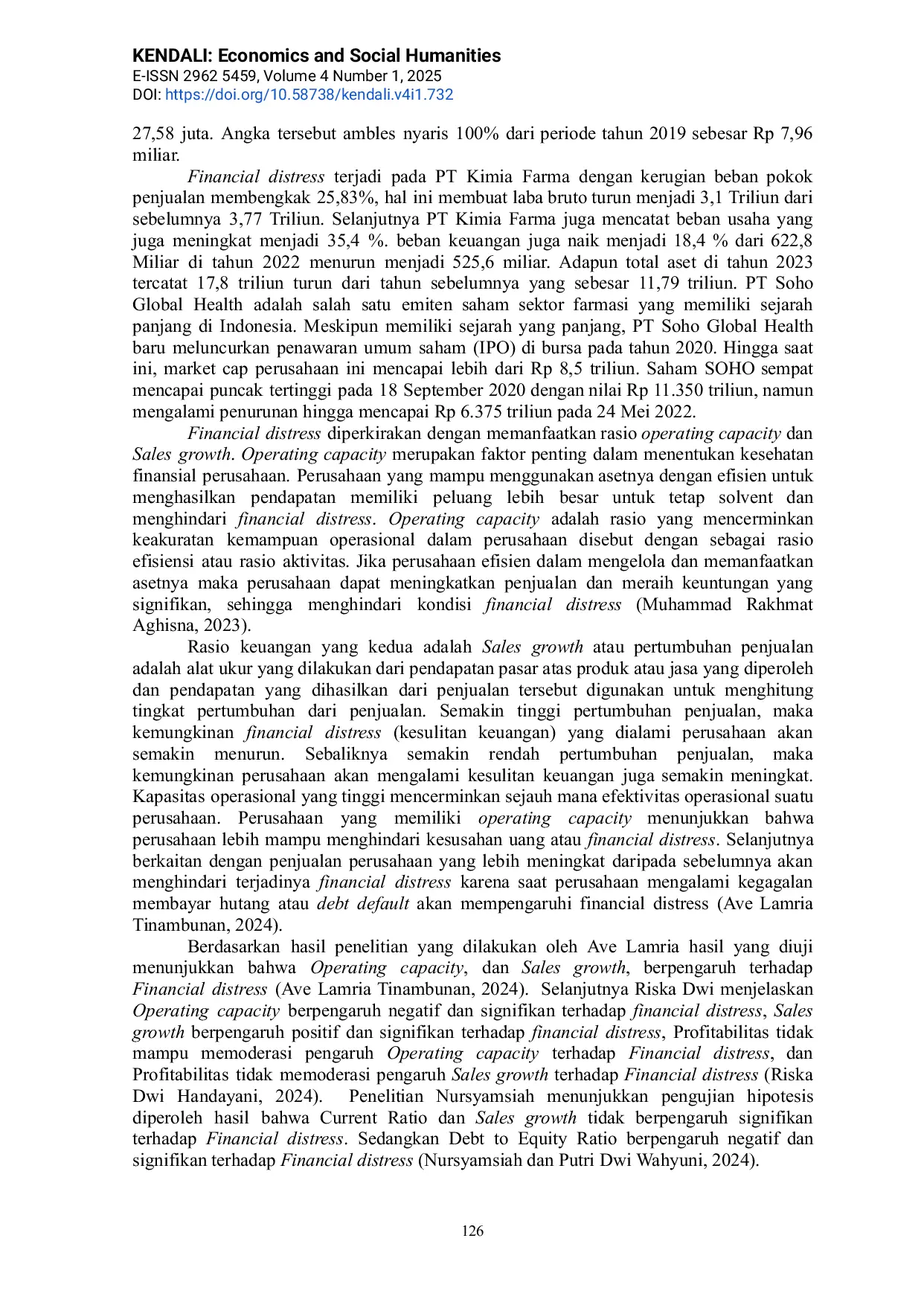
ASIANPUBLISHERASIANPUBLISHER Hasil penelitian menunjukkan Operating capacity pada perusahaan farmasi tidak berpengaruh terhadap financial distress. Sales growth berpengaruh signifikanHasil penelitian menunjukkan Operating capacity pada perusahaan farmasi tidak berpengaruh terhadap financial distress. Sales growth berpengaruh signifikan
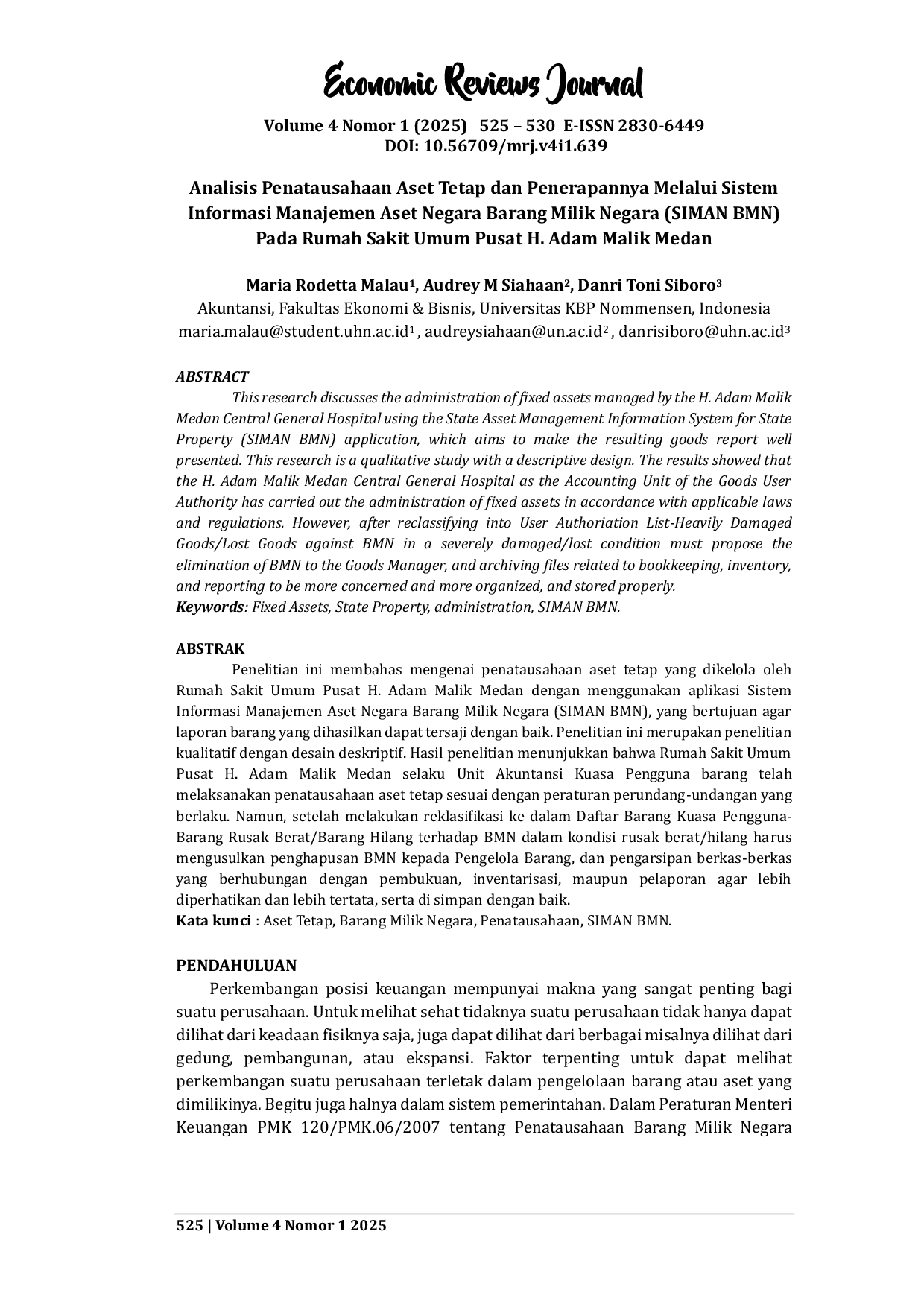
MES BOGORMES BOGOR Hasil penelitian menunjukkan bahwa Rumah Sakit Umum Pusat H. Adam Malik Medan selaku Unit Akuntansi Kuasa Pengguna barang telah melaksanakan penatausahaanHasil penelitian menunjukkan bahwa Rumah Sakit Umum Pusat H. Adam Malik Medan selaku Unit Akuntansi Kuasa Pengguna barang telah melaksanakan penatausahaan
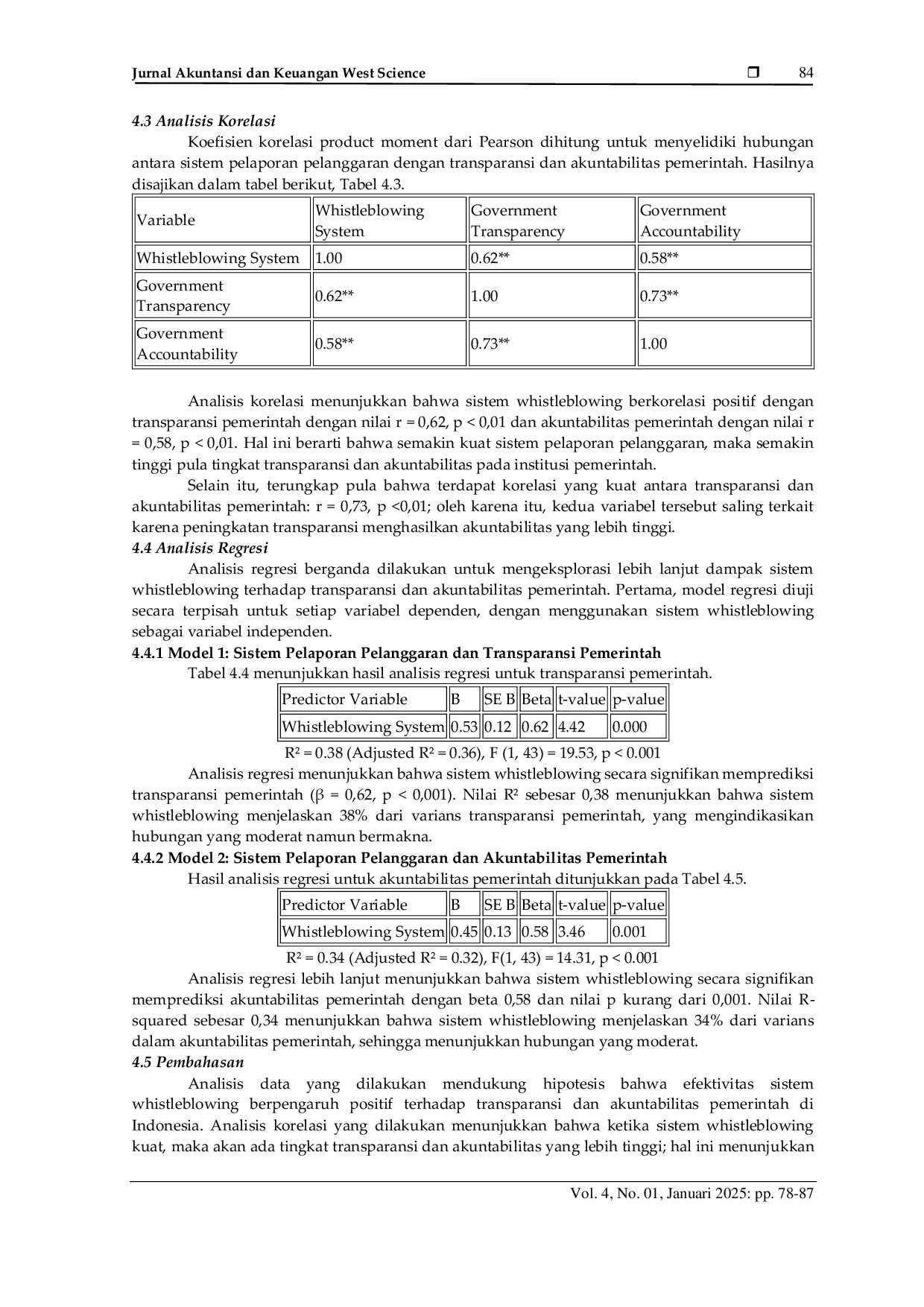
WESTSCIENCESWESTSCIENCES Penelitian ini menyelidiki bagaimana sistem pelaporan pelanggaran (whistleblowing system) mempengaruhi dan akuntabilitas pemerintah di Indonesia. PendekatanPenelitian ini menyelidiki bagaimana sistem pelaporan pelanggaran (whistleblowing system) mempengaruhi dan akuntabilitas pemerintah di Indonesia. Pendekatan
Useful /
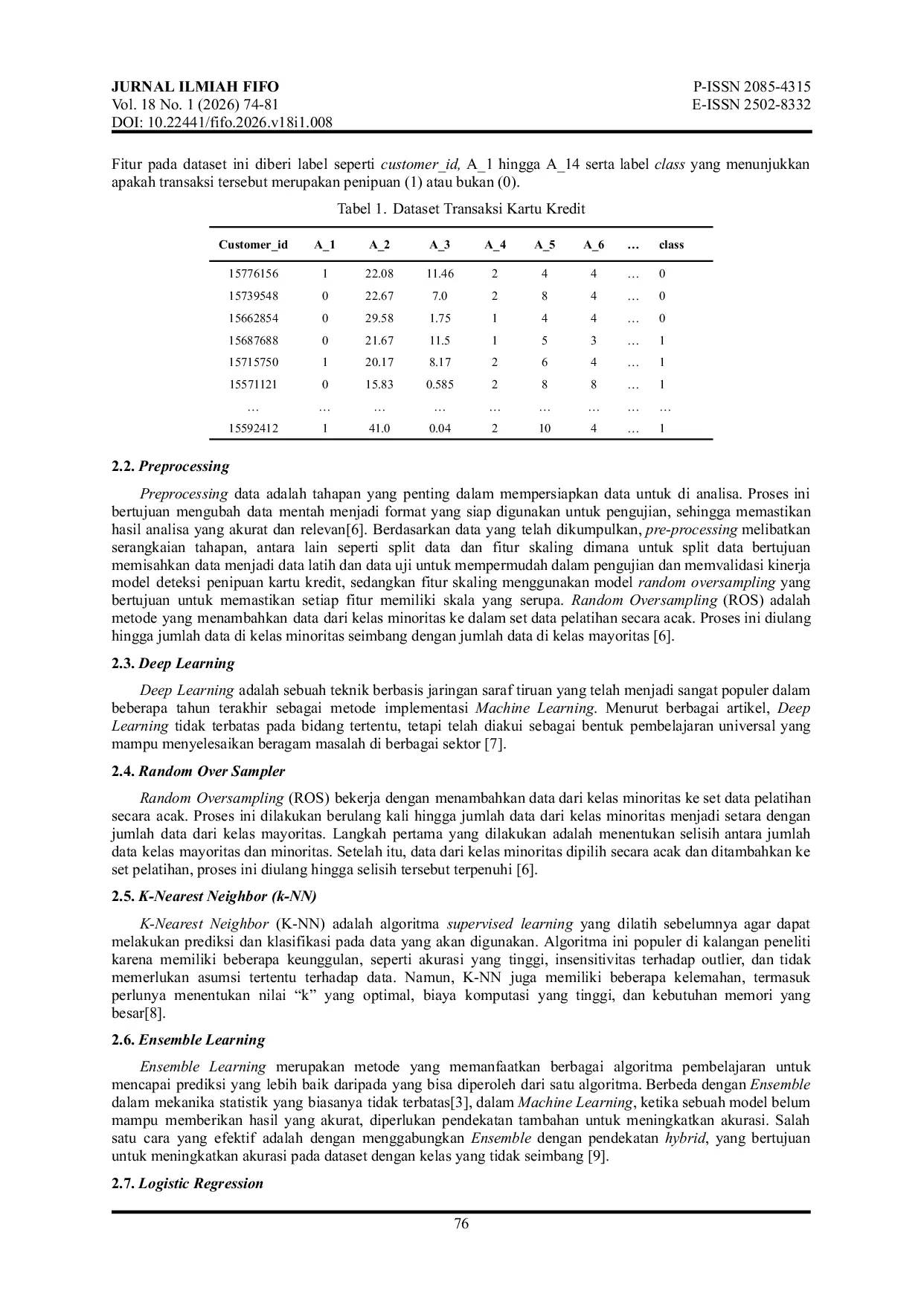
UMBUMB Berdasarkan hasil dari penelitian yang telah dilakukan, dapat disimpulkan bahwa penerapan deep learning dalam prediksi penipuan menggunakan berbagai modelBerdasarkan hasil dari penelitian yang telah dilakukan, dapat disimpulkan bahwa penerapan deep learning dalam prediksi penipuan menggunakan berbagai model
DINASTIRESDINASTIRES Hasil penelitian menunjukkan bahwa kebijakan dividen, yang diukur dengan Rasio Pembayaran Dividen (RPD), memiliki pengaruh negatif signifikan terhadapHasil penelitian menunjukkan bahwa kebijakan dividen, yang diukur dengan Rasio Pembayaran Dividen (RPD), memiliki pengaruh negatif signifikan terhadap
UMBUMB 94, menandakan kemampuan yang sangat baik dalam mengenali kasus kanker paru-paru secara akurat. Di samping itu, K-Nearest Neighbors juga mencatat presisi94, menandakan kemampuan yang sangat baik dalam mengenali kasus kanker paru-paru secara akurat. Di samping itu, K-Nearest Neighbors juga mencatat presisi
UNHUNH Salah satu contohnya adalah UMKM Pempek Madam di Jambi yang bergerak di bidang produksi dan penjualan pempek sebagai makanan khas daerah. Penelitian iniSalah satu contohnya adalah UMKM Pempek Madam di Jambi yang bergerak di bidang produksi dan penjualan pempek sebagai makanan khas daerah. Penelitian ini