PNLPNL
Jurnal PolimesinJurnal PolimesinThe utilization of solar energy can be adapted for household needs, such as powering electric stoves. Solar panels function as devices for converting heat into electricity, which is then used to power solar cookers as substitutes for LPG-powered stoves. This study was conducted at the Faculty of Engineering, HKBP Nommensen University, located on Jl. Sutomo No. 4A, Medan, North Sumatra, Indonesia. The objective of this study is to compare the performance of a solar cooker PV DC system using an aluminum cooking container to that of a solar cooker using a stainless steel container, with a focus on differences in the rate of temperature increase. The test results indicate that aluminum containers conduct heat more efficiently than stainless steel containers. In an experiment on heating 2 liters of water, the rate of temperature increase in an aluminum container is 1.01°C per minute, compared to 0.91°C per minute in a stainless steel container. The thermal conductivity of aluminum is approximately 205 W/m°C, with a density of 2.7 g/cm³, whereas stainless steel has a thermal conductivity of 15–25 W/m°C and a density of 7.8 g/cm³. The highest average solar radiation recorded during the test was 424.1 W/m². The solar cooker successfully cooked potatoes to a normal level in 48 minutes, from 14:26 to 15:13 on August 3, 2024, reaching a final temperature of 100.1°C, under the lowest average radiation of 216.22 W/m². In another test, 104 grams of potatoes were cooked in 35 minutes, with the temperature increasing at a rate of 1.62°C per minute in the aluminum container, reaching a final temperature of 103°C. In contrast, the stainless steel container had a rate of 1.31°C per minute and reached a final temperature of 91.3°C. The test also demonstrated that battery voltage significantly impacts cooking efficiency, as it influences the power required for cooking materials, such as water.
The research findings demonstrate that solar cookers utilizing aluminum containers exhibit superior heat conduction compared to those employing stainless steel.Specifically, when heating 2 liters of water, the aluminum container achieved a temperature increase rate of 1.01°C per minute, while the stainless steel container only reached 0.This difference is attributed to the higher thermal conductivity of aluminum, approximately 205 W/m°C, in contrast to the 15-25 W/m°C conductivity of stainless steel.These results highlight the importance of material selection in optimizing the efficiency of solar cooking systems.
Further research could investigate the long-term durability and corrosion resistance of aluminum containers under prolonged exposure to sunlight and varying weather conditions, as this could impact their suitability for widespread use. Additionally, exploring the integration of phase change materials (PCMs) with both aluminum and stainless steel containers could enhance thermal storage capacity and improve cooking performance, particularly during periods of intermittent sunlight. Finally, a comparative study evaluating the economic feasibility and environmental impact of solar cookers with different container materials, considering factors like manufacturing costs, material lifespan, and carbon footprint, would provide valuable insights for promoting sustainable cooking solutions.
| File size | 1.16 MB |
| Pages | 7 |
| DMCA | Report |
Related /
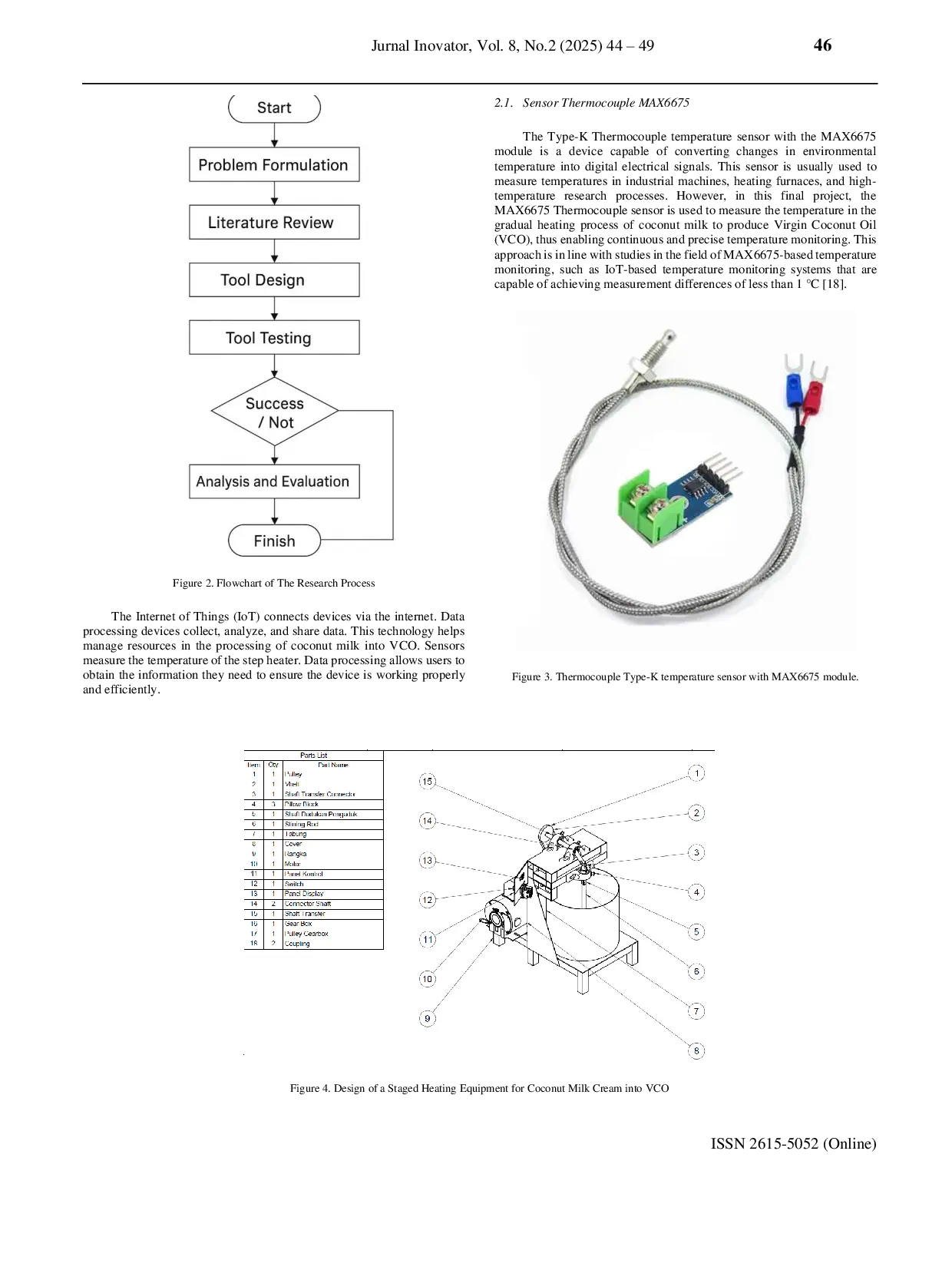
POLITEKNIKJAMBIPOLITEKNIKJAMBI Virgin Coconut Oil (VCO) adalah produk olahan dari daging kelapa yang berbentuk cairan jernih, tidak berasa, dan memiliki aroma khas kelapa. VCO diperolehVirgin Coconut Oil (VCO) adalah produk olahan dari daging kelapa yang berbentuk cairan jernih, tidak berasa, dan memiliki aroma khas kelapa. VCO diperoleh

POLMAN BABELPOLMAN BABEL Tiga parameter proses yang dipilh yaitu sudut ujung pahat, kecepatan spindel, dan kecepatan makan digunakan sebagai parameter proses. Sudut ujung pahatTiga parameter proses yang dipilh yaitu sudut ujung pahat, kecepatan spindel, dan kecepatan makan digunakan sebagai parameter proses. Sudut ujung pahat
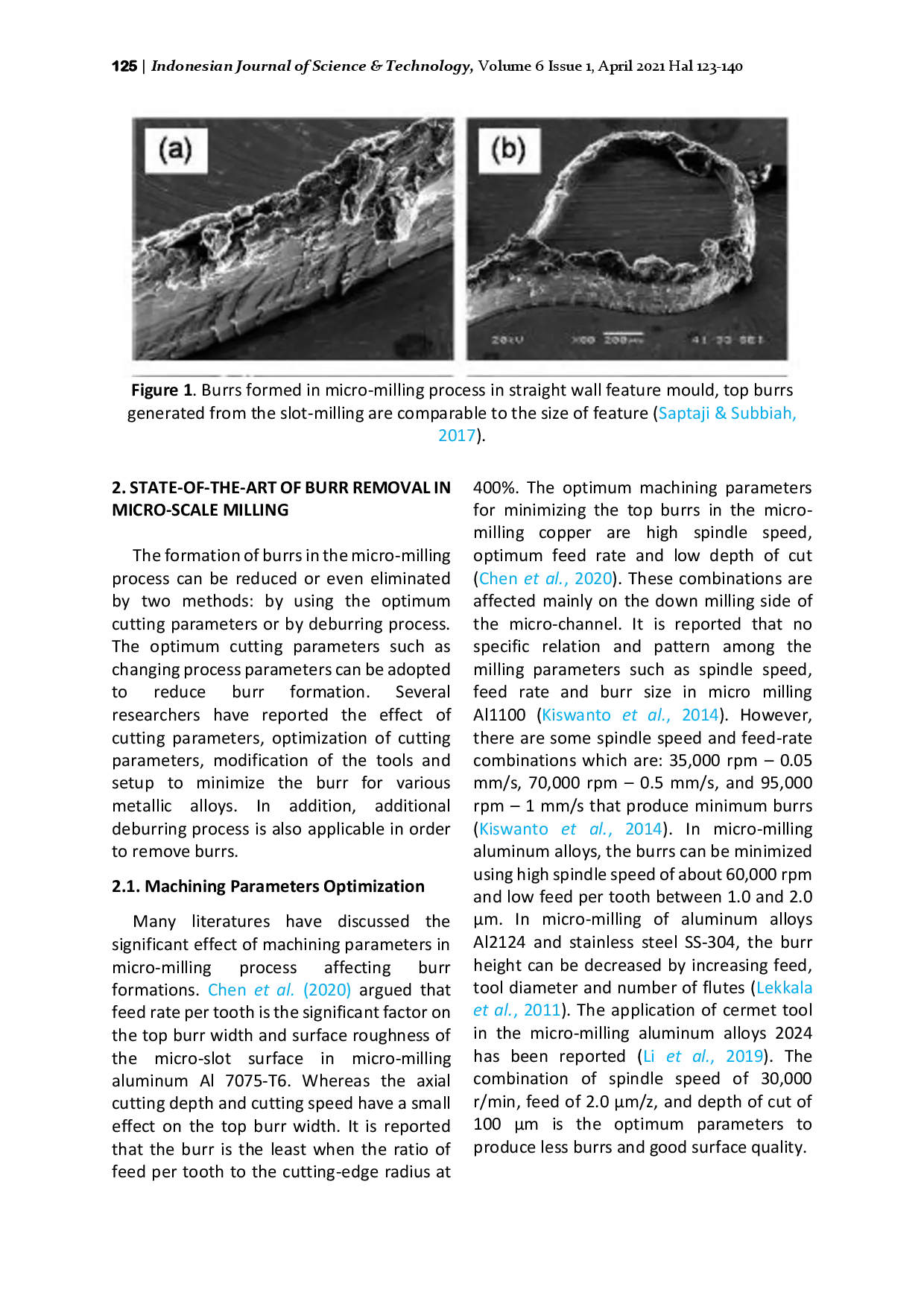
UPIUPI Keberadaan burs pada fitur skala mikro yang dihasilkan oleh proses frais dapat memperburuk kualitas permukaan produk. Logam yang lentur seperti paduanKeberadaan burs pada fitur skala mikro yang dihasilkan oleh proses frais dapat memperburuk kualitas permukaan produk. Logam yang lentur seperti paduan
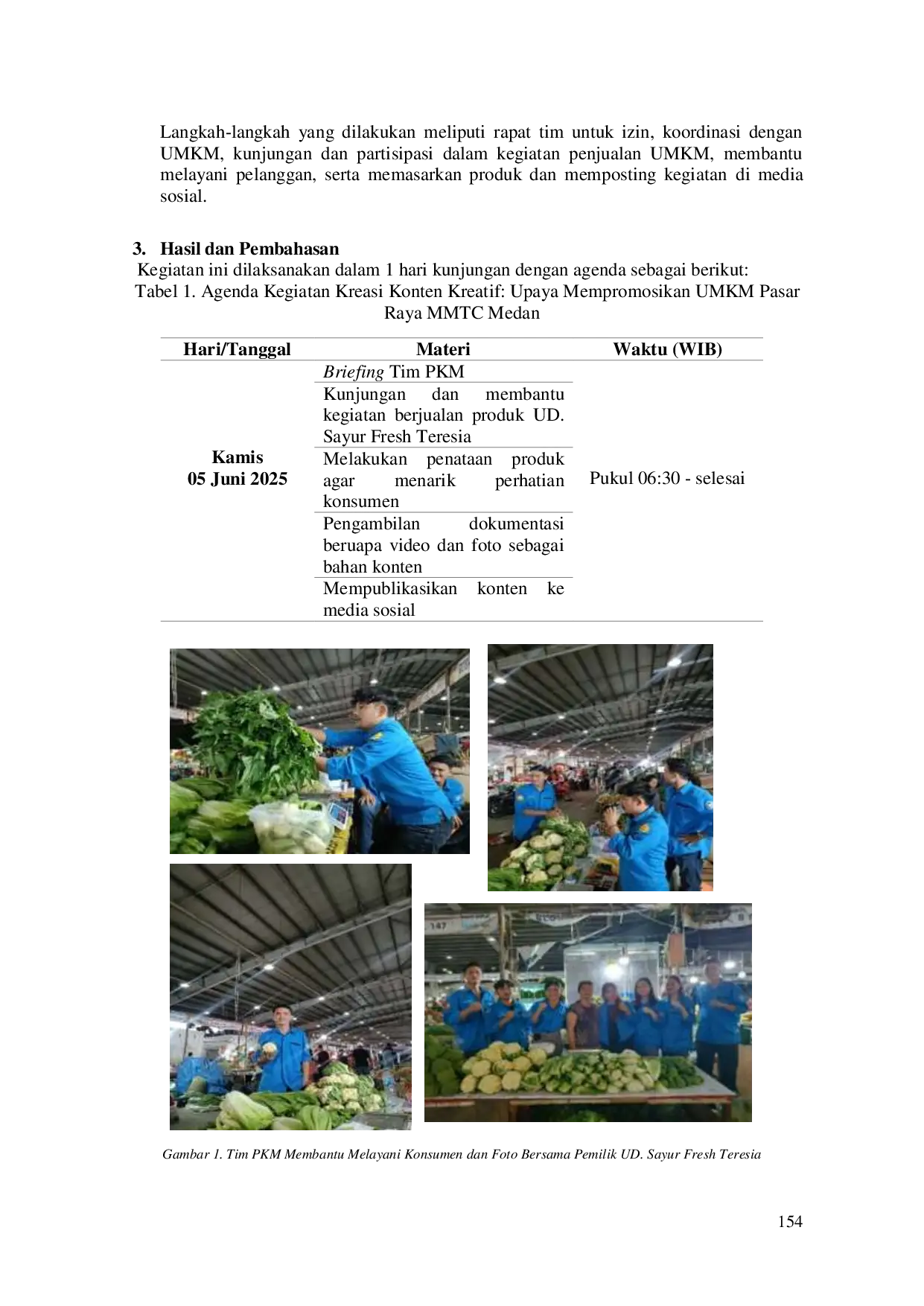
SARI MUTIARASARI MUTIARA Sayur Fresh Teresia melalui berbagai platform. Hasil kegiatan menunjukkan pelaksanaan yang baik, mendapatkan perhatian positif dari masyarakat sekitar,Sayur Fresh Teresia melalui berbagai platform. Hasil kegiatan menunjukkan pelaksanaan yang baik, mendapatkan perhatian positif dari masyarakat sekitar,

FORTEI7FORTEI7 Dalam penelitian ini metode pengolahan data yang digunakan desain rancangan faktorial dengan data dari hasil pengujian kekuatan tarik. Pada penelitianDalam penelitian ini metode pengolahan data yang digunakan desain rancangan faktorial dengan data dari hasil pengujian kekuatan tarik. Pada penelitian
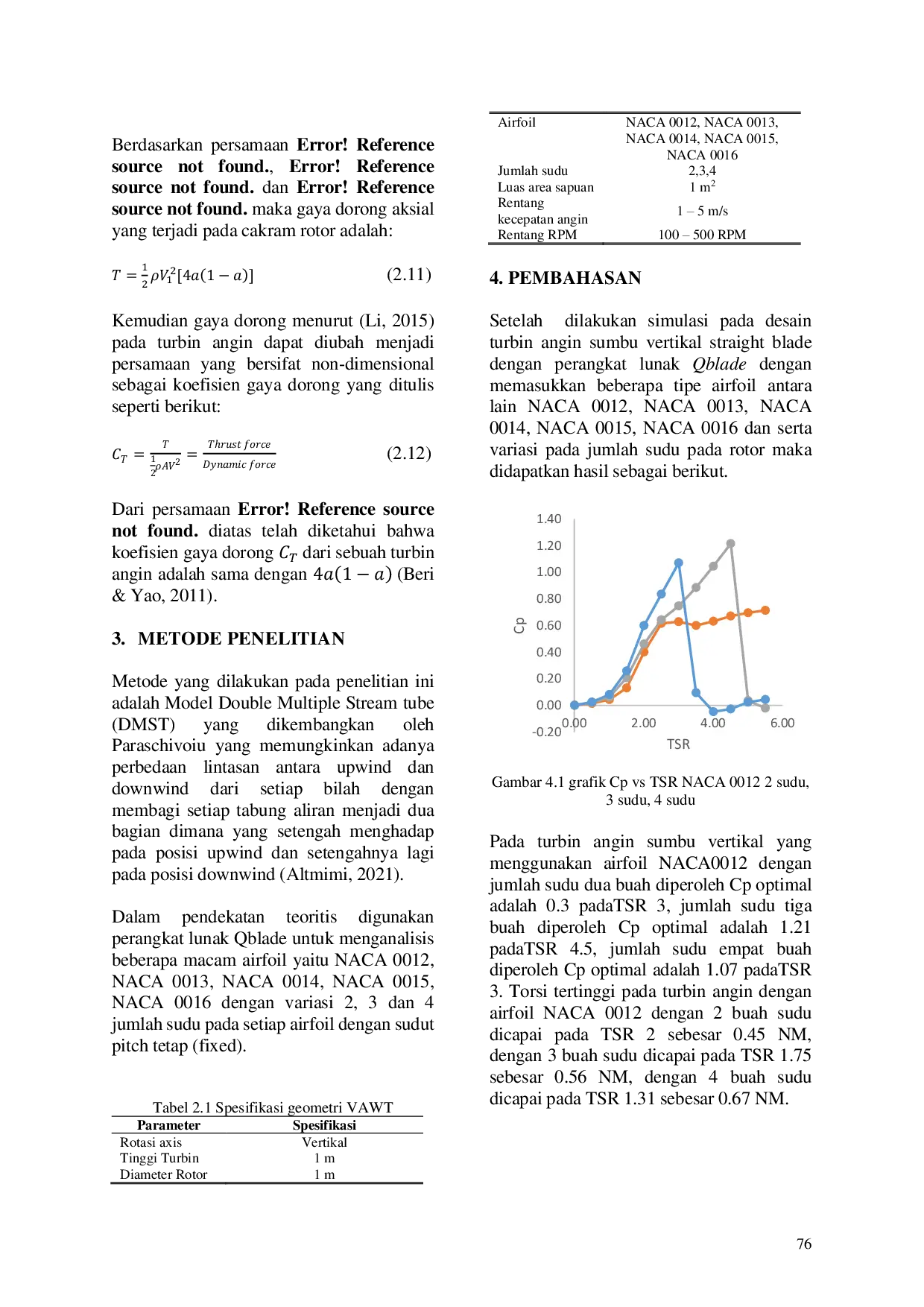
UNTAGUNTAG Berdasarkan hasil desain dan simulasi turbin angin sumbu vertikal tipe Darrieus straight blade, koefisien performa turbin angin sumbu vertikal yang optimalBerdasarkan hasil desain dan simulasi turbin angin sumbu vertikal tipe Darrieus straight blade, koefisien performa turbin angin sumbu vertikal yang optimal
UMBUMB Metode Firefly adalah metode cerdas yang dapat digunakan untuk mengoptimalkan parameter PID. Tiga parameter Algoritma Firefly (FA) digunakan dalam program:Metode Firefly adalah metode cerdas yang dapat digunakan untuk mengoptimalkan parameter PID. Tiga parameter Algoritma Firefly (FA) digunakan dalam program:
HKBPHKBP Penambahan sirip pada pipa meningkatkan luas penampang kolektor, sehingga memperbesar penyerapan panas. Penelitian ini membandingkan kolektor surya denganPenambahan sirip pada pipa meningkatkan luas penampang kolektor, sehingga memperbesar penyerapan panas. Penelitian ini membandingkan kolektor surya dengan
Useful /
UPIUPI Matematika secara fundamental penting bagi bidang Ilmu Pengetahuan dan Teknologi serta rekayasa. Namun studi preliminernya menemukan bahwa pencapaian siswaMatematika secara fundamental penting bagi bidang Ilmu Pengetahuan dan Teknologi serta rekayasa. Namun studi preliminernya menemukan bahwa pencapaian siswa

UNDIPUNDIP Praktisi kesehatan dapat memanfaatkan data ini sebagai dasar penelitian selanjutnya dalam mengembangkan alat deteksi diri untuk menilai risiko kanker ovarium.Praktisi kesehatan dapat memanfaatkan data ini sebagai dasar penelitian selanjutnya dalam mengembangkan alat deteksi diri untuk menilai risiko kanker ovarium.

FORTEI7FORTEI7 0002183, dengan kontroler PD sebesar -0. 0002139, dengan kontroler PID sebesar -0. 0002129, dengan kontroler SMES sebesar -0. 0001958, dan dengan kontroler0002183, dengan kontroler PD sebesar -0. 0002139, dengan kontroler PID sebesar -0. 0002129, dengan kontroler SMES sebesar -0. 0001958, dan dengan kontroler
UNMUNM Penelitian ini bertujuan untuk menggambarkan pelaksanaan kebijakan bahasa bilingual dan implikasinya bagi multibudaya serta internasionalisasi pendidikanPenelitian ini bertujuan untuk menggambarkan pelaksanaan kebijakan bahasa bilingual dan implikasinya bagi multibudaya serta internasionalisasi pendidikan