UMBUMB
SINERGISINERGIService quality and customer satisfaction directly influence company branding, reputation and customer loyalty. As a liaison between producers and consumers, dealers must preserve valuable consumer relationships to increase customer satisfaction and adherence. Lack of comprehensive measurement and standardization regarding service quality emerges as a consideration issue towards the company service excellence. Therefore, identifying the service quality performance and grouping develops into valuable contributions in decision-making to control and enhance the companys intention. This study applies the K-Means Algorithm by optimizing the number of clusters in identifying dealer service quality performance. Hence, the ultimate service quality formation will be performed. The analysis found three dealer identification categories, including Cluster One, with 125 dealers grouped as good performance; Cluster Two, with 30 dealers grouped as very good performance; and Cluster Three, with 38 dealers grouped as not good performance. In order to evaluate the efficacy of optimum k value, the lists of testing approaches are conducted and compared, whereby Calinski-Harabasz, Elbow, Silhouette Score, and Davies-Bouldin Index (DBI) contribute in k=3. As a result, the optimum clusters are determined through the highest performance of k values as three. These three clusters have successfully identified the service quality level of dealers effectively and administered the company guidelines for corrective actions and improvements in customer service quality instead of the standardized normal distribution grouping calculation.
This research has successfully identified the dealer service quality, enabling the company to maintain customer satisfaction by intensifying dealer service performance.The optimum number of quality performance clusters was determined using the K-Means algorithm with evaluation techniques like Elbow Method, Silhouette Score, Davies-Bouldin Index, and Calinski-Harabasz index, resulting in three distinct clusters.These findings provide a novel and valuable service quality performance schema, offering a more accurate measurement compared to traditional methods.
Further research could explore the integration of real-time customer feedback data into the K-Means algorithm to dynamically adjust dealer performance groupings and provide more immediate insights. Additionally, investigating the impact of dealer training programs on service quality metrics, utilizing the identified clusters as control groups, could reveal effective strategies for improvement. Finally, a study examining the correlation between dealer service quality, as categorized by the K-Means algorithm, and long-term customer loyalty and sales figures would provide valuable evidence of the algorithms practical business impact and justify further investment in service quality initiatives. These investigations, building upon the current studys foundation, will contribute to a more nuanced understanding of dealer performance and ultimately enhance customer satisfaction and business outcomes.
- Service quality dealer identification: the optimization of K-Means clustering | Enza Wella | SINERGI.... doi.org/10.22441/sinergi.2023.3.014Service quality dealer identification the optimization of K Means clustering Enza Wella SINERGI doi 10 22441 sinergi 2023 3 014
- 0. pdf obj adobe 1aqa q2 3br 1aqaq 3r br gf dp zb guerv ko qe quu m6 pd fe w3 gy kf uk s6 pix et0 izm doi.org/10.30534/ijeter/2020/208520200 pdf obj adobe 1aqa q2 3br 1aqaq 3r br gf dp zb guerv ko qe quu m6 pd fe w3 gy kf uk s6 pix et0 izm doi 10 30534 ijeter 2020 20852020
| File size | 698.01 KB |
| Pages | 10 |
| DMCA | Report |
Related /

MEDIAPUBLIKASIMEDIAPUBLIKASI Hasil penelitian menemukan bahwa strategi manajemen bakat berpengaruh positif dan signifikan terhadap kinerja pegawai/karyawan di lingkungan PoliteknikHasil penelitian menemukan bahwa strategi manajemen bakat berpengaruh positif dan signifikan terhadap kinerja pegawai/karyawan di lingkungan Politeknik

MEDIAPUBLIKASIMEDIAPUBLIKASI Berdasarkan hasil estimasi secara simultan yang telah dilakukan diketahui bahwa seluruh variabel bebas (luas lahan, tenaga kerja dan pupuk) bersama-samaBerdasarkan hasil estimasi secara simultan yang telah dilakukan diketahui bahwa seluruh variabel bebas (luas lahan, tenaga kerja dan pupuk) bersama-sama

MEDIAPUBLIKASIMEDIAPUBLIKASI Pengambilan keputusan di zaman modern ini dapat dilakukan dengan lebih cepat, efisien, dan akurat berkat penggunaan komputer untuk pengolahan data. TeknikPengambilan keputusan di zaman modern ini dapat dilakukan dengan lebih cepat, efisien, dan akurat berkat penggunaan komputer untuk pengolahan data. Teknik

MEDIAPUBLIKASIMEDIAPUBLIKASI Penelitian ini bertujuan untuk mengetahui Pengaruh Model Pembelajaran Kooperatif Tipe Teams Games Tournament (TGT) Dalam Meningkatkan Hasil Belajar PPKnPenelitian ini bertujuan untuk mengetahui Pengaruh Model Pembelajaran Kooperatif Tipe Teams Games Tournament (TGT) Dalam Meningkatkan Hasil Belajar PPKn
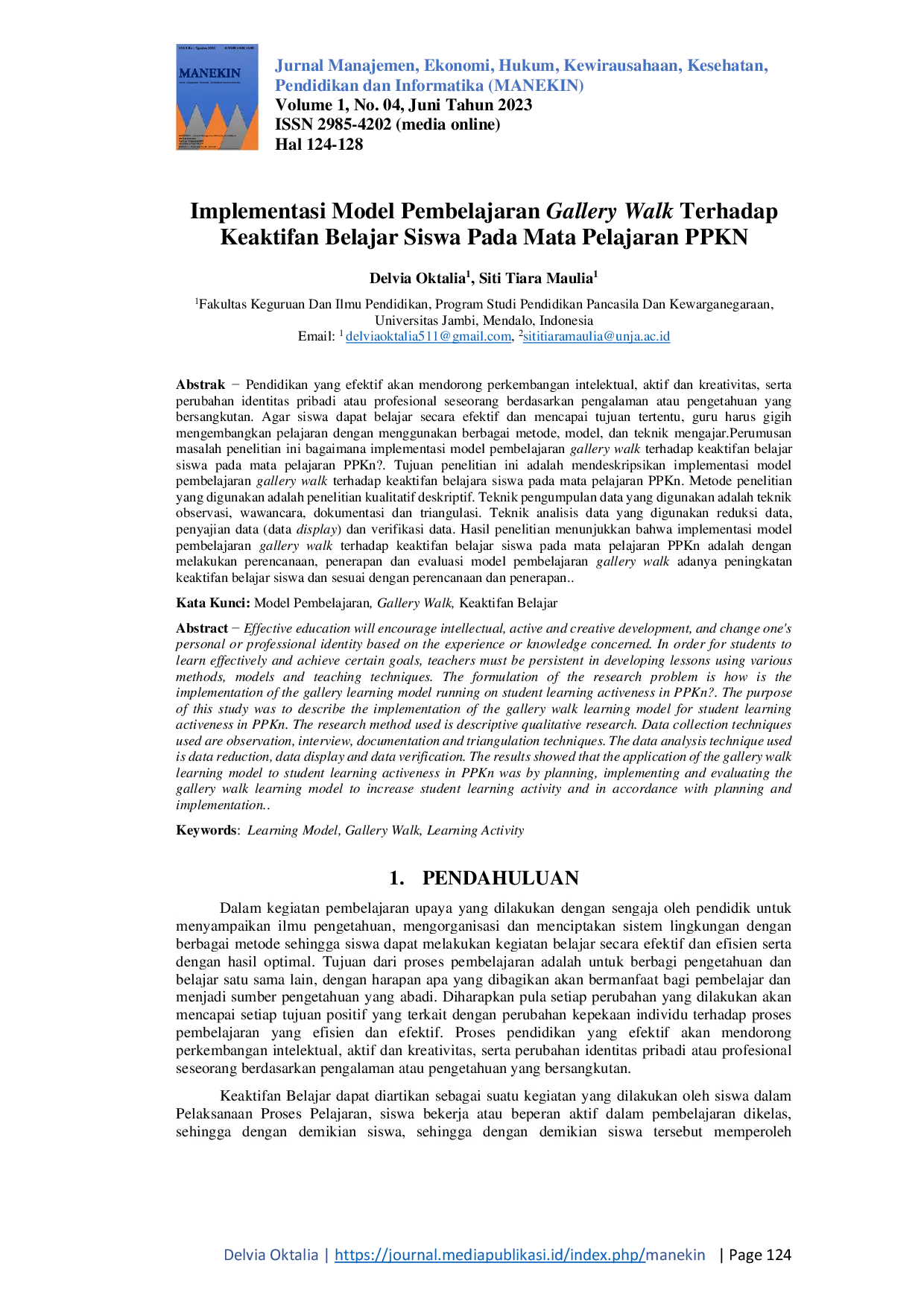
MEDIAPUBLIKASIMEDIAPUBLIKASI Metode penelitian yang digunakan adalah penelitian kualitatif deskriptif dengan teknik pengumpulan data observasi, wawancara, dokumentasi, dan triangulasi.Metode penelitian yang digunakan adalah penelitian kualitatif deskriptif dengan teknik pengumpulan data observasi, wawancara, dokumentasi, dan triangulasi.

MEDIAPUBLIKASIMEDIAPUBLIKASI Para siswa memiliki karakter yang berbeda beda dalam mengikuti pembelajaran, tidak semua siswa bersemangat untuk mengikuti proses pembelajaran sebelumPara siswa memiliki karakter yang berbeda beda dalam mengikuti pembelajaran, tidak semua siswa bersemangat untuk mengikuti proses pembelajaran sebelum

MEDIAPUBLIKASIMEDIAPUBLIKASI Pendidikan merupakan wadah dimana karakter para siswa dibentuk. Semakin berkembangnya zaman sudah sepatutnya para pelajar ataupun pemuda untuk berpikirPendidikan merupakan wadah dimana karakter para siswa dibentuk. Semakin berkembangnya zaman sudah sepatutnya para pelajar ataupun pemuda untuk berpikir

MEDIAPUBLIKASIMEDIAPUBLIKASI Pendekatan pengambilan keputusan yang dikenal sebagai rantai maju dimulai dengan mempertimbangkan premis atau fakta sebelum sampai pada kesimpulan akhir.Pendekatan pengambilan keputusan yang dikenal sebagai rantai maju dimulai dengan mempertimbangkan premis atau fakta sebelum sampai pada kesimpulan akhir.
Useful /
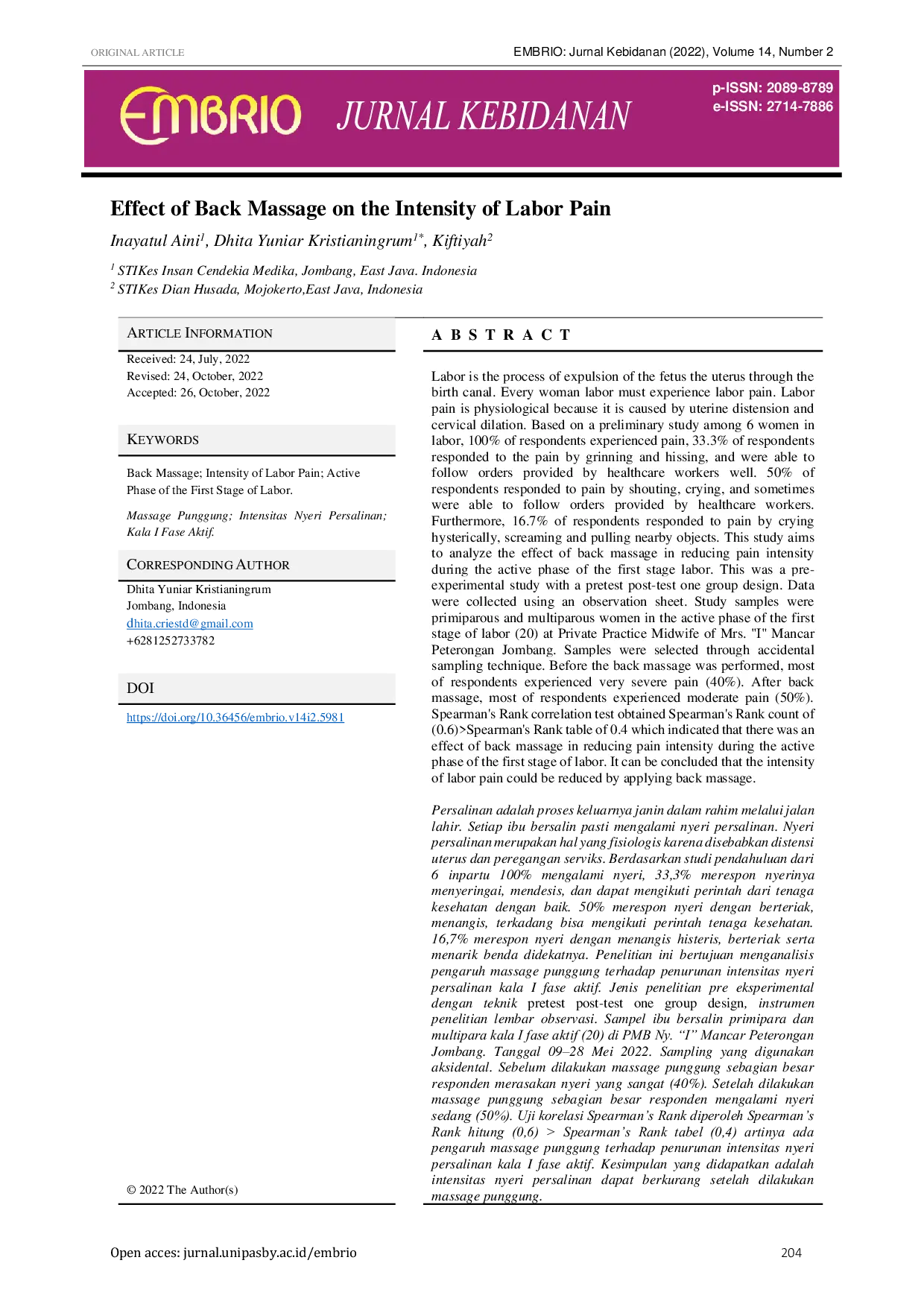
UNIPASBYUNIPASBY Persalinan adalah proses keluarnya janin dalam rahim melalui jalan lahir. Setiap ibu bersalin pasti mengalami nyeri persalinan. Nyeri persalinan merupakanPersalinan adalah proses keluarnya janin dalam rahim melalui jalan lahir. Setiap ibu bersalin pasti mengalami nyeri persalinan. Nyeri persalinan merupakan

UNIPASBYUNIPASBY Penyebab lainnya yaitu peningkatan hormon relaksin yang menyebabkan ligamen tulang belakang menjadi tidak stabil sehingga mudah menjepit daerah pembuluhPenyebab lainnya yaitu peningkatan hormon relaksin yang menyebabkan ligamen tulang belakang menjadi tidak stabil sehingga mudah menjepit daerah pembuluh
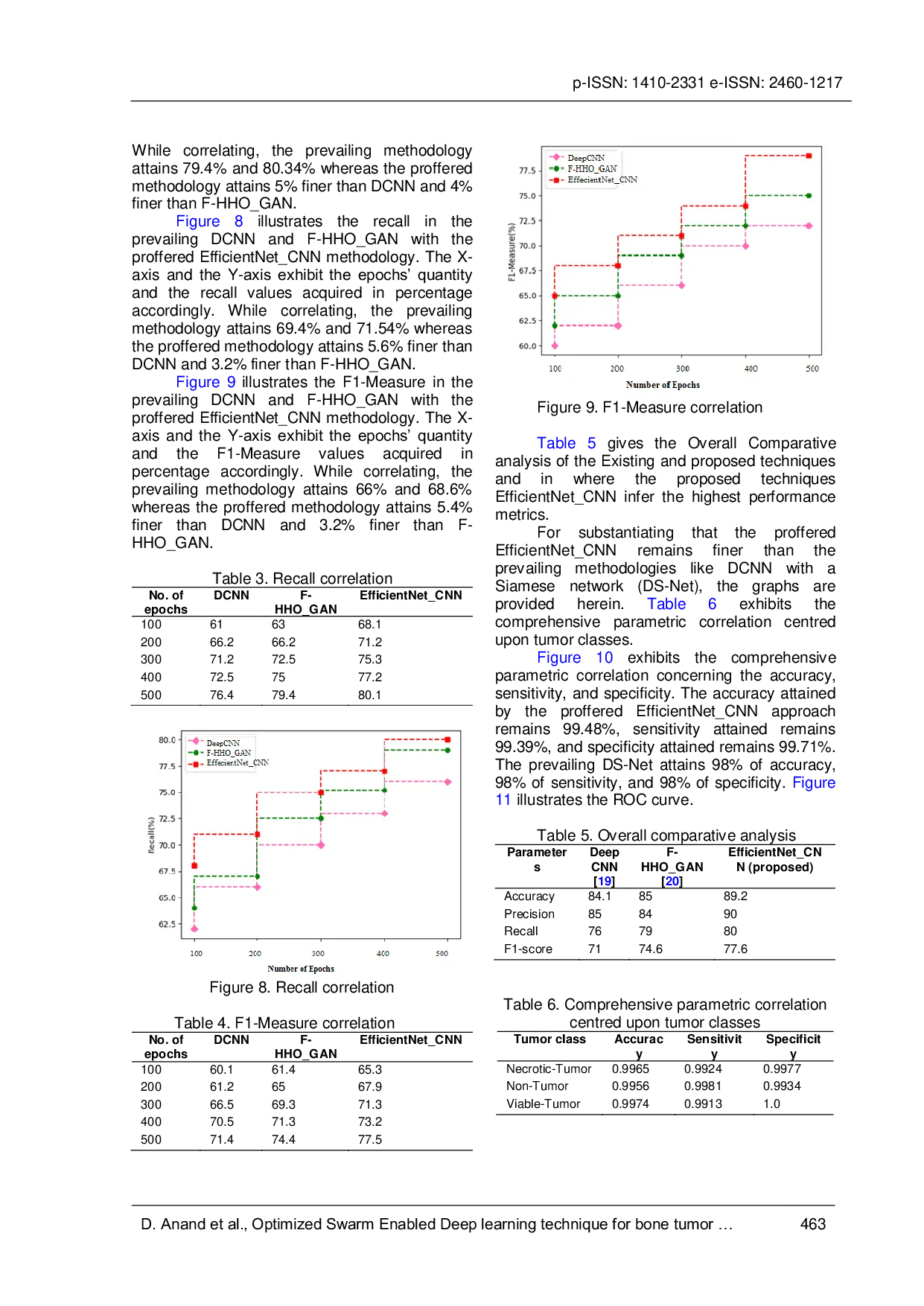
UMBUMB Teknik ini menggunakan Tsallis Entropy untuk menghilangkan noise dan smoothening pada gambar, kemudian menggunakan Efficient Net-CNN untuk mengekstrakTeknik ini menggunakan Tsallis Entropy untuk menghilangkan noise dan smoothening pada gambar, kemudian menggunakan Efficient Net-CNN untuk mengekstrak

STIAMISTIAMI Hasil penelitian ini menunjukkan adanya hubungan yang signifikan dan positif antara PDB dengan sampah padat dan emisi gas karbondioksida. Penelitian iniHasil penelitian ini menunjukkan adanya hubungan yang signifikan dan positif antara PDB dengan sampah padat dan emisi gas karbondioksida. Penelitian ini