STIKESMAYAPADASTIKESMAYAPADA
Proceeding of Mayapada International Nursing Conference (MINC)Proceeding of Mayapada International Nursing Conference (MINC)Patient-Reported Outcome Measures (PROMs) are essential tools in modern healthcare, focusing on patients experiences and perceptions of their health conditions and received treatments. These instruments enable healthcare professionals to obtain direct information from patients regarding symptoms, treatment effects, and overall quality of life. PROMs support the implementation of patient-centred care and facilitate data-driven clinical decision-making. This literature review was conducted systematically using Medline (PubMed) and Google Scholar databases for studies published between 2020 and 2024. The reviewed articles included qualitative, mixed-methods, and systematic review studies guided by the PRISMA framework. The findings indicate that PROMs have consistently shown positive impacts on improving healthcare quality across various clinical settings. In primary care, PROMs enhance doctor patient communication, while in oncology, they serve as important prognostic indicators for assessing quality of life, survival, and treatment effects. For chronic diseases such as multiple sclerosis and chronic obstructive pulmonary disease (COPD), PROMs assist in symptom evaluation and strengthen multidisciplinary coordination. Despite existing challenges such as time constraints, limited training, and technological barriers, electronic PROMs (e-PROMs) are considered an effective solution due to their efficiency, accuracy, and user acceptance. Institutional policy support, integrated digital systems, and continuous capacity building for healthcare professionals are essential to ensure the sustainable implementation of PROMs for improving the quality of healthcare services.
Patient-Reported Outcome Measures (PROMs) are effective tools for evaluating health outcomes from the patients perspective, encompassing symptoms, quality of life, and satisfaction with healthcare services.Implementation faces challenges related to time limitations, insufficient training of healthcare staff, and inadequate information system support.The adoption of electronic PROMs (e-PROMs) offers a potential solution to improve efficiency, accuracy, and acceptability among both patients and healthcare professionals.
Penelitian lebih lanjut perlu dilakukan untuk mengidentifikasi strategi implementasi PROMs yang paling efektif dalam berbagai konteks pelayanan kesehatan, dengan mempertimbangkan faktor-faktor kontekstual seperti sumber daya yang tersedia dan karakteristik pasien. Studi komparatif dapat dilakukan untuk membandingkan efektivitas PROMs berbasis kertas dan elektronik (e-PROMs) dalam meningkatkan kualitas perawatan pasien dan efisiensi alur kerja klinis, serta untuk mengidentifikasi preferensi pasien dan profesional kesehatan terhadap kedua format tersebut. Selain itu, penelitian perlu mengeksplorasi bagaimana PROMs dapat diintegrasikan dengan sistem rekam medis elektronik (RME) untuk memfasilitasi pengambilan keputusan klinis yang lebih baik dan pemantauan hasil pasien secara berkelanjutan, serta untuk mengembangkan model pelatihan yang komprehensif bagi profesional kesehatan dalam penggunaan dan interpretasi PROMs.
| File size | 168.42 KB |
| Pages | 12 |
| DMCA | Report |
Related /
UNIGRESUNIGRES Hasil menunjukkan hubungan negatif yang sangat signifikan antara beban perawatan dan kualitas hidup keluarga (ρ = -0,712; p = 0,000). Dukungan sosialHasil menunjukkan hubungan negatif yang sangat signifikan antara beban perawatan dan kualitas hidup keluarga (ρ = -0,712; p = 0,000). Dukungan sosial
POLTEKKESDEPKES SBYPOLTEKKESDEPKES SBY Data dikumpulkan melalui kuesioner dan dianalisis menggunakan uji chi-square untuk analisis bivariat dan regresi logistik untuk analisis multivariat. HasilData dikumpulkan melalui kuesioner dan dianalisis menggunakan uji chi-square untuk analisis bivariat dan regresi logistik untuk analisis multivariat. Hasil

POLTEKKESDEPKES SBYPOLTEKKESDEPKES SBY 5/PM10 in the ambient air, while worker characteristics and health complaints were assessed using the ECSC-87 and Q18 questionnaire. Data were analyzed5/PM10 in the ambient air, while worker characteristics and health complaints were assessed using the ECSC-87 and Q18 questionnaire. Data were analyzed
POLTEKKESDEPKES SBYPOLTEKKESDEPKES SBY Results showed a water quality index of 77.53, categorized as good. However, several parameters exceeded clean water standards, including DO, BOD, pH,Results showed a water quality index of 77.53, categorized as good. However, several parameters exceeded clean water standards, including DO, BOD, pH,
POLTEKKESDEPKES SBYPOLTEKKESDEPKES SBY Berdasarkan hasil penelitian, integrasi reaktor biodigester ke dalam sistem pengolahan limbah di Rumah Potong Ayam Ngadiyono terbukti efektif dalam mengurangiBerdasarkan hasil penelitian, integrasi reaktor biodigester ke dalam sistem pengolahan limbah di Rumah Potong Ayam Ngadiyono terbukti efektif dalam mengurangi
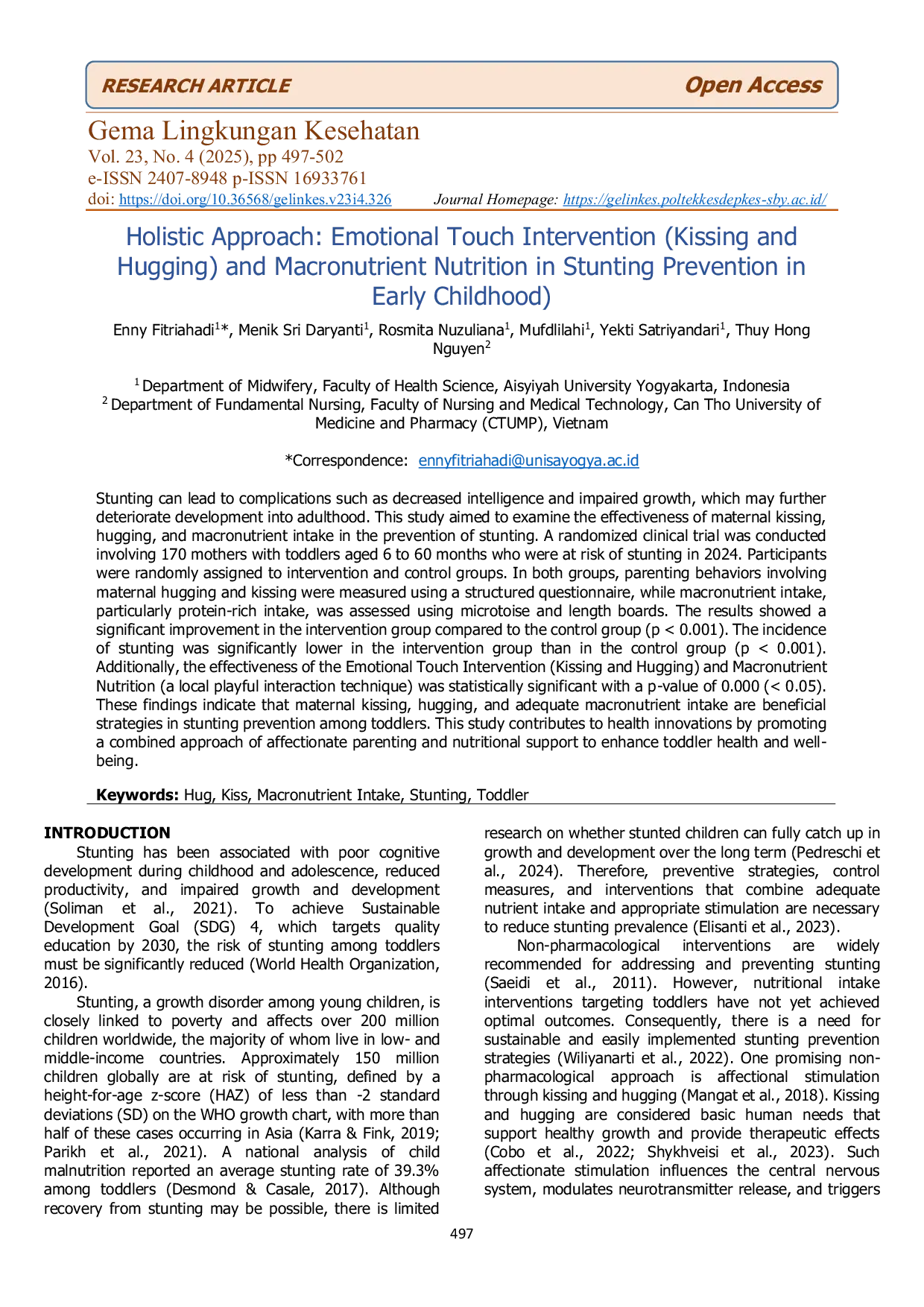
POLTEKKESDEPKES SBYPOLTEKKESDEPKES SBY Hasil menunjukkan perbaikan signifikan pada kelompok intervensi dibandingkan kelompok kontrol (p < 0,001). Insiden stunting lebih rendah secara signifikanHasil menunjukkan perbaikan signifikan pada kelompok intervensi dibandingkan kelompok kontrol (p < 0,001). Insiden stunting lebih rendah secara signifikan

UMPUMP Solusi yang efektif harus komprehensif, menggabungkan gaji kompetitif, program mentorship terstruktur, beban kerja yang dapat dikelola, serta kepemimpinanSolusi yang efektif harus komprehensif, menggabungkan gaji kompetitif, program mentorship terstruktur, beban kerja yang dapat dikelola, serta kepemimpinan

UnwahasUnwahas Insulin aspart injection 100 IU/mL, Penfill, was the most frequently prescribed medication, accounting for 7. Patients experiencing adverse events incurredInsulin aspart injection 100 IU/mL, Penfill, was the most frequently prescribed medication, accounting for 7. Patients experiencing adverse events incurred
Useful /

UNIGRESUNIGRES Kepercayaan produk dalam penelitian ini ditemukan bahwa kepuasan nasabah dalam hal keperayaan produk BNI Fleksi mayoritas percaya untuk pengambilan kreditKepercayaan produk dalam penelitian ini ditemukan bahwa kepuasan nasabah dalam hal keperayaan produk BNI Fleksi mayoritas percaya untuk pengambilan kredit

UnwahasUnwahas 004), comorbidities (p = 0. 030), and duration of illness (p = 0. 026). In conclusion, there is a statistically significant relationship between medication004), comorbidities (p = 0. 030), and duration of illness (p = 0. 026). In conclusion, there is a statistically significant relationship between medication
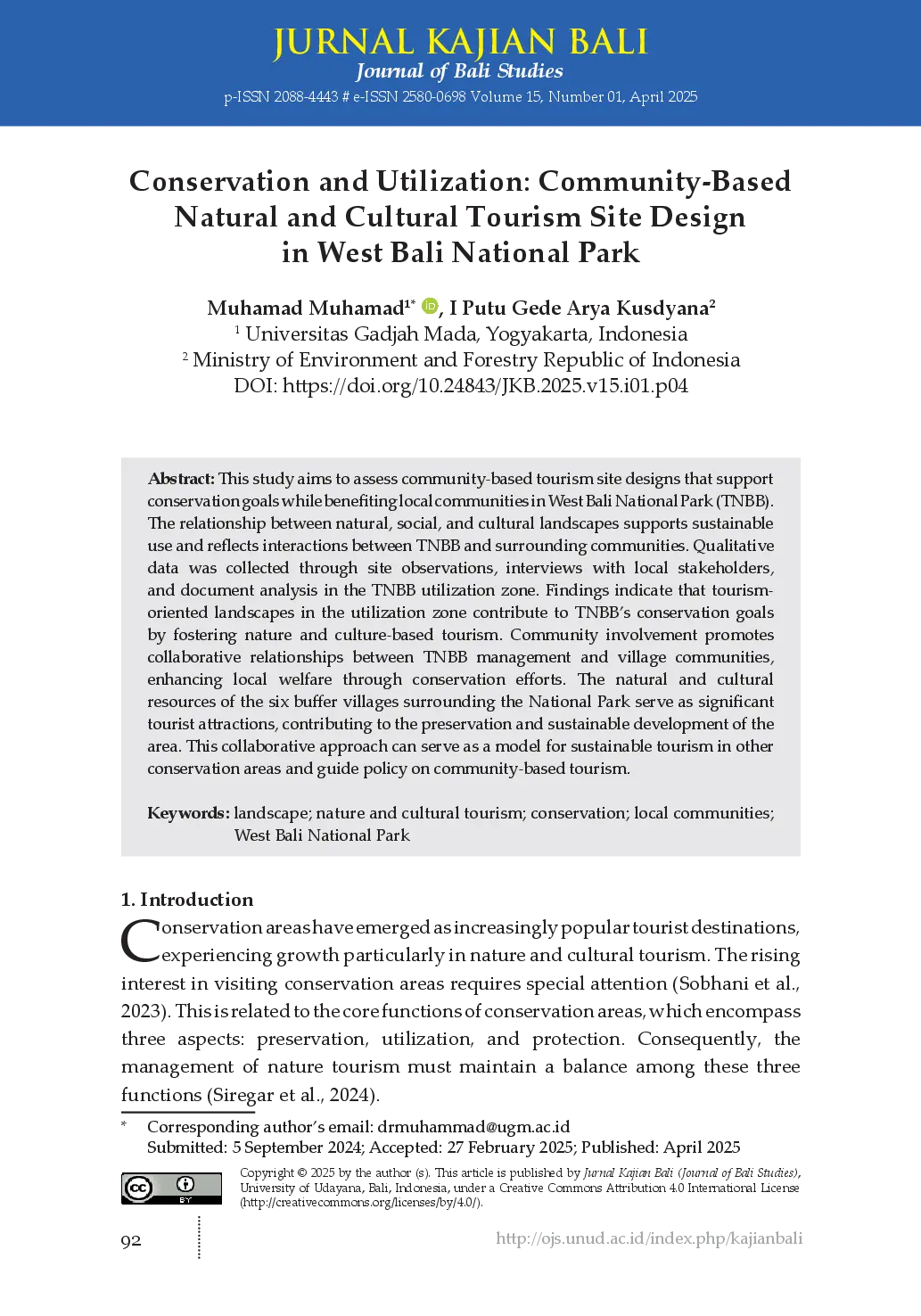
UNUDUNUD Pendekatan kolaboratif ini dapat menjadi model pariwisata berkelanjutan di area konservasi lainnya dan memandu kebijakan mengenai pariwisata berbasis masyarakat.Pendekatan kolaboratif ini dapat menjadi model pariwisata berkelanjutan di area konservasi lainnya dan memandu kebijakan mengenai pariwisata berbasis masyarakat.
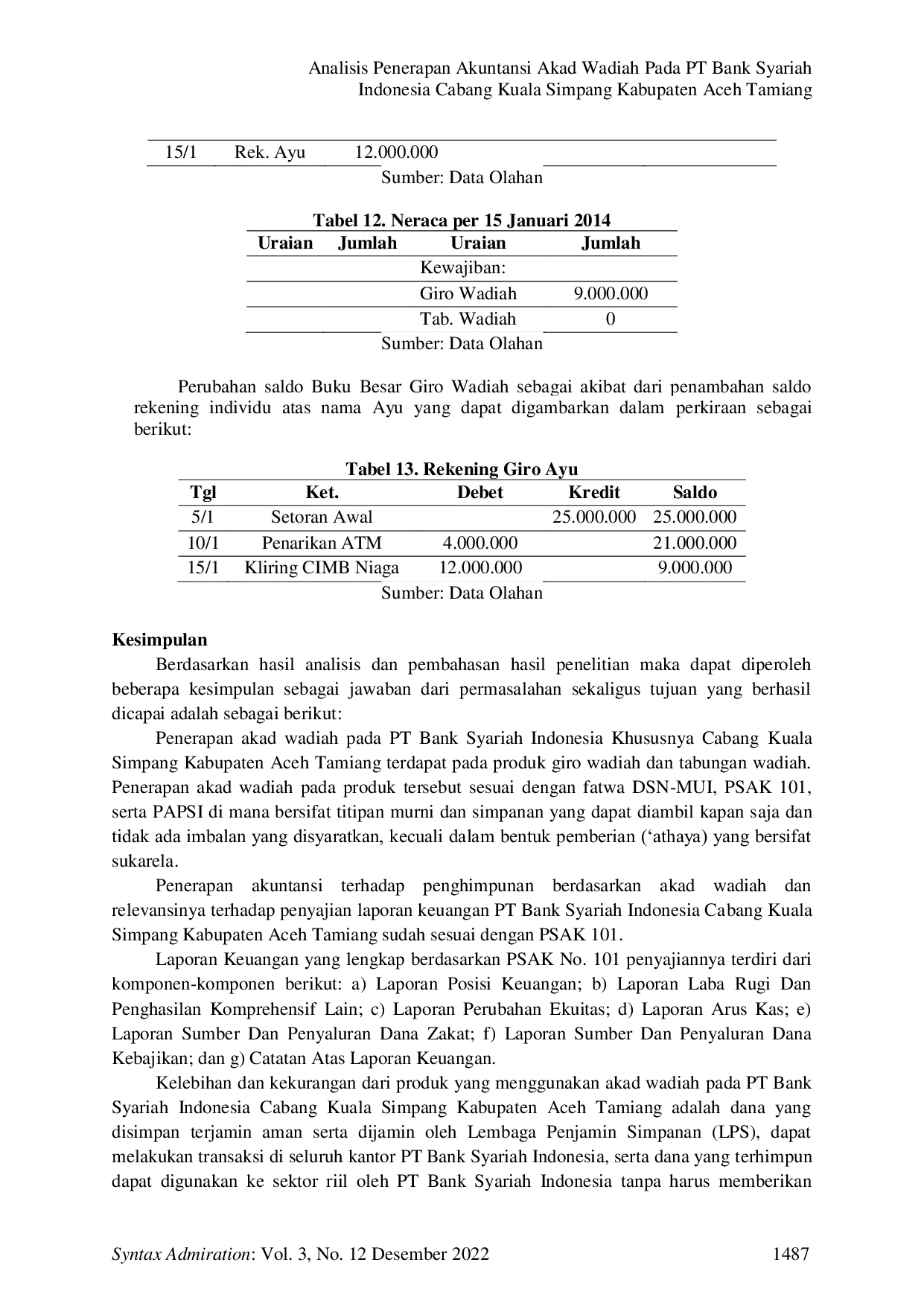
JURNALSYNTAXADMIRATIONJURNALSYNTAXADMIRATION Adapun penyajian dan pengungkapan atas akad wadiah pada penyusunan laporan keuangan PT Bank Syariah Indonesia Cabang Kuala Simpang Kabupaten Aceh TamiangAdapun penyajian dan pengungkapan atas akad wadiah pada penyusunan laporan keuangan PT Bank Syariah Indonesia Cabang Kuala Simpang Kabupaten Aceh Tamiang